
The Rise of AI Agents in Singapore’s Transport Landscape
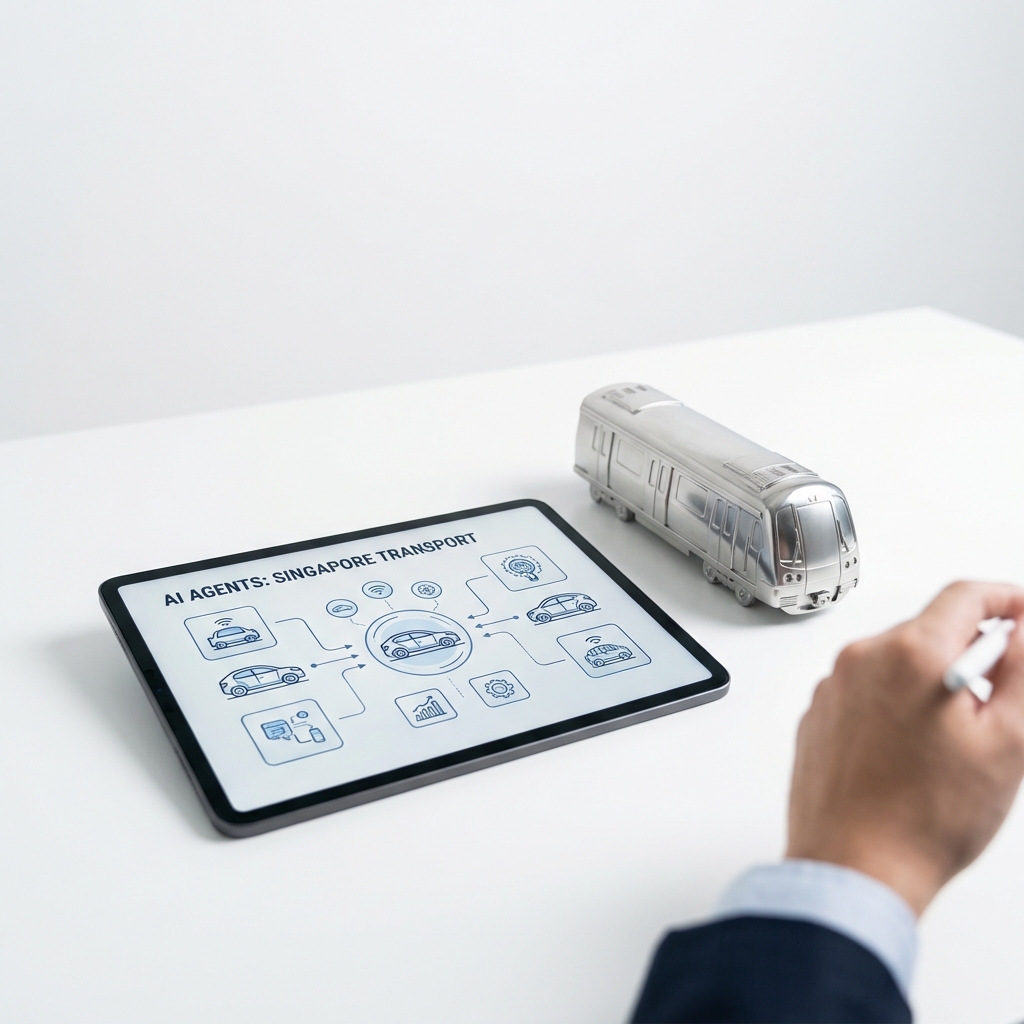
Singapore, a trailblazer in urban innovation, is rapidly transforming its transportation sector through the strategic deployment of Artificial Intelligence (AI) agents. As a cornerstone of its ambitious Smart Nation initiative, the city-state is not merely adopting technology but deeply integrating intelligent, autonomous systems to enhance efficiency, safety, and sustainability across its mobility networks. This deep dive explores the foundational aspects of AI agents, their historical trajectory within transport, and precisely how AI agent effect to transportation field in singapore, solidifying its reputation as a global leader in smart urban living.
1. Defining AI Agents and Their Core Capabilities
At its core, an AI agent is an autonomous entity designed to perceive its environment through sensors, process information, make decisions, and take actions to achieve specific goals. Unlike traditional software, AI agents possess learning capabilities, allowing them to adapt and improve their performance over time without explicit reprogramming. In the context of transportation, these agents manifest as sophisticated algorithms and systems capable of real-time data analysis, predictive modeling, and automated control.
Their core capabilities are multifaceted. They can analyze vast datasets from traffic cameras, GPS, IoT sensors, and public transport systems to identify patterns, predict congestion, and optimize routes. Decision-making prowess enables them to autonomously adjust traffic signals, dispatch ride-sharing vehicles, or even guide autonomous vehicles. Furthermore, AI agents facilitate predictive maintenance for infrastructure and fleets, identifying potential failures before they occur, thus minimizing downtime and enhancing safety. This level of intelligence is pivotal in understanding how AI agent effect to transportation field in singapore, ensuring that every journey is smoother and more reliable.
2. Historical Context of AI Integration in Transport Systems
The integration of AI into transport systems is not an entirely new phenomenon, though its sophistication has exploded in recent years. Early applications of AI in transport date back to the 1970s and 80s, primarily involving expert systems for rudimentary traffic management and logistical planning. These rule-based systems offered basic automation, helping optimize fixed routes or control simple signal timings based on predefined conditions. The advent of computational power in the late 20th century, coupled with advancements in optimization algorithms, paved the way for more complex simulations and dynamic scheduling.
The true revolution, however, began with the rise of machine learning, deep learning, and the proliferation of interconnected sensors (IoT). These technologies allowed AI agents to move beyond static rules, enabling them to learn from real-world data, recognize complex patterns, and adapt to evolving conditions. From early GPS navigation systems incorporating basic traffic data to modern intelligent transport systems that dynamically manage entire urban networks, the evolution of AI has transformed transport from merely moving people and goods to orchestrating a highly responsive and adaptive mobility ecosystem. This historical progression sets the stage for appreciating the current impact and future potential of AI in Singapore’s transport landscape.
3. Singapore’s Smart Nation Vision and AI-Driven Mobility
Singapore’s commitment to becoming a Smart Nation is intrinsically linked to its vision of intelligent mobility. The Land Transport Authority (LTA) has been at the forefront of this transformation, leveraging AI agents to build a resilient and responsive transport network. One prime example is the extensive deployment of Intelligent Transport Systems (ITS), which utilize AI for real-time traffic monitoring, incident detection, and dynamic signal control. These systems actively mitigate congestion, providing commuters with more predictable travel times.
Beyond traffic management, AI agents are critical in revolutionizing public transport. Predictive maintenance systems, powered by AI, analyze sensor data from trains and buses to forecast equipment failures, allowing for proactive repairs and significantly reducing service disruptions. Furthermore, Singapore is a global testbed for autonomous vehicles (AVs). AI agents are the brains behind these AVs, handling perception, navigation, decision-making, and control. Trials of autonomous buses and shuttles in various districts aim to enhance first-mile/last-mile connectivity and address driver shortages. The ongoing efforts demonstrate how AI agent effect to transportation field in singapore, driving improvements in efficiency, safety, and user experience across all facets of its land transport. By continually investing in and integrating cutting-edge AI, Singapore is solidifying its position as a global leader in transforming land transport through technology and setting a benchmark for future urban mobility solutions worldwide.
Revolutionizing Operational Efficiency and Traffic Management
Singapore, a global leader in urban innovation, constantly seeks cutting-edge solutions to enhance its intricate transportation network. With its dense population and ambitious Smart Nation vision, the efficient movement of people and goods is paramount. In this dynamic landscape, AI agents are emerging as transformative tools, fundamentally changing how AI agent effect to transportation field in singapore. These intelligent systems are not merely optimizing routes or managing traffic; they are creating a sentient, responsive urban mobility ecosystem that significantly boosts operational efficiency and ensures smoother, safer journeys for millions daily.
Traditional approaches often struggle to keep pace with the complex, ever-shifting demands of a bustling metropolis. AI agents, however, leverage vast datasets, machine learning algorithms, and real-time analytics to predict, adapt, and respond with unparalleled precision. This leap forward is central to Singapore’s strategy for managing increasing traffic volumes, reducing congestion, and fostering a more sustainable urban environment. From individual vehicle movements to city-wide transport infrastructure, AI is orchestrating a paradigm shift, promising a future where urban travel is not just efficient, but intuitive.
1. Dynamic Route Optimization and Predictive Traffic Analytics
One of the most immediate and impactful applications of AI agents in Singapore’s transportation sector is their ability to perform dynamic route optimization and predictive traffic analytics. By continuously processing data from an extensive network of sensors, cameras, GPS devices, and historical patterns, AI algorithms forecast traffic conditions with remarkable accuracy. This predictive capability allows the system to identify potential bottlenecks, reroute traffic away from congested areas, and suggest optimal paths for all vehicle types.
For instance, an AI agent can analyze a sudden downpour, a major event, or an accident, instantaneously adjusting recommended routes across navigation apps and digital signages. This real-time adaptability minimizes travel times, reduces fuel consumption, and significantly lowers carbon emissions, contributing to Singapore’s sustainability goals. The Land Transport Authority (LTA) actively implements Intelligent Transport Systems (ITS) powered by AI, demonstrating Singapore’s commitment to leveraging technology for smarter mobility. These systems continuously learn, becoming more accurate and efficient over time, showcasing a key answer to how AI agent effect to transportation field in Singapore by making commutes smarter and faster.
2. Smart Traffic Signal Systems and Congestion Alleviation
Beyond individual vehicle routing, AI agents are revolutionizing traffic flow at intersections through smart traffic signal systems. Unlike conventional traffic lights, AI-powered signals adapt in real-time based on actual traffic demand. Using high-resolution camera feeds and loop detectors, these intelligent agents detect vehicle queues, pedestrian movements, and overall road occupancy, then adjust signal timings dynamically to optimize flow and minimize waiting times.
In highly congested areas, AI can prioritize certain traffic directions, give precedence to emergency vehicles, or implement synchronized green waves to keep traffic moving smoothly across multiple intersections. This proactive approach to congestion alleviation reduces stop-and-go traffic, decreases idling time, and improves air quality. By intelligently managing the ebb and flow of urban traffic, these systems significantly enhance the capacity of existing road infrastructure, proving instrumental in how AI agent effect to transportation field in Singapore by making the most of every lane and intersection.
3. Enhancing Public Transport Scheduling and Resource Allocation
The impact of AI agents extends profoundly to Singapore’s world-class public transport network. Here, AI is instrumental in enhancing scheduling, optimizing resource allocation, and improving the overall passenger experience for buses, trains, and even taxis. AI algorithms analyze historical ridership data, real-time passenger loads, event schedules, and weather forecasts to predict demand fluctuations across different routes and times of day. This allows public transport operators to dynamically adjust bus frequencies, deploy additional trains during peak hours, or even reallocate drivers to meet unforeseen demand.
For commuters, this translates to shorter waiting times, less crowded journeys, and more reliable service. Furthermore, AI agents can predict maintenance needs for vehicles and infrastructure, scheduling proactive interventions to minimize breakdowns and service disruptions. By ensuring that resources – from vehicles to personnel – are utilized with maximum efficiency, AI not only improves the reliability and convenience of public transport but also leads to significant operational cost savings for operators. This holistic approach to managing public transportation exemplifies a crucial aspect of how AI agent effect to transportation field in Singapore, creating a more responsive, efficient, and user-centric mobility experience for everyone.
In conclusion, the integration of AI agents into Singapore’s transportation framework is far more than a technological upgrade; it is a strategic evolution. By enabling dynamic route optimization, intelligent traffic signal management, and sophisticated public transport scheduling, these AI systems are not only enhancing operational efficiency but also fundamentally improving the quality of urban life. As Singapore continues its journey as a Smart Nation, AI agents will undoubtedly remain at the forefront, driving further innovations in urban mobility and setting new global benchmarks for intelligent transportation.
Boosting Safety, Security, and Passenger Experience
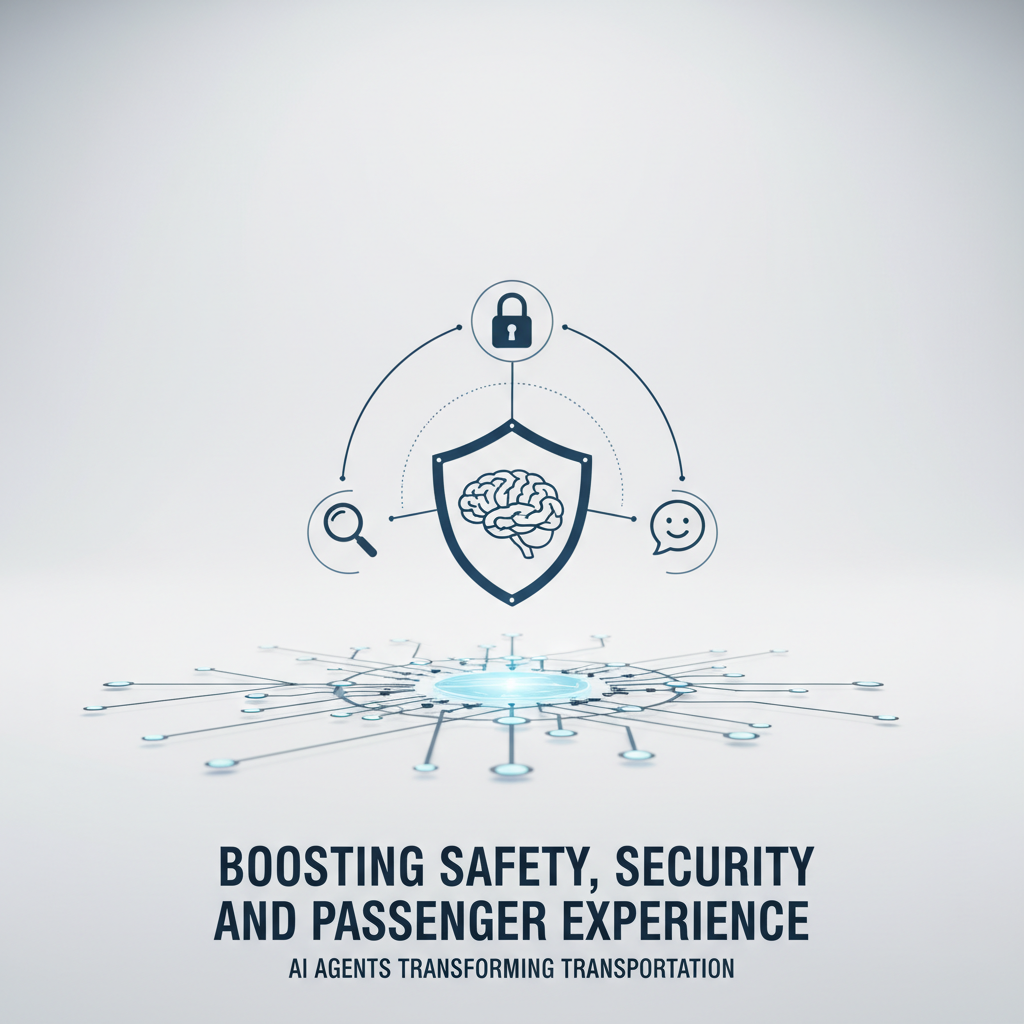
The integration of Artificial Intelligence (AI) agents is revolutionizing urban mobility, profoundly boosting safety, security, and passenger experience, particularly in Singapore’s forward-thinking transportation sector. As a global leader in smart city initiatives, Singapore leverages AI to create a more resilient, efficient, and user-centric transport network. This section delves into AI’s crucial role in preventing accidents, improving surveillance, and delivering more personalized and convenient travel experiences for commuters in Singapore, illustrating how AI agent effect to transportation field in singapore by transforming every aspect from infrastructure maintenance to daily commutes. The benefits of AI in Singapore transport safety are becoming increasingly evident, paving the way for a truly smart mobility Singapore.
1. Predictive Maintenance for Vehicles and Infrastructure Safety
One of the most significant contributions of AI in Singapore’s transport landscape is its application in predictive maintenance. AI algorithms analyze vast datasets collected from sensors embedded within public transport vehicles, such as MRT trains and buses, as well as critical infrastructure like bridges, tunnels, and road networks. This data includes operational parameters, vibration patterns, temperature readings, and historical failure rates. By detecting subtle anomalies and predicting potential equipment failures or structural weaknesses before they escalate, AI agents enable proactive interventions. This not only prevents breakdowns and delays but, more importantly, averts accidents, ensuring the highest standards of safety for passengers and operational staff. For instance, AI can predict when a specific train component is likely to fail, allowing maintenance teams to schedule repairs during off-peak hours, minimizing disruption and averting potential safety hazards. This foresight capability is crucial for maintaining the reliability and integrity of Singapore’s extensive transport system, significantly enhancing overall AI in Singapore transport safety.
2. AI-Powered Surveillance and Anomaly Detection in Public Spaces
Beyond machinery, AI plays an indispensable role in bolstering security across Singapore’s public transportation hubs. AI-powered surveillance systems equipped with advanced computer vision capabilities can monitor real-time video feeds from MRT stations, bus interchanges, and other high-traffic areas. These systems are programmed to identify unusual behaviors, unattended packages, unauthorized access, or sudden crowd surges that might indicate potential security threats or emergencies. By rapidly flagging these anomalies, AI enables security personnel to respond with unprecedented speed and precision. This proactive detection mechanism is vital for maintaining a secure environment and deterring criminal activity, contributing significantly to public safety. Furthermore, AI can assist in managing crowd flow, optimizing passenger movement, and even detecting instances of social distancing violations, especially pertinent in public health scenarios. The ability of AI to process and interpret massive amounts of visual data far surpasses human capabilities, making it an invaluable asset in maintaining order and security in Singapore’s bustling transport environments.
3. Personalized Travel Planning and On-Demand Mobility Services
The commuter experience is being redefined by AI’s ability to offer personalized and highly convenient travel solutions. AI agents analyze individual travel patterns, preferences, and real-time conditions to provide bespoke recommendations for routes, modes of transport, and departure times. For instance, AI-powered apps can suggest the fastest route factoring in current traffic, public transport delays, and even predicted crowd levels, ensuring a smoother journey. This extends to dynamic pricing models for ride-hailing services, optimizing fare structures based on demand and supply, and improving driver utilization. Singapore is also at the forefront of exploring on-demand mobility services, where AI algorithms manage fleets of autonomous vehicles or shared micro-mobility options, dispatching them efficiently based on user requests. This creates a highly flexible and responsive transport system that adapts to individual needs, reducing waiting times and enhancing overall convenience. The vision of a smart mobility Singapore is largely driven by these AI-powered innovations, making daily commutes more efficient, enjoyable, and tailored to the modern urban dweller. The profound how AI agent effect to transportation field in singapore is evident in the seamless, integrated, and intelligent travel experiences now available to millions of commuters daily, fostering a truly world-class urban transit system.
In summary, AI agents are not merely tools but foundational pillars supporting Singapore’s ambition for a world-class, intelligent transportation system. From safeguarding lives through predictive maintenance and advanced surveillance to enriching daily commutes with personalized and efficient services, AI’s impact is comprehensive and transformative. As Singapore continues its journey towards a Smart Nation, the strategic integration of AI in its transportation sector promises a future where safety, security, and an unparalleled passenger experience are not just aspirations but everyday realities.
Economic Implications and Job Evolution in the Sector
The widespread adoption of artificial intelligence (AI) agents is fundamentally reshaping Singapore’s transportation sector, driving significant economic shifts, substantial cost savings, and a profound workforce transformation. As a global leader in smart city initiatives, Singapore strategically embraces AI to enhance efficiency, safety, and sustainability across its land, sea, and air transport networks. This technological revolution directly addresses how AI agent effect to transportation field in singapore, pushing innovations from autonomous vehicles to predictive maintenance and intelligent traffic management. While concerns about job displacement exist, the broader picture reveals a dynamic evolution towards higher-skilled roles, demanding strategic investment in human capital and proactive workforce development. AI’s integration is not merely about technological upgrade; it’s redefining economic models and creating a future-ready workforce for smart mobility.
1. Cost Savings and Operational Expenditure Reduction through Automation
One of the most immediate impacts of AI agent adoption is the significant reduction in operational expenditures and generation of substantial cost savings. AI-powered automation enables tasks previously performed manually to be handled with greater precision and efficiency. For instance, driverless trains in Singapore’s MRT network and trials of autonomous buses promise reduced labour costs and improved service reliability. In port operations, AI-driven autonomous guided vehicles (AGVs) optimize cargo handling, speeding up turnaround times and minimizing human error, leading to lower overheads. Predictive maintenance, a cornerstone of AI, utilizes sensors and machine learning to forecast equipment failures, drastically reducing unscheduled downtime and costly emergency repairs, as exemplified by LTA’s data analytics for rail maintenance. AI-powered traffic management systems also optimize traffic flow, reducing fuel consumption and idling time. By streamlining processes and boosting efficiency, AI agents prove powerful tools for financial prudence in Singapore’s smart mobility initiatives.
2. Creation of New High-Skilled Jobs in AI Development and Maintenance
While automation streamlines existing roles, it simultaneously acts as a powerful catalyst for creating new high-skilled jobs. The transition to an AI-driven transport sector necessitates a workforce capable of developing, deploying, managing, and maintaining complex intelligent systems. Singapore is witnessing a surge in demand for professionals such as AI engineers, machine learning specialists, data scientists, and robotics engineers to design and refine algorithms for autonomous vehicles, intelligent logistics, and traffic optimization. Cybersecurity experts are also crucial for protecting interconnected AI networks, ensuring integrity and safety. New roles emerge in AI ethics and governance, focusing on fair and accountable AI deployment. Even in traditionally manual fields, the shift is towards supervisory and analytical roles; a former bus driver, for example, might transition to a fleet operations manager overseeing autonomous vehicles. This shift underscores Singapore’s ambition to become a deep tech hub, nurturing talent essential for the future of transportation and the broader digital economy, transforming employment in Singapore’s transportation sector.
3. Reskilling and Upskilling Initiatives for the Existing Workforce
Recognizing potential job displacement and the need to bridge skills gaps, Singapore has launched comprehensive national initiatives focused on reskilling and upskilling its existing workforce. Government agencies like SkillsFuture Singapore (SSG) and Workforce Singapore (WSG), in collaboration with educational institutions and industry partners, offer a wide array of training programmes. These programmes equip transport professionals with necessary digital literacy, data analysis, and technical proficiencies to work alongside or manage AI systems. For instance, former taxi drivers might be trained as on-demand autonomous vehicle operators, monitoring systems and providing customer service. Maintenance technicians are being upskilled in robotics, sensor technology, and predictive analytics to service advanced AI-powered machinery. Professional Conversion Programmes (PCPs) are vital in helping mid-career workers transition into new roles. Unions and employers also play a crucial role in advocating for and facilitating these training opportunities, ensuring an inclusive transition and pathways for career progression. By investing heavily in its people, Singapore aims to ensure its workforce remains adaptable, resilient, and ready to seize opportunities presented by AI, fostering a dynamic and inclusive job market.
In conclusion, the integration of AI agents is fundamentally transforming Singapore’s transportation sector, yielding substantial economic benefits through enhanced efficiency and cost savings. Concurrently, it is necessitating a strategic evolution of the workforce, marked by the creation of new high-skilled jobs and a concerted national effort to reskill and upskill existing employees. This dual impact underscores Singapore’s commitment to harnessing technological advancements for sustainable economic growth and a future-proof workforce in the evolving landscape of smart mobility.
Navigating Challenges and Ensuring Sustainable Integration by 2026
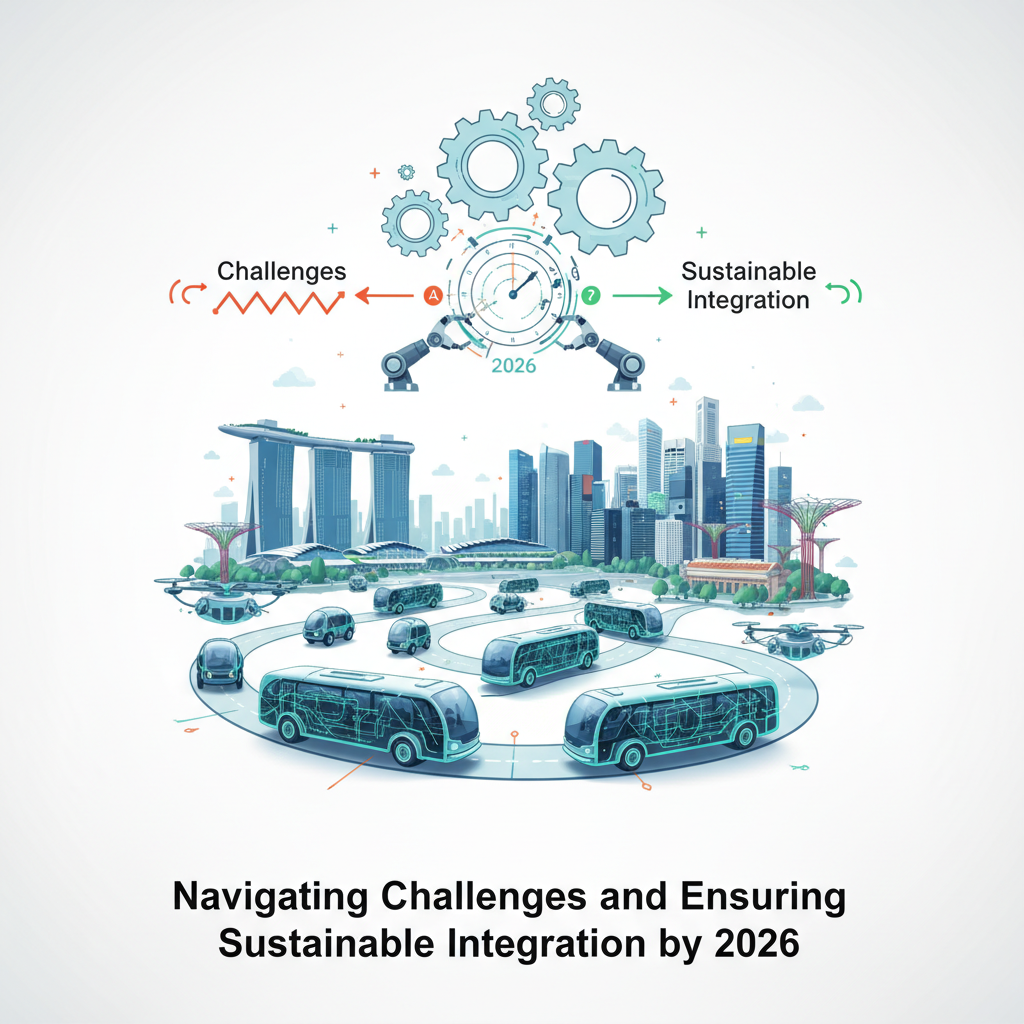
The rapid advancement of Artificial Intelligence (AI) agents presents unprecedented opportunities to revolutionise Singapore’s transportation landscape. From optimising traffic flow and enhancing public transport efficiency to powering autonomous vehicles and improving logistics, the potential impact of AI is transformative. However, ensuring the successful and sustainable integration of these powerful technologies by 2026 requires a proactive approach to address critical obstacles, navigate ethical dilemmas, meet stringent regulatory requirements, and foster widespread public acceptance. Understanding how AI agent effect to transportation field in Singapore is paramount for policymakers, developers, and citizens alike.
1. Data Privacy, Cybersecurity Risks, and Ethical AI Deployment
One of the foremost challenges in deploying AI agents in Singapore’s transportation sector revolves around safeguarding data privacy and mitigating cybersecurity risks. AI systems, particularly those involved in real-time traffic management, autonomous vehicles, and predictive maintenance, rely heavily on vast amounts of data – much of which can be sensitive. Protecting personal travel patterns, vehicle movements, and operational data from breaches or misuse is critical. A robust cybersecurity infrastructure is essential to prevent malicious attacks that could compromise system integrity, lead to operational disruptions, or even endanger lives in an autonomous transport environment. Furthermore, the ethical deployment of AI agents demands careful consideration. Algorithmic bias, for instance, could inadvertently lead to discriminatory outcomes in resource allocation or service provision. Ensuring transparency, accountability, and fairness in AI decision-making processes is not just a regulatory imperative but a societal expectation. Developers must build AI systems with ‘ethics by design,’ incorporating mechanisms for auditability and explainability, so that decisions made by AI agents can be understood and challenged if necessary. This holistic approach is crucial for building trust and ensuring that the integration of AI agents serves the public good equitably.
2. Developing Robust Regulatory Frameworks and Governance Standards
As AI agents become more sophisticated and ubiquitous, the existing regulatory frameworks may prove insufficient to govern their complex operations and potential liabilities. Singapore needs to develop agile and comprehensive regulatory frameworks and governance standards that can keep pace with technological innovation while ensuring safety, accountability, and consumer protection. This includes establishing clear guidelines for the testing, deployment, and operation of autonomous vehicles, defining liability in the event of accidents involving AI-driven systems, and setting standards for data governance and algorithmic transparency. The Land Transport Authority (LTA) and other relevant bodies are actively working on these fronts, aiming to create a balanced regulatory environment that fosters innovation without compromising public safety. International collaboration and learning from global best practices will also be vital in shaping these frameworks. For instance, Singapore’s Smart Nation initiatives already highlight a commitment to leveraging technology responsibly, including AI. The Singapore government’s forward-looking approach to AI governance, as outlined by initiatives like the AI Governance Framework by the Personal Data Protection Commission (PDPC), provides a strong foundation for developing sector-specific regulations for transportation.
3. Fostering Public Acceptance and Building User Trust in AI Systems
Ultimately, the success of integrating AI agents into Singapore’s transportation system hinges on public acceptance and trust. Even the most technologically advanced and ethically sound AI solutions will fail if users are hesitant or unwilling to adopt them. Concerns about job displacement due to automation, privacy intrusions, and the reliability and safety of autonomous systems are common. Effective public engagement and education campaigns are essential to demystify AI, explain its benefits, and address public anxieties. Demonstrating the tangible advantages – such as reduced commute times, enhanced safety features, and improved accessibility – will be key. Pilot programs, open discussions, and transparent communication about AI system capabilities and limitations can help build confidence. For example, showcasing how AI agents improve traffic flow, reduce accidents, or make public transport more accessible can significantly shift public perception. Building user trust also involves ensuring seamless user experience, responsive feedback mechanisms, and clear avenues for redress if issues arise. By proactively involving citizens in the journey and continuously demonstrating the positive impact of AI, Singapore can cultivate a society ready to embrace the future of AI-powered transport.
Partner with Shelby Global
You are looking for reliable HR Sevice Suppliers? Contact Shelby Global Now! To connect with verified talents and upgrade your orginization.
—————————————
References
– Transforming Land Transport Through Technology: https://www.lta.gov.sg/content/ltagov/en/who_we_are/our_approach/future_of_land_transport/transforming-land-transport-through-technology.html
– Intelligent Transport Systems – Land Transport Authority (LTA): https://www.lta.gov.sg/content/ltagov/en/industry/technology-and-innovations/intelligent-transport-systems.html
– LTA | Smart Mobility: https://www.lta.gov.sg/content/ltagov/en/industry/technology/smart-mobility.html
– Smart Mobility Initiatives in Singapore: https://www.smartnation.gov.sg/initiatives/mobility/
– AI Governance Framework – PDPC: https://www.pdpc.gov.sg/guidelines-and-resources/2020/06/ai-governance-framework