Understanding the Malaysian Retail Landscape & Managerial Needs
The Malaysian retail sector is a vibrant, dynamic arena, characterized by a unique fusion of traditional market practices and rapid modernization. Navigating this diverse landscape successfully demands more than just conventional business acumen; it requires a deep understanding of local consumer behaviors, market intricacies, and emerging technological shifts. For retail companies aiming to thrive, identifying and nurturing effective management talent is paramount. This section delves into the distinctive demands and environmental factors shaping the Malaysian retail sector, outlining the critical attributes that define a successful manager in this challenging yet opportunity-rich context.

-
Current market trends impacting retail management roles in Malaysia
Malaysia’s retail sector is currently experiencing profound transformations, driven by several key market trends that directly influence the scope and complexity of management roles. The most significant among these is the accelerated growth of e-commerce and digital adoption. Malaysian consumers are increasingly comfortable with online shopping, mobile payments, and digital engagement, pushing traditional brick-and-mortar stores to rapidly embrace omnichannel strategies. Retail managers must now possess strong digital fluency, capable of overseeing online storefronts, managing inventory across multiple channels, and leveraging data analytics for personalized customer experiences.
Changing consumer behavior is another critical trend. There’s a growing demand for convenience, value, and unique experiences, alongside a rising awareness of sustainability and ethical sourcing. Managers are tasked with curating product assortments that resonate with these values, enhancing in-store experiences that go beyond mere transactions, and ensuring efficient supply chain management. Furthermore, the integration of advanced technologies like AI for personalized recommendations, IoT for inventory management, and blockchain for supply chain transparency is no longer a luxury but a strategic imperative. These trends underscore the necessity for a robust Test structure to assess Manager Level CVs in retail companies in Malaysia, ensuring candidates possess the foresight and skills to navigate this evolving landscape.
-
Specific challenges and opportunities for retail managers locally
Operating within the Malaysian retail ecosystem presents a distinct set of challenges and opportunities for managers. Competition is fierce, not only from international brands but also from a burgeoning landscape of local businesses and online-only retailers. Talent acquisition and retention, particularly for skilled digital marketers, data analysts, and customer service specialists, remain significant hurdles. Managers often grapple with complex logistics, especially when serving diverse geographic regions from bustling urban centers to more rural communities, alongside navigating economic fluctuations that impact consumer spending power.
However, these challenges are balanced by compelling opportunities. Malaysia’s growing middle class offers a robust consumer base, while its multicultural society allows for the development of highly localized and culturally sensitive marketing strategies. The resurgence of tourism post-pandemic presents opportunities for experiential retail and duty-free operations. Government initiatives promoting digital transformation and SME growth also open doors for innovation and market penetration. Astute retail managers in Malaysia leverage these opportunities by focusing on hyper-localization, fostering community engagement, and adopting agile business models to swiftly respond to market shifts.
-
Defining essential leadership qualities for the Malaysian retail context
Given the dynamic nature of the Malaysian retail sector, successful managers require a blend of traditional leadership virtues and modern adaptive capabilities. Foremost among these is adaptability and resilience, enabling them to pivot strategies quickly in response to market volatility, technological disruptions, or shifts in consumer preferences. Cultural intelligence is equally vital; managers must deeply understand Malaysia’s diverse ethnic groups, their purchasing habits, and cultural nuances to foster inclusive workplaces and create compelling customer experiences.
Digital fluency is non-negotiable, encompassing not just an understanding of e-commerce platforms and digital marketing, but also the ability to champion technological adoption across store operations and customer engagement. Customer-centricity must be at the core of their philosophy, driving efforts to build lasting relationships through exceptional service. Furthermore, strategic thinking combined with agility allows managers to develop long-term visions while making tactical adjustments effectively. Lastly, the ability to engage in talent development and empathetic leadership is crucial for building and retaining high-performing teams in a competitive talent market. These qualities are instrumental when considering a comprehensive Test structure to assess Manager Level CVs in retail companies in Malaysia, ensuring that leaders are not just proficient, but truly primed for success in this unique environment.
In conclusion, the Malaysian retail landscape demands a new breed of managers – leaders who are technologically adept, culturally intelligent, strategically agile, and profoundly customer-focused. Recognizing these specific needs is the first step towards developing effective talent acquisition and development strategies that empower retail businesses to flourish in one of Southeast Asia’s most exciting markets.
Key Competencies for Retail Managers: What to Assess in CVs
In the dynamic and competitive landscape of Malaysian retail, identifying top-tier retail managers through their CVs requires a keen understanding of essential competencies. A robust test structure to assess Manager Level CVs in retail companies in Malaysia is crucial for talent acquisition, ensuring that candidates possess the practical skills and strategic foresight to drive success across multi-outlet operations. Beyond basic qualifications, recruiters must delve into specific attributes that signify a candidate’s potential to excel in store operations excellence, elevate customer experience management, and contribute to the overall profitability of the enterprise. This structured approach helps in spotting individuals who can truly navigate the challenges of the retail sector, from sales performance KPIs to employee retention strategies, crucial for retail talent acquisition Malaysia.
1. Sales and operational proficiency in multi-outlet management
For a retail manager, especially in a multi-outlet environment common in Malaysia, a CV must clearly demonstrate a strong command of sales and operational proficiency. Look for candidates who articulate their experience with managing multiple retail locations, showcasing their ability to standardize procedures, optimize supply chain optimization retail, and maintain consistent brand standards across diverse stores. Essential indicators include a history of achieving and exceeding sales targets, detailed examples of implementing inventory management systems, and a track record of improving operational efficiency. CVs should highlight quantifiable achievements such as reductions in operational costs, improvements in stock turnover rates, or successful execution of promotional campaigns that led to significant revenue growth. Experience with retail manager skills Malaysia such as merchandise planning, visual merchandising implementation across several sites, and effective utilization of retail financial management tools for each store are also vital. The ability to analyze sales data from various outlets and translate insights into actionable strategies is a hallmark of a truly proficient candidate.
2. Team leadership, development, and talent retention strategies
The success of a retail operation hinges significantly on its people, making leadership qualities retail manager a non-negotiable competency. A compelling CV will showcase more than just supervisory experience; it will detail a manager’s approach to team leadership, development, and talent retention strategies. Seek evidence of effective team building, mentorship programs, and instances where the candidate successfully motivated diverse teams to achieve common goals. Examples of conflict resolution, performance management, and initiatives taken to reduce employee turnover (employee retention retail sector) are particularly valuable. Look for mentions of training programs developed or led, cross-functional team collaborations, and a commitment to fostering a positive work environment. A candidate who can demonstrate an ability to develop future leaders and implement successful succession planning within their previous roles signals strong strategic thinking. According to Retail Customer Experience, modern retail managers must possess adaptability and empathy to lead diverse teams effectively, a trait that should be discernible in their professional narrative.
3. Financial acumen, budgeting, and performance metrics for retail
A top-tier retail manager must possess robust financial acumen, capable of managing budgets, analyzing performance metrics, and driving profitability. When assessing CVs, look for explicit mentions of P&L responsibility, experience with budgeting for retail operations, and a clear understanding of key financial indicators. Candidates should quantify their impact on financial results, providing figures related to cost savings, profit margin improvements, or successful allocation of resources. Experience with sales forecasting retail, markdown management, and inventory valuation demonstrates a practical grasp of financial control. Furthermore, a strong candidate will highlight their ability to interpret sales performance KPIs retail, analyze transactional data, and make data-driven decisions to optimize store performance. This includes understanding the impact of marketing spend, managing payroll costs effectively, and identifying opportunities for revenue enhancement. Their CV should communicate how they’ve used financial data to inform strategic decisions, ensuring the sustained growth and fiscal health of the retail business.
By focusing on these core competencies, recruiters can develop a comprehensive CV assessment retail Malaysia framework. This enables the identification of retail professionals who not only possess the requisite experience but also demonstrate the strategic thinking, leadership capabilities, and financial understanding critical for navigating the complexities of the modern retail industry and ensuring long-term success for retail companies in Malaysia.
Crafting an Effective CV Assessment Test Structure for Malaysia
In Malaysia’s vibrant and competitive retail sector, identifying top-tier managerial talent is paramount for sustained growth. A haphazard approach to CV screening can lead to missed opportunities or, worse, costly mis-hires. For retail companies seeking to elevate their leadership, a robust, systematic test structure to assess Manager Level CVs in retail companies in malaysia is not just a luxury but a necessity. This section outlines practical methods for systematically evaluating manager-level CVs, incorporating standardized rubrics and initial screening techniques specifically tailored for the Malaysian market, ensuring you attract and identify candidates who truly possess the skills and cultural acumen to thrive.
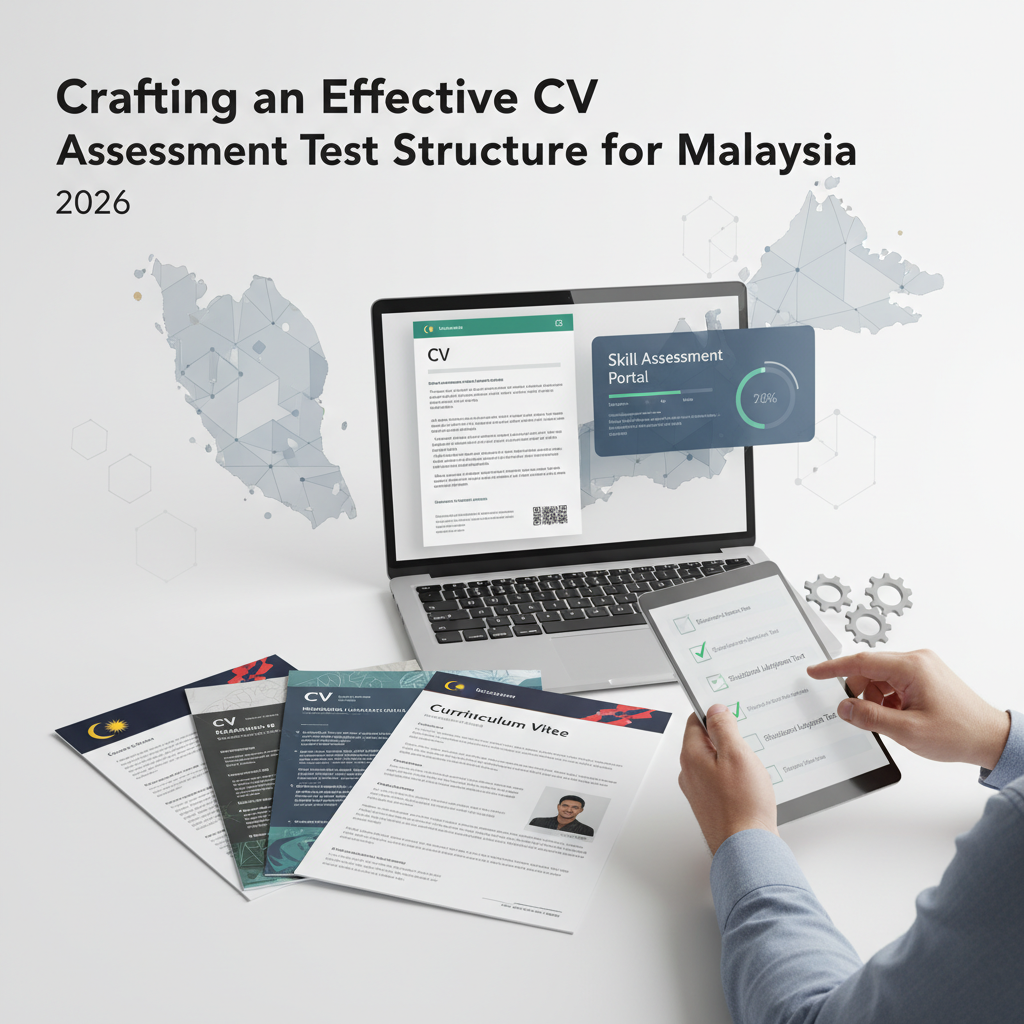
1. Developing standardized scoring rubrics for competency-based CV evaluation
Moving beyond a subjective read-through, standardized scoring rubrics provide an objective framework for evaluating manager-level CVs. For retail managers in Malaysia, these rubrics should be meticulously designed around core competencies vital for success in the local landscape, such as leadership, strategic planning, operational excellence, customer experience management, financial acumen, and an understanding of diverse consumer demographics. Each competency can be broken down into specific indicators, with a weighted scoring system (e.g., 1-5 scale) assigned to assess the depth and relevance of a candidate’s experience. For instance, ‘Leadership’ might evaluate examples of team development, conflict resolution, and motivational impact; ‘Strategic Planning’ would look for evidence of market analysis, competitive positioning, and goal achievement. By aligning these rubrics with a comprehensive core competencies framework, companies ensure consistency, reduce unconscious bias, and focus on the skills that truly predict performance in the Malaysian retail environment. This systematic approach allows for a direct comparison of candidates based on quantifiable merits rather than mere resume keywords.
2. Identifying red flags and green lights in applications: experience vs. impact
Effective CV assessment involves discerning genuine potential from mere tenure. For manager-level roles in Malaysian retail, this means scrutinizing beyond the job titles to understand the actual impact a candidate has made. Green lights often include quantifiable achievements, such as a candidate stating they “Increased sales by 15% across 10 outlets” or “Reduced staff turnover by 20% through targeted engagement programs.” Clear career progression within a single company or logical advancements across several, coupled with experience in managing multicultural teams – a common reality in Malaysia – are strong positive indicators. A deep understanding of specific Malaysian consumer trends, local market dynamics, and regulatory environments also signals a candidate’s immediate value. Conversely, red flags can manifest as frequent job hopping without clear progression, generic descriptions of responsibilities without demonstrable outcomes, or an absence of quantifiable results. Gaps in employment without plausible explanations, a lack of adaptation to changing retail landscapes, or an inability to articulate strategic thinking can also indicate a candidate might struggle with the demands of a dynamic manager role in Malaysia. The key is to assess not just what a candidate has done, but the tangible difference they made and their potential to replicate that impact within your organisation.
3. Leveraging AI and applicant tracking systems (ATS) for initial screening efficiency
In today’s high-volume recruitment landscape, leveraging technology is no longer optional. Applicant Tracking Systems (ATS) and Artificial Intelligence (AI) tools are invaluable for streamlining the initial CV screening process for manager-level roles. An ATS can be configured to filter applications based on essential criteria such as educational qualifications, specific industry experience (e.g., hypermarket management, fashion retail), years of managerial experience, and even proficiency in specific software relevant to retail operations. AI-powered tools take this a step further, using natural language processing to identify keywords, phrases, and even sentiment, ranking candidates based on their alignment with the job description and desired competencies. While these technologies significantly enhance efficiency and ensure consistency in screening, it is crucial to calibrate them correctly for the Malaysian context. This includes ensuring they recognise local university names, relevant certifications, and common local industry terminology. While AI and ATS can handle the initial, high-volume filtering, human oversight remains vital to prevent valuable candidates from being overlooked due to rigid algorithmic matching, particularly for roles requiring nuanced cultural understanding and leadership qualities that AI might not fully grasp. The goal is a synergistic approach where technology aids efficiency, allowing human recruiters to focus on deeper qualitative assessments of top-tier candidates.
In the dynamic and competitive Malaysian retail sector, identifying and recruiting top-tier talent for managerial roles goes far beyond a cursory glance at a CV. While a resume provides a foundational overview of experience and qualifications, a holistic candidate assessment strategy is crucial for uncovering a candidate’s true potential, cultural fit, and practical capabilities. For businesses aiming for sustainable growth and operational excellence, integrating robust assessment stages post-CV analysis ensures a comprehensive evaluation, building a strong foundation for future employee retention and success. This integrated approach is especially vital when designing a test structure to assess Manager Level CVs in retail companies in Malaysia, moving from theoretical claims to demonstrable skills.
1. Designing Behavioral Interview Questions Aligned with Core Competencies
The limitations of traditional interviews, often focused on hypothetical situations, become apparent when assessing complex leadership potential. Behavioral interviewing, however, delves into a candidate’s past actions and experiences, providing concrete evidence of their skills and competencies. For managerial roles in retail, key competencies include strategic thinking, customer focus, team leadership, problem-solving, and adaptability. Questions crafted around these areas—using the STAR (Situation, Task, Action, Result) method—can reveal how candidates have handled real-world challenges. For instance, instead of “How would you motivate your team?”, ask “Describe a time you successfully motivated a struggling team to achieve a sales target. What was the situation, what actions did you take, and what was the outcome?” This approach provides deep insights into their decision-making processes, resilience, and communication style, offering a more reliable predictor of future job performance. A well-designed set of competency-based interviews forms a critical part of the initial practical assessment, moving beyond generic claims to specific, verifiable actions.
2. Implementing Case Studies and Scenario-Based Tests for Problem-Solving Skills
While interviews provide valuable insights into behavioral traits, practical assessments like case studies and scenario-based tests directly evaluate a candidate’s ability to apply their knowledge and critical thinking to real-world business challenges. For retail managers, these tests can simulate common dilemmas in retail operations, such as managing inventory discrepancies, handling difficult customer situations, optimizing sales floor layouts, or developing a localized marketing strategy. Candidates might be presented with a business problem and asked to analyze it, propose solutions, justify their recommendations, and anticipate potential obstacles. This process reveals their strategic decision-making capabilities, analytical prowess, and ability to prioritize under pressure. Such an assessment framework goes beyond theoretical knowledge, showcasing a candidate’s practical acumen. Integrating these types of exercises into your talent acquisition process is crucial for evaluating how candidates would perform on the job, offering a clear view of their problem-solving and innovative thinking. Resources like those from the Society for Human Resource Management (SHRM) provide excellent guidelines on structuring effective assessment centers and practical tests to gauge these critical skills.
3. Best Practices for Professional Reference Checks and Background Verification
The final crucial step in a comprehensive assessment structure is professional reference checks and thorough background verification. After a candidate has impressed during interviews and practical assessments, reference checks serve to validate their professional reputation, verify claims made on their CV, and gain additional insights into their work ethic, collaboration skills, and previous performance indicators. It’s important to ask open-ended questions to previous supervisors about specific achievements, areas for development, and how the candidate handled challenges. Beyond validating information, reference checks can provide valuable context on a candidate’s leadership style and suitability for the specific demands of the Malaysian retail sector. Simultaneously, background verification ensures compliance and mitigates risks associated with hiring. This includes verifying educational qualifications, employment history, and criminal records where permissible by law. A robust background check process, conducted with transparency and adherence to privacy regulations, safeguards the company’s integrity and ensures a secure hiring decision. This diligent approach helps secure candidates who not only possess the necessary skills but also uphold the highest standards of integrity, contributing to successful succession planning and overall organizational strength.
Optimizing Your Hiring Process for 2026 and Beyond
Look at long-term strategies for refining the assessment process, ensuring it remains effective, compliant, and contributes to building a strong retail management team.

In the dynamic landscape of the Malaysian retail sector, securing top-tier management talent is paramount for sustained success. As we look towards 2026 and beyond, the emphasis shifts from reactive hiring to proactive, data-driven retail talent acquisition strategies. Optimizing your hiring process means more than just filling vacancies; it’s about strategically identifying leaders who can navigate market shifts, inspire teams, and drive profitability. This requires a sophisticated Test structure to assess Manager Level CVs in retail companies in Malaysia, one that is not only efficient but also predictive of future performance. The goal is to build a robust, future-proof approach to retail management hiring Malaysia, ensuring your organization remains competitive and agile.
1. Continuous Improvement of Assessment Criteria Based on Hiring Outcomes
The foundation of an effective hiring process for retail management hiring Malaysia lies in its adaptability and commitment to continuous improvement. Merely selecting candidates based on traditional CV screening retail managers is no longer sufficient. Forward-thinking retail companies must establish a feedback loop that connects initial assessment criteria with on-the-job performance and retention rates. This involves tracking key metrics post-hire, such as employee productivity, team leadership effectiveness, sales growth attributable to the manager, and overall cultural fit. By analyzing these outcomes, HR teams can refine the parameters of their Test structure to assess Manager Level CVs in retail companies in Malaysia. For instance, if managers hired for multi-store operations consistently underperform in cross-functional collaboration, the assessment criteria should be adjusted to better gauge this specific skill through behavioral assessment retail components or situational judgment tests.
Leveraging HR analytics hiring tools allows for a deeper dive into which assessment elements truly correlate with success. Is it prior experience in large-format stores, specific academic qualifications, or demonstrable leadership potential assessment that predicts high performance? By continuously iterating on your assessment framework, you move beyond subjective evaluation to a scientifically backed approach that enhances the accuracy and fairness of your recruitment process. This commitment to data-driven refinement ensures your recruitment efforts are always aligned with the evolving demands of the retail sector and support performance prediction management.
2. Building a Talent Pipeline and Succession Planning for Managerial Roles
Beyond immediate hiring needs, a long-term strategy for retail management involves proactive talent pipeline development and robust succession planning retail. The competitive nature of the retail industry, coupled with evolving retail industry trends hiring, necessitates a foresightful approach to talent acquisition. This means not just reacting to vacancies but actively identifying and nurturing potential future leaders, both internally and externally. For retail companies in Malaysia, this translates into investing in programs that develop high-potential employees into managerial candidates, providing them with the necessary skills and exposure to step into leadership roles.
Developing a strong internal talent pipeline reduces time-to-hire and ensures cultural continuity. It involves regular talent reviews, mentorship programs, and structured development plans that prepare employees for higher responsibilities. Simultaneously, cultivating an external talent pipeline involves ongoing networking, employer branding initiatives, and strategic partnerships with educational institutions or industry associations. This proactive approach ensures a steady stream of qualified candidates, minimizing the impact of unexpected departures and allowing for more strategic placements. Effective succession planning retail also necessitates a clear understanding of the critical skills required for future managerial roles, which can be integrated into the Test structure to assess Manager Level CVs in retail companies in Malaysia when screening external candidates. This holistic approach strengthens your overall retail talent acquisition strategies, making your organization more resilient and adaptable. Furthermore, paying attention to the candidate experience retail during this process is crucial for attracting and retaining top talent.
3. Measuring the Effectiveness and ROI of Your CV Assessment Test Structure
To truly optimize your hiring process, it is imperative to quantify the effectiveness and return on investment (ROI) of your Test structure to assess Manager Level CVs in retail companies in Malaysia. This goes beyond simply tracking the number of hires; it involves a comprehensive analysis of various metrics that demonstrate tangible business value. Key performance indicators (KPIs) to consider include time-to-fill and cost-per-hire, which indicate efficiency, but more importantly, quality-of-hire, manager retention rates, and the impact of new hires on team productivity and sales figures.
By implementing digital assessment tools and advanced analytics, HR departments can track how specific components of their assessment correlate with long-term success. For instance, do candidates who score highly on particular sections of a behavioral assessment retail consistently demonstrate better leadership skills? Are managers identified through a refined leadership potential assessment staying longer and achieving more? Calculating the ROI involves comparing the investment in your enhanced assessment process (e.g., software, training, consultant fees) against the cost savings from reduced turnover, increased productivity, and fewer mis-hires. Moreover, ensuring compliance retail recruitment practices are integrated into your measurement framework can mitigate legal risks. A well-designed and rigorously measured assessment structure not only improves the quality of your hires but also contributes directly to the bottom line, proving its value as a strategic business asset. This data-driven approach is critical for refining the Test structure to assess Manager Level CVs in retail companies in Malaysia, ensuring it remains effective and aligned with the evolving needs of the industry, as highlighted by broader future of work trends. For more insights on developing robust assessment frameworks, explore resources on Test structure to assess Manager Level CVs in retail companies in Malaysia.
Partner with Shelby Global
You are looking for reliable HR Sevice Suppliers? Contact Shelby Global Now! To connect with verified talents and upgrade your orginization.
—————————————
References
– accelerated growth of e-commerce and digital adoption: https://assets.kpmg.com/content/dam/kpmg/sg/pdf/sg-retail-trends-2024.pdf
– The Skills Modern Retail Managers Need: https://www.retailcustomerexperience.com/blogs/the-skills-modern-retail-managers-need/
– SHRM: How to Design a Competency-Based Interview Process: https://www.shrm.org/resources-and-tools/hr-topics/talent-acquisition/how-to-design-a-competency-based-interview-process
– Society for Human Resource Management (SHRM) – Assessment Centers: https://www.shrm.org/resources-and-tools/tools-and-samples/toolkits/assessment-centers/
– Deloitte Global Human Capital Trends: https://www2.deloitte.com/us/en/insights/topics/talent/global-human-capital-trends.html