
The Imperative for Structured CV Assessment
In Vietnam’s rapidly expanding and fiercely competitive transportation sector, the journey to recruitment success often hinges on an organization’s ability to identify and secure top-tier management talent. The stakes are particularly high at manager-level positions, where leadership, strategic foresight, and operational expertise directly impact a company’s trajectory. Generic, unstructured CV screening methods, while seemingly efficient, are increasingly inadequate in this dynamic environment. What is truly needed is a precise, analytical, and systematic test structure to assess Manager Level CVs in transportation field in Vietnam. This structured approach moves beyond superficial keyword matching, delving into the nuanced competencies required to navigate the complexities of logistics, supply chain management, and operational leadership unique to the Vietnamese market. By adopting a robust framework, companies can significantly enhance the quality of their hires, mitigate inherent risks, and establish a formidable competitive edge.

1. Mitigating Hiring Risks in a Niche Market
The Vietnamese transportation sector is a unique ecosystem, characterized by rapid infrastructure development, evolving regulatory landscapes, and distinct cultural business practices. Hiring managers who lack specific industry exposure or cultural acumen can prove to be costly missteps. A structured CV assessment framework is crucial for mitigating hiring risks in this niche market. It allows recruiters to move beyond generic job titles and scrutinize the depth and relevance of a candidate’s experience. This includes evaluating their track record in managing supply chain disruptions, optimizing logistics networks, navigating customs procedures, and leading diverse teams within a Vietnamese context. By defining clear, measurable criteria for core competencies—such as operational efficiency, project management, regulatory compliance, and cross-cultural communication—organizations can systematically filter out candidates whose qualifications, despite appearing impressive, do not align with the specific demands of the local industry. This proactive approach significantly reduces the likelihood of costly mis-hires, which can lead to operational inefficiencies, financial losses, and reputational damage.
2. Ensuring Alignment with Strategic Goals
For manager-level roles, CVs must not only demonstrate past achievements but also signal a candidate’s potential to contribute to an organization’s future strategic objectives. In the fast-paced Vietnamese transportation sector, where companies are often pivoting to new technologies, expanding into new regions, or adopting more sustainable practices, identifying leaders with strategic agility is paramount. A structured assessment helps in ensuring alignment with strategic goals from the initial screening stage. It involves designing assessment criteria that reflect the company’s long-term vision—whether that’s digitalization of logistics, expansion into multimodal transport, or enhancing last-mile delivery capabilities. Recruiters can then systematically search for evidence in CVs that indicates a candidate’s experience with innovation, change management, digital transformation, or market entry strategies. For instance, a CV that highlights successful implementation of new routing software or experience in setting up a cold chain logistics network would be highly relevant for a company aiming for technological advancement or specialized service expansion. This targeted evaluation ensures that every management hire is not just filling a vacancy but actively propelling the company towards its strategic milestones.
3. Setting a Benchmark for Management Talent
A consistent and objective test structure to assess Manager Level CVs in transportation field in Vietnam serves as more than just a screening tool; it becomes a powerful mechanism for setting and maintaining a high benchmark for management talent. In a competitive market, where the best candidates are in high demand, having a clear, standardized set of criteria for evaluation allows companies to articulate precisely what constitutes excellence in a managerial role within their specific operational context. This clarity benefits both the recruitment team and potential candidates. For recruiters, it provides a consistent lens through which to compare diverse profiles, reducing subjective bias and ensuring fairness. For candidates, understanding these benchmarks (even implicitly through well-defined job descriptions) helps them tailor their applications more effectively. Over time, this systematic approach helps an organization build an institutional memory of what successful management looks like, fostering a culture of high performance. It also empowers companies to attract and retain individuals who are not only competent but are also cultural fits and future leaders, thereby strengthening the entire talent pipeline and reinforcing the company’s reputation as an employer of choice in the Vietnamese transportation industry.
In conclusion, the days of ad-hoc CV reviews are long past, especially for critical manager-level roles in Vietnam’s dynamic transportation sector. Implementing a robust and systematic test structure to assess Manager Level CVs in transportation field in Vietnam is no longer optional; it is a strategic imperative. This approach empowers organizations to make informed, data-driven hiring decisions, thereby minimizing risks, ensuring strategic alignment, and consistently elevating the caliber of their management talent. Such a disciplined methodology is the cornerstone of sustainable recruitment success and competitive advantage in this vital economic sector.
Core Competencies for Transportation Managers in Vietnam
Identifying the essential skills, experiences, and qualifications expected from manager-level candidates within Vietnam’s unique transportation landscape is crucial for successful recruitment and operational excellence. As Vietnam continues its rapid economic expansion and integration into global supply chains, its transportation sector faces both immense opportunities and complex challenges. Managers in this dynamic environment must possess a robust blend of technical expertise, regulatory understanding, and strong leadership capabilities to navigate infrastructure developments, evolving trade policies, and increasing demands for efficiency. A comprehensive assessment approach, including a robust test structure to assess Manager Level CVs in the transportation field in Vietnam, is vital to identify candidates who can genuinely drive progress and sustain competitive advantage.
1. Logistics & Supply Chain Expertise
At the heart of any effective transportation operation is a deep understanding of logistics and supply chain management. For managers in Vietnam, this competency extends beyond mere transportation planning to encompass the entire end-to-end flow of goods. Candidates must demonstrate proficiency in various modes of transport (road, rail, sea, air), including intermodal and multimodal solutions, understanding their respective cost structures, transit times, and operational complexities. Key areas include freight forwarding, customs clearance procedures, and cargo handling, particularly for diverse types of goods ranging from raw materials to finished products. Expertise in warehousing and inventory management is also critical, focusing on optimizing space utilization, implementing efficient picking and packing strategies, and minimizing spoilage or loss. Modern transportation managers are also expected to leverage technology, understanding Transport Management Systems (TMS), Warehouse Management Systems (WMS), and enterprise resource planning (ERP) tools to enhance visibility, streamline operations, and drive data-driven decision-making. The ability to identify bottlenecks, forecast demand, and implement lean principles to improve operational efficiency and cost-effectiveness across the supply chain is paramount.
2. Regulatory Knowledge & Local Market Understanding
Operating a transportation business in Vietnam necessitates an intricate understanding of the country’s specific regulatory framework and local market dynamics. This competency involves far more than just surface-level awareness; it requires an in-depth grasp of customs laws, import/export regulations, licensing requirements for various vehicle types, and permits for specific routes or types of cargo. Managers must be adept at navigating the often-complex bureaucratic processes, ensuring compliance to avoid delays, fines, and reputational damage. Furthermore, a nuanced appreciation of local market conditions, including infrastructure quality, seasonal demand fluctuations, labor laws, and the competitive landscape, is essential. Building and maintaining strong relationships with local authorities, suppliers, and partners is often key to smooth operations and effective problem-solving. This includes understanding local business practices, cultural sensitivities, and the political economy that influences infrastructure development and policy changes. Candidates should demonstrate a track record of successfully working within the Vietnamese context, mitigating risks associated with non-compliance, and proactively adapting strategies to local challenges and opportunities. For a deeper dive into the market’s regulatory landscape, consider exploring resources on Vietnam’s logistics sector and investment environment.
3. Team Leadership & Project Management Acumen
Effective transportation management in Vietnam demands exceptional leadership and project management capabilities. Managers are responsible for cultivating high-performing teams, often comprising diverse backgrounds and skill sets, from drivers and warehouse staff to administrative personnel and logistics coordinators. This includes fostering a collaborative work environment, providing clear direction, offering mentorship, and implementing effective performance management systems. Conflict resolution skills are vital, as is the ability to motivate and retain talent in a competitive labor market. From a project management perspective, managers must be skilled in planning, executing, and overseeing complex transportation projects, whether it’s the rollout of new routes, the implementation of advanced tracking systems, or the optimization of existing fleets. This involves defining project scopes, setting realistic timelines and budgets, allocating resources efficiently, and managing risks proactively. A strong acumen in risk assessment and mitigation, particularly concerning operational safety, cargo security, and unforeseen logistical challenges (e.g., adverse weather, road closures), is critical. The ability to communicate effectively with stakeholders, both internal and external, and to drive projects to successful completion while maintaining quality standards and achieving strategic objectives, defines a top-tier transportation manager in Vietnam.
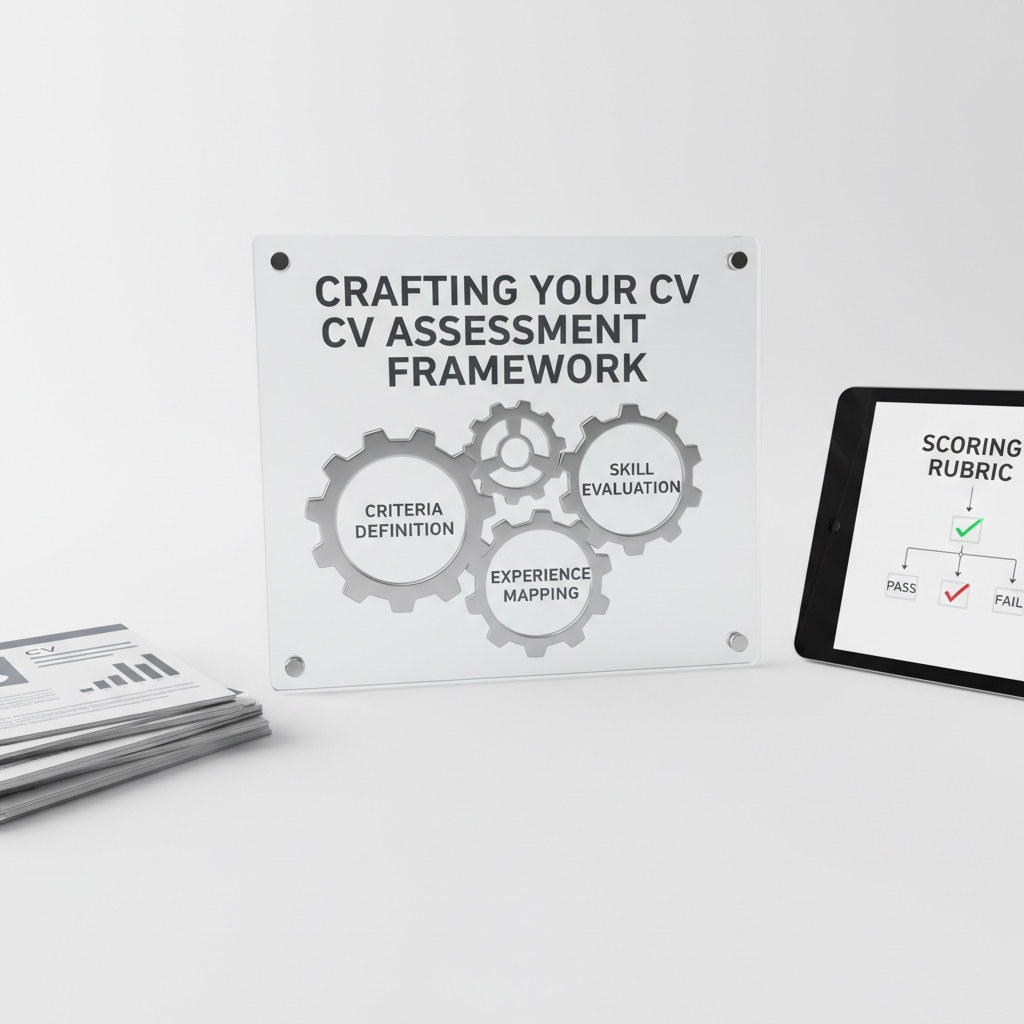
Crafting Your CV Assessment Framework
Detailing the step-by-step process for developing a comprehensive and objective framework to effectively analyze manager-level CVs.
In the competitive landscape of Vietnam’s transportation sector, identifying top-tier managerial talent is crucial for sustained growth and operational excellence. However, sifting through numerous CVs, especially for manager-level roles, can be a daunting and often subjective task. To ensure you’re consistently selecting candidates who align with your strategic objectives, developing a robust and objective test structure to assess Manager Level CVs in transportation field in Vietnam is paramount. This framework not only streamlines the recruitment process but also significantly reduces the potential for bias, leading to more informed and effective hiring decisions.
A well-defined CV assessment framework acts as a standardized lens, allowing recruiters and hiring managers to objectively evaluate candidates against predefined criteria relevant to the transportation industry’s specific demands. By implementing a structured approach, companies can move beyond superficial screenings to uncover candidates with proven track records, leadership capabilities, and industry-specific expertise that will drive success.
1. Defining Key Performance Indicators (KPIs) from Job Descriptions
The foundation of any effective CV assessment framework lies in a meticulous deconstruction of the job description. For manager-level positions in the transportation sector, this involves identifying not just responsibilities, but the quantifiable outcomes expected from the role. Translate vague duties into specific Key Performance Indicators (KPIs) that a successful candidate would have achieved or contributed to. For instance, instead of “manage fleet operations,” think “reduce fleet downtime by X%,” “optimize fuel consumption by Y%,” or “improve logistics efficiency metrics by Z%.”
Each KPI should be SMART (Specific, Measurable, Achievable, Relevant, Time-bound). By mapping these KPIs, you create a clear benchmark against which candidates’ past achievements can be directly compared. This process helps in establishing a precise test structure to assess Manager Level CVs in transportation field in Vietnam, focusing on tangible results rather than just listed duties. Understanding and articulating these KPIs is a critical first step towards creating an objective evaluation. Further insights into developing structured assessment criteria can be found by exploring Structured Interview Best Practices, which emphasizes the importance of consistent evaluation methods.
2. Scoring Rubrics for Experience and Achievements
Once KPIs are defined, the next step is to develop a comprehensive scoring rubric. This rubric will assign weighted scores to different aspects of a candidate’s experience and achievements, ensuring consistency across all evaluations. For transportation manager roles, criteria might include: years of relevant industry experience, leadership roles held, demonstrable project management success (e.g., on infrastructure projects or supply chain optimization), quantifiable cost-saving initiatives, safety record improvements, and proficiency in relevant technologies (e.g., TMS, GPS tracking, inventory management systems).
Design a multi-tiered scoring system (e.g., 1-5 scale) for each criterion, clearly defining what constitutes a “basic,” “proficient,” or “exemplary” score. For example, a candidate who “reduced operational costs by 5%” might score a ‘3,’ while one who “led a cross-functional team to implement a new route optimization system, resulting in a 15% cost reduction and 10% efficiency gain” could score a ‘5.’ This level of detail ensures that the assessment isn’t just about presence of experience, but the impact and quality of that experience, providing a truly objective method for your test structure to assess Manager Level CVs in transportation field in Vietnam.
3. Leveraging AI Tools for Initial Screening
With the volume of applications typical for manager-level roles, especially in a dynamic market like Vietnam’s transportation sector, initial CV screening can be resource-intensive. Leveraging AI tools can significantly enhance the efficiency and objectivity of this initial phase. AI-powered platforms can rapidly scan CVs for specific keywords, phrases, skills, and quantifiable achievements that align with your predefined KPIs and scoring rubric. These tools can filter out unqualified candidates, identify top matches based on your criteria, and even detect potential biases, ensuring a fairer process.
While AI offers speed and consistency, it’s crucial to remember that it serves as a powerful augmentation to human expertise, not a replacement. AI can highlight candidates who best fit the technical and experiential requirements, allowing human recruiters to focus their valuable time on deeper assessments, behavioral interviews, and evaluating soft skills that AI cannot fully grasp. Integrating AI into your assessment process creates a highly efficient and data-driven approach, further refining your test structure to assess Manager Level CVs in transportation field in Vietnam and ensuring you allocate human effort where it adds the most value.
Navigating Vietnam-Specific CV Nuances
The unique landscape of Vietnam’s professional environment necessitates a nuanced approach to evaluating manager-level CVs, particularly within the dynamic transportation field. As the nation’s economy continues its rapid growth, the demand for skilled leaders in logistics, supply chain, and infrastructure development surges. Crafting a robust Test structure to assess Manager Level CVs in transportation field in vietnam is paramount for identifying candidates who not only possess technical prowess but also cultural acumen and leadership potential. This section delves into the specific cultural and professional considerations that influence CV presentation and interpretation, guiding recruiters and hiring managers in making informed decisions. We will explore key elements from understanding local educational nuances to interpreting career trajectories and the critical role of English proficiency in this globalized sector, providing insights into effective Vietnamese transportation management hiring strategies.
1. Understanding Local Education & Certification Standards
In Vietnam, the educational system has undergone significant reforms in Vietnam’s educational system, impacting the qualifications presented on a CV. While international degrees are increasingly common, local university and vocational training credentials remain highly respected. For managerial roles in transportation, understanding the prestige and focus of institutions like the University of Transport and Communications (UTC) or specific logistics training centers is crucial. Recruiters should be aware of the different tiers of degrees (e.g., Bachelor, Master, Engineer) and their practical implications in the Vietnamese context. Beyond formal degrees, industry-specific certifications, such as those in supply chain management (SCM), project management (PMP), or specific logistics software (e.g., SAP, Oracle), demonstrate a candidate’s commitment to continuous professional development. However, it’s essential to verify the accreditation and relevance of these certifications within Vietnam’s regulatory framework. Employers looking to streamline their CV evaluation Vietnam logistics process should develop a matrix mapping relevant local qualifications to desired competencies, ensuring a fair and informed assessment of educational backgrounds.
2. Interpreting Career Progression & Company Hierarchies
Career progression in Vietnam often differs from Western models, influenced by factors such as family businesses, state-owned enterprises (SOEs), and the rapid growth of specific sectors. A candidate’s journey from a junior role to a manager in a Vietnamese company might involve different timelines and responsibilities than in a multinational corporation (MNC). It’s vital to understand the typical hierarchy within Vietnamese transportation and logistics companies, which can sometimes be flatter or more top-down, impacting the scope of a manager’s decision-making authority and team leadership experience. Longevity within a single company is often viewed positively, signaling loyalty and stability, though a diverse background across various reputable firms can also be advantageous, demonstrating adaptability and broad exposure. When assessing leadership assessment Southeast Asia transport candidates, look beyond job titles to understand the actual responsibilities, team size, budget management, and strategic impact. Pay close attention to projects managed, especially those involving cross-functional teams or significant operational improvements within the Vietnamese context. Recognizing the typical paths and challenges within local organizational structures is key to accurately gauge a candidate’s managerial readiness.
3. The Role of English Proficiency in a Globalized Sector
In Vietnam’s increasingly globalized transportation sector, English proficiency is not merely a bonus; it’s often a prerequisite for manager-level roles, especially within international companies or those dealing with global supply chains. CVs should clearly articulate a candidate’s English language skills, often backed by standardized tests like IELTS or TOEIC scores. Beyond formal scores, the ability to communicate effectively in English, both written and verbal, is crucial for international collaboration, understanding global industry trends, and interacting with foreign partners or clients. While some local transportation firms might operate primarily in Vietnamese, managerial positions often require liaising with international vendors, negotiating contracts, or participating in global training programs. Therefore, assessing this skill through interviews or practical case studies is as important as reviewing stated qualifications. Candidates demonstrating strong English skills, coupled with cultural competency transportation Vietnam, will have a distinct advantage, positioning them as valuable assets in a sector that thrives on international connectivity and diverse team collaboration. This emphasis on global communication further underscores the need for a comprehensive Test structure to assess Manager Level CVs in transportation field in vietnam that evaluates both technical expertise and essential soft skills. For organizations seeking to attract top talent, developing robust assessment frameworks is critical.
Optimizing Your Assessment for Future Talent Acquisition
Description: Strategies for continually refining the CV assessment structure to adapt to evolving industry trends and secure top-tier transportation management talent in Vietnam.
In Vietnam’s rapidly expanding logistics and transportation sector, securing exceptional managerial talent is more competitive than ever. To consistently attract top-tier professionals, organizations must move beyond static evaluation methods. The key lies in continually refining the test structure to assess Manager Level CVs in transportation field in Vietnam. This isn’t just about current openings; it’s about building a robust talent pipeline for tomorrow. A dynamic CV assessment refinement process ensures your talent acquisition strategy remains agile, responsive to industry shifts, and capable of identifying candidates with both current expertise and future potential. Strategically updating your approach significantly enhances your ability to attract and retain the leaders who will drive success in this vital industry.

-
Integrating Feedback Loops from Interview Stages
The CV is the initial filter, yet its true effectiveness is best gauged by subsequent hiring stages. Robust feedback loops from interviews and practical assessments are paramount for effective CV assessment refinement. After interviews, managers should provide structured feedback on how well the CV accurately reflected a candidate’s actual skills, experience, and cultural fit. If a CV indicated strong project management but the candidate struggled in the interview, it highlights a potential gap. Conversely, if an initially overlooked CV reveals a high-potential candidate, it suggests the initial test structure to assess Manager Level CVs in transportation field in Vietnam might be too rigid. Analyzing this feedback helps refine keyword searches, adjust scoring metrics, and update criteria for assessing managerial experience, strategic thinking, and leadership. This continuous calibration ensures your initial screening becomes more accurate and predictive.
-
Staying Abreast of Industry Skill Shifts (e.g., digitalization)
The transportation and logistics landscape in Vietnam is rapidly transforming, driven by digitalization, automation, AI, and big data. These shifts profoundly impact required competencies for transportation management talent, rendering static CV assessments obsolete. To maintain a competitive edge, organizations must actively monitor industry trends and integrate emerging skill requirements into their test structure to assess Manager Level CVs in transportation field in Vietnam. Digitalization in logistics hiring, for example, now demands experience with supply chain software, data analytics platforms, IoT solutions, and sustainability initiatives. Managerial CVs should increasingly demonstrate not just operational excellence but also a proven ability to lead digital transformation, optimize data-driven decision-making, and manage agile teams. Regularly reviewing industry reports and consulting experts helps identify these evolving skill sets. According to McKinsey & Company, digital operations are the next frontier in logistics, underscoring the urgency for talent acquisition to pivot. Updating your CV assessment ensures you identify candidates who can lead through change.
-
Building a Talent Pool for Future Managerial Roles
Effective talent acquisition extends beyond filling immediate vacancies; it encompasses strategic planning for future needs. For transportation management talent in Vietnam, this means proactively identifying and nurturing a talent pool for future managerial roles. Even if a candidate’s CV doesn’t perfectly align with a current opening, it might contain indicators of high potential for future leadership. A sophisticated test structure to assess Manager Level CVs in transportation field in Vietnam should include parameters for identifying nascent leadership qualities, a track record of continuous learning, cross-functional experience, and adaptability. This requires a nuanced reading of CVs, looking beyond direct role matches to evaluate transferable skills and growth trajectories. Candidates demonstrating innovative problem-solving, experience in diverse operational environments, or a keen interest in industry advancements could be invaluable long-term assets. Developing a systematic way to flag such CVs for inclusion in a talent pipeline allows early engagement, offering mentoring or tailored development. This proactive approach shortens future hiring cycles and ensures a steady supply of high-caliber candidates ready for critical managerial roles.
In conclusion, optimizing your CV assessment for future talent acquisition in Vietnam’s transportation sector is a continuous, iterative process. By systematically integrating feedback, staying acutely aware of industry skill shifts, and strategically building a talent pipeline, organizations transform hiring from a reactive necessity into a proactive competitive advantage. This commitment to refining the test structure to assess Manager Level CVs in the transportation field in Vietnam ensures businesses secure the visionary leaders required to thrive in a dynamic global supply chain environment.
Partner with Shelby Global
You are looking for reliable HR Sevice Suppliers? Contact Shelby Global Now! To connect with verified talents and upgrade your orginization.
—————————————
References
– What the Smartest Companies Do to Hire the Best People: https://hbr.org/2016/11/what-the-smartest-companies-do-to-hire-the-best-people
– Vietnam’s logistics sector and investment environment: https://www.vietnam-briefing.com/news/vietnam-logistics-market-investment.html
– Structured Interview Best Practices: https://www.shrm.org/resources-and-tools/hr-topics/talent-acquisition/pages/structured-interviews.aspx
– Education in Vietnam – World Bank: https://www.worldbank.org/en/country/vietnam/sector/education
– McKinsey & Company, digital operations are the next frontier in logistics: https://www.mckinsey.com/industries/aerospace-operations-and-logistics/our-insights/the-next-frontier-in-logistics-digital-operations