Overview of Vietnam’s FMCG Market Landscape
Provides a snapshot of the current state of the Fast-Moving Consumer Goods sector in Vietnam, outlining its size, recent performance, and key contributing segments.
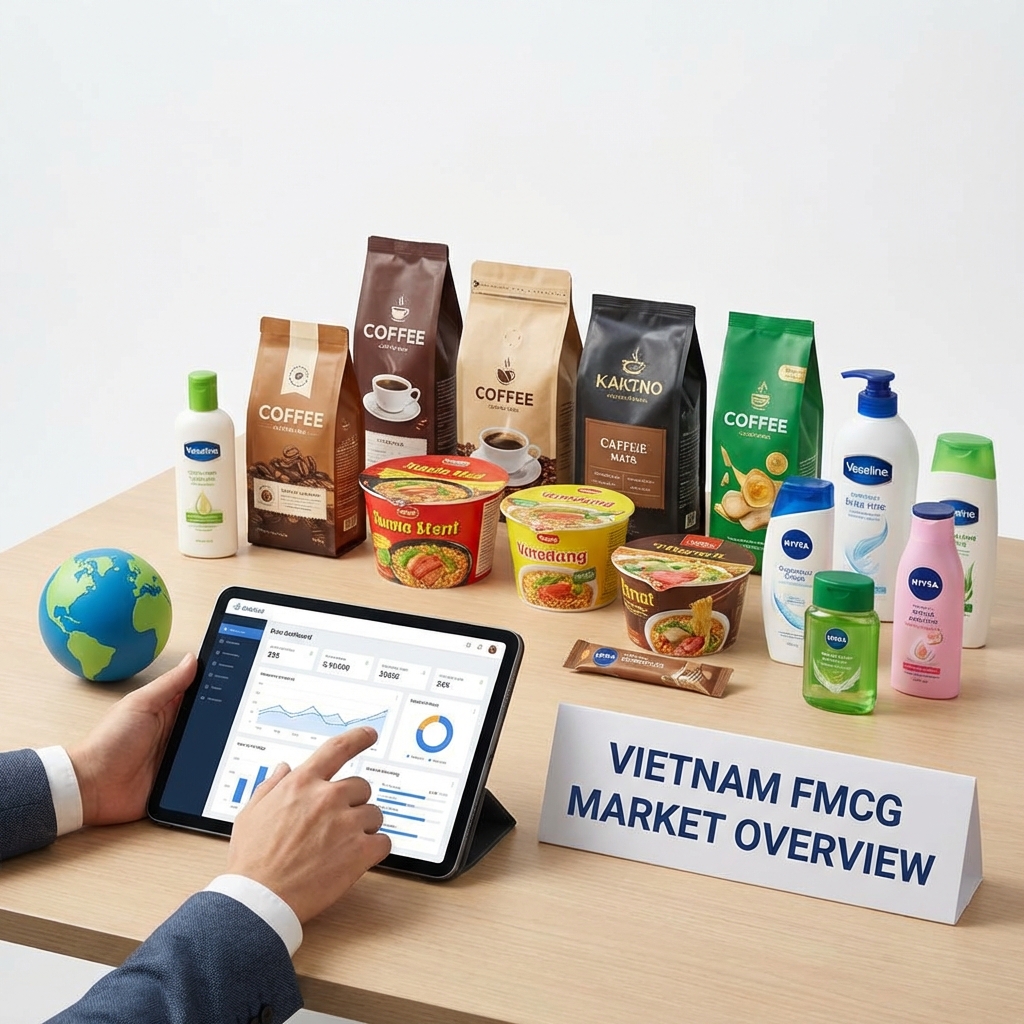
The Fast-Moving Consumer Goods (FMCG) sector in Vietnam continues to be a vibrant and dynamic arena, reflecting the nation’s robust economic growth and evolving consumer landscape. As a critical indicator of consumer confidence and spending power, the Vietnamese FMCG market offers substantial opportunities and presents unique challenges shaped by global economic shifts and local socio-economic developments. Understanding the intricate patterns and emerging trends within this sector is crucial for businesses aiming to thrive. This overview provides a snapshot of the current state, recent performance, and the key contributing segments that define Vietnam’s compelling FMCG market.
1. Current Market Size and Projected Growth
Vietnam’s FMCG market has consistently demonstrated resilience and impressive growth, even amidst global economic headwinds. Valued at a significant sum, the sector benefits from a large, young, and increasingly affluent population. Recent reports indicate a steady expansion, driven by rising disposable incomes and changing consumption habits. For instance, **market demand trend report of FMCG field in vietnam** often highlight a compound annual growth rate (CAGR) that positions Vietnam as one of the fastest-growing FMCG markets in Southeast Asia. Analysts frequently project continued robust growth over the next five to ten years, fueled by urbanization, digital transformation, and a persistent demand for convenience and value. This upward trajectory is particularly evident in both traditional retail channels, which still hold a significant share, and the rapidly expanding modern trade and e-commerce platforms. Businesses looking for in-depth insights into these dynamics can explore comprehensive analyses available, such as a detailed market demand trend report of FMCG field in vietnam, offering a granular view of specific product categories and regional nuances.
2. Dominant Product Categories (Food, Beverages, Personal Care)
The Vietnamese FMCG market is broadly segmented into several dominant product categories, each playing a pivotal role in overall sector performance. Food and beverages collectively represent the largest share, encompassing staples, packaged foods, dairy products, snacks, non-alcoholic drinks, and alcoholic beverages. Demand in these sub-segments is influenced by health consciousness, convenience, and a growing appetite for premium and imported goods. The shift towards healthier options and sustainable products is also a notable consumer trend.
Following closely are personal care products, including cosmetics, toiletries, skincare, and oral care. This segment is experiencing significant growth, propelled by rising beauty standards, increased disposable income, and the influence of global trends and social media.
Household goods, such as cleaning supplies and home care products, also contribute significantly. The market is seeing innovation in eco-friendly and multi-functional products. Understanding these consumer preferences across different categories is vital for manufacturers and retailers to tailor their offerings effectively. According to a recent NielsenIQ report, the revenue in the FMCG market in Vietnam is projected to grow annually, demonstrating the consistent strength across these core categories.
3. Impact of Economic Recovery and Urbanization
Two powerful macroeconomic forces currently shaping Vietnam’s FMCG landscape are the nation’s sustained economic recovery and rapid urbanization. Post-pandemic, Vietnam’s economy has shown remarkable resilience, leading to increased disposable income among its populace. This economic uplift empowers consumers to spend more on non-essential goods and upgrade their existing choices, driving demand for premium products and diverse offerings. Furthermore, a stable political environment and government policies supporting business growth further bolster this positive outlook.
Simultaneously, Vietnam is experiencing one of the fastest rates of urbanization in Southeast Asia. As people migrate from rural areas to cities like Ho Chi Minh City, Hanoi, and Da Nang, their lifestyles and consumption patterns undergo significant transformations. Urban dwellers typically have higher purchasing power, greater exposure to international brands, and a preference for convenience, fueling the growth of modern trade channels (supermarkets, hypermarkets, convenience stores) and e-commerce. This demographic shift also creates new opportunities for product innovation tailored to urban needs, from smaller packaging sizes to ready-to-eat meals. The concentration of consumers in urban centers makes distribution more efficient but also intensifies competition among FMCG players. This dynamic interplay between economic recovery and urbanization creates a fertile ground for the continued expansion and evolution of the FMCG market in Vietnam.
Key Drivers Shaping FMCG Demand Trends
Vietnam’s Fast-Moving Consumer Goods (FMCG) sector is a dynamic and rapidly evolving landscape, significantly influenced by a confluence of powerful forces. Understanding these primary drivers is crucial for businesses aiming to thrive and capture market share. This section delves into the key forces propelling consumer demand within Vietnam’s FMCG sector, ranging from profound demographic transformations to the pervasive influence of digital innovation, providing insights vital for any market demand trend report of FMCG field in vietnam.
1. Rising Middle Class and Disposable Income
One of the most significant accelerators of FMCG demand in Vietnam is the consistent expansion of its middle class coupled with a steady increase in disposable income. Vietnam’s impressive economic growth over the past decades has lifted millions out of poverty and into a more affluent consumer bracket. This segment is not only growing in numbers but also in its purchasing power and willingness to spend on higher-value goods and services.
As households experience increased financial stability, their consumption patterns shift away from basic necessities towards products that offer convenience, premium quality, health benefits, and aspirational value. This translates into heightened demand for packaged and processed foods, branded personal care items, sophisticated household products, and a greater appetite for international and premium local brands. Urbanization further amplifies this trend, concentrating a larger segment of the middle class in cities where modern retail formats and diverse product offerings are readily available. This demographic shift encourages consumers to explore new product categories, experiment with premium versions of everyday items, and prioritize products that align with a more modern, healthier, and convenient lifestyle, fundamentally reshaping the market demand trend report of FMCG field in vietnam.
2. E-commerce Penetration and Digital Lifestyle
The digital transformation sweeping across Vietnam has profoundly reshaped how consumers interact with and purchase FMCG products. With high internet and smartphone penetration rates, a significant portion of the population has embraced a digital lifestyle, making e-commerce an indispensable channel for shopping. Platforms like Shopee, Lazada, and Tiki, alongside the burgeoning social commerce via Zalo and Facebook, have democratized access to a vast array of products, often at competitive prices and with the convenience of home delivery.
This digital evolution impacts consumer behavior in several ways: it offers unparalleled convenience, allowing purchases anytime, anywhere; it provides a wider selection than traditional brick-and-mortar stores; and it enables easy price comparison and access to product reviews and recommendations. Furthermore, the rise of quick commerce (Q-commerce) promises delivery in minutes, catering to immediate consumption needs. For FMCG brands, this necessitates robust omnichannel strategies, investing in digital marketing, influencer collaborations, and seamless online-to-offline experiences. The digital realm also provides rich data for brands to understand consumer preferences, predict trends, and personalize offerings, significantly influencing any accurate market demand trend report of FMCG field in vietnam.
3. Shifting Demographics: Youth and Aging Population
Vietnam is characterized by a unique demographic profile, simultaneously boasting a large, tech-savvy youth population and a rapidly growing aging segment, both of which exert distinct influences on FMCG demand. The youthful cohort, primarily Gen Z and Millennials, are early adopters of technology, highly connected via social media, and acutely aware of global trends. They drive demand for innovative, sustainable, ethically sourced, and personalized products. Their preferences lean towards health and wellness, plant-based alternatives, and brands that resonate with their values and offer unique experiences. This group is also heavily influenced by online trends and peer recommendations, making digital engagement critical for brands targeting them.
Concurrently, Vietnam’s aging population, while smaller, is growing swiftly and represents a significant untapped market. This segment often prioritizes health, nutrition, and ease of use. Demand here is geared towards functional foods, dietary supplements, easy-to-prepare meals, and personal care products designed for mature skin or specific health conditions. Brands need to develop tailored product portfolios and marketing messages that address the specific concerns and desires of older consumers, such as bone health, digestive wellness, and anti-aging solutions. Understanding these dual demographic shifts is paramount for FMCG businesses to create relevant products and strategies. According to the World Bank, Vietnam continues its impressive economic trajectory, which underpins these demographic shifts and their profound impact on consumer markets, requiring a nuanced approach to product development and market positioning for sustained growth in the FMCG sector.
Evolving Consumer Behavior and Preferences
The Vietnamese consumer landscape is undergoing a profound transformation, driven by a confluence of economic growth, technological advancements, and a growing awareness of global trends. Understanding these shifts is paramount for any business operating in the Fast-Moving Consumer Goods (FMCG) sector. A comprehensive market demand trend report of FMCG field in Vietnam reveals that traditional purchasing patterns and brand loyalties are being redefined, giving way to new demands for specific product attributes and more sophisticated engagement models. This evolution necessitates a dynamic approach from brands looking to capture and retain the attention of an increasingly discerning populace.

1. Increased Focus on Health and Wellness
One of the most significant shifts in Vietnamese consumer habits is the escalating emphasis on health and wellness. Spurred by the global pandemic and a greater access to information, consumers are becoming more proactive about their well-being. This manifests as a discernible demand for products that offer health benefits beyond basic nutrition. We are observing a surge in preference for organic, natural, and fortified foods and beverages, as well as those with reduced sugar, salt, and artificial additives. Consumers are actively scrutinizing ingredient lists and nutritional information, moving away from perceived ‘unhealthy’ options. Brands that can credibly position their products as contributing to a healthy lifestyle – be it through functional ingredients, transparent sourcing, or clear health claims – are gaining a competitive edge. This wellness trend extends beyond food and drink to personal care items, where natural ingredients and hypoallergenic formulations are increasingly sought after, reflecting a holistic approach to a healthier existence.
2. Demand for Sustainable and Ethical Products
Parallel to the health movement, there’s a burgeoning consciousness around sustainability and ethical consumption among Vietnamese consumers, particularly among younger demographics. This group is demonstrating a willingness to support brands that showcase genuine commitment to environmental protection and social responsibility. From eco-friendly packaging materials to ethically sourced ingredients and fair labor practices, the demand for sustainable products is no longer a niche concern but a growing mainstream expectation. Consumers are increasingly scrutinizing a brand’s corporate social responsibility (CSR) initiatives and environmental footprint before making purchasing decisions. This signals a maturation in consumer preferences, moving beyond price and quality to include values-driven considerations. Businesses that integrate sustainability into their core operations and communicate these efforts transparently are better positioned to build long-term brand loyalty and resonate with the modern Vietnamese shopper. According to a report on emerging consumer sustainability in Southeast Asia, including Vietnam, consumers are increasingly willing to pay more for sustainable choices, indicating a clear market demand trend for eco-conscious offerings.
3. Omnichannel Shopping and Brand Engagement
The digital transformation has fundamentally reshaped how Vietnamese consumers discover, evaluate, and purchase products. The rise of e-commerce, social commerce, and sophisticated mobile technologies has led to the expectation of a seamless, omnichannel shopping experience. Consumers no longer differentiate sharply between online and offline channels; instead, they expect brands to provide consistent messaging, pricing, and service across all touchpoints. This means a robust online presence, user-friendly e-commerce platforms, active engagement on social media, and integrated loyalty programs are crucial. Physical stores, rather than becoming obsolete, are evolving into experiential hubs or convenient pick-up points that complement online interactions. Brands must invest in understanding the digital journeys of their target audience, leveraging data analytics to personalize experiences and foster deeper brand engagement. The ability to offer convenience, speed, and a personalized experience across both digital and physical realms is a critical determinant of success in today’s dynamic Vietnamese FMCG market.
In conclusion, the evolving preferences of Vietnamese consumers present both challenges and opportunities for FMCG brands. Adapting to the increased focus on health and wellness, catering to the growing demand for sustainable and ethical products, and mastering omnichannel engagement are no longer optional but essential strategies. Brands that proactively monitor and respond to these shifts, informed by a detailed market demand trend report of FMCG field in Vietnam, will be best equipped to thrive in this vibrant and competitive market.
Emerging Product Innovations and Market Trends
The Fast-Moving Consumer Goods (FMCG) sector in Vietnam is a dynamic landscape, constantly reshaped by evolving consumer preferences, technological advancements, and a vibrant competitive environment. To thrive, businesses must not only understand current demands but also anticipate future shifts. This section delves into cutting-edge product innovations and market trends that are poised to significantly influence the Vietnamese FMCG market, offering crucial insights for any comprehensive market demand trend report of FMCG field in Vietnam. From novel product categories to revolutionary packaging and sophisticated supply chain advancements, these trends reflect a global movement towards greater personalization, sustainability, and efficiency.
1. Rise of Local and Niche Brands
A significant shift observed across the Vietnamese FMCG landscape is the increasing prominence of local and niche brands, challenging the long-standing dominance of multinational corporations. Vietnamese consumers are demonstrating a growing preference for products that resonate with their cultural identity, offer unique local flavors, or embody authentic, artisanal qualities. This trend is fueled by several factors, including a heightened sense of national pride, a desire to support local economies, and a perception that smaller brands often offer more natural, healthier, or sustainably produced options. Niche categories, such as organic food products, artisanal beverages, specialized beauty lines, and eco-friendly household essentials, are experiencing robust growth. These brands often leverage agile manufacturing processes and direct-to-consumer (D2C) models to connect directly with their target audiences, building strong community ties and brand loyalty. Their ability to quickly adapt to local tastes and respond to specific consumer needs gives them a competitive edge, fostering a more diverse and vibrant market.
2. Personalization and Customization in Product Offerings
The era of mass-market products is gradually giving way to a demand for greater personalization and customization within the FMCG sector. Modern consumers, especially the younger demographics in Vietnam, expect products that cater specifically to their individual needs, preferences, and lifestyles. This trend manifests in various forms: from personalized nutrition plans based on dietary requirements and health goals, to bespoke beauty products formulated for specific skin types, and even custom-packaged goods for special occasions. Brands are harnessing advanced data analytics, artificial intelligence (AI), and flexible manufacturing technologies to offer these tailored experiences. Subscription models delivering curated boxes of products, interactive apps allowing consumers to design their own items, and modular product lines where components can be mixed and matched are becoming increasingly common. This focus on individual consumer journeys not only fosters deeper brand engagement but also opens up new avenues for product innovation and differentiation, pushing companies to move beyond one-size-fits-all solutions.
3. Technological Advancements in Supply Chain & Logistics
The efficiency, transparency, and resilience of the supply chain are more critical than ever in the fast-paced FMCG industry. Technological advancements are revolutionizing every aspect of logistics, from sourcing raw materials to last-mile delivery, especially within a rapidly developing market like Vietnam. Key innovations include the adoption of Internet of Things (IoT) devices for real-time inventory tracking and temperature monitoring, ensuring product freshness and reducing waste. Blockchain technology is gaining traction for enhancing traceability and transparency throughout the supply chain, allowing consumers to verify product origins and ethical sourcing practices. Artificial intelligence and machine learning algorithms are being employed for more accurate demand forecasting, optimizing stock levels, and streamlining distribution networks, leading to significant cost reductions and improved delivery speeds. Furthermore, advancements in automation, such as robotic warehousing and drone delivery trials in specific contexts, are reshaping operational efficiencies. These technological upgrades are not merely about speed and cost but also about building a more sustainable and responsive supply chain, crucial for meeting the dynamic expectations of Vietnamese consumers and addressing global challenges. As detailed in recent industry reports on the future of supply chains, integrating these technologies is paramount for competitive advantage and long-term growth in the global FMCG market.
Challenges and Opportunities for FMCG Brands by 2026
Addresses the significant hurdles faced by FMCG companies operating in Vietnam while also highlighting lucrative avenues for growth, investment, and market entry.
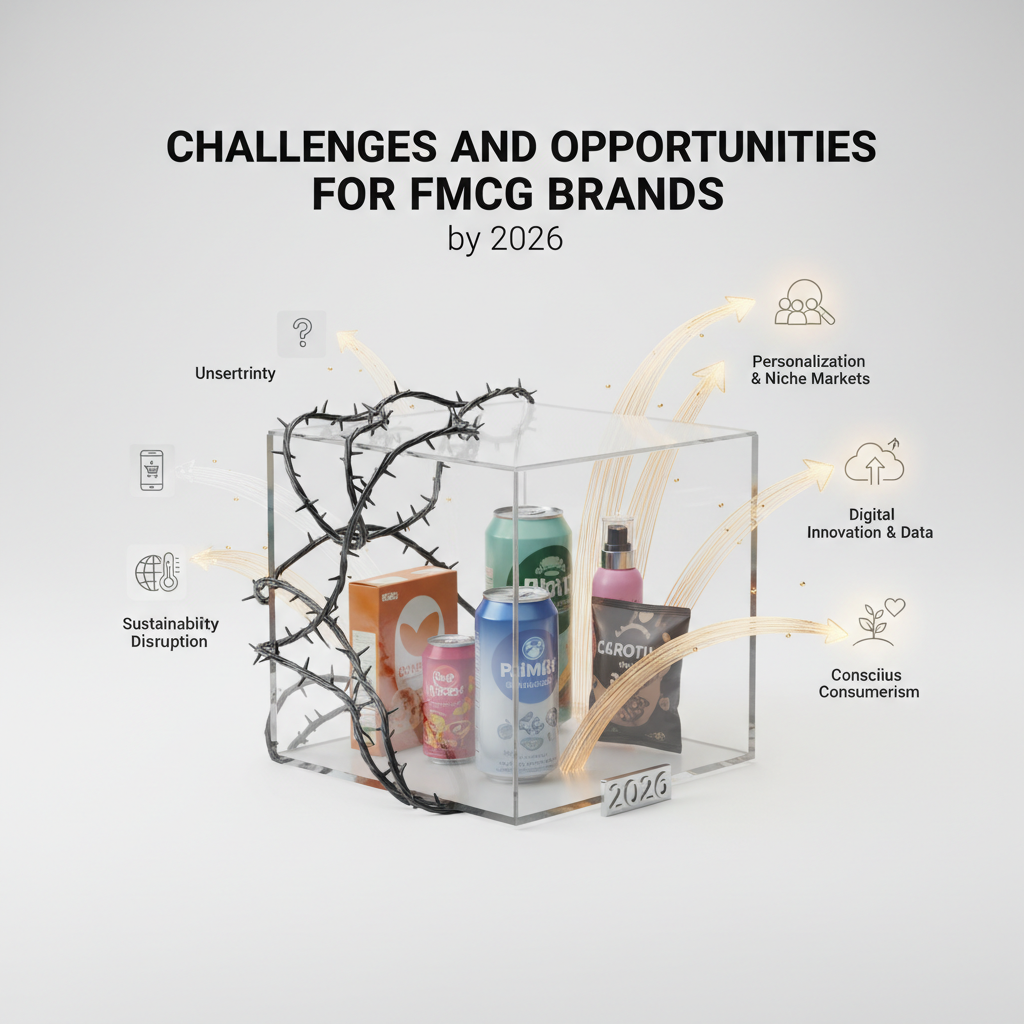
Vietnam’s Fast-Moving Consumer Goods (FMCG) market is a vibrant, rapidly evolving landscape, presenting both formidable challenges and substantial opportunities for brands looking to solidify or establish their presence by 2026. Characterized by a young, increasingly affluent population and a burgeoning digital economy, understanding the market demand trend report of FMCG field in Vietnam is crucial for strategic planning. While robust economic growth fuels consumer spending power and drives demand across various categories, companies must adeptly navigate a complex competitive environment, evolving consumer behaviors, and a dynamic regulatory framework. Success hinges on a deep understanding of local nuances, strategic investment in key growth areas, and an agile approach to market penetration and expansion. This section delves into the primary hurdles and the most promising avenues for growth, offering insights into effective strategies for FMCG players in one of Southeast Asia’s most exciting markets.
1. Intense Competition and Price Sensitivity
The Vietnamese FMCG sector is marked by fierce competition, a landscape populated by a mix of well-established international giants and agile local players. This intense rivalry often translates into aggressive pricing strategies and frequent promotional activities, making price sensitivity a dominant factor in consumer purchasing decisions. Vietnamese consumers, while increasingly aspirational, remain highly value-conscious. Brands must continually innovate and differentiate beyond mere price points to capture and retain market share. This includes focusing on product quality, unique selling propositions, strong brand storytelling, and robust distribution networks that cater to both modern trade channels (supermarkets, convenience stores) and traditional markets. The proliferation of private labels from major retail chains further intensifies this pressure, forcing brands to justify premium pricing through superior perceived value or unique features. Companies need to invest in advanced analytics to track consumer preferences, monitor competitor activities, and fine-tune their marketing and pricing strategies. Building strong brand loyalty through consistent quality and engaging consumer experiences becomes paramount in a market where consumers are quick to switch if a better value proposition emerges. The rise of local brands leveraging cultural understanding and lower operational costs also puts pressure on international players to localize their offerings and connect more deeply with Vietnamese tastes and traditions.
2. Navigating Regulatory Landscape and Trade Policies
Operating in Vietnam requires FMCG brands to possess a thorough understanding of the country’s evolving regulatory landscape and intricate trade policies. This includes navigating a myriad of regulations related to food safety, product labeling, advertising standards, import/export procedures, and environmental compliance. The government’s commitment to international trade agreements, such as the EVFTA (EU-Vietnam Free Trade Agreement) and CPTPP (Comprehensive and Progressive Agreement for Trans-Pacific Partnership), continuously shapes the import duties and market access conditions for various products. While these agreements generally promote trade, they also introduce specific rules of origin, sanitary and phytosanitary measures, and technical barriers to trade that require careful adherence. For example, new food safety regulations or changes in product ingredient restrictions can significantly impact supply chains and product formulations. Non-compliance can lead to hefty fines, product recalls, and severe damage to brand reputation. Therefore, FMCG companies must establish robust internal compliance mechanisms, continuously monitor legislative updates, and build strong relationships with local legal and regulatory experts. Proactive engagement with relevant government bodies and industry associations can also help brands anticipate changes and contribute to shaping a more favorable business environment, ensuring smooth market operations and mitigating risks associated with policy shifts.
3. Strategic Investment and Expansion Opportunities
Despite the challenges, Vietnam offers compelling avenues for strategic investment and expansion for FMCG brands. One of the most significant growth drivers is the rapidly expanding e-commerce penetration. With a high internet and smartphone penetration rate, online retail platforms are transforming consumer purchasing habits, especially among younger demographics in urban centers. Investing in robust e-commerce capabilities, digital marketing, and last-mile delivery solutions is no longer optional but essential. Furthermore, the burgeoning middle class and increasing disposable income are fueling demand for premium products, health and wellness offerings, and sustainable alternatives. Brands focusing on organic, natural, fortified, or environmentally friendly products can tap into this growing segment.
Another lucrative opportunity lies in expanding into Vietnam’s vast rural market. While urban areas are saturated, rural regions represent significant untapped potential, driven by improving infrastructure and rising incomes. Tailored product offerings, appropriate pricing strategies, and strong distribution networks capable of reaching these diverse areas are critical for success. Moreover, data analytics and AI-driven insights offer unparalleled opportunities to understand consumer behavior more deeply, personalize marketing efforts, and optimize supply chains for greater efficiency and responsiveness. Strategic partnerships with local distributors, technology providers, or even mergers and acquisitions can provide faster market entry, access to established networks, and valuable local expertise. For a comprehensive understanding of the current market dynamics and future projections, businesses can refer to a detailed market demand trend report of FMCG field in Vietnam. The nation’s sustained economic growth, coupled with favorable demographic trends, positions Vietnam as a pivotal market for long-term FMCG investment. According to a recent report by the World Bank, Vietnam’s economic outlook remains positive, driven by strong domestic demand and export-oriented manufacturing, which indirectly supports increased consumer spending on FMCG products.
Partner with Shelby Global
You are looking for reliable HR Sevice Suppliers? Contact Shelby Global Now! To connect with verified talents and upgrade your orginization.
—————————————
References
– FMCG market in Vietnam is forecasted to continue growing steadily in 2024 and beyond: https://vietnamtimes.org.vn/fmcg-market-in-vietnam-is-forecasted-to-continue-growing-steadily-in-2024-and-beyond-40285.html
– World Bank: https://www.worldbank.org/en/country/vietnam/overview
– Emerging consumer sustainability: The path to green in Southeast Asia: https://www.hsbc.com.sg/insight/emerging-consumer-sustainability-the-path-to-green-in-southeast-asia/
– the future of supply chains: https://www2.deloitte.com/us/en/insights/topics/supply-chain/future-of-supply-chain.html
– World Bank Vietnam Overview: https://www.worldbank.org/en/country/vietnam/overview