
Understanding the Vietnamese F&B Labor Market Landscape
This section will lay the groundwork by exploring current trends, economic factors, and legal frameworks influencing F&B salaries in Vietnam.
The Vietnamese Food & Beverage (F&B) sector is a vibrant and rapidly evolving landscape, presenting unique opportunities and challenges for businesses and employees alike. Establishing a competitive and fair Salary Defining Strategy for all job titles in Food & Beverage field in vietnam is crucial for attracting and retaining top talent in this dynamic market. Understanding the underlying forces that shape compensation in this industry requires a deep dive into current market trends, prevailing economic conditions, and the intricate web of labor laws and regulations.

1. Current F&B market trends Vietnam & Growth Drivers
Vietnam’s F&B market is experiencing robust growth, fueled by a confluence of factors. A burgeoning middle class with increasing disposable income, rapid urbanization, and a vibrant tourism sector are key Growth Drivers F&B Vietnam. Consumer preferences are shifting, with a growing demand for diverse culinary experiences, including international cuisines, healthy dining options, and convenient food delivery services. The proliferation of food delivery platforms and the increasing adoption of digital technologies have reshaped operational models and customer expectations, creating new job roles and skill requirements within the F&B sector. This rapid expansion, particularly in major urban centers like Ho Chi Minh City and Hanoi, creates intense competition for skilled labor, directly influencing F&B salaries Vietnam. Businesses must remain agile, adapting their talent acquisition and retention strategies to these evolving F&B market trends Vietnam to secure a competitive edge.
2. Impact of Vietnam’s economic indicators on wages (e.g., Cost of living Vietnam)
Vietnam’s impressive economic growth trajectory significantly impacts the overall labor market landscape Vietnam F&B and, by extension, F&B wages. A strong GDP growth rate typically correlates with higher demand for goods and services, including those in the F&B sector, thereby increasing demand for labor. However, inflation rates and the Cost of living Vietnam, particularly in major metropolitan areas, play a critical role in determining the purchasing power of wages. As the cost of housing, transportation, and daily necessities rises, employees naturally expect higher compensation to maintain their quality of life. This pressure often leads to upward adjustments in F&B worker compensation. Furthermore, the government’s periodic adjustments to the national minimum wage directly influence the baseline F&B salary structures across the country, creating a ripple effect on salaries for various job titles. Businesses must closely monitor these economic indicators Vietnam wages to ensure their Salary Defining Strategy for all job titles in Food & Beverage field in vietnam remains competitive and sustainable.
3. Key Labor laws Vietnam and F&B industry regulations
Navigating the legal framework is paramount for any business operating in Vietnam, especially when it comes to compensation. The Vietnamese Labor Code outlines essential provisions concerning working hours, overtime pay, social insurance contributions, severance pay, and the national minimum wage. Compliance with these Labor laws Vietnam is not merely a legal obligation but also a cornerstone of ethical business practices and employee satisfaction. Beyond the general labor code, the F&B industry is subject to specific regulations related to food safety, hygiene, and service standards, which can indirectly impact operational costs and, consequently, wage-setting capabilities. For instance, mandatory training for food handling staff or specific equipment requirements might add to overheads, which need to be factored into the overall wage determination F&B Vietnam. A comprehensive Salary Defining Strategy for all job titles in Food & Beverage field in vietnam must meticulously adhere to these regulations to avoid legal repercussions and foster a fair and transparent working environment, ensuring both business sustainability and employee well-being.
Building a Competitive Compensation Framework
In Vietnam’s vibrant and rapidly expanding Food & Beverage (F&B) sector, a robust compensation framework is not merely an HR function—it’s a strategic imperative. Attracting and retaining top talent amidst intense competition requires more than just offering a job; it demands a sophisticated Salary Defining Strategy for all job titles in Food & Beverage field in vietnam. This strategy must be fair, appealing, and inherently competitive, ensuring that your establishment stands out as an employer of choice. From bustling street-side eateries to high-end hotel restaurants, understanding and implementing effective pay models are crucial for sustained growth and operational excellence.
1. Conducting robust Salary benchmarking F&B data analysis
The foundation of any successful compensation strategy lies in accurate, real-time data. For the F&B industry in Vietnam, this means meticulously conducting robust Salary benchmarking F&B data analysis. This critical step involves gathering comprehensive insights into current F&B salary trends Vietnam across various roles and regions. Without this, businesses risk either overpaying and eroding profitability or underpaying and suffering from high turnover and difficulty in talent acquisition. Effective benchmarking helps identify competitive F&B compensation models, ensuring that your offerings are aligned with, or surpass, market expectations. This includes analyzing typical restaurant staff salaries Vietnam, hotel F&B wages, and management remuneration. Leveraging a targeted salary survey F&B can provide granular data, informing decisions on base pay, variable compensation, and even the nuances of regional disparities in competitive F&B pay Vietnam. By understanding the broader Vietnamese labor landscape, particularly wages and labor costs, businesses can craft a data-driven compensation strategy F&B that is both sustainable and attractive.
2. Designing Competitive compensation packages for various roles
Once armed with comprehensive benchmarking data, the next step is to translate these insights into actionable, competitive compensation packages for various roles. This involves more than just setting a base salary; it’s about crafting a holistic offering that resonates with different employee segments within the F&B sector. For roles ranging from entry-level servers and kitchen assistants to experienced chefs and F&B managers, the design must reflect market value, skill level, and contribution to the business. Implementing performance-based pay F&B, such as service charges, tips, or revenue-sharing models, can significantly enhance motivation and align employee goals with business objectives. This approach is vital for ensuring a fair wage F&B Vietnam while incentivizing excellence. Beyond fixed wages, variable components like bonuses for achieving sales targets, positive customer feedback, or operational efficiency can make a substantial difference. Tailoring these packages to account for the unique demands and hours of F&B work is paramount. A well-designed package directly contributes to talent retention F&B Vietnam, fostering loyalty and reducing the costly cycle of recruitment and training.
3. Integrating Benefits and perks F&B to enhance total rewards
A truly competitive compensation framework extends far beyond the paycheck. Integrating comprehensive benefits F&B industry and perks is essential to creating a compelling total rewards F&B package. In Vietnam, this often includes mandatory social insurance, health insurance, and paid leave, but successful employers go further. Providing meal allowances, transportation support, or even accommodation subsidies can be significant differentiators, especially for staff working demanding hours or in remote locations. Beyond monetary benefits, non-financial perks play a crucial role in enhancing employee satisfaction and employee engagement F&B. This could involve offering professional development opportunities, culinary training, clear career progression paths, or even flexible scheduling where feasible. Acknowledging staff contributions through recognition programs, providing a positive work environment, and fostering a strong team culture are invaluable. When these benefits and perks are thoughtfully integrated, they not only sweeten the deal but also demonstrate an investment in employee well-being and growth. This holistic approach is fundamental to a robust and attractive Salary Defining Strategy for all job titles in Food & Beverage field in vietnam, solidifying your reputation as a preferred employer.
Ultimately, building a competitive compensation framework in Vietnam’s F&B sector requires a strategic blend of market insight, tailored package design, and a comprehensive approach to total rewards. By committing to these principles, businesses can not only attract the best talent but also cultivate a motivated and loyal workforce, ensuring long-term success in this dynamic industry.
Implementing Performance-Driven & Skill-Based Pay Systems
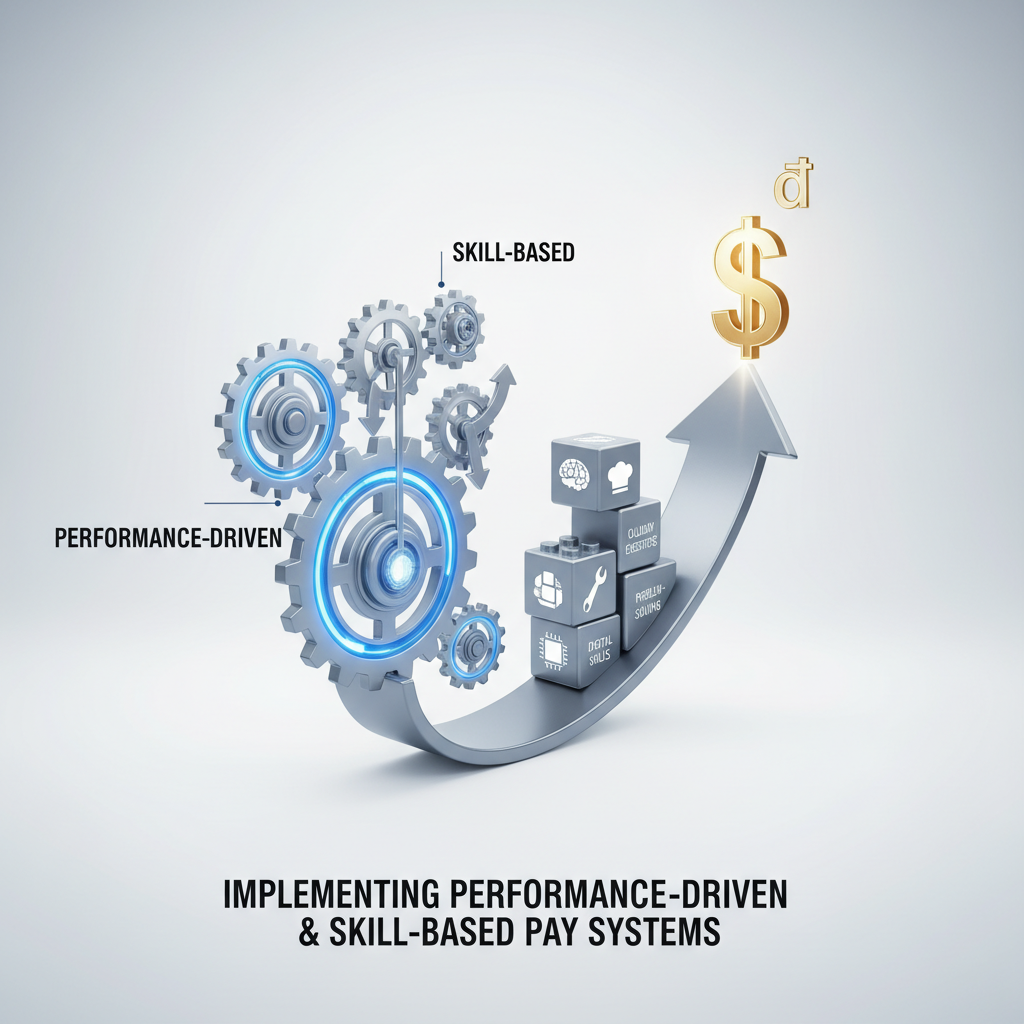
In Vietnam’s dynamic and competitive Food & Beverage (F&B) sector, a robust Salary Defining Strategy for all job titles in Food & Beverage field in vietnam is crucial for attracting, motivating, and retaining top talent. Moving beyond traditional fixed salary models, progressive F&B establishments are increasingly adopting performance-driven and skill-based pay systems. This approach not only fosters a culture of high achievement and continuous improvement but also ensures that employee compensation directly reflects their contributions and specialized capabilities. By strategically structuring F&B compensation strategies, businesses can create a powerful incentive for employees to excel, develop new skills, and commit to long-term career growth within the organization. This section delves into effective strategies for rewarding employees based on their contributions and specific skill sets, fostering motivation and development through performance-based pay.
-
Developing effective Performance-based pay models and KPIs
-
Implementing Skill-based pay structures for specialized F&B roles
-
Linking compensation to career progression and development
The foundation of a successful performance-driven pay system lies in clearly defined objectives and measurable Key Performance Indicators (KPIs). For F&B roles, these KPIs must be tailored to reflect the diverse responsibilities, from kitchen operations to front-of-house service. For instance, a chef’s performance might be linked to food cost control, kitchen efficiency, menu innovation, and consistent food quality, establishing a clear KPI for kitchen staff. Front-of-house staff, including servers and bartenders, could have KPIs related to customer satisfaction scores, upselling effectiveness, order accuracy, and table turnover rates, driving service excellence pay. Managers might be evaluated on revenue growth, operational efficiency, staff retention, and overall guest experience.
Designing these models requires thorough analysis of each role’s impact on business outcomes. Transparent communication of how performance is measured and how it translates into incentives is vital for employee buy-in. Performance incentives, when clearly understood and fairly administered, become powerful motivators for employees to exceed expectations. Integrating a pay-for-performance model requires careful planning, objective metrics, and regular feedback to ensure fairness and effectiveness, aligning individual efforts with the broader business goals, especially for enhancing employee motivation F&B.
Beyond general performance, recognizing and rewarding specific skills is critical, particularly in a sector as specialized as F&B. A skill-based pay structure compensates employees not just for the job they do, but for the breadth, depth, and types of skills they possess and can apply. This is particularly relevant for roles like master chefs, sommeliers, mixologists, and highly trained service professionals. By developing robust competency frameworks, F&B businesses can identify core and advanced skills required for various positions. For example, a sommelier’s pay could increase with certifications in wine knowledge, pairing expertise, and sales skills. A pastry chef might earn more for advanced techniques in French patisserie or unique dessert creation. This model encourages employees to invest in their professional development, enhancing their capabilities and, in turn, the quality of service and product offered.
Implementing skill-based wages fosters a culture of continuous learning and professional growth, making a career in hospitality more attractive. It provides a clear pathway for employees to increase their earning potential by acquiring new skills or mastering existing ones, directly impacting skill-based wages hospitality and contributing to the overall expertise within the team. This approach also aids in strategic workforce planning, ensuring the organization has the necessary skills to adapt to market trends and customer demands, thereby improving talent retention in F&B.
A comprehensive Salary Defining Strategy for all job titles in Food & Beverage field in vietnam extends beyond immediate performance and skills to encompass long-term career growth. By creating clear career development pathways, F&B businesses can link compensation to an employee’s journey within the organization. This involves establishing progression levels for various roles, outlining the skills, experience, and performance required to advance from a junior position to a senior one, or into management. For example, a commis chef might advance to chef de partie, then sous chef, with each step bringing increased responsibility and a corresponding pay adjustment. This structure provides a tangible incentive for employees to stay and grow with the company, reducing turnover and fostering loyalty.
Integrating professional development programs, mentorship opportunities, and leadership training with compensation ensures that employees are continuously improving and contributing more valuable work. Regular compensation benchmarking Vietnam allows businesses to ensure their pay structures remain competitive within the market, particularly for Vietnam restaurant salary and hotel staff remuneration. This holistic approach to rewards and recognition creates a virtuous cycle: employees are motivated to develop, they perform better, and they are fairly compensated, leading to a highly engaged and productive workforce. For further insights into developing effective compensation strategies, especially those linking pay to performance, resources like SHRM’s guidance on pay-for-performance can be invaluable. A well-designed system ensures fair compensation practices while driving business success and fostering a vibrant F&B ecosystem.
Addressing Diverse F&B Job Titles & Regional Nuances
Developing a robust Salary Defining Strategy for all job titles in Food & Beverage field in Vietnam requires a nuanced understanding of both occupational diversity and significant regional economic variations. The dynamic nature of Vietnam’s F&B sector, from bustling street food vendors to luxurious five-star hotel dining, means that a one-size-fits-all approach to compensation is ineffective. Businesses must meticulously tailor their salary structures to attract and retain talent across a spectrum of roles, while also accounting for the distinct cost of living and market demand differences found across the nation.
1. Defining Entry-level F&B salaries vs. experienced roles (e.g., chefs, managers)
The foundation of any effective F&B compensation plan lies in differentiating between entry-level and experienced positions. For roles such as waiters, kitchen helpers, bartenders, and receptionists, salaries typically align with local minimum wage standards and the prevailing market rates for basic service roles. These positions often require foundational customer service skills, a willingness to learn, and adherence to operational standards. Employers might offer competitive base salaries, service charges, tips, and basic benefits to attract and retain staff in these high-turnover roles, often investing in training programs to develop their skills.
In stark contrast, experienced and specialized roles command significantly higher compensation due to the specific skill sets, expertise, and leadership qualities they require. Highly skilled chefs, especially those with international experience or specialized culinary training (e.g., Executive Chefs, Sous Chefs, Pastry Chefs), are in high demand. Similarly, experienced Restaurant Managers, Hotel F&B Directors, and Operations Managers require a proven track record in financial management, team leadership, service excellence, and strategic planning. Their salaries reflect not just their technical abilities but also their capacity to drive revenue, manage complex operations, and uphold brand standards. Compensation for these roles often includes higher fixed salaries, performance-based bonuses, and more comprehensive benefits packages, reflecting their direct impact on the establishment’s profitability and reputation.
2. Strategic compensation for Senior management F&B compensation
For senior management positions within Vietnam’s F&B sector – such as General Managers of hotels or large restaurant groups, F&B Directors overseeing multiple outlets, or Executive Chefs leading extensive culinary teams – compensation strategies become even more sophisticated. These roles are pivotal to the success and strategic direction of the business, often carrying significant P&L responsibilities, brand development mandates, and substantial operational oversight. Attracting top-tier talent for these positions requires a highly competitive and comprehensive compensation package.
Beyond a substantial base salary, senior management F&B compensation typically includes a robust performance-based bonus structure tied to key performance indicators (KPIs) such as revenue growth, profit margins, customer satisfaction scores, and operational efficiency. Additional benefits might encompass housing allowances, company vehicles, health insurance (often international plans), and professional development opportunities. For expatriate managers, these packages might also include relocation assistance, schooling allowances for children, and regular home leave. The goal is not just to attract but also to retain these invaluable leaders who are instrumental in shaping the F&B landscape and ensuring long-term success. A carefully crafted Salary Defining Strategy for all job titles in Food & Beverage field in Vietnam, especially at this level, is crucial for securing visionary leadership.
3. Navigating Regional salary differences Vietnam (e.g., Hanoi vs. HCMC)
One of the most critical considerations in developing F&B salary strategies in Vietnam is the significant variation in wages and cost of living across different regions. Vietnam’s evolving labor market dynamics show a clear divide between major economic hubs and smaller provinces.
Ho Chi Minh City (HCMC) and Hanoi, as the primary economic and tourism centers, generally boast the highest F&B salaries. This is attributed to a higher cost of living, a greater concentration of high-end international hotels and restaurants, a larger expat community, and intense competition for skilled labor. For instance, a Head Chef or F&B Manager in HCMC can expect to earn significantly more than their counterpart in a provincial city. These cities also attract a broader pool of international talent, which further drives up compensation expectations for specialized roles.
Mid-tier cities and popular tourist destinations like Da Nang, Hoi An, and Nha Trang offer a slightly different scenario. While competitive, salaries here are typically lower than in HCMC or Hanoi, reflecting a comparatively lower cost of living. However, the demand for skilled F&B professionals, particularly in the booming tourism sector, remains strong, ensuring fair compensation. In contrast, smaller cities and rural areas typically have the lowest F&B salaries. While the cost of living is considerably lower, the market for high-end dining and international hospitality is less developed, leading to different salary benchmarks. Businesses operating in these diverse regions must conduct thorough local market research to ensure their compensation packages are competitive yet sustainable, aligning with local economic realities and talent availability. Understanding these regional salary differences is paramount for effective F&B sector compensation planning across Vietnam.
Optimizing for Employee Retention and Future Growth
This final section focuses on long-term strategies for retaining top talent and adapting salary approaches to future market changes, including effective employee retention strategies. In the vibrant and competitive Food & Beverage (F&B) sector of Vietnam, a robust Salary Defining Strategy for all job titles in Food & Beverage field in vietnam is paramount not just for attracting new talent, but for ensuring the sustained success and growth of your business. Beyond initial recruitment, the ability to retain skilled professionals directly impacts service quality, operational efficiency, and ultimately, profitability. This requires a nuanced understanding of F&B compensation and a proactive approach to managing human capital.

1. Effective Employee retention strategies beyond base salary
While competitive pay F&B is a foundational element, true staff retention Vietnam in the F&B sector goes far beyond the monthly paycheck. Organizations must develop comprehensive employee benefits F&B packages and foster environments that encourage employee engagement F&B. This includes offering robust career development F&B opportunities, such as regular training programs, mentorship, and clear pathways for advancement. A positive workplace culture, built on recognition, transparent communication, and work-life balance, significantly contributes to loyalty. Implementing HR best practices Vietnam, like performance feedback systems and employee wellness programs, can drastically reduce turnover. For example, flexible scheduling can be a significant draw in an industry known for demanding hours, helping to retain valuable employees who might otherwise seek opportunities elsewhere. By focusing on a holistic approach to employee well-being and professional growth, businesses can create an environment where talent thrives, ensuring long-term stability and reducing recruitment costs in the dynamic Vietnam hospitality salaries market.
2. Mastering Negotiation tactics F&B for attracting and keeping talent
Attracting and retaining top talent attraction F&B requires more than just a standard offer; it demands mastering sophisticated negotiation tactics. Understanding the market salary trends Vietnam is crucial, allowing you to position your offers competitively. When negotiating, consider a total rewards package that extends beyond base salary. This can include performance incentives, bonuses tied to revenue or customer satisfaction, and non-monetary perks like subsidized meals, transportation allowances, or health benefits. The ability to articulate the full value of the compensation and benefits package, combined with the company’s culture and growth prospects, can significantly sway potential and existing employees. For experienced professionals, highlighting opportunities for skill development and leadership roles can be more persuasive than a marginally higher base salary. Being flexible and open to customizing offers based on individual needs and contributions is a powerful tool for securing and retaining the best F&B talent.
3. Future-proofing your salary strategy: adapting to evolving market demands
The F&B landscape in Vietnam is constantly evolving, influenced by economic shifts, changing consumer behaviors, and new talent expectations. To future-proof your salary defining strategy, it’s imperative to implement a dynamic wage structure F&B that can adapt to these evolving market demands. Regularly benchmarking your F&B compensation against industry standards and competitor offerings in Vietnam is non-negotiable. Utilize data analytics to track market salary trends Vietnam and adjust your pay scales proactively rather than reactively. Consider implementing variable pay structures that allow for adjustments based on company performance, individual contribution, or economic conditions, providing both flexibility and motivation. Furthermore, stay attuned to legislative changes regarding minimum wages and labor laws in Vietnam. A forward-thinking approach to compensation planning, which includes periodic reviews and adjustments to the total rewards package, ensures your organization remains an attractive employer, capable of retaining skilled staff and navigating future challenges in the competitive Vietnamese F&B sector.
Partner with Shelby Global
You are looking for reliable HR Sevice Suppliers? Contact Shelby Global Now! To connect with verified talents and upgrade your orginization.
—————————————
References
– Vietnamese Labor Code: https://www.ilo.org/dyn/natlex/natlex4.detail?p_lang=en&p_isn=109279&p_country=VNM
– Understanding Wages and Labor Costs in Vietnam: https://www.vietnam-briefing.com/news/understanding-wages-and-labor-costs-in-vietnam.html/
– SHRM’s guidance on pay-for-performance: https://www.shrm.org/resources-and-tools/hr-topics/compensation/pages/pay-for-performance.aspx
– Vietnam’s evolving labor market dynamics: https://www.vietnam-briefing.com/news/understanding-salaries-and-wages-vietnam.html/
– Total Rewards: A Strategic Approach to Pay and Benefits: https://www.shrm.org/resources-and-tools/hr-topics/compensation/pages/total-rewards.aspx