Grasping the Basics: What is HR in Singapore F&B SMEs?
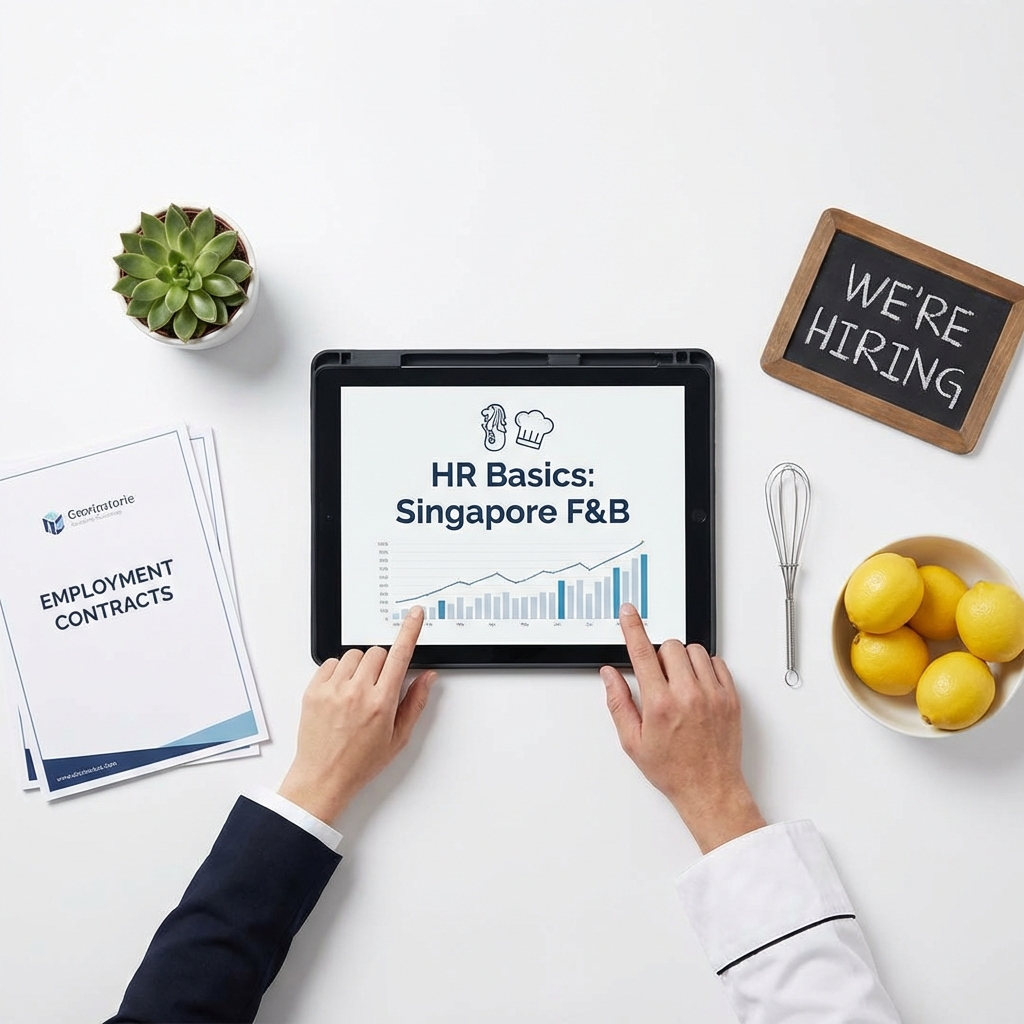
As a fresh CEO stepping into Singapore’s dynamic Food & Beverage (F&B) landscape, understanding Human Resources (HR) within small to medium-sized enterprises (SMEs) is paramount. Unlike large corporations with dedicated HR departments, F&B SMEs in Singapore operate within a unique, often resource-constrained environment where HR responsibilities frequently fall to the leadership team. This section will provide a Step by Step to understand SMEs HR Structure for the fresh the CEO in Food & Beverage field in singapore, highlighting the distinct challenges, priorities, and strategic importance of effective people management in this vibrant sector.
1. Defining SME HR: More Than Just Payroll
For many, HR might conjure images of paperwork, hiring, and payroll. While these are certainly core HR fundamentals, HR in a Singaporean F&B SME is far more expansive and strategic. It encompasses the full spectrum of employee lifecycle management, from attraction and recruitment to development, retention, and eventual separation. Beyond administrative tasks, effective SME HR is about building a motivated and skilled team that drives business success. It’s about fostering employee engagement, ensuring staff well-being, and aligning people strategies with business goals to enhance F&B operations. A proactive approach to HR contributes directly to customer satisfaction, brand reputation, and ultimately, profitability. It moves beyond mere personnel administration to embrace strategic HR, focusing on how human capital can be leveraged as a competitive advantage in a tight market.
2. Typical Team Structures & Roles in F&B
In F&B SMEs, the organisational structure is often lean, with leaders wearing multiple hats. A dedicated HR manager is a luxury most cannot afford. Instead, HR functions are typically managed by the owner, a general manager, or an administrative manager. This means that hiring, training, and compliance issues become part of their daily operational duties. Key roles within an F&B SME generally include kitchen staff (chefs, cooks, kitchen assistants), front-of-house staff (waiters, baristas, service crew), and potentially delivery personnel. Effective staffing and workforce planning become critical, especially given the fluctuating demands of the F&B industry. The absence of a specialized HR department underscores the importance of every manager understanding basic HR principles and best practices to ensure smooth operations and a healthy work environment.
3. Key Challenges for F&B SME HR in Singapore
Operating an F&B SME in Singapore presents distinct HR challenges that require keen attention:
- Talent Acquisition and Retention: The F&B sector is notorious for high turnover. Attracting and retaining skilled workers, especially locals, is a constant battle against a pervasive labour shortage. Competition from larger establishments and the demanding nature of the work exacerbate this issue. Effective talent management strategies are crucial here, focusing on creating an attractive employer brand and growth opportunities.
- Regulatory Compliance: Singapore has robust employment laws. Navigating the nuances of the Employment Act, CPF contributions, foreign worker quotas, levies, and fair employment practices requires meticulous attention to regulatory compliance. Missteps can lead to hefty fines and reputational damage. Resources from bodies like Enterprise Singapore can be invaluable for SMEs seeking to understand their obligations and access support.
- Training and Development: With tight budgets and operational demands, dedicating resources to training needs can be challenging. However, continuous professional development in areas like food hygiene, service excellence, and culinary skills is vital for maintaining quality and staying competitive.
- Employee Engagement and Welfare: The long, irregular hours common in F&B can impact employee welfare and morale. Creative approaches to foster teamwork, recognize effort, and support work-life balance are essential to prevent burnout and boost loyalty.
Understanding these foundational aspects of HR within Singapore’s F&B SME landscape is the first critical step for any new CEO. It lays the groundwork for developing a robust, compliant, and people-centric strategy that will drive your enterprise toward sustainable growth and success.
Core HR Functions for Your F&B Team
As a fresh CEO stepping into the dynamic and often demanding Food & Beverage (F&B) industry in Singapore, understanding the nuances of Human Resources (HR) is paramount. The success of your SME hinges on your team, and a well-structured HR framework is the backbone of a thriving F&B business. This guide offers a Step by Step to understand SMEs HR Structure for the fresh the CEO in Food & Beverage field in singapore, ensuring you build a resilient and productive workforce. From navigating high turnover rates to fostering employee growth, mastering these core HR functions will empower you to create a sustainable and successful enterprise.
1. Recruitment & Onboarding in a High-Turnover Industry
The F&B sector is notorious for its high turnover rates, making effective F&B talent acquisition and restaurant staff retention critical. For a Singaporean F&B SME, this means going beyond simply filling vacancies. Focus on creating an attractive employer brand to draw in quality candidates. Your recruitment process should be efficient, utilizing platforms popular in Singapore and clearly defining roles for kitchen staff management and service crew development. Emphasize cultural fit during interviews, as a harmonious team is key to a fast-paced environment.
Once hired, robust onboarding is non-negotiable. Don’t just hand over a uniform; immerse new hires in your company’s culture and operational standards. A structured program for new F&B employees can significantly improve restaurant staff retention. This includes job-specific training, understanding hygiene standards, and familiarization with point-of-sale systems. Effective onboarding reduces anxiety, builds confidence, and ensures new team members feel valued from day one, laying the groundwork for long-term engagement and reducing future recruitment costs. Ensure your practices align with Singapore’s Fair Consideration Framework to attract and develop a strong local workforce, upholding fair employment practices Singapore.
2. Compensation, Benefits, and Payroll Management
Attracting and retaining talent in Singapore’s competitive F&B market requires more than just a job; it demands competitive F&B salaries and a comprehensive benefits package. As a CEO, you must understand the fundamentals of Singapore labor law, including mandatory CPF contributions, annual leave entitlements, and overtime regulations. Transparent and accurate payroll management is crucial for employee satisfaction and legal compliance. Consider leveraging HR tech F&B solutions to streamline payroll processing, track attendance, and manage leave requests, reducing administrative burden and errors.
Beyond basic wages, think creatively about benefits that appeal to F&B professionals. This could include staff meals, transport allowances, health insurance, or performance-based incentives. Clearly communicate the total compensation package to employees, highlighting the value of their benefits. Regular benchmarking against industry standards will help ensure your offerings remain competitive, preventing staff from seeking opportunities elsewhere. Sound financial planning in this area directly impacts your operational costs and overall profitability.
3. Performance Management & Employee Development
In the fast-paced F&B world, effective performance management is about continuous improvement and growth, not just annual reviews. Implement a system of regular feedback, where managers provide constructive criticism and positive reinforcement to kitchen staff management and service crew development. Set clear, measurable goals aligned with your business objectives, ensuring employees understand their contributions to the bigger picture. Performance reviews F&B should be opportunities for dialogue, identifying strengths and areas for upskilling.
Employee development is a powerful tool for retention and productivity. Invest in ongoing employee training F&B programs, whether it’s culinary workshops for chefs, customer service excellence for front-of-house staff, or leadership training for aspiring managers. Cross-training can also enhance team flexibility and morale. Creating clear career progression paths within your SME demonstrates that you value your team’s long-term growth. This commitment to development not only boosts individual performance but also fosters a culture of loyalty and professionalism, equipping your team to consistently deliver exceptional service in the demanding F&B landscape.
Navigating Singapore’s HR Regulations & Compliance
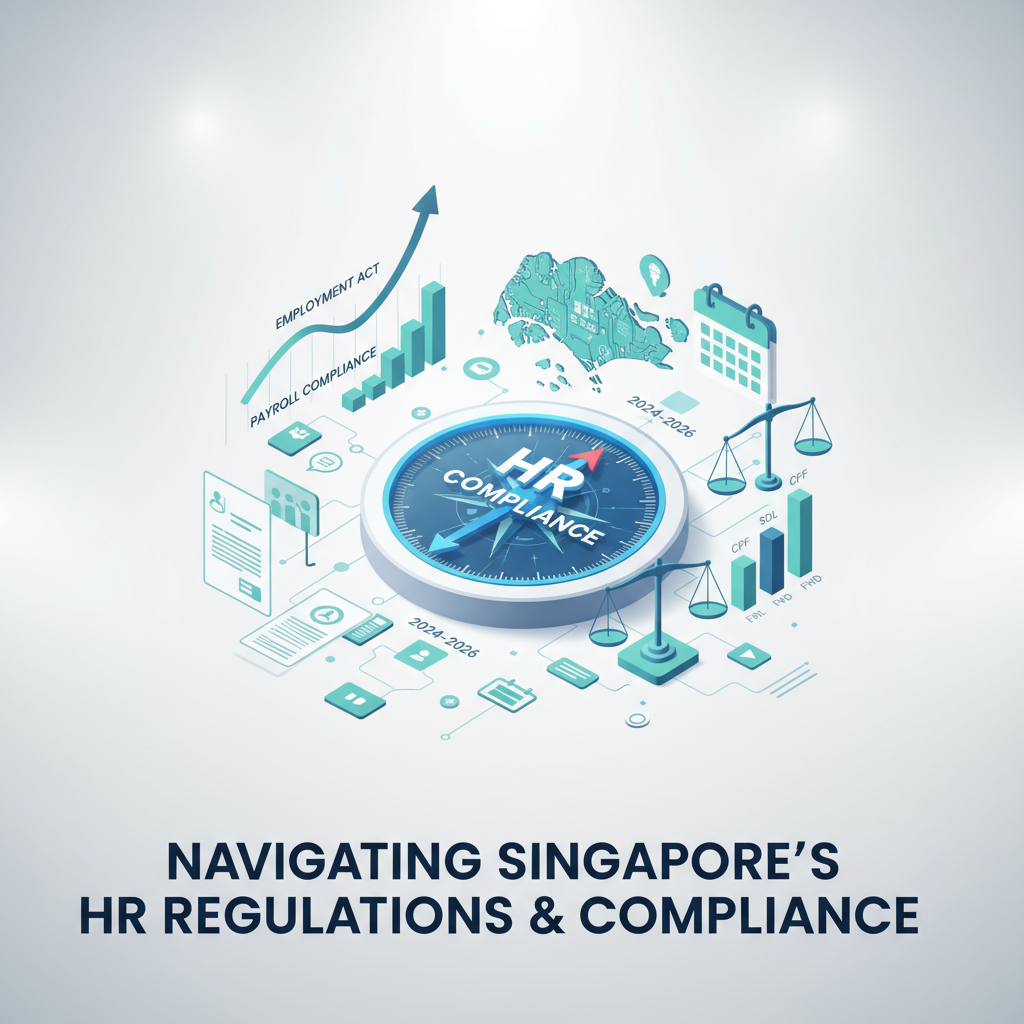
For any CEO steering a Food & Beverage (F&B) SME in Singapore, mastering the intricacies of HR regulations is not just about compliance; it’s a strategic imperative for sustainable growth and operational excellence. This comprehensive guide provides a Step by Step to understand SMEs HR Structure for the fresh the CEO in Food & Beverage field in singapore, ensuring you build a robust and compliant workforce. We delve into the specific labor laws, grants, and compliance requirements pertinent to F&B SMEs operating within Singapore’s dynamic legal framework, touching upon 11 critical areas essential for your success.
1. Employment Act and Key Statutory Requirements
The bedrock of Singapore’s labor law is the Employment Act (EA). It outlines the fundamental terms and conditions of employment for most employees, covering areas like hours of work, rest days, public holidays, annual leave, sick leave, and payment of wages. As an F&B SME CEO, you must be well-versed in these provisions to avoid disputes and penalties. Key statutory requirements include:
- Central Provident Fund (CPF): Mandatory social security contributions by both employers and employees to cover retirement, healthcare, and housing needs. Contribution rates vary by age and salary.
- Skills Development Levy (SDL): A compulsory levy paid by employers for all employees working in Singapore, used to fund workforce skills development.
- Public Holidays and Leave Entitlements: Adherence to declared public holidays and statutory leave entitlements (e.g., annual leave, sick leave, maternity/paternity leave, childcare leave).
- Employment Contracts: Ensuring all employees have written employment contracts clearly detailing terms, duties, remuneration, and termination clauses.
- Dispute Resolution: Understanding mechanisms like the Tripartite Alliance for Dispute Management (TADM) for resolving salary and wrongful dismissal claims.
2. MOM Guidelines, Work Permits, and Foreign Talent
The Ministry of Manpower (MOM) is the primary regulatory body overseeing employment practices in Singapore. F&B SMEs often rely on foreign talent, making MOM’s guidelines on work passes crucial. Understanding the various work pass categories—such as Work Permits for semi-skilled workers, S Passes for mid-skilled employees, and Employment Passes for professionals—is vital. Each category has specific eligibility criteria, quota requirements, and levies. For instance, the F&B sector faces specific quota restrictions on foreign worker dependency. It’s also imperative to comply with the Fair Consideration Framework (FCF), which mandates employers to advertise jobs on the MyCareersFuture portal before submitting S Pass or Employment Pass applications, ensuring fair hiring practices for Singaporeans. Adherence to MOM’s Workplace Safety and Health guidelines is also paramount to ensure a safe environment for all staff, especially in high-risk F&B settings.
3. Understanding Industry-Specific Safety & Hygiene Regulations
Beyond general employment laws, F&B SMEs must navigate a unique layer of industry-specific regulations primarily enforced by the Singapore Food Agency (SFA) and the Workplace Safety and Health (WSH) Council. These are critical for public health and employee well-being:
- Food Hygiene and Safety: Strict adherence to SFA regulations on food handling, preparation, storage, and premises cleanliness. This includes obtaining necessary licenses and ensuring staff are trained in basic food hygiene (e.g., Food Hygiene Officer certification for supervisors).
- Workplace Safety and Health Act (WSH Act): This act applies across all industries but has particular implications for F&B due to potential hazards like hot oil, sharp objects, slippery floors, and heavy lifting. Employers must identify risks, implement control measures, and provide appropriate personal protective equipment (PPE).
- Training and Certification: Regular training for staff on food safety, first aid, and fire safety is not just good practice but often a regulatory requirement. Keeping records of such training is essential for audits.
- Pest Control and Waste Management: Strict protocols for pest control and efficient waste disposal are necessary to maintain hygiene standards and prevent contamination, as mandated by SFA and NEA (National Environment Agency).
By diligently addressing these key areas, F&B CEOs can ensure their operations are compliant, efficient, and resilient, fostering a positive work environment and mitigating potential legal and operational risks.
Building & Optimizing Your HR Foundation as CEO
As a fresh CEO navigating the dynamic landscape of the Food & Beverage Singapore sector, establishing a robust Human Resources (HR) foundation is not merely a task; it’s a strategic imperative. Whether your SME is a bustling hawker stall chain or an emerging restaurant group, understanding and optimizing your SMEs HR structure is crucial for operational efficiency, compliance, and sustained growth. This new CEO HR guide offers practical, step-by-step insights to build or enhance your HR framework, ensuring you’re well-equipped to manage your most valuable asset: your people.
1.
Assessing Your Current HR Capabilities
Your initial step involves a thorough audit of your existing HR setup. For many Food & Beverage Singapore SMEs, HR functions might be informally handled by the finance team, operations manager, or even the CEO directly. Begin by documenting all current HR-related activities: recruitment, onboarding, payroll, leave management, performance reviews, disciplinary actions, and employee welfare. Ask critical questions: Are these processes documented? Are they consistent? Do they comply with local regulations?
Identify your current capabilities and pinpoint glaring gaps. Is your payroll management Singapore compliant and efficient? Do you have clear guidelines for talent acquisition F&B staff? What is the current state of your employee retention strategies? This assessment should reveal whether your HR operations are reactive or proactive, manual or automated. Understanding the nuances of your current HR foundation will illuminate areas needing immediate attention, especially concerning HR compliance Singapore. This foundational understanding is key to building a resilient workforce in a competitive industry.
2.
Implementing Basic HR Processes & Tools
Once you’ve identified the gaps, the next crucial step is to formalize and implement core HR processes. Even without a dedicated HR department, a new CEO HR guide mandates setting up clear procedures. Start with essentials like a standardized onboarding process to welcome new hires, clear job descriptions, and a transparent performance review system. Develop an employee handbook outlining company policies, code of conduct, and key employment terms. This not only sets expectations but also protects your business.
Leverage technology to streamline these operations. Simple HR software for SMEs or even cloud-based platforms can automate tasks like leave applications, expense claims, and even basic payroll management Singapore. Investing in a basic Human Resources Information System (HRIS) can significantly reduce administrative burden, improve data accuracy, and free up valuable time. This systematic approach ensures that your HR foundation is solid, scalable, and helps reinforce fair employment practices, paving the way for more effective employee retention strategies. For a comprehensive guide on establishing your core HR framework and navigating the specific challenges, explore our dedicated content on Step by Step to understand SMEs HR Structure for the fresh the CEO in Food & Beverage field in singapore.
3.
Outsourcing vs. In-House HR Decisions
As your Food & Beverage Singapore business grows, a critical decision arises: do you hire an in-house HR professional or opt for outsourced HR services? Each approach has distinct advantages and disadvantages, particularly for an SME.
Outsourcing can be highly cost-effective, providing access to specialized expertise without the overhead of a full-time employee. HR consultants or Professional Employer Organizations (PEOs) can handle complex areas like HR compliance Singapore, benefits administration, and intricate aspects of the Employment Act. This is especially beneficial if your immediate need is expertise in specific areas or if your current team is stretched thin.
Conversely, building an in-house HR function offers greater control over company culture, direct employee engagement, and a deeper understanding of your specific business needs for talent acquisition F&B. An internal HR manager can become a strategic partner, fostering a strong company culture and proactively developing employee retention strategies. The choice hinges on your budget, immediate operational needs, and long-term strategic vision. Regardless of your decision, a thorough understanding of Singapore’s employment landscape, including crucial regulations as detailed by the Ministry of Manpower’s Employment Act, is paramount to ensure full compliance and avoid costly pitfalls. Make an informed decision that best supports your growing HR foundation and operational goals.
Future-Proofing HR for Growth in F&B
In the dynamic and often demanding landscape of the Food & Beverage (F&B) industry in Singapore, a fresh CEO stepping into an SME must swiftly grasp the intricacies of human resources. To truly future-proof your organization for sustainable growth, it’s essential to look beyond day-to-day operational demands and develop a robust HR framework. This guide provides a Step by Step to understand SMEs HR Structure for the fresh the CEO in Food & Beverage field in singapore, focusing on proactive strategies for scaling HR effectively, cultivating a thriving workplace culture, and leveraging technology to ensure long-term success and minimize employee turnover. The goal is to build a resilient workforce that can adapt to market shifts and support ambitious expansion plans.
-
Developing a Strong Company Culture & Retention Strategies
A compelling company culture is the bedrock of any successful F&B business, particularly in Singapore where talent acquisition and retention are key challenges. For a fresh CEO, establishing clear values and an inviting atmosphere is paramount. This isn’t just about perks; it’s about creating an environment where employees feel valued, heard, and have opportunities for growth. Begin by defining your company’s core values – what do you stand for? How do you want your employees to feel when they come to work?
Retention strategies must be multi-faceted. Beyond competitive salaries, consider comprehensive benefits packages, including health insurance and performance-based incentives. Training and development programs are crucial; offering clear career progression paths can significantly reduce churn in an industry known for high turnover. Regular feedback mechanisms, such as anonymous surveys and one-on-one check-ins, can help identify pain points before they escalate. Acknowledging employee achievements and fostering a sense of community through team-building activities can also boost morale and loyalty. Understanding the specific needs of your workforce – from front-of-house staff to kitchen crew – allows for tailored initiatives that resonate deeply, fostering a positive workplace culture. Studies show that a strong company culture can lead to a significant increase in employee retention in the F&B sector.
-
Leveraging HR Technology for Efficiency
In today’s fast-paced F&B environment, manual HR processes are a significant drain on resources and can hinder growth. Embracing HR technology is no longer a luxury but a necessity for SMEs in Singapore. For a fresh CEO looking to optimize operations, investing in Human Resources Information Systems (HRIS) or Human Capital Management (HCM) platforms can revolutionize how HR functions are managed.
These systems can automate tedious tasks such as payroll processing, leave management, attendance tracking, and onboarding. This frees up HR personnel to focus on more strategic initiatives, like talent development and employee engagement. Cloud-based HR software offers scalability, allowing your HR infrastructure to grow seamlessly with your business. Furthermore, technology can enhance the employee experience through self-service portals, enabling staff to access pay slips, update personal information, and request leave directly. Advanced analytics tools within these platforms can provide valuable insights into workforce trends, helping you make data-driven decisions regarding staffing, training needs, and retention strategies. Implementing such technologies ensures accuracy, compliance, and significant time savings, ultimately boosting overall operational efficiency and providing a clear Step by Step to understand SMEs HR Structure for the fresh the CEO in Food & Beverage field in singapore towards modern HR practices. This move towards digital transformation is one of the 11 critical steps towards building a sustainable F&B business.
-
Planning for Growth: Scaling Your Workforce
As your F&B SME expands, your HR strategy must evolve to support this growth. Proactive workforce planning is essential to avoid bottlenecks and maintain service quality. For a fresh CEO, this involves anticipating future staffing needs based on projected sales, new outlet openings, or menu expansions. It means moving beyond reactive hiring to a strategic approach.
Start by conducting a thorough talent gap analysis: what skills will you need in 6 months, 1 year, or 3 years? Develop a robust talent pipeline through various channels, including culinary schools, hospitality programs, and professional networking events. Consider establishing an employer brand that makes your company an attractive place to work, especially in a competitive market like Singapore. This includes showcasing your unique culture and growth opportunities. When scaling, clear job descriptions, structured interview processes, and comprehensive onboarding programs become even more critical to ensure new hires integrate smoothly and uphold your brand standards. Don’t overlook the importance of succession planning for key roles; identifying and nurturing internal talent ensures continuity and demonstrates a commitment to employee development. This strategic approach to scaling your workforce is vital for sustaining growth and ensuring your HR structure can support a flourishing F&B enterprise. According to a report by Deloitte, strategic workforce planning can lead to a 10-15% improvement in business productivity and talent readiness.
Partner with Shelby Global
You are looking for reliable HR Sevice Suppliers? Contact Shelby Global Now! To connect with verified talents and upgrade your orginization.
—————————————
References
– :
– Fair Consideration Framework: https://www.mom.gov.sg/employment-practices/fair-consideration-framework
– MOM’s Workplace Safety and Health guidelines: https://www.mom.gov.sg/employment-practices/workplace-safety-and-health
– Ministry of Manpower’s Employment Act: https://www.mom.gov.sg/employment-practices/employment-act
– Deloitte Human Capital Trends: https://www2.deloitte.com/us/en/insights/focus/human-capital-trends.html