The Evolving Landscape of Consulting Talent Acquisition
The quest to identify and attract top-tier management consultants has never been more complex. In an era defined by rapid technological advancements, shifting economic paradigms, and an increasingly specialized business environment, traditional talent acquisition models often fall short. Consulting firms, from global powerhouses to boutique advisories, face intense competition for the brightest minds capable of navigating these complexities. This section delves into the current challenges, strategic shifts, and emerging trends in securing the elite talent that drives innovation and delivers unparalleled client value.
1.
Why Traditional Recruitment Falls Short for Elite Talent
Traditional recruitment methodologies, often built on volume hiring and standardized processes, are increasingly inadequate for sourcing and securing elite consulting talent. The unique demands of a management consultant role – encompassing exceptional analytical acumen, strategic thinking, problem-solving prowess, robust client relationship management skills, and an insatiable drive for impact – extend far beyond what a resume or a conventional interview can reveal. Top-tier consultants possess a rare blend of intellectual horsepower and soft skills, making them a scarce commodity. Furthermore, these individuals are often passive candidates, content in their current high-impact roles, and not actively searching job boards. This necessitates a proactive, highly targeted approach that goes beyond typical HR functions, focusing instead on sophisticated talent mapping, discreet outreach, and relationship building. To effectively headhunt management consultants, firms must understand their nuanced career aspirations and offer compelling opportunities that align with their long-term growth objectives.
2.
Impact of Digital Transformation on Talent Pools and Sourcing
Digital transformation has profoundly reshaped both the available talent pools and the methods used for sourcing. The rise of remote work capabilities has expanded geographical boundaries, allowing firms to tap into a global talent pool previously inaccessible. However, this also intensifies competition. Concurrently, advanced analytics, artificial intelligence, and machine learning are revolutionizing sourcing strategies. AI-powered platforms can now analyze vast datasets to identify candidates with specific skill sets, project experiences, and even cultural fit indicators. Social media and professional networking sites have become indispensable tools for talent scouts to identify potential candidates, monitor industry movements, and initiate discreet conversations. The challenge lies not just in utilizing these digital tools, but in integrating them into a holistic strategy that still prioritizes the human touch essential for engaging high-caliber professionals. Firms that master the fusion of technology and personalized engagement will be best positioned to attract the best talent.

3.
The Rise of Niche Consulting Specializations and Expertise
The consulting industry itself has undergone significant fragmentation, leading to the proliferation of highly specialized niches. Where once generalist consultants dominated, today’s market demands expertise in areas such as AI strategy, sustainability consulting, digital transformation, cybersecurity risk, change management, and advanced data analytics. This shift requires talent acquisition strategies to become equally specialized. Recruiters must possess deep industry knowledge to understand the specific competencies required for these roles and to accurately assess a candidate’s fit. Firms are increasingly seeking individuals with unique, cross-functional skill sets that bridge technological prowess with industry-specific business acumen. Identifying and attracting these niche experts requires targeted outreach and an understanding of the subtle differences in their career drivers. This trend underscores the importance of a specialized approach to consulting talent acquisition, one that prioritizes expertise-driven networking and bespoke candidate engagement strategies over broad-stroke recruitment efforts. As the consulting landscape continues to evolve, the ability to effectively headhunt management consultants with these unique specializations will be a critical differentiator for firm success.
Crafting Your Ideal Consultant Profile for Success
A guide to meticulously defining the specific skills, experience, and cultural fit required before beginning your headhunting efforts.
Embarking on the journey to secure top-tier talent for your strategic initiatives requires more than just identifying a need; it demands a precise understanding of the ideal candidate. Before you even begin to strategically recruit management consultants, establishing a comprehensive consultant profile is paramount. This foundational step ensures that your efforts are targeted, efficient, and ultimately yield a partnership that drives tangible value. Rushing into the market without a clear blueprint often leads to misaligned expectations, prolonged search times, and suboptimal engagements. By meticulously defining the specific skills, experience, and, crucially, the cultural alignment required, you transform a broad search into a focused quest for the perfect fit, setting the stage for true success.
1. Beyond Skills: Identifying Cultural Fit and Leadership Potential
While technical prowess and industry experience are non-negotiable, the true differentiator in a successful consulting engagement often lies in a consultant’s cultural compatibility and inherent leadership potential. A consultant, regardless of their brilliance, will struggle to integrate and effect change if their working style, values, or communication approach clashes with your organization’s ethos. When you headhunt management consultants, look beyond the resume bullet points. Consider their soft skills: empathy, adaptability, resilience, and their ability to navigate complex organizational dynamics. How do they handle conflict? Are they collaborative or individualistic? Assessing cultural fit involves understanding your own organizational culture deeply and articulating it clearly. Furthermore, evaluate their leadership potential. A great consultant doesn’t just provide answers; they inspire action, guide teams, and foster internal capabilities. Can they influence stakeholders at various levels and drive significant change? Tools like behavioral interviews and scenario-based questions are invaluable in uncovering these critical, often overlooked, attributes. As Harvard Business Review highlights, hiring for cultural fit significantly impacts long-term employee satisfaction and performance, a principle that extends powerfully to external consulting engagements.
2. Quantifying Value: What Outcomes Do You Expect from a Consultant?
Too often, organizations focus on the tasks they want a consultant to perform rather than the specific, measurable outcomes they expect. This can lead to ambiguity and difficulty in assessing the return on investment. Before you engage in the complex process to headhunt management consultants, articulate precisely what success looks like for this engagement. Are you seeking to increase market share by X%? Reduce operational costs by Y? Implement a new technology solution that improves efficiency by Z? Defining these quantitative objectives upfront provides a clear benchmark for evaluating potential candidates and, subsequently, their performance. A consultant profile should detail not just the problems to be solved, but the desired future state, complete with key performance indicators (KPIs) that will signify achievement. This clarity allows you to ask targeted questions during the selection process, such as “How would you approach achieving a 15% reduction in supply chain costs?” or “Describe a past project where you delivered a quantifiable improvement in customer satisfaction.” By focusing on outcomes, you shift the conversation from mere activity to demonstrable impact, ensuring the consultant you choose is aligned with your strategic goals and committed to delivering measurable value.
3. Balancing Experience with Fresh Perspectives and Innovation
The quest to find the perfect consultant often presents a dichotomy: the seasoned veteran with decades of proven experience versus the agile, innovative thinker bringing fresh perspectives. Both have distinct advantages, and the ideal profile often involves finding the right balance for your specific project needs. An experienced consultant offers a wealth of knowledge, established methodologies, and a deep understanding of industry best practices and potential pitfalls. They can mitigate risks and provide a steady hand, particularly for complex, high-stakes projects. However, an over-reliance on past success can sometimes lead to rigid thinking or an inability to adapt to rapidly evolving market conditions. Conversely, a consultant with a fresher perspective, perhaps from a different industry or with exposure to emerging technologies, can introduce groundbreaking ideas, disruptive strategies, and innovative solutions that might not be considered by traditional approaches. They can challenge assumptions and push boundaries, fostering a culture of innovation. When you headhunt management consultants, consider the nature of your challenge. Is it a well-defined problem requiring proven expertise, or a more ambiguous situation demanding creative solutions? Your ideal profile might specify a blend: a consultant with a strong foundation in a particular domain, complemented by a demonstrable track record of innovative thinking and adaptability. This balanced approach ensures you harness both wisdom and ingenuity for optimal results.
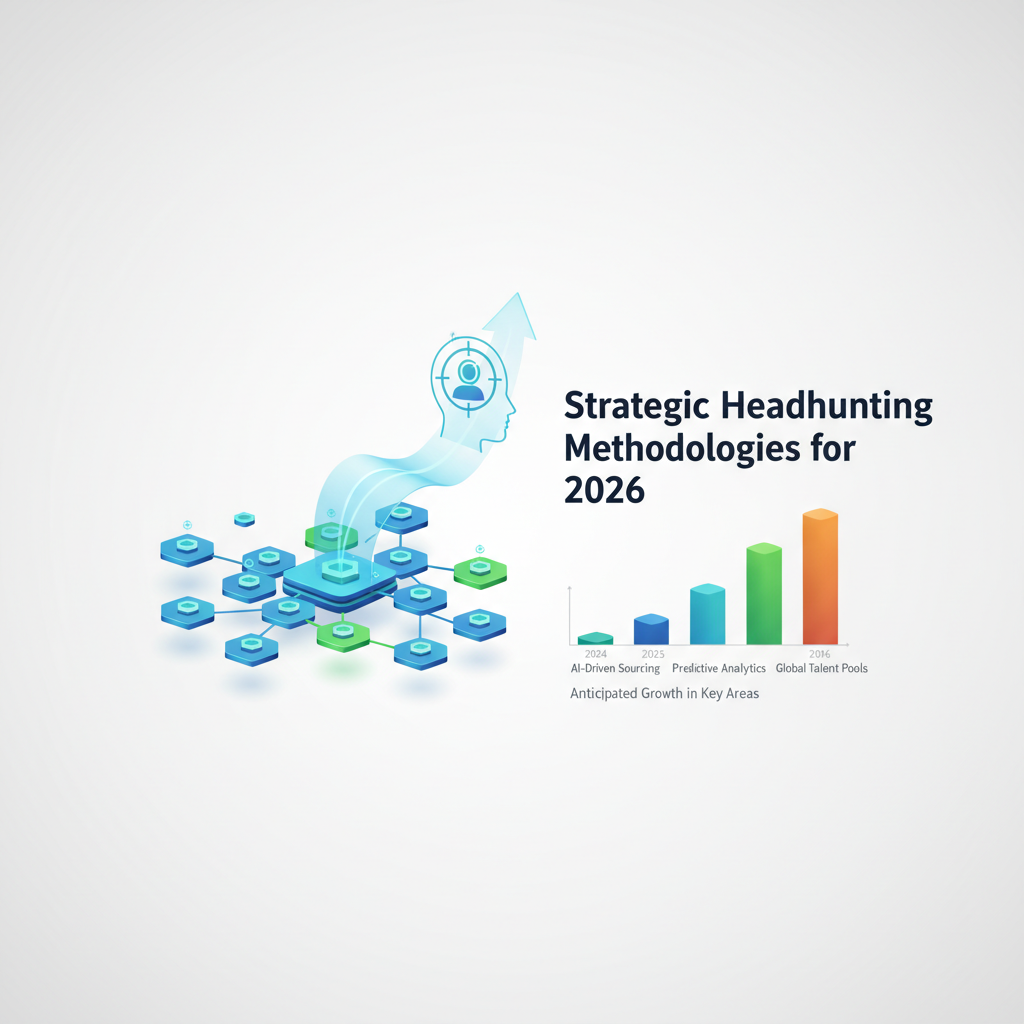
Strategic Headhunting Methodologies for 2026
In the fiercely competitive landscape of 2026, the ability to actively seek out and engage high-caliber management consultants is more critical than ever. Organizations must move beyond traditional recruitment methods to adopt sophisticated, data-driven, and personalized approaches to secure top-tier talent. This section uncovers practical, advanced techniques and modern strategies essential for effectively headhunting management consultants, ensuring your firm remains competitive and future-ready.
1. Leveraging AI and Data Analytics in Talent Sourcing and Identification
The dawn of 2026 brings an unprecedented reliance on Artificial Intelligence and data analytics to revolutionize talent sourcing. For firms looking to headhunt management consultants, AI-powered platforms can sift through vast datasets – professional networks, public profiles, academic papers, and industry reports – to identify candidates with specific skill sets, project experience, and cultural fit. Machine learning algorithms can predict the likelihood of a candidate’s success within a particular role or company by analyzing patterns from existing high-performers. Advanced analytics go beyond simple keyword matching, understanding context and nuance in profiles to pinpoint consultants with a proven track record in niche areas like digital transformation, sustainable strategy, or advanced analytics implementation. Utilizing predictive analytics helps prioritize outreach efforts towards individuals most likely to be open to new opportunities, significantly increasing the efficiency and effectiveness of the initial screening process. This strategic use of technology transforms the arduous task of identification into a precise, insight-driven operation, allowing headhunters to focus their human expertise where it truly matters: building relationships.
2. Building a Robust Network and Capitalizing on Referral Systems
While technology streamlines identification, the human element of networking and referrals remains paramount when seeking to headhunt management consultants. Building a robust, active network within the management consulting industry is indispensable. This involves consistent participation in industry events, thought leadership contributions, and active engagement on professional platforms. A strong personal brand established through valuable contributions can naturally attract high-caliber individuals. Beyond individual networking, developing structured referral systems within your organization can yield exceptional results. Top consultants often know other top consultants. Incentivizing employees, particularly current management consultants, to refer their peers can tap into a trusted pipeline of passive candidates who might not be actively looking but are open to hearing about compelling opportunities. These referrals often come with an implicit endorsement, significantly reducing vetting time and increasing the quality of candidates. Establishing strong, long-term relationships with industry leaders and former employees also creates a continuous source of highly vetted and culturally aligned talent.
3. Direct Outreach and Personalized Engagement Strategies that Work
Once potential candidates are identified through AI or referrals, the efficacy of direct outreach becomes the deciding factor. Generic, templated messages are easily ignored by busy and highly sought-after management consultants. A personalized engagement strategy is crucial. This means conducting thorough research on each candidate’s career trajectory, recent projects, publications, and professional interests. Outreach messages should clearly articulate why a specific opportunity aligns with their unique skills and career aspirations, demonstrating a deep understanding of their value proposition. Focus on what the opportunity offers them – intellectual challenge, impact, growth, or alignment with their values – rather than just detailing the role requirements. Leveraging multiple channels for outreach (LinkedIn, email, professional networks, direct introductions) in a coordinated manner can increase visibility and response rates. Follow-ups should also be personalized and add value, perhaps by sharing relevant industry insights or recent company achievements. This highly tailored approach respects the candidate’s time and intellect, fostering a more meaningful conversation and significantly improving the chances of successfully headhunting management consultants for your firm.
Navigating the Interview and Due Diligence Process
Effectively evaluating candidates, assessing their strategic thinking, and ensuring a successful match for your organization are critical steps when you headhunt management consultants. The interview and due diligence phases are not merely formalities but sophisticated processes designed to uncover deep insights into a candidate’s capabilities, cultural fit, and potential impact. In today’s competitive landscape, a meticulous approach is paramount to securing top-tier talent that can drive significant value and strategic advantage for your firm.
1.
Behavioral Interviewing for Complex Consulting Roles
Behavioral interviewing is a cornerstone for evaluating candidates for complex consulting roles because it provides tangible evidence of past performance, which is often the best predictor of future success. Unlike hypothetical questions, behavioral questions require candidates to recount specific situations, actions they took, and the results achieved. For a management consultant, this approach helps assess critical competencies such as problem-solving under pressure, client management, influencing stakeholders, adaptability to diverse project environments, and leadership. Questions might include: “Tell me about a time you had to manage a difficult client relationship. What was the situation, what steps did you take, and what was the outcome?” or “Describe a complex analytical challenge you faced. How did you approach it, and what insights did you derive?” Listen for structured responses that demonstrate a clear thought process, an understanding of the impact of their actions, and an ability to learn from experiences. Beyond technical prowess, evaluating a candidate’s interpersonal skills, resilience, and communication effectiveness through these narratives is crucial, as these soft skills are often the differentiators in high-stakes consulting engagements.
2.
Assessing Problem-Solving and Strategic Thinking Capabilities
The essence of management consulting lies in superior problem-solving and strategic thinking. Therefore, interview processes must be designed to rigorously test these capabilities. Case interviews are an invaluable tool for this purpose, presenting candidates with real-world business challenges and observing their approach to dissecting the problem, structuring their analysis, identifying key issues, developing hypotheses, and formulating recommendations. It’s not just about arriving at the ‘right’ answer, but more importantly, about evaluating the candidate’s thought process, their ability to ask insightful questions, their comfort with ambiguity, and their capacity for logical reasoning. Furthermore, incorporating questions that probe their understanding of market dynamics, competitive landscapes, and industry trends can reveal their broader strategic thinking acumen. Look for candidates who can synthesize complex information quickly, articulate their reasoning clearly, and demonstrate creativity in their solutions, while also grounding their ideas in practical applicability. Observing how they handle constructive feedback during the case interview can also offer insights into their coachability and intellectual humility.
3.
Background Checks and Reference Verification in a Competitive Market
Even for senior management consultant roles, thorough background checks and reference verification remain non-negotiable. In a highly competitive market where top talent is constantly being headhunted, candidates often have impressive resumes. However, the due diligence process goes beyond verifying employment dates and titles. Effective reference checks involve contacting former supervisors, peers, and even direct reports to gain a multi-faceted perspective on the candidate’s performance, work ethic, leadership style, and interpersonal skills. Ask specific, open-ended questions about their contributions to projects, their ability to work in teams, their resilience under pressure, and how they handled setbacks. Inquire about their client management abilities and their impact on previous organizations. Be mindful that in a fast-paced environment, some candidates may have relatively short tenures at previous firms; understanding the reasons behind these transitions is key. Leveraging professional networks and third-party verification services can also add layers of security and validation. A comprehensive background check helps mitigate risks, confirms the candidate’s claims, and provides a deeper understanding of their professional reputation and integrity, ensuring you make an informed hiring decision that aligns with your organization’s values and strategic objectives.
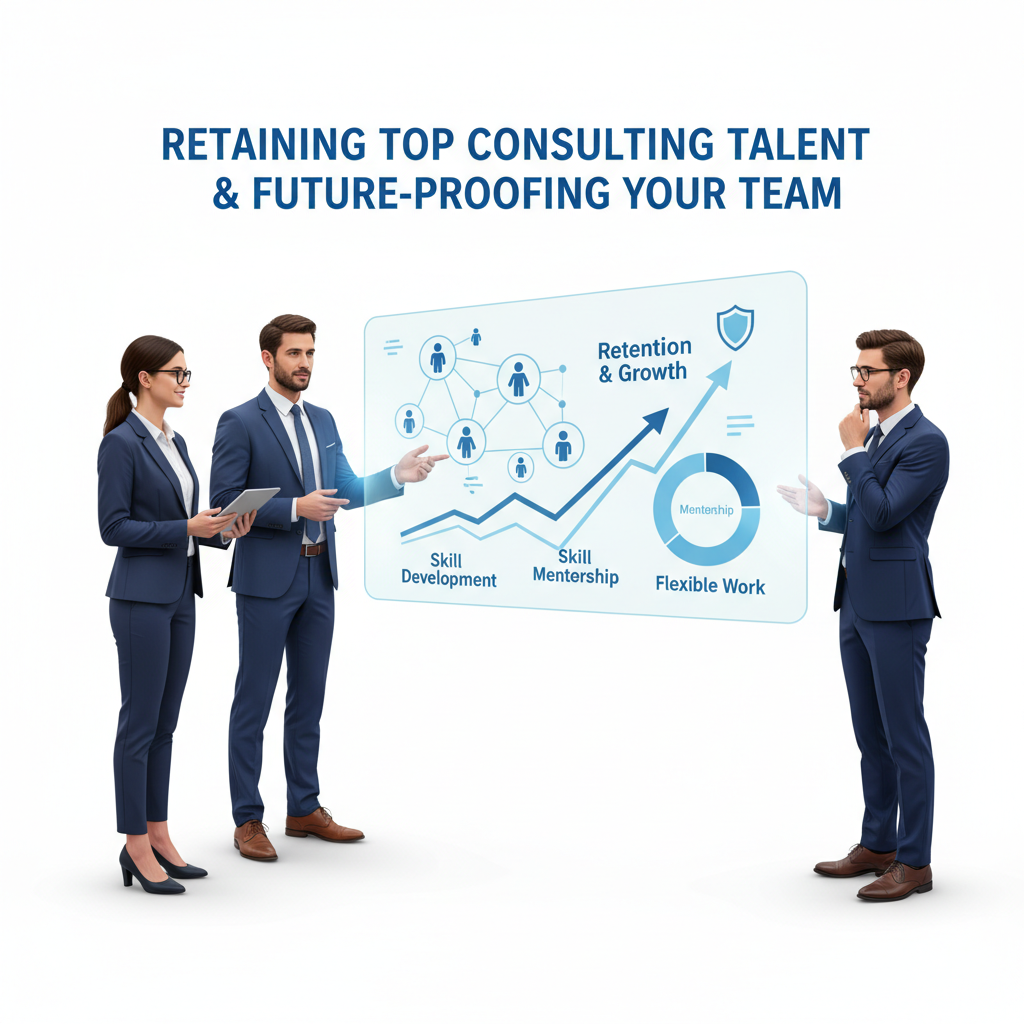
Retaining Top Consulting Talent & Future-Proofing Your Team
Once you successfully headhunt management consultants, the next critical challenge isn’t just integrating them, but ensuring their long-term engagement, motivation, and productivity. The competitive landscape for top-tier talent means that a robust retention strategy is as vital as the initial recruitment effort. Future-proofing your team against attrition involves more than just competitive offers; it requires a holistic approach that nurtures growth, recognizes contributions, and fosters a truly enriching work environment. By focusing on these strategic pillars, organizations can transform newly acquired consultants into loyal, high-performing assets, ensuring continued success and innovation.
1. Competitive Compensation and Comprehensive Benefits Packages
The foundation of any successful talent retention strategy begins with ensuring that your compensation and benefits are not just competitive, but industry-leading. Management consultants are highly sought after, and their expertise commands a premium. Offering attractive base salaries, performance-based bonuses, and equity options demonstrates your valuation of their skills and contributions. Beyond direct monetary rewards, a comprehensive benefits package plays a significant role. This includes robust health and wellness programs, generous paid time off, flexible working arrangements, and comprehensive retirement plans. Consider also unique perks like professional memberships, tuition reimbursement for advanced degrees, or even lifestyle benefits that enhance their work-life balance. Regularly benchmarking your offerings against competitors is crucial to ensure you remain an attractive employer, preventing your most valuable assets from being lured away. A strong financial foundation provides security and acknowledges the high-pressure demands often associated with consulting roles, making it easier for consultants to focus on delivering exceptional value.
2. Continuous Professional Development and Growth Opportunities
Top management consultants are driven by intellectual challenge and a desire for continuous learning and career progression. To retain this caliber of talent, organizations must invest heavily in their professional development. This goes beyond generic training; it involves crafting personalized growth plans that align with their aspirations and the company’s strategic needs. Offer access to specialized certifications, executive education programs, and workshops on emerging industry trends or new methodologies. Mentorship programs, connecting new hires with seasoned leaders, can provide invaluable guidance and foster a sense of belonging. Crucially, provide a clear and transparent career path with opportunities for advancement into senior leadership or specialized expert roles. Assigning consultants to diverse, challenging projects that push their boundaries and allow them to develop new skills is also essential. When consultants see a tangible trajectory for their career within your organization, they are far more likely to commit long-term. According to a Harvard Business Review article on why people quit their jobs, lack of career development is a significant factor in employee turnover, underscoring the importance of this pillar.
3. Creating a Culture of Impact, Autonomy, and Recognition
Beyond monetary incentives and growth opportunities, the cultural environment significantly influences retention. High-achieving management consultants thrive in environments where their work has a tangible impact, where they are trusted with autonomy, and where their contributions are genuinely recognized. Foster a culture where consultants are empowered to take ownership of projects, make strategic decisions, and see the direct results of their efforts. Provide them with the resources and support needed to innovate and experiment. Regular, constructive feedback is vital, but so is positive recognition for milestones, successful project deliveries, and exceptional performance. This can range from public commendations and awards to private acknowledgements that reinforce their value. Encourage a healthy work-life integration by promoting flexible schedules, emphasizing results over hours, and fostering a supportive team environment that prioritizes well-being. A culture that values their expertise, respects their time, and celebrates their successes creates a powerful magnetic pull, ensuring that your headhunted management consultants feel valued, respected, and intrinsically motivated to contribute their best work for years to come. Ultimately, a positive culture is indispensable for building loyalty and securing your team’s future success.
Partner with Shelby Global
You are looking for reliable HR Sevice Suppliers? Contact Shelby Global Now! To connect with verified talents and upgrade your orginization.
—————————————
References
– Talent in Consulting: A New Imperative – Bain & Company: https://www.bain.com/insights/talent-in-consulting-a-new-imperative/
– The Right Way to Hire for Cultural Fit: https://hbr.org/2014/12/the-right-way-to-hire-for-cultural-fit
– Harnessing AI in Talent Acquisition: https://www2.deloitte.com/us/en/pages/human-capital/articles/harnessing-ai-in-talent-acquisition.html
– Strategic Thinking: How to Develop It, and Why It Matters: https://hbr.org/2023/12/strategic-thinking-how-to-develop-it-and-why-it-matters
– Harvard Business Review article on why people quit their jobs: https://hbr.org/2019/08/why-people-quit-their-jobs