
Understanding the Modern Consulting Landscape
The management consulting industry stands at a pivotal juncture, continuously reshaping itself in response to dynamic global markets, technological advancements, and evolving client demands. Gone are the days when generalist advice sufficed; today’s businesses grapple with unprecedented complexity, requiring highly specialized, agile, and impactful solutions. This profound shift necessitates a strategic approach to talent acquisition, making the ability to headhunt management consultants with precision more critical than ever before. Understanding this intricate landscape is paramount for firms aiming to secure top-tier talent capable of driving real change and for headhunters tasked with identifying these indispensable experts.

1. Evolution of consulting roles and specializations
The traditional consulting model, often characterized by broad strategic frameworks and operational improvements, has undergone a radical transformation. Today, the demand leans heavily towards consultants who possess deep, domain-specific knowledge coupled with exceptional analytical and problem-solving skills. We’ve witnessed the rise of hyper-specialized roles across various sectors. For instance, alongside traditional strategy and operations consultants, there’s an exploding need for experts in areas such as artificial intelligence ethics, quantum computing strategy, sustainable supply chain management, data governance, cybersecurity risk, and customer experience design. This evolution means that successful consulting engagements are no longer just about offering recommendations; they’re about co-creating bespoke solutions and implementing them with a high degree of technical proficiency. Firms are now actively seeking individuals who can bridge the gap between strategic foresight and practical, technological execution, fundamentally changing the profile of the “ideal” consultant.
2. Demand for niche expertise and digital transformation
At the heart of the modern consulting landscape is the relentless wave of digital transformation. Companies across industries are grappling with how to leverage emerging technologies – from cloud computing and big data analytics to blockchain and machine learning – to innovate, optimize operations, and enhance customer value. This pervasive digital imperative fuels an insatiable demand for consultants with niche expertise. Clients aren’t merely looking for someone who understands “digital”; they need experts in specific platforms, methodologies (like Agile and DevOps), and applications within their unique industry context. Whether it’s crafting a multi-cloud strategy for a financial institution, designing an AI-driven predictive maintenance system for manufacturing, or implementing an enterprise-wide data lake, the need for deep, specialized knowledge is undeniable. This shift has been extensively documented, highlighting how consultants must continuously upskill and adapt to remain relevant. As noted by Forbes, the future of consulting hinges on navigating transformation, technology, and talent, emphasizing the critical role of specialized skills in today’s market.
3. The competitive talent market for consultants
The heightened demand for specialized and digitally fluent consultants has inevitably led to an intensely competitive talent market. Top-tier consulting firms are fiercely vying for a limited pool of highly skilled professionals, often competing not just with each other but also with technology giants, in-house corporate strategy teams, and innovative startups. This competition is exacerbated by the global nature of talent and the increasing preference among consultants for roles that offer flexibility, impact, and continuous learning opportunities. Compensation packages are escalating, and firms are investing heavily in talent development and retention strategies. For organizations seeking to onboard exceptional consulting talent, traditional recruitment methods often fall short. This is where expert headhunting becomes indispensable. A skilled headhunter possesses the network, industry insight, and strategic approach required to identify, engage, and attract the passive candidates – the true specialists who are not actively seeking new roles but possess the exact expertise the market urgently requires. Effective headhunting for management consultants ensures access to this elite pool, securing the strategic advantage that specialized talent provides in an ever-evolving business world.
Strategic Approaches to Identify Top Talent
Identifying and attracting high-caliber management consultants requires a nuanced and strategic approach, moving beyond traditional recruitment methods. The competitive landscape for top-tier analytical and advisory talent necessitates proactive strategies to effectively “headhunt management consultants” who not only possess the requisite skills but also seamlessly integrate with specific organizational needs and culture. This section details various methods and tools for proactively sourcing and identifying these invaluable individuals.
-
Leveraging Professional Networks and Industry Events
One of the most potent strategies for uncovering exceptional management consultants lies within professional networks and industry-specific events. Personal connections, alumni groups, and professional associations serve as fertile ground for qualitative insights and warm introductions. Networks like the alumni associations of top business schools, specialized consulting groups on platforms such as LinkedIn, and even former colleagues often provide access to individuals who might not be actively seeking new roles but are open to compelling opportunities.
Industry events, conferences, and webinars dedicated to management consulting, specific sectors (e.g., finance, tech, healthcare), or functional areas (e.g., digital transformation, supply chain optimization) are invaluable for both networking and direct observation. Attending these events allows recruiters and hiring managers to engage with thought leaders, panel speakers, and attendees, gaining first-hand impressions of their expertise, communication style, and industry presence. These interactions offer a unique opportunity to gauge a candidate’s intellectual curiosity, ability to articulate complex ideas, and cultural fit – aspects often difficult to assess through resumes alone. Organizations like the Institute of Management Consultants USA offer forums for professionals to connect, learn, and showcase their expertise, making them excellent venues for identifying potential candidates who embody a commitment to professional excellence and ethical practice. By actively participating in and contributing to these communities, organizations can build a reputation as an an employer of choice, naturally drawing top talent.
-
Utilizing Specialized Recruitment Platforms and AI Tools
In the digital age, technology plays a pivotal role in broadening the reach and efficiency of talent identification. Specialized recruitment platforms, often subscription-based, offer advanced search functionalities tailored to specific industries and roles. Platforms like LinkedIn Recruiter, along with niche job boards focusing on consulting and executive roles, allow for precise filtering based on experience level, industry exposure, specific project types, and technical skills. These platforms are indispensable for systematically scanning large pools of candidates.
The advent of Artificial Intelligence (AI) and machine learning has further revolutionized the talent acquisition process. AI-powered tools can analyze vast quantities of data from resumes, professional profiles, and even public contributions (e.g., articles, white papers) to identify candidates who match highly specific criteria. These tools excel at resume parsing, identifying patterns in career progression, predicting potential cultural fit based on linguistic analysis, and even flagging candidates likely to be successful in a given organizational environment. By automating the initial screening and matching processes, AI significantly reduces the time-to-hire and helps surface candidates who might otherwise be overlooked by traditional keyword searches. While AI enhances efficiency, it’s crucial to remember that human oversight remains essential to evaluate soft skills, strategic thinking, and emotional intelligence – attributes critical for a successful management consultant.
-
Proactive Sourcing and Passive Candidate Engagement
The most sought-after management consultants are often not actively looking for new employment; they are successful, engaged in their current roles, and therefore considered “passive candidates.” Proactive sourcing strategies are essential to identify and engage these individuals before they enter the job market. This involves direct outreach, talent mapping, and building long-term relationships.
Talent mapping involves systematically identifying and tracking high-performing professionals within target companies or industries. Recruiters can then initiate personalized outreach, not merely with a job offer, but with an an invitation for an informational interview or a discussion about industry trends. The key to engaging passive candidates is to offer value, demonstrate a genuine interest in their career trajectory, and present a compelling vision that aligns with their professional aspirations. This requires a nuanced approach, highlighting unique challenges, innovative projects, or a distinctive organizational culture that might appeal to their ambition and desire for impact. A strong employer brand, communicating a clear value proposition and a commitment to professional growth, is paramount here. Organizations that excel at proactive sourcing understand that recruiting top management consultants is an ongoing process of relationship building, not just filling an immediate vacancy. For a deeper dive into effective strategies for identifying and attracting these elusive professionals, explore resources on how to headhunt management consultants effectively, understanding the specific nuances of their career motivations and expectations. By consistently nurturing a talent pipeline, companies can ensure they are well-positioned to secure the best minds when strategic opportunities arise.
Crafting an Irresistible Value Proposition
In the fiercely competitive landscape of top-tier professional services, effectively attracting and securing elite management consultants requires more than just standard recruitment tactics. To truly headhunt management consultants who can drive significant value, firms must articulate an irresistible value proposition that resonates with their career aspirations, professional values, and personal well-being. This involves a strategic blend of showcasing a vibrant company culture, detailing the profound impact of projects, offering genuinely competitive remuneration, and promising clear pathways for continuous growth and autonomy. A compelling value proposition acts as a magnet, drawing in individuals who are not only highly skilled but also a perfect cultural fit, ensuring long-term retention and mutual success.

1. Highlighting company culture and project impact
One of the most potent tools in the arsenal for attracting top management consultants is a clearly articulated and genuinely lived company culture. Today’s consultants, especially those at the senior level, seek environments that foster collaboration, intellectual curiosity, and a sense of belonging. They are increasingly driven by purpose, looking for roles where their expertise contributes to meaningful change, whether it’s optimizing global supply chains, driving digital transformations, or advising on sustainable business practices. Firms must go beyond generic statements, providing concrete examples of how their culture supports innovation, work-life integration, and diversity. Storytelling about successful project outcomes and the tangible impact consultants have made on clients and industries can be incredibly persuasive. When consultants see that their work truly matters and that they are part of a supportive, forward-thinking team, the value proposition becomes significantly more compelling. Recognizing the profound link between employee satisfaction and business success, prioritizing employee experience has become a key competitive advantage.
2. Competitive compensation and benefits packages
While culture and impact are crucial, a firm’s ability to headhunt management consultants effectively is also heavily reliant on offering truly competitive compensation and benefits. Top-tier consultants are aware of their market value, and any offer must reflect this understanding. This isn’t solely about base salary; it encompasses a comprehensive package including performance-based bonuses, equity opportunities, and robust retirement plans. Beyond financial incentives, modern professionals increasingly prioritize holistic benefits such as comprehensive health and wellness programs, generous paid time off, and flexible work arrangements. Showing a commitment to employee well-being, often through innovative benefit structures, signals a progressive employer. For instance, offering sabbaticals, professional development stipends, or even support for personal growth initiatives can differentiate an offer in a crowded market. The perceived value of these non-monetary benefits can often tip the scales for an experienced consultant evaluating multiple opportunities. Ensuring your offerings are benchmarked against industry leaders is critical to securing the best talent.
3. Opportunities for growth, learning, and autonomy
Ambitious management consultants are inherently driven by personal and professional development. Therefore, a critical component of an irresistible value proposition is a clear pathway for continuous growth, learning, and increased autonomy. Firms should detail their investment in professional development, including executive coaching, advanced training programs, and opportunities for industry certifications. The promise of working on diverse, intellectually challenging projects that push boundaries is a significant draw. Furthermore, top consultants often seek environments where they are empowered to take ownership, innovate, and lead initiatives, rather than merely executing directives. Providing a clear roadmap for career progression, from senior consultant to principal to partner, complete with mentorship programs and performance feedback loops, demonstrates a commitment to their long-term success. The ability to shape one’s own career trajectory within the firm, coupled with access to cutting-edge resources and a supportive leadership, creates an environment where top-tier talent can thrive, making your firm the preferred choice when you aim to headhunt management consultants.
Navigating the Interview and Selection Process
Securing top-tier management consultants demands more than impressive CVs. Thoroughly evaluating technical skills and cultural fit is crucial. For firms to headhunt management consultants effectively, mastering the interview and selection process is paramount. This rigorous approach ensures strategic placements, delivering long-term value.
1. Designing competency-based interviews
Generic interviews often fall short for demanding management consulting roles. Competency-based interviewing offers a structured, objective framework to assess crucial skills and behaviors. Define core competencies – analytical rigor, client management, communication, adaptability, leadership – then craft questions eliciting concrete examples of past behavior. Instead of ‘Are you a good problem-solver?’, ask ‘Describe a time you faced a complex client problem with ambiguous data. What steps did you take, and what was the outcome?’ The STAR (Situation, Task, Action, Result) method probes a candidate’s thought process, decision-making, and tangible impact. Consistent questions and clear scoring rubrics ensure fairness and reduce bias. Leveraging proven structured interview techniques significantly improves predictive validity, uncovering genuine aptitude. Understanding how candidates demonstrated skills is vital when you headhunt management consultants.
2. Assessing problem-solving and strategic thinking
Management consultants are professional problem-solvers and strategic thinkers. Evaluating these capabilities requires practical demonstrations, not just theoretical discussions. Case study interviews are invaluable. Presenting candidates with realistic business challenges – market entry strategy, operational efficiency – allows them to showcase analytical frameworks, data interpretation, argument structuring, and strategic recommendations in real-time. Observing their approach – how they break down problems, ask clarifying questions, manage assumptions, and synthesize information – provides deep insight. It’s about the rigor of their thought process. Hypothetical scenarios or behavioral questions further reveal agility. For instance, ‘How would you advise a client facing disruption from a new technology?’ or ‘Describe a time you had to pivot strategic recommendations due to new information.’ These methods discern genuine strategic prowess, ensuring consultants you headhunt are ready for complex, high-stakes client engagements.
3. Effective due diligence and reference checks
In high-stakes executive recruitment, particularly when you headhunt management consultants, due diligence extends beyond basic employment verification. Robust reference checks are a critical final validation layer, providing external perspectives on performance, work ethic, and cultural fit. Develop targeted questions to corroborate claims and uncover potential areas for exploration. Focus on behavioral indicators: ‘Can you give an example of how [Candidate Name] handled a challenging client relationship?’ or ‘How did they respond to critical feedback?’ Seek individuals speaking to different facets of their professional life: former managers, peers, even direct reports. Be alert to inconsistencies or hesitations. Comprehensive due diligence might also include verifying educational qualifications, professional certifications, and, depending on the role, background checks for ethical conduct. This thorough approach minimizes risks, validates capabilities, and ensures management consultants align with your organization’s and clients’ integrity and values.
The selection process for management consultants demands precision, insight, and commitment. By implementing structured, competency-based interviews, practical assessments like case studies, and thorough due diligence, firms enhance their ability to identify and secure exceptional talent. This strategic investment builds a formidable team capable of driving significant impact and delivering unparalleled value. For any organization aiming to headhunt management consultants who will truly thrive, a sophisticated and comprehensive evaluation process is indispensable.
Future Trends in Headhunting Management Consultants
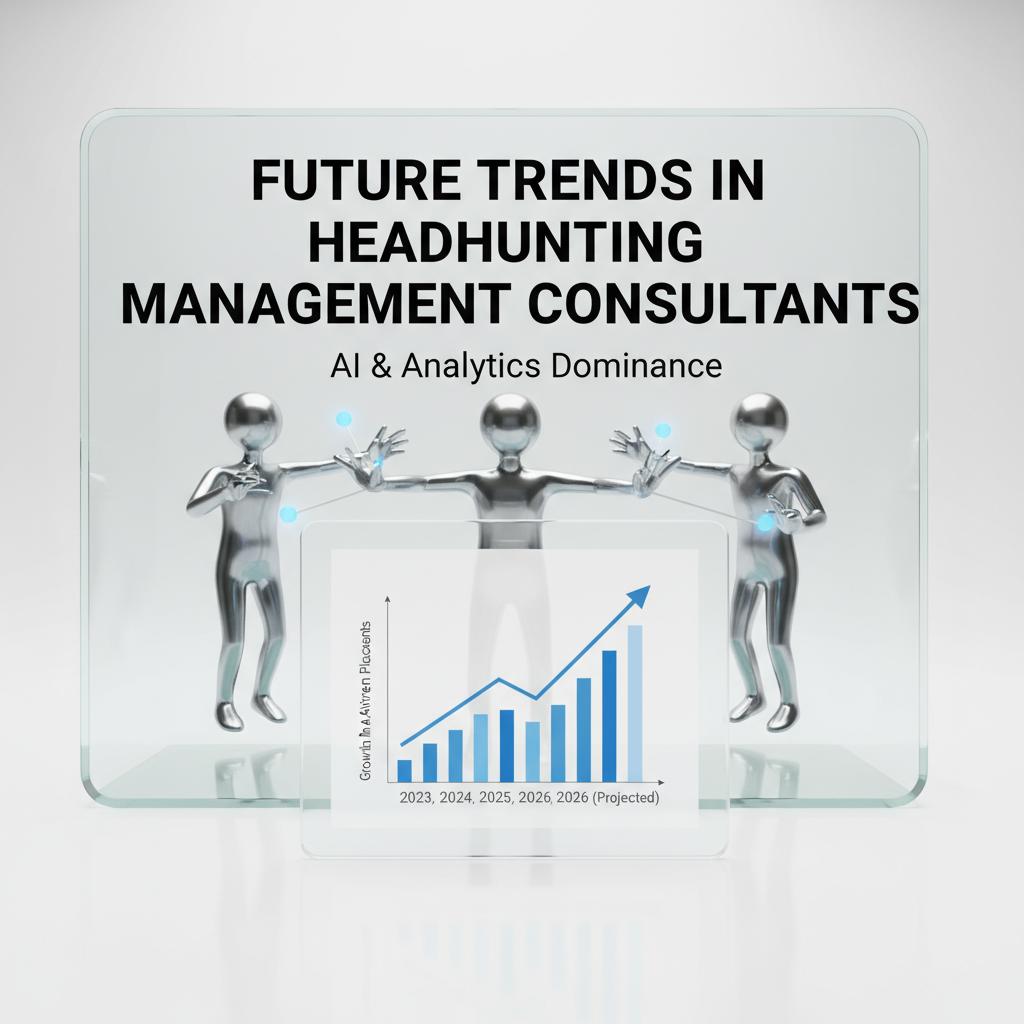
The landscape of management consulting is in constant flux, driven by technological advancements, evolving work paradigms, and a heightened focus on human capital. Consequently, the art and science of how headhunt management consultants are identified and recruited are undergoing a profound transformation. As firms navigate an increasingly complex and competitive talent market, staying ahead of these emerging trends is not just advantageous but essential for securing top-tier professionals who can drive innovation and strategic growth. This section explores the pivotal shifts and innovations poised to reshape headhunting in the management consulting sector, from flexible work models to data-driven sourcing and a renewed emphasis on inclusive practices.
1. The rise of remote and hybrid consulting models
The pandemic irrevocably altered the traditional perception of where and how work is done, accelerating the adoption of remote and hybrid consulting models. For headhunt management consultants, this paradigm shift has dramatically expanded talent pools beyond geographical boundaries. No longer confined to specific metropolitan hubs, consulting firms can now tap into a global reservoir of expertise, fostering greater diversity in thought and experience. However, this also introduces new complexities: headhunters must assess candidates’ ability to thrive in virtual environments, evaluate their self-discipline, communication skills across distributed teams, and cultural adaptability. Furthermore, the focus has shifted from simply finding a body to fill a role, to identifying individuals who can seamlessly integrate into a flexible organizational culture while maintaining high levels of client engagement and project delivery. Headhunters now play a crucial role in vetting candidates not just for their technical prowess but also for their proficiency in navigating digital collaboration tools and effectively managing client relationships remotely.
2. Emphasis on diversity, equity, and inclusion (DEI)
Diversity, Equity, and Inclusion (DEI) is no longer a peripheral consideration but a strategic imperative for management consulting firms and, by extension, for the headhunt management consultants tasked with building their teams. There is a growing understanding that diverse teams foster greater innovation, better problem-solving, and enhanced financial performance. This trend compels headhunters to move beyond traditional networks and actively seek out candidates from underrepresented groups, applying equitable evaluation processes. This involves scrutinizing biases in job descriptions, interview questions, and assessment criteria. Leveraging technology to anonymize initial candidate profiles and implementing structured interview processes are becoming standard practices. Headhunters are now expected to advise clients on how to build inclusive workplace cultures that retain diverse talent, ensuring that new hires not only join but also thrive. The drive for DEI reflects a deeper commitment to social responsibility and a recognition of the proven business benefits that a truly diverse workforce brings, as highlighted by various industry reports on diversity and inclusion initiatives.
3. Impact of advanced analytics and predictive sourcing
The future of how headhunt management consultants are sourced lies increasingly in the realm of data science and artificial intelligence. Advanced analytics and predictive sourcing tools are revolutionizing the efficiency and effectiveness of talent acquisition. By analyzing vast datasets—including candidate profiles, market trends, performance metrics, and even psychometric assessments—these technologies can identify ideal candidates more accurately and rapidly than traditional methods. AI-powered platforms can sift through millions of profiles to pinpoint individuals with the precise skill sets, experience, and cultural fit, often before those candidates even begin an active job search. Predictive analytics can also forecast a candidate’s likelihood of success in a specific role or within a particular firm, reducing hiring risks and improving retention rates. This data-driven approach allows headhunters to move from reactive recruitment to proactive talent identification, enabling them to build robust pipelines of potential candidates for future needs. The role of the headhunter evolves from mere matchmaker to strategic advisor, leveraging insights derived from data to inform critical hiring decisions and providing a competitive edge in the pursuit of top-tier talent. To learn more about how technology is shaping the industry, you can explore resources on headhunt management consultants.
In conclusion, the future of headhunting in management consulting is dynamic and multifaceted. Success will depend on the ability of headhunters to adapt to remote and hybrid models, champion diversity, equity, and inclusion, and skillfully integrate advanced analytics into their sourcing strategies. Those who embrace these transformations will not only secure the best talent but also become indispensable partners to consulting firms navigating the complexities of the modern global economy.
Partner with Shelby Global
You are looking for reliable HR Sevice Suppliers? Contact Shelby Global Now! To connect with verified talents and upgrade your orginization.
—————————————
References
– The Future Of Consulting: Navigating Transformation, Technology, And Talent: https://www.forbes.com/sites/forbescoachescouncil/2023/11/03/the-future-of-consulting-navigating-transformation-technology-and-talent/
– Institute of Management Consultants USA: https://www.imcusa.org/
– Why Employee Experience Is The New Competitive Advantage: https://www.forbes.com/sites/blakemorgan/2019/04/09/why-employee-experience-is-the-new-competitive-advantage/?sh=4892c57a5840
– structured interview techniques: https://hbr.org/2019/02/the-hiring-mistake-you-probably-arent-making
– Why diversity matters: https://www.mckinsey.com/capabilities/people-and-organizational-performance/our-insights/why-diversity-matters