
The Current Landscape of Sales in Vietnam & AI’s Inception
Vietnam’s economy has been on a remarkable growth trajectory, fostering a dynamic and competitive business environment. For decades, the sales landscape in Vietnam has been deeply rooted in traditional practices, prioritizing personal relationships and direct interactions. However, the rapid pace of digitalization across industries is creating fertile ground for technological disruption. This section delves into the foundational challenges faced by traditional sales models and examines the initial, crucial steps of integrating Artificial Intelligence (AI) agents into Vietnam’s evolving sales ecosystem, setting the stage for understanding how AI agents affect the sales field in Vietnam.
1. ### Traditional Sales Challenges and Market Dynamics in Vietnam
The Vietnamese market, characterized by its vibrant consumer base and burgeoning middle class, has historically relied on a sales approach that emphasizes face-to-face engagement and established networks. This relationship-centric model, while effective in building trust, comes with inherent challenges. High operational costs associated with extensive travel, physical presence, and the sheer human effort required for outreach often limit scalability. Sales cycles can be protracted, particularly in B2B sectors, where multiple meetings and prolonged negotiations are standard. Furthermore, a lack of unified data management systems frequently leads to data silos, making it difficult for businesses to gain a holistic view of their customers or to personalize outreach effectively. The competitive intensity, fueled by both local enterprises and international entrants, further pressures sales teams to innovate beyond conventional methods.
Market dynamics also play a significant role. While digital literacy is on the rise, a strong cultural preference for personal interaction persists, which traditionally has made the transition to purely digital sales channels slower. However, the growing sophistication of consumers, coupled with increased smartphone penetration and internet access, is gradually shifting expectations. Businesses are realizing that to maintain a competitive edge and expand their reach efficiently, they must look beyond the confines of manual processes. This evolving landscape precisely highlights the urgent need to understand how digital transformation in Vietnam, particularly through AI, can address these long-standing inefficiencies and prepare the sales force for future demands.

2. ### Early Adopters and Pilot Programs of AI in Vietnamese Sales
The inception of AI in Vietnamese sales was not a sudden revolution but a gradual evolution, beginning with early adopters in data-rich and transaction-heavy sectors. E-commerce, finance, and telecommunications were among the first industries to explore AI’s potential, primarily due to their vast customer databases and the repetitive nature of many customer interactions. Initial integrations often focused on customer service applications, with chatbots handling frequently asked questions, providing instant support, and routing complex queries to human agents. These pilot programs aimed to automate basic, time-consuming tasks, thereby improving response times and freeing up human resources.
Companies began experimenting with AI-powered tools for basic lead qualification, where algorithms could analyze customer data to identify potential prospects based on predefined criteria. While these early applications were foundational, they presented their own set of challenges, including data quality issues, integration complexities with existing legacy systems, and initial skepticism from sales teams accustomed to traditional workflows. Despite these hurdles, the early successes demonstrated the tangible benefits of AI in augmenting human capabilities and laid the groundwork for a broader understanding of how AI agent effect to sale field in Vietnam, particularly in its initial stages of automation.
3. ### Impact of AI Sales Automation on Initial Process Streamlining
The initial integration of AI sales automation tools brought about significant streamlining in several key sales processes. One of the most immediate impacts was felt in lead generation and qualification. AI agents could rapidly sift through vast amounts of data, identifying and scoring leads with greater accuracy and speed than manual methods, automating initial contact, and qualifying prospects before human intervention. This freed up sales representatives to focus on higher-value activities, such as building relationships and closing deals, rather than spending time on preliminary vetting.
Customer service also saw substantial improvements. AI-powered chatbots and virtual assistants provided 24/7 support, resolved common customer queries instantly, and offered personalized product recommendations based on past interactions and purchase history. This not only enhanced customer satisfaction but also significantly reduced the workload on human customer service teams. Furthermore, AI automated tedious data entry and CRM updates, minimizing human error and ensuring that customer relationship management systems were consistently updated with accurate information. This foundational streamlining improved overall operational efficiency, shortened response times, and began to transform the traditional sales journey. While these were just the preliminary steps, they unequivocally showcased how AI agent effect to sale field in Vietnam by introducing efficiency, consistency, and a newfound capacity for data-driven decision-making, setting the stage for more sophisticated AI applications in the future.
How AI Agents Boost Sales Efficiency and Productivity
Delving into the practical ways AI agents streamline sales processes, saving time, reducing costs, and significantly increasing output for Vietnamese businesses.
The landscape of sales in Vietnam is rapidly evolving, driven by the imperative for greater efficiency and productivity. In this dynamic environment, Artificial Intelligence (AI) agents are emerging as transformative tools, fundamentally reshaping how sales teams operate. From automating mundane tasks to providing deep predictive insights, AI agents are proving to be indispensable for businesses aiming to optimize their sales cycles, enhance customer engagement, and ultimately, achieve superior revenue growth.
1. Automating Repetitive Sales Tasks: From Lead Generation to Follow-up
AI agents are revolutionizing sales operations by taking over the most time-consuming and repetitive tasks, thereby significantly boosting sales efficiency. For Vietnamese businesses, this means their valuable human salesforce can redirect focus from administrative chores to high-value interactions. AI excels at lead generation, autonomously sifting through vast datasets to identify potential prospects based on predefined criteria, industry trends, and engagement signals. This eliminates hours of manual research, ensuring a steady stream of qualified leads. Beyond identification, AI agents can initiate first contact, sending personalized introductory emails or messages, and even scheduling initial meetings. The benefits extend to sales automation in data entry, ensuring CRM systems are always up-to-date without human intervention. Crucially, AI-powered systems manage persistent and timely follow-ups. Whether it’s nurturing leads with relevant content, reminding prospects about upcoming demonstrations, or re-engaging dormant accounts, AI agents execute these tasks with unwavering consistency and precision. This not only frees up sales representatives but also ensures that no lead falls through the cracks, leading to a more streamlined and productive sales pipeline. By automating these foundational elements, businesses see a direct uplift in sales productivity and a reduction in operational costs.
2. Predictive Analytics for Optimized Lead Scoring and Prioritization
One of the most powerful contributions of AI agents to sales is their ability to leverage predictive analytics. Traditional lead scoring often relies on static rules and subjective assessments, leading to missed opportunities. AI, however, analyzes historical sales data, customer behavior, demographic information, and engagement patterns to dynamically assess the likelihood of a lead converting into a sale. This sophisticated lead scoring capability provides Vietnamese sales teams with an unparalleled advantage. Instead of pursuing every lead equally, AI agents can accurately prioritize prospects, flagging those with the highest probability of closing. This ensures that sales reps dedicate their time and resources to the most promising opportunities, leading to a dramatic improvement in conversion rates. Furthermore, predictive insights extend to sales forecasting, allowing businesses to anticipate future trends and allocate resources proactively. A report by Salesforce highlights how AI-powered insights significantly enhance sales team productivity and revenue growth by enabling more accurate predictions and personalized customer interactions. This focus on data-driven prioritization and accurate forecasting transforms how sales strategies are developed and executed, making them far more effective and efficient.
3. Achieving Higher Sales Efficiency through Process Optimization and Resource Allocation
Beyond task automation and predictive insights, AI agents play a critical role in holistic process optimization within the sales funnel. By continuously monitoring and analyzing sales workflows, AI can identify bottlenecks, inefficiencies, and areas for improvement that might otherwise go unnoticed. For example, AI can analyze the effectiveness of different sales scripts, outreach channels, or pricing strategies, providing actionable recommendations to refine sales processes. This iterative improvement leads to a leaner, more effective sales operation. Crucially, AI also enhances resource allocation. It can intelligently assign leads to the most appropriate sales representative based on their expertise, past success rates, or even current workload, ensuring that every opportunity is handled by the best-suited individual. This intelligent distribution minimizes wasted effort and maximizes the chances of a successful outcome. The cumulative effect of these AI-driven improvements is a significant reduction in the sales cycle, lower operational costs, and a substantial increase in overall sales efficiency. For businesses in Vietnam, embracing these AI capabilities means not just incremental gains but a fundamental leap in their competitive posture, making them agile and responsive to market demands. Understanding the comprehensive impact of AI agents on the sale field in Vietnam is vital for unlocking sustained growth.
Enhancing Customer Experience and Personalization with AI
Exploring how AI agents are transforming customer interactions, leading to more tailored experiences, improved satisfaction, and stronger relationships in the Vietnamese market.
The landscape of sales and customer engagement in Vietnam is undergoing a profound transformation, largely driven by the adoption of Artificial Intelligence (AI). Businesses are increasingly leveraging intelligent AI agents not just to automate processes but to fundamentally rethink how AI agent effect to sale field in vietnam. This shift is creating more dynamic, personalized, and efficient interactions, setting new benchmarks for customer satisfaction. As companies strive for competitive advantages, the ability to deliver exceptional, tailored experiences becomes paramount. AI agents are proving to be indispensable tools in achieving this, driving significant improvements across the entire customer lifecycle and accelerating digital transformation Vietnam sales initiatives.
In a market as vibrant and rapidly evolving as Vietnam, understanding the nuances of consumer behavior and preferences is crucial. AI offers unprecedented capabilities to analyze vast datasets, predict customer needs, and automate responses, thereby elevating every touchpoint. This isn’t merely about efficiency; it’s about building deeper connections, fostering loyalty, and ultimately, boosting sales performance. The impact of AI agent sales impact is evident in enhanced engagement, streamlined support, and highly targeted marketing efforts, all contributing to a more robust and responsive sales ecosystem.
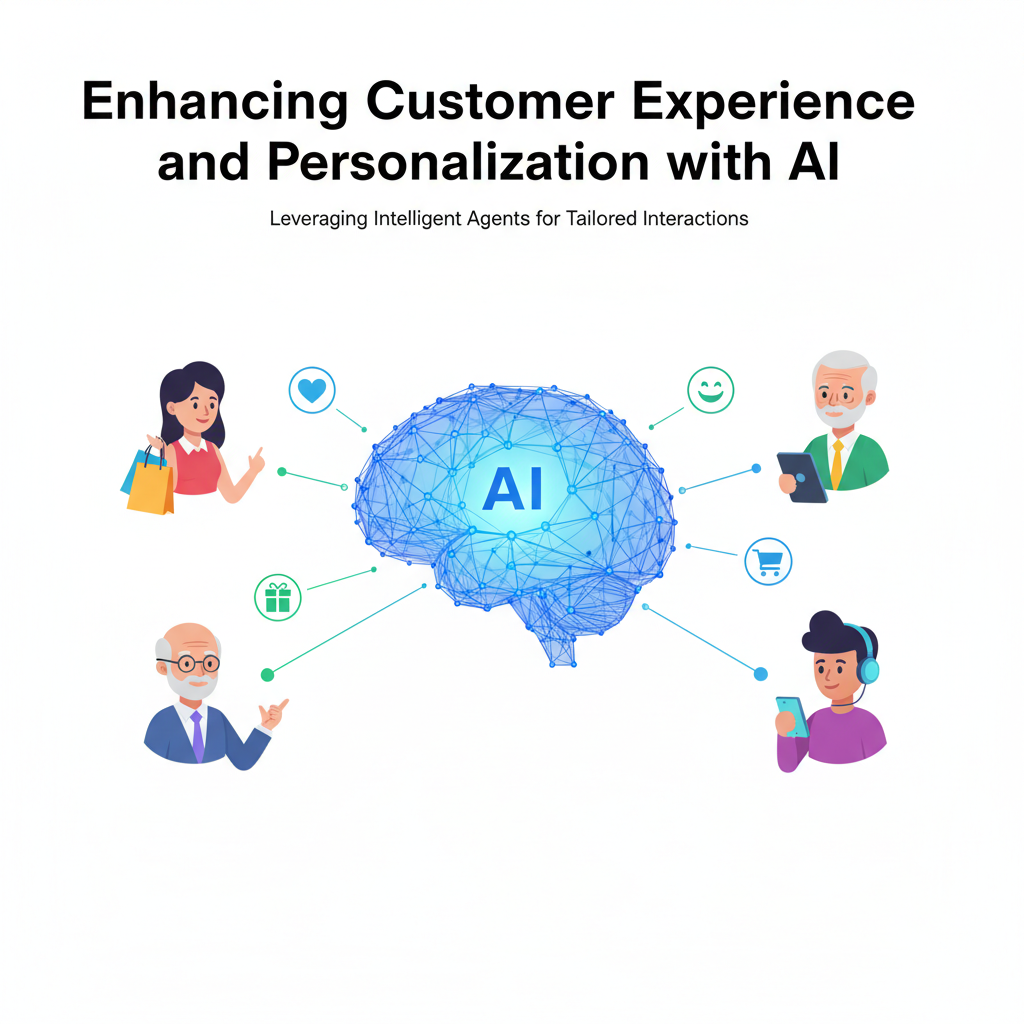
1. AI-Powered Chatbots and Virtual Assistants for Real-time Customer Support
One of the most immediate and impactful applications of AI in the Vietnamese sales field is the deployment of AI-powered chatbots and virtual assistants. These automated support solutions are revolutionizing how businesses handle customer inquiries, offering instant responses 24/7 without human intervention for routine questions. This round-the-clock availability significantly enhances the customer experience, reducing wait times and improving resolution rates. For businesses operating in Vietnam, this translates into increased operational efficiency and higher customer satisfaction. From answering FAQs about products and services to guiding customers through purchasing processes, these AI agents provide consistent, reliable support, freeing human agents to focus on more complex issues. This proactive approach to AI in customer service Vietnam ensures that potential customers receive immediate attention, regardless of the time zone or query volume, a critical factor in a fast-paced market. The ability of these chatbots to learn from interactions further refines their responses over time, making them increasingly effective at addressing customer needs accurately.
2. Redefining customer experience Vietnam through intelligent interaction and availability
Beyond basic support, AI is redefining the entire customer journey in Vietnam by enabling truly intelligent and proactive interactions. AI agents can analyze customer data – including past purchases, browsing history, and interaction patterns – to offer highly relevant and timely assistance. This intelligent interaction goes beyond simple automation; it anticipates customer needs and guides them through personalized customer journeys. For instance, an AI agent might proactively suggest a relevant accessory based on a customer’s recent purchase or offer help if they seem stuck on a particular product page. This level of personalized engagement fosters a sense of being understood and valued, significantly boosting customer satisfaction Vietnam. The constant availability of AI tools means customers can engage with a brand on their terms, through their preferred channels, ensuring a seamless and frictionless experience that builds stronger relationships and loyalty. This strategic use of AI ensures that every customer touchpoint is optimized for engagement and conversion, making interactions more meaningful and impactful.
3. Leveraging personalized selling AI for tailored product recommendations and offers
Perhaps one of the most powerful contributions of AI agents to the sales field is their capability for personalized selling. By harnessing vast amounts of data, AI algorithms can identify individual customer preferences, buying patterns, and even predict future needs. This allows businesses to move away from generic marketing, embracing data-driven sales strategies that deliver highly tailored product recommendations, promotional offers, and content. Imagine a customer receiving a notification about a new product that perfectly aligns with their previous purchases and expressed interests – this significantly increases the likelihood of conversion. This predictive personalization not only enhances the shopping experience but also drives sales by ensuring customers see products they are genuinely interested in, cutting through the noise of irrelevant advertising. Research by leading firms consistently shows that personalization can boost engagement and revenue. As highlighted by Gartner’s insights on the future of customer service, leveraging AI for such precision is crucial for competitive advantage. For Vietnamese businesses, this means more effective marketing spend, higher conversion rates, and ultimately, a stronger bottom line, directly illustrating how AI agent effect to sale field in vietnam by turning data into actionable sales intelligence.
Data-Driven Decision Making and Strategic Growth
In the rapidly evolving Vietnamese market, the ability to make informed, data-driven decisions is no longer a luxury but a necessity for sales organizations aiming for sustainable growth. AI agents are at the forefront of this transformation, leveraging vast amounts of data to provide actionable insights that empower Vietnamese sales teams to make smarter, more effective strategic decisions. Understanding how AI agent effect to sale field in vietnam is crucial for businesses looking to gain a competitive edge. These intelligent systems process and analyze data far beyond human capabilities, uncovering hidden patterns and predicting future trends, thereby redefining strategic planning and execution in the sales landscape across Vietnam. The integration of AI in sales Vietnam paves the way for unprecedented precision and efficiency, fundamentally reshaping the approach to strategic growth.
1. Market Trend Analysis and Competitor Insights for Strategic Planning
AI agents excel at sifting through colossal datasets, including historical sales figures, customer behavior patterns, macroeconomic indicators, social media trends, and news articles, to conduct comprehensive market trend analysis. This allows Vietnamese sales teams to identify emerging opportunities and anticipate shifts in consumer preferences specific to their local context. For instance, an AI agent can detect a sudden surge in demand for eco-friendly products in urban centers or a growing interest in subscription-based services among younger demographics. Beyond market dynamics, these agents provide invaluable competitor analysis AI by monitoring their pricing strategies, product launches, marketing campaigns, and customer feedback. By understanding a competitor’s strengths and weaknesses in real-time, businesses can refine their strategic planning Vietnam, develop differentiated offerings, and position themselves more effectively in the market. This level of competitive intelligence is instrumental in formulating proactive rather than reactive sales strategies, ensuring that teams are always a step ahead in the dynamic Vietnamese marketplace.
2. Accurate Sales Forecasting and Performance Tracking with AI
One of the most profound impacts of AI agents in sales is their ability to generate highly accurate sales forecasts. Traditional forecasting methods often rely on historical data and human intuition, which can be prone to biases and overlook external variables. AI-powered sales forecasting AI Vietnam, however, integrates diverse data points, including seasonality, promotional activities, economic indicators, and even weather patterns, to predict future sales with remarkable precision. This accuracy enables businesses to optimize inventory, streamline resource allocation, and set realistic sales targets. Furthermore, AI agents provide real-time sales performance optimization by continuously tracking the activities and outcomes of individual sales agents and teams. They can identify bottlenecks, highlight successful strategies, and even pinpoint areas where specific training might be needed. This granular insight allows sales managers to intervene promptly, offer targeted support, and make data-driven sales strategies adjustments to improve overall team productivity and achieve better sales outcomes across various regions of Vietnam.
3. Implementing Robust Data-Driven Sales Strategies for Sustainable Growth in Vietnam
The insights generated by AI agents are not merely analytical; they are inherently actionable, forming the bedrock for implementing robust data-driven sales strategies. With a clear understanding of customer behavior analysis, sales teams can tailor their pitches, personalize product recommendations, and optimize their communication channels for maximum impact. AI can segment customers into highly specific groups, allowing for hyper-targeted marketing campaigns and dynamic pricing strategies that resonate with individual needs and purchasing power. Moreover, AI agents can identify cross-selling and up-selling opportunities that might otherwise be missed, thereby increasing average transaction values. The adoption of data-driven sales strategies not only leads to immediate gains but also fosters sustainable growth in Vietnam by building stronger customer relationships and enhancing customer lifetime value. As highlighted by leading research on AI and machine learning in sales, these technologies are fundamentally reshaping how sales organizations operate and thrive. Embracing these advanced capabilities allows Vietnamese companies to remain agile, competitive, and poised for long-term success in an increasingly digital and data-centric global economy.
Challenges, Ethical Considerations, and Future Outlook for AI in Vietnamese Sales
The burgeoning integration of AI agents into Vietnam’s dynamic sales sector promises transformative benefits, from enhanced efficiency to personalized customer experiences. However, this profound shift also introduces a complex array of challenges and ethical considerations that demand careful navigation. Understanding how AI agent effect to sale field in Vietnam requires a comprehensive look at the hurdles, the ethical dilemmas, the necessary workforce adjustments, and the long-term implications of widespread AI adoption in this rapidly evolving market. The journey towards a fully AI-augmented sales environment in Vietnam is paved with opportunities, but also with significant responsibilities.
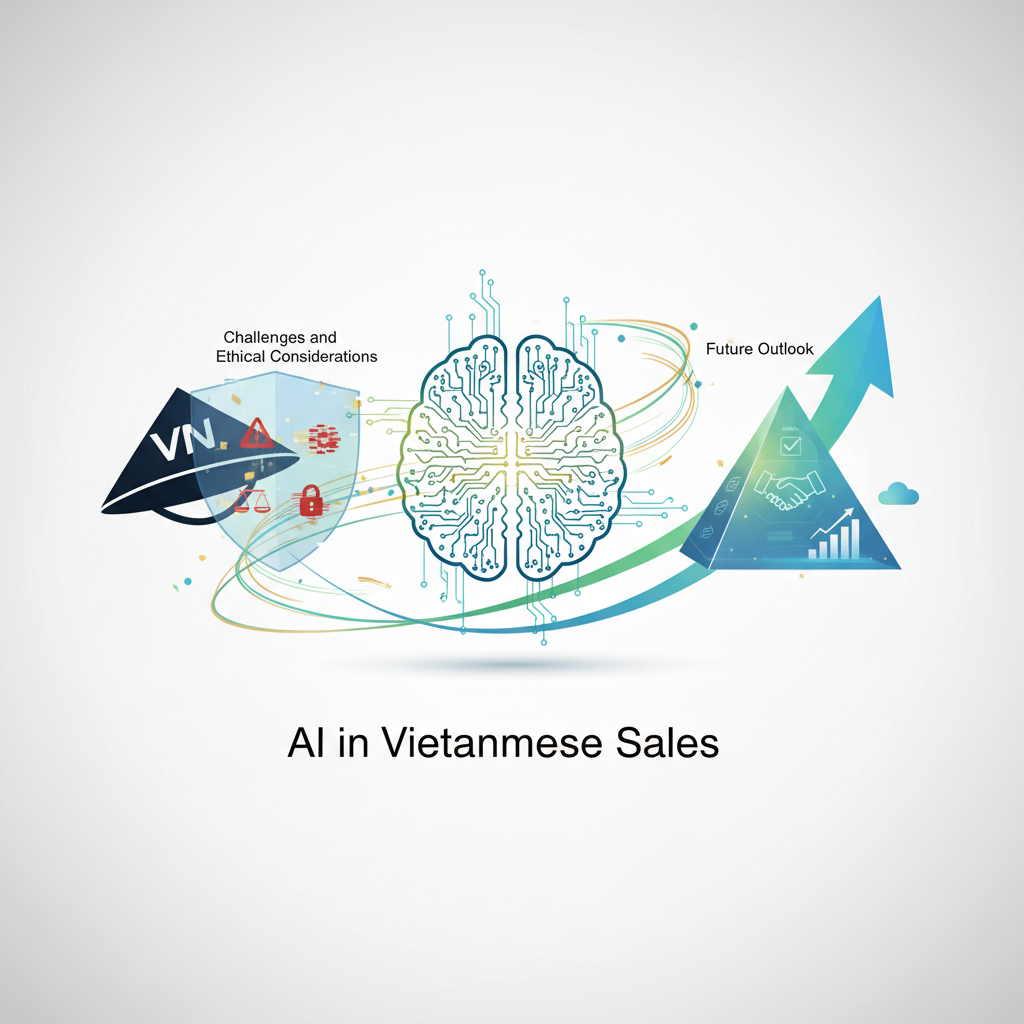
1. Data Privacy, Security Concerns, and Regulatory Landscape
One of the most pressing challenges for AI in sales Vietnam is managing data privacy and security. Sales operations inherently involve handling vast amounts of sensitive customer data, including personal information, purchasing history, and behavioral patterns. AI agents, by design, process and analyze this data to generate insights and automate interactions. This raises significant concerns regarding the secure storage, transmission, and ethical use of information. Without robust cybersecurity measures, the risk of data breaches increases, potentially eroding customer trust and incurring severe penalties.
Furthermore, Vietnam’s regulatory landscape for data protection and AI usage is still evolving. While the government has made strides in digital transformation Vietnam, clear and comprehensive guidelines specific to AI in sales are yet to be fully established. Businesses deploying AI agents must navigate this fluid environment, adhering to existing decrees on personal data protection while anticipating future regulations. Ensuring compliance will require constant vigilance, internal audits, and potentially collaboration with legal experts to prevent misuse of data and maintain public confidence in AI-driven sales practices. Establishing frameworks for secure data handling will be crucial for the sustainable growth of AI agent effect to sale field in Vietnam.
2. Navigating Ethical AI in Sales: Bias, Transparency, and Accountability
The ethical implications of AI agents in sales are profound. Algorithms, often trained on historical data, can inadvertently perpetuate or even amplify existing biases. If an AI sales agent is trained on data reflecting past discriminatory sales practices, it might unknowingly replicate those biases in lead scoring, customer segmentation, or pricing recommendations. This lack of fairness can alienate customer segments and lead to significant reputational damage. Addressing AI ethics sales demands a proactive approach to auditing algorithms for bias and ensuring diverse, representative training datasets.
Transparency is another critical aspect. When an AI agent recommends a product or customizes an offer, customers and human sales representatives need to understand the underlying logic. The ‘black box’ nature of some advanced AI models can undermine trust. Sales organizations must strive for explainable AI (XAI) where possible, allowing stakeholders to comprehend how decisions are made. Coupled with transparency is accountability: who is responsible when an AI agent makes an error, provides incorrect information, or contributes to a missed sale? Clear lines of accountability must be drawn, whether with the AI developer, the deploying company, or the human oversight team. Adhering to sound ethical AI principles is not just about compliance; it’s about building enduring customer relationships.
3. The Imperative of Upskilling Sales Force for Collaboration with AI Agents
The introduction of AI agents will inevitably reshape the roles and responsibilities of the human sales force. Rather than viewing AI as a replacement, the focus must shift towards fostering collaboration between humans and machines. This necessitates a significant investment in sales force upskilling. Sales professionals will need to develop new competencies, moving beyond traditional selling techniques to become adept at leveraging AI tools, interpreting AI-generated insights, and managing AI-driven customer interactions.
Training programs should focus on data literacy, understanding AI functionalities, ethical considerations, and soft skills like emotional intelligence and complex problem-solving – areas where human sales representatives retain a distinct advantage over AI. The future of sales AI involves human oversight, strategic input, and the ability to handle nuanced customer situations that AI cannot. Companies that prioritize continuous learning and equip their teams with the skills to effectively partner with AI agents will be better positioned to harness the full potential of this technology. Embracing this evolution ensures that the sales force remains a valuable, indispensable asset in the digital age, truly understanding the future of sales AI in Vietnam.
Partner with Shelby Global
You are looking for reliable HR Sevice Suppliers? Contact Shelby Global Now! To connect with verified talents and upgrade your orginization.
—————————————
References
– how digital transformation in Vietnam: https://asean.org/news/digital-transformation-in-vietnam-accelerating-growth-and-resilience/
– Salesforce Research on AI’s Impact on Sales Productivity: https://www.salesforce.com/news/stories/ai-sales-productivity-research/
– Gartner’s insights on the future of customer service: https://www.gartner.com/en/articles/the-future-of-customer-service-and-support
– leading research on AI and machine learning in sales: https://www.mckinsey.com/capabilities/growth-marketing-and-sales/our-insights/the-new-science-of-sales-ai-and-machine-learning
– OECD AI Principles: https://www.oecd.org/going-digital/ai/oecd-ai-principles-and-ai-watch.htm