Understanding AI Agents and Their Role in Malaysian Logistics
The global logistics landscape is undergoing a profound transformation, driven by technological advancements and the increasing demands of e-commerce and global supply chains. In Malaysia, a nation strategically positioned at the heart of Southeast Asia, the need for efficiency, resilience, and cost-effectiveness in its logistics sector has never been more critical. This evolution necessitates a deep dive into advanced solutions, with How AI agent effect to logistics field in malaysia being a paramount consideration. Artificial Intelligence (AI) agents are emerging as key players, promising to revolutionize everything from warehouse operations to last-mile delivery.
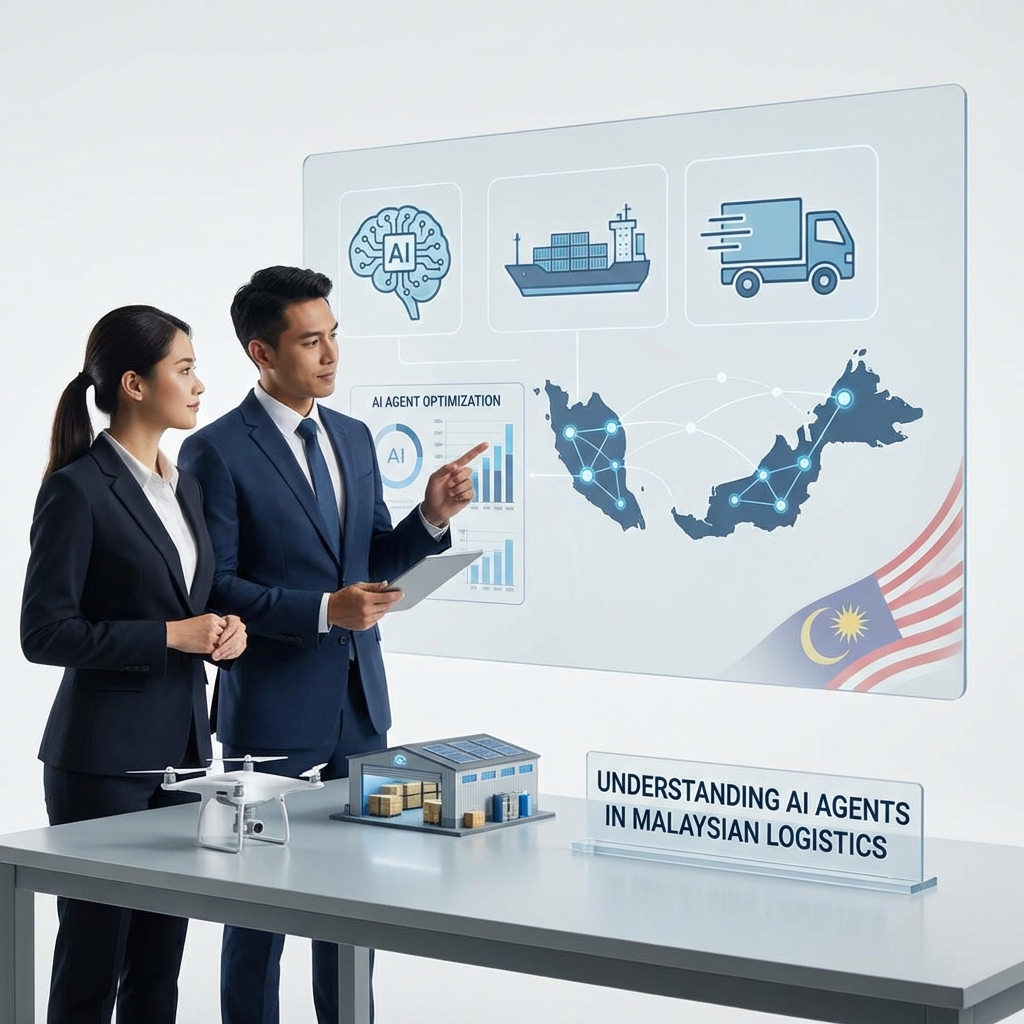
1. What Are AI Agents and How Do They Work?
At its core, an AI agent is an autonomous entity that perceives its environment through sensors and acts upon that environment through effectors, striving to achieve specific goals. These agents are designed to operate intelligently, meaning they can learn, reason, plan, and make decisions without explicit human intervention for every single task. Their operation follows a continuous cycle: sensing data (e.g., inventory levels, traffic conditions, customer orders), processing this information using algorithms and machine learning models, deciding on an optimal action, and then executing that action (e.g., rerouting a delivery truck, adjusting warehouse stock, triggering a replenishment order). Different types of AI agents exist, from simple reflex agents that respond based on current perceptions to complex learning agents that adapt their behavior over time based on experience. In logistics, this translates into systems capable of predictive analytics for demand forecasting, real-time route optimization, and even autonomous robotic systems in warehouses. The ability of AI agents to process vast amounts of data quickly and identify patterns far beyond human capacity makes them invaluable tools for enhancing operational efficiency and decision-making in complex supply chain environments.
2. Key Types of AI Applications in Supply Chain Management
The integration of AI agents offers a wide array of applications that significantly enhance various facets of supply chain management and logistics operations. One of the most impactful areas is predictive analytics for demand forecasting. By analyzing historical sales data, market trends, seasonal variations, and even social media sentiment, AI agents can predict future demand with remarkable accuracy, minimizing overstocking and stockouts. Another critical application is route optimization and fleet management. AI-powered systems can analyze real-time traffic conditions, weather forecasts, delivery priorities, and vehicle capacities to calculate the most efficient delivery routes, drastically reducing fuel consumption and delivery times. Warehouse automation, including the use of autonomous guided vehicles (AGVs) and robotic picking systems, significantly boosts throughput and reduces manual labor costs. Furthermore, AI agents excel in inventory management, automating reorder points and optimizing stock levels across multiple locations. They also play a crucial role in last-mile delivery, addressing complex urban logistics challenges, and enhancing customer satisfaction through accurate delivery time predictions and flexible scheduling. From fraud detection in shipping to risk management across the global supply chain, AI provides data-driven insights that foster resilience and agility.
3. The Current State of Logistics in Malaysia and AI’s Necessity
Malaysia’s logistics sector, a vital pillar of its economy, faces a unique set of challenges and opportunities. Rapid growth in e-commerce, driven by increasing internet penetration and consumer spending, places immense pressure on existing infrastructure and delivery networks. Urban congestion, particularly in areas like the Klang Valley, makes efficient last-mile delivery a complex puzzle. Furthermore, as Malaysia positions itself as a regional logistics hub, it faces intense competition from neighboring countries, necessitating continuous improvements in service quality and cost-effectiveness. This is precisely where AI agents become not just beneficial, but essential. By leveraging AI, Malaysian logistics providers can overcome geographical challenges, improve connectivity between urban centers and rural areas, and streamline cross-border trade processes. AI-driven solutions can help mitigate the impact of unforeseen disruptions, optimize the flow of goods from ports to warehouses and then to consumers, and significantly reduce operational costs. The implementation of smart logistics solutions, powered by AI, promises to enhance the overall competitiveness of Malaysia’s supply chain, supporting economic growth and fostering a more sustainable logistics ecosystem. The transformative impact of AI on logistics operations promises a future where efficiency, speed, and reliability are significantly elevated, addressing the core needs of a modern Malaysian economy.
Revolutionizing Supply Chain Optimization with AI Agents
The global supply chain landscape is undergoing a profound transformation, largely driven by Artificial Intelligence (AI) agents. These intelligent systems are redefining how businesses manage logistics, from procurement to last-mile delivery. AI agents are autonomous entities capable of learning, adapting, and making decisions that significantly enhance efficiency, responsiveness, and resilience across the entire supply chain. By exploring their multifaceted applications, we uncover how AI agents are transforming various facets of the supply chain, from forecasting to last-mile delivery, for enhanced efficiency and responsiveness, particularly in dynamic markets like the logistics field in Malaysia. Their impact heralds a new paradigm for operational excellence and strategic advantage.
1. Intelligent Demand Forecasting and Inventory Management
AI agents are making a substantial impact in demand forecasting and inventory management. Traditional forecasting, often reliant on historical data and simple statistical models, struggles with market volatility. AI agents, however, leverage sophisticated machine learning algorithms to analyze vast datasets beyond past sales figures. They incorporate real-time market trends, seasonal variations, promotions, economic indicators, social media sentiment, and even external factors like weather. This granular analysis allows AI agents to predict demand with unprecedented accuracy, minimizing both overstocking and stockouts.
For the logistics field in Malaysia, this translates into optimized inventory levels, significantly reducing carrying costs while ensuring product availability. AI agents continuously monitor inventory, automatically reordering and even anticipating potential supply disruptions. This predictive capability empowers supply chain managers to make proactive, data-driven decisions, leading to a more agile and cost-effective inventory system. For more insights into how such predictive analytics reshape industries, one can explore expert analyses on the broader impact of artificial intelligence in supply chain operations. This integration of AI elevates demand sensing from a reactive process to an intelligent and adaptive one.
2. Dynamic Route Optimization and Fleet Management Solutions
The efficiency of transportation networks is paramount in logistics, and AI agents are revolutionizing this domain through dynamic route optimization and advanced fleet management solutions. In Malaysia’s busy urban centers, efficient last-mile delivery is a continuous challenge. AI-powered systems process an immense array of variables in real-time, including current traffic, road closures, weather, vehicle capacities, delivery windows, and driver availability. They then generate the most efficient routes instantaneously, often recalculating mid-journey to respond to unforeseen circumstances.
This continuous optimization leads to substantial benefits: reduced fuel consumption, lower operational costs, faster delivery times, and a smaller carbon footprint. Beyond navigation, AI agents also contribute to comprehensive fleet management. They monitor vehicle performance, predict maintenance needs to prevent costly breakdowns, and optimize vehicle allocation based on demand. This proactive approach ensures fleets operate at peak efficiency, maximizing asset utilization and minimizing downtime. Understanding how AI agent effect to logistics field in Malaysia, particularly in managing complex transportation networks, is crucial for businesses aiming for sustainable growth and improved customer satisfaction.
3. Automated Warehouse Operations and Robotics Integration
Warehouses, traditionally labor-intensive hubs, are rapidly transforming into highly automated, AI-driven facilities. AI agents are at the heart of this evolution, orchestrating automated warehouse operations and robotics integration. From guiding autonomous mobile robots (AMRs) for goods transport to optimizing storage layouts and managing picking/packing, AI ensures seamless and efficient workflows. AI-powered vision systems quickly identify, sort, and track inventory, significantly reducing errors and improving accuracy.
In Malaysian logistics, where labor costs and efficiency are key, adopting robotics in warehouses offers immense advantages. AI agents not only direct these robots but also learn from their operations, continuously refining processes for improved throughput and reduced bottlenecks. Predictive maintenance, another AI application, monitors the health of machinery, scheduling servicing before failures. This level of automation enhances operational efficiency, boosts productivity, and creates safer working environments, ultimately supporting a more resilient and future-ready supply chain.
Conclusion
The integration of AI agents into supply chain operations represents a paradigm shift. From intelligent demand forecasting and inventory optimization to dynamic route planning and fully automated warehouses, AI empowers businesses to build more resilient, efficient, and responsive supply chains. For the logistics field in Malaysia, embracing these AI-driven innovations is a strategic imperative for navigating market complexities, achieving competitive advantage, and meeting the evolving demands of a digital economy. AI agents are leading the charge towards a smarter, more agile future for global logistics.
Driving Operational Efficiency and Cost Savings Through AI
In the dynamic landscape of global commerce, the logistics sector stands at the forefront of innovation, constantly seeking avenues to enhance efficiency and reduce operational overheads. Artificial Intelligence (AI) agents are emerging as transformative tools, fundamentally reshaping how goods are moved, stored, and managed. This section delves into the tangible benefits AI agents bring to logistics operations, including reduced costs, minimized errors, and improved overall productivity, highlighting the profound impact of AI agents on the logistics field in Malaysia.
The strategic deployment of AI agents allows logistics companies to transcend traditional operational limitations. By automating complex processes, optimizing resource allocation, and providing unparalleled analytical capabilities, AI directly contributes to a leaner, more agile supply chain. For businesses operating in Malaysia, embracing AI means not just staying competitive, but forging a path towards sustainable growth and market leadership through significant cost reductions and a noticeable uplift in operational excellence. These intelligent systems are adept at processing vast amounts of data, identifying patterns, and making autonomous decisions that human operators might miss or take longer to ascertain, thereby driving unprecedented levels of efficiency across the board.
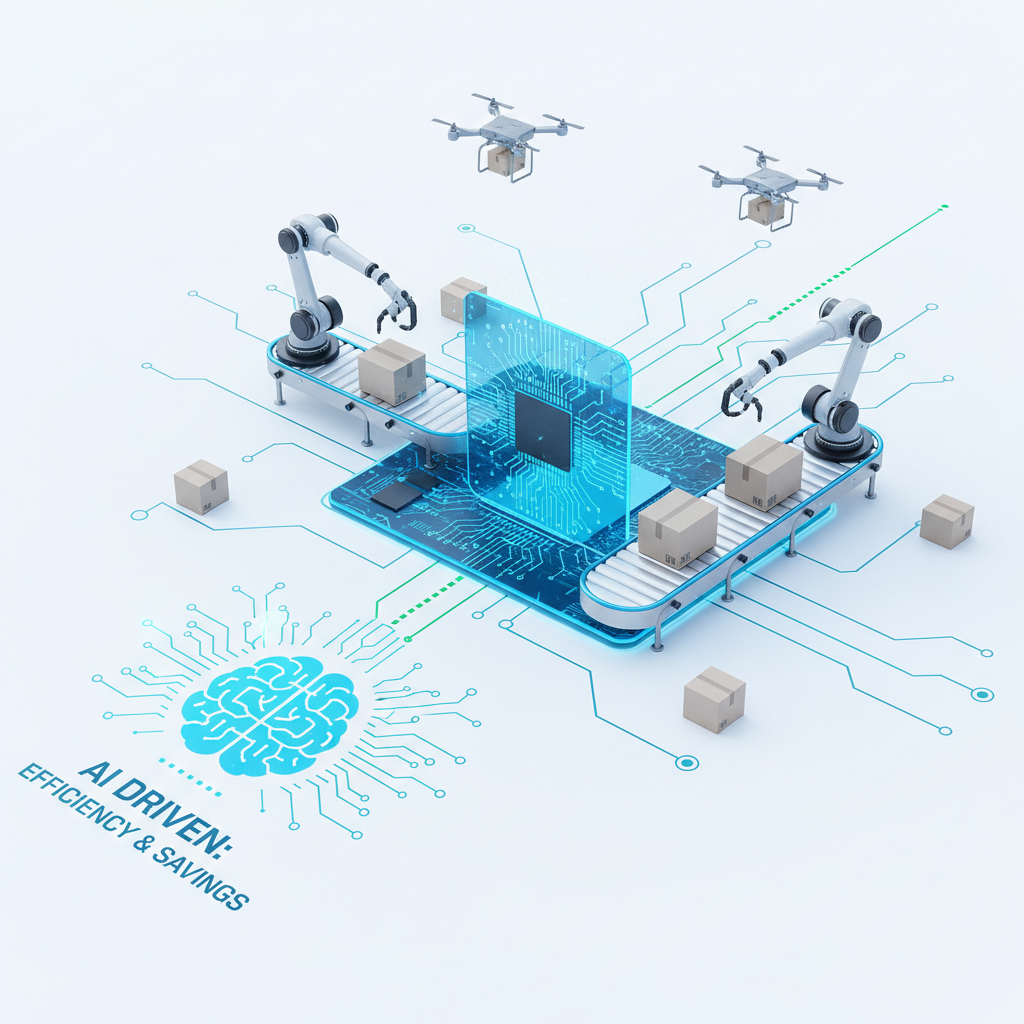
1. Predictive Maintenance for Logistics Assets and Vehicles
One of the most significant contributions of AI agents to cost savings and operational continuity is in predictive maintenance. Traditionally, maintenance schedules for logistics assets – trucks, forklifts, conveyors, and other crucial equipment – have been reactive or time-based, often leading to unexpected breakdowns or premature replacements. AI agents analyze real-time data from IoT sensors embedded in these assets, monitoring parameters like engine performance, tire pressure, vibration levels, and fuel consumption. By employing machine learning algorithms, these agents can predict potential equipment failures before they occur, allowing for proactive maintenance and repair. This foresight minimizes costly unplanned downtime, extends the lifespan of valuable assets, and significantly reduces emergency repair expenses. For logistics firms in Malaysia, where maintaining a reliable fleet and infrastructure is paramount for timely deliveries and customer satisfaction, predictive maintenance powered by AI ensures maximum uptime and a more predictable operational environment, directly impacting the bottom line.
2. Reducing Human Error and Operational Bottlenecks
Human error, though unavoidable, can lead to substantial costs in logistics, ranging from misrouted shipments and inventory discrepancies to safety incidents. AI agents excel at automating repetitive, rule-based tasks that are prone to human oversight. This includes automating data entry, inventory tracking, order processing, and even quality control checks. By handling these tasks with unparalleled precision and consistency, AI systems drastically reduce the incidence of errors, leading to fewer re-deliveries, less waste, and improved customer satisfaction. Furthermore, AI agents can continuously monitor operational workflows, identify bottlenecks in real-time, and suggest optimal adjustments. Whether it’s optimizing warehouse layouts, streamlining loading and unloading processes, or re-sequencing tasks to avoid congestion, AI provides actionable insights that smooth out operational flow. This proactive identification and resolution of bottlenecks are crucial for enhancing the overall speed and efficiency of the logistics supply chain, a critical factor for competitive advantage in the Malaysian market.
3. Real-time Visibility, Tracking, and Data-Driven Decision Making
The ability to see and understand every facet of the supply chain in real-time is no longer a luxury but a necessity, especially for how AI agent effect to logistics field in malaysia. AI agents integrate vast amounts of data from diverse sources – GPS trackers, IoT devices, warehouse management systems (WMS), and transportation management systems (TMS) – to provide a comprehensive, real-time overview of the entire logistics operation. This unparalleled visibility allows businesses to track shipments with pinpoint accuracy, monitor inventory levels across multiple locations, and even predict potential delays due to traffic or weather conditions. Armed with this rich, current data, AI agents empower logistics managers to make highly informed, data-driven decisions. They can dynamically optimize delivery routes, reallocate resources in response to unforeseen events, or adjust inventory levels to meet fluctuating demand. This level of responsiveness not only enhances operational efficiency but also builds resilience, allowing companies to quickly adapt to market changes and disruptions. According to a Deloitte report on AI in supply chain optimization, organizations leveraging AI can achieve significant improvements in forecast accuracy, inventory reduction, and on-time delivery, underscoring the transformative power of real-time data and intelligent decision-making.
In conclusion, the integration of AI agents into logistics operations presents a compelling pathway to achieving significant operational efficiencies and cost savings. From predictive maintenance that keeps assets running smoothly, to the elimination of human error and bottlenecks, and the provision of real-time, data-driven insights, AI is fundamentally transforming the logistics sector in Malaysia, making it more resilient, responsive, and ultimately, more profitable.
Challenges and Opportunities for AI Adoption in Malaysia’s Logistics
Malaysia’s logistics sector, a critical pillar of its economy, stands at the cusp of a transformative era driven by artificial intelligence. The integration of AI agents promises unprecedented efficiencies, optimized supply chains, and enhanced decision-making. However, realizing these benefits is not without its hurdles. This section delves into the primary challenges hindering widespread How AI agent effect to logistics field in malaysia, while simultaneously identifying strategic opportunities and supportive initiatives that can accelerate its adoption and unlock its full potential.
1. Infrastructure Gaps and Data Integration Complexities
One of the foremost challenges facing AI adoption in Malaysian logistics is the varying state of digital infrastructure across the country. While urban centers boast robust connectivity, rural areas often contend with limitations that impede real-time data flow—a cornerstone for effective AI operations. Many logistics companies, particularly SMEs, still rely on legacy systems or manual processes, creating fragmented data silos. Integrating these disparate systems into a unified platform capable of feeding AI agents with comprehensive, clean, and real-time data is a monumental task. This complexity extends to data standardization across different stakeholders in the supply chain, from manufacturers and transporters to customs and end-consumers. Without a cohesive data infrastructure, the ability of AI agents to perform predictive analytics, optimize routes, manage inventory, and automate tasks is severely hampered. Addressing these gaps requires significant investment in digital infrastructure, cloud computing capabilities, and robust cybersecurity measures to ensure data integrity and privacy.
2. Addressing the Talent Gap and Upskilling the Workforce
The successful deployment and maintenance of AI agents in logistics demand a highly specialized workforce, a resource Malaysia currently finds in short supply. There’s a notable talent gap in areas such as AI development, data science, machine learning engineering, and AI-driven supply chain management. Existing logistics professionals may lack the necessary digital literacy and technical skills to interact with, troubleshoot, and leverage AI systems effectively. This challenge is compounded by rapid technological advancements, necessitating continuous learning and adaptation. To bridge this gap, a multi-pronged approach is essential. This includes fostering partnerships between academia and industry to develop relevant curricula, offering vocational training programs, and providing incentives for upskilling the existing workforce. Investing in re-skilling initiatives for roles that might be impacted by automation, focusing on areas like AI supervision, data interpretation, and advanced problem-solving, will be crucial. Furthermore, attracting global AI talent and creating an ecosystem that encourages innovation and research in AI for logistics can help solidify Malaysia’s position in this evolving field.
3. Government Policies and Industry Support for AI Integration
Government vision and proactive policies play a pivotal role in accelerating AI adoption. Malaysia has outlined its commitment to digital transformation through initiatives like the Malaysia Digital Economy Blueprint, which aims to drive digital adoption across all sectors, including logistics. However, specific regulatory frameworks, funding mechanisms, and incentives tailored for AI integration in logistics are still evolving. There’s a need for clear guidelines on data governance, ethical AI use, and intellectual property rights to build trust and encourage investment. Industry associations and chambers of commerce can also play a vital role by facilitating knowledge sharing, promoting best practices, and fostering collaborations between technology providers and logistics companies. Grant schemes, tax incentives for R&D in AI, and pilot projects demonstrating the tangible benefits of AI agents can significantly de-risk initial investments for businesses. Furthermore, establishing innovation hubs and sandboxes specifically for logistics AI can provide a conducive environment for experimentation and proof-of-concept development, propelling Malaysia’s logistics sector towards a smart, efficient, and globally competitive future.
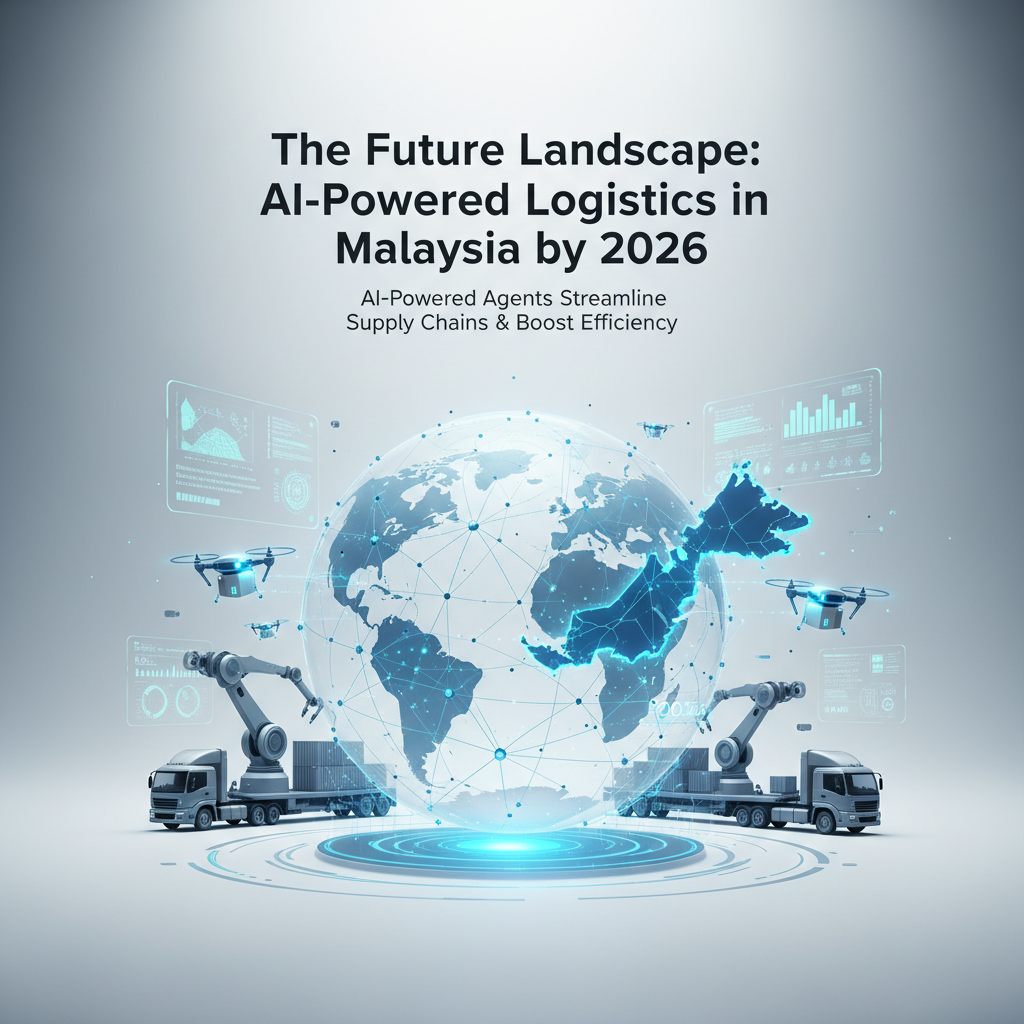
The Future Landscape: AI-Powered Logistics in Malaysia by 2026
By 2026, Artificial Intelligence (AI) agents will have fundamentally reshaped Malaysia’s logistics sector, transforming it into a highly efficient, responsive, and data-driven ecosystem. The impact of AI on logistics in Malaysia will extend beyond mere automation, ushering in an era of intelligent decision-making, predictive capabilities, and unparalleled operational efficiency. This shift will solidify Malaysia’s position as a regional logistics hub, driven by technological innovation and strategic adoption of advanced AI solutions. Companies will leverage AI to navigate complex supply chain dynamics, optimize routes, and enhance overall service delivery, fundamentally altering how goods move across the nation and beyond.
1. Towards Hyper-Personalized Logistics Solutions and Services
The year 2026 will see AI agents enabling a hyper-personalized approach to logistics in Malaysia, moving away from one-size-fits-all models. Through advanced predictive analytics, AI will forecast demand with unprecedented accuracy, allowing businesses to proactively manage inventory and optimize warehousing strategies. This level of foresight will minimize stockouts and overstocking, leading to significant cost reductions and improved resource allocation. Last-mile delivery will become highly tailored, with AI algorithms dynamically adjusting delivery routes based on real-time traffic, weather conditions, and customer preferences. Imagine a scenario where a consumer receives a package precisely when and where they want it, thanks to an AI agent orchestrating the entire delivery process. This ability to offer flexible and personalized delivery options will significantly enhance customer experience, a critical differentiator in a competitive market. Furthermore, AI will facilitate dynamic pricing models, ensuring fairness and efficiency for both service providers and clients based on real-time market conditions and service demands. The overall effect of AI on logistics will be a more responsive, customer-centric supply chain.
2. Ethical AI, Data Security, and Regulatory Frameworks
As AI integration deepens, the focus on ethical AI, data security, and robust regulatory frameworks will become paramount in Malaysia. The sheer volume of data processed by AI agents, from shipment details to customer profiles, necessitates stringent cybersecurity measures to prevent breaches and protect sensitive information. By 2026, Malaysia is expected to have established clearer guidelines and policies governing the use of AI in logistics, ensuring transparency, accountability, and fairness. This includes developing frameworks for AI governance that address bias in algorithms, ensuring equitable service delivery and preventing discriminatory practices. Compliance with data privacy laws, similar to global standards like GDPR, will be crucial for companies operating with AI-powered systems. Investment in secure data infrastructure and blockchain technology for supply chain traceability will be vital to build trust and ensure the integrity of logistics operations. The industry must proactively engage with policymakers to create an environment that fosters innovation while safeguarding consumer rights and national security, making ethical considerations central to AI development and deployment.
3. Creating an Autonomous and Resilient Logistics Ecosystem
By 2026, AI agents will be instrumental in forging an increasingly autonomous and resilient logistics ecosystem across Malaysia. Smart warehousing, powered by AI and robotics, will feature automated storage and retrieval systems, intelligent inventory management, and predictive maintenance for machinery, significantly boosting operational efficiency. The adoption of autonomous vehicles for long-haul transport and drones for last-mile delivery in specific zones will grow, addressing labor shortages and enhancing speed. This automation will not only streamline operations but also bolster the supply chain’s resilience against disruptions, whether from natural disasters or unforeseen global events. AI-driven risk management systems will continuously monitor global and local conditions, predicting potential bottlenecks and recommending alternative routes or mitigation strategies in real-time. For more insights into how AI agents effect to logistics field in Malaysia, further exploring their transformative potential, delve deeper into industry analyses. The synergy between AI, IoT, and advanced robotics will create a self-optimizing network, capable of adapting to dynamic challenges and maintaining consistent service levels, thereby ensuring the future viability and competitiveness of Malaysia’s logistics industry.
Partner with Shelby Global
You are looking for reliable HR Sevice Suppliers? Contact Shelby Global Now! To connect with verified talents and upgrade your orginization.
—————————————
References
– predictive analytics for demand forecasting: https://www.mckinsey.com/capabilities/operations/our-insights/embracing-ai-in-supply-chain-management
– artificial intelligence in supply chain operations: https://www2.deloitte.com/us/en/pages/operations/articles/artificial-intelligence-in-supply-chain.html
– Deloitte report on AI in supply chain optimization: https://www2.deloitte.com/us/en/insights/focus/supply-chain/ai-for-supply-chain-optimization.html
– Malaysia Digital Economy Blueprint: https://www.epu.gov.my/en/mydigital-malaysia-digital-economy-blueprint
– AI governance: https://www.weforum.org/agenda/2023/11/ai-governance-guidelines-regulation/