Overview of Vietnam’s Entertainment HR Landscape
Vietnam’s entertainment sector is experiencing a profound transformation, rapidly emerging as one of Southeast Asia’s most dynamic industries. Fuelled by a young, digitally-native population, rising disposable incomes, and increasing internet penetration, this vibrant ecosystem spans blockbuster films, chart-topping music, cutting-edge gaming, and prolific digital media content. Amidst this exhilarating growth, the role of Human Resources (HR) has become increasingly pivotal. Unlike traditional industries, the entertainment field presents a unique blend of creative demands, project-based work, and intense competition for specialized talent. Understanding these intricacies is crucial for any organization aiming to thrive, making a comprehensive HR report of Entertainment field in vietnam an indispensable tool for strategic planning and talent management.

The acceleration of digital adoption across the nation has not only broadened the reach of entertainment but also intensified the demand for a specialized and adaptable workforce. From content creators and technical experts to marketing strategists and legal advisors, talent requirements are diverse and ever-evolving. This overview delves into the current state and unique aspects of HR within Vietnam’s entertainment sector, highlighting its rapid growth and the distinct characteristics defining its human capital challenges and opportunities.
1. Key Segments: Film, Music, Gaming, Digital Media
Vietnam’s entertainment HR landscape is characterized by its distinct, yet increasingly interconnected, segments, each demanding a tailored approach to talent management:
- Film Industry HR Vietnam: Requires creative professionals (directors, actors), technical crews, and production staff. Challenges include managing project-based contracts, navigating regulations, and ensuring intellectual property rights protection.
- Music Industry HR Vietnam: Focuses on artists, producers, sound engineers, and marketing specialists. HR must handle unique artist contracts, royalty management, and adapting to digital distribution.
- Gaming Industry HR Vietnam: A technologically driven segment demanding specialized talent like game developers, designers, and esports professionals. HR faces fierce global competition, rapid skill obsolescence, and the need to foster innovation in Vietnam’s creative industry jobs.
- Digital Media HR Vietnam: Encompasses social media creators, influencers, streaming professionals, and digital marketers. HR manages agile teams, adapts to fast-changing trends, and handles influencer management and community engagement, crucial for effective entertainment HR.
2. Growth Trajectory and Market Size
The Vietnamese entertainment market is on an impressive growth trajectory, reflecting the nation’s overall economic dynamism. Driven by a burgeoning middle class, over 70% internet penetration, and widespread smartphone adoption, the market size has expanded significantly. Reports indicate that Vietnam’s digital economy, which encompasses much of the entertainment sector, continues to surge. According to the e-Conomy SEA 2023 report, Vietnam stands out for its digital growth, positioning it as a hotbed for investment and innovation. This rapid expansion places immense pressure on human resources to scale operations, attract top talent, and implement effective workforce planning for entertainment Vietnam. The demand for skilled professionals across all segments frequently outpaces supply, creating a competitive environment for talent management entertainment Vietnam.
3. Unique HR Challenges in Creative Industries
While growth presents opportunities, it also brings a distinct set of unique HR challenges in creative industries, particularly within Vietnam’s entertainment landscape:
- Talent Scarcity & Retention: The demand for specialized creative and technical skills far exceeds supply. Attracting and retaining top talent—from directors to game developers—necessitates competitive compensation entertainment industry Vietnam packages and robust employer branding.
- Project-Based Work & Flexible Contracts: Many roles are project-specific, requiring HR to manage a complex web of freelancers and contractors. This demands sophisticated HR strategies for creative industries, including streamlined onboarding and compliance with varying labor laws.
- Intellectual Property (IP) Management: In creative fields, IP is paramount. HR plays a critical role in drafting comprehensive contracts that protect copyrights and creative works, while also educating the workforce on IP best practices.
- Work-Life Balance & Burnout: The entertainment sector is notorious for demanding schedules and intense creative pressure. HR must develop initiatives to support employee well-being, prevent burnout, and foster a sustainable work environment, addressing common creative sector HR challenges.
- Skill Development & Training: Rapid technological change and evolving consumer preferences mean skills quickly become obsolete. Continuous skill development entertainment Vietnam programs are essential for maintaining a competitive edge.
Navigating these complexities requires strategic HR leadership and a deep understanding of both local cultural nuances and global industry trends. An up-to-date HR report of Entertainment field in vietnam is therefore not just a document, but a critical roadmap for success in this thrilling and challenging sector.
Talent Acquisition and Recruitment Trends
The vibrant and rapidly expanding entertainment sector in Vietnam presents a dynamic landscape for Human Resources professionals. As the industry diversifies into gaming, film, music, digital content creation, and live events, the demand for specialized talent intensifies. This section of our comprehensive HR report of Entertainment field in Vietnam delves into how entertainment companies are adapting their talent acquisition strategies to attract and hire the best minds. We will explore emerging recruitment strategies, the platforms being leveraged, and the critical need for specialized skills that are shaping the future workforce in this exciting industry.
1. Sourcing Creative & Technical Talent
In Vietnam’s burgeoning entertainment industry, the hunt for talent extends beyond traditional HR practices. Companies are actively seeking a dual cohort: highly creative individuals—from concept artists, scriptwriters, and music producers to directors and content creators—and a robust technical workforce, including game developers, VFX artists, sound engineers, animators, and IT specialists supporting digital infrastructure. The challenge lies in the scarcity of readily available, experienced professionals in these niche areas.
To overcome this, companies are employing multifaceted sourcing strategies. Partnerships with leading art academies, film schools, and technology universities in cities like Ho Chi Minh City and Hanoi are becoming crucial. Internships, apprenticeship programs, and industry workshops are frequently used to identify promising young talent directly from academic pipelines. Furthermore, the rise of freelance and gig economies has opened new avenues, with companies increasingly engaging independent contractors and project-based teams for specialized tasks, especially in areas like animation, post-production, and game development.
Niche job boards, professional forums, and industry-specific networking events (both online and offline) are also key touchpoints. Recruiters are learning to assess portfolios and technical demonstrations rather than just resumes, understanding that practical skills and a strong body of work are paramount in these fields. The demand for proficiency in advanced software and tools, such as Unity, Unreal Engine, Adobe Creative Suite, and various 3D modeling programs, is particularly high, necessitating a keen eye for specific technical competencies during the screening process.
2. Impact of Digital Platforms on Recruitment
Digital platforms have irrevocably transformed talent acquisition in the Vietnamese entertainment sector, shifting recruitment from purely conventional channels to a more dynamic, online-centric approach. Social media platforms like LinkedIn, Facebook, and increasingly, Instagram and TikTok, are not just marketing tools but powerful recruitment assets. Companies leverage these platforms to post job openings, engage with potential candidates, and even conduct preliminary screenings. LinkedIn, in particular, serves as a professional networking hub, allowing recruiters to identify passive candidates with specialized skills and build talent pipelines.
Beyond general social media, industry-specific digital communities and portfolio-sharing sites like ArtStation, Behance, and even GitHub (for game developers) have become invaluable. These platforms allow companies to directly scout talent based on their exhibited work, providing a more accurate assessment of creative and technical capabilities than traditional resumes alone. Digital job portals, both global (e.g., Jobstreet, VietnamWorks) and specialized ones catering to creative industries, offer extensive reach and efficient application processes.
The use of video conferencing for interviews has also become standard practice, significantly reducing geographical barriers and enabling companies to tap into a wider talent pool, including Vietnamese expatriates looking to return or remote workers. This digital transformation not only streamlines the recruitment process, making it faster and more cost-effective, but also provides a richer, more visual context for evaluating candidates in creative and technical roles.
3. Employer Branding in a Competitive Market
In Vietnam’s highly competitive entertainment talent market, attracting and retaining top-tier professionals goes beyond offering attractive salaries; it hinges significantly on a robust employer brand. Companies are realizing that their reputation as an employer is a critical differentiator, especially when vying for skilled individuals who often have multiple options.
Effective employer branding strategies involve showcasing a company’s unique culture, values, and the exciting projects it undertakes. This includes transparent communication about work environment, opportunities for professional development, and employee benefits. Many companies are actively using their social media channels, career pages, and industry events to highlight success stories, employee testimonials, and behind-the-scenes glimpses of their creative processes. For example, a gaming studio might showcase its collaborative development environment, while a film production house might highlight the impact of its recent projects and the creative freedom offered to its artists. The HR report of Entertainment field in Vietnam consistently indicates that a positive workplace culture and opportunities for growth are key motivators for candidates.
Benefits extending beyond salary, such as flexible working arrangements, comprehensive health and wellness programs, and opportunities for continuous learning and upskilling, are increasingly important components of an attractive employer proposition. By cultivating a strong employer brand, entertainment companies in Vietnam can not only attract high-caliber talent but also foster loyalty and reduce turnover, ensuring a sustainable talent pipeline for their ambitious ventures. According to a recent survey on HR trends by EY Vietnam, fostering a purpose-driven and flexible work environment is crucial for attracting and retaining skilled professionals, a sentiment strongly echoed within the entertainment industry.
Compensation, Benefits, and Retention Strategies
The Vietnamese entertainment sector, a vibrant and rapidly expanding industry, faces increasing competition not only for market share but also for top talent. As detailed in this HR report of Entertainment field in vietnam, effectively managing compensation, benefits, and retention strategies is paramount for companies aiming to sustain growth and innovation. This section examines the sophisticated remuneration and employee welfare practices, alongside proactive initiatives designed to keep highly skilled professionals within the industry’s dynamic landscape.

1. Salary Benchmarking for Creative Roles
In a sector driven by creativity and unique skill sets, establishing competitive compensation is a complex yet critical task. Creative roles, ranging from content creators and digital artists to music producers and scriptwriters, often lack standardized salary scales, making robust salary benchmarking essential. Entertainment companies in Vietnam must look beyond traditional industry comparisons, often surveying broader creative and tech sectors to understand market rates. Factors such as experience, portfolio quality, project success rates, and demand for specific niche skills heavily influence remuneration. Furthermore, the rapid evolution of digital platforms and content consumption trends means that salary structures must be agile, reflecting new revenue streams and skill requirements. The increasing foreign investment and global exposure within the Vietnamese entertainment industry also necessitate benchmarking against international standards, especially for roles with cross-border appeal. Understanding these nuances helps companies attract and secure the best talent, preventing them from being lured away by competitors or opportunities abroad. For insights into the broader talent landscape in Vietnam, an understanding of key hiring considerations in Vietnam is crucial for setting competitive benchmarks.
2. Non-Monetary Benefits and Perks
While competitive salaries are foundational, the modern workforce, particularly in creative industries, places significant value on non-monetary benefits and perks. These often differentiate an employer and contribute significantly to job satisfaction and loyalty. In Vietnam’s entertainment sector, such benefits are tailored to appeal to creative professionals. This includes offering flexible working hours, opportunities for creative freedom and autonomy, access to cutting-edge technology and production equipment, and professional development programs that foster continuous learning and skill enhancement. Wellness initiatives, such as mental health support, fitness allowances, and team-building events that promote a cohesive and inspiring work environment, are also highly valued. Unique industry-specific perks, like preferential access to events, premieres, or collaboration opportunities with renowned artists, can significantly boost morale and create a sense of belonging. Recognizing that many creative roles are passion-driven, companies that invest in a supportive and stimulating environment beyond financial remuneration are better positioned to retain their top performers.
3. Strategies for Employee Engagement and Retention
Beyond competitive pay and attractive perks, long-term talent retention in the Vietnamese entertainment industry hinges on robust employee engagement strategies. A positive and inclusive workplace culture is paramount. This involves fostering open communication, promoting collaboration, and valuing diverse perspectives. Career development pathways are crucial; offering clear opportunities for advancement, mentorship programs, and cross-functional project assignments can keep employees motivated and invested in their long-term growth within the company. Regular performance feedback, coupled with recognition and reward systems that celebrate individual and team achievements, reinforces a culture of appreciation. Addressing work-life balance through reasonable workloads and support systems helps prevent burnout, a common issue in high-pressure creative fields. Companies that actively listen to employee feedback, adapt their policies based on evolving needs, and invest in leadership training to create empathetic and effective managers will cultivate a loyal and highly engaged workforce. These comprehensive HR strategies are vital for building a sustainable talent pipeline and ensuring the long-term success of entertainment ventures in Vietnam.
Training, Development, and Future Skills
The dynamic landscape of Vietnam’s entertainment sector, driven by rapid technological advancements and increasing global integration, necessitates a proactive approach to workforce training and development. To remain competitive and innovative, an urgent focus on upskilling and reskilling is paramount for professionals across all segments, from production and distribution to marketing and talent management. This section of the HR report of Entertainment field in Vietnam explores the critical strategies for fostering a future-ready workforce capable of navigating evolving industry demands, embracing cutting-edge technologies, and adhering to international standards in the Vietnamese entertainment industry. Effective HR strategies in this domain are not merely about adapting to change but about leading it, ensuring sustainable growth and artistic excellence.
1. Upskilling for Digital Transformation (AI, VR, etc.)
The advent of digital transformation is reshaping every facet of the entertainment industry, making digital literacy and advanced technological skills indispensable. Artificial Intelligence (AI) and Virtual Reality (VR), alongside augmented reality (AR), blockchain, and data analytics, are no longer futuristic concepts but essential tools revolutionizing content creation, audience engagement, and operational efficiency. For the Vietnamese entertainment sector, this means a significant investment in upskilling programs that equip professionals with the competencies to harness these technologies. For instance, animators and graphic designers need training in AI-powered tools for content generation and optimization, while filmmakers can benefit from VR applications for immersive storytelling and pre-visualization. Marketing teams require skills in AI-driven audience analytics and personalized content delivery.
Reskilling initiatives are equally crucial for traditional roles that face obsolescence or require significant adaptation. Sound engineers might need to learn spatial audio techniques for VR experiences, and producers must understand the legal and ethical implications of AI-generated content. The goal is to bridge the existing skill gaps, fostering a workforce that can seamlessly integrate new technologies into their creative and operational processes. This proactive approach ensures that Vietnam’s entertainment professionals are not just consumers of technology but innovators who leverage it to create globally competitive content. According to a PwC report on Digital Upskilling, digital upskilling is a critical component for businesses to thrive in the era of digital disruption, highlighting the urgency for sectors like entertainment to invest heavily in these areas.
2. Leadership Development in Creative Environments
Leading in a creative environment presents unique challenges that traditional management training often overlooks. The Vietnamese entertainment field, characterized by its project-based nature, diverse talent pools, and often subjective artistic outcomes, demands a distinct brand of leadership. Effective leaders in this sector must possess not only strong business acumen and strategic foresight but also exceptional emotional intelligence, empathy, and the ability to inspire and nurture creativity. Programs for leadership development should therefore focus on cultivating skills such as collaborative decision-making, conflict resolution tailored to artistic differences, fostering psychological safety, and empowering diverse teams.
Beyond general management principles, specific training for creative leadership should address talent management within highly specialized fields, intellectual property protection, international co-production strategies, and navigating cross-cultural collaborations. Developing leaders who can champion innovation, manage complex projects involving various artistic and technical disciplines, and mentor emerging talent is vital for the long-term success of the industry. These leaders are the architects of a supportive and inspiring work culture, which is paramount for attracting and retaining top-tier creative professionals and driving the consistent output of high-quality entertainment products that resonate both domestically and internationally.
3. Industry-Academia Collaboration for Talent Pipeline
To sustain a robust and future-proof workforce, a strong symbiotic relationship between the entertainment industry and academic institutions in Vietnam is indispensable. This collaboration is key to establishing a continuous talent pipeline, ensuring that graduates enter the workforce with relevant skills and practical experience. Partnerships can manifest in various forms: developing specialized curricula that reflect current industry demands, establishing internship and apprenticeship programs, facilitating guest lectures by industry veterans, and launching joint research projects focused on emerging technologies or market trends within the creative sector.
Furthermore, industry input can help shape vocational training programs, ensuring they deliver practical, job-ready skills for technical roles such as visual effects artists, game developers, or production managers. Academic institutions, in turn, can provide the foundational knowledge, theoretical frameworks, and research capabilities that drive innovation. By integrating real-world challenges and industry best practices into educational programs, Vietnam can nurture a generation of entertainment professionals who are not only creatively gifted but also technologically proficient and business-savvy. This proactive approach to talent acquisition and development is crucial for meeting the increasing demand for skilled labor and for elevating the global standing of Vietnam’s vibrant entertainment ecosystem. This integrated strategy is fundamental to the overall workforce development Vietnam entertainment requires.
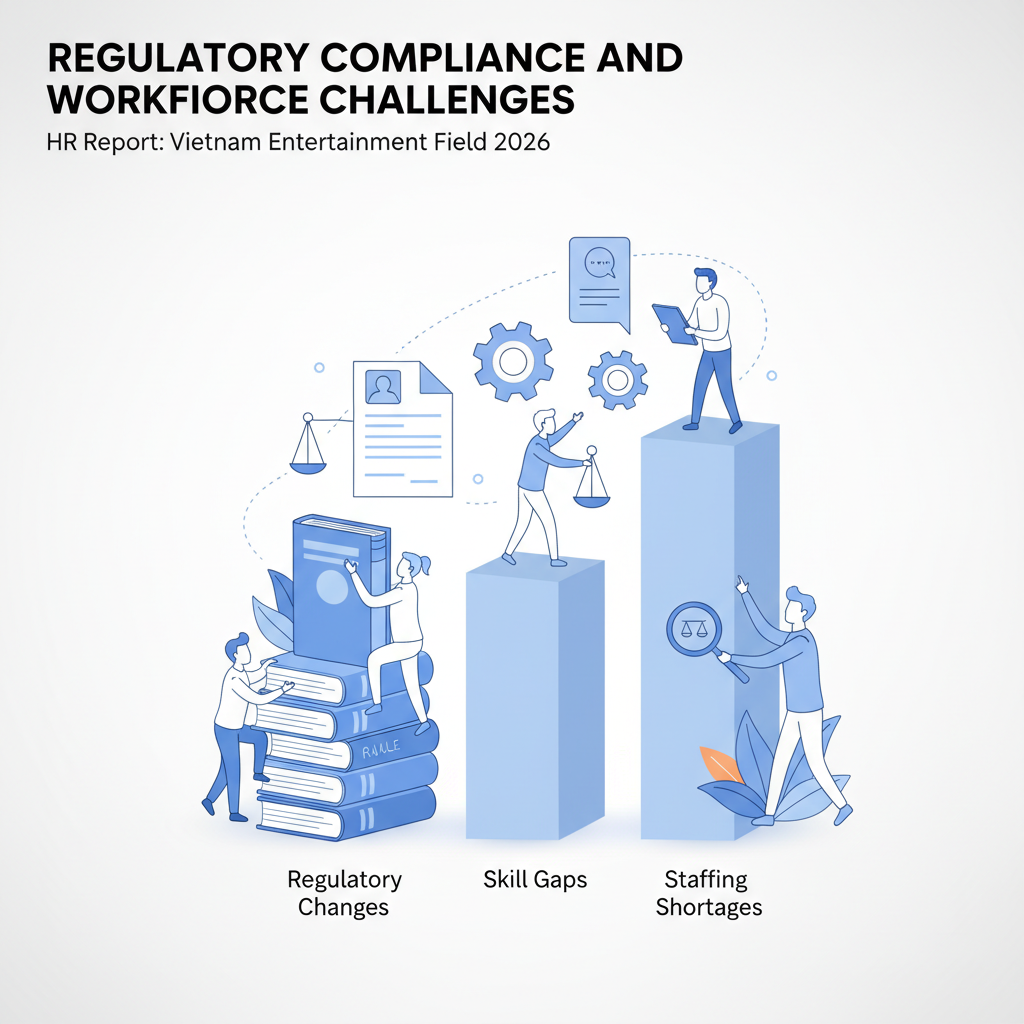
Regulatory Compliance and Workforce Challenges
The burgeoning entertainment industry in Vietnam, characterized by its rapid growth in music, film, digital content, and live performances, presents a unique landscape for human resources management. Navigating this dynamic sector requires a deep understanding of not only local labor regulations but also the specific challenges inherent in a creative, project-based workforce. This section delves into the intricate legal framework governing HR in the Vietnamese entertainment industry and highlights common hurdles faced by businesses and employees alike, encompassing legal obligations, ethical considerations, and critical well-being concerns. For a comprehensive overview, refer to any HR report of Entertainment field in Vietnam, which often underlines these complexities.
1. Labor Laws Specific to Entertainment Workers
Vietnam’s Labor Code 2019 provides the foundational legal framework for employment relationships across all sectors, including entertainment. However, the nature of entertainment work often deviates significantly from traditional employment models, presenting distinct challenges. For instance, irregular working hours, project-based contracts, the involvement of child performers, and the need for specific safety protocols on sets or stages demand a tailored approach to compliance. Entertainment companies must ensure that contracts clearly define working conditions, compensation, social insurance contributions, and dispute resolution mechanisms, adhering strictly to national regulations on working hours, rest periods, and occupational health and safety. Non-compliance can lead to significant penalties, reputational damage, and an unstable workforce. Furthermore, understanding the nuances of freelance vs. employee status is critical, as misclassification can have severe legal and financial repercussions for employers. An effective HR report of Entertainment field in Vietnam will consistently emphasize the importance of robust legal counsel in drafting employment agreements that protect both parties while fostering a fair working environment.
2. Intellectual Property Rights and Contracts
In an industry built on creativity, intellectual property (IP) is paramount. Protecting the rights of creators, performers, and production houses is not merely a legal requirement but a fundamental pillar of sustainable growth in the Vietnamese entertainment sector. This involves navigating complex issues surrounding copyright, related rights (for performers and producers), trademarks, and trade secrets. Robust contracts are the primary tool for safeguarding these assets. Clear contractual agreements must delineate ownership of works, revenue-sharing models (royalties), usage rights across different platforms and territories, and non-disclosure clauses to protect sensitive information. Challenges often arise from the rapid dissemination of content, unauthorized usage, and the need to balance creator rights with industry standards. HR professionals, in conjunction with legal teams, play a vital role in educating employees and freelancers about their IP rights and obligations, ensuring that all agreements are legally sound and mutually beneficial. Staying updated on Vietnamese IP laws and international conventions is crucial for global competitiveness. For detailed insights into the legal framework, resources like the World Intellectual Property Organization (WIPO) provide valuable information on Vietnam’s intellectual property regulations.
3. Addressing Burnout and Mental Health in High-Pressure Roles
The entertainment industry is notorious for its demanding nature, characterized by long, erratic hours, intense public scrutiny, constant travel, and job insecurity. These factors contribute significantly to high levels of stress, anxiety, and burnout among performers, crew members, and administrative staff. Addressing mental health and promoting well-being is not just an ethical imperative but also a strategic necessity for talent retention and productivity. Companies in Vietnam’s entertainment sector are increasingly recognizing the need to implement proactive HR strategies that prioritize employee mental health. This includes fostering a supportive work culture, providing access to mental health resources such as counseling services, promoting work-life balance initiatives, and training managers to identify and support employees facing psychological distress. Creating channels for anonymous feedback and establishing clear boundaries between personal and professional life can mitigate some of these pressures. Neglecting these concerns can lead to high turnover, decreased creativity, and a decline in overall team performance. Therefore, a forward-thinking HR report of Entertainment field in Vietnam will often advocate for comprehensive well-being programs as integral components of human capital management.
In conclusion, the regulatory compliance and workforce challenges within Vietnam’s entertainment industry demand a multifaceted and agile HR approach. From meticulous adherence to labor laws and robust intellectual property protection to the critical emphasis on employee mental health, navigating this sector requires continuous adaptation and a commitment to fostering a fair, healthy, and legally compliant working environment. Proactive strategies in these areas are essential for the sustainable growth and international competitiveness of Vietnam’s vibrant entertainment landscape.
Partner with Shelby Global
You are looking for reliable HR Sevice Suppliers? Contact Shelby Global Now! To connect with verified talents and upgrade your orginization.
—————————————
References
– e-Conomy SEA 2023 report by Google, Temasek, and Bain & Company: https://blog.google/around-the-globe/google-asia-pacific/e-conomy-sea-2023/
– EY Vietnam: https://www.ey.com/en_vn/people-advisory-services/how-human-capital-trends-shape-the-future-of-work
– Vietnam: Key Factors to Consider When Hiring in 2024 – Dezan Shira & Associates: https://www.dezshira.com/vietnam-briefing/key-factors-to-consider-when-hiring-in-vietnam-in-2024/
– PwC report on Digital Upskilling: https://www.pwc.com/gx/en/ceo-survey/25th-ceo-survey/digital-upskilling-story.html
– World Intellectual Property Organization (WIPO): https://www.wipo.int/wipolex/en/details.jsp?id=6369