
Current State of HR in Singapore’s Film Industry
Singapore’s vibrant film industry, though relatively compact compared to global giants, is a dynamic and evolving sector. Characterized by a blend of local narratives and international collaborations, it plays a significant role in the nation’s creative economy. The human resources landscape within this sector is uniquely shaped by its project-based nature, specialized skill requirements, and the entrepreneurial spirit of its professionals. Understanding the existing HR framework is crucial for fostering sustainable growth and ensuring the well-being and productivity of its workforce. This overview provides an HR report of Films field in singapore, delving into its key characteristics and demographic nuances.

-
Workforce Demographics & Size
The film industry in Singapore is powered by a diverse and predominantly youthful workforce. While exact comprehensive statistics are challenging to pinpoint due to the high proportion of freelancers and contract workers, estimates suggest a lean but highly specialized workforce demographics. The majority operate on a project-to-project basis, contributing to a fluid talent pool that expands and contracts with production cycles. Gender distribution shows a growing presence of women in various roles, though leadership and technical crew positions still lean male. Ethnically, the workforce mirrors Singapore’s multicultural society, offering rich perspectives that inform storytelling. A significant segment consists of younger professionals (under 35) entering the field, bringing fresh ideas and digital fluency. However, retaining experienced mid-career professionals is a constant challenge, as many seek opportunities abroad or transition to more stable media sectors. This reliance on a freelance workforce demands flexible HR strategies focused on project management, short-term contracts, and robust professional development programs.
-
Key HR Challenges & Opportunities
The unique operational model of the film industry presents both considerable HR challenges and promising opportunities. A primary challenge is talent acquisition and retention. The highly competitive global landscape means local productions often vie for specialized skills with larger international projects, making it difficult to secure top-tier talent consistently. Furthermore, the project-based nature can lead to instability for workers, impacting their career progression, benefits, and overall job security. This contributes to skill gaps, particularly in emerging areas like virtual production, advanced visual effects (VFX), and interactive storytelling, necessitating ongoing skill development initiatives. Addressing long working hours and ensuring employee well-being are also critical industry challenges for sustained productivity and creative output. From an opportunity perspective, government initiatives like the IMDA’s support for local content creation and talent development provide crucial avenues. The rise of streaming platforms creates new demand for local productions, offering more work opportunities. Leveraging HR tech in media, such as AI-powered recruitment tools and digital platforms for freelance management, can streamline processes and connect talent with projects more efficiently, enhancing overall employee engagement and project success.
-
Current Talent Pool Assessment
An assessment of Singapore’s current talent pool reveals both strengths and areas requiring further development. Locally, there is a strong foundation in creative storytelling, cultural sensitivity, and multilingual capabilities, fostered by a robust arts and media education ecosystem comprising institutions like Ngee Ann Polytechnic, NTU’s Wee Kim Wee School of Communication and Information, and LASALLE College of the Arts. These institutions produce a steady stream of graduates skilled in directing, cinematography, editing, and screenwriting. However, there remains a noticeable gap in highly specialized technical roles, such as high-level VFX artists, advanced sound designers, and experienced line producers with extensive international co-production experience. The talent pool assessment also highlights the need for more depth in business and legal aspects of film production, essential for navigating international markets and complex financing structures. Efforts to foster diversity in film production are ongoing, with a recognition that a broader range of voices and perspectives behind the camera leads to richer, more authentic stories. This includes initiatives to promote female directors, producers, and crew members, as well as representation from various ethnic and socio-economic backgrounds. Strategic partnerships with international film schools and studios, alongside continuous professional upskilling programs, are vital for bridging existing gaps and ensuring Singapore’s film talent remains competitive on the global stage.
Talent Acquisition & Retention Strategies
The HR report of Films field in singapore consistently highlights that a robust approach to talent acquisition and retention is paramount for the sustained growth and global competitiveness of the nation’s vibrant cinematic sector. In the highly competitive Singaporean film industry, attracting, hiring, and keeping top-tier professionals, from visionary directors to skilled technicians, is a critical challenge. This section examines effective methods and best practices designed to secure and nurture the human capital essential for creative and commercial success.
1. Sourcing Channels & Recruitment Trends
Identifying and engaging the right candidates requires a multi-faceted approach to film industry recruitment Singapore. Beyond traditional job boards, effective talent sourcing film Singapore strategies leverage industry-specific platforms like Mandy.com, ProductionHub, and local film associations’ job portals. Networking events, film festivals (e.g., Singapore International Film Festival), and workshops are invaluable for direct engagement and identifying emerging talent. Collaborations with local film schools and universities, including Ngee Ann Polytechnic and LASALLE College of the Arts, provide direct access to fresh graduates with foundational skills and innovative perspectives. Social media, particularly LinkedIn and professional film-centric groups, are crucial for passive candidate sourcing. The evolving landscape of media talent development, as often discussed in official IMDA industry development initiatives, suggests a growing emphasis on skills-based hiring and transdisciplinary skills relevant to the digital age of filmmaking. Exploring talent agencies specializing in media and entertainment roles can also streamline recruitment.
2. Retention Best Practices & Employee Engagement
Once top talent is acquired, effective film industry employee retention strategies become crucial. The demanding nature of film production often necessitates flexible work arrangements and a strong focus on employee well-being. Competitive compensation and comprehensive benefits are foundational, but must be complemented by meaningful employee engagement Singapore film initiatives. This includes fostering a collaborative and inclusive work environment where creative voices are heard and valued. Regular feedback, performance recognition, and mentorship opportunities contribute significantly to job satisfaction. Furthermore, investing in career development film Singapore through continuous training, upskilling workshops (e.g., in VFX, animation, virtual production), and opportunities for cross-functional learning keeps professionals motivated and ensures their skills remain cutting-edge. Creating clear career paths and opportunities for advancement helps retain experienced professionals. A positive company culture, celebrating milestones and project successes, reinforces a sense of belonging and shared purpose.
3. Employer Branding in the Film Sector
In a creative industry where reputation is paramount, a strong employer branding film Singapore strategy is vital for attracting film talent. This involves consistently communicating the company’s unique value proposition, culture, and achievements. Companies should actively showcase their portfolio of successful projects, the caliber of talent they work with, and their commitment to innovation and artistic excellence. Utilizing behind-the-scenes content, employee testimonials, and industry awards on company websites, social media, and industry events can significantly enhance a brand’s appeal. Participation in industry forums, educational partnerships, and public relations efforts that highlight positive work environments also contribute to a robust employer brand. A strong employer brand not only draws in highly skilled professionals but also fosters loyalty among existing staff, transforming them into advocates for the organization. Ultimately, a compelling employer brand positions a company as a preferred workplace in the competitive landscape of Singaporean film industry jobs, ensuring a steady pipeline of diverse and high-quality talent.
In conclusion, a holistic strategy encompassing innovative sourcing, robust retention programs, and a compelling employer brand is indispensable for any film entity striving for excellence in Singapore. By strategically addressing these aspects, companies can secure the top Singaporean film industry talent required to drive artistic innovation and commercial success, as consistently emphasized in any thorough HR report for the Films field in Singapore.
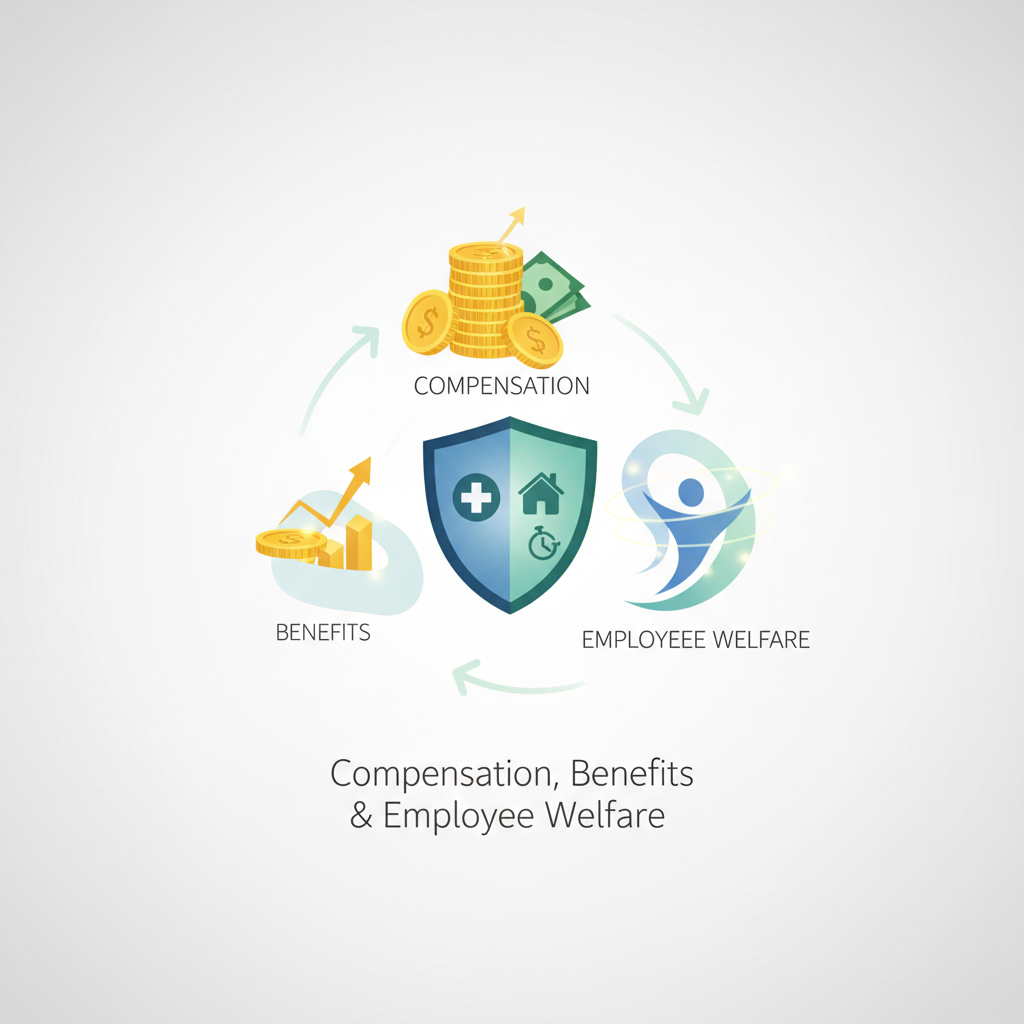
Compensation, Benefits & Employee Welfare
The vibrant and rapidly expanding film industry in Singapore, a key component of the nation’s creative economy, relies heavily on a robust human resources framework to attract, retain, and motivate its diverse talent pool. This section offers an in-depth examination of the salary structures, comprehensive employee benefits, and crucial welfare programs specifically tailored for film professionals in Singapore. Understanding these elements is vital for any HR report of Films field in singapore, providing insights into the industry’s commitment to fair compensation and employee well-being, directly impacting talent acquisition and retention within the sector.
1. Industry Salary Benchmarks & Ranges
Salaries within Singapore’s film sector exhibit significant variability, influenced by factors such as role, experience level, production type (feature films, commercials, animation, documentary), company size, and specific skill sets. Entry-level positions, such as production assistants, junior editors, or assistant camera operators, might see starting salaries ranging from S$2,500 to S$3,500 per month. Mid-career professionals, including experienced cinematographers, sound designers, senior editors, or production managers, can expect to earn between S$4,500 and S$8,000 monthly. Highly specialized roles or senior management positions like executive producers, directors, or VFX supervisors, particularly those with international experience or a proven track record, command significantly higher film industry salaries Singapore, potentially exceeding S$10,000 to S$15,000 per month, or even more on a project basis. Freelancers, a substantial portion of the creative workforce, often negotiate rates based on project scope and duration, which can sometimes surpass permanent employee compensation for high-demand skills but lack the stability of fixed salaries and benefits. Benchmarking against broader media compensation Singapore trends, the film industry often aligns closely, though specific technical and creative roles can sometimes command a premium due to scarcity of talent. For a deeper dive into general employment trends and wages in the nation, authoritative data on government platforms can be found, providing context to the specific remuneration scales observed here.
2. Comprehensive Employee Benefits Packages
Beyond base salaries, employee benefits film Singapore companies offer play a crucial role in attracting and retaining talent. Standard benefits typically include health insurance, covering medical consultations, hospitalization, and sometimes dental or optical care. Progressive companies often provide enhanced group insurance policies. Leave provisions adhere to Singapore’s Ministry of Manpower guidelines, encompassing annual leave, sick leave, compassionate leave, and parental leave. CPF (Central Provident Fund) contributions are mandatory for Singaporean citizens and Permanent Residents, ensuring a robust retirement and healthcare savings scheme. However, given the project-based nature of much of the film work, especially for freelancer benefits Singapore film professionals, comprehensive benefit packages may vary. Larger production houses and studios are more likely to offer extensive packages, including professional development opportunities, training budgets for new technologies or skills, and sometimes performance-based bonuses. Some even extend perks like transport allowances, meal subsidies during long shoots, or subscriptions to industry publications and software. These benefits are increasingly important as the industry matures, recognizing that Singapore film sector HR strategies must go beyond mere wages to foster long-term loyalty and job satisfaction in a competitive landscape.
3. Mental Health & Well-being Initiatives
The demanding nature of film production, characterized by long hours, tight deadlines, intense creative pressure, and often irregular work schedules, can take a significant toll on mental health. Recognizing this, an increasing number of film companies in Singapore are prioritizing welfare programs media Singapore professionals can benefit from, with a strong focus on mental health support. Mental health support creative industry initiatives include access to confidential counseling services, employee assistance programs (EAPs) providing psychological support and financial advice, and workshops on stress management, resilience, and work-life balance. Some studios are implementing policies to encourage regular breaks, limit consecutive working hours, and promote a healthier work environment. Furthermore, industry associations and government bodies are exploring broader initiatives to provide resources and raise awareness about mental well-being in the creative sector. This proactive approach aims to destigmatize mental health issues and ensure that film professionals, from crew members to directors, have the necessary support systems in place. Such programs are critical for the sustainable growth of the creative industry remuneration and workforce, ensuring a healthy and productive environment for all involved. For more information on general HR best practices and industry insights, you can review detailed reports that cover the broader spectrum of employment within Singapore’s film and media landscape.
Skills Gaps & Future Training Needs
Identifying critical skill shortages within Singapore’s dynamic film workforce is paramount to its sustained growth and international competitiveness. As the global cinematic landscape undergoes rapid transformation, an acute focus on outlining necessary training and development programs is essential to prepare for future industry demands. This HR report of Films field in singapore delves into the evolving skill sets required, emphasizing the urgency for proactive measures to cultivate a resilient and future-ready talent pool.
1. Emerging Technology Skills (e.g., Virtual Production)
The acceleration of technological innovation is reshaping film production workflows globally, and Singapore’s film industry is no exception. While traditional craft skills remain foundational, there is a significant and growing gap in proficiency with emerging technologies. Virtual production, powered by real-time game engines like Unreal Engine and Unity, is quickly becoming a cornerstone of modern filmmaking, offering unprecedented creative control and efficiency. However, a shortage of trained professionals capable of operating these complex systems is apparent. This includes roles such as Virtual Production Supervisors, Real-Time Artists, LED Volume Technicians, and Workflow Integrators who can bridge the gap between traditional filmmaking and high-tech solutions. The demand for expertise in areas like augmented reality (AR), artificial intelligence (AI) for pre-visualization and post-production, advanced data wrangling, and cloud-based collaborative tools is also escalating.
To address this, comprehensive virtual production training programs are crucial. These initiatives must go beyond theoretical knowledge, offering hands-on experience with cutting-edge hardware and software. Such upskilling is vital for upskilling film professionals, ensuring they are equipped to leverage creative technology to its fullest potential. Without focused investment in this area, Singapore risks falling behind competitors who are rapidly integrating these advanced methodologies into their production pipelines. Prioritizing these technical proficiencies will not only enhance the quality and efficiency of local productions but also attract international projects seeking skilled crews.
2. Importance of Soft Skills & Leadership
While technical prowess is indispensable, the effectiveness of a film crew is equally dependent on a robust set of soft skills and strong leadership. The collaborative nature of filmmaking, often under high-pressure deadlines, necessitates excellent communication, adaptability, problem-solving abilities, and emotional intelligence. Currently, there is a recognized need to enhance these interpersonal and cognitive skills across various levels of the film industry Singapore skills landscape. Effective project management, negotiation, and conflict resolution are particularly important in managing large-scale productions involving diverse teams and stakeholders.
Furthermore, leadership capabilities are critical for directors, producers, department heads, and even aspiring team leads. These roles require not just creative vision or technical understanding, but also the ability to inspire, guide, and mentor teams, foster a positive work environment, and make decisive choices under pressure. Dedicated leadership development film programs should focus on strategic thinking, team building, effective delegation, and fostering a culture of innovation. Investing in these ‘human skills’ ensures that projects run smoothly, creativity is maximized, and talent retention is improved. This contributes significantly to overall workforce development media, fostering a more resilient and harmonious professional environment that can navigate complex productions successfully.
3. Government & Industry Training Initiatives
To effectively bridge these identified skill gaps, a concerted effort from both government bodies and industry stakeholders is essential. Singapore’s IMDA (Info-communications Media Development Authority) already plays a pivotal role in nurturing local media talent through various grants and initiatives. However, there is scope for expanding and fine-tuning these programs to address the specific demands of emerging technologies and leadership development. Collaborations between educational institutions (universities, polytechnics), industry associations, and leading production houses are vital to create relevant and dynamic curricula. Practical, industry-led workshops, mentorship programs, and apprenticeships can provide invaluable real-world experience.
Funding mechanisms for continuous learning and professional development, particularly in high-cost areas like virtual production training, should be readily accessible. Initiatives for media training Singapore must also focus on future-proofing the workforce, encouraging professionals to embrace lifelong learning in areas such as digital content creation, interactive media, and data analytics relevant to audience engagement. Regular industry surveys and consultations, akin to this HR report of Films field in singapore, can help pinpoint evolving needs and ensure that training provisions remain aligned with the fast-paced advancements in film technology and production methodologies. By fostering a strong ecosystem of continuous learning, Singapore can cement its position as a hub for creative and technically advanced film production in Asia.
The Impact of Technology & Future Trends
Singapore’s vibrant film sector, while renowned for its creativity and storytelling, is not immune to the seismic shifts brought about by rapid technological advancements and evolving global and local trends. These forces are profoundly reshaping HR practices and workforce requirements, demanding a forward-thinking approach from industry stakeholders. Understanding these dynamics is crucial for any comprehensive HR report of Films field in singapore, as they dictate everything from talent acquisition strategies to employee development and retention. The future of film production in the Lion City hinges on its ability to adapt to these changes, embracing innovation while nurturing its human capital.

The technological revolution, particularly in artificial intelligence and automation, is redefining roles and workflows. Simultaneously, the global push towards flexible work arrangements and the burgeoning gig economy are transforming how talent is sourced and managed. Furthermore, a heightened awareness of social responsibility is placing Diversity, Equity, and Inclusion (DEI) at the forefront of HR agendas. These interconnected trends present both challenges and opportunities for Singapore’s film industry, necessitating strategic HR interventions to remain competitive and foster a thriving creative environment.
1. AI and Automation in Production Workflows
The integration of Artificial intelligence (AI) and automation is no longer a futuristic concept but a present reality in film production. From pre-production through post-production, AI-powered tools are streamlining tasks, enhancing efficiency, and even creating new creative possibilities. AI can assist with script analysis, character generation, virtual set design, motion capture processing, automated editing, sound mixing, and even deepfake technology for visual effects. For instance, AI algorithms can analyze vast datasets to predict box office success, optimize shooting schedules, or generate realistic digital doubles.
This technological shift implies a significant transformation in traditional roles. While some manual, repetitive tasks may be automated, there’s a surge in demand for professionals adept at working with AI – AI ethicists, prompt engineers, data scientists for film, and technical artists who bridge the gap between creative vision and AI capabilities. HR departments in Singapore’s film sector must proactively address this evolution. This involves identifying critical new skill sets, establishing robust training and upskilling programs for existing staff (e.g., in AI tools, machine learning fundamentals, and data analytics), and redefining job descriptions to reflect these blended roles. Recruitment strategies will need to target individuals with hybrid skills – a blend of creative artistry and technological proficiency. Furthermore, fostering a culture of continuous learning becomes paramount to ensure the workforce remains adaptable and relevant in an increasingly AI-driven production landscape.
2. Remote Work & The Gig Economy in Film
The global pandemic accelerated the adoption of remote and hybrid work models, and the film industry, traditionally reliant on on-set collaboration, has had to adapt. Singapore’s film sector is increasingly leveraging remote work for various post-production tasks, animation, VFX, sound design, and even pre-production planning. This shift is closely intertwined with the rise of the gig economy, where freelance professionals and project-based contracts are becoming the norm. The availability of high-speed internet and sophisticated collaborative tools allows filmmakers to tap into a global talent pool, transcending geographical boundaries. This means a director in Singapore can seamlessly collaborate with a VFX artist in London or a sound designer in Los Angeles.
For HR, this presents a new set of challenges and opportunities. Managing a dispersed workforce requires robust digital infrastructure, secure data sharing protocols, and innovative engagement strategies to maintain team cohesion and company culture. The growing reliance on independent contractors and freelancers necessitates specialized HR expertise in contract management, legal compliance across different jurisdictions, and fair compensation models. Attracting top-tier global gig talent involves showcasing Singapore as an attractive hub for creative professionals, offering competitive rates, and ensuring a smooth onboarding experience for temporary staff. This trend also impacts employee benefits, social security, and professional development opportunities, requiring HR to rethink traditional employment frameworks to accommodate a more fluid workforce.
3. Diversity, Equity & Inclusion (DEI) Trends
The global conversation around Diversity, Equity, and Inclusion has gained significant momentum across all industries, and the film sector is no exception. There’s a growing recognition that diverse teams not only reflect society more accurately but also drive greater creativity, innovation, and ultimately, better storytelling. Singapore, a multicultural society, is well-positioned to champion DEI within its film industry. This trend encompasses various dimensions: gender parity, ethnic representation, inclusion of persons with disabilities, LGBTQ+ representation, and socioeconomic diversity both on-screen and behind the camera. For example, recent industry reports highlight the economic and creative benefits of diverse leadership. According to a McKinsey report on diversity wins, companies in the top quartile for gender diversity on executive teams were 25% more likely to have above-average profitability than companies in the fourth quartile.
HR departments are at the forefront of implementing DEI initiatives. This includes reviewing recruitment processes to eliminate unconscious bias, setting clear diversity targets, developing inclusive workplace policies (e.g., flexible work arrangements, parental leave, anti-harassment policies), and fostering an equitable culture where all voices are heard and valued. Training programs on unconscious bias, cultural competency, and inclusive leadership are becoming essential. Furthermore, HR plays a pivotal role in ensuring pay equity and creating clear pathways for career progression for underrepresented groups. By embracing DEI, Singapore’s film sector can not only enrich its creative output but also attract and retain a broader, more talented pool of individuals, strengthening its global appeal and social relevance.
Partner with Shelby Global
You are looking for reliable HR Sevice Suppliers? Contact Shelby Global Now! To connect with verified talents and upgrade your orginization.
—————————————
References
– workforce demographics: https://www.imda.gov.sg/about-imda/Our-Commitment/Growing-the-Industry-and-Talent
– IMDA industry development: https://www.imda.gov.sg/industry-development
– authoritative data on government platforms: https://www.mom.gov.sg/
– Singapore’s media talent development initiatives: https://www.imda.gov.sg/industry-development/Talent-and-Capabilities
– McKinsey report on diversity wins: https://www.mckinsey.com/capabilities/people-and-organizational-performance/our-insights/diversity-wins-how-inclusion-matters