
Current Landscape & Key Trends in Malaysian Finance HR (2026)
Malaysia’s financial sector continues to be a cornerstone of its economy, demonstrating remarkable resilience and dynamism. As the industry navigates global economic shifts, rapid technological advancements, and evolving customer expectations, the role of Human Resources (HR) has become more pivotal than ever. In 2026, the HR function within Malaysian finance is not merely administrative; it’s a strategic partner driving talent acquisition, development, and retention amidst unprecedented change. This detailed HR report of finance field in Malaysia delves into the prevailing trends and significant shifts shaping human capital strategies in this vital sector.
1. Overview of Malaysia’s Financial Sector Growth & HR Implications
The Malaysian financial sector is projected for sustained growth, underpinned by robust regulatory frameworks, a thriving Islamic finance ecosystem, and an aggressive push towards digitalization. This expansion, particularly in areas like fintech, digital banking, and sustainable finance, creates a significant demand for specialized skills. HR departments are challenged with attracting and retaining top talent in a competitive landscape. The rise of digital-only banks and fintech startups has intensified the war for talent, requiring traditional financial institutions to re-evaluate their employer branding and compensation strategies.
The focus has shifted from conventional banking roles to expertise in data analytics, cybersecurity, AI/machine learning, cloud computing, and user experience (UX) design. This seismic shift necessitates proactive workforce planning and substantial investment in upskilling and reskilling existing employees to bridge critical skill gaps. Talent pipelines are no longer sufficient if they only focus on traditional finance graduates; they must now embrace a multidisciplinary approach, drawing from technology, engineering, and even humanities backgrounds to foster innovation and diversity of thought.

2. Emerging HR Digitalization Trends & Adoption Rates
Digital transformation is sweeping through HR departments in Malaysian finance, with adoption rates accelerating significantly post-pandemic. Financial institutions are leveraging advanced HR technologies to streamline operations, enhance employee experience, and gain strategic insights. Cloud-based Human Capital Management (HCM) systems, AI-powered recruitment tools, and sophisticated analytics platforms are becoming commonplace. These tools enable HR teams to automate routine tasks, from payroll processing to onboarding, freeing up time for more strategic initiatives like talent development and culture building.
The adoption of AI in recruitment, for instance, allows for faster candidate screening and bias reduction, while predictive analytics helps identify flight risks and optimize talent deployment. Employee self-service portals and mobile HR applications are also gaining traction, empowering employees with greater control over their HR-related tasks and information. Furthermore, data-driven HR is enabling more personalized employee experiences, from customized learning paths to tailored wellness programs. The emphasis is on creating a seamless, intuitive, and engaging digital journey for employees throughout their lifecycle. A recent report highlights how digital transformation is reshaping financial services across ASEAN, including a significant impact on workforce structures and HR strategies in Malaysia.
3. Impact of Economic Shifts on Workforce Dynamics & Planning
Global and regional economic shifts exert a profound influence on workforce dynamics and strategic HR planning within Malaysia’s financial sector. Factors such as inflation rates, interest rate adjustments, geopolitical uncertainties, and evolving trade policies directly impact business growth, mergers and acquisitions, and ultimately, employment levels. HR departments are increasingly tasked with agile workforce planning, scenario modeling, and contingency strategies to navigate these volatile conditions. This includes managing potential restructuring, optimizing headcount, and reallocating resources to areas of strategic importance.
The economic landscape also influences compensation and benefits strategies. With rising cost of living, attracting and retaining talent requires a competitive total rewards package that goes beyond basic salary, encompassing comprehensive health benefits, flexible work arrangements, and opportunities for professional growth. Furthermore, the push for environmental, social, and governance (ESG) factors is reshaping workforce values, with a growing demand for roles focused on sustainability, ethical finance, and social impact. HR must integrate these evolving expectations into their talent management frameworks, ensuring that the financial sector workforce is not only skilled but also aligned with broader societal values and economic realities. Strategic HR planning in 2026 is therefore a delicate balance of economic foresight, technological adoption, and people-centric innovation, all critical for the sustained success of Malaysian finance.
Navigating Talent Acquisition & Retention Challenges
Malaysia’s finance industry is a dynamic and pivotal sector within the nation’s economy, yet it faces significant headwinds in attracting and retaining top talent. The competitive landscape, compounded by rapid technological advancements and evolving global financial standards, presents unique challenges for HR professionals. A comprehensive HR report of finance field in Malaysia would highlight the urgency for strategic interventions to address critical skills gaps and adapt to shifting market demands. As financial institutions undergo digital transformations and expand into new service areas, the need for specialized expertise intensifies, creating a highly competitive talent market in Malaysia.
1. Critical Skills Gap Analysis in Finance Roles
A key hurdle for the Malaysian finance sector is the persistent and evolving skills gap. Traditionally, the industry sought strong foundational knowledge in accounting, economics, and financial analysis. While these remain crucial, the digital age demands a new breed of capabilities. There’s a pronounced finance industry skills gap in Malaysia particularly in areas such as data analytics, artificial intelligence (AI), machine learning, cybersecurity, and environmental, social, and governance (ESG) reporting. Professionals skilled in these domains are scarce, yet vital for risk management, regulatory compliance, and driving innovation. Furthermore, the push for digital transformation in finance requires not just technical prowess but also strong change management, agile methodologies, and design thinking skills. Many existing professionals may lack these modern competencies, necessitating significant investment in upskilling and reskilling finance professionals. This disparity between available talent and the competencies required by the evolving Malaysian finance market demands creates a bottleneck for growth and innovation.
2. Strategies for Attracting & Engaging Millennial & Gen Z Talent
To secure a sustainable talent pipeline, HR professionals must recalibrate their HR strategies in finance in Malaysia to resonate with the expectations of Millennial and Gen Z talent. These generations, who now form a significant portion of the workforce, prioritize purpose-driven work, continuous learning, career development, and work-life balance over traditional incentives alone. Financial institutions must move beyond offering competitive compensation and benefits; they need to cultivate vibrant workplace cultures that foster innovation, provide clear career progression paths, and offer opportunities for impactful work. Robust learning and development programs, mentorship schemes, and exposure to cutting-edge technologies are crucial for attracting and engaging Millennial and Gen Z finance talent. Emphasizing corporate social responsibility (CSR) initiatives and creating flexible work arrangements can also significantly boost employer branding, making these roles more appealing to a generation that values social impact and personal well-being. Employee engagement in the finance sector must be holistic, addressing both professional growth and personal fulfillment.
3. Combatting Brain Drain in Specialized Financial Areas
A critical long-term challenge is the phenomenon of brain drain, particularly in highly specialized financial areas. Malaysia’s brightest and most experienced professionals in fields like investment banking, actuarial science, fintech, and advanced risk management are often lured by opportunities abroad, seeking higher salaries, greater global exposure, and more advanced career prospects. This brain drain in Malaysia’s finance sector depletes the local talent pool, hindering the nation’s aspiration to become a regional financial hub. To combat this, comprehensive talent retention strategies are essential. These include benchmarking compensation and benefits packages against international standards, offering challenging and innovative projects that provide global exposure locally, and fostering a culture of continuous learning and growth. Developing strong leadership pipelines and succession planning can also empower local talent, demonstrating a clear path for advancement within Malaysian institutions. According to the Hays Asia Salary Guide & Insights 2024, a focus on continuous upskilling, attractive benefits, and a supportive work environment are critical for retaining top professionals in a highly competitive market, especially in rapidly evolving sectors like finance. Investing in cutting-edge infrastructure and technology, coupled with a commitment to professional development, can make Malaysian financial institutions more attractive and reduce the incentive for top talent to seek opportunities elsewhere, thus strengthening talent retention challenges in Malaysia.
Addressing these talent acquisition and retention challenges requires a multi-faceted approach. HR leaders in Malaysia’s finance industry must collaborate with educational institutions, leverage technology for talent management, and advocate for policies that support a robust and competitive workforce. By proactively tackling skills gaps, understanding generational expectations, and strategically combatting brain drain, Malaysia can secure its position as a leading financial market in the region, ensuring a prosperous future for its finance sector.
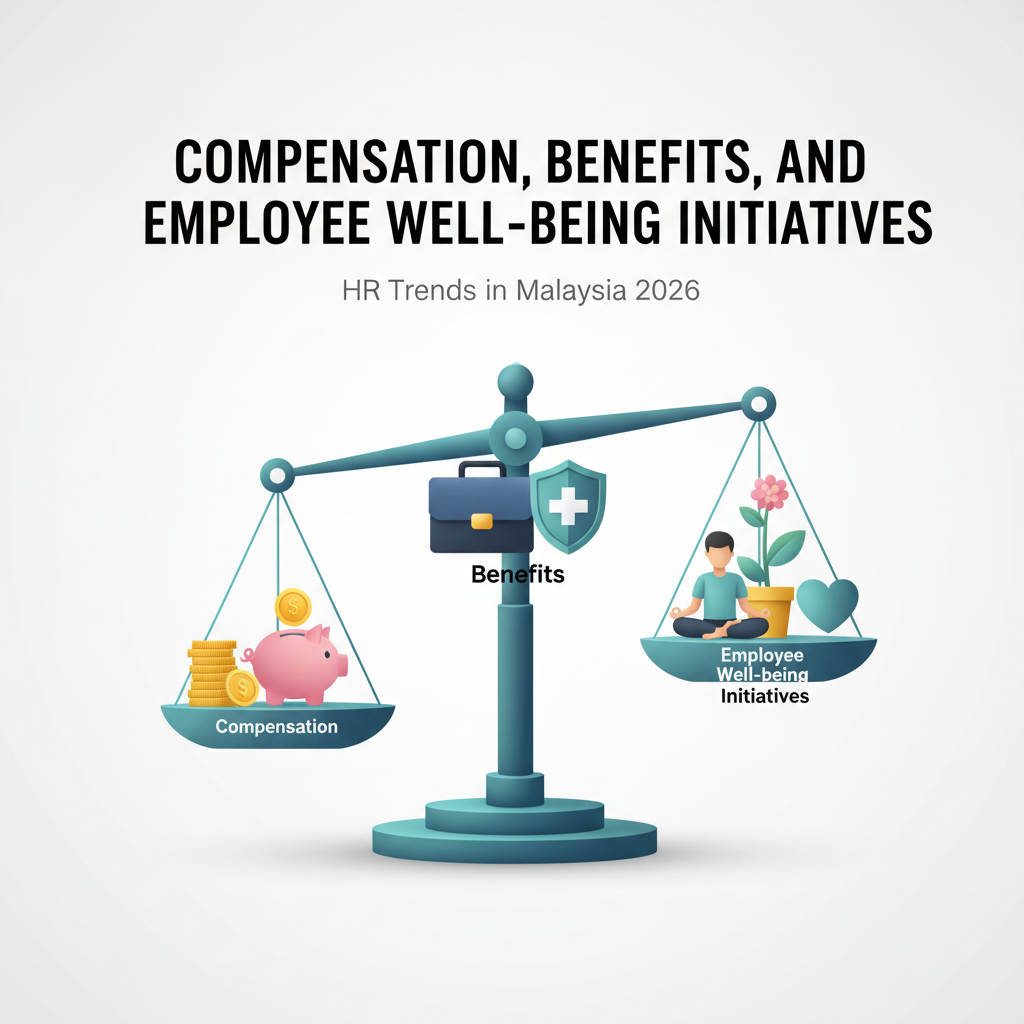
Compensation, Benefits, and Employee Well-being Initiatives
The financial sector in Malaysia is dynamic, characterized by rapid digital transformation, evolving regulatory landscapes, and an intense competition for top talent. In this environment, a comprehensive understanding of compensation, benefits, and employee well-being initiatives is crucial for firms aiming to attract, retain, and engage their workforce effectively. This section of our HR report of finance field in Malaysia delves into current remuneration practices, the shifting expectations around employee benefits, and the increasing strategic focus on holistic well-being and mental health support within these firms.
1. Competitive Salary Benchmarking for Key Finance Positions
Attracting and retaining high-calibre professionals in Malaysia’s competitive financial services sector hinges significantly on offering remuneration packages that are not just attractive but also benchmarked against industry standards. For critical roles such as investment bankers, financial analysts, risk managers, compliance officers, and fintech specialists, firms must conduct regular salary reviews. This involves leveraging comprehensive market data from reputable consultancies to ensure base salaries, performance bonuses, and equity incentives remain competitive. The ongoing demand for specialized skills in areas like cybersecurity, data analytics, and sustainable finance means that talent with these proficiencies can command premium salaries. Companies that fail to monitor and adjust their compensation structures risk losing their most valuable assets to rivals or even to other industries offering better pay and benefits. Effective salary benchmarking is not merely about matching competitors; it’s about strategically positioning the firm as a preferred employer, fostering loyalty, and minimizing turnover rates in a highly dynamic job market.
2. Designing Attractive Benefits Packages Beyond Basic Remuneration
While competitive salaries are foundational, a truly compelling employee value proposition (EVP) in the Malaysian finance industry extends far beyond basic remuneration. Modern employees, particularly the younger generations, are looking for comprehensive benefits packages that address their diverse needs and aspirations. This includes robust health and wellness programs, covering medical, dental, and vision, along with critical illness coverage. Retirement savings schemes, often supplementing the mandatory Employees Provident Fund (EPF), are also highly valued. Furthermore, benefits like flexible working arrangements (e.g., hybrid models, compressed workweeks), generous parental leave, and professional development opportunities (certifications, upskilling courses in AI, blockchain, etc.) are becoming increasingly pivotal. Education subsidies, housing assistance, and even employee share schemes contribute significantly to a holistic package. Designing these benefits thoughtfully demonstrates a firm’s commitment to its employees’ long-term financial security, personal growth, and work-life harmony, thereby enhancing overall employee engagement and retention.
3. Promoting Mental Health & Work-Life Balance Programs
The high-pressure environment of the finance sector, coupled with demanding workloads and tight deadlines, underscores the critical need for robust mental health and work-life balance initiatives. Malaysian finance firms are increasingly recognizing that neglecting employee well-being can lead to burnout, decreased productivity, and higher attrition. Progressive firms are implementing Employee Assistance Programs (EAPs) that offer confidential counselling and support services. Beyond EAPs, initiatives include promoting stress management workshops, mindfulness programs, and fostering a culture that encourages employees to take regular breaks and utilize their leave entitlements. Flexible working arrangements, including remote and hybrid options, play a significant role in improving work-life integration. Leadership training also focuses on equipping managers to identify signs of stress and provide empathetic support. By prioritizing employee well-being and promoting a supportive culture, finance firms can cultivate a healthier, more resilient workforce, ultimately driving sustained performance and innovation in the competitive market.
HR Technology & Digital Transformation in Finance
The Malaysian financial sector, a cornerstone of the nation’s economy, is undergoing a profound transformation driven by rapid technological advancements. This digital wave is not confined to front-office operations or customer interfaces; it is fundamentally reshaping the Human Resources (HR) function, pushing it towards greater efficiency, strategic relevance, and data-driven decision-making. As financial institutions navigate complex regulatory landscapes and intensified competition, the adoption of sophisticated HR technology and a holistic digital transformation approach has become imperative. This shift is critical for attracting and retaining top talent, enhancing workforce productivity, and ensuring agile responses to market dynamics, ultimately influencing every HR report of finance field in malaysia.
1. Adoption Rates of HRIS and Advanced Analytics Platforms
The journey towards digital HR in Malaysian finance prominently features the increasing HR technology adoption Malaysia of Human Resources Information Systems (HRIS) and advanced analytics platforms. Traditionally, HR operations relied on disparate systems and manual processes, leading to inefficiencies and limited insights. Today, a growing number of financial institutions Malaysia are investing in integrated HRIS solutions that consolidate various functions such as payroll, benefits administration, employee data management, and time tracking. This strategic investment aims to streamline administrative tasks, reduce operational costs, and ensure compliance with local labor laws and financial regulations.
Beyond basic HRIS, there’s a discernible shift towards advanced HR analytics Malaysia finance platforms. These tools leverage big data to provide actionable insights into workforce trends, talent retention, recruitment effectiveness, and employee performance. By analyzing metrics like employee turnover rates, training efficacy, and compensation benchmarks, HR departments can transition from reactive to proactive strategies. This move empowers them to make data-driven HR strategies Malaysia, optimize resource allocation, and forecast future talent needs with greater accuracy. While the HRIS implementation financial institutions often begins with core functionalities, the long-term vision is to harness predictive analytics for more strategic workforce planning technology and talent management.
2. Leveraging AI and Automation in HR Processes & Operations
Artificial Intelligence (AI) and automation are rapidly revolutionizing HR processes and operations within the Malaysian financial sector, driving significant gains in efficiency and employee experience. From the initial stages of talent acquisition technology finance Malaysia to ongoing performance management systems Malaysia, AI-powered tools are transforming how financial institutions identify, hire, and develop their workforce. For instance, AI algorithms are being deployed in candidate screening to identify the most suitable applicants based on skills, experience, and cultural fit, significantly reducing the time-to-hire and enhancing recruitment quality. Chatbots are also improving the employee experience platforms Malaysia by providing instant answers to HR-related queries, freeing up HR staff for more complex, strategic tasks.
Furthermore, HR automation financial sector is streamlining routine administrative processes such as payroll processing, onboarding, and benefits enrollment. Robotic Process Automation (RPA) tools handle repetitive, rule-based tasks with high accuracy, minimizing errors and ensuring regulatory compliance HR solutions finance. The integration of AI in HR Malaysia banking extends to personalized learning and development pathways, recommending relevant training modules based on an employee’s career aspirations and performance gaps. This technological leap enables HR teams to focus on strategic initiatives like talent development and organizational culture, moving beyond transactional responsibilities to drive impactful next-generation HR strategies and foster a more engaged and productive workforce, marking a significant step in digital HR transformation finance Malaysia.
3. Upskilling HR Teams for Digital Proficiency and Data-Driven Decisions
The successful adoption and utilization of advanced HR technology hinge on the digital proficiency and strategic capabilities of HR professionals themselves. As the HR landscape transforms, there is an urgent need for HR upskilling finance professionals in Malaysia to equip them with the necessary skills to navigate this evolving environment. This includes developing expertise in data analytics, digital literacy, HR technology platforms, and change management. HR teams are increasingly expected to not only manage systems but also interpret complex data, identify trends, and translate insights into actionable data-driven HR strategies Malaysia that align with business objectives.
Malaysian financial institutions are investing in comprehensive training programs to enhance the HR digital literacy of their HR personnel. These initiatives often focus on analytical tools, understanding AI applications, cybersecurity awareness in HR data management, and mastering new digital talent management Malaysia systems. The goal is to empower HR professionals to become strategic partners to the business, capable of advising on workforce planning, talent development, and organizational design based on concrete data. This strategic imperative is transforming HR from a support function into a vital engine for growth and innovation, embracing HR innovation banking Malaysia and ensuring that the future of HR in Malaysian finance is defined by agility, intelligence, and a strong strategic outlook. Embracing these changes is essential for sustainable strategic HR transformation Malaysia within the dynamic financial sector.
The ongoing HR tech trends Malaysia indicate a clear trajectory towards fully integrated, intelligent HR ecosystems within the financial services industry. As Malaysian financial institutions continue their digital HR transformation finance Malaysia journey, the strategic integration of HR technology will not only optimize operational efficiencies but also elevate the role of HR as a critical driver of business success, ensuring a competitive edge in the global market.
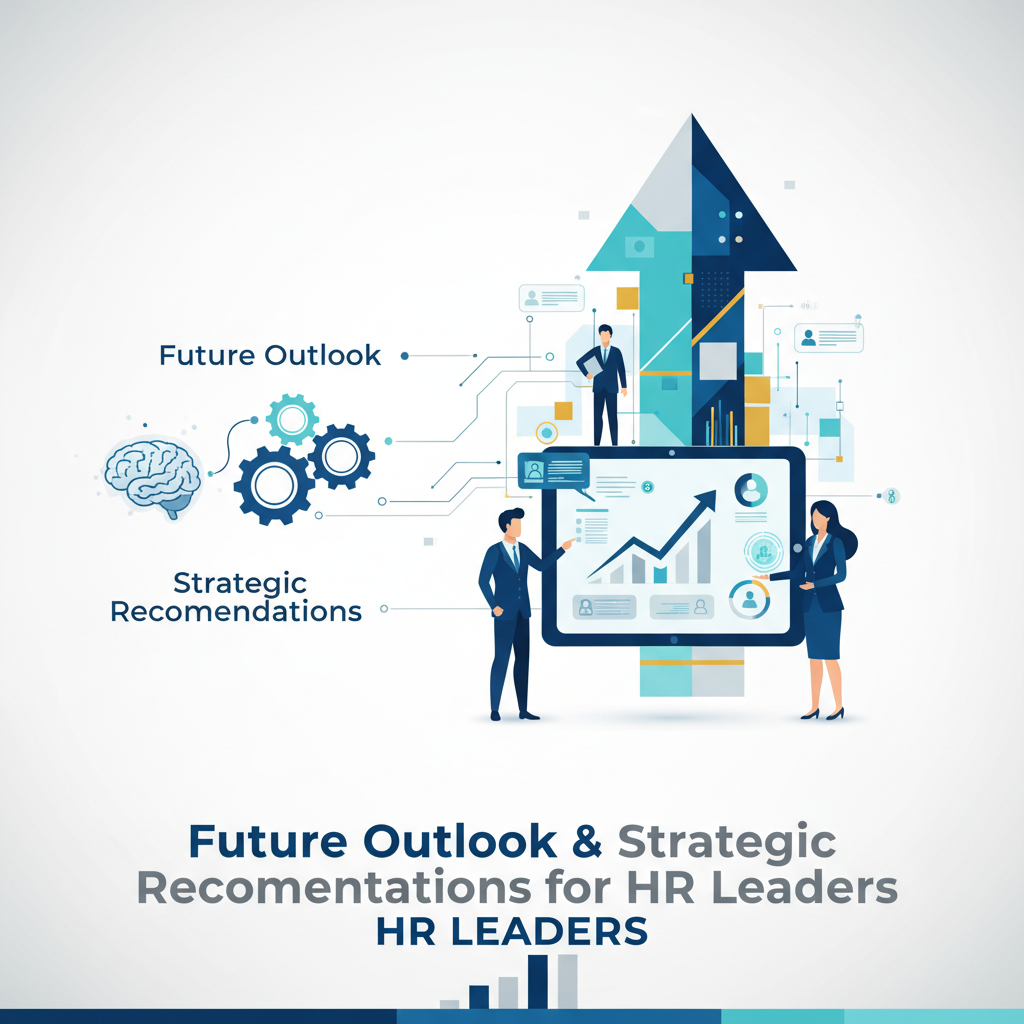
Future Outlook & Strategic Recommendations for HR Leaders
The Malaysian finance industry stands at the precipice of significant transformation, driven by rapid technological advancements, evolving customer expectations, and a dynamic regulatory landscape. For HR leaders, this presents both unprecedented challenges and unparalleled opportunities to redefine their strategic impact. This section provides forward-looking insights and actionable strategies, drawing from key findings in the HR report of finance field in Malaysia, to equip HR leaders to prepare for the evolving demands and capitalize on emerging opportunities within this critical sector.
-
Preparing for Future Workforce Demands and Regulatory Changes
The finance sector in Malaysia is undergoing a profound digital transformation, necessitating a strategic overhaul of workforce capabilities. HR leaders must proactively identify and address critical skills gaps, particularly in areas like data analytics, artificial intelligence (AI), machine learning, cybersecurity, and digital product development. Strategic workforce planning becomes paramount, moving beyond traditional headcount management to focus on future-ready roles and competencies. This involves analyzing current talent pools against projected needs, implementing robust talent acquisition strategies for niche skills, and fostering an environment that encourages internal mobility and skill adjacencies. Furthermore, the increasing complexity of financial regulations, including environmental, social, and governance (ESG) factors, requires HR to ensure compliance training is current and comprehensive. HR’s role extends to embedding a culture of ethical conduct and risk awareness, collaborating closely with legal and compliance departments to mitigate organizational exposure. Understanding the nuanced insights from an HR report of finance field in malaysia is crucial for tailoring these preparations effectively, ensuring that talent strategies align with industry-specific challenges and opportunities.
-
Fostering a Culture of Continuous Learning & Professional Development
In a rapidly evolving financial landscape, the half-life of skills is shrinking, making continuous learning not just beneficial but imperative for survival and growth. HR leaders must champion a pervasive culture of lifelong learning, moving away from episodic training to integrated, on-demand learning experiences. This includes investing in platforms for upskilling and reskilling initiatives focused on digital literacy, advanced analytical tools, and human-centric skills like critical thinking, problem-solving, and emotional intelligence. Personalized learning paths, leveraging AI and adaptive technologies, can cater to individual employee needs and career aspirations, enhancing engagement and retention. Partnerships with educational institutions and industry experts can provide access to specialized programs and certifications relevant to emerging financial technologies and practices. According to a World Economic Forum report, 44% of workers’ core skills are expected to change in the next five years, underscoring the urgency for proactive learning strategies within the finance field. HR’s strategic role here is to design learning ecosystems that are accessible, relevant, and intrinsically linked to both individual career progression and the organization’s strategic objectives.
-
HR’s Strategic Role in Driving Business Agility & Innovation
HR is no longer a purely administrative function but a critical strategic partner in driving organizational agility and fostering a culture of innovation within the Malaysian finance sector. This involves redesigning organizational structures to be flatter, more collaborative, and responsive to market changes. HR leaders can facilitate the adoption of agile methodologies, empowering cross-functional teams and promoting a mindset of rapid experimentation and continuous improvement. Strategic talent management extends to creating pathways for internal talent mobility, enabling employees to gain diverse experiences and contribute across different business units. Furthermore, HR must champion diversity, equity, and inclusion (DE&I) initiatives, recognizing that diverse perspectives are a cornerstone of innovation and resilience. By cultivating an inclusive environment where psychological safety is prioritized, HR enables employees to voice new ideas, challenge the status quo, and contribute to groundbreaking solutions. Ultimately, HR’s strategic influence will determine the finance industry’s ability to adapt swiftly to disruptions, innovate new products and services, and maintain a competitive edge in the evolving global market.
Partner with Shelby Global
You are looking for reliable HR Sevice Suppliers? Contact Shelby Global Now! To connect with verified talents and upgrade your orginization.
—————————————
References
– EY: How the future of financial services in ASEAN is being shaped: https://www.ey.com/en_my/financial-services/how-the-future-of-financial-services-in-asean-is-being-shaped
– Hays Asia Salary Guide & Insights 2024: https://www.hays.com.my/en/salary-guide/asia-salary-guide-2024
– :
– next-generation HR strategies: https://www.ey.com/en_uk/financial-services/how-the-next-generation-of-hr-will-bring-human-at-the-core
– World Economic Forum: Future of Jobs Report 2023: https://www.weforum.org/agenda/2023/05/future-of-jobs-2023-reskilling-and-upskilling-report/