Unpacking Singapore’s Finance HR Landscape
Singapore, a bustling economic powerhouse, has solidified its position as a leading global financial hub, attracting significant foreign investment and fostering a dynamic ecosystem for financial services. This robust growth, however, brings forth a unique set of challenges and opportunities for Human Resources (HR) professionals operating within the sector. Understanding the intricate demands of this environment is crucial for any organization aiming to thrive. This section sets the stage by introducing the current state and unique challenges of HR within Singapore’s dynamic financial sector, highlighting its global significance and laying the groundwork for a comprehensive HR report of finance field in singapore.

1. Overview of Singapore’s Financial Services Sector Growth
Singapore’s financial services sector has experienced remarkable growth over the past few decades, evolving into a sophisticated and globally interconnected ecosystem. Driven by strategic governmental support, a stable regulatory environment, and its prime geographical location, Singapore serves as a critical gateway to Asia’s burgeoning markets. This expansion spans traditional banking, asset management, insurance, and increasingly, FinTech and green finance. The sector’s continuous expansion creates an ever-present demand for specialized talent, dictating significant financial sector HR trends. The influx of global institutions alongside local enterprises fuels an intense competition for skilled professionals, making talent acquisition finance Singapore a paramount concern for HR departments. As the sector diversifies and matures, HR strategies must adapt to support this rapid evolution, focusing not just on recruitment but also on developing internal capabilities to meet future demands.
2. Unique HR Challenges in a Global Financial Hub
Operating HR in Singapore’s financial sector presents distinctive challenges that demand innovative solutions. The global nature of the industry means HR teams must navigate a diverse workforce, often comprising employees from various cultural backgrounds and with differing expectations. One of the most pressing issues is talent scarcity and the high cost of living, which impacts compensation benefits finance structures and makes retention strategies finance critical for preventing high turnover. Digital transformation is another powerful force, requiring HR to manage the transition to new technologies, address skill gap finance Singapore, and promote continuous learning. The adoption of HR technology finance is accelerating, moving beyond traditional HRIS to include advanced analytics and AI-driven solutions for recruitment and performance management. Furthermore, fostering a strong culture of diversity inclusion finance is not just a moral imperative but a business necessity in a global talent hub HR like Singapore, enhancing innovation and decision-making. Effective workforce planning finance becomes essential to anticipate future needs and ensure a steady pipeline of qualified professionals amidst these evolving demands.
3. Key Regulatory Influences and Compliance (e.g., MAS)
The Monetary Authority of Singapore (MAS) plays a pivotal role in shaping the operational landscape of the financial sector, and consequently, its HR practices. As Singapore’s central bank and integrated financial supervisor, MAS sets stringent guidelines that impact everything from hiring practices to employee conduct and data privacy. Compliance MAS HR is not merely a formality but a fundamental aspect of risk management and governance for financial institutions. HR departments are responsible for ensuring adherence to these regulations, which often involve detailed background checks, fit and proper assessments, and ongoing training programs to uphold ethical standards and combat financial crime. The regulatory environment also influences broader HR concerns, such as the frameworks for employee engagement finance and performance management, ensuring they align with industry best practices and governance requirements. Moreover, the MAS’s focus on developing a resilient and skilled financial workforce means HR strategies must support initiatives related to upskilling and reskilling to address the future of work finance. This includes leveraging HR analytics finance to track compliance training effectiveness and adapting to new guidelines related to areas like sustainable finance and digital transformation HR finance. Remaining abreast of MAS updates is not just good practice, but a critical component for operational continuity and success in this highly regulated environment. For more detailed insights into Singapore’s financial regulatory framework, the Monetary Authority of Singapore (MAS) website serves as an authoritative resource.
Talent Acquisition & Retention Strategies
In Singapore’s dynamic and highly competitive financial landscape, attracting, recruiting, and retaining top talent is a critical strategic imperative for institutions. This section of our HR report of finance field in singapore delves into the sophisticated strategies financial firms employ to secure the best human capital amidst intense global competition and the continually evolving expectations of the modern workforce. Success in this area is not merely about competitive salaries, but about cultivating an environment that fosters growth, innovation, and long-term commitment, crucial for strong employee retention and overall business success.
1. Current Recruitment Trends and Challenges
The financial sector in Singapore faces a multifaceted set of challenges in its talent acquisition efforts. One of the most prominent recruitment trends is the rapid digital transformation sweeping across the industry, driving demand for specialized skills in areas like FinTech, cybersecurity, artificial intelligence, data analytics, and sustainable finance. This creates a significant skills gap, as traditional banking roles evolve and new ones emerge. Financial institutions are not just competing among themselves but also with tech giants and agile startups for these niche capabilities. The allure of a stable career in finance is increasingly being challenged by the innovative cultures and perceived flexibility offered by tech companies, impacting the availability of top finance jobs Singapore.
Moreover, employee expectations have shifted dramatically. The younger generations entering the workforce, particularly Millennials and Gen Z, prioritize work-life balance, purpose-driven work, and flexible work arrangements far more than previous generations. A purely hierarchical structure with rigid working hours is less appealing. The talent acquisition process must therefore emphasize not just the job role, but also the overall employee experience, company culture, and opportunities for continuous learning and career development. Singapore’s robust financial sector, while offering many opportunities, also faces pressure to adapt its recruitment strategies to meet these evolving demands, ensuring a steady pipeline of highly skilled professionals.
2. Effective Employee Retention Programs and Initiatives
Once top talent is acquired, the challenge shifts to effective employee retention. Financial institutions in Singapore are investing heavily in comprehensive programs designed to keep their best people engaged and committed. Beyond competitive compensation & benefits packages, key initiatives include robust learning & development programs that focus on upskilling and reskilling employees in areas crucial for the future of finance. This continuous professional development ensures employees remain relevant and feel valued, preventing them from seeking opportunities elsewhere due to a perceived lack of growth and career progression paths.
Many firms have also introduced enhanced employee well-being programs, including mental health support, stress management initiatives, and flexible working options like hybrid models, recognizing the importance of holistic well-being. Furthermore, a strong emphasis on Diversity, Equity, and Inclusion (DEI) initiatives is proving critical. Creating an inclusive environment where all employees feel respected and have equal opportunities for advancement not only strengthens company culture but also significantly boosts employee loyalty. Recognition and reward systems that acknowledge exceptional performance and contributions also play a pivotal role in retaining key talent within the financial sector HR landscape, addressing the evolving needs of the workforce.
3. Leveraging Employer Branding in Finance
In a tight talent market, a compelling employer brand is indispensable. Employer branding in finance goes beyond recruitment advertising; it’s about consistently communicating what makes a financial institution a great place to work, both internally and externally. This involves showcasing a company culture that aligns with modern values, such as innovation, sustainability, and social responsibility. Top candidates are increasingly scrutinizing potential employers’ values and their commitment to societal impact before making career decisions.
Successful employer branding strategies leverage various channels, including professional networking sites like LinkedIn, career pages, employee testimonials, and corporate social responsibility (CSR) initiatives. Transparency about company values, leadership, and growth opportunities helps to build trust and attract talent who resonate with the institution’s mission. By actively managing their reputation as an employer, financial institutions can differentiate themselves from competitors, attract passive candidates who might not actively be looking for a new role, and foster a sense of pride and belonging among current employees. A strong employer brand ultimately reduces talent acquisition costs and enhances long-term employee retention, forming a crucial pillar of human capital strategy in Singapore’s finance field.
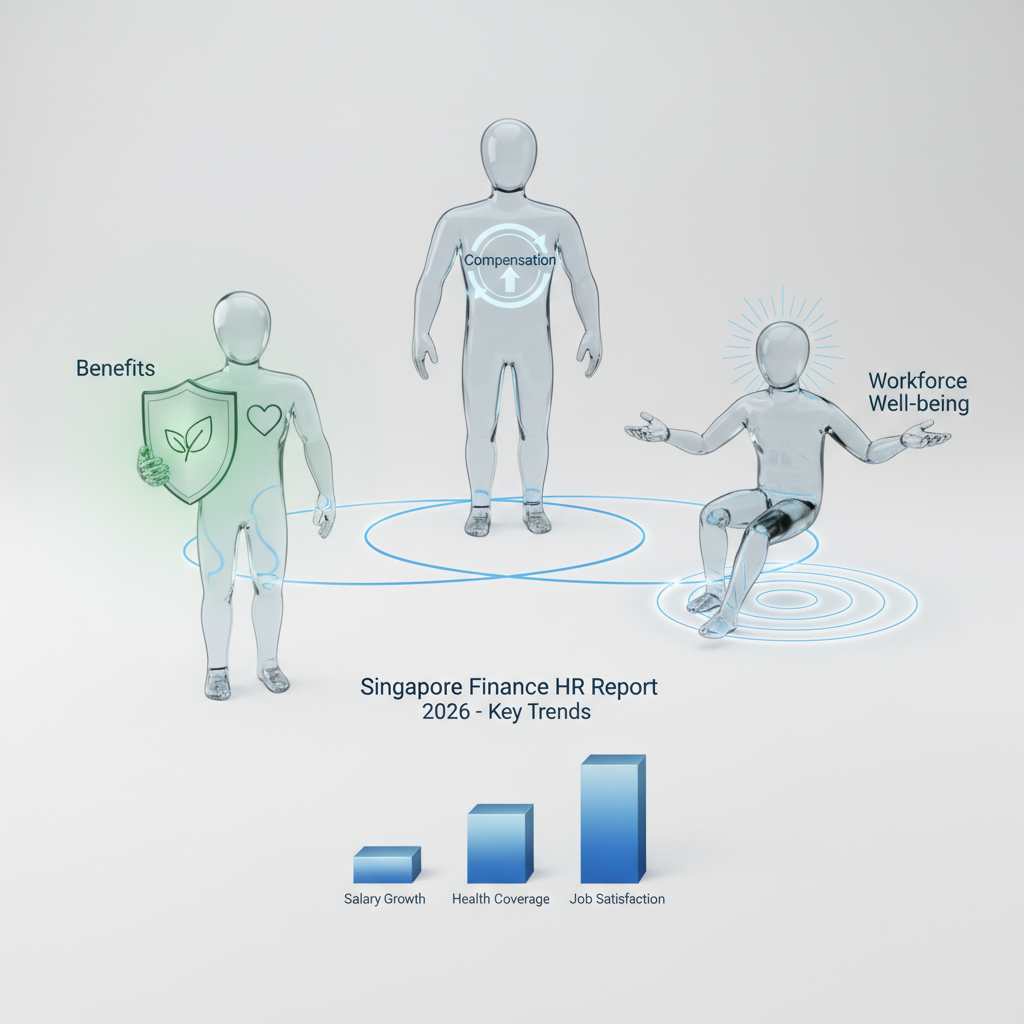
Compensation, Benefits, and Workforce Well-being
Explores the competitive compensation packages, benefits structures, and initiatives aimed at ensuring employee well-being and satisfaction within the financial industry.
The vibrant and highly competitive financial industry in Singapore demands a sophisticated approach to human resources, where attracting, retaining, and nurturing top talent is paramount. A comprehensive HR report of finance field in singapore consistently highlights that robust compensation, innovative benefits, and proactive workforce well-being programs are not merely perks but strategic imperatives for sustained growth and market leadership. In this dynamic landscape, financial institutions are continually refining their strategies to offer a compelling value proposition that resonates with diverse employee expectations and global talent standards.
1. Benchmarking Salary and Bonus Trends in Singapore Finance
The financial services sector in Singapore is characterized by rapid evolution and intense competition for skilled professionals, particularly in specialized areas like FinTech, green finance, and digital banking. To remain attractive, firms must engage in continuous benchmarking salary and bonus trends in Singapore finance. This involves meticulous analysis of market data, industry surveys, and peer comparisons to ensure compensation structures are not only competitive but also fair and transparent. Base salaries for roles ranging from entry-level analysts to senior portfolio managers are constantly reviewed, often influenced by global economic conditions, regional demand for specific skill sets, and the overall performance of the institution.
Beyond base remuneration, performance-based bonuses form a significant component of the total compensation package in Singapore’s financial industry. These bonuses are typically tied to individual performance metrics, departmental achievements, and the overall profitability of the firm. Variable pay structures are designed to incentivize high performance, align employee goals with organizational objectives, and reward exceptional contributions. For a deeper dive into current remuneration benchmarks, the Hays Asia Salary Guide offers invaluable insights into compensation expectations across various financial roles in Singapore, providing a critical resource for HR professionals and industry stakeholders alike. Staying abreast of these trends is crucial for talent acquisition and ensuring retention in a market where skilled professionals are highly sought after.
2. Comprehensive Employee Benefits Packages
While competitive salaries and lucrative bonuses are fundamental, a truly compelling employee value proposition extends to comprehensive benefits packages. In the Singapore financial sector, these packages are increasingly sophisticated, designed to cater to the diverse needs of a multinational workforce. Health and wellness benefits are a cornerstone, often including extensive medical insurance, dental coverage, and preventative health programs. Many firms also offer robust retirement savings plans, ensuring long-term financial security for their employees.
Beyond traditional offerings, progressive financial institutions are incorporating benefits that enhance work-life balance and professional growth. This includes generous leave policies, flexible work arrangements (such as hybrid models and compressed work weeks), and ample opportunities for continuous learning and development. Professional certifications, executive education programs, and internal training initiatives are frequently sponsored to upskill employees and foster career progression. Furthermore, non-monetary benefits like employee assistance programs (EAPs), subsidized gym memberships, and social clubs contribute to a positive work environment and overall job satisfaction. A well-rounded benefits structure is a powerful tool in not only attracting talent but also significantly boosting employee morale and reducing turnover, making it a key component of any effective HR report of finance field in singapore.
3. Mental Health and Wellness Programs for Finance Professionals
The demanding nature of the financial industry, characterized by high stakes, long hours, and constant pressure, makes the provision of robust mental health and wellness programs absolutely essential. Recognizing the unique stressors faced by finance professionals, leading institutions in Singapore are prioritizing initiatives that support employee well-being beyond physical health. These programs often include confidential counselling services, stress management workshops, mindfulness training, and resilience-building seminars. The goal is to create a supportive culture where employees feel comfortable seeking help and where mental health is openly discussed without stigma.
Many financial firms are also investing in resources to promote work-life integration, encouraging employees to maintain healthy boundaries and pursue personal interests. This can manifest through wellness challenges, access to ergonomic assessments for remote work setups, and initiatives promoting digital detox. Creating an inclusive and psychologically safe workplace is not just an ethical responsibility but also a strategic move, as research consistently demonstrates a strong link between employee well-being and productivity, engagement, and innovation. An effective HR report of finance field in singapore will underscore the critical role these wellness initiatives play in fostering a resilient, motivated, and high-performing workforce, ultimately contributing to the long-term success and sustainability of the organization.
Bridging Skill Gaps & Future-Proofing the Workforce
Singapore’s finance sector is at the forefront of digital transformation, facing an accelerating pace of technological change driven by FinTech, artificial intelligence (AI), and advanced data analytics. This rapid evolution necessitates a proactive and robust approach to upskilling finance professionals and reskilling initiatives across the workforce. Future-proofing the finance sector workforce isn’t just about adopting new technologies; it’s about cultivating agility, critical thinking, and adaptive capabilities. HR departments in Singaporean financial institutions are therefore under immense pressure to implement comprehensive workforce development strategies that address current gaps and anticipate future demands, as highlighted in any effective comprehensive HR report of the finance field in Singapore.
1. Identifying Critical Skill Gaps (e.g., FinTech, AI, Data Analytics)
The digital transformation finance journey reveals significant shifts in required competencies, redefining traditional financial roles. Key FinTech skills gap areas include expertise in blockchain, cloud computing, and APIs. The proliferation of data makes data analytics competencies indispensable, requiring professionals to interpret complex datasets and leverage predictive modeling. Understanding AI in finance workforce operations, along with cybersecurity awareness, agile methodologies, and digital customer experience design, are emerging technologies in finance demanding urgent attention.
A focus on talent development in Singapore’s financial sector, supported by initiatives from the Monetary Authority of Singapore (MAS), underscores the strategic importance of addressing these gaps. Efforts aim to deepen capabilities in areas like AI, data analytics, green finance, and technology risk management. This proactive stance ensures Singapore remains a leading global financial hub, fostering a talent pool ready for the future of finance jobs Singapore. Financial institutions must conduct thorough skill gap analyses, perhaps leveraging AI-driven tools, to pinpoint specific areas for workforce enhancement, forming the bedrock for targeted learning and development programs. MAS’s roadmap for talent development in the financial sector highlights these strategic imperatives.
2. Learning & Development Initiatives and Pathways
To bridge these gaps, HR functions must design dynamic and accessible learning & development initiatives and pathways. Continuous learning finance should be an embedded culture, not a one-off event. This includes structured training programs focusing on digital literacy, AI ethics, and advanced analytics. Offering micro-credentials and industry-recognized certifications can validate new skills and motivate employees. Online learning platforms, blended approaches, and hands-on project-based assignments are crucial for practical skill acquisition. Apprenticeship programs and mentorship facilitate knowledge transfer, aiding those reskilling for different roles.
Government schemes like Singapore’s SkillsFuture support these efforts with subsidies and frameworks for upskilling journeys. HR’s role extends to curating personalized learning paths, ensuring relevance to individual career trajectories and organizational objectives. Fostering cross-functional collaboration and creating innovation labs where employees can experiment with new technologies are effective workforce development strategies. By investing strategically in human capital, financial institutions retain top talent and cultivate an adaptable, resilient workforce prepared for emerging technologies.
3. Impact of Digital Transformation on HR Roles and Functions
The digital transformation impacting the finance sector has profoundly reshaped HR roles and functions; HR itself must evolve significantly to remain a strategic partner. Traditional administrative HR tasks are increasingly automated, freeing HR professionals for higher-value activities like strategic workforce planning and talent management finance sector strategies. Demand for HR technology adoption finance expertise is soaring, as HR teams implement and manage sophisticated HRIS, AI-powered recruitment tools, and advanced analytics platforms for actionable insights.
Strategic HR in finance now involves becoming data-savvy, leveraging analytics to predict future skill needs, identify retention risks, and optimize talent acquisition. HR professionals are becoming change champions, guiding employees through shifts and promoting continuous adaptation. New roles like Learning Experience Designers, HR Data Scientists, and HR Transformation Specialists are emerging. Ultimately, HR’s primary function is to serve as an architect of talent, ensuring the financial institution possesses the right capabilities to navigate the complexities of the digital age and capitalize on opportunities presented by emerging technologies, securing its competitive edge.
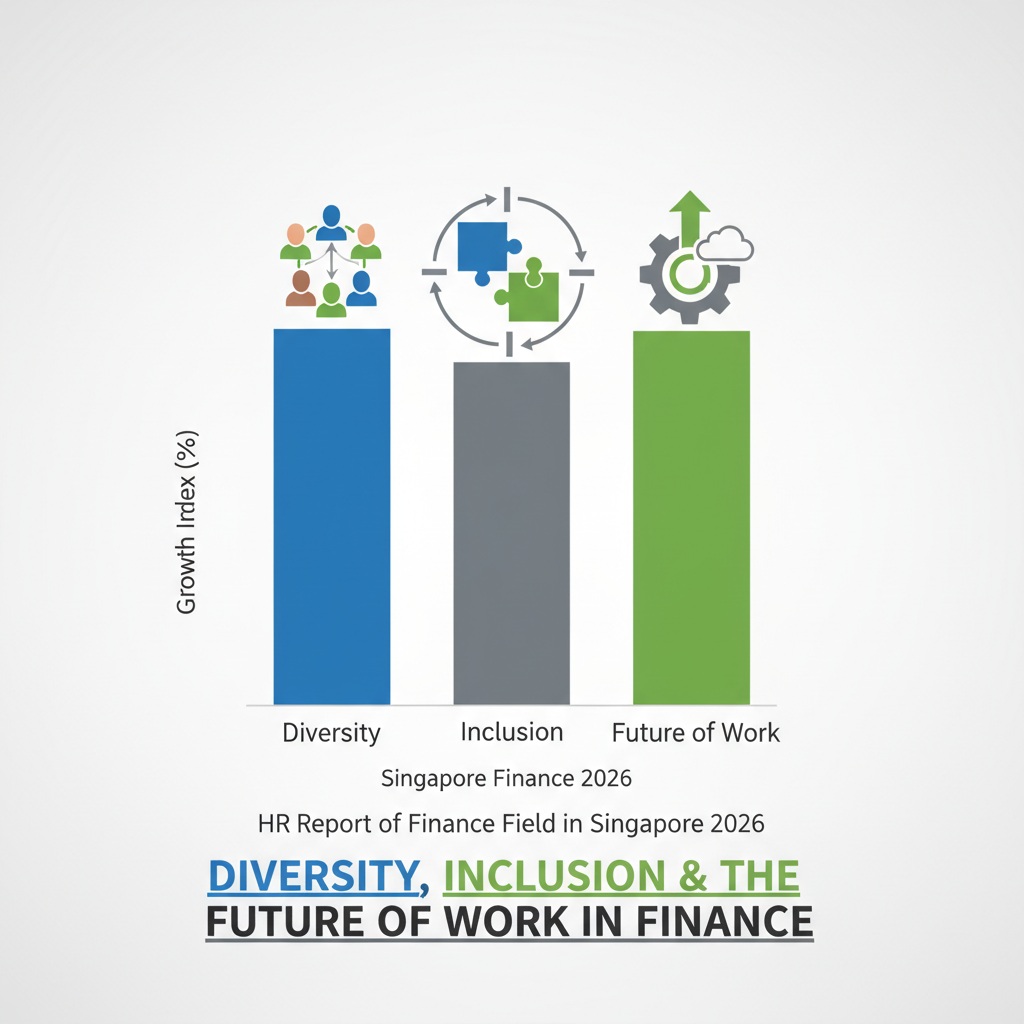
Diversity, Inclusion & The Future of Work in Finance
This section examines the critical importance of Diversity & Inclusion (D&I) initiatives and explores how transformative ‘future of work’ concepts, such as flexible arrangements and advanced HR technology, are profoundly shaping the financial sector in Singapore. The insights presented herein are crucial for understanding the evolving landscape of human resources within the nation’s vibrant financial institutions, drawing parallels with findings often highlighted in an HR report of finance field in singapore.
Singapore’s financial sector, a global hub for innovation, increasingly hinges on its ability to cultivate diverse talent, foster inclusive workplaces, and adapt to changing employee expectations. As the industry grapples with talent shortages, intense competition, and rapid digital transformation, embracing progressive HR strategies is a strategic imperative. From fintech startups to established banks, the focus is shifting towards creating environments where every individual can thrive, supported by agile work models and cutting-edge HR technology that streamlines operations and enhances the employee experience.
1. Advancing Diversity & Inclusion in Financial Institutions
Diversity and Inclusion (D&I) are fundamental pillars for competitive advantage in Singapore’s finance industry. A truly diverse workforce, encompassing variations in gender, ethnicity, age, background, and thought, brings a multitude of perspectives to problem-solving, innovation, and client engagement. This diversity is directly linked to enhanced decision-making, creativity, and improved financial performance. For financial institutions in Singapore, this means actively implementing policies that promote equitable hiring practices, career advancement for underrepresented groups, and unconscious bias training.
Creating an inclusive culture goes beyond representation; it involves cultivating an environment where all employees feel valued, respected, and empowered to contribute their unique insights. This commitment is particularly vital in Singapore, where attracting and retaining top global talent is paramount. Many institutions are setting measurable D&I goals, developing employee resource groups, and embedding inclusive leadership principles. Such initiatives are critical for building a resilient workforce capable of navigating complex global markets. A recent MAS study underscores the ongoing commitment to enhance diversity and inclusion in Singapore’s financial sector.
2. Flexible Work Arrangements and Hybrid Models
The COVID-19 pandemic accelerated a paradigm shift in how and where work gets done within the financial sector. Flexible work arrangements, including remote work, hybrid models, and compressed work weeks, have moved from niche benefits to mainstream expectations. In Singapore, financial institutions are actively re-evaluating traditional office-centric models to embrace hybrid approaches that balance collaboration, employee well-being, and operational efficiency.
These new models offer significant advantages: increased employee satisfaction, improved work-life integration, broader talent acquisition reach, and enhanced business continuity. However, they also present challenges related to maintaining company culture, ensuring equitable opportunities, and effective team cohesion. Success requires clear communication, robust technological infrastructure, and a focus on outcomes. Firms are investing in collaborative digital tools and rethinking physical office spaces to support these hybrid workforces, recognizing that the future of work in finance is inherently agile and adaptive. This move is consistently observed in any comprehensive HR report of finance field in singapore.
3. Leveraging HR Technology for Strategic HR
The digital transformation sweeping through the financial industry extends profoundly into Human Resources. HR technology is no longer just about administrative efficiency; it is a strategic enabler for attracting, developing, and retaining top talent. In Singapore’s competitive financial landscape, leveraging advanced HR tech solutions is crucial for gaining an edge. This includes AI-powered recruitment platforms that reduce bias, sophisticated talent management systems that track career progression, and predictive analytics tools that anticipate workforce trends.
From automated onboarding to personalized learning and development, HR technology empowers HR professionals to move beyond transactional tasks and focus on strategic initiatives that drive business value. Employee self-service portals, integrated HRIS, and performance management software enhance the employee experience, making HR processes transparent and accessible. Furthermore, data analytics provide invaluable insights into employee engagement, diversity metrics, and D&I program effectiveness, allowing data-driven decisions. The continuous evolution of HR technology is central to any forward-looking HR report of finance field in singapore, illustrating innovation’s pivotal role in maintaining Singapore’s status as a leading global financial centre.
Partner with Shelby Global
You are looking for reliable HR Sevice Suppliers? Contact Shelby Global Now! To connect with verified talents and upgrade your orginization.
—————————————
References
– Monetary Authority of Singapore (MAS) website: https://www.mas.gov.sg/
– Singapore’s Future as a Global Financial Centre: https://www.mas.gov.sg/news/speeches/2023/singapores-future-as-a-global-financial-centre
– Hays Asia Salary Guide: https://www.hays.com.sg/salary-guide
– MAS sets out roadmap to enhance talent development in financial sector: https://www.mas.gov.sg/news/media-releases/2022/mas-sets-out-roadmap-to-enhance-talent-development-in-financial-sector
– A recent MAS study underscores the ongoing commitment to enhance diversity and inclusion in Singapore’s financial sector: https://www.mas.gov.sg/news/media-releases/2022/study-on-gender-diversity-in-singapores-financial-industry