The Current State of Vietnam’s IT HR Landscape (2026)
Vietnam’s information technology (IT) sector continues its robust growth trajectory into 2026, solidifying its position as a burgeoning hub for global tech innovation and talent. This executive overview of the IT human resources market in Vietnam delves into critical statistics and prevailing trends, offering a comprehensive look at what businesses can expect. The HR report of IT field in Vietnam for 2026 reveals a dynamic environment characterized by strong demand, evolving skill sets, and increasing international integration. As digital transformation accelerates across industries, the demand for skilled IT talent Vietnam-wide is reaching unprecedented levels, driving significant shifts in recruitment strategies and talent development initiatives.
The nation’s strategic investments in education, infrastructure, and an increasingly supportive regulatory framework have fostered a vibrant tech ecosystem. This has led to a highly competitive IT labor market Vietnam faces, especially for specialized roles. Understanding the nuances of this landscape is crucial for companies looking to establish or expand their presence in the country. Key HR challenges IT Vietnam businesses encounter include talent retention, managing the IT skill gap Vietnam experiences, and adapting to global economic shifts that influence investment and outsourcing trends. The overall outlook for the Vietnam tech workforce remains overwhelmingly positive, yet it necessitates agile HR strategies to harness its full potential.

1. Market Size and Growth Projections
By 2026, Vietnam’s IT market size is projected to continue its impressive expansion, fueled by both domestic demand and foreign direct investment in the tech industry. Analysts forecast a growth rate consistently in the double digits, reflecting the country’s emergence as a key player in the global technology supply chain. The IT sector is anticipated to contribute significantly to the national GDP, driven by segments such as software development, IT services, digital transformation projects, and the burgeoning startup ecosystem in Vietnam. Demand for software engineers Vietnam-wide remains exceptionally high, particularly for those proficient in AI, blockchain, cloud computing, and cybersecurity.
The number of IT professionals is expected to surpass 600,000 by mid-2026, with a considerable portion actively engaged in export-oriented IT services. This growth is not merely quantitative but also qualitative, as Vietnamese tech talent demonstrates increasing proficiency in complex technologies. According to a recent FPT Software report on Vietnam’s IT Talent Outlook, Vietnam is set to become a top-tier destination for IT outsourcing and R&D in Southeast Asia. This growth trajectory underscores the need for continuous investment in education and training to bridge the existing IT skill gap Vietnam faces, ensuring a sustainable supply of skilled IT talent Vietnam requires.
2. Demographic Breakdown of the IT Workforce
The demographic makeup of Vietnam’s IT workforce in 2026 continues to be young and dynamic. A significant majority of IT professionals are under the age of 30, bringing energy, adaptability, and an inherent digital fluency to the workplace. While male professionals still constitute the larger portion of the tech industry growth Vietnam experiences, there’s a noticeable and encouraging increase in female participation, particularly in areas like UI/UX design, quality assurance, and project management. This shift reflects ongoing efforts to promote gender diversity and inclusion within the tech sector.
Geographically, Hanoi and Ho Chi Minh City remain the primary hubs for IT talent Vietnam offers, accounting for over 70% of the nation’s IT workforce. However, emerging tech clusters in Đà Nẵng, Cần Thơ, and Hải Phòng are attracting investment and fostering local IT talent, gradually decentralizing the tech labor market. The education IT Vietnam system is producing approximately 50,000-60,000 new IT graduates annually, though concerns about the practical readiness of these graduates persist. This highlights a crucial need for closer collaboration between academia and industry to refine curricula and address the evolving demands of the IT labor market Vietnam faces. Remote work Vietnam IT trends also play a role in this distribution, allowing companies to tap into talent pools beyond the major cities.
3. Impact of Global Economic Shifts
Global economic shifts, including inflation, geopolitical tensions, and supply chain disruptions, inevitably cast a shadow on the IT HR landscape in Vietnam. While the country’s economic resilience has proven robust, the tech industry is not entirely immune. Foreign investment IT Vietnam relies on for growth can be sensitive to global economic downturns, potentially affecting the pace of new project initiation and hiring. However, Vietnam’s cost-effectiveness, political stability, and growing reputation for quality IT services make it an attractive alternative for companies seeking to optimize their operational expenditures amidst global uncertainties.
The global shift towards remote and hybrid work models has profoundly impacted IT salaries Vietnam, pushing them upwards, especially for senior and highly specialized roles, as local talent now competes with international opportunities. This trend, while beneficial for professionals, presents HR challenges IT Vietnam-based companies must navigate, particularly in talent retention and managing rising compensation expectations. Companies are increasingly focusing on non-monetary benefits, strong company culture, and career development opportunities to attract and retain top IT talent Vietnam has to offer. Furthermore, the global drive towards digital transformation means that demand for IT services, despite economic headwinds, often remains strong as businesses worldwide seek efficiency and innovation through technology.
Talent Acquisition Challenges and Strategies
Delving into the difficulties IT companies face in recruiting top talent in Vietnam and the innovative strategies being employed to overcome them.
The burgeoning IT sector in Vietnam continues its rapid expansion, fueled by robust foreign investment, government initiatives for digital transformation, and a vibrant startup ecosystem. However, this growth trajectory brings with it significant human resource challenges, particularly detailed in any comprehensive HR report of IT field in vietnam. Companies are finding it increasingly difficult to secure and retain the skilled professionals needed to drive innovation and meet project demands. The fierce competition for talent, coupled with evolving technological landscapes, necessitates a strategic and proactive approach to IT talent acquisition Vietnam. Understanding these impediments is the first step toward crafting effective recruitment strategies IT Vietnam that ensure sustainable growth for the nation’s tech industry amidst a global tech talent shortage.
1. Scarcity of Niche Skills
One of the most pressing challenges facing the Vietnamese IT sector is the pronounced skill gap Vietnam IT, especially in highly specialized and emerging technologies. While Vietnam produces numerous IT graduates, there’s a significant deficit in professionals proficient in areas such as Artificial Intelligence (AI), Machine Learning (ML), Cybersecurity, Cloud Computing, Data Science, and DevOps. The rapid pace of digital transformation impact on HR means universities often struggle to update curricula quickly enough, leading to a mismatch between academic output and market needs. Moreover, top local talent with these niche skills are frequently lured by international opportunities, exacerbating the talent retention IT issue. To counteract this, forward-thinking companies are investing heavily in continuous learning programs. They partner with tech education Vietnam institutions to co-develop relevant courses, offer practical internships, and implement internal upskilling and reskilling initiatives. Creating an environment that fosters continuous professional growth is critical not just for attracting, but crucially for retaining, these highly sought-after specialists.
2. Effective Sourcing Channels
In a hyper-competitive market, relying on traditional recruitment methods is no longer sufficient for sourcing IT professionals. The landscape has diversified, requiring companies to adapt their recruitment strategies IT Vietnam. While job boards and professional networking sites remain relevant, their efficacy for niche roles is diminishing. Innovative approaches include leveraging professional communities, participating in and sponsoring hackathons, and developing robust employee referral programs. The rise of remote work IT Vietnam further complicates sourcing, as companies can now tap into a broader national and regional talent pool, but simultaneously face increased competition from global players. Social media platforms, particularly LinkedIn, have become indispensable for direct outreach and passive candidate engagement. Proactive talent mapping and building long-term relationships with potential candidates are becoming standard practices. A multi-channel, data-driven approach allows companies to identify and engage with top talent more efficiently, improving both the speed and quality of hires.
3. Employer Branding in a Competitive Market
Beyond competitive compensation, an organization’s employer branding tech is paramount in attracting and securing top talent in Vietnam’s IT sector. In a candidate-driven market, where skilled professionals often have multiple job offers, the perceived value and culture of a company can be the deciding factor. A strong employer brand communicates a company’s unique value proposition, highlighting its culture, values, career development opportunities, innovative projects, and work-life balance. Companies that prioritize transparency, foster a positive work environment, and demonstrate a commitment to employee well-being are far more appealing. This extends to ensuring a superior candidate experience IT throughout the recruitment process, as negative experiences can quickly deter promising applicants. Strategies include showcasing employee testimonials, highlighting success stories, actively engaging on social media, and participating in industry events. Investing in a compelling employer brand not only attracts talent but also improves talent retention IT, making them the preferred choice for IT professionals seeking meaningful careers with competitive compensation IT.
In conclusion, while the IT sector in Vietnam is undeniably dynamic and full of promise, it is also navigating significant talent acquisition hurdles. The scarcity of niche skills, the need for diversified and effective sourcing channels, and the imperative of a strong employer brand are all critical areas demanding strategic attention. For companies to thrive in this evolving landscape, a holistic approach that integrates proactive talent development, innovative recruitment tactics, and a compelling organizational culture is not merely advantageous but essential for shaping the future of IT recruitment in Vietnam. The insights from a comprehensive HR report of IT field in vietnam are crucial for navigating these complexities and ensuring continued growth.
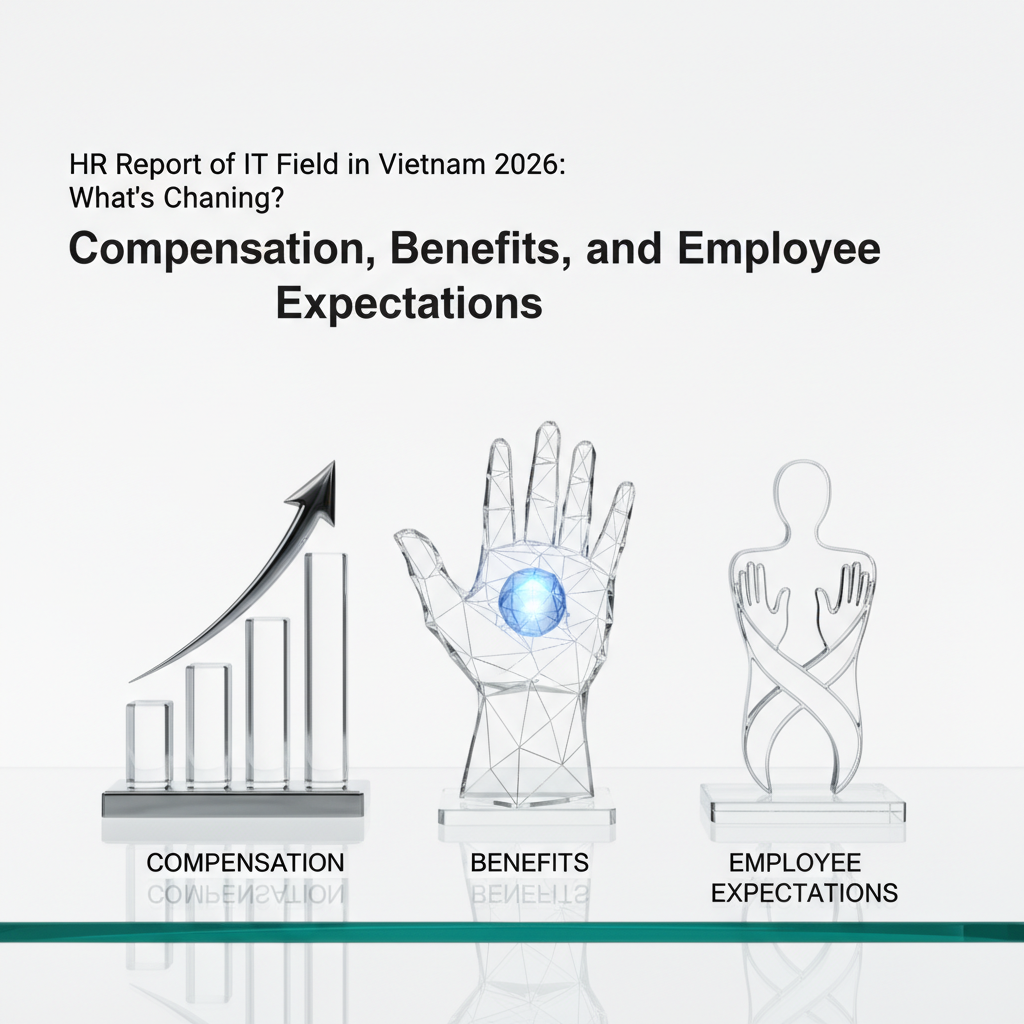
Compensation, Benefits, and Employee Expectations
The Vietnamese IT sector is experiencing rapid growth, driven by digital transformation initiatives and a burgeoning pool of skilled professionals. As 2026 approaches, understanding the nuances of compensation, benefits, and evolving employee expectations becomes critical for effective HR report of IT field in vietnam strategies. This analysis delves into the intricate landscape of IT talent Vietnam, providing insights into competitive salary benchmarks, the growing importance of non-monetary benefits IT, and the dynamic shifts in employee demands that shape IT recruitment Vietnam and talent acquisition Vietnam tech.
1. Average Salary Ranges Across Roles
In 2026, tech salaries Vietnam continue to reflect the high demand for specialized skills. Average salary ranges vary significantly depending on experience, technology stack, and company size, but a clear upward trend is evident. For entry-level software developers (1-2 years experience), salaries are projected to range from 12-20 million VND per month. Mid-level developers (3-5 years) can expect 25-45 million VND, while senior and lead engineers (5+ years) command upwards of 50-80 million VND, with some highly specialized roles or those in multinational corporations exceeding 100 million VND. Data Scientists and AI/ML Engineers, particularly those with strong English proficiency and international project experience, are among the highest earners, often seeing ranges comparable to senior software engineers. UI/UX Designers and Product Managers also benefit from competitive salary benchmarks Vietnam IT, with experienced professionals earning 35-60 million VND. Project Managers and Solutions Architects, vital for complex project delivery, often fall into the 40-75 million VND bracket. These figures underscore the robust growth of the Vietnam IT sector 2026 and the increasing value placed on skilled IT talent. According to recent analyses of the regional market, as highlighted by Robert Walters’ Southeast Asia Tech Market Salary Survey, Vietnam’s IT compensation structure is rapidly aligning with international standards, particularly for niche and in-demand skill sets.
2. Evolving Benefits Packages
Beyond competitive tech salaries Vietnam, the war for IT talent Vietnam is increasingly fought on the battleground of employee benefits Vietnam tech. In 2026, companies are moving beyond basic health insurance and annual leave, focusing on comprehensive packages that enhance employee well-being and professional growth. Popular non-monetary benefits IT now include extensive professional development budgets, covering certifications, courses, and conferences, fostering continuous learning. Mental wellness programs, including counseling services and stress management workshops, are becoming standard, reflecting a greater emphasis on holistic employee health. Generous parental leave policies, flexible public holidays, and even pet-friendly office environments are emerging as ways to improve work-life balance IT Vietnam. Furthermore, performance bonuses, stock options, and profit-sharing schemes are widely used to align employee success with company growth. Companies are also investing in modern office spaces designed for collaboration and comfort, equipped with amenities that support a vibrant work culture. The strategic shift towards these evolving benefits packages is a clear indicator of HR trends Vietnam IT, aiming to foster loyalty and reduce turnover in a highly competitive market.
3. The Rise of Flexible Work Arrangements
Perhaps the most significant shift in employee expectations Vietnam 2026 centers around work flexibility. The demand for flexible work Vietnam IT has surged, with remote work trends Vietnam and hybrid models becoming the preferred modes of operation for many professionals. Employees now value autonomy over their work schedules and locations, seeking roles that offer a genuine work-life balance IT Vietnam rather than just a high salary. Companies that embrace these arrangements report higher employee satisfaction, improved productivity, and broader access to IT talent Vietnam from across the country. Hybrid models, typically involving 2-3 days in the office and the rest remote, strike a popular balance, facilitating team collaboration while retaining personal flexibility. Beyond location flexibility, there’s a growing expectation for flexible hours, allowing employees to manage personal commitments more effectively. Organizations failing to adapt to these evolving demands risk losing top talent to more progressive competitors. This trend is not merely a post-pandemic convenience but a fundamental redefinition of the employment contract, profoundly influencing IT recruitment Vietnam and talent acquisition Vietnam tech strategies. Addressing these expectations is paramount for any comprehensive HR report of IT field in vietnam looking to secure and retain talent in the dynamic Vietnam IT sector 2026.
In conclusion, the IT field in Vietnam in 2026 presents a vibrant yet challenging landscape for human resources. Success hinges on a proactive approach to understanding and adapting to the latest salary benchmarks, creative benefits packages, and the unyielding demand for flexible work. By strategically addressing these three pillars, companies can cultivate a thriving workforce, ensuring sustained growth and competitiveness in the global digital economy.
Retention, Development, and Workplace Culture
Examining strategies for keeping IT professionals engaged, fostering continuous learning, and creating a positive work environment.
In Vietnam’s rapidly evolving technological landscape, the challenge of IT talent retention is paramount. As businesses in the region embrace digital transformation, securing and nurturing a skilled tech workforce has become a top priority. A recent HR report of IT field in Vietnam underscores the competitive landscape, where companies must go beyond attractive compensation to truly engage their IT professionals. Effective talent management, anchored in robust HR strategies, focuses on three crucial pillars: continuous skill development, clear career pathways, and a supportive workplace culture that prioritizes employee wellbeing. Neglecting these areas can lead to significant turnover, impacting project timelines, team morale, and ultimately, business success.
1. Upskilling and Reskilling Initiatives
The pace of technological change demands that IT professionals constantly update their knowledge and abilities. Companies that invest proactively in upskilling and reskilling initiatives demonstrate a commitment to their employees’ long-term growth and the company’s future-proofing. Such initiatives are vital for bridging the ever-widening skill gap in areas like artificial intelligence, cloud computing, cybersecurity, and data analytics. Providing access to comprehensive training programs, certifications, and online learning platforms empowers the tech workforce to master emerging technologies. This not only enhances individual technical expertise but also fosters innovation and productivity within the team. For example, offering specialized courses in specific programming languages or cloud architectures (e.g., AWS, Azure) ensures that the team remains at the forefront of industry trends. Continuous learning is no longer a luxury but a necessity for IT professionals in Vietnam, ensuring they remain competitive and relevant in a dynamic market.
2. Career Pathing and Growth Opportunities
A clear vision for career progression is a powerful motivator and a key driver of employee engagement. IT professionals, especially high-performers, seek more than just their current role; they desire a trajectory that outlines potential advancements and new challenges. Establishing transparent career pathing frameworks helps employees understand what steps they need to take to move from a junior developer to a senior architect, or from a QA engineer to a team lead. This can involve structured mentorship programs, leadership development initiatives, and opportunities for internal mobility across different projects or departments. Recognizing and rewarding achievements, both small and large, further reinforces a positive feedback loop. When employees see tangible growth opportunities and feel invested in their professional development, they are far more likely to commit to the organization. Providing a diverse range of projects and allowing individuals to explore new areas of interest can also significantly enhance job satisfaction and reduce the likelihood of seeking opportunities elsewhere.
3. Mental Health and Wellbeing Programs
The high-pressure environment often associated with the IT field can take a toll on employees’ mental health and overall wellbeing. Long hours, tight deadlines, and complex problem-solving contribute to stress and potential burnout. Forward-thinking organizations recognize the critical importance of fostering an inclusive culture that prioritizes work-life balance and provides robust mental health support. Implementing Employee Assistance Programs (EAPs), offering access to counselling services, and promoting flexible working arrangements are crucial steps. Initiatives such as mindfulness workshops, stress management training, and even simple team-building activities can significantly improve morale and reduce anxiety. A positive workplace culture is one where employees feel safe, supported, and valued, not just for their technical contributions but as individuals. Companies that prioritize employee wellbeing often see reduced absenteeism, increased productivity, and stronger team cohesion, ultimately contributing to better IT talent retention.
Ultimately, a holistic approach to retention, development, and workplace culture is essential for organizations seeking to thrive in Vietnam’s competitive IT sector. By investing in continuous learning, providing clear career pathways, and genuinely supporting the mental and physical health of their tech workforce, companies can build a resilient, engaged, and highly effective team. The insights from any comprehensive future of jobs report consistently highlight the symbiotic relationship between skill evolution and employee wellbeing, underscoring that sustained success hinges on nurturing both. This integrated strategy is not merely an HR function but a strategic imperative for long-term growth and innovation in the digital age.
Future Trends and Strategic HR Recommendations
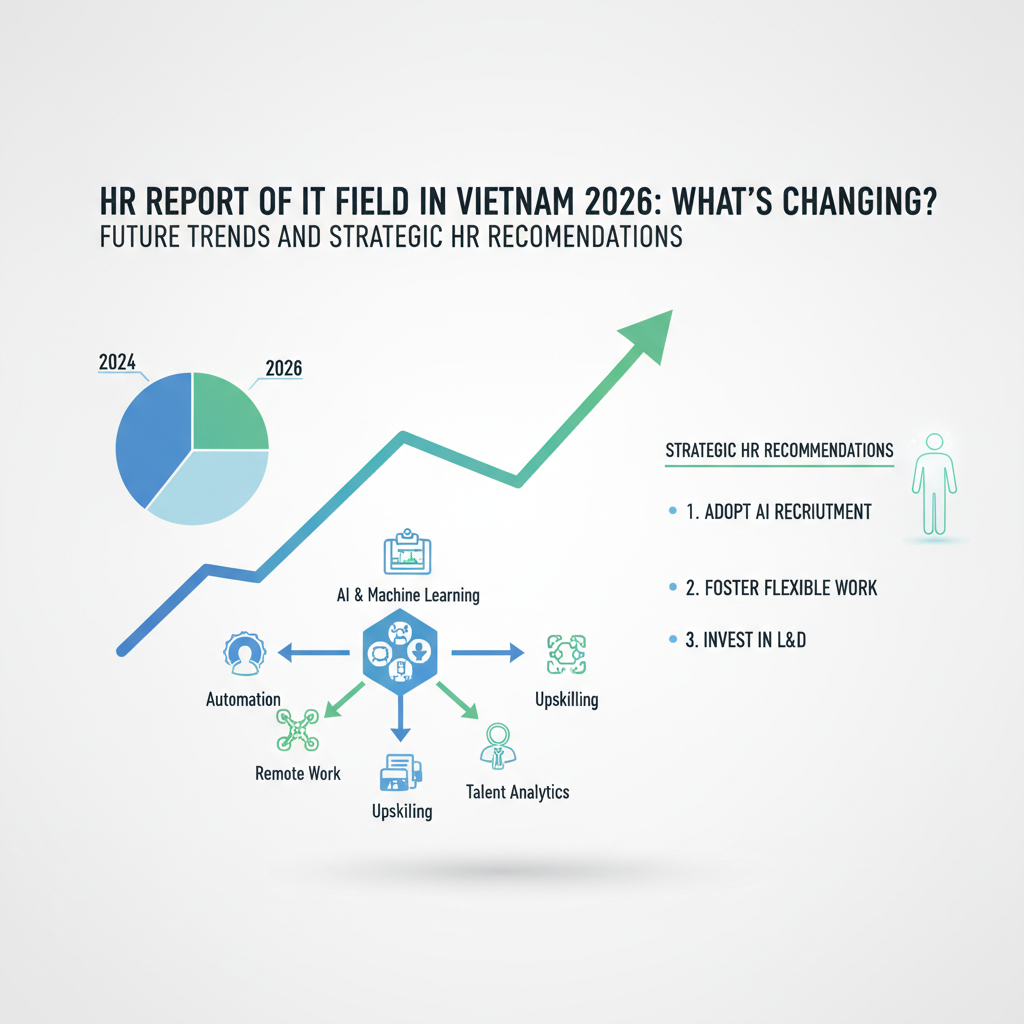
Looking ahead at emerging trends that will shape the IT HR landscape in Vietnam and offering actionable advice for companies and HR professionals, it’s clear that the sector is at an inflection point. The dynamic growth of Vietnam’s IT industry, coupled with global technological advancements, demands a proactive and adaptive HR strategy. Understanding the nuances highlighted in any comprehensive HR report of IT field in Vietnam is crucial for navigating these changes effectively and ensuring sustainable growth.
1. Impact of AI and Automation on Roles
The rise of Artificial Intelligence (AI) and automation is not merely a futuristic concept but a present reality rapidly redefining job roles within Vietnam’s IT sector. This shift will necessitate a strategic re-evaluation of required skill sets, moving beyond traditional programming to embrace capabilities in AI ethics, data science, machine learning, and human-AI collaboration. While some routine tasks may become automated, the demand for high-value skills such as critical thinking, creativity, complex problem-solving, and emotional intelligence will intensify. HR professionals must therefore focus on robust upskilling and reskilling initiatives to prepare the existing workforce for these new demands. Creating internal academies, partnering with educational institutions, and promoting continuous learning platforms will be vital. Companies that fail to adapt their talent development strategies risk widening the skill gap and losing their competitive edge. According to a report by McKinsey & Company, generative AI alone could add trillions to the global economy, fundamentally transforming how work is done across industries, including IT.
2. Leveraging HR Technology (HR Tech)
In a fast-evolving IT landscape, leveraging advanced HR Technology (HR Tech) is no longer a luxury but a necessity for strategic HR management in Vietnam. HR Tech encompasses a broad spectrum of tools, from sophisticated Human Resources Information Systems (HRIS) and Applicant Tracking Systems (ATS) to AI-powered recruitment platforms, predictive analytics, and employee engagement software. These technologies enable HR departments to streamline administrative processes, gain data-driven insights into talent trends, personalize employee experiences, and enhance overall operational efficiency. For instance, AI can optimize candidate sourcing and screening, while predictive analytics can help identify potential flight risks or skill gaps before they become critical. Implementing robust HR Tech solutions allows companies to make more informed decisions, improve talent acquisition accuracy, and foster a more engaged and productive workforce. This is particularly important when analyzing data from an HR report of IT field in Vietnam, where technological adoption and data insights can reveal critical areas for improvement and investment.
3. Recommendations for Sustainable Talent Management
To thrive amidst these future trends, IT companies in Vietnam and their HR departments must adopt comprehensive and sustainable talent management strategies. This involves a multi-pronged approach focused on attraction, development, and retention:
- Proactive Talent Acquisition: Move beyond reactive hiring. Build strong employer branding, utilize digital recruitment channels effectively, and engage with universities and coding bootcamps to cultivate a pipeline of emerging talent. Consider adopting skills-based hiring to broaden the talent pool beyond traditional qualifications.
- Continuous Learning and Development: Establish a culture of lifelong learning. Offer access to online courses, certifications in emerging technologies (e.g., cloud computing, cybersecurity), and mentorship programs. Encourage cross-functional training to build versatile teams.
- Employee Well-being and Engagement: Prioritize mental health support, flexible work arrangements, and a positive work environment. Invest in competitive compensation packages that include performance-based incentives and comprehensive benefits. Regular feedback loops and opportunities for career progression are crucial for engagement.
- Diversity, Equity, and Inclusion (DEI): Foster an inclusive workplace where diverse perspectives are valued. DEI initiatives not only enrich company culture but also drive innovation and improve problem-solving capabilities, which are essential for the dynamic IT sector.
- Data-Driven HR: Utilize HR analytics to track key metrics, understand workforce dynamics, and measure the effectiveness of HR programs. This data will inform strategic adjustments and ensure HR initiatives are aligned with business objectives.
By strategically investing in these areas, companies can build resilient workforces capable of adapting to technological disruptions and maintaining their competitive edge in Vietnam’s rapidly evolving IT market. These recommendations align with best practices identified in thorough market analyses and HR reports, ensuring that strategies are both forward-looking and grounded in current realities.
Partner with Shelby Global
You are looking for reliable HR Sevice Suppliers? Contact Shelby Global Now! To connect with verified talents and upgrade your orginization.
—————————————
References
– FPT Software report on Vietnam’s IT Talent Outlook: https://www.fptsoftware.com/newsroom/vietnam-it-talent-outlook-2024/
– Vietnam’s Tech Workforce: Trends and Challenges: https://www.vietnam-briefing.com/news/vietnams-tech-workforce-trends-and-challenges.html/
– Robert Walters’ Southeast Asia Tech Market Salary Survey: https://www.robertwalters.com.sg/salary-survey/southeast-asia-salary-survey-2024/tech-market.html
– Future of Jobs Report: https://www.weforum.org/reports/the-future-of-jobs-report-2023/
– McKinsey & Company: The economic potential of generative AI: https://www.mckinsey.com/capabilities/mckinsey-digital/our-insights/the-economic-potential-of-generative-ai-the-next-productivity-frontier