Overview of Singapore’s Logistics Landscape and HR Context
Singapore, a small island nation with global ambitions, has meticulously cultivated its status as a vital nexus in the international supply chain. Its strategic geographical location, coupled with proactive government policies and world-class infrastructure, has cemented its reputation as a leading global logistics hub. This section sets the stage by outlining the strategic importance of logistics in Singapore and delves into the critical HR challenges currently faced by this dynamic sector. Understanding these intricacies is paramount for developing effective strategies, especially as highlighted in any comprehensive HR report of logistics field in singapore.

1. Singapore’s Role as a Global Logistics Hub
Singapore’s prominence in the global logistics arena is no accident. Situated at the crossroads of major trade routes, it offers unparalleled connectivity to over 600 ports worldwide and serves as a crucial transshipment point for international maritime trade. Its Changi Airport is a major air cargo hub, facilitating rapid movement of high-value goods across continents. The nation boasts an advanced network of free trade zones, sophisticated customs procedures, and a robust digital ecosystem that collectively enhance efficiency and reliability in global supply chain management. This strategic advantage attracts numerous multinational corporations seeking to establish their regional distribution and control centers here, reinforcing Singapore’s position as a critical node for everything from pharmaceutical products to high-tech components. The government’s continuous investment in next-generation logistics infrastructure and smart technologies, such as automated port operations and digital freight platforms, further solidifies its commitment to maintaining this competitive edge. For more insights into Singapore’s strategic importance in the sector, the Economic Development Board (EDB) provides comprehensive information on the country’s initiatives and strengths in logistics and supply chain management.
2. Current Workforce Demographics and Size
The logistics sector is a significant employer in Singapore, encompassing a diverse range of roles from warehouse operations and freight forwarding to supply chain analytics and last-mile delivery. The workforce is characterized by a mix of local and foreign talent, reflecting the sector’s global nature. While traditionally perceived as labor-intensive, the industry is rapidly evolving, demanding new skill sets driven by automation and digitalization. The current demographics reveal a challenge: an aging workforce and a persistent need to attract younger talent. Many existing roles are still manual, requiring physical labor, which can be less appealing to younger generations seeking tech-driven or knowledge-based careers. The sector faces the dual task of retaining experienced personnel who possess invaluable institutional knowledge while simultaneously recruiting and developing a new generation of professionals proficient in emerging technologies and data-driven decision-making. Addressing these demographic shifts is a key area of focus for any comprehensive HR report of logistics field in singapore, aiming to ensure a sustainable talent pipeline.
3. Key HR Challenges Facing the Sector
Despite its strategic importance, Singapore’s logistics sector grapples with several profound HR challenges that threaten its future competitiveness. A significant hurdle is the persistent skills gap. The rapid pace of technological advancements, including automation, robotics, artificial intelligence, and big data analytics, requires a workforce equipped with advanced digital and analytical skills. Many current employees lack these competencies, necessitating massive investment in upskilling and reskilling initiatives. The aging workforce, as mentioned, exacerbates this issue, as older workers may find it harder to adapt to new technologies, while younger talent is often drawn to other industries perceived as more “glamorous” or offering better career progression. This leads to difficulties in talent attraction and retention. The industry’s image, often associated with long hours and demanding physical work, needs a significant overhaul to appeal to a broader and younger talent pool. Furthermore, competition for skilled professionals from other high-growth sectors is intense. Companies struggle to offer competitive remuneration and career pathways that can rival those in tech or finance. Workforce productivity and engagement are also key concerns, especially in light of increasing operational complexities and the need for greater efficiency. Addressing these multifaceted challenges requires a strategic, holistic approach to human capital development. Understanding the specifics outlined in an HR report of logistics field in singapore is crucial for industry stakeholders and policymakers to collaboratively implement solutions that ensure the sector remains robust and attractive to future talent.
Talent Acquisition and Retention Strategies in Logistics
The logistics industry in Singapore, a crucial hub for global trade, faces dynamic challenges and unparalleled opportunities. Amidst rapid technological advancements, evolving customer expectations, and increasing supply chain complexities, the demand for skilled professionals has never been higher. This section delves into the critical aspects of attracting, hiring, and keeping top talent, providing insights vital for any HR report of logistics field in Singapore aiming to build a resilient and competitive workforce.
1. Recruitment Challenges: Skills Gap & Competition
The logistics sector is currently grappling with a significant skills gap, exacerbated by the swift pace of digital transformation. The traditional roles are evolving, giving way to positions requiring advanced competencies in areas such as data analytics, automation, artificial intelligence, and sustainable logistics practices. Singapore’s highly competitive job market further intensifies this challenge, as logistics firms often find themselves competing for tech-savvy individuals with other high-growth sectors like e-commerce and fintech. There is a pressing need for a workforce adept at managing sophisticated supply chain management software, optimizing routing with AI, and understanding the nuances of cross-border e-commerce fulfillment. Companies struggle to find candidates with both deep industry knowledge and the requisite digital literacy. This talent crunch not only hinders operational efficiency but also slows down innovation, making it imperative for organizations to address these gaps proactively. According to a recent report, the shift towards digital supply chains necessitates a rethinking of traditional hiring profiles, highlighting a global trend that resonates strongly within the resilient supply chain talent landscape.
2. Innovative Sourcing Channels and Employer Branding
To overcome recruitment hurdles, logistics companies in Singapore must adopt innovative sourcing strategies and cultivate a compelling employer brand. Beyond traditional job boards, leveraging professional networking platforms like LinkedIn, engaging with university career centers, and partnering with vocational training institutes like SkillsFuture Singapore can yield better results. Niche job portals focusing on supply chain and logistics professionals are also becoming increasingly effective. Furthermore, exploring non-traditional talent pools, such as individuals transitioning from other data-intensive fields or those with transferable skills, can broaden the candidate pipeline. Employer branding plays a pivotal role; firms need to articulate a clear value proposition that highlights career growth opportunities, exposure to cutting-edge technologies, and a commitment to sustainability. Showcasing a vibrant company culture, employee success stories, and the significant impact logistics professionals have on the global economy can attract a more diverse and skilled applicant pool. Participating in industry awards, sponsoring relevant events, and maintaining an active online presence where company values and innovations are shared are crucial for establishing an attractive brand in the competitive Singaporean logistics market.
3. Strategies for Reducing Employee Turnover
Acquiring talent is only half the battle; retaining skilled professionals is equally critical, especially given the costs associated with high employee turnover. Effective retention strategies in the logistics industry revolve around fostering a supportive work environment, offering competitive compensation packages, and providing clear pathways for career development. This includes investing in continuous learning and development programs, such as upskilling in analytics or reskilling for automation management, mentorship programs, and leadership training. Implementing robust performance management systems that offer regular feedback and recognition can significantly boost employee morale and engagement. Beyond monetary incentives, companies should focus on employee well-being, offering flexible work arrangements where feasible and promoting a healthy work-life balance. Creating a culture of open communication, where employees feel heard and valued, is paramount. Regular pulse surveys and exit interviews can provide invaluable insights into employee sentiment and reasons for departure, informing targeted interventions. By prioritizing employee growth, satisfaction, and well-being, logistics firms can build a loyal, high-performing workforce essential for long-term success, as would be detailed in a comprehensive HR report of logistics field in Singapore.
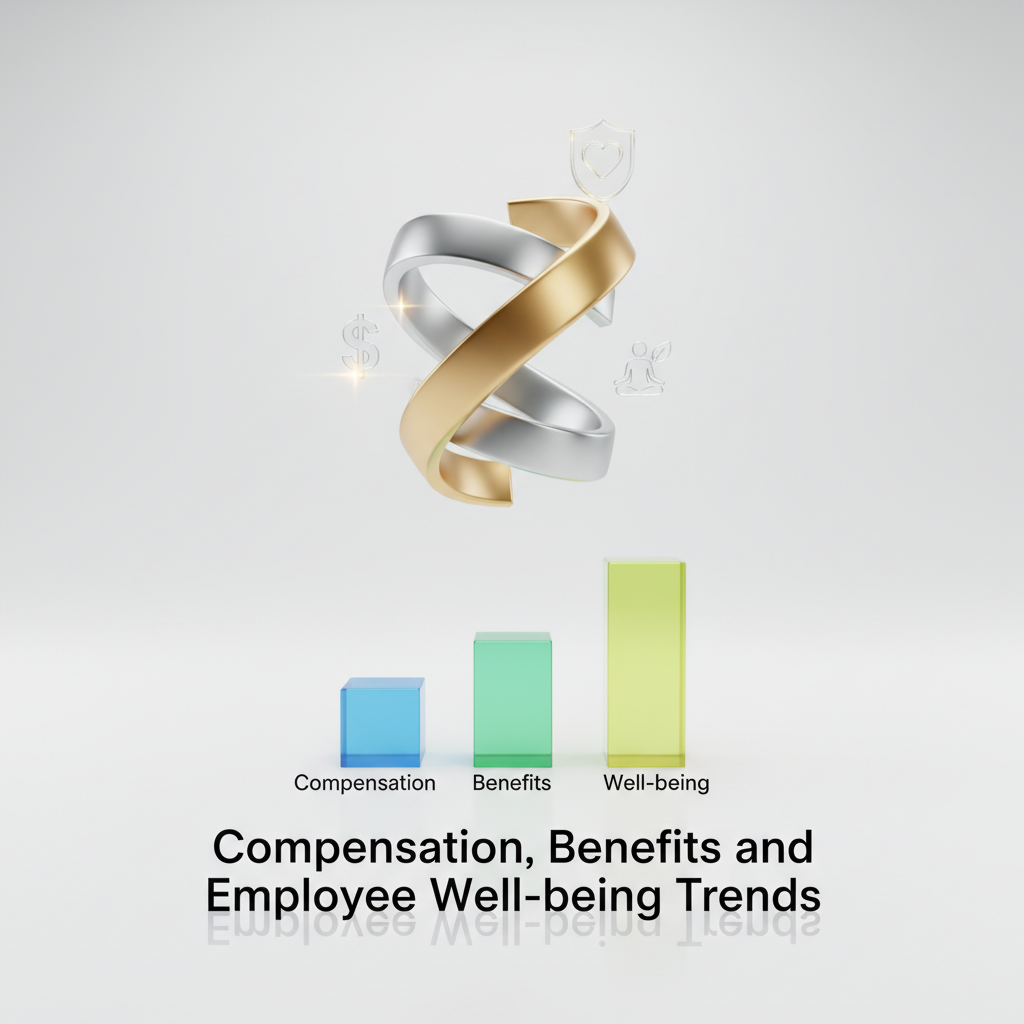
Compensation, Benefits, and Employee Well-being Trends
The competitive landscape of Singapore’s logistics sector demands a sophisticated approach to human resources, particularly concerning remuneration and employee welfare. As highlighted in a recent comprehensive HR report on the logistics field in Singapore, attracting and retaining top talent requires more than just competitive salaries; it necessitates robust benefits packages and proactive initiatives to support employee well-being. This section delves into the critical trends shaping logistics compensation trends, evolving employee benefits, and the growing emphasis on mental health and work-life balance, all crucial elements for sustainable talent attraction and employee retention logistics within the dynamic supply chain HR trends in Singapore.
1. Benchmarking Salaries and Incentive Structures
In the highly competitive logistics sector Singapore, ensuring that compensation packages are aligned with market rates is paramount for talent attraction Singapore logistics. Companies are increasingly focusing on benchmarking salaries against industry standards to offer competitive salaries logistics, especially for skilled roles in areas like supply chain management, automation, and last-mile delivery. The ongoing digital transformation within the industry means that specialized technical skills command a premium, driving up average salaries for those with expertise in areas like data analytics, AI, and robotics. Beyond base pay, performance incentives logistics are playing a pivotal role. These often include annual bonuses tied to individual and company performance, project-based incentives, and long-term incentive plans for senior leadership. Such structures not only motivate employees but also align their efforts with organizational goals, contributing significantly to employee retention logistics. The focus on transparent and fair incentive systems is a key component of effective HR strategies Singapore, ensuring that employees feel valued and rewarded for their contributions in a fast-paced environment.
2. Evolving Employee Benefits Packages
Beyond monetary compensation, the evolution of employee benefits packages is a significant trend in the logistics sector Singapore. Non-monetary benefits logistics are becoming increasingly important in differentiating employers and enhancing employee engagement logistics. Traditional benefits like comprehensive healthcare benefits logistics and robust insurance plans remain foundational. However, modern packages are expanding to include more holistic offerings. This includes enhanced parental leave, support for professional development through upskilling and reskilling logistics programs, and tuition reimbursement. Flexible work arrangements Singapore, while historically challenging in operational logistics roles, are being explored for administrative and planning positions, offering options like compressed work weeks or hybrid models. The focus is shifting towards personalized benefits that cater to diverse employee needs and life stages, recognizing that a one-size-fits-all approach is no longer effective. Companies are also investing in technology to streamline benefits administration, making it easier for employees to access and understand their entitlements, further bolstering talent attraction and retention efforts.
3. Promoting Mental Health and Work-Life Balance
The demanding nature of the logistics field, characterized by tight deadlines and high pressure, underscores the critical importance of promoting mental health and work-life balance initiatives. Recognizing the potential for stress and burnout, employers are increasingly implementing employee well-being programs designed to support the overall health and satisfaction of their workforce. This includes offering confidential mental health support workplace services, such as Employee Assistance Programs (EAPs), access to counseling, and workshops on stress management and resilience. Companies are also actively fostering a culture that prioritizes work-life balance initiatives. This can manifest through encouraging employees to take their annual leave, implementing policies that discourage after-hours work communication, and providing wellness programs focused on physical health, nutrition, and mindfulness. The shift towards greater flexibility and support for employees’ personal lives is not just a moral imperative but also a strategic one, directly impacting productivity, reducing absenteeism, and improving employee retention. As noted by industry experts, a healthy workforce strategy is crucial for long-term success, particularly in dynamic regions like Asia Pacific, where employee well-being is increasingly recognized as a cornerstone of sustainable business growth. [Healthy workforce strategy: A blueprint for wellbeing in Asia Pacific | Mercer]. These proactive measures contribute significantly to a positive workplace environment, essential for navigating the future of work logistics effectively.
In conclusion, the evolution of compensation, benefits, and employee well-being trends within the Singapore logistics sector reflects a growing understanding that human capital is its most valuable asset. By focusing on competitive logistics compensation trends, diverse non-monetary benefits, and robust mental health and work-life balance initiatives, HR strategies Singapore can build a resilient, engaged, and productive workforce ready to tackle the complexities of the global supply chain. This holistic approach is not merely a trend but a fundamental shift towards sustainable HR practices that will define success in the years to come, as further detailed in this comprehensive HR report of logistics field in Singapore.
Upskilling, Reskilling, and Future-Proofing the Workforce
The logistics sector in Singapore is undergoing a profound transformation, driven by rapid technological advancements and evolving global supply chain dynamics. To maintain its competitive edge as a leading logistics hub, Singapore faces the imperative of continuously upskilling and reskilling its workforce. This section addresses the critical need for continuous learning and development to adapt to these changes, ensuring that the talent pool remains agile, competent, and future-ready. A comprehensive understanding, often informed by an HR report of logistics field in singapore, is essential for strategizing workforce development initiatives.
1. Impact of Automation and Digitalization on Job Roles
The advent of automation in logistics and widespread digitalization is fundamentally reshaping traditional job roles across the supply chain. Technologies such as Artificial Intelligence (AI), the Internet of Things (IoT), robotics, data analytics, and blockchain are streamlining operations, from warehousing and inventory management to last-mile delivery and freight forwarding. While these innovations enhance efficiency and productivity, they also necessitate a significant shift in the skills required by logistics professionals. Manual, repetitive tasks are increasingly being automated, leading to a diminished demand for roles focused purely on physical labour. Instead, there’s a growing need for individuals capable of managing, maintaining, and leveraging these advanced systems. This includes roles in automation engineering, data analysis, cybersecurity, and integrated supply chain management. Understanding the nuances of this transformation is crucial for any effective HR report of logistics field in singapore, which must analyze how these technological shifts impact employment patterns and skill requirements. The future of logistics jobs demands adaptability and a readiness to embrace digital tools, moving from operational execution to strategic oversight and technological proficiency.
2. Key Skills Gaps and Training Priorities
The rapid evolution of the logistics sector has created discernible skills gap in logistics. Traditional competencies, while still valuable, are no longer sufficient to navigate the complexities of modern supply chains. The most critical emerging skills include advanced data analytics for supply chain optimization, digital literacy, cybersecurity knowledge to protect sensitive logistics data, and proficiency in using AI-driven platforms. Beyond technical skills, ‘soft skills’ like critical thinking, problem-solving, adaptability, cross-functional collaboration, and effective communication are paramount. Project management expertise, especially in implementing new technologies, is also in high demand. Therefore, training priorities must shift towards developing a holistic skillset that combines technical acumen with interpersonal capabilities. Workforce development programs should focus on areas like digital skills for logistics, understanding supply chain resilience strategies, and adapting to the demands of e-commerce logistics. Identifying these gaps accurately, perhaps through an updated HR report of logistics field in singapore, is the first step toward creating targeted and impactful training initiatives that foster continuous learning among logistics professionals.
3. Government Initiatives and Industry Partnerships for L&D
Recognizing the urgency, the Singaporean government has proactively launched various initiatives to support upskilling and reskilling efforts within the logistics sector. Agencies such as SkillsFuture Singapore (SSG) and Workforce Singapore (WSG), in collaboration with Enterprise Singapore, play pivotal roles in funding training programs, developing skills frameworks, and promoting lifelong learning in logistics. For instance, the Singapore’s Logistics Industry Transformation Map outlines key strategies for growth, productivity, and job redesign, emphasizing the importance of a skilled logistics workforce. These initiatives often involve close partnerships with industry associations, educational institutions, and private sector companies to co-create relevant and industry-specific training modules. Such industry partnerships are crucial for ensuring that training programs are aligned with real-world industry needs and technological trends. By leveraging government grants and structured pathways, logistics companies in Singapore can invest in talent development, enabling their employees to acquire new capabilities and contribute effectively to the nation’s aspirations as a premier global Singapore logistics hub. These concerted efforts are vital for future-proofing the logistics workforce development against disruptive forces.
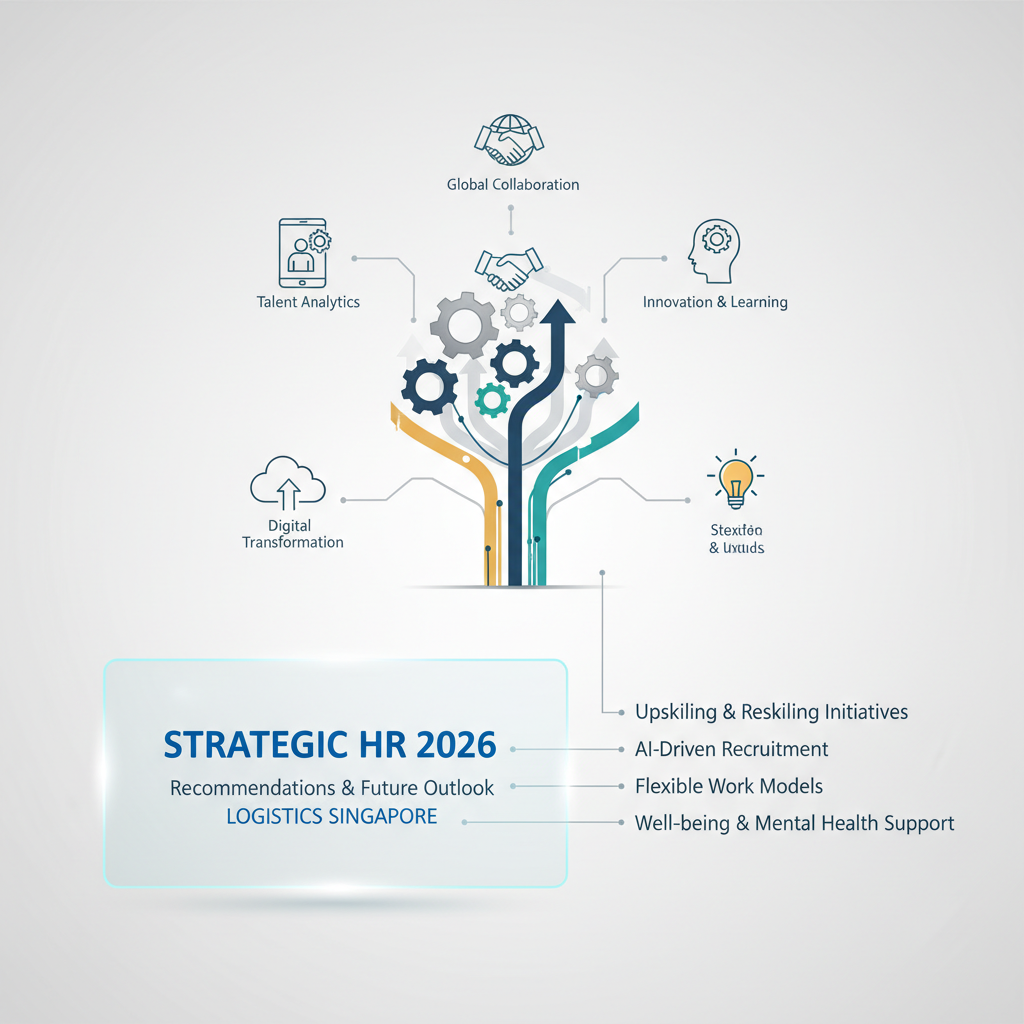
Strategic HR Recommendations and Future Outlook for 2026
The logistics sector in Singapore is a vibrant, rapidly evolving landscape, continually reshaped by technological advancements, global trade dynamics, and shifting consumer expectations. For Human Resources, this presents both significant challenges and unparalleled opportunities to strategically support growth and ensure workforce resilience. This section provides actionable insights and a forward-looking perspective on how HR can proactively underpin the logistics sector’s strategic imperatives, focusing on crucial areas that will define success in 2026 and beyond, as highlighted in this comprehensive HR report of logistics field in Singapore.
1. Leveraging Data Analytics for HR Decision-Making
In an increasingly data-driven world, HR in the Singaporean logistics field must transition from reactive administrative functions to proactive, strategic decision-making powered by analytics. This involves collecting, analyzing, and interpreting vast amounts of HR data – from recruitment metrics and employee performance to training efficacy and retention rates. By 2026, advanced predictive analytics will be indispensable for accurate workforce planning, allowing organizations to anticipate future talent needs, identify potential skill gaps, and optimize resource allocation. For instance, data can pinpoint specific roles experiencing high turnover, enabling targeted retention programs, or highlight which training initiatives yield the best returns in terms of productivity and employee engagement. Implementing robust HRIS (Human Resources Information Systems) with integrated analytics capabilities will be critical for logistics companies aiming for operational excellence and strategic talent management. This data-centric approach will enhance recruitment strategies, refine talent acquisition processes, and foster a meritocratic environment where performance management is objective and growth-oriented. Ultimately, leveraging HR data analytics ensures that HR initiatives are not just responsive but predictive, offering a competitive edge in a demanding market and addressing the unique challenges within the logistics workforce.
2. Fostering a Culture of Innovation and Adaptability
The rapid pace of technological innovation, including automation, AI, and IoT, demands a logistics workforce that is not only skilled but also inherently innovative and adaptable. HR plays a pivotal role in cultivating such a culture. This involves moving beyond traditional training programs to create continuous learning ecosystems that encourage upskilling and reskilling in areas vital for future logistics operations, such as robotics, data science, and supply chain digitalization. HR must champion psychological safety, empowering employees to experiment, learn from failures, and contribute new ideas without fear. Establishing cross-functional teams and encouraging agile methodologies can break down silos and foster a more collaborative, problem-solving environment. Performance appraisal systems should evolve to recognize and reward innovative thinking and adaptability, not just routine task completion. Furthermore, promoting a mindset of lifelong learning ensures that employees remain relevant and engaged amidst industry transformations, a key aspect for any thriving logistics sector. HR leaders should also focus on employee well-being, understanding that a resilient workforce is a foundation for innovation. By embedding innovation into the organizational DNA, logistics firms in Singapore can better navigate disruptions, embrace new technologies, and maintain a competitive edge. This commitment to continuous improvement and workforce transformation is vital for the future of work in logistics.
3. Projections for the Logistics Workforce in Singapore
Looking towards 2026, the logistics workforce in Singapore is anticipated to undergo significant transformation, driven by automation and digitalization. While some traditional roles may diminish, there will be a surge in demand for new, specialized skill sets. We project a growing need for professionals in areas such as supply chain analytics, robotics maintenance, last-mile delivery optimization, and cybersecurity within logistics. The “human touch” will shift from manual labor to higher-value roles requiring critical thinking, problem-solving, and interpersonal skills – for instance, in complex customer relationship management and strategic planning. HR departments must proactively conduct skill gap analyses to identify future needs and implement comprehensive talent development programs. Strategic partnerships with educational institutions and government agencies will be crucial for developing a robust pipeline of talent aligned with industry demands. Furthermore, attracting and retaining younger generations, who often prioritize purpose and technology-driven roles, will necessitate re-evaluating recruitment strategies, employer branding, and career progression pathways. The emphasis will be on creating diverse and inclusive workplaces that foster continuous learning and career growth. HR’s strategic planning will be essential in managing this workforce transformation, ensuring Singapore’s logistics sector remains a global leader by equipping its people with the skills for tomorrow. This outlook underpins the critical role of HR in navigating the evolving landscape of global supply chains and local logistics excellence.
Partner with Shelby Global
You are looking for reliable HR Sevice Suppliers? Contact Shelby Global Now! To connect with verified talents and upgrade your orginization.
—————————————
References
– Economic Development Board (EDB) provides comprehensive information: https://www.edb.gov.sg/en/our-industries/logistics-and-supply-chain-management.html
– EY Report on Resilient Supply Chain Talent: https://www.ey.com/en_sg/supply-chain/building-a-resilient-supply-chain-what-lies-ahead-for-talent
– Healthy workforce strategy: A blueprint for wellbeing in Asia Pacific | Mercer: https://www.mercer.com/our-thinking/workforce-and-careers/healthy-workforce-strategy-blueprint-wellbeing-asia-pacific.html
– Singapore’s Logistics Industry Transformation Map: https://www.enterprisesg.gov.sg/industries/logistics
– thriving logistics sector: https://www.edb.gov.sg/en/our-industries/logistics.html