Understanding the Landscape of Malaysian Retail HR in 2026
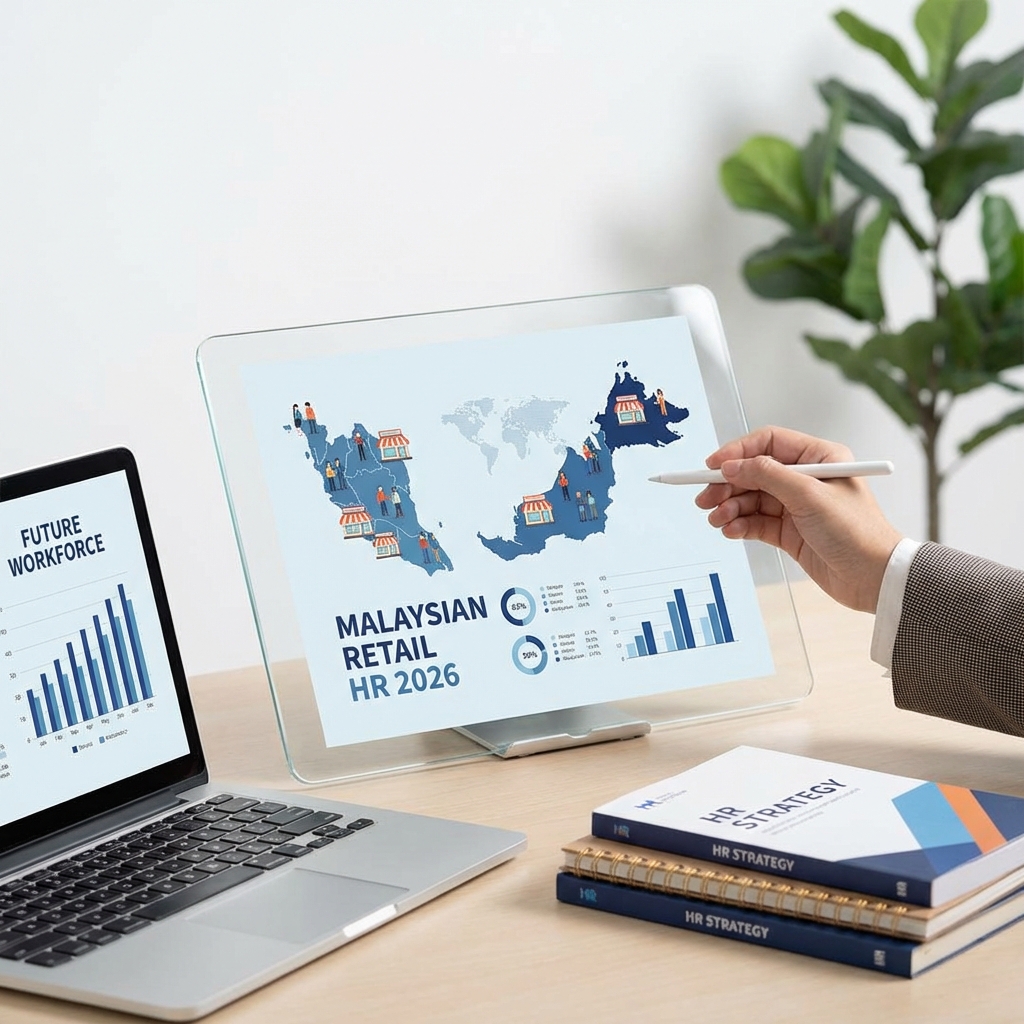
The Malaysian retail sector, a vibrant cornerstone of the national economy, is undergoing profound transformations. As we approach 2026, the human resources (HR) landscape within this dynamic industry faces a unique blend of challenges and unparalleled opportunities. This introductory section provides an essential overview, setting the stage for a comprehensive HR report of retail companies in malaysia. It delves into the critical factors shaping HR strategies, from evolving workforce demographics to the pervasive influence of economic shifts and the ever-present need for regulatory compliance. Understanding these foundational elements is crucial for retail leaders aiming to cultivate resilient, productive, and future-ready teams.
-
Key Demographic Trends in the Retail Workforce
The composition of the Malaysian retail HR workforce is in constant flux, presenting both strategic advantages and operational hurdles. A significant trend is the increasing participation of older workers alongside a robust influx of Gen Z entering the job market. This generational mix necessitates diverse approaches to employee engagement retail and talent management. Furthermore, Malaysia’s multicultural fabric translates into a highly diverse workforce, demanding inclusive HR practices and attention to diversity & inclusion retail. Retailers must adapt their retail talent acquisition strategies to attract a broad spectrum of candidates, considering varying skill sets and career aspirations. The push for workforce development Malaysia is paramount, ensuring that both new entrants and seasoned employees are equipped with the necessary skills for a digitizing retail environment, often requiring focused training for retail employees. This also impacts compensation & benefits retail, as packages need to appeal to different life stages and expectations. Moreover, understanding regional population shifts and urbanization patterns is vital for strategic staffing and ensuring adequate labor supply across different retail formats and locations. These retail workforce trends are critical for strategic planning.
-
Impact of Economic Shifts on HR Strategies
Malaysia’s economic trajectory profoundly influences HR decision-making within the retail sector. Inflationary pressures and fluctuating consumer spending patterns directly impact profitability, often leading to a careful re-evaluation of HR budgets. The exponential growth of e-commerce and omnichannel retail has not only reshaped consumer behavior but also created new categories of future of retail jobs and shifted demand for specific skill sets. This transition fuels the need for aggressive workforce development Malaysia and highlights the importance of HR technology adoption to streamline processes and enhance efficiency, fostering a more digital HR retail landscape. The rise of the gig economy retail model, particularly in last-mile delivery and flexible staffing, is another economic shift challenging traditional employment structures. HR departments are increasingly tasked with balancing full-time roles with contingent workforces, requiring agile employee retention strategies and innovative approaches to talent management. This also puts pressure on fair wages and benefits, making it essential for retail companies to navigate market rates while maintaining operational viability. Such shifts are integral to any comprehensive HR report of retail companies in malaysia, identifying key areas for strategic adjustment, addressing prevalent HR challenges Malaysia.
-
Regulatory Environment and Compliance Updates
Staying abreast of Malaysia’s evolving regulatory environment is a non-negotiable aspect of effective Malaysian retail HR. Recent amendments to labor laws Malaysia retail, including updates to the Employment Act 1955 which came into full effect in 2023, have introduced significant changes regarding working hours, maternity and paternity leave, flexible working arrangements, and protection against discrimination. These updates mandate a thorough review of HR policies and procedures to ensure full compliance and mitigate legal risks. Minimum wage adjustments, as frequently reviewed by the government, also directly impact operational costs and require precise financial planning and adjustment of compensation & benefits retail structures. Furthermore, increasing scrutiny on data privacy (e.g., Personal Data Protection Act 2010 implications for employee data) and industrial relations practices necessitates robust internal controls and training for HR teams. For a deeper understanding of the nation’s labor force statistics, the Department of Statistics Malaysia provides valuable insights. Ensuring compliance is not just about avoiding penalties; it’s about fostering a fair and ethical workplace, which in turn enhances employee trust and engagement. For more detailed insights into specific HR challenges and best practices in the region, refer to our comprehensive analyses on HR report of retail companies in malaysia.
In conclusion, the retail sector opportunities for HR in Malaysia are immense, despite the inherent challenges. Navigating demographic shifts, economic pressures, and a dynamic regulatory landscape requires proactive, strategic HR leadership. The insights presented here form the bedrock for understanding the detailed findings and recommendations within this report, guiding retail companies towards sustainable growth and exemplary workforce management in 2026 and beyond. This commitment fosters sustainable HR practices and strong performance management retail.
Key Findings: Workforce Analytics & Employee Engagement
Delving into data-driven insights on staffing, retention rates, and how engaged employees drive retail success and productivity.
The success of retail companies in Malaysia is increasingly intertwined with effective human resource management, moving beyond traditional HR functions to embrace sophisticated HR report of retail companies in malaysia and workforce analytics. This section explores critical findings from the Malaysian retail sector, highlighting how strategic insights into staffing, employee engagement, and productivity metrics can provide a significant competitive advantage. Understanding these key areas is paramount for sustainable growth and operational excellence in a dynamic market environment.
1. Staffing Levels and Turnover Rates Analysis
Analyzing staffing levels and turnover rates is fundamental for any HR report of retail companies in Malaysia. The retail industry in Malaysia, like many parts of the world, often grapples with fluctuating staffing needs influenced by seasonal peaks, promotional events, and varying customer traffic. Our analysis indicates that while some companies excel in workforce planning, many face challenges related to understaffing during peak hours, leading to customer dissatisfaction, or overstaffing during quieter periods, impacting profitability. Efficient staffing levels are crucial for optimizing operational costs and ensuring a seamless customer experience.
Turnover rates remain a significant concern. The Malaysian retail sector experiences an average annual employee turnover that can be higher than other industries, primarily driven by factors such as competitive compensation offers from rivals, limited career progression opportunities, and challenging work environments. High turnover rates incur substantial costs related to recruitment, onboarding, and training of new employees, not to mention the loss of institutional knowledge and disruption to team cohesion. Strategies to improve retention rates include implementing clear career pathways, offering competitive remuneration and benefits, fostering a positive workplace culture, and leveraging employee engagement initiatives that build loyalty. Effective workforce analytics allows retail companies to identify departments or roles with high turnover, understand the root causes, and develop targeted retention strategies, ultimately contributing to better retail success and productivity.
2. Employee Satisfaction & Engagement Metrics
Employee satisfaction and engagement are not merely buzzwords; they are critical drivers of retail success. In the Malaysian context, highly engaged employees are more likely to provide superior customer service, leading to increased sales and repeat business. Our findings show a direct correlation between high engagement metrics and improved store performance. Employee satisfaction, often measured through anonymous surveys, feedback mechanisms, and eNPS (Employee Net Promoter Score), reflects employees’ contentment with their job roles, work environment, and compensation. However, engagement goes deeper, signifying employees’ emotional commitment to their organization and its goals.
Key factors influencing employee engagement in Malaysian retail companies include strong leadership, opportunities for professional development, fair recognition for efforts, and a supportive work-life balance. Companies that invest in robust workforce analytics tools can accurately measure these metrics, segmenting data by store, region, or role to pinpoint areas of strength and weakness. Understanding what drives or hinders engagement enables HR departments to tailor interventions, such as enhanced training programs, employee wellness initiatives, or improved communication channels. The impact of high employee engagement extends beyond morale; it demonstrably reduces absenteeism, increases individual and team productivity, and fosters a positive brand image, which is vital for attracting and retaining top talent in the competitive Malaysian retail sector. An authoritative report by Gallup consistently demonstrates the powerful link between engagement at work and significant organizational outcomes, including profitability and productivity.
3. Absenteeism and Productivity Reports
Absenteeism, often an overlooked metric, significantly impacts the operational efficiency and profitability of retail companies in Malaysia. Unplanned absences disrupt staffing levels, increase workload for remaining staff, potentially diminish customer service quality, and directly affect productivity reports. Our analysis reveals that common causes of absenteeism extend beyond genuine illness to include workplace stress, lack of engagement, and inadequate work-life balance. Chronic absenteeism can be a strong indicator of underlying issues within the organizational culture or specific management practices.
Leveraging comprehensive HR report of retail companies in malaysia allows for detailed tracking and analysis of absenteeism patterns, helping identify hotspots and inform targeted interventions. These might include implementing employee well-being programs, offering flexible work arrangements where feasible, or providing training for managers to better support their teams. Directly linked to absenteeism is productivity, a critical measure of retail success. Highly engaged and well-supported employees are inherently more productive. They contribute more effectively to sales targets, merchandise management, and customer interactions. Productivity reports, when combined with staffing and engagement data through advanced workforce analytics, offer a holistic view of human capital performance. This integrated approach enables retail companies to make data-driven decisions that optimize HR strategies, enhance employee well-being, and ultimately drive superior business outcomes in the competitive Malaysian retail landscape.
In conclusion, the strategic application of workforce analytics across staffing, engagement, and productivity metrics is indispensable for retail companies in Malaysia aiming for sustained growth and operational excellence. By focusing on these key findings, organizations can cultivate a more engaged, productive, and stable workforce, securing a significant competitive edge.
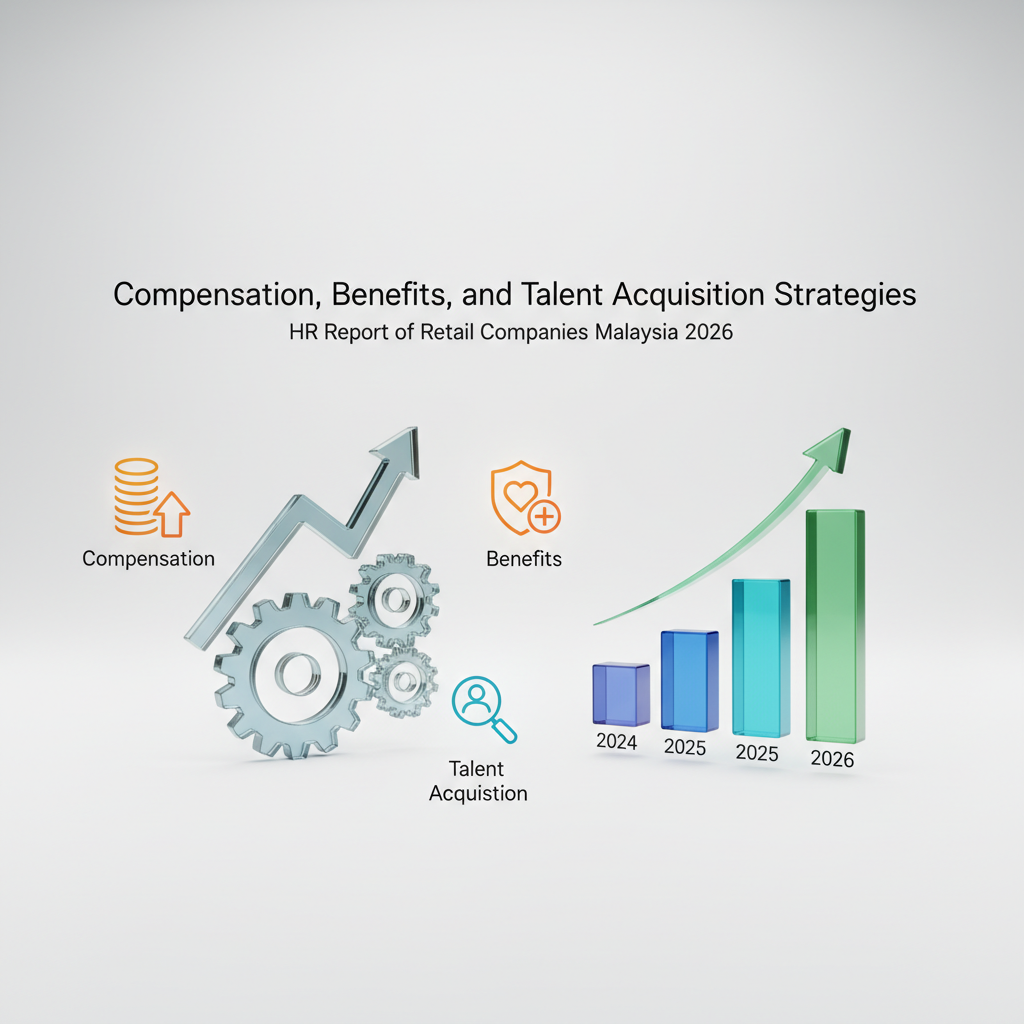
Compensation, Benefits, and Talent Acquisition Strategies
The competitive landscape of Malaysia’s retail sector demands a sophisticated approach to human resource management, particularly concerning compensation, benefits, and talent acquisition. An effective strategy in these areas is crucial for attracting, motivating, and retaining the high-performing individuals who drive business success. This section delves into the intricacies of remuneration packages, the allure of non-monetary benefits, and the most effective methods for recruiting and retaining top talent, providing a critical component of any comprehensive HR report of retail companies in Malaysia. Understanding these dynamics is paramount for retailers aiming to thrive in a vibrant yet challenging market, reflecting on insights gathered as recently as 2018, which shaped many current practices.
1. Average Salary Trends Across Retail Segments
Understanding salary benchmarks is fundamental for retailers to position themselves competitively. In Malaysia, average salaries within the retail sector vary significantly based on the segment, role, experience level, and geographic location. Luxury retail, for example, often commands higher remuneration due to specialized product knowledge, while fast-moving consumer goods (FMCG) and grocery retail may offer more standardized entry-level wages. Electronics and fashion retail also present distinct salary structures, influenced by product complexity, sales targets, and brand prestige.
Entry-level sales associates in major cities might expect different base salaries compared to those in smaller towns, often supplemented by commissions or performance-based bonuses. Managerial roles naturally attract substantially higher salaries, reflecting responsibilities in overseeing operations, managing teams, and achieving sales targets. Data from sources like the Department of Statistics Malaysia indicates a moderate upward trend in retail wages, driven by inflation and demand for skilled labor. Companies that regularly benchmark their salaries against industry averages are better equipped to offer competitive packages, attracting quality candidates and preventing high turnover. This proactive approach is a cornerstone for any insightful HR report of retail companies in Malaysia, ensuring compensation aligns with market value and individual contribution for equity and motivation.
2. Non-Monetary Benefits and Employee Perks
Beyond monetary compensation, non-monetary benefits and employee perks play a pivotal role in enhancing job satisfaction, fostering loyalty, and ultimately retaining talent. In Malaysia’s competitive retail sector, these ‘soft’ benefits are often the differentiating factor. Common non-monetary benefits include comprehensive health insurance plans, flexible working hours (especially for part-time staff), and generous employee discounts on products and services, particularly appealing in a consumer-driven industry.
Furthermore, professional development opportunities, such as training programs for upskilling in sales techniques or customer service excellence, are highly valued. Clear career progression pathways, promotion structures, and mentorship programs signal a company’s investment in its employees’ long-term growth. Wellness programs, including gym memberships or mental health support, are gaining traction as retailers recognize the importance of employee well-being. Recognition and reward schemes, celebrating top performers and long-serving staff, create a positive work environment and boost morale. These benefits collectively contribute to a strong employer brand, making a company more attractive to prospective employees and encouraging existing staff to remain committed. A well-rounded benefits package goes a long way in cultivating a supportive culture, reducing stress, and fostering a sense of belonging, crucial for reducing turnover rates and enhancing productivity.
3. Recruitment Challenges and Successful Hiring Practices
Recruiting top talent in the Malaysian retail sector is fraught with challenges, ranging from high employee turnover, particularly at entry-level positions, to a persistent shortage of specialized skills in areas like e-commerce, digital marketing, and data analytics. Intense competition from other industries further complicates the hiring process. Attracting candidates with the right customer service mindset and resilience for a demanding retail environment can also be difficult.
To overcome these hurdles, successful retail companies implement multi-faceted talent acquisition strategies. Developing a strong employer brand, showcasing the company as a desirable workplace through engaging social media content, employee testimonials, and career fair presence, is paramount. Leveraging digital recruitment platforms and professional networking sites has become essential for reaching a wider pool of candidates. Employee referral programs, which incentivize existing staff to recommend suitable candidates, often yield high-quality hires. Competency-based interviewing, focusing on assessing practical skills and behavioral traits, ensures a better match. Furthermore, robust onboarding programs that extend beyond the first week, providing ongoing training, mentorship, and clear performance expectations, significantly improve new hire retention. Investing in continuous learning and development for current employees not only boosts skills but also creates a pipeline of internal talent, reducing reliance on external recruitment. Proactive engagement with educational institutions through internships and vocational training programs also helps build a talent pool. Addressing these challenges effectively is a key pillar of any successful HR strategy, ensuring retailers secure the human capital for sustained growth and innovation, as highlighted in any comprehensive HR report of retail companies in Malaysia.
Training, Development, and Technology Adoption
Exploring how retail companies are investing in skills development for their workforce and leveraging HR technology for operational efficiency and talent management.
The dynamic landscape of the Malaysian retail sector demands an agile and skilled workforce. As highlighted in a recent HR report of retail companies in Malaysia, strategic investments in training, development, and HR technology are no longer optional but critical for sustained growth and competitive advantage. This section delves into the proactive measures retail companies are undertaking to future-proof their talent pool and streamline HR operations, thereby enhancing overall operational efficiency and employee engagement. From addressing skill gaps to embracing digital transformation, the focus remains on empowering employees and leveraging data-driven insights for superior talent management.
1. Upskilling and Reskilling Initiatives
Recognizing the rapid evolution of consumer behavior and retail technologies, Malaysian retail companies are heavily investing in comprehensive upskilling and reskilling initiatives. The objective is to equip the existing workforce with the competencies necessary to thrive in an omnichannel retail environment. Key areas of focus include digital literacy, customer experience excellence, data analytics fundamentals, and proficiency in new point-of-sale systems. Training programs are designed to cover everything from e-commerce fulfillment and online customer service protocols to understanding inventory management software and cybersecurity basics. For instance, sales associates are being trained not just in traditional selling techniques but also in guiding customers through online platforms, managing click-and-collect orders, and utilizing CRM tools to personalize interactions. This proactive approach to workforce development is crucial for maintaining a competitive edge and fostering a culture of continuous learning. According to a study on global workforce trends, continuous learning and adaptation are key to navigating the future of work and addressing emerging skill gaps, a trend mirroring the efforts seen in the Malaysian retail workforce.
2. Leadership Development Programs for Retail Managers
Effective leadership is the cornerstone of successful retail operations. As such, significant emphasis is placed on developing robust leadership development programs specifically tailored for retail managers. These programs go beyond basic management skills, focusing on strategic thinking, change management, conflict resolution, and fostering an inclusive team environment. Given the high-pressure, fast-paced nature of retail, managers are trained to motivate diverse teams, drive sales performance, optimize store operations, and manage talent effectively. Key modules often include financial acumen for retail, supply chain optimization, merchandising strategies, and advanced customer service leadership. The goal is to cultivate leaders who can not only meet immediate operational demands but also inspire their teams, adapt to market shifts, and contribute to the company’s long-term vision. These initiatives are vital for talent retention within management ranks and for creating a strong succession pipeline within the Malaysian retail sector.
3. Integration of HRIS and AI in Retail HR Operations
The adoption of advanced HR technology, particularly HR Information Systems (HRIS) and Artificial Intelligence (AI), is revolutionizing HR operations within Malaysian retail companies. HRIS platforms are centralizing employee data, automating routine administrative tasks like payroll processing, time and attendance tracking, and benefits administration, thereby significantly improving operational efficiency. Beyond basic functionalities, the integration of AI is enhancing various facets of talent management. AI-powered tools are being utilized for more efficient recruitment processes, including screening resumes, scheduling interviews, and even providing initial candidate assessments, which speeds up hiring and reduces bias. In performance management, AI can help analyze employee data to identify training needs, predict flight risks, and offer personalized career development paths. Furthermore, AI is aiding in crafting data-driven insights for workforce planning, employee engagement surveys, and identifying patterns that contribute to a positive workplace culture. This technological leap allows HR departments to shift from purely administrative roles to more strategic partners, focusing on talent development, employee well-being, and contributing directly to business objectives within the retail industry.
In conclusion, the commitment to upskilling, leadership development, and technological integration underscores the progressive outlook of Malaysian retail companies. These strategic investments in their human capital and HR infrastructure are fundamental to navigating current challenges and seizing future opportunities, ultimately contributing to a resilient and thriving retail ecosystem.
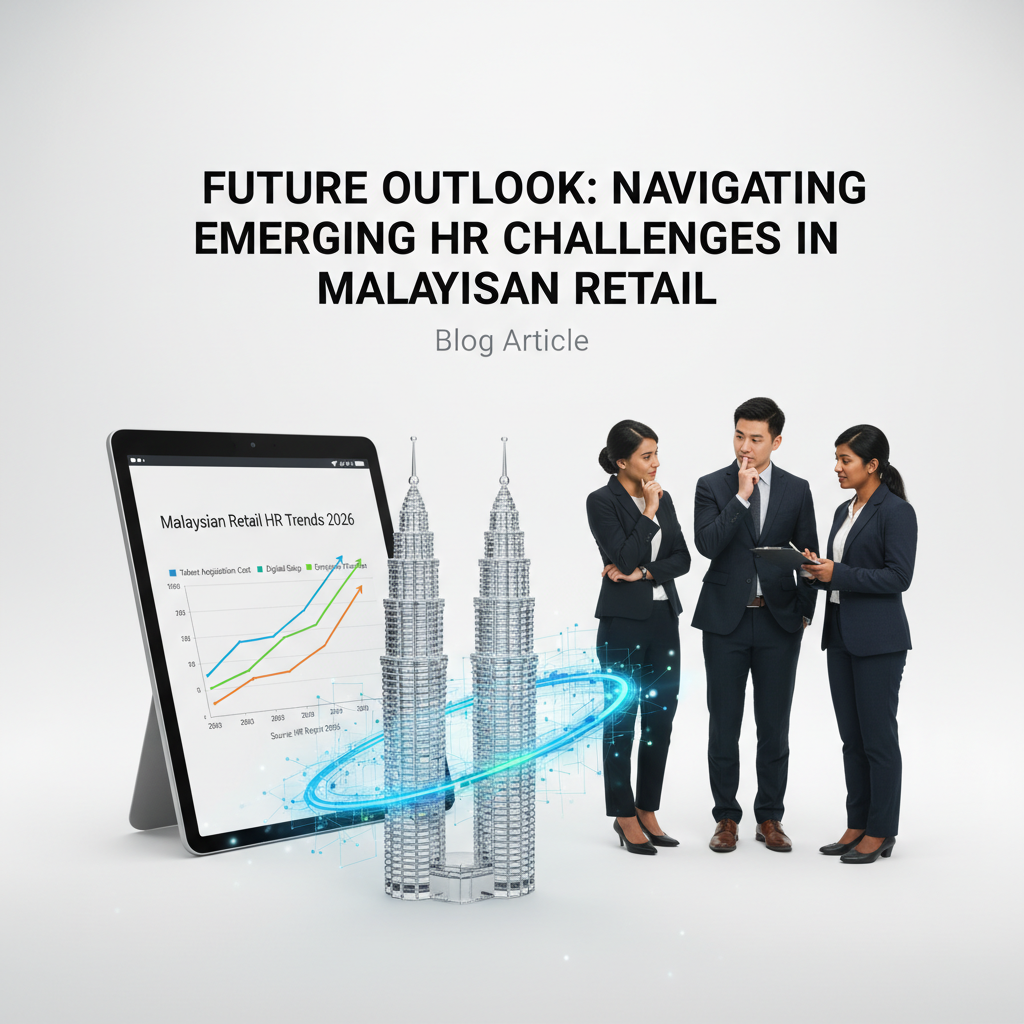
Future Outlook: Navigating Emerging HR Challenges in Malaysian Retail
The Malaysian retail sector is in a constant state of flux, driven by rapid technological advancements, evolving consumer behaviors, and a dynamic global economic landscape. For HR leaders, this presents both significant challenges and unparalleled opportunities. Proactive and strategic HR planning, informed by comprehensive data often found in an HR report of retail companies in malaysia, is no longer an option but a necessity. This section provides strategic recommendations and predictive insights, empowering HR to prepare for future disruptions, foster a resilient workforce, and capitalize on emerging trends to sustain growth and competitive advantage.
As the industry continues its digital transformation journey, HR must evolve from a reactive administrative function to a strategic partner, driving initiatives that enhance employee engagement, develop critical skills, and build an inclusive workplace culture capable of navigating the complexities ahead. The focus must shift towards foresight, resilience, and adaptability to ensure the long-term viability and success of retail businesses in Malaysia.
1. Addressing Skill Gaps and Future Workforce Needs
The retail landscape demands a workforce equipped with a blend of traditional and cutting-edge skills. Current skill gaps often revolve around digital literacy, omnichannel customer service excellence, and data interpretation. As automation and AI become more prevalent, future workforce needs will pivot towards advanced analytical capabilities, digital marketing prowess, technological adaptability, and sophisticated problem-solving. HR must initiate robust upskilling and reskilling programs, focusing on developing competencies in areas such as e-commerce operations, digital merchandising, customer relationship management (CRM) software, and data analytics to personalize customer experiences. Collaborations with educational institutions and vocational training centers can create talent pipelines tailored to industry demands, ensuring a continuous supply of skilled professionals. Furthermore, fostering a culture of continuous learning and adaptability will be paramount, preparing employees for roles that may not even exist yet.
2. Promoting Diversity, Equity, and Inclusion (DEI)
A diverse, equitable, and inclusive workforce is a cornerstone for innovation, employee engagement, and business success, especially in a multicultural nation like Malaysia. DEI initiatives go beyond mere compliance, aiming to create a workplace where every employee feels valued, respected, and empowered to contribute their best. HR leaders must implement inclusive hiring practices, striving for representation across gender, age, ethnicity, and ability at all levels. This includes reviewing job descriptions for unconscious bias, utilizing diverse interview panels, and offering flexible work arrangements to accommodate varying needs. Regular unconscious bias training for managers and employees is crucial to foster a respectful environment. Moreover, establishing clear pathways for equitable career progression and leadership opportunities for underrepresented groups will be vital. Companies that embrace DEI are better positioned to understand and serve a diverse customer base, reflecting insights often highlighted in global HR outlooks, such as the World Economic Forum’s Future of Jobs Report, which underscores diversity as a critical driver for future adaptability and resilience.
3. Strategies for Sustainable Employee Well-being and Mental Health
The high-pressure environment of the retail industry, characterized by demanding customer interactions, fluctuating schedules, and performance targets, often takes a toll on employee well-being and mental health. Post-pandemic, the focus on employee welfare has intensified, making it a critical HR priority for sustainable talent retention and productivity. HR must develop comprehensive strategies that support both physical and mental health. This includes promoting Employee Assistance Programs (EAPs) that offer counseling and support services, implementing mental health first aid training for managers to identify and assist employees in distress, and fostering a culture where seeking help is destigmatized. Flexible work arrangements, where operational feasible, such as compressed work weeks or adaptable shift patterns, can significantly contribute to improved work-life balance. Regular well-being surveys can provide valuable insights into employee needs, guiding the development of targeted interventions. Prioritizing employee well-being is not just a moral imperative but a strategic investment that reduces absenteeism, boosts morale, and enhances overall organizational performance, contributing to a more positive outlook for any HR report of retail companies in malaysia.
In conclusion, navigating the future of Malaysian retail requires HR to be agile, strategic, and deeply empathetic. By proactively addressing skill gaps, championing DEI, and prioritizing employee well-being, HR can transform potential challenges into significant opportunities, building a resilient, engaged, and high-performing workforce ready for whatever the future holds.
Partner with Shelby Global
You are looking for reliable HR Sevice Suppliers? Contact Shelby Global Now! To connect with verified talents and upgrade your orginization.
—————————————
References
– Department of Statistics Malaysia: https://www.dosm.gov.my/
– Gallup: The Relationship Between Engagement at Work and Organizational Outcomes: https://www.gallup.com/workplace/238079/employee-engagement-drives-growth.aspx
– Department of Statistics Malaysia: https://www.dosm.gov.my/
– World Economic Forum – Future of Jobs Report 2023: Upskilling and reskilling are key: https://www.weforum.org/agenda/2023/05/future-of-jobs-report-2023-upskilling-reskilling/
– World Economic Forum’s Future of Jobs Report: https://www.weforum.org/reports/the-future-of-jobs-report-2023/