
Understanding the “HR Report of Sale Field” in Singapore
The term “HR Report of Sale Field” in Singapore, while not a standard, universally recognized HR acronym, signifies a critical analytical approach where Human Resources departments meticulously analyze data related to sales team performance, talent management, and overall contribution to revenue generation. It represents a convergence of HR analytics and sales operations, providing a holistic view of how human capital strategies directly impact sales outcomes. In Singapore’s dynamic and competitive market, understanding this interlinkage is paramount for sustainable business growth. This report moves beyond traditional HR metrics, examining everything from recruitment effectiveness for sales roles to the impact of compensation on sales targets, and the efficacy of sales training programs. Essentially, it leverages HR insights to optimize sales force productivity and strategic market penetration within the Singapore context.

1. Defining HR’s Role in Sales Performance Analytics
Historically, HR’s role in sales was often confined to recruitment, onboarding, and basic payroll. However, modern Singaporean businesses recognize HR as a strategic partner, particularly in sales performance analytics. This expanded role involves actively analyzing data to identify patterns, predict outcomes, and provide actionable insights that directly influence sales force effectiveness. HR departments now delve into metrics such as sales employee turnover, time-to-fill for sales positions, compensation plan efficacy, and the correlation between training hours and sales quota attainment. They contribute significantly to understanding the “why” behind sales numbers – is a dip in sales due to market conditions, or is it a symptom of low sales team morale, inadequate training, or flawed incentive structures? By providing a structured HR report of sale field in Singapore, HR professionals can pinpoint human capital challenges impacting revenue, offering data-driven recommendations for improvements in talent acquisition, development, and retention strategies. This proactive involvement transforms HR from an administrative function into a powerhouse for driving top-line growth.
2. Key Data Points in a Sales HR Report
An effective HR report of sale field in Singapore synthesizes diverse data from HR and sales systems. Key components typically include:
- Sales Productivity Metrics: Individual and team sales volumes, conversion rates, average deal size, and sales cycle length. HR analyzes these to identify top performers and areas for improvement.
- Talent Acquisition & Retention Data: Time-to-hire, cost-per-hire, sales employee turnover, and attrition reasons. High turnover significantly impacts revenue and market share.
- Compensation and Incentives Analysis: Impact of commission plans, bonuses, and non-monetary incentives on sales achievement. This evaluates if current compensation strategies are competitive for the Singaporean talent pool.
- Training and Development Effectiveness: Participation rates, post-training performance improvements, and alignment with business objectives. E.g., do new product training modules directly lead to increased sales?
- Employee Engagement and Morale: Survey data on job satisfaction, engagement levels, and feedback. A highly engaged sales team is often more productive.
- Performance Management Data: Results from performance reviews, goal attainment, and disciplinary actions. This identifies coaching opportunities and addresses underperformance.
By integrating these, the report offers a granular view, allowing informed decisions about the sales workforce.
3. Why This Report is Crucial for Singaporean Businesses
In Singapore’s competitive business landscape, where talent acquisition and retention are constant challenges, the HR report of sale field in Singapore becomes an indispensable strategic tool. Firstly, it enables strategic HR planning by providing insights into talent gaps and workforce needs, guiding targeted training or external hiring tailored to the local market. Secondly, it fosters business growth by optimizing the sales function. By identifying human capital-related bottlenecks, businesses can implement targeted interventions, like revised incentive structures or specialized sales training, leading to improved productivity metrics and enhanced revenue.
Moreover, this report directly supports effective compensation strategies and employee retention programs. Analyzing the link between incentives and performance helps design competitive packages that attract and keep top sales talent, crucial given Singapore’s tight labor market. It also highlights employee dissatisfaction contributing to attrition, allowing proactive HR intervention. Research on HR analytics indicates organizations leveraging data-driven HR insights often outperform peers in productivity and profitability. Finally, leveraging these insights provides a significant competitive advantage. Companies efficiently recruiting, developing, and retaining a high-performing sales force are better positioned to capture market share and adapt to evolving consumer demands in Singapore. This comprehensive approach ensures human capital investments align directly with sales objectives and overall business success. For further insights into optimizing sales force performance through HR analytics, explore resources like this internal link.
Key Metrics & Data Points for 2026
As the Singapore sales market continues its dynamic evolution, driven by technological advancements and shifting customer expectations, HR professionals are facing an increasingly critical role. To truly support and propel their sales teams forward, a data-driven approach is no longer optional but essential. This section dives deep into the essential metrics HR professionals should track and report on for sales teams in Singapore, highlighting forward-looking aspects for 2026’s competitive landscape. By meticulously analyzing an HR report of sale field in Singapore, organizations can gain a strategic edge, optimize performance, and ensure sustainable growth. Effective HR analytics for sales will be the bedrock of future success.
1. Sales Team Productivity & Efficiency Metrics
For 2026, understanding and enhancing sales team productivity and efficiency will be paramount. Beyond simple revenue figures, HR needs to dissect the ‘how’ behind the numbers. Key sales performance metrics to track include sales cycle length (how long it takes to close a deal), win rates (percentage of deals closed successfully), and average deal size. Analyzing conversion rates at each stage of the sales funnel provides crucial insights into where reps excel or struggle, informing targeted training and resource allocation. Activity metrics, such as the number of calls, meetings, and proposals generated per rep, offer a pulse on effort, while the adoption rates of CRM and other sales tools indicate effective resource utilization. Furthermore, measuring revenue per sales employee offers a high-level view of individual contribution. A robust analysis of these metrics enhances overall sales force effectiveness, identifies bottlenecks, and guides sales team development strategies. This proactive data gathering ensures that teams are not just working hard, but working smart and efficiently in the highly competitive Singapore sales market.
2. Compensation & Incentive Structure Analysis
Effective compensation and incentive structures are powerful levers for motivating high performance and fostering loyalty within sales teams. For 2026, HR must move beyond basic commission tracking to conduct a comprehensive analysis of the entire compensation framework. Key data points include commission attainment rates across different sales tiers, the ratio of average variable pay to base salary, and the return on investment (ROI) for various sales incentive programs. Analyzing the impact of specific incentives on the sale of strategic products or services can reveal how well plans align with business objectives. Furthermore, evaluating compensation fairness and equity, especially in a diverse talent pool, is crucial for morale and retention. HR professionals should also track year-over-year changes in overall sales compensation to ensure competitiveness within the Singapore sales market and industry benchmarks. This deep dive into sales compensation plans ensures they are not only attractive but also highly effective in driving desired behaviors and outcomes, forming a core component of a sound HR strategy Singapore.
3. Sales Talent Acquisition & Retention Rates
In a tight talent market, attracting and retaining top-tier sales professionals is a constant challenge. HR metrics for 2026 must focus on the entire sales talent lifecycle. Key acquisition metrics include time-to-hire for various sales roles, cost-per-hire, and offer acceptance rates, which indicate the attractiveness and efficiency of recruitment processes. Tracking sales new hire ramp-up time—how long it takes for a new hire to become fully productive—is vital for assessing onboarding effectiveness and identifying training gaps. On the retention front, the voluntary turnover rate, particularly among high-performing sales employees, serves as a critical indicator of organizational health. Employee engagement scores, specific to the sales department, provide insights into job satisfaction and potential flight risks. Additionally, analyzing internal promotion rates within sales and comprehensive exit interview feedback can pinpoint areas for improvement in career development and workplace culture. These talent acquisition strategies and focus on sales employee retention are pivotal for building a stable and high-performing sales force, shaping the future of sales HR. For more insights into optimizing your sales HR practices, consider reviewing resources like this HR report of sale field in Singapore.
By diligently tracking and analyzing these key metrics, HR professionals can move beyond reactive measures to proactive, strategic partnerships with sales leadership. Such comprehensive data allows for informed decision-making, targeted interventions, and the cultivation of a high-performance sales culture that thrives in Singapore’s competitive environment. This forward-looking approach to HR analytics for sales not only optimizes current operations but also prepares the organization for future challenges and opportunities, ensuring the continued success of the sales function.
Challenges and Opportunities in Singapore’s Sales Landscape
Singapore’s dynamic economy presents a unique blend of challenges and opportunities for Human Resources departments managing sales teams. This section delves into the specific hurdles HR faces in the city-state’s competitive environment, while also highlighting burgeoning avenues for growth, digital transformation, and optimization within the sales field, drawing insights relevant to any comprehensive HR report of sale field in singapore.

1. Navigating Digital Transformation in Sales
The rapid pace of digital transformation is reshaping sales strategies globally, and Singapore is no exception. For HR, this translates into a critical need to equip sales professionals with effective new technology skills. Challenges include overcoming resistance to change, integrating disparate digital tools, and ensuring data privacy. Many sales teams may still rely on traditional methods, leading to a significant skills gap in adopting CRM systems, AI-driven analytics, virtual selling platforms, and social selling techniques. HR must design robust training programs that not only introduce these tools but also embed them into daily workflows, fostering a data-driven sales culture.
However, these challenges unlock immense opportunities. Digital tools offer unparalleled efficiencies in lead generation, customer relationship management, and sales forecasting. AI can personalize customer interactions, while advanced analytics provide deeper insights into customer behavior, allowing tailored pitches and improved conversion rates. For HR, this is an opportunity to redefine sales roles, attract digitally fluent talent, and create a more agile sales organization. Singapore’s strong governmental push for a digital economy, as highlighted by initiatives driving business transformation, underscores this shift. Singapore’s Economic Development Board (EDB) emphasizes digital transformation as a key driver for business growth, making adaptation imperative for sales teams.
2. Impact of Remote Work on Sales Teams
The global shift towards remote and hybrid work models has profoundly impacted sales teams in Singapore. While offering flexibility, it poses unique HR challenges in maintaining team cohesion, fostering a strong sales culture, and effectively managing performance. Sales professionals thrive on interaction; remote setups can lead to isolation, making it harder for managers to monitor engagement and provide real-time coaching. Onboarding new hires remotely requires innovative approaches for seamless integration and understanding of product offerings and values. Furthermore, ensuring equitable technology access and managing cybersecurity risks for a distributed workforce adds complexity for HR.
Conversely, remote work opens up significant opportunities for HR and sales leaders. It broadens the talent pool beyond geographical constraints, allowing companies to recruit top sales talent from across Singapore and the region. This flexibility can also be a strong retention tool, appealing to professionals seeking better work-life balance. HR can leverage collaboration platforms and virtual team-building activities to maintain connectivity and morale. By focusing on outcome-based performance metrics rather than face-time, HR can empower sales teams, promoting autonomy and accountability. This requires HR to evolve performance management frameworks, invest in robust communication tools, and prioritize mental well-being initiatives for a productive, engaged remote sales force.
3. Attracting and Retaining Top Sales Talent
Singapore’s vibrant, competitive market means attracting and retaining top sales talent is a continuous battle for HR. The demand for skilled sales professionals, particularly those with digital proficiency, strong client relationship skills, and industry-specific knowledge, often outstrips supply. Companies, both local and multinational, compete fiercely, leading to escalating salary expectations and increased pressure on HR to craft compelling employer value propositions. The “Great Resignation” phenomenon has made employees re-evaluate career paths, prioritizing career development, work-life balance, and company culture.
To overcome these challenges, HR must adopt a proactive and strategic approach. This includes developing robust employer branding initiatives showcasing the company’s unique culture and growth opportunities. Offering competitive compensation packages, including performance-based incentives, is crucial, but must be complemented by clear career progression pathways, ongoing professional development programs, and mentorship opportunities. HR plays a pivotal role in creating an engaging and inclusive work environment where sales professionals feel valued, heard, and empowered to succeed. Implementing structured onboarding processes, continuous learning platforms, and transparent performance feedback mechanisms are vital for attracting and retaining high-performing sales individuals critical to driving revenue growth in Singapore’s dynamic market.
Leveraging HR Reports for Strategic Sales Decisions
In today’s fiercely competitive global landscape, particularly in dynamic markets like Singapore, sales performance is the lifeblood of any thriving business. To achieve sustainable growth and a formidable competitive advantage, organizations must move beyond intuitive decision-making and embrace data-driven strategies. This is precisely where robust HR reports, especially those focused on sales data, become indispensable. An insightful HR report of sale field in Singapore, for instance, offers a granular view into the operational dynamics of the sales force, transforming raw data into actionable intelligence. By analyzing metrics ranging from sales performance analytics to individual talent development pathways, these reports empower leadership to make informed strategic decisions that directly impact business growth, amplify sales team productivity, and secure a stronger market position.
Far from being mere administrative tools, modern HR reports are powerful strategic instruments. They provide critical market insights by dissecting sales trends, identifying regional strengths and weaknesses, and even revealing potential impacts of external factors on sales targets. This level of detailed competitive intelligence allows businesses to not only react to market shifts but proactively shape their sales strategies. Understanding the effectiveness of various sales initiatives, the underlying reasons for high or low performance, and the overall health of the sales pipeline equips executives with the foresight needed to steer the company towards consistent success. The following sections delve into specific areas where HR reports can be strategically leveraged.
1. Optimizing Sales Training & Development Programs
Effective training is the cornerstone of a high-performing sales team. HR reports are pivotal in designing and refining sales training and development programs by providing clear, evidence-based insights. These reports can pinpoint specific skill gaps across the sales force, whether it’s in product knowledge, negotiation tactics, or digital selling capabilities. For example, an analysis of an HR report of sale field in Singapore might reveal that a particular region or team is underperforming in closing deals, signaling a need for targeted training in closing techniques. By tracking the ROI of past training initiatives, businesses can gauge sales training effectiveness and adjust content, delivery methods, and frequency to maximize impact. This data-driven approach ensures that resources are allocated to programs that genuinely enhance sellers’ capabilities, fostering continuous talent development and directly contributing to improved sales performance. Moreover, by segmenting data, HR can tailor development pathways for high-potentials, ensuring a robust pipeline of future sales leaders.
2. Enhancing Performance Management Frameworks
A sophisticated performance management framework is essential for motivating and retaining top sales talent. HR reports provide the objective data required to build and refine these frameworks. Through precise KPI tracking, reports can monitor individual and team progress against established goals, identifying top performers who deserve recognition and those who might need additional support or coaching. This data enables managers to provide constructive, evidence-based feedback, fostering a culture of accountability and continuous improvement. Reports can also shed light on discrepancies in performance across different demographics or territories within the HR report of sale field in Singapore, prompting investigations into underlying issues such as resource allocation, market conditions, or management styles. Furthermore, HR reports offer crucial insights for designing fair and motivating compensation analysis and incentive structures that truly reward exceptional performance and drive desired sales behaviors, thereby boosting overall sales team productivity.
3. Forecasting Sales Workforce Needs
Strategic growth demands proactive workforce planning, and sales forecasting is no exception. HR reports, particularly those integrating historical sales data with future business projections, are instrumental in predicting future sales workforce needs. By analyzing turnover rates, retirement trends, and sales growth targets, organizations can anticipate staffing shortages or surpluses. This foresight allows for the development of robust recruitment strategies to attract and hire the right talent at the right time, minimizing disruption to sales operations. For instance, a detailed HR report of sale field in Singapore might indicate an aging sales force in specific sectors, necessitating early succession planning for critical roles. Such reports also inform decisions regarding internal mobility and redeployment of talent, ensuring that the sales team possesses the necessary skills and headcount to meet evolving market demands and capitalize on new opportunities. This strategic approach to talent management is vital for maintaining a competitive edge and ensuring long-term business resilience.
In conclusion, the strategic application of comprehensive HR reports on sales data is no longer a luxury but a necessity for businesses aiming for sustainable growth. By providing deep insights into sales performance, talent development, and workforce dynamics, these reports empower leaders to make decisions that optimize training, enhance performance management, and accurately forecast future talent needs. Embracing this data-driven methodology allows companies to build a resilient, high-performing sales organization ready to conquer market challenges and secure a leading position in any competitive landscape.
Best Practices & Future Outlook for 2026 and Beyond
The landscape for managing and reporting on the sales field in Singapore is rapidly evolving, driven by technological advancements, stricter data privacy regulations, and the increasing demand for data-driven decision-making. For HR teams, understanding these shifts and adopting proactive strategies is crucial for sustained success. The focus for 2026 and beyond will be on leveraging integrated technologies, ensuring robust data governance, and transforming HR’s role into a strategic partner. This section provides actionable best practices for Singaporean HR teams to effectively manage and create an impactful HR report of sale field in singapore, while looking towards future trends and technological advancements.
-
Implementing HR Tech for Sales Data Analytics
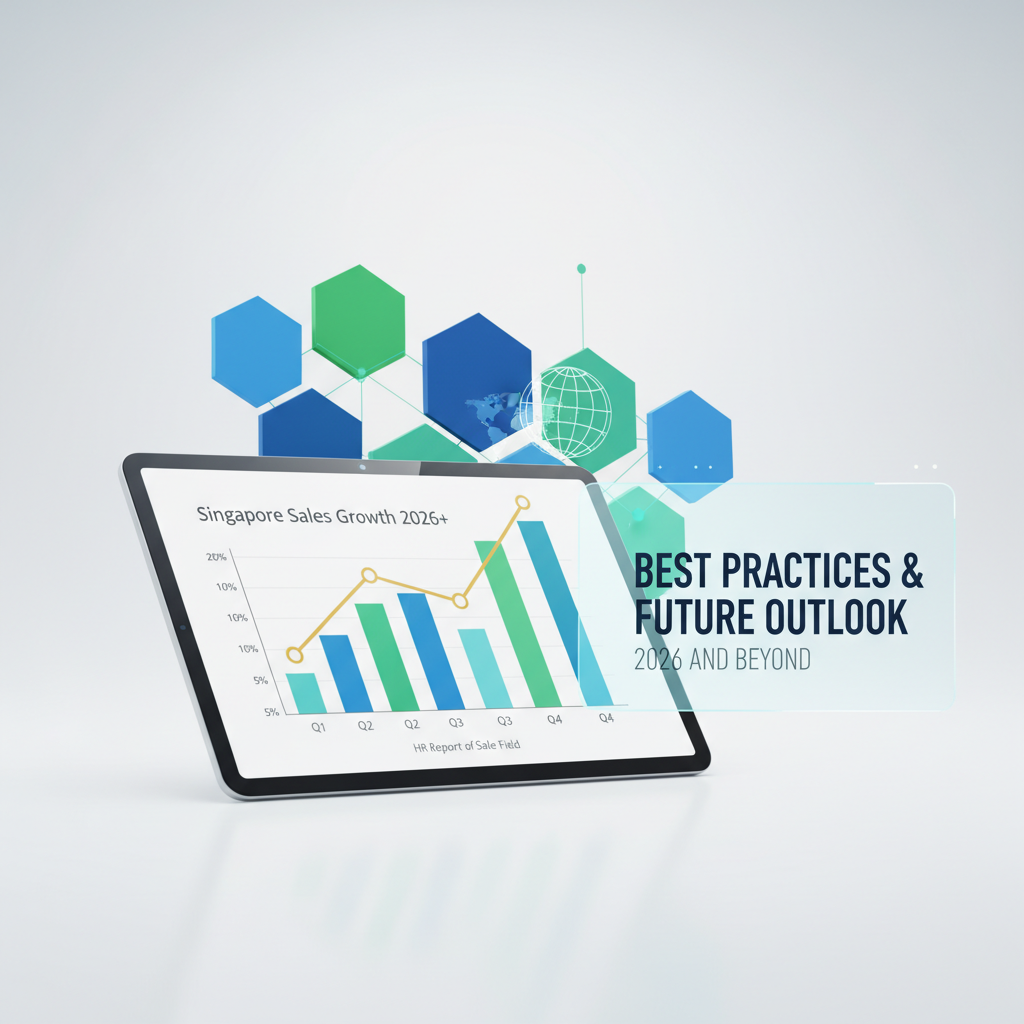
The era of manual data compilation for sales performance is rapidly fading. To generate comprehensive and insightful HR report of sale field in singapore, HR teams must invest in and effectively utilize HR technology platforms. This involves integrating HRIS (Human Resource Information Systems) with CRM (Customer Relationship Management) systems, sales compensation software, and performance management tools. Such integration provides a holistic view of sales professionals’ journeys, from recruitment and training to performance metrics and compensation. Advanced HR analytics, powered by AI and machine learning, can then identify key trends, predict sales attrition risks, and pinpoint high-performing sales behaviors. For instance, analyzing correlations between specific training modules and sales quotas achieved can directly inform future learning and development strategies. Furthermore, these platforms enable real-time tracking of sales metrics, allowing for agile adjustments to incentive programs and performance coaching. By embracing these technologies, HR can move beyond mere reporting to prescriptive analytics, offering strategic insights that directly impact business growth. This shift is vital for Singaporean companies aiming to maintain a competitive edge in a dynamic market.
-
Ensuring Data Privacy and Compliance (PDPA)
With the increasing volume and sensitivity of sales performance data, ensuring robust data privacy and compliance is paramount, especially in Singapore under the Personal Data Protection Act (PDPA). HR teams must establish clear guidelines for data collection, storage, access, and usage, particularly when dealing with performance metrics, compensation details, and personal information of sales employees. This includes obtaining explicit consent where necessary, implementing strong access controls, and regular data security audits. Training for all personnel involved in data handling, particularly those generating an HR report of sale field in singapore, is essential to foster a culture of data responsibility. Compliance isn’t just about avoiding penalties; it’s about building trust with employees and maintaining the organization’s reputation. Future trends suggest a global convergence towards stricter data protection frameworks, making proactive compliance a critical best practice. HR should collaborate closely with legal and IT departments to develop and enforce comprehensive data governance policies, ensuring that all sales-related data initiatives adhere to local regulations and international best practices. For detailed guidance on navigating Singapore’s data protection landscape, refer to the official PDPC Advisory Guidelines. This proactive approach minimizes risks and enhances the integrity of all HR data.
-
The Evolving Role of HR Business Partners in Sales
The traditional administrative role of HR is no longer sufficient for managing a high-performing sales force. HR Business Partners (HRBPs) must evolve into strategic advisors, deeply embedded within sales divisions. This means understanding sales strategies, market dynamics, and the specific challenges faced by sales teams. HRBPs should partner with sales leadership to design effective compensation plans that motivate desired behaviors, develop tailored talent acquisition strategies to attract top sales talent, and create robust performance management frameworks. Their insights are invaluable for developing an effective HR report of sale field in singapore, translating raw data into actionable strategies for improving sales effectiveness and employee engagement. In 2026 and beyond, HRBPs will increasingly use predictive analytics to identify emerging skill gaps in sales teams, proactively design upskilling programs, and serve as change agents during the adoption of new sales methodologies or technologies. Their ability to bridge the gap between human capital and business objectives will be paramount, moving HR from a supportive function to a central pillar of sales success. This strategic partnership fosters a culture of continuous improvement and ensures that HR initiatives directly contribute to revenue generation and organizational growth.
The future of managing the sales field in Singapore demands a proactive, tech-savvy, and strategically aligned HR function. By embracing advanced HR tech for data analytics, meticulously ensuring data privacy and compliance under PDPA, and empowering HRBPs to act as true strategic partners, organizations can unlock unprecedented levels of sales performance and talent optimization. These best practices are not merely operational enhancements but fundamental shifts required to navigate the complexities of 2026 and beyond, ensuring that HR remains a vital contributor to the overall business success and an invaluable resource for insights into the HR report of sale field in singapore.
Partner with Shelby Global
You are looking for reliable HR Sevice Suppliers? Contact Shelby Global Now! To connect with verified talents and upgrade your orginization.
—————————————
References
– People analytics: Driving business performance with HR data: https://www.mckinsey.com/capabilities/people-and-organizational-performance/our-insights/people-analytics-driving-business-performance-with-hr-data
– Salesforce State of Sales Report: https://www.salesforce.com/news/stories/state-of-sales-report/
– Singapore’s Economic Development Board (EDB) emphasizes digital transformation: https://www.edb.gov.sg/en/our-industries/digital-transformation-and-innovation.html
– How Data and Analytics Are Changing the Sales Profession: https://hbr.org/2016/09/how-data-and-analytics-are-changing-the-sales-profession
– PDPC Advisory Guidelines: https://www.pdpc.gov.sg/guidelines-and-resources/advisory-guidelines



































































































