
Overview of Vietnam’s Travel Sector Workforce in 2026
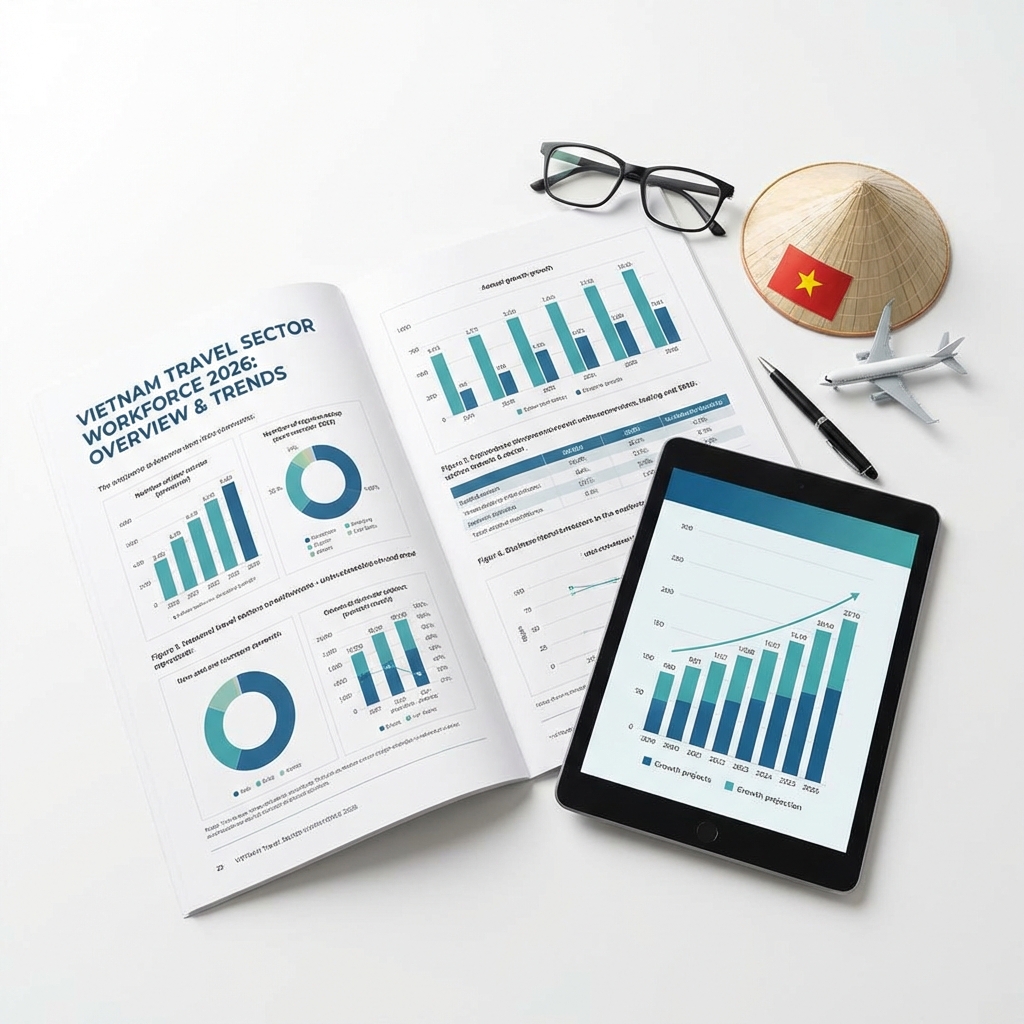
Vietnam’s tourism sector is a cornerstone of its economic growth, poised for significant expansion by 2026. As the nation continues to attract a growing number of international and domestic visitors, the human resources supporting this vibrant industry become increasingly critical. This section provides a high-level overview of the current state and projected size of the workforce within Vietnam’s travel and tourism industry, highlighting key demographics, growth drivers, and the lasting implications of the post-pandemic recovery. Understanding these dynamics is essential for any comprehensive HR report of Travels field in vietnam, offering insights into talent management, skill development, and strategic workforce planning for the coming years.
1. Current Workforce Demographics and Size
As of early 2026, Vietnam’s travel sector workforce encompasses a vast network of professionals directly and indirectly contributing to the industry’s success. This includes employees in hotels, resorts, tour operators, travel agencies, transportation services, F&B establishments catering to tourists, and various ancillary services. Estimates suggest that the sector directly employs millions, with a significant multiplier effect on indirect employment. Demographically, the workforce is characterized by a relatively young population, with a strong presence of individuals under 35. While enthusiasm and a service-oriented mindset are prevalent, challenges persist in terms of formal training, language proficiency (especially in less common foreign languages), and digital literacy required for modern tourism operations.
Skill gaps are particularly notable in specialized areas such as sustainable tourism management, advanced hospitality technology, and personalized customer experience delivery. While urban centers like Hanoi, Ho Chi Minh City, Da Nang, and Nha Trang concentrate a higher density of skilled workers and formal training institutions, rural and emerging tourist destinations often struggle with a shortage of trained personnel. Addressing these disparities through targeted educational programs and vocational training is crucial for equitable growth across the nation’s diverse tourism landscapes. The industry’s reliance on a large, adaptable, but often informally trained workforce underscores the immediate need for structured development pathways.
2. Key Growth Areas and Their Impact on HR
Vietnam’s travel industry is undergoing a transformative period, driven by several key growth areas that are profoundly reshaping its human resource landscape. The increasing global demand for sustainable and eco-tourism experiences, for instance, necessitates a workforce equipped with knowledge of environmental conservation, responsible tourism practices, and community engagement. Similarly, the rise of luxury travel and personalized experiences demands highly skilled professionals capable of delivering bespoke services, often requiring advanced hospitality training and multilingual capabilities. Digital transformation is another powerful catalyst, requiring employees proficient in reservation systems, online marketing, data analytics, and the use of AI-driven tools to enhance customer service and operational efficiency.
Emerging segments like medical tourism, wellness retreats, and adventure tourism are also creating specialized job roles that did not widely exist a decade ago. These areas call for unique blends of medical expertise, therapeutic knowledge, outdoor leadership skills, and an understanding of international health and safety standards. This diversification of the tourism product directly impacts HR strategies, demanding a shift from generalist hiring to more targeted recruitment for niche skills. Investment in continuous professional development, cross-training programs, and partnerships with educational institutions to develop tailored curricula will be vital for Vietnam to capitalize on these high-value segments and ensure its workforce remains competitive on the global stage. These trends highlight the dynamic nature of the sector’s human capital requirements.
3. Post-Pandemic Recovery: HR Implications
The COVID-19 pandemic delivered an unprecedented shock to Vietnam’s travel sector, leading to widespread job losses, business closures, and a significant exodus of talent. As the industry continues its robust recovery trajectory towards 2026, the HR implications are profound and multifaceted. One of the primary challenges is re-attracting skilled workers who left the industry for more stable sectors during the crisis. This ‘brain drain’ has led to labor shortages, particularly in specialized roles, and an increased competition for talent.
In response, businesses are now focusing heavily on employee retention strategies, including improved working conditions, competitive remuneration, and opportunities for career progression. There’s also a renewed emphasis on employee well-being, mental health support, and flexible working arrangements to build a more resilient and attractive work environment. Furthermore, the pandemic accelerated the adoption of digital technologies, making digital literacy and adaptability essential skills for nearly all roles. Training and re-skilling initiatives are therefore critical, not just for new entrants but also for existing staff to meet evolving industry standards and health protocols. The World Travel & Tourism Council (WTTC) has consistently highlighted the importance of government and private sector collaboration to support workforce development and ensure a sustainable recovery for the global tourism sector, a sentiment strongly echoed in Vietnam’s ongoing efforts to rebuild and strengthen its travel workforce. (World Travel & Tourism Council). The long-term success of Vietnam’s travel industry hinges on its ability to strategically invest in its people, fostering an environment where talent can thrive and contribute to a more resilient and innovative future.
Key HR Trends and Challenges Facing the Industry
The travel sector in Vietnam is experiencing a dynamic resurgence following global disruptions, yet this growth brings with it a complex array of human resource challenges. From talent acquisition to retaining skilled professionals and upskilling the workforce, HR departments within Vietnam’s tourism and hospitality industry are at the forefront of navigating a rapidly evolving landscape. Understanding these pressing issues is crucial for businesses aiming to sustain growth, enhance service quality, and maintain a competitive edge in a market increasingly defined by sophisticated traveler expectations. This comprehensive look into the HR report of Travels field in Vietnam will explore the critical trends shaping the industry’s workforce future.
1. Talent Shortages and Recruitment Strategies
One of the most immediate and significant challenges facing Vietnam’s travel sector is the acute talent shortage. The pandemic led to a substantial exodus of skilled workers from the industry, many of whom sought stability in other sectors. As tourism rebounds strongly, businesses are struggling to re-attract and recruit staff across all levels, from entry-level service roles to experienced managerial positions. This scarcity is exacerbated by demographic shifts and a growing preference among younger generations for roles offering greater work-life balance and career progression.
Effective recruitment strategies are no longer just about filling vacancies; they involve proactive measures to build a robust talent pipeline. Companies must invest in strengthening their employer brand, highlighting the unique opportunities and vibrant culture within the travel industry. Leveraging digital recruitment platforms, social media, and AI-powered applicant tracking systems can streamline the hiring process and reach a wider pool of candidates. Furthermore, strategic partnerships with vocational schools and universities, offering internships and apprenticeships, are vital for nurturing the next generation of tourism professionals directly from the source. Focusing on attracting returnees to the industry through targeted campaigns and showcasing improved working conditions and benefits can also yield significant results in the HR report of Travels field in Vietnam.
2. Employee Retention and Engagement Initiatives
Beyond recruitment, retaining talent is equally critical, especially given the high costs associated with employee turnover. The modern workforce, particularly in the post-pandemic era, has elevated expectations regarding workplace culture, professional development, and overall well-being. For the travel sector in Vietnam, this translates into a need for innovative employee retention and engagement initiatives that go beyond traditional compensation packages.
Competitive salaries and benefits remain foundational, but non-monetary incentives are increasingly powerful. These include flexible working arrangements where feasible, comprehensive health and wellness programs, and clear pathways for career advancement. Investing in continuous professional development, mentorship programs, and cross-training opportunities not only boosts employee skills but also fosters a sense of loyalty and commitment. Regular feedback mechanisms, employee recognition programs, and fostering an inclusive and supportive work environment are essential for keeping staff motivated and engaged. A thorough understanding of what truly motivates employees, as often highlighted in a comprehensive HR report of Travels field in Vietnam, can inform tailored strategies that significantly improve retention rates and cultivate a dedicated workforce. High engagement directly translates into better customer service, a crucial differentiator in the competitive tourism market.
3. Addressing Skill Gaps for Future Demands
The rapid evolution of technology and changing traveler behaviors necessitate a continuous focus on addressing skill gaps within the industry. Future demands in Vietnam’s travel sector will require a workforce proficient in digital literacy, data analytics, and sustainable tourism practices. Multilingual capabilities, particularly in emerging markets, and advanced customer service skills tailored to diverse international clientele, are also becoming non-negotiable. The shift towards personalized experiences and responsible tourism means staff need to be adaptable, innovative, and deeply empathetic.
To bridge these gaps, organizations must implement robust reskilling and upskilling programs. This includes training in new software and digital tools, enhancing foreign language proficiency, and developing competencies in areas such as sustainable tourism management and crisis communication. Partnerships with industry associations and educational institutions can facilitate access to specialized training modules and certifications. Promoting a culture of continuous learning, where employees are encouraged to acquire new skills and adapt to evolving demands, is paramount. Such proactive skills development initiatives are not just about meeting current needs but are an investment in the long-term resilience and competitiveness of Vietnam’s travel sector. Embracing technology in training delivery, such as e-learning modules and virtual reality simulations, can make learning more accessible and engaging for a distributed workforce.
Compensation, Benefits, and Employee Well-being
In Vietnam’s dynamic travel industry, attracting and retaining top talent is crucial for sustained success. This section of our HR report of Travels field in vietnam explores strategies for remuneration, comprehensive benefits, and initiatives aimed at enhancing employee well-being and job satisfaction. As the sector grows and faces unique challenges, a holistic approach to compensation and employee care becomes a strategic imperative, directly impacting productivity, loyalty, and a company’s competitive edge.
1. Competitive Salary Benchmarks and Structures
Establishing competitive salary benchmarks and transparent structures is fundamental to attracting and retaining skilled professionals in Vietnam’s travel industry. Salaries must reflect industry standards, accounting for experience, specialized skills (e.g., multilingual proficiency), and diverse roles from tour guides to management. Regular market analysis and benchmarking against local and regional competitors are essential to keep remuneration attractive. Companies often integrate performance-based incentives, such as bonuses tied to sales targets or customer satisfaction, to motivate employees and reward exceptional contributions. Clear career progression paths with corresponding salary increases also provide a sense of growth and foster long-term commitment. This strategic approach ensures employees feel valued and fairly compensated for their vital role in shaping Vietnam’s tourism landscape, reducing turnover and building a dedicated workforce.
2. Non-Monetary Benefits and Perks
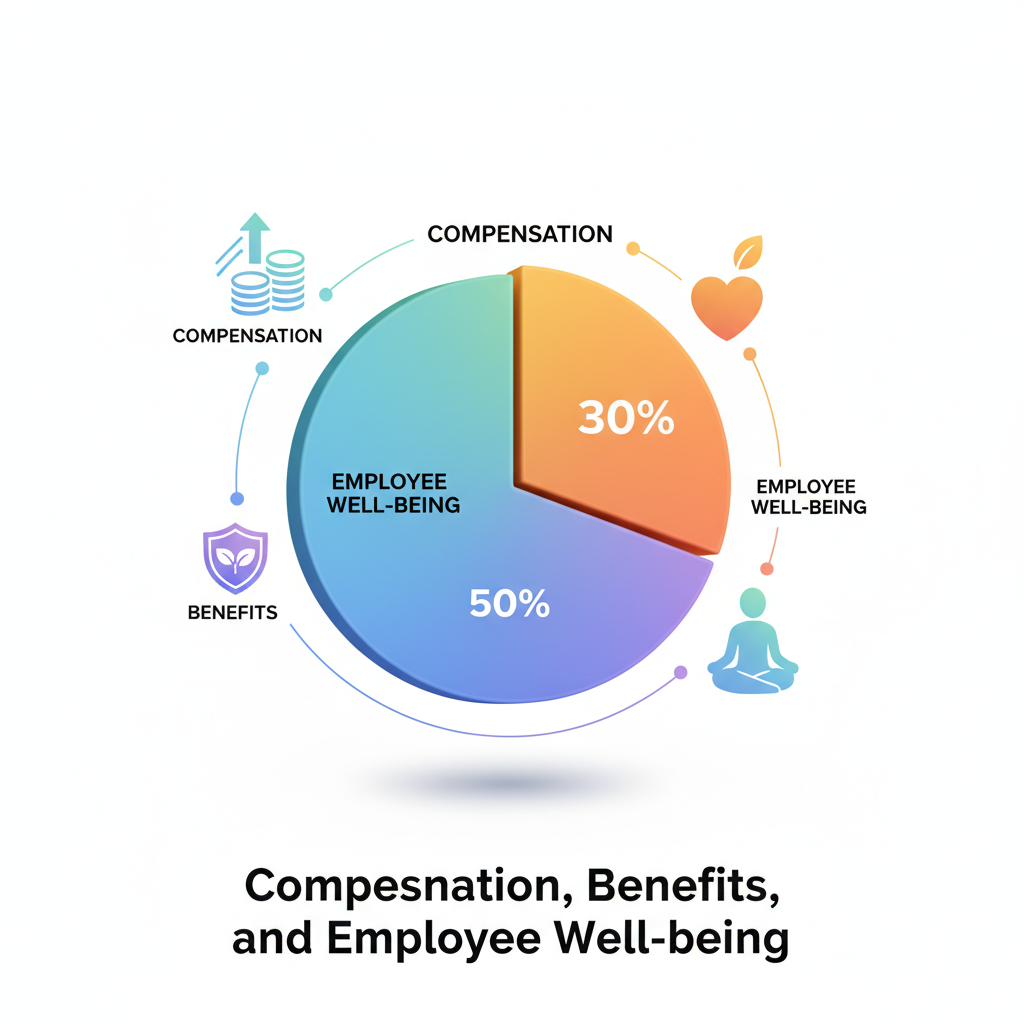
Beyond competitive salaries, a robust array of non-monetary benefits significantly enhances employee satisfaction and loyalty within the Vietnamese travel sector. These often include comprehensive health and accident insurance, providing essential security. Travel-specific perks, such as discounted or complimentary travel packages, reduced rates on flights and accommodations, and educational trips to explore new destinations, are highly valued. Professional development is another key benefit, with companies investing in language courses, specialized tourism certifications, and leadership training to boost skills and career prospects. Flexible working arrangements, where feasible, and generous leave policies also contribute significantly to work-life balance and overall well-being. By offering a thoughtful combination of these advantages, employers can differentiate themselves, cultivate a positive work environment, and foster a deeper sense of belonging, recognizing that job satisfaction extends beyond the monthly paycheck.
3. Promoting Mental Health and Work-Life Balance
The demanding nature of the travel industry, characterized by seasonal peaks, irregular hours, and high customer service expectations, underscores the critical importance of promoting mental health and work-life balance. Progressive travel companies in Vietnam are increasingly recognizing that a healthy workforce is a productive one. Initiatives include providing access to Employee Assistance Programs (EAPs) offering confidential counseling, organizing stress management workshops, and implementing wellness programs. Encouraging a culture that respects personal time, discouraging excessive overtime, and ensuring adequate rest periods are fundamental. Fostering open communication where employees can discuss challenges and seek support is vital. Companies are also exploring flexible scheduling and remote work options, where roles permit, to help employees manage personal and professional responsibilities. Prioritizing mental health and work-life balance reduces burnout, improves retention, and boosts overall organizational resilience. According to the World Health Organization, good mental health at work contributes to increased productivity and a positive work environment globally.
In conclusion, a strategic and empathetic approach to compensation, benefits, and employee well-being is indispensable for the sustainable growth of Vietnam’s travel industry. By offering competitive remuneration, valuable non-monetary perks, and robust support for mental health and work-life balance, companies can cultivate a motivated, loyal, and highly productive workforce, driving the sector forward.
Technology’s Role in HR and Workforce Development
Technological advancements are rapidly reshaping every facet of the human resources landscape, profoundly influencing practices from recruitment and training to performance management and the broader digital transformation within travel companies. This evolution is particularly pertinent for the HR report of the Travels field in Vietnam, where the industry is embracing innovation to stay competitive and cater to an evolving workforce.
1. Adoption of HR Tech for Efficiency
The travel industry in Vietnam is witnessing a significant surge in the adoption of HR technology, driven by the need for greater operational efficiency and enhanced employee experience. From Applicant Tracking Systems (ATS) that streamline the hiring process to comprehensive Human Resources Information Systems (HRIS) that manage employee data, payroll, and benefits, technology is automating routine tasks and freeing up HR professionals for more strategic initiatives. Performance management systems, often integrated with HRIS, provide real-time feedback mechanisms and objective performance tracking, which are crucial for a dynamic sector like travel. For instance, large hotel chains and tour operators are leveraging cloud-based HR solutions to manage their dispersed workforce efficiently, ensuring compliance and consistency across multiple locations. This mirrors broader global trends in HR technology adoption, as detailed by sources like SHRM’s insights on HR Technology, which emphasizes the drive towards greater efficiency and strategic value. Such technological integration is a key highlight in any contemporary HR report of the Travels field in Vietnam, showcasing a sector committed to modernization.
2. Upskilling and Reskilling for Digital Roles
The digital transformation sweeping through the travel sector necessitates a workforce equipped with new skills. As online bookings, digital marketing, AI-driven customer service, and data analytics become standard, the demand for roles requiring expertise in these areas is skyrocketing. Travel companies in Vietnam are recognizing the imperative to upskill their existing employees and reskill for new digital roles, ranging from digital marketing specialists and data analysts to IT support and cybersecurity experts. Technology itself plays a pivotal role in facilitating this learning. E-learning platforms, virtual reality (VR) and augmented reality (AR) simulations for hospitality training, and AI-powered personalized learning paths are enabling continuous development. This shift is a critical component highlighted in any comprehensive HR report of the Travels field in Vietnam, underscoring the necessity for robust talent development initiatives. Investing in digital literacy and specialized technological skills is not just about adapting to change; it’s about proactively shaping the future competitiveness and resilience of the travel workforce.
3. Data Analytics for Informed HR Decisions
The proliferation of HR technology generates vast amounts of data, which, when analyzed effectively, can provide invaluable insights for informed decision-making. HR analytics is transforming how travel companies approach workforce planning, talent acquisition, and employee retention. By analyzing recruitment metrics, employee performance data, engagement survey results, and attrition rates, HR departments can identify patterns, predict future trends, and proactively address challenges. For example, data analytics can help pinpoint the reasons behind employee turnover in specific roles or departments, allowing management to implement targeted retention strategies. It also aids in identifying critical skill gaps across the organization, guiding targeted training and development programs. This move from reactive to proactive HR strategies, driven by data, enables travel companies in Vietnam to optimize their workforce, enhance employee satisfaction, and ultimately improve business outcomes. Leveraging data analytics is becoming a non-negotiable for competitive advantage, making it a crucial section for any forward-thinking HR report of the Travels field in Vietnam aiming to provide strategic recommendations.
Future Outlook and Strategic HR Recommendations
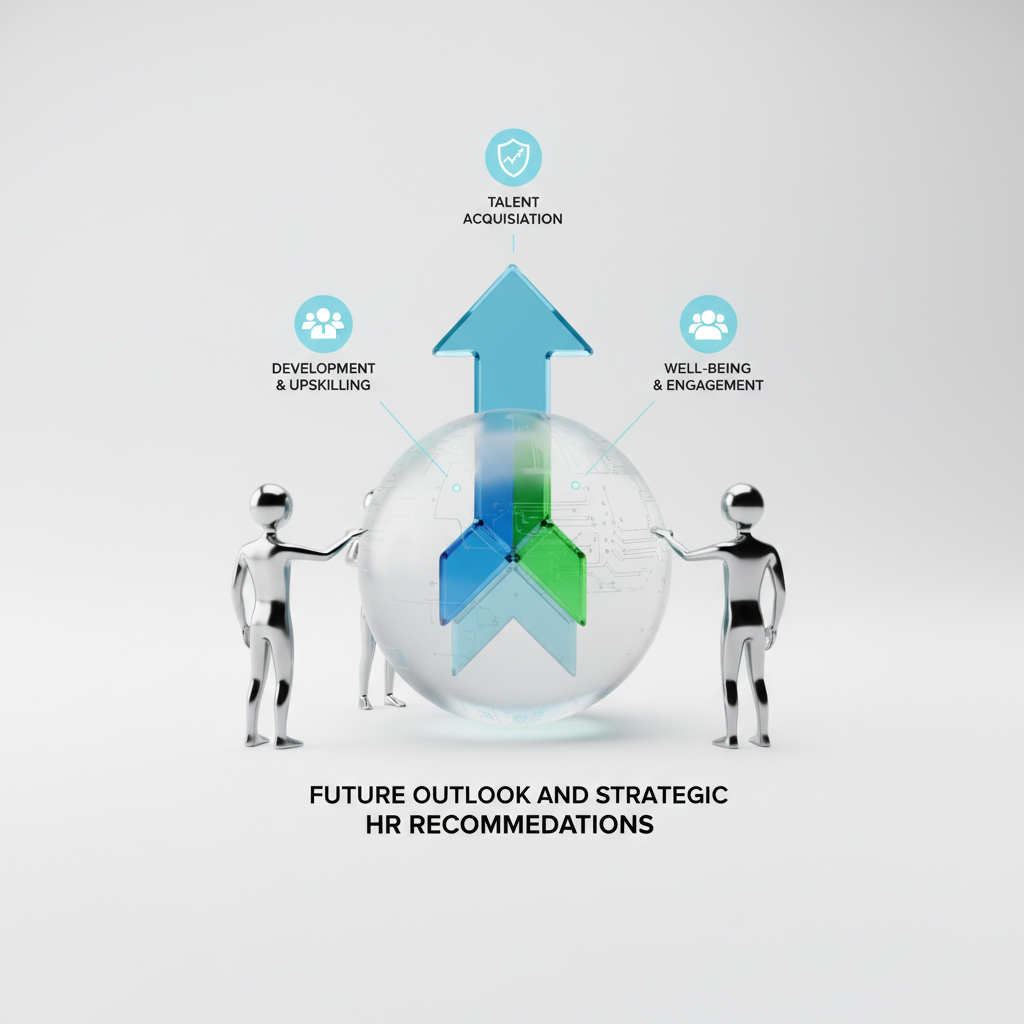
The travel sector in Vietnam stands at the cusp of unprecedented growth and transformation. As international and domestic tourism continue to rebound and evolve, the human resources landscape within this dynamic industry is undergoing significant shifts. This section provides a forward-looking perspective on the travel sector’s HR landscape in Vietnam, offering strategic recommendations for businesses to thrive in the coming years by anticipating challenges and capitalizing on emerging opportunities.
-
Forecasting Workforce Needs and Supply
-
Developing Sustainable HR Policies
-
Actionable Strategies for HR Leaders in 2026
The Vietnamese travel sector is characterized by its agility and resilience, yet future success hinges on precise workforce planning. As the sector targets ambitious growth, reflected in projections like Vietnam expecting tourism revenue to surge significantly, HR leaders must proactively forecast both quantitative and qualitative workforce requirements. The demand for digitally proficient professionals will intensify, encompassing roles in online marketing, data analytics, AI-driven customer service, and cybersecurity. Furthermore, as sustainable tourism gains traction, there will be a burgeoning need for specialists in eco-tourism management, community engagement, and responsible travel operations. Multilingual talent, particularly with proficiency in regional languages and major global languages beyond English, will also be crucial for enhancing visitor experiences from diverse markets.
On the supply side, the challenge lies in attracting and retaining talent amidst increasing competition from other sectors and the global market. Demographic shifts and evolving career aspirations mean that traditional recruitment methods may no longer suffice. HR departments must leverage predictive analytics to identify potential talent gaps, understand skill obsolescence, and pinpoint emerging skill requirements well in advance. Partnerships with educational institutions, vocational training centers, and government bodies will be essential to cultivate a pipeline of skilled workers, ensuring the talent pool can meet the evolving demands of the travel sector in Vietnam.
Sustainable HR policies are no longer a luxury but a necessity for long-term organizational health and competitive advantage in Vietnam’s travel industry. This encompasses a holistic approach to employee well-being, diversity, equity, and inclusion (DEI), and ethical labor practices. With a younger workforce valuing work-life balance and purpose-driven employment, flexible work arrangements, mental health support, and transparent career progression paths will become critical retention tools. Businesses must invest in continuous learning and development programs, not just for upskilling but also for reskilling employees for future roles, adapting to technological advancements, and promoting a culture of lifelong learning. Such investments will build employee loyalty and enhance overall productivity.
Furthermore, integrating sustainability into HR means ensuring fair wages, safe working conditions, and robust anti-discrimination policies. Companies that champion ethical recruitment practices and demonstrate a genuine commitment to employee growth will naturally attract higher-caliber talent and build stronger employer brands. These policies contribute to a positive organizational culture, reducing turnover and fostering a dedicated workforce capable of delivering exceptional service experiences, which is paramount in the service-centric travel industry.
For HR leaders navigating the complexities of the travel sector in Vietnam towards 2026, several actionable strategies are paramount. Firstly, embrace HR technology and automation. Implementing AI-powered recruitment tools, automated payroll systems, and sophisticated HR analytics platforms can free up HR teams from administrative tasks, allowing them to focus on strategic initiatives like talent development and employee engagement. Secondly, prioritize employer branding. In a competitive market, a strong employer brand that showcases the company’s culture, values, and commitment to employee growth will be crucial for attracting top talent. Leverage social media, employee testimonials, and industry awards to highlight your organization as an employer of choice.
Thirdly, foster a culture of innovation and adaptability. Encourage employees to embrace new technologies and methodologies, providing them with the necessary training and resources. This includes cross-functional training to build a more versatile workforce. Lastly, develop robust succession planning frameworks. Identifying and nurturing future leaders within the organization ensures continuity and reduces reliance on external hiring for critical roles. For a comprehensive look at the current HR report of Travels field in Vietnam, delve into our dedicated resources. By proactively implementing these strategies, HR leaders can position their travel businesses for sustained success and resilience in Vietnam’s dynamic economic landscape.
Partner with Shelby Global
You are looking for reliable HR Sevice Suppliers? Contact Shelby Global Now! To connect with verified talents and upgrade your orginization.
—————————————
References
– World Travel & Tourism Council: https://wttc.org/
– Skills Development Initiatives by ILO: https://www.ilo.org/global/topics/skills-knowledge-and-employability/lang–en/index.htm
– Mental health at work – WHO: https://www.who.int/news-room/fact-sheets/detail/mental-health-at-work
– SHRM’s insights on HR Technology: https://www.shrm.org/resources-and-tools/hr-topics/technology
– Vietnam expects tourism revenue to surge 19% in 2024: https://www.reuters.com/markets/asia/vietnam-expects-tourism-revenue-surge-19-2024-2024-03-05/