Current Landscape & Key Demographics
Singapore’s travel sector, a cornerstone of its economy, is a dynamic and essential industry. This overview provides a foundational understanding of its current landscape, detailing its impressive size, the major players driving its growth, and the crucial demographic composition of its workforce. This comprehensive HR report of Travels field in singapore sets the stage for a deeper analysis into the human resource challenges and opportunities within this vital sector, offering insights for businesses and policymakers alike. Understanding these dynamics is paramount for developing effective HR strategies in travel that ensure sustained growth and resilience.
1. Size and Growth of Singapore’s Travel Sector
Singapore’s travel sector is a formidable economic engine, consistently contributing significantly to the nation’s Gross Domestic Product (GDP) and employment. Pre-pandemic, the industry experienced robust growth, driven by its strategic location, world-class infrastructure, and a reputation for safety and innovation. Despite the unprecedented challenges posed by global events, Singapore’s commitment to tourism recovery has been unwavering, demonstrating remarkable resilience and adaptability. The travel industry workforce has been pivotal in this recovery.
In recent years, the sector has seen a strong resurgence, propelled by increasing international visitor arrivals and domestic tourism initiatives. Key players range from global hospitality giants like Marina Bay Sands, Resorts World Sentosa, and international hotel chains to a vibrant ecosystem of local tour operators, airlines (Singapore Airlines being a prominent global leader), MICE (Meetings, Incentives, Conferences, and Exhibitions) venues, and attractions. These entities collectively form a complex network, constantly innovating to attract a diverse global clientele. The economic impact is substantial; for instance, Singapore’s tourism receipts reached S$27.7 billion in 2023, exceeding pre-pandemic levels and signaling a strong rebound (Singapore Tourism Board). This robust performance underscores the sector’s vital role in national prosperity and its capacity to create significant employment opportunities across various skill levels. The demand for a skilled and adaptable travel industry workforce remains high, prompting strategic HR initiatives to attract, retain, and develop talent.
2. Workforce Age, Gender, and Nationality Breakdown
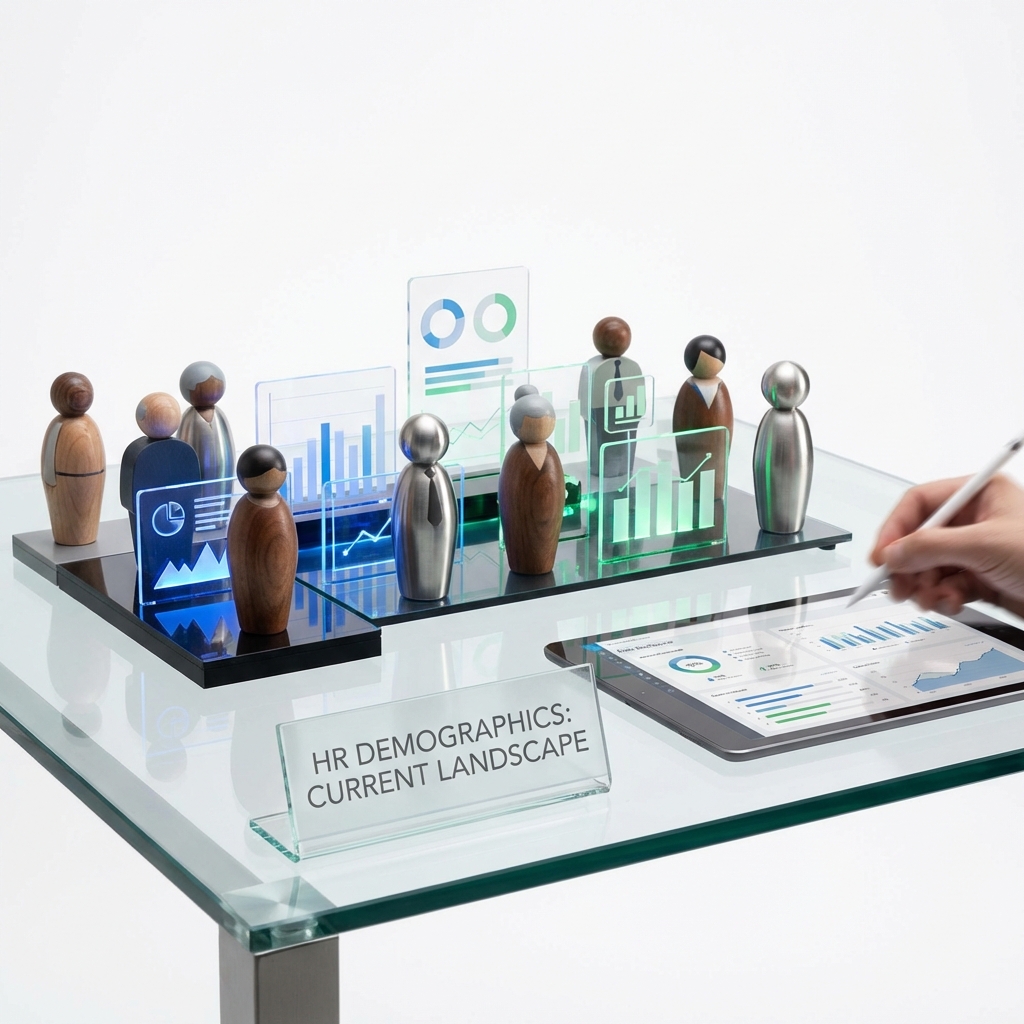
The demographic composition of Singapore’s travel industry workforce reflects the nation’s diverse population and its reliance on both local and international talent. A detailed HR report of Travels field in singapore reveals interesting patterns across age, gender, and nationality.
Age: The travel sector typically features a multi-generational workforce. While entry-level positions often attract younger individuals, there is a significant presence of experienced professionals in supervisory, managerial, and specialized roles. The median age tends to be slightly higher than some other industries, given the importance of experience in hospitality and customer service. However, efforts are continuously made to integrate younger talent and leverage their digital fluency, while retaining the institutional knowledge of seasoned employees.
Gender: The sector generally exhibits a balanced gender distribution, though specific segments may show variations. For instance, customer-facing roles in hotels and airlines often have a high representation of women, while certain operational or technical roles might be male-dominated. However, Singapore’s progressive policies promote gender equality, leading to increasing female representation in leadership positions across the travel and tourism landscape.
Nationality: Given Singapore’s limited local workforce pool and its status as an international hub, foreign talent plays a crucial role. The workforce is a mosaic of nationalities, comprising Singaporean citizens, Permanent Residents, and expatriates holding various work permits. This international composition enriches the workplace with diverse perspectives and language capabilities, which are invaluable in serving a global clientele. Regulatory frameworks govern the employment of foreign workers, ensuring a balance between local employment opportunities and the strategic needs of the industry. This balance is critical for maintaining the high service standards Singapore is renowned for. The demographics of travel employees is constantly evolving, influenced by global trends and local policies.
3. Impact of Tourism Policies on HR Strategies
Singapore’s government plays an active and instrumental role in shaping the travel sector through forward-thinking tourism policies. These policies have a profound and direct impact on HR strategies in travel, influencing everything from talent attraction and development to workforce planning and remuneration. The Singapore Tourism Board (STB) and the Ministry of Manpower (MOM) often collaborate to introduce initiatives that support the industry.
One significant area of impact is workforce development. Policies supporting skill upgrading, such as the SkillsFuture movement, provide substantial funding for training and professional development, encouraging employees to acquire new competencies relevant to digital transformation, service excellence, and sustainability. This directly benefits employers seeking to upskill their travel industry workforce and remain competitive. For instance, the SGUnited Skills Programme and other sector-specific initiatives have been crucial in retraining and redeploying workers during periods of disruption.
Furthermore, regulations concerning foreign worker quotas and levies directly influence recruitment strategies. Companies must strategically balance their reliance on local versus international talent, necessitating robust local talent development pipelines and competitive compensation packages to attract Singaporeans. Policies promoting innovation, such as those encouraging the adoption of technology in service delivery, also drive HR to re-evaluate job roles, introduce new training modules, and foster a culture of continuous learning and adaptation. This proactive governmental approach ensures that the HR report of Travels field in singapore continues to highlight a sector that is not only robust but also responsive to future challenges and opportunities.
Talent Acquisition and Retention Challenges
Singapore’s vibrant and competitive travel market presents a unique set of challenges for HR professionals striving to attract and retain skilled employees. As the industry rapidly evolves, propelled by technological advancements and shifting consumer expectations, the demand for adaptable and proficient talent intensifies. This section of our comprehensive HR report of Travels field in singapore examines the significant hurdles encountered, from bridging critical skills gaps to developing innovative strategies for talent management and addressing high employee turnover. Navigating these complexities is crucial for ensuring the sustained growth and resilience of Singapore’s travel sector, requiring a proactive and strategic approach to workforce development.
1. Skills Gap Analysis in Travel Roles
A persistent and growing challenge in Singapore’s travel industry is the discernible skills gap. Traditional roles are being redefined, and new specializations are emerging, driven by the digital transformation and an increasing focus on personalized customer experiences. HR departments report a significant shortage of candidates possessing advanced digital literacy, including proficiency in data analytics, AI-driven customer service platforms, and social media marketing. Beyond technical skills, there’s also a demand for enhanced soft skills such as adaptability, problem-solving, cross-cultural communication, and a strong service mindset, particularly for front-line roles. This gap extends to specialized areas like sustainable tourism management and crisis communication, which have become increasingly vital.
To address this, robust workforce development programs are essential. Organizations must invest in upskilling and reskilling initiatives for their existing employees, collaborating with educational institutions and government bodies like SkillsFuture Singapore. Continuous learning pathways can transform the current workforce, equipping them with the competencies required for the future. For example, the Singapore Tourism Board’s talent development initiatives underscore the importance of these efforts in preparing the sector for future demands. By conducting regular skills audits and forecasting future talent needs, companies can proactively design training modules that target specific deficiencies, ensuring a pipeline of qualified professionals for evolving travel roles.
2. Innovative Strategies for Attracting Young Talent
Attracting young talent into the travel sector is paramount for its long-term viability, yet it faces stiff competition from other perceived “glamorous” industries. Many young professionals are seeking roles that offer purpose, flexibility, clear career progression, and a positive work-life balance. To counter this, HR must adopt innovative strategies that rebrand the industry’s appeal. Emphasizing the global opportunities, diverse career paths—from digital marketing and technology to experience design and sustainable tourism—and the tangible impact on customer experiences can resonate with younger demographics.
Companies should leverage digital platforms and social media extensively for recruitment, showcasing vibrant workplace cultures and employee success stories. Internships, mentorship programs, and structured graduate schemes can provide invaluable exposure and pathways into the industry. Furthermore, incorporating elements of digital transformation in travel HR practices, such as gamified recruitment processes or virtual reality tours of workplaces, can capture the attention of tech-savvy individuals. Offering flexible work arrangements, competitive benefits beyond just salary, and fostering an environment of continuous learning and growth are critical for boosting employee engagement and making travel an attractive long-term career choice for the next generation.
3. Addressing High Employee Turnover Rates Effectively
High employee turnover continues to plague the travel sector in Singapore, often driven by factors such as demanding work schedules, perceived limited career progression, and uncompetitive remuneration compared to other industries. This constant churn not only incurs significant recruitment and training costs but also impacts service quality and organizational knowledge. Effectively addressing turnover requires a multi-faceted approach centered on improving the overall employee experience and strengthening talent management frameworks.
A crucial first step is to conduct thorough exit interviews and employee satisfaction surveys to understand the root causes of departures. Based on these insights, HR can implement targeted interventions. Revisiting competitive compensation in travel packages, including performance-based incentives and comprehensive benefits, is essential to retain valuable employees. Furthermore, investing in leadership development programs for managers to enhance their coaching and feedback skills can significantly improve team morale and reduce dissatisfaction. Creating clear career development plans, offering opportunities for cross-functional exposure, and recognizing employee contributions regularly are also vital. Fostering a supportive, inclusive, and positive workplace culture where employees feel valued and empowered can transform the industry’s retention rates, ensuring that the valuable expertise cultivated within the sector remains a long-term asset.
Compensation, Benefits & Employee Well-being
A detailed analysis of salary structures, comprehensive benefits packages, and crucial initiatives promoting employee health and satisfaction across the travel industry.
In the dynamic and competitive landscape of Singapore’s travel sector, attracting and retaining top talent hinges significantly on robust compensation, compelling benefits, and a genuine commitment to employee well-being. A comprehensive HR report of Travels field in Singapore consistently highlights these pillars as critical success factors. As the industry recovers and evolves, HR leaders must continuously adapt their strategies to meet the changing expectations of the workforce, ensuring competitive positioning and a thriving organizational culture. Understanding the nuances of salary benchmarks, the breadth of benefit offerings, and the impact of progressive well-being initiatives is paramount for any business aiming for sustainable growth and employee satisfaction within the `Singapore travel industry HR` landscape.
-
Benchmarking Salaries and Benefits Competitively
To remain an attractive employer in the Singapore travel industry, companies must undertake rigorous and regular benchmarking of salaries and benefits. This process ensures that remuneration packages are not only competitive but also reflect the specialized skills and dedication required within the sector, from frontline customer service roles to specialized roles in digital marketing and destination management. An up-to-date `HR report of Travels field in Singapore` often reveals that market-leading salaries, coupled with robust benefits, are crucial for talent acquisition. Beyond base pay, a comprehensive benefits package typically includes health insurance, dental coverage, retirement plans (such as CPF contributions for locals), and various forms of leave. Global talent pools further intensify the need for competitive `travel sector compensation Singapore`, as employees may compare offers regionally or internationally. Therefore, HR departments must meticulously track market data, leveraging resources like the Hays Asia Salary Guide or similar industry-specific reports to fine-tune their offerings. The goal is to create a value proposition that not only meets but exceeds industry standards, fostering loyalty and reducing attrition within `Singapore travel industry HR`.
-
Mental Health Support and Work-Life Balance Programs
The fast-paced and often high-stress nature of the travel industry underscores the critical importance of mental health support and robust work-life balance programs. As a key aspect of contemporary `HR trends Singapore travel`, organizations are increasingly investing in initiatives designed to safeguard and enhance employee well-being. This includes implementing Employee Assistance Programs (EAPs) that offer confidential counseling and support services, stress management workshops, and access to mental health professionals. Creating a culture that normalizes discussions around mental health and provides accessible resources is vital. Furthermore, promoting work-life balance through flexible working hours, adequate rest periods, and discouraging an ‘always-on’ mentality contributes significantly to employee satisfaction and productivity. These `well-being programs travel Singapore` not only demonstrate an employer’s commitment to their staff but also lead to a more resilient, engaged, and productive workforce, reducing burnout and fostering a positive work environment. Such initiatives are no longer a luxury but a fundamental component of a progressive `employee benefits tourism Singapore` strategy.
-
Impact of Flexible Work Policies on Employee Benefits
The post-pandemic era has irrevocably reshaped work models, with flexible work policies — including hybrid and remote arrangements — becoming a standard expectation rather than an exception. This shift has profound implications for employee benefits and `travel sector compensation Singapore`. While traditional benefits like office-based perks (e.g., in-office meals, gym memberships) may diminish in relevance, new forms of benefits are emerging to support flexible work. These can include stipends for home office setups, enhanced internet allowances, and virtual well-being programs. For an `HR report of Travels field in Singapore`, analyzing the cost-effectiveness and impact of these new benefits is crucial. Flexible work also influences the perceived value of benefits; for instance, unlimited paid time off or enhanced personal leave policies become even more appealing. Companies in `Singapore travel industry HR` must adapt their benefits packages to ensure they remain relevant and attractive to a workforce that increasingly values autonomy and flexibility. This means rethinking not just where work happens, but how benefits can best support employees, regardless of their physical work location, thereby enhancing overall `employee benefits tourism Singapore` and retaining critical talent.
Training, Development & Future Skills
In the dynamic and globally connected travel sector of Singapore, Human Resources (HR) departments are at the forefront of preparing the workforce for an era defined by rapid technological advancements and shifting consumer expectations. This section, crucial for any comprehensive HR report of Travels field in singapore, focuses on essential upskilling initiatives, the competencies required for future success, and how HR departments are strategically positioning employees to meet evolving industry demands.
-
Digital Transformation and Upskilling Programs
The travel industry in Singapore is undergoing a profound digital transformation, requiring a significant shift in the skill sets of its workforce. From online booking platforms and mobile applications to customer relationship management (CRM) systems and data analytics, digital fluency is no longer a luxury but a necessity. HR departments are investing heavily in comprehensive upskilling programs to equip employees with critical travel technology skills. These initiatives range from basic digital literacy for frontline staff to advanced training in areas such as digital marketing, e-commerce management, cybersecurity awareness, and data interpretation for strategic decision-making.
For instance, hotel staff need to be proficient in using smart check-in/check-out systems, while travel agents must master dynamic packaging tools and personalized itinerary builders. Data analysts are increasingly crucial for understanding customer behavior and market trends, allowing for targeted service offerings. HR’s role extends to identifying skill gaps through regular assessments and collaborating with educational institutions and tech providers to design relevant curricula. By fostering a culture of continuous learning, companies ensure their employees remain competitive and capable of leveraging new digital tools to enhance customer experience and operational efficiency.
-
Leadership Development in Hospitality Management
As the industry evolves, so too must its leadership. Modern hospitality leadership requires more than traditional management acumen; it demands adaptability, innovation, and a deep understanding of technological integration. HR departments are redesigning leadership development programs to cultivate these competencies. Key areas of focus include change management, emotional intelligence, cross-cultural communication, and strategic foresight to anticipate future trends in travel and tourism. Leaders are being trained not just to manage teams but to inspire and guide them through periods of rapid technological and market disruption.
Initiatives include executive coaching, mentorship programs, and workshops on agile methodologies and design thinking. The goal is to empower leaders who can foster a resilient, innovative, and customer-centric organizational culture. This also involves developing leaders who are tech-savvy enough to champion the adoption of new digital tools and understand their strategic implications. Investing in leadership development ensures a pipeline of strong, forward-thinking managers capable of navigating complex global markets and maintaining Singapore’s reputation as a world-class travel destination. This commitment to developing strategic capabilities is vital for the long-term success outlined in any HR report of Travels field in singapore.
-
Preparing for Automation and AI in Travel Services
The advent of automation and Artificial Intelligence (AI) is set to redefine numerous roles within travel services, from customer service chatbots and AI-driven personalized recommendations to robotic process automation in back-office operations. Rather than viewing these technologies as threats, forward-thinking HR departments are preparing the workforce readiness Singapore for a collaborative future with AI in tourism. This involves proactively identifying tasks that can be automated and then reskilling initiatives travel employees for higher-value, human-centric roles that require creativity, empathy, complex problem-solving, and critical thinking—skills that AI cannot easily replicate.
Training programs are being designed to teach employees how to work alongside AI, utilizing its capabilities to enhance productivity and service quality. For example, staff previously focused on repetitive booking tasks might now be trained to manage AI systems, interpret data insights generated by AI, or focus on resolving complex customer issues that require human intuition and emotional intelligence. The emphasis is on augmenting human capabilities with technology rather than replacing them entirely. This proactive approach helps mitigate potential job displacement concerns and ensures that the workforce is equipped to leverage AI and automation for competitive advantage, driving innovation and maintaining service excellence in Singapore’s travel sector.
According to insights from the World Economic Forum’s Future of Jobs Report, the travel industry, like many others, will see significant shifts in required skills, emphasizing analytical thinking, creative thinking, and AI literacy. HR strategies are aligning with these global trends to secure a robust and adaptable workforce.
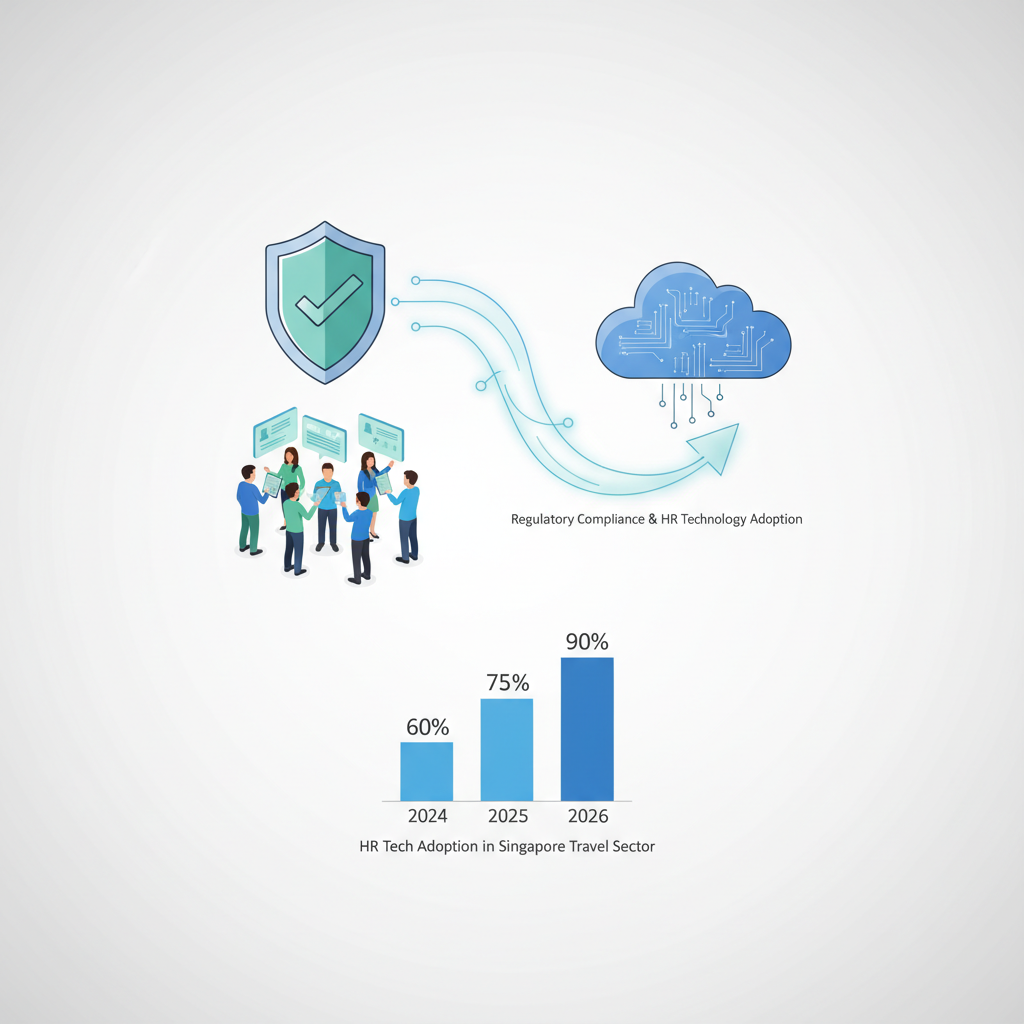
Regulatory Compliance & HR Technology Adoption
In the dynamic and competitive landscape of Singapore’s travel sector, human resource management is pivotal not just for operational efficiency but also for ensuring sustainable growth and brand reputation. This section of our HR report delves into the critical interplay between adhering to Singaporean labor laws, fostering best ethical HR practices, and the strategic deployment of technology to streamline HR operations. For organizations striving for excellence in the travel industry, a robust HR framework that embraces both compliance and innovation is indispensable for attracting, retaining, and developing top talent.
1. Navigating Singapore’s Labor Laws and Regulations
Operating within Singapore’s travel sector demands meticulous adherence to the nation’s comprehensive labor laws and regulations. Key legislative frameworks include the Singapore’s foundational Employment Act, which sets out basic terms and conditions of employment, and the Central Provident Fund (CPF) Act, governing mandatory social security contributions for employees. Travel companies must also navigate regulations pertaining to foreign worker employment, work pass requirements, and fair employment practices as outlined by the Tripartite Guidelines on Fair Employment Practices (TGFEP). Compliance extends to areas such as leave entitlements, working hours, termination procedures, and occupational safety and health. The unique operational demands of the travel industry, often involving shift work, varying peak seasons, and diverse employee profiles (e.g., tour guides, hospitality staff, ground operations), necessitate a deep understanding and proactive approach to legal compliance. Regular updates on legislative changes and internal audits are crucial to mitigate legal risks, avoid penalties, and foster a fair and secure working environment for all employees.
2. Leveraging HRIS and Analytics for Strategic Decision Making
The strategic adoption of HR technology, particularly Human Resources Information Systems (HRIS) and advanced analytics, is transforming how travel companies manage their workforce in Singapore. HRIS platforms integrate various HR functions—from payroll and benefits administration to talent acquisition, performance management, and training—into a unified system. This centralization significantly streamlines administrative tasks, reduces manual errors, and enhances data accuracy, freeing up HR professionals to focus on strategic initiatives. For the travel sector, where workforce scheduling and rapid response to operational changes are common, HRIS offers real-time insights into employee availability, skills inventory, and compliance readiness. Beyond operational efficiency, HR analytics leverages this rich data to inform strategic decision-making. By analyzing trends in employee turnover, recruitment effectiveness, training ROI, and performance metrics, travel organizations can identify critical areas for improvement, optimize resource allocation, and forecast future workforce needs more accurately. This data-driven approach is vital for enhancing talent management, improving employee engagement, and ultimately contributing to the organization’s competitive edge in the bustling Singaporean travel market. To gain even deeper insights, refer to valuable insights from a comprehensive HR report specific to the travel field in Singapore.
3. Ethical HR Practices and Diversity, Equity, and Inclusion (DEI) Initiatives
Beyond legal compliance and technological adoption, ethical HR practices and robust Diversity, Equity, and Inclusion (DEI) initiatives are fundamental to building a strong and resilient workforce in Singapore’s travel industry. Ethical HR encompasses fair recruitment processes, transparent performance appraisals, equitable compensation, and a commitment to employee well-being and development. This includes fostering a culture of psychological safety, addressing grievances impartially, and ensuring work-life balance, which is particularly important in a sector known for demanding schedules. DEI initiatives are crucial for cultivating an inclusive workplace where employees from all backgrounds feel valued and empowered. In a multicultural hub like Singapore, and with the global nature of travel, embracing diversity in terms of nationality, age, gender, and abilities enriches perspectives, fosters innovation, and enhances customer service. Travel companies should actively implement policies and training programs that promote equity in opportunities, challenge unconscious biases, and celebrate differences. Such practices not only boost employee morale and retention but also align with Singapore’s national emphasis on meritocracy and fair employment, bolstering the company’s reputation as a responsible and attractive employer in the highly competitive travel sector.
Partner with Shelby Global
You are looking for reliable HR Sevice Suppliers? Contact Shelby Global Now! To connect with verified talents and upgrade your orginization.
—————————————
References
– Singapore’s Tourism Sector Continues Strong Recovery In 2023: https://www.stb.gov.sg/content/stb/en/media-centre/news/2024/jan/singapore-tourism-sector-continues-strong-recovery-2023.html
– Singapore Tourism Board’s talent development initiatives: https://www.stb.gov.sg/content/stb/en/trade-and-partners/industry-development/talent-development.html
– Hays Asia Salary Guide: https://www.hays.com.sg/salary-guide
– World Economic Forum’s Future of Jobs Report: https://www.weforum.org/reports/the-future-of-jobs-report-2023/
– Singapore’s Employment Act: https://www.mom.gov.sg/employment-practices/employment-act