
Organizational Structure & Scope of HR Functions
The rapidly evolving logistics sector in Vietnam, characterized by its dynamism and growth, presents a fascinating study in how human resources management adapts to varying organizational scales. Understanding the fundamental Differences between the SMEs’ HR Structure and the Corporates’ HR Structure in logistics field in vietnam is crucial for appreciating the strategic priorities and operational realities of each business model. While both strive to optimize human capital, their approaches to team size, functional breadth, and strategic involvement diverge significantly, reflecting their unique challenges and resource endowments.
1. Lean vs. Specialized HR Teams and Headcounts
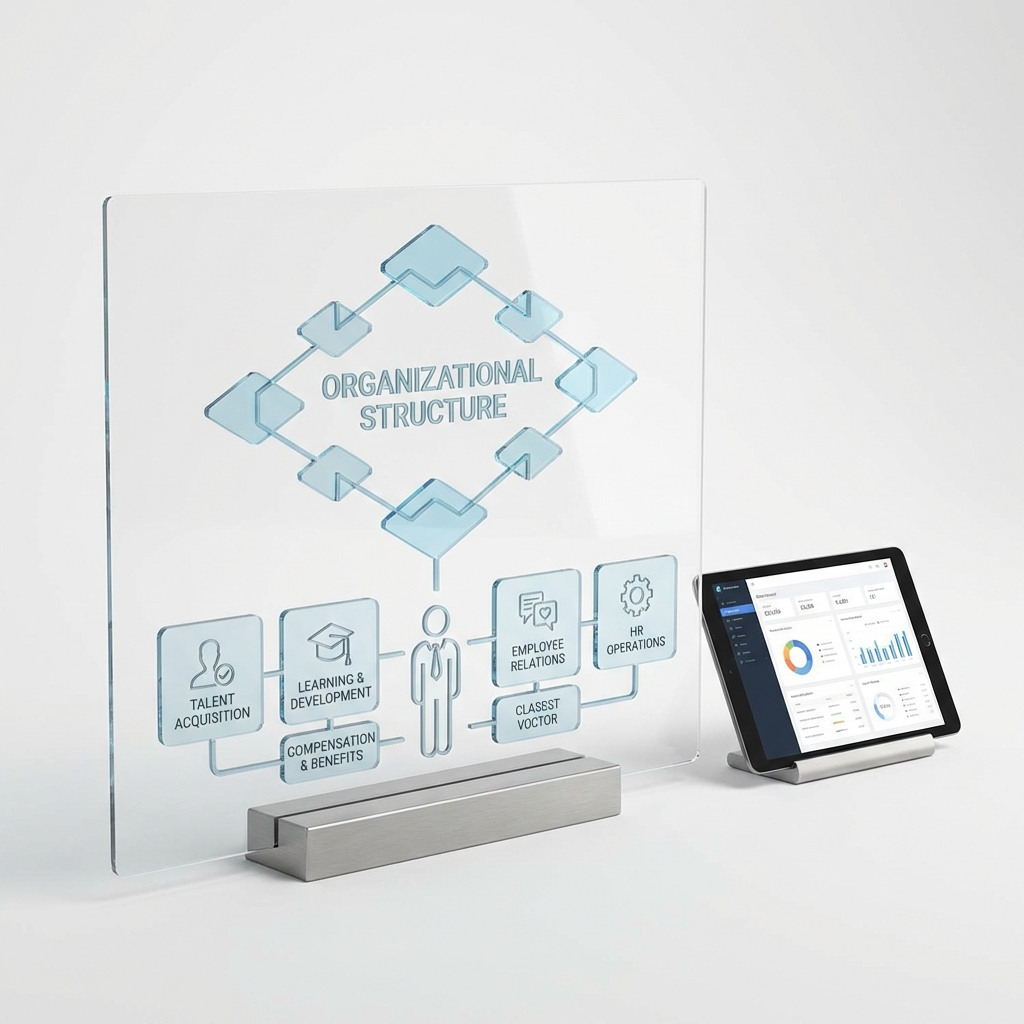
In Vietnam’s logistics landscape, Small and Medium-sized Enterprises (SMEs) typically operate with significantly lean HR teams, often comprising one or two generalists who shoulder a broad spectrum of responsibilities. These individuals are the backbone of the organization’s human capital, handling everything from recruitment and onboarding to payroll, employee relations, and even basic training. Their HR headcounts are minimal, necessitating a high degree of adaptability and a hands-on approach. The focus is primarily on operational efficiency and immediate problem-solving, with less emphasis on specialized functional areas. An HR generalist in an SME might be responsible for talent acquisition, managing basic compensation & benefits, and rudimentary learning & development initiatives concurrently.
Conversely, large corporates in the Vietnamese logistics sector boast extensive and specialized HR teams. These departments are often structured with dedicated sub-functions, each managed by experts. You’ll find distinct units for talent acquisition, advanced compensation & benefits, comprehensive learning & development programs, and strategic HR business partners who integrate HR objectives with business goals. Their higher HR headcounts allow for deep expertise in areas like workforce planning, performance management, and organizational development. This specialization ensures greater depth in HR service delivery and a more structured approach to human capital management, reflecting the complexity and scale of their operations.
2. Integrated vs. Fragmented HR Responsibilities
The distribution of HR responsibilities also marks a key distinction. Within SMEs, HR functions are often highly integrated HR responsibilities. The singular or small HR team is responsible for the entire employee lifecycle, and there’s significant overlap with leadership, especially the founders or senior managers who frequently participate directly in HR decisions. Formal HR policies and procedures might be less rigid or even uncodified, relying more on implicit understanding and direct communication. This integrated model allows for agile responses to immediate employee needs but can sometimes lack consistency or scalability as the business grows.
In contrast, large logistics corporates exhibit more fragmented HR responsibilities. Each specialized HR unit operates with clearly defined roles and processes. For instance, an employee relations team handles grievances, while a separate compensation team manages salary structures and benefits administration. This fragmentation, while complex, ensures adherence to detailed HR policies and procedures, fosters greater compliance, and enables the consistent application of practices across a large workforce. Furthermore, large corporates are more likely to leverage sophisticated HR technology platforms to manage these fragmented responsibilities efficiently, from applicant tracking systems to enterprise-wide HRIS solutions.
3. HR’s Proximity to Leadership and Decision-Making
The relationship between HR and executive leadership also varies considerably. In SMEs, the HR professional, despite potentially limited formal strategic responsibilities, often enjoys significant HR’s proximity to leadership. Direct communication channels with the CEO or owner are common, facilitating faster decision-making on personnel matters. While their strategic HR involvement might be more tactical and reactive than proactive, their direct insights into employee well-being and operational HR challenges can profoundly influence immediate business outcomes. They are typically seen as crucial operational support rather than strategic partners in the broadest sense.
For large corporates, HR’s proximity to leadership is formalized through a hierarchical structure, culminating in a Chief Human Resources Officer (CHRO) who is typically part of the executive leadership team. This ensures high-level strategic HR involvement, with HR playing a pivotal role in shaping organizational strategy, succession planning, and large-scale workforce planning initiatives. Decisions are often more data-driven, supported by HR analytics, and aligned with long-term business objectives. HR acts as a strategic partner, contributing directly to the overall business strategy and organizational development. The HR strategy of a corporate entity is meticulously aligned with its expansive operational goals, influencing everything from talent pipeline development to employee engagement programs.
In conclusion, the Differences between the SMEs’ HR Structure and the Corporates’ HR Structure in logistics field in vietnam are a testament to how organizational scale dictates HR priorities and operational frameworks. While SMEs thrive on agility and generalist expertise, large corporates leverage specialization and structured processes to manage their complex human capital needs. Both models are critical for the sustained growth of Vietnam’s logistics industry, each effectively serving its unique operational requirements and strategic ambitions. For businesses navigating these diverse landscapes, understanding these differences in HR structure is key to optimizing human resources and fostering sustainable growth, a topic further explored on our site.
Talent Acquisition & Employer Branding Strategies
The dynamic and rapidly expanding Vietnamese logistics market presents a unique landscape for talent acquisition. Companies, regardless of their size, vie for skilled professionals in a sector crucial for Vietnam’s economic growth. However, the Differences between the SMEs’ HR Structure and the Corporates’ HR Structure in logistics field in vietnam significantly dictate their distinct approaches to attracting, recruiting, and onboarding talent. This section will compare the varied strategies employed by Small and Medium-sized Enterprises (SMEs) and large Corporates in this competitive environment, highlighting their employer branding efforts and inherent challenges.
1. Recruitment Channels and Networks Utilized
Recruitment methodologies diverge considerably between SMEs and Corporates. Large Corporates, with substantial resources and established brand recognition, leverage a multi-channel approach. They invest heavily in premium job portals like VietnamWorks and CareerBuilder, utilize sophisticated Applicant Tracking Systems (ATS), and engage professional recruitment agencies specializing in logistics. Furthermore, many Corporates foster robust relationships with universities, running internship programs and career fairs to pipeline fresh talent. Their global presence often allows for internal transfers and a broader reach through platforms such as LinkedIn Recruiter.
Conversely, SMEs in the Vietnamese logistics market often operate with constrained budgets and less formal HR structures. Their recruitment efforts frequently rely on local job boards, social media platforms (especially Facebook groups and Zalo), and, most critically, personal networks and word-of-mouth referrals. While cost-effective, these methods often limit their reach to a broader, highly skilled talent pool. SMEs may struggle to compete for specialized roles due to a lack of sophisticated outreach, highlighting a fundamental challenge for smaller players in a talent-scarce market where attracting top-tier logistics professionals demands more than just local connections.
2. Employer Branding Strategies and Budget Allocation
Employer branding is paramount in differentiating a company, yet strategies and budgets vary significantly. Large Corporates typically possess dedicated marketing and HR teams that meticulously craft and promote their employer brand. This involves professional career pages, comprehensive employee value propositions (EVPs), testimonials, Corporate Social Responsibility (C.S.R.) initiatives, and an active social media presence. They invest in professional photography, video, and targeted advertising to showcase culture, career growth, and comprehensive benefits. For these entities, employer branding is a strategic, long-term investment aimed at positioning themselves as employers of choice in the Vietnamese logistics sector.
SMEs usually approach employer branding more organically, often with minimal dedicated budget. Their brand is typically built on reputation, direct leadership, a perceived familial culture, and the promise of an agile, less bureaucratic work environment. While lacking glossy brochures, many SMEs cultivate a strong internal culture that, when effectively communicated, can appeal to candidates valuing a close-knit team and direct impact. However, the lack of a structured employer branding strategy often limits their reach, struggling to articulate their unique value proposition consistently against well-known corporate names. Challenges are compounded by often informal HR structures in emerging markets, where resources for strategic HR initiatives are scarce.
3. Candidate Experience and Onboarding Processes
The candidate journey, from application to integration, also differs significantly. Corporates prioritize a professional, standardized, and often multi-stage experience. Their processes typically involve online applications, automated screenings, multiple interview rounds, and structured assessments. Communication is usually formal, timely, and system-driven. Once hired, Corporates invest heavily in comprehensive onboarding programs spanning weeks or months. These programs include structured training, mentorship, departmental introductions, and clear performance objectives, designed to ensure a smooth transition and rapid integration. The goal is long-term retention and the development of future leaders.
In contrast, SMEs in the Vietnamese logistics market often offer a more agile, albeit sometimes less structured, candidate experience. The recruitment process tends to be faster, with fewer interview stages and more direct communication with hiring managers. While attractive for quick decision-making, it might lack formal feedback or detailed information provided by larger firms. Onboarding in SMEs is typically more hands-on and less formalized. New hires are often integrated directly into teams, learning on the job through direct mentorship. While fostering team spirit and practical skill development, this can lead to inconsistencies in training and a lack of clear career progression paths, often resulting in higher turnover for specialized roles if initial integration isn’t effectively managed.
Compensation, Benefits & Performance Management Systems
The Vietnamese logistics sector is a dynamic landscape, witnessing significant growth driven by both local demand and international trade. Within this vibrant industry, the effectiveness of human resource management—specifically compensation packages, employee benefits, and performance evaluation systems—plays a crucial role in shaping employee motivation, retention, and overall workforce productivity. A nuanced understanding of the Differences between the SMEs’ HR Structure and the Corporates’ HR Structure in logistics field in vietnam reveals distinct approaches to these HR pillars, each presenting unique advantages and challenges.
1. Salary Structures and Incentive Schemes
In the realm of salary structures, Small and Medium-sized Enterprises (SMEs) in Vietnam’s logistics sector often operate with a more agile and less formalized approach compared to their corporate counterparts. SMEs typically offer competitive base salaries, but their incentive schemes might be more direct and immediate, often tied to specific project successes or individual contributions that directly impact the company’s bottom line. For instance, a logistics SME might offer a significant bonus for successfully acquiring a new client or efficiently handling a complex shipping route. This direct correlation can be highly motivating for employees who see an immediate return on their extra effort. However, these structures can sometimes lack the transparency and long-term progression paths that larger organizations provide, potentially impacting long-term retention.
Corporates, on the other hand, boast highly structured salary scales with defined grades and clear progression frameworks. Their compensation packages often include a fixed base salary supplemented by a wider array of bonuses such as annual performance bonuses, profit-sharing schemes, and project-based incentives. These systems are designed to provide stability, attract high-caliber talent, and foster long-term career development. While individual bonuses might be a smaller percentage of the overall compensation compared to an SME’s project-based payouts, the cumulative value and structured growth potential can be more appealing for those seeking career longevity and predictable advancement. The challenge for corporates lies in ensuring these systems remain flexible enough to reward exceptional performance without becoming overly bureaucratic.
2. Non-Monetary Benefits and Employee Perks
Beyond direct monetary compensation, the provision of non-monetary benefits and employee perks further highlights the disparity between SMEs and Corporates. SMEs in the logistics sector, often constrained by budget, tend to offer fewer formal benefits. However, they frequently compensate with a more flexible work environment, a tighter-knit team culture, and more direct, personalized recognition from management. This can include flexible working hours (where operationally feasible), team-building activities, or direct praise from the owner. For employees who value autonomy and a strong sense of belonging, these aspects can be highly attractive. The informal nature of these perks, while valued, might not offer the same security or comprehensiveness as corporate benefit packages.
Corporates typically provide a comprehensive suite of benefits designed to support employee well-being and long-term security. These often include robust health insurance plans, retirement schemes, life insurance, educational subsidies for professional development, and extensive wellness programs. Moreover, they might offer company cars, housing allowances, or more generous leave policies. Such benefits not only attract talent but also significantly contribute to employee retention by providing a strong safety net and demonstrating a long-term investment in their workforce. According to recent labor market trends in Vietnam, comprehensive benefits packages are increasingly a key factor for skilled professionals when choosing an employer, especially in demanding sectors like logistics.
3. Performance Appraisal Systems and Feedback Mechanisms
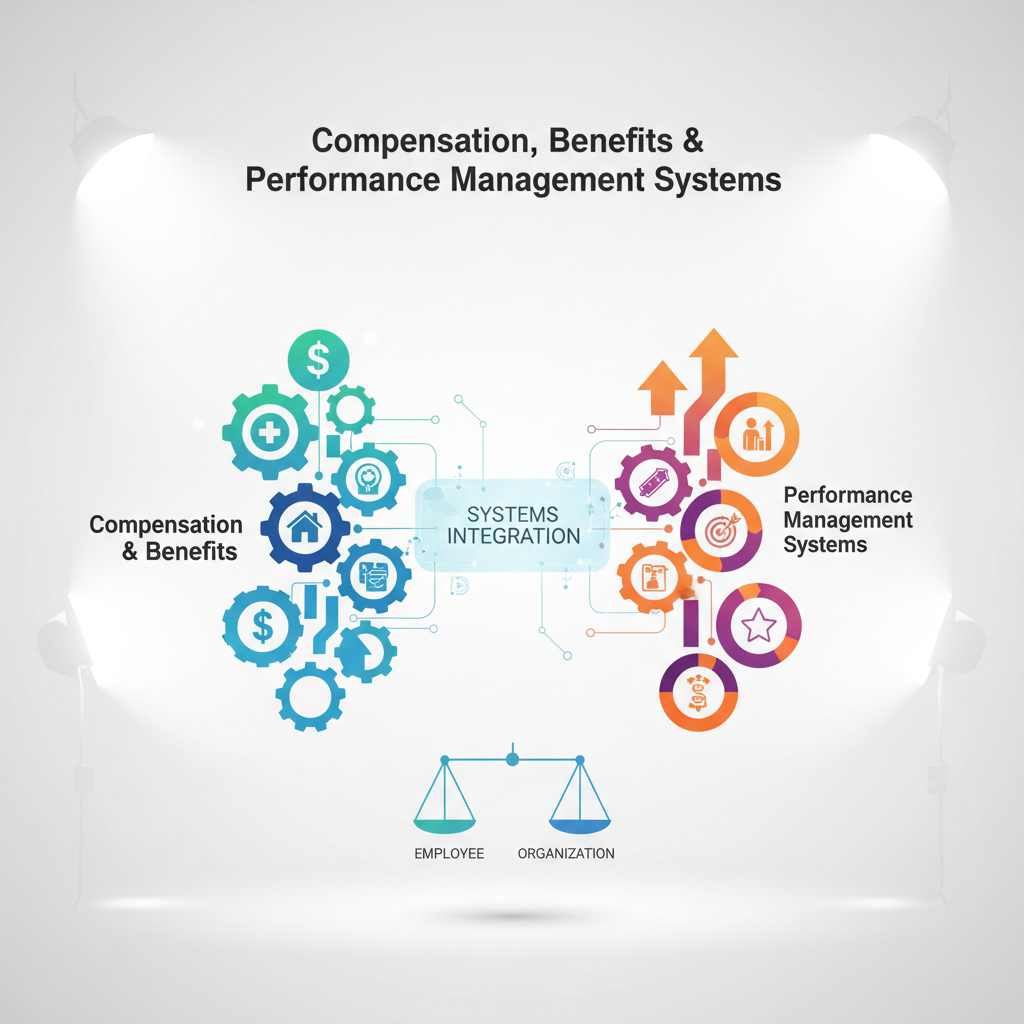
The approach to performance appraisal and feedback mechanisms is another area where significant differences emerge. SMEs often employ informal performance reviews, relying on direct, ad-hoc feedback from managers or even the business owner. These systems can be highly agile and provide immediate course correction, fostering a strong sense of accountability and direct communication. However, the lack of formal structure can sometimes lead to perceived subjectivity, inconsistency, or a lack of documentation for career progression. While some employees thrive in such environments, others may seek more objective and structured evaluation processes to understand their professional standing and development trajectory.
Conversely, Corporates are characterized by highly formalized performance appraisal systems. These often involve annual or biannual reviews based on Key Performance Indicators (KPIs), 360-degree feedback, and structured development plans. Such systems aim for objectivity, transparency, and consistency across the organization. They provide clear pathways for career advancement and professional development, often linking performance directly to salary increments and promotions. While these structured systems offer clarity and fairness, they can sometimes be perceived as bureaucratic or time-consuming. The challenge for large logistics corporations in Vietnam is to ensure these comprehensive systems foster genuine feedback and development, rather than becoming mere compliance exercises, thereby maintaining high levels of motivation and continuous improvement among their diverse workforce.
Learning & Development (L&D) and Career Progression
Investigating the varying strategies for employee training, professional development, and career pathing, this section explores how these contribute to skill enhancement, long-term employee engagement, and succession planning within both Small and Medium-sized Enterprises (SMEs) and Corporate entities operating in the dynamic logistics field in Vietnam. The stark differences between the SMEs’ HR structure and the Corporates’ HR structure in the logistics field in Vietnam significantly shape their approaches to nurturing talent and fostering professional growth.
1. Training Budgets and Program Offerings
The allocation of resources for training and development stands as one of the most pronounced distinctions. Large corporations in the Vietnamese logistics sector typically operate with substantially larger L&D budgets. This financial capacity allows them to offer a diverse and sophisticated array of training programs, encompassing everything from advanced supply chain management certifications and specialized logistics software training to leadership development academies and international secondment opportunities. These programs are often designed in alignment with global best practices and corporate strategic objectives, ensuring employees are equipped with future-proof skills. For example, a major international freight forwarder might invest in comprehensive compliance training for customs regulations, or leadership coaching for its regional managers.
Conversely, Vietnamese logistics SMEs often contend with tighter budgetary constraints. Their L&D strategies are, by necessity, more lean and focused on immediate operational needs. Training programs in SMEs tend to be pragmatic, concentrating on essential job-specific skills like basic warehousing operations, driver safety, or customer service protocols. They frequently leverage more cost-effective methods such as internal workshops, peer-to-peer learning, or free online resources. While perhaps less expansive, these programs are crucial for maintaining day-to-day efficiency and ensuring foundational competencies across their workforce. The emphasis is on practicality and direct application to current roles rather than broad professional enrichment, highlighting the fundamental differences in resource availability and strategic outlook.
2. On-the-Job Training vs. Formal Development Programs
The primary mode of skill acquisition also varies considerably between these organizational types. In SMEs, on-the-job training (OJT) is overwhelmingly the dominant method. Employees learn through direct experience, mentorship from senior colleagues, and problem-solving in real-time scenarios. This organic approach fosters a strong sense of team collaboration and practical skill development, often leading to highly adaptable employees who can wear multiple hats. While effective for immediate skill transfer, the lack of structured curricula or formalized evaluation can lead to inconsistencies in training quality and depth across the organization.
Corporates, while also valuing OJT, integrate it within a more structured framework. They invest heavily in formal development programs, which include dedicated training sessions, workshops, e-learning modules, and external courses. These programs are often part of a wider talent management strategy, designed to systematically upskill employees, ensure compliance with industry standards, and develop specialized expertise. For instance, a corporate logistics giant might have a robust e-learning platform offering courses on Lean Six Sigma in logistics, cold chain management, or advanced data analytics for supply chain optimization. The annual LinkedIn Learning Workplace Learning Report consistently underscores the corporate emphasis on structured learning pathways, reflecting a strategic investment in human capital beyond immediate operational demands.
3. Career Pathing and Succession Planning Initiatives
The approach to career progression and leadership pipeline development further illuminates the structural disparities. Corporations in Vietnam’s logistics sector typically boast well-defined career pathing frameworks. These frameworks outline clear progression routes, detailing required skills, experience, and training for advancement within various functional areas. Employees often have access to formal performance management systems, talent reviews, and development plans that guide their career trajectories. Succession planning is a strategic imperative, with robust processes in place to identify high-potential employees, develop future leaders, and ensure business continuity for critical roles, mitigating risks associated with key personnel turnover.
For SMEs, career pathing is often less formalized and more organic. Progression can be highly dependent on individual initiative, demonstrated loyalty, and the emergence of new roles or expansion opportunities within the company. Employees might experience rapid advancement if they prove capable and the company grows, but a structured ladder with clear prerequisites is rare. Succession planning in SMEs is frequently informal, relying on the owner’s or manager’s intuition and personal relationships. While this can foster a tight-knit culture, it also presents challenges in ensuring continuity and developing a robust leadership pipeline. The inherent differences between the SMEs’ HR structure and the Corporates’ HR structure in the logistics field in Vietnam dictate that corporates can afford dedicated HR departments and resources for sophisticated talent management strategies, a luxury often unavailable to smaller enterprises. This divergence impacts not just the employees’ growth prospects but also the long-term strategic resilience of the organizations themselves.
HR Technology, Data Analytics & Compliance Standards
In the rapidly evolving logistics sector of Vietnam, the strategic deployment of HR technology, sophisticated data analytics, and rigorous adherence to compliance standards are no longer optional but imperative. The landscape of human resource management, particularly in logistics operations, presents a stark divergence in practices and capabilities between Small and Medium-sized Enterprises (SMEs) and larger Corporates. This disparity profoundly impacts everything from operational efficiency and talent retention to legal risk management. While Corporates leverage advanced systems to optimize their workforce and navigate complex regulations, SMEs often contend with resource limitations, relying on more manual processes and reactive approaches. Understanding these Differences between the SMEs’ HR Structure and the Corporates’ HR Structure in logistics field in vietnam is crucial for sustainable growth and competitive advantage.
1. Adoption and Integration of HRIS (Human Resource Information Systems)
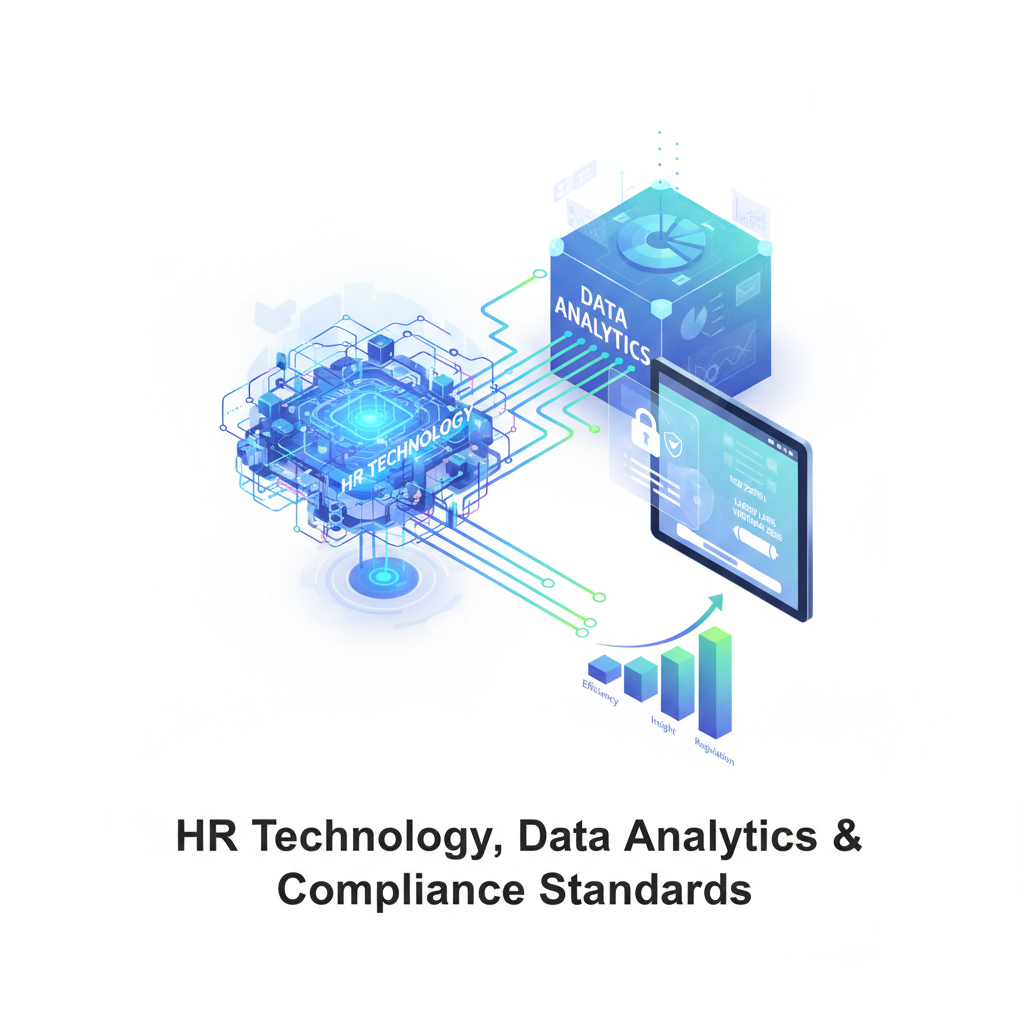
The embrace of HR Information Systems (HRIS) marks one of the most significant distinctions between SMEs and Corporates in Vietnam’s logistics sector. For many SMEs, HR functions are often managed through basic spreadsheets, standalone software for payroll, or even manual records. Their focus typically revolves around essential administrative tasks such as attendance tracking, leave management, and salary disbursement. The initial investment cost, perceived complexity of implementation, and lack of specialized IT personnel often deter SMEs from adopting comprehensive HRIS solutions. This fragmented approach can lead to data inconsistencies, inefficiencies, and a lack of integrated visibility into their workforce, hindering strategic decision-making and scalability.
In contrast, Corporates in Vietnamese logistics operations typically invest in robust, integrated HRIS platforms. These systems encompass a broad spectrum of HR functions, including recruitment and onboarding, performance management, talent development, succession planning, and comprehensive payroll and benefits administration. Such integrated systems provide a holistic view of the workforce, automate routine tasks, and enable data-driven insights. The ability to streamline processes, improve employee experience through self-service portals, and maintain a centralized repository of employee data gives Corporates a substantial advantage in managing their large, often complex, and geographically dispersed workforces. This systematic approach contributes directly to the Differences between the SMEs’ HR Structure and the Corporates’ HR Structure in logistics field in vietnam, allowing Corporates to achieve higher operational efficiency and employee engagement.
2. Data Analytics for Workforce Planning and Insights
The application of data analytics in HR offers profound insights into workforce dynamics, yet its sophistication varies dramatically between SMEs and Corporates. SMEs in the Vietnamese logistics sector often rely on basic metrics, such as headcount and turnover rates, typically extracted from their rudimentary systems or manual reports. Workforce planning tends to be reactive, driven by immediate operational needs rather than long-term strategic forecasts. The absence of integrated data and analytical tools limits their ability to identify underlying trends, predict future staffing needs, or assess the effectiveness of HR initiatives. This can lead to inefficient resource allocation, skill gaps, and higher operational costs in a highly competitive market.
Corporates, on the other hand, leverage advanced HR data analytics to inform strategic workforce planning and gain predictive insights. They utilize their comprehensive HRIS to analyze a wide array of data points, including recruitment sources, performance metrics, training effectiveness, compensation structures, and employee engagement surveys. This enables them to forecast future talent needs, identify high-potential employees, pinpoint areas for skill development, and mitigate turnover risks through predictive modeling. By understanding the intricate relationships between HR policies, employee performance, and business outcomes, Corporates can make proactive, data-driven decisions that optimize their workforce, enhance productivity, and support their overall business objectives. This analytical prowess is a key differentiator in the Differences between the SMEs’ HR Structure and the Corporates’ HR Structure in logistics field in vietnam, providing a significant competitive edge.
3. Labor Law Compliance and Policy Development
Adherence to Vietnam’s labor laws and the development of robust internal policies are critical for all businesses, but the capacity and approach to compliance significantly vary between SMEs and Corporates. For SMEs, navigating the complexities of Vietnamese labor law, which frequently undergoes revisions, can be a daunting task. Limited legal and HR expertise, coupled with tight budgets, often means that compliance efforts are reactive, focusing on minimum requirements or addressing issues only when they arise. This can leave them vulnerable to legal disputes, penalties, and reputational damage, especially concerning contracts, working hours, social insurance, and termination procedures. Policy development within SMEs might be informal, less comprehensive, and inconsistent across different departments or locations within their logistics operations.
In contrast, Corporates typically possess dedicated legal and HR departments or engage specialized external counsel to ensure proactive and comprehensive compliance with Vietnamese labor regulations. They establish robust internal policies and procedures that not only meet legal mandates but also align with international best practices and corporate ethics. Regular audits, training programs for managers, and transparent communication of policies help maintain a high level of compliance and foster a fair working environment. This proactive stance minimizes legal risks, protects the company’s reputation, and supports sustainable business growth. For example, understanding the intricacies of the Vietnam Labor Code is paramount for all businesses operating in the country. The capacity to develop and enforce these detailed policies and ensure ongoing legal compliance represents a fundamental aspect of the Differences between the SMEs’ HR Structure and the Corporates’ HR Structure in logistics field in vietnam, influencing everything from employee relations to operational stability.
Partner with Shelby Global
You are looking for reliable HR Sevice Suppliers? Contact Shelby Global Now! To connect with verified talents and upgrade your orginization.
—————————————
References
– ILO World of Work Report: Trends in Vietnam: https://www.ilo.org/global/research/global-reports/wpr/WCMS_916056/lang–en/index.htm
– HR structures in emerging markets: https://www.worldbank.org/en/topic/competitiveness/overview
– labor market trends in Vietnam: https://www.ilo.org/hanoi/information-resources/publications/WCMS_903808/lang–en/index.htm
– LinkedIn Learning Workplace Learning Report: https://learning.linkedin.com/content/dam/me/business/en-us/learning-solutions/pdfs/linkedin-learning-workplace-learning-report-2024.pdf
– :