
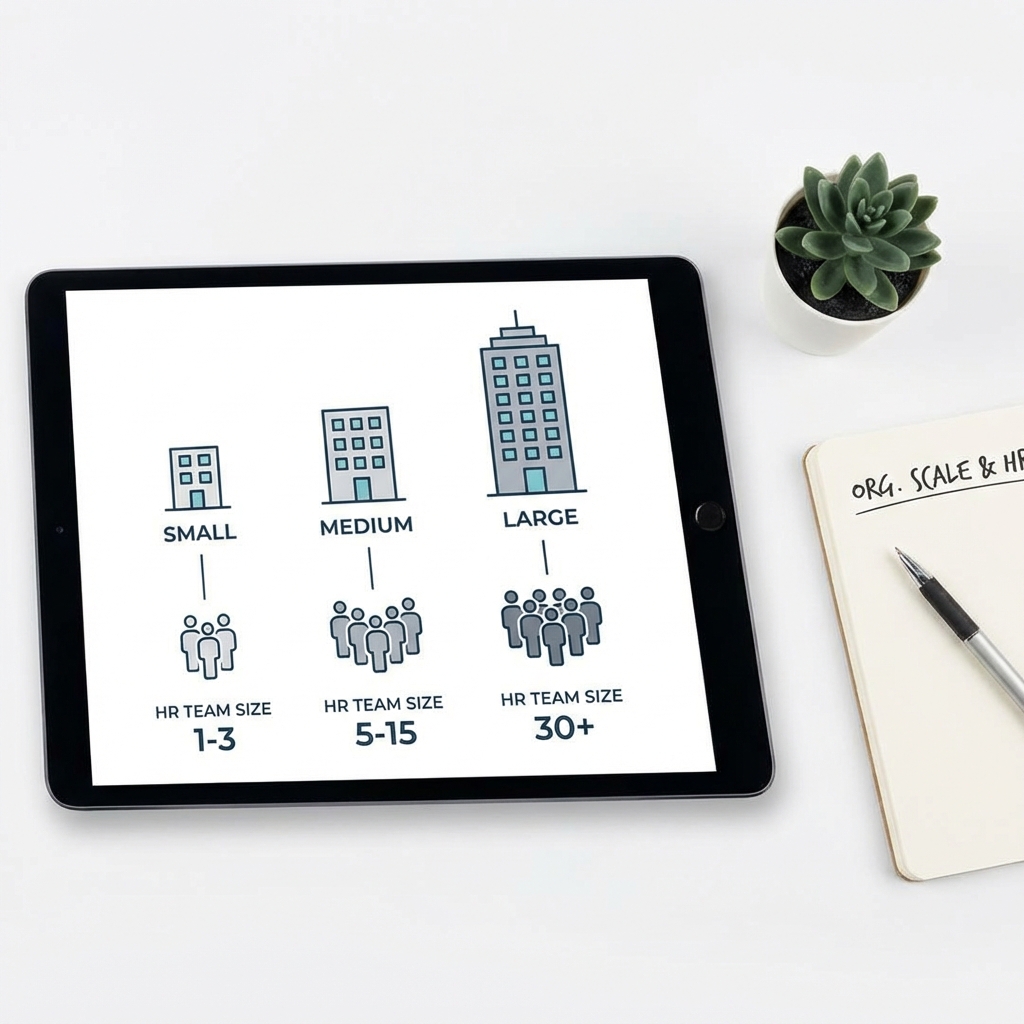
Organisational Scale and HR Team Size
The intricate world of fashion in Malaysia, much like its global counterparts, presents a dynamic landscape where business success is often intertwined with effective human resource management. However, the scale and strategic involvement of HR departments vary dramatically depending on the size of the fashion company. Understanding the differences between the SMEs’ HR Structure and the Corporates’ HR Structure in Fashion field in Malaysia is crucial for aspiring professionals and industry leaders alike.
In the Malaysian fashion industry, a company’s overall size directly impacts the scale, composition, and strategic involvement of its HR department. From nimble start-ups and small-to-medium enterprises (SMEs) to expansive multinational corporations, the HR function evolves from a purely administrative role to a strategic business partner, reflecting the organisation’s complexity and needs.
1. Lean HR Teams in Fashion SMEs Malaysia
Fashion SMEs in Malaysia, often driven by a passionate founder or a small core team, typically operate with a lean HR structure. In many cases, dedicated HR personnel might not exist, with human resource functions being managed by the owner, an administrative assistant, or an operations manager wearing multiple hats. When an HR role is present, it’s usually a generalist position – perhaps an HR Executive or Manager – responsible for a broad spectrum of tasks.
The primary focus for these lean HR teams is often compliance, payroll processing, basic recruitment, and administrative tasks like managing employee leave and benefits. Given the limited resources, strategic HR initiatives such as talent development programs, performance management frameworks, or sophisticated HR analytics are often rudimentary or outsourced. The emphasis is on keeping operations running smoothly and ensuring adherence to Malaysian labour laws. While this lean approach allows for agility and cost-efficiency in smaller setups, it can also lead to challenges in talent retention, professional development, and establishing a robust company culture as the business grows.
2. Specialised HR Departments in Large Fashion Corporates
In stark contrast, large fashion corporates in Malaysia, including major retail chains, manufacturing hubs, or international brands, boast highly specialised and structured HR departments. These organisations recognise HR as a strategic pillar for achieving business objectives, from global talent acquisition to fostering innovation in design and supply chain efficiency.
A typical HR department in a large fashion corporate might include various sub-departments or dedicated specialists focusing on distinct areas: talent acquisition (recruitment for designers, merchandisers, retail staff), compensation and benefits, learning and development, HR business partners (HRBPs) aligned with specific business units, employee relations, and HR operations. These teams leverage advanced HR information systems (HRIS) and data analytics to inform decision-making, identify talent gaps, and measure HR effectiveness. Their involvement extends beyond mere administration, encompassing strategic workforce planning, succession planning, employer branding, and cultivating a progressive organisational culture that supports creativity and productivity. The scale allows for in-depth specialisation, enabling HR to proactively address complex challenges like managing a diverse workforce, navigating global talent markets, and driving organisational change.
3. Impact of Company Growth on HR Expansion
The journey from a small fashion SME to a large corporate inevitably triggers a significant evolution in HR structure. As a company expands its operations, increases its headcount, and diversifies its product lines or market reach, the demands on its HR function multiply. Initially, growth might necessitate the first dedicated HR hire, moving from an owner-managed HR function to a single HR generalist. This individual’s role quickly broadens beyond administrative tasks to include more complex recruitment, policy development, and initial steps into performance management.
Further growth brings the need for specialisation. The increasing volume of recruitment might warrant a dedicated talent acquisition specialist. The complexity of compensation structures and benefits administration, especially for a larger and more diverse workforce, often leads to the creation of a C&B role. As the company matures, the focus shifts to talent development, employee engagement, and strategic alignment, leading to the introduction of learning and development specialists and HRBPs. This organic expansion transforms HR from a reactive, administrative function into a proactive, strategic partner that directly influences business outcomes. Successfully managing this HR expansion is critical for maintaining organisational health, retaining key talent, and sustaining growth in the competitive Malaysian fashion industry. As companies scale, the investment in a robust and strategic HR function becomes not just beneficial, but essential for long-term viability and competitive advantage, enabling them to navigate increasing regulatory complexities and talent shortages, as highlighted by various industry reports concerning common HR challenges in the APAC region.
HR Functions and Scope of Responsibilities
The landscape of Human Resources (HR) within the fashion industry in Malaysia presents a fascinating duality, largely dictated by the scale of the enterprise. From the nimble, multifaceted operations of Small and Medium-sized Enterprises (SMEs) to the structured, specialized departments of large corporate fashion houses, the day-to-day duties and strategic contributions of HR professionals vary significantly. This distinction is crucial for understanding the Differences between the SMEs’ HR Structure and the Corporates’ HR Structure in Fashion field in Malaysia, impacting everything from talent acquisition to long-term workforce planning.
1. Generalist HR roles in SME fashion Malaysia
In smaller fashion enterprises across Malaysia, HR professionals often embody the quintessential “jack-of-all-trades” role. These generalist HR practitioners are responsible for a broad spectrum of functions, spanning the entire employee lifecycle. Their duties might include:
- Recruitment and Onboarding: Managing the entire hiring process for designers, merchandisers, retail staff, and administrative roles, from drafting job descriptions to conducting interviews and facilitating new hire orientations.
- Payroll and Benefits Administration: Handling monthly payroll processing, managing employee benefits, and ensuring compliance with Malaysian labor laws regarding EPF, SOCSO, and EIS.
- Employee Relations: Acting as the primary point of contact for employee grievances, disciplinary actions, and conflict resolution, fostering a positive work environment.
- Training and Development: Identifying basic training needs, organizing workshops (e.g., customer service skills, product knowledge), and facilitating employee growth opportunities within limited budgets.
- HR Policy and Compliance: Developing and enforcing basic HR policies, ensuring adherence to the Employment Act 1955 and other relevant regulations.
- Administrative Tasks: Maintaining employee records, managing HR information systems (often basic spreadsheets or simple software), and handling various HR-related paperwork.
The HR generalist in an SME fashion company is typically deeply embedded in the daily operations, often reporting directly to the business owner or managing director. Their influence is direct and personal, often shaping the company culture through hands-on interaction with every team member.
2. Specialized HR functions in corporate fashion (e.g., talent acquisition, C&B)
Conversely, larger corporate fashion settings in Malaysia, often with hundreds or thousands of employees across various brands and departments (e.g., luxury brands, fast fashion retailers, manufacturing giants), feature a highly specialized HR structure. Here, HR responsibilities are departmentalized, allowing for deeper expertise and more sophisticated approaches. Key specialized roles include:
- Talent Acquisition Specialists: Focused exclusively on sourcing, attracting, and recruiting top talent, often employing advanced recruitment technologies and employer branding strategies tailored to specific roles like Head of Design, Senior Merchandiser, or Digital Marketing Lead.
- Compensation & Benefits (C&B) Analysts: Designing competitive salary structures, incentive programs, and comprehensive benefits packages to attract and retain high-performing employees, often conducting market surveys and ensuring equity.
- Learning & Development (L&D) Managers: Developing robust training programs, leadership development initiatives, and succession planning frameworks to nurture internal talent and drive organizational capability.
- HR Business Partners (HRBPs): Strategic advisors embedded within specific business units (e.g., retail operations, design, manufacturing), providing tailored HR solutions and aligning HR initiatives with business objectives.
- HR Information Systems (HRIS) Specialists: Managing complex HR software, data analytics, and reporting to provide insights for strategic decision-making.
- Employee Relations Specialists: Handling complex labor relations, union negotiations (if applicable), and large-scale HR investigations with a focus on legal compliance and risk management.
This specialization allows corporate fashion HR teams to implement best practices and execute sophisticated strategies that would be unfeasible for a generalist in an SME. Understanding these distinct HR career paths and specializations is vital for professionals considering their journey in the fashion industry.
3. Strategic HR planning: SMEs vs. Corporates in fashion
The approach to strategic HR planning also diverges significantly between these two organizational types.
- SMEs: In SME fashion companies, strategic HR planning is often more informal and reactive. It’s directly tied to the immediate needs of the business, such as hiring for an upcoming collection launch or addressing urgent employee retention issues. The HR function, while critical, might not have a dedicated seat at the executive table for long-term strategic discussions. Planning horizons are typically shorter, focused on growth, sustainability, and operational efficiency within tight resource constraints. The generalist HR role is instrumental in translating the owner’s vision into actionable people-related initiatives.
- Corporates: For large corporate fashion entities, strategic HR planning is a highly formalized and integrated process. HR leadership, often a Chief Human Resources Officer (CHRO) or HR Director, is an integral part of the executive team, contributing directly to overall business strategy. This involves long-term workforce planning, talent pipeline development, succession planning for critical roles (e.g., creative directors, regional managers), organizational design, and sophisticated HR analytics to forecast future talent needs. Strategic HR in corporates aims to build a sustainable competitive advantage through its people, anticipating market shifts, technological advancements, and consumer trends to ensure the organization has the right talent at the right time. They invest heavily in developing HR frameworks that support global expansion, brand integrity, and innovation.
Ultimately, while both SME and corporate HR functions are pivotal to success in the Malaysian fashion industry, their structures, daily duties, and strategic impact are shaped by the scale of operations, resource availability, and overall business objectives.
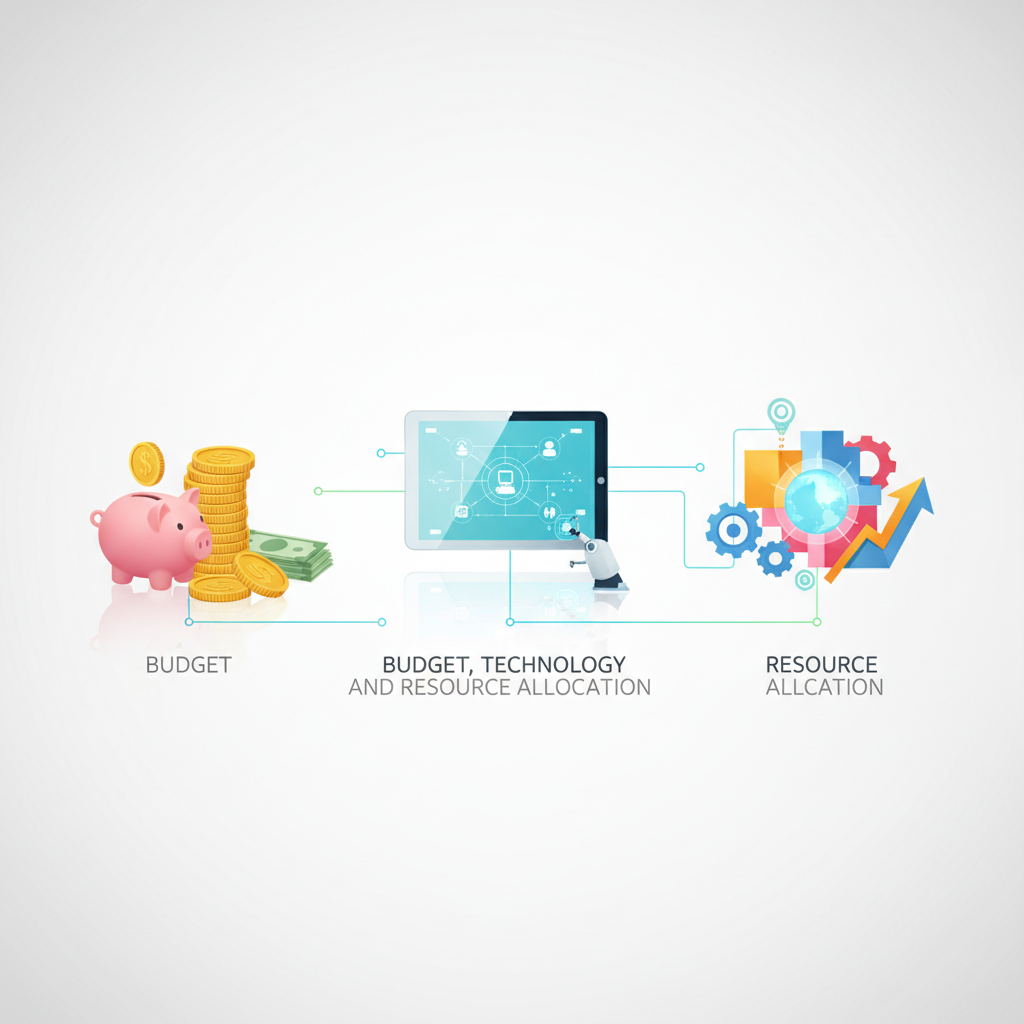
Budget, Technology, and Resource Allocation
Financial resources serve as a pivotal determinant in shaping the operational landscape of Human Resources within the Malaysian fashion industry. The stark Differences between the SMEs’ HR Structure and the Corporates’ HR Structure in Fashion field in malaysia are perhaps most evident when examining budget allocations for HR technology, training, and overall strategic initiatives. This section will delve into how varying levels of financial muscle influence HR capabilities, technological adoption, and talent development across small-to-medium enterprises (SMEs) and large corporations in this dynamic sector.
1. Budget constraints for HR in Malaysian fashion SMEs
Malaysian fashion SMEs frequently operate under stringent budget constraints, which profoundly impact their HR functions. Unlike their larger counterparts, these businesses often lack the capital to invest significantly in advanced HR technology, such as comprehensive Human Resource Information Systems (HRIS) or robust payroll and talent management software. This absence of dedicated funds means HR departments in SMEs often rely on manual processes, basic spreadsheets, or fragmented, less efficient systems. The repercussions extend beyond operational inefficiencies; it limits their ability to collect and analyze HR data effectively, hindering strategic workforce planning and data-driven decision-making. Furthermore, training budgets for HR staff are typically minimal, if not non-existent, impeding professional development and the adoption of modern HR practices. This creates a challenging environment for attracting and retaining skilled HR professionals who might seek more technologically advanced and growth-oriented roles in larger organizations. The struggle to digitalize HR operations is a common challenge for SMEs across the region, impacting their overall competitiveness and talent management capabilities, as highlighted in reports on digital adoption in ASEAN Small and Medium-Sized Enterprises.
2. Investment in HRIS and analytics in corporate fashion
In stark contrast, large corporate fashion entities in Malaysia typically boast substantial budgets, allowing for significant investment in sophisticated HR technology. These corporations often implement integrated HRIS platforms that streamline core HR functions, from recruitment and onboarding to performance management and compensation. Beyond basic HRIS, leading fashion corporates are increasingly investing in HR analytics tools. These tools leverage vast amounts of HR data to provide actionable insights into workforce trends, talent retention rates, recruitment effectiveness, and employee engagement. Such data-driven approaches enable these companies to make informed strategic decisions, optimize their human capital, and anticipate future talent needs more accurately. The ability to invest in such technology not only enhances operational efficiency but also elevates the HR function to a more strategic partner within the business. This robust technological infrastructure is a key differentiator, enabling corporate HR structures to be proactive, predictive, and pivotal in achieving business objectives, a clear illustration of the Differences between the SMEs’ HR Structure and the Corporates’ HR Structure in Fashion field in malaysia.
3. Training and development resources availability for HR
The availability of resources for training and development represents another significant divergence between fashion SMEs and corporate giants. Corporate fashion companies often have dedicated budgets and departments for employee learning and development, including comprehensive training programs for HR professionals. This ensures that HR staff stay abreast of the latest industry trends, regulatory changes, and technological advancements. They have access to external consultants, specialized workshops, certifications, and leadership development programs, fostering a culture of continuous learning and professional growth. This investment in their HR team directly translates into enhanced HR service delivery, strategic capability, and innovation within the organization. Conversely, HR professionals in Malaysian fashion SMEs often face limited opportunities for formal training. Budgetary constraints mean that professional development is often ad-hoc, reliant on self-learning, or informal mentorship. This disparity can lead to a skills gap, making it challenging for SMEs to implement best practices, attract top HR talent, or keep pace with the evolving demands of the fashion industry. The lack of resources for upskilling HR teams in SMEs further accentuates the structural and operational Differences between the SMEs’ HR Structure and the Corporates’ HR Structure in Fashion field in malaysia, impacting their long-term growth potential and ability to nurture a skilled workforce effectively.
Talent Acquisition and Retention Strategies
Malaysia’s fashion industry, a vibrant and dynamic sector, presents a unique landscape for talent acquisition and retention. From burgeoning local designers and niche boutiques to established international brands and large retail conglomerates, the competition for skilled professionals is fierce. The strategies employed to attract, recruit, and retain top talent diverge significantly between Small and Medium Enterprises (SMEs) and larger corporate entities, primarily due to variations in resources, organizational structure, and strategic priorities. Understanding these differences between the SMEs’ HR structure and the corporates’ HR structure in the fashion field in Malaysia is crucial for any player navigating this competitive environment.
1. SME fashion hiring: network and personal referrals
For many SMEs in the Malaysian fashion industry, talent acquisition often operates on a more informal, relationship-driven basis. Lacking the extensive HR departments and large recruitment budgets of their corporate counterparts, SMEs heavily rely on their existing networks and personal referrals. This approach is particularly prevalent for roles ranging from skilled artisans and tailors to boutique managers and up-and-coming designers. Owners and managers leverage their industry connections, word-of-mouth recommendations, and social media platforms to identify potential candidates. The benefits are numerous: it’s often more cost-effective, can lead to quicker hires, and often results in a better cultural fit, as candidates come vetted by trusted sources. For instance, a local fashion brand might find its next pattern maker through a recommendation from a fabric supplier, or a boutique owner might hire a sales assistant referred by a satisfied customer. While efficient and personal, this method can also limit the talent pool, potentially leading to less diversity in skills and perspectives, and might not always reach the most qualified candidates who operate outside these immediate circles. It underscores a lean, agile approach to building a team, prioritizing trust and established relationships over a wide, formal search.
2. Corporate fashion recruitment: structured processes and employer branding
In stark contrast, corporate fashion houses and large retail groups in Malaysia employ highly structured and sophisticated recruitment processes. These organizations typically have dedicated HR departments equipped with the resources to manage extensive talent pipelines. Their strategies encompass a broad spectrum of channels, including professional online job portals (such as JobStreet, LinkedIn), partnerships with recruitment agencies specializing in fashion or retail, university career fairs, and robust internal talent mobility programs. A cornerstone of corporate recruitment is the emphasis on employer branding. Large fashion corporates invest significantly in cultivating an attractive public image as an employer of choice. This involves showcasing their company culture, values, career progression opportunities, and commitment to innovation and sustainability through various marketing and communication channels. They aim to attract a diverse pool of highly skilled professionals for specialized roles that might not exist in an SME environment, such as supply chain managers, digital marketing strategists, e-commerce specialists, and corporate merchandisers. The structured approach ensures fairness, compliance with labor laws, and a comprehensive evaluation of candidates through multiple interview stages, assessments, and background checks. While more resource-intensive and time-consuming, it allows corporates to cast a wider net, mitigate biases, and strategically build teams aligned with long-term organizational goals and expansion plans.
3. Employee retention programs and benefits packages in fashion
Retaining top talent is as critical as attracting it, and here too, SMEs and corporates in Malaysia’s fashion industry exhibit differing strategies. SMEs often compensate for a lack of extensive financial benefits with a strong emphasis on work-life balance, a close-knit family-like culture, and opportunities for employees to take on diverse responsibilities and grow rapidly. For an aspiring designer or marketing professional in an SME, the direct impact of their work, the mentorship from founders, and the chance to wear many hats can be highly motivating. Non-monetary recognition, flexible working arrangements, and a sense of belonging are crucial retention tools. The appeal lies in the ability to contribute significantly and see immediate results, fostering a strong sense of ownership and loyalty.
Corporates, on the other hand, typically offer comprehensive and competitive benefits packages designed to attract and retain high-calibre professionals. These often include robust health insurance, performance-based bonuses, annual leave increments, provident fund contributions, and sometimes even employee discounts on fashion products or stock options. Beyond monetary incentives, corporates invest heavily in structured career development programs, offering workshops, leadership training, and opportunities for internal promotions or international transfers. Employee engagement initiatives, wellness programs, and a commitment to diversity, equity, and inclusion (DE&I) are also common strategies to foster a positive work environment and reduce turnover. While the personal touch of an SME might be less pronounced, the clarity of career paths, job security, and extensive resources for professional growth often prove compelling for individuals seeking long-term stability and structured advancement within the fashion industry. Both approaches aim for loyalty, but through distinctly different value propositions, reflecting their inherent operational and philosophical differences.
Compliance, Policy, and Legal Frameworks
In Malaysia’s vibrant fashion sector, the landscape of HR policies, compliance requirements, and legal frameworks presents a fascinating dichotomy when comparing Small and Medium-sized Enterprises (SMEs) and large corporates. The Differences between the SMEs’ HR Structure and the Corporates’ HR Structure in Fashion field in malaysia are particularly evident in how these organizations approach regulatory adherence. While both operate under the same national legal umbrella, their resources, internal capabilities, and strategic priorities dictate vastly different levels of complexity and sophistication in managing human resources compliance.

1. Simplified HR policies in Malaysian fashion SMEs
Malaysian fashion SMEs, often characterized by their agile operations and limited resources, typically adopt a more simplified approach to HR policies and compliance. Their HR functions might be handled by the business owner, an office manager, or a small administrative team with generalist duties. Consequently, formal HR policies are frequently less comprehensive, sometimes existing only in basic templates or implicit understandings. Documentation might be minimal, and employee handbooks, if present, are usually concise. This lean HR structure means that compliance efforts are often reactive rather than proactive, focusing primarily on meeting immediate statutory requirements such as minimum wage, EPF (Employees Provident Fund), SOCSO (Social Security Organization), and EIS (Employment Insurance Scheme) contributions. While cost-effective, this simplified approach can expose SMEs to potential risks from overlooked regulatory changes or inadequate protection against employee disputes. Their informal nature, while fostering a close-knit work environment, can sometimes lead to inconsistencies in policy application, necessitating a careful balance between flexibility and adherence to fundamental labour laws.
2. Robust compliance and legal teams in corporate fashion
In stark contrast, corporate fashion houses in Malaysia possess robust compliance and legal teams dedicated to navigating the intricate web of HR regulations. These organizations typically feature well-structured HR departments, often segmented into talent acquisition, compensation and benefits, employee relations, and compliance. Many corporates also employ in-house legal counsel or retain specialized law firms to provide continuous guidance on labour laws, employment contracts, and workplace best practices. Their approach to compliance is proactive, involving regular policy reviews, comprehensive employee training on codes of conduct and legal obligations, and diligent internal audits. Risk management is paramount, with sophisticated systems in place to ensure adherence to not only local Malaysian laws but also international labour standards if they operate globally. This infrastructure allows them to manage complex issues such as data privacy (PDPA), intellectual property rights, and detailed grievance procedures with a high degree of professionalism and legal accuracy, ensuring a strong defence against potential litigation and safeguarding their reputation in the competitive fashion industry.
3. Navigating Malaysian labour laws: varying HR approaches
Both SMEs and corporates in the Malaysian fashion sector are bound by the same fundamental Malaysian Employment Act 1955 and other relevant labour legislation. However, their methods of navigating these laws showcase significant differences in their HR structures. SMEs might rely on external HR consultants for specific legal advice or updates, or on industry associations for guidance, often reacting to issues as they arise. Their interpretation and application of laws might be more generalized due to a lack of specialized legal expertise internally. Conversely, corporates integrate legal interpretations deeply into their HR strategy, utilizing their dedicated teams to translate legislative requirements into actionable internal policies and procedures. For instance, while both must comply with regulations on working hours or leave entitlements, a corporate might have detailed policies covering various scenarios, including remote work arrangements or flexible schedules, whereas an SME might adhere to the basic statutory minimum. This contrast highlights that while the legal obligations are universal, the depth of understanding, the proactive measures taken, and the capacity for due diligence in ensuring compliance are key differentiators between the two organizational types, significantly influencing employee relations and overall operational risk in Malaysia’s dynamic fashion landscape.
Partner with Shelby Global
You are looking for reliable HR Sevice Suppliers? Contact Shelby Global Now! To connect with verified talents and upgrade your orginization.
—————————————
References
– common HR challenges in the APAC region: https://www.humanresourcesonline.net/topics/hr-challenges
– HR career paths and specializations: https://www.shrm.org/resources-and-tools/hr-topics/talent-acquisition/pages/hr-career-paths-and-specialties.aspx
– :
– What Is Employer Branding?: https://www.shrm.org/resources-and-tools/hr-topics/talent-acquisition/pages/what-is-employer-branding.aspx
– Malaysian Employment Act 1955: https://www.ilo.org/dyn/natlex/natlex4.detail?p_lang=en&p_isn=68749&p_country=MYS&p_count=161