
Understanding the Singapore Film Industry’s HR Landscape
The Singapore film industry, a dynamic blend of local storytelling and international co-productions, presents a unique and often complex human resources landscape. Far from the conventional corporate environment, HR in film navigates a world of project-based employment, highly specialized talent, fluctuating demands, and a deep appreciation for creative output alongside technical proficiency. This section will delve into the intricacies of managing human capital within this sector, laying the groundwork for exploring the significant Differences between the SMEs’ HR Structure and the Corporates’ HR Structure in Films field in Singapore. Understanding these distinctions is crucial for anyone looking to thrive, whether as an HR professional, a filmmaker, or an investor, in Singapore’s vibrant cinematic ecosystem.

1. Defining SMEs and Corporates within the Singaporean Film Context
To accurately compare HR structures, it’s essential to first delineate what constitutes a Small and Medium-sized Enterprise (SME) versus a Corporate entity within the Singaporean film industry. Generally, Singapore defines SMEs based on criteria like annual revenue (up to S$100 million) or employee headcount (up to 200 staff). In film, SMEs typically manifest as independent production houses, boutique post-production studios, or specialized service providers (e.g., sound design, visual effects) with smaller teams often working on a project-by-project basis. Their HR functions are usually handled by a generalist, the founder, or even an outsourced provider, focusing on immediate project needs and basic compliance.
In contrast, “Corporates” in the Singapore film context refer to larger entities. These might include subsidiaries of international studios, major media conglomerates with a film division, or well-established local production companies with a consistent slate of projects and a larger, often permanent, administrative and production staff. These organizations have dedicated HR departments, sometimes with specialized roles (e.g., talent acquisition, compensation & benefits, HR business partners), reflecting their greater scale, multi-faceted operations, and a strategic approach to human capital management. The operational differences directly impact their approach to HR, from recruitment and talent retention to policy development and legal compliance.
2. Overview of Core HR Functions in Film Production
Regardless of size, certain core HR functions are indispensable in film production. These include:
- Recruitment and Staffing: Sourcing directors, actors, cinematographers, editors, sound engineers, grips, gaffers, and numerous other highly specialized crew members. This is often project-specific and demands a vast network.
- Talent Management and Development: Nurturing creative and technical talent, facilitating skill upgrades, and ensuring a positive work environment conducive to artistic expression and technical excellence.
- Compensation and Benefits: Managing complex payrolls that often involve contract-based, freelance, and permanent staff, adhering to industry rates, and offering competitive benefits where applicable.
- Regulatory Compliance: Ensuring adherence to Singapore’s labor laws, workplace safety standards, and intellectual property rights, which are particularly critical in a creative industry.
- Performance Management: While traditional appraisals might be less common for project-based roles, ensuring project goals are met and fostering a culture of feedback remains vital.
- Employee Relations: Addressing disputes, managing expectations, and maintaining morale within high-pressure production environments.
The transient nature of many film projects means HR often juggles the onboarding and offboarding of large teams, managing a diverse workforce with varying contractual agreements, and adapting to fast-paced production schedules.
3. Key Regulatory and Labor Considerations for Film HR in Singapore
Navigating the regulatory landscape is paramount for HR professionals in Singapore’s film sector. The Employment Act is the foundational legislation, governing aspects such as hours of work, annual leave, public holidays, and termination processes. However, film HR must also be acutely aware of:
- Work Injury Compensation Act (WICA): Given the often physically demanding and sometimes hazardous nature of film sets, ensuring proper insurance and compensation for workplace injuries is critical.
- Central Provident Fund (CPF): Mandating contributions for Singaporean citizens and Permanent Residents, even for those on project-based contracts, requires careful administration.
- Foreign Talent Management: For international productions or when specialized foreign talent is required, understanding visa applications, work permits (e.g., Employment Pass, S Pass), and quotas set by the Ministry of Manpower is essential.
- Intellectual Property (IP) and Contractual Agreements: HR often plays a role in ensuring employment contracts clearly define IP ownership, confidentiality clauses, and usage rights, protecting both the individual and the production company.
- Industry-Specific Guidelines: While not always legally binding, adhering to best practices and guidelines from bodies like the Infocomm Media Development Authority (IMDA) can enhance ethical conduct and industry standing.
The ability to expertly navigate these complex regulations, combined with a deep understanding of the unique demands of film production, is what distinguishes effective HR within Singapore’s vibrant and growing cinematic landscape. This foundational understanding sets the stage for a detailed examination of how organizational scale fundamentally reshapes the approach to these critical HR functions.
HR Team Size, Roles, and Expertise: A Comparative Analysis
The dynamic film industry in Singapore, characterized by both nimble independent production houses and sprawling corporate entities, presents a fascinating study in Human Resources (HR) structure and resource allocation. The differences between the SMEs’ HR structure and the corporates’ HR structure in the films field in Singapore are stark, reflecting distinct operational scales, budgets, and strategic needs. While small to medium-sized enterprises (SMEs) often adopt a lean, generalist approach to HR, larger film corporations typically deploy specialized departments, showcasing a significant contrast in functional depth and HR team size.
This comparative analysis delves into how these varying structures impact talent management, compliance, and employee experience across the Singaporean film landscape.
1.
The Generalist HR Model in Film SMEs
For most film SMEs in Singapore, the HR function is often consolidated into a generalist model. This typically involves one individual, or a very small team, shouldering a wide array of responsibilities. These HR generalists are the backbone of the organization, managing everything from recruitment and onboarding to payroll processing, employee relations, and basic compliance with Singaporean labour laws. Their roles are inherently broad, demanding versatility and adaptability across various HR domains.
The advantages of this model include agility and a deep, personal understanding of the workforce. Generalists often foster closer relationships with employees, which can be beneficial in maintaining a positive company culture within close-knit film crews. However, this model faces significant challenges, notably resource constraints and a limited capacity for specialized expertise. A single HR professional may struggle to keep abreast of the intricate legal landscape, manage complex compensation structures, or implement sophisticated talent development programs. The lack of functional depth can become a bottleneck, especially during periods of rapid growth or when dealing with intricate industrial relations issues specific to the film sector.
2.
Specialized HR Departments in Corporate Film Entities
In stark contrast, large corporate film entities in Singapore, often subsidiaries of international studios or major local players, boast highly specialized HR departments. These organizations have the resources to allocate dedicated teams to specific HR functions, leading to greater functional depth and expertise. Common specialized roles include recruitment specialists focused on sourcing specific film talent (e.g., cinematographers, VFX artists), compensation and benefits analysts designing competitive packages, learning and development managers creating tailored training programs, and HR business partners who align HR strategies with departmental goals.
This specialized structure allows for sophisticated strategic HR planning, robust compliance frameworks, and comprehensive employee support systems. For instance, a dedicated recruitment team can leverage a wider network and more advanced tools to attract top-tier talent globally, crucial for high-budget productions. Similarly, specialized compensation teams can navigate complex salary negotiations and benefit structures, including those related to global contracts or intellectual property. This departmentalization ensures that each HR facet receives expert attention, mitigating risks and enhancing the overall employee value proposition. However, this model requires a substantial investment in HR infrastructure and personnel, which is often beyond the reach of smaller production houses.
3.
Leveraging External HR Support and Outsourcing in Film Companies
Recognizing the inherent limitations and opportunities within their respective HR structures, both small and large film companies in Singapore increasingly leverage external HR support and outsourcing. For SMEs, this often serves as a crucial bridge, allowing them to access specialized expertise without the overhead of hiring full-time staff. Services such as outsourced payroll processing, legal compliance audits, or specialized recruitment for niche roles (e.g., stunt coordinators, prosthetics artists) are invaluable. This approach enables SMEs to focus on their core creative and production activities while ensuring critical HR functions are managed professionally.
Even large corporate film entities, despite their internal specialization, often outsource certain functions. This could include complex global mobility services, advanced HR technology implementation, or specific talent assessment tools. The decision to outsource is driven by various factors: cost-effectiveness, access to best-in-class technology, or the need for an unbiased external perspective on talent management strategies or organizational development. This hybrid approach allows companies of all sizes to remain agile and competitive, adapting to the dynamic demands of the film industry in Singapore and ensuring their HR practices are both efficient and effective.
In conclusion, the HR landscape within Singapore’s film industry is a vivid reflection of organizational scale. While SMEs thrive on the agility and personal touch of generalist HR models, large corporations leverage specialized departments for strategic depth. The growing trend of outsourcing and external support underscores a pragmatic approach, enabling both models to overcome limitations and harness specialized expertise, ultimately supporting the diverse and evolving needs of Singapore’s vibrant film sector.
Talent Acquisition and Retention Strategies in Film
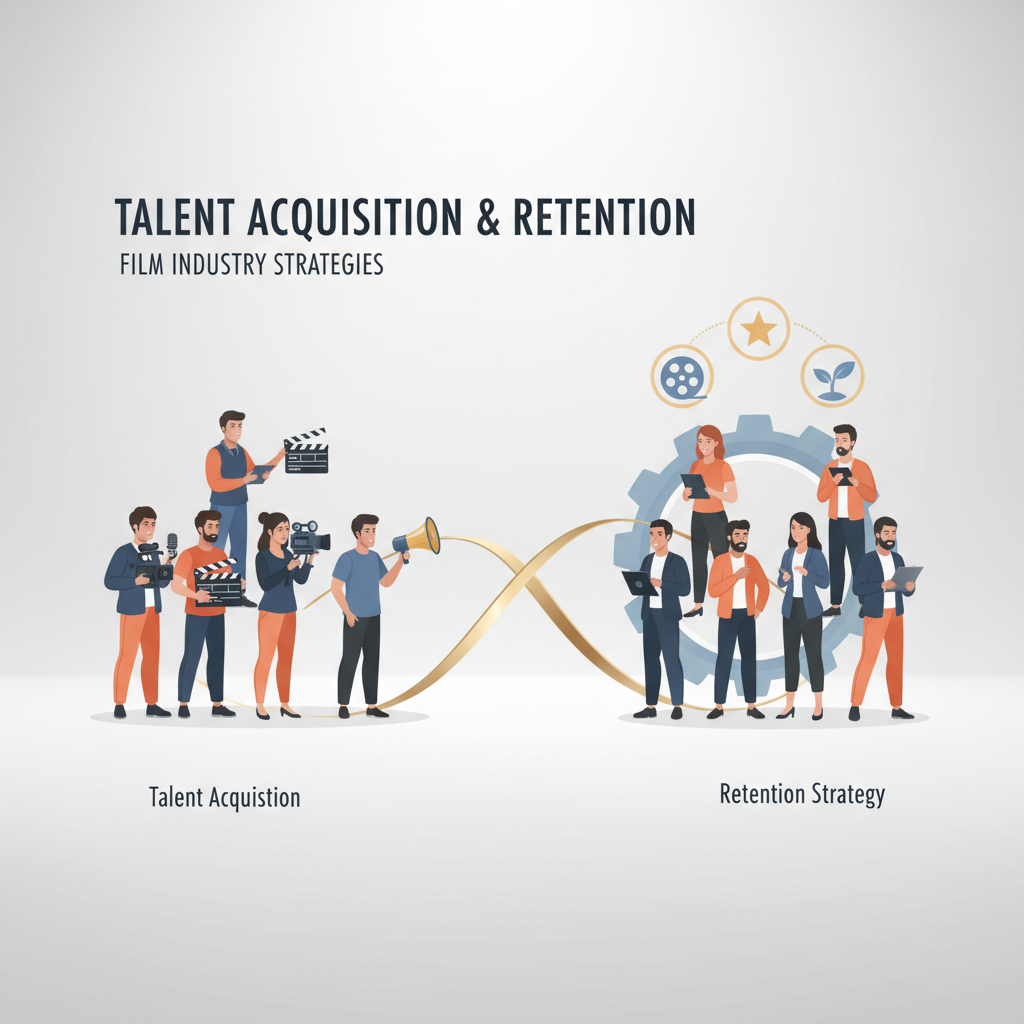
The Singapore film industry, a vibrant and increasingly competitive landscape, presents unique challenges and opportunities for talent acquisition and retention. Its highly project-based nature means a constant flux of teams, demanding agility from both employers and talent. This section delves into the critical Differences between the SMEs’ HR Structure and the Corporates’ HR Structure in Films field in singapore, comparing their distinct approaches to attracting, hiring, and retaining the creative and technical professionals vital for cinematic success.
1. Networking and Grassroots Recruitment vs. Formalized Talent Pipelines
In the Singapore film scene, the initial approach to finding talent often hinges on the size and structure of the organization. Small and Medium-sized Enterprises (SMEs), which form the backbone of independent filmmaking, predominantly rely on grassroots recruitment and extensive personal networks. Directors, producers, and crew members often leverage their existing contacts forged through film school, past projects, industry events, and word-of-mouth referrals. This organic method fosters a close-knit community, allowing SMEs to quickly assemble teams based on trust and prior working relationships. Flexibility is key, with recruitment often happening on an ad-hoc, project-by-project basis, making them agile in response to immediate needs.
Conversely, larger Corporate entities, often with more substantial and continuous production pipelines or broader media operations, employ formalized talent acquisition strategies. These typically include dedicated HR departments, structured recruitment processes, partnerships with creative agencies, online job portals, and talent scouting initiatives. Corporates are more likely to establish formal internship programs and entry-level schemes, nurturing talent from universities and polytechnics. Their goal is often to build a sustainable talent pipeline, ensuring a steady supply of skilled professionals for ongoing and future projects. While perhaps less agile for last-minute team formations, their structured approach offers greater consistency and a wider reach for diverse skill sets.
2. Compensation, Benefits, and Employee Value Proposition Differences
The disparity in HR structures extends significantly to compensation, benefits, and the overall employee value proposition (EVP). SMEs in the film industry often operate with tighter budgets, leading to project-based remuneration that might be competitive but lacks the comprehensive benefits packages offered by larger entities. Their employee value proposition typically emphasizes creative freedom, the opportunity for significant individual impact, a collaborative and intimate working environment, and direct mentorship from experienced filmmakers. For many aspiring artists, the chance to contribute meaningfully to an indie production and build a diverse portfolio often outweighs traditional benefits.
Corporates, on the other hand, can offer more standardized and robust compensation packages, including fixed salaries, health insurance, provident fund contributions, and paid leave. Their EVP focuses on stability, career progression pathways, access to larger-scale productions, advanced equipment, and comprehensive training programs. Working for a corporate entity often provides a sense of security and the prestige of being associated with established brands or high-profile projects. Retention strategies for corporates often involve a mix of competitive pay, structured performance reviews, and a clear path for advancement within the organization, appealing to individuals seeking long-term career stability and growth.
3. Career Development and Growth Opportunities in Varied Structures
Career development and growth opportunities also manifest differently across these two organizational archetypes. In SMEs, professional growth is often organic and self-directed. Individuals gain experience by taking on diverse roles, learning new skills on the job, and receiving direct, informal mentorship from founders or senior crew members. Cross-functional exposure is common, allowing individuals to develop a broad skill set crucial for the multi-faceted demands of independent filmmaking. Vertical progression might be less defined, but horizontal growth into different specializations or leadership roles within a project is frequent, fostering versatile filmmakers.
Corporates typically offer more formalized career development paths. This includes structured training programs, workshops, certifications, and clear promotion criteria for various roles, from junior editor to head of post-production. Employees might have opportunities to specialize in a particular craft, work on a series of progressively larger projects, or even transition into management roles within the company. Access to international projects or collaborations can also be a significant draw, providing exposure to global best practices and diverse production environments. While perhaps less ‘hands-on’ in cross-functional exploration, the structured growth opportunities can provide a clearer trajectory for long-term career advancement and specialization.
HR Technology and Operational Efficiency: Small vs. Large
The dynamic landscape of the film industry in Singapore, much like other sectors, presents a stark contrast in HR operational efficiency between Small and Medium-sized Enterprises (SMEs) and larger Corporates. While both strive for talent acquisition and management excellence, the Differences between the SMEs’ HR Structure and the Corporates’ HR Structure in Films field in singapore are profoundly shaped by their access to and adoption of HR technology, automation, and data analytics. This disparity directly impacts their ability to streamline operations, make strategic decisions, and ultimately, compete for top talent in a demanding creative field.
1. Manual Processes and Basic Tools in SME Film HR
For many SME film production houses and related businesses in Singapore, HR functions are often managed through a patchwork of manual processes and basic digital tools. Resource constraints mean that dedicated HR personnel might be limited, with administrative tasks often falling to office managers or even production assistants. This typically involves extensive use of spreadsheets for tracking employee data, leave management, and payroll. Communication often relies on email and instant messaging, while recruitment might be handled through direct outreach or basic job portals, lacking sophisticated applicant tracking systems.
The reliance on such Manual Processes and Basic Tools results in inefficiencies, a higher risk of human error, and a significant time sink for routine tasks. For instance, calculating complex film project-based payrolls with varying contract durations, overtime, and benefits can become an arduous, error-prone task without dedicated software. Performance reviews might be informal, and training initiatives less structured, impeding consistent talent development. This operational overhead diverts valuable time and energy that could otherwise be invested in creative development, project execution, or strategic business growth, highlighting a fundamental difference in how HR is perceived and managed compared to larger entities.
2. Integrated HRIS/HCM Systems in Corporate Film HR
In stark contrast, larger corporate film studios, distributors, or media conglomerates in Singapore typically leverage sophisticated Integrated HRIS/HCM Systems (Human Resources Information Systems/Human Capital Management). These comprehensive platforms consolidate all HR functions—from recruitment and onboarding to payroll, benefits administration, performance management, and learning & development—into a single, unified system. Automation is a cornerstone of these systems, handling tasks such as automated reminders for performance reviews, self-service portals for employees to manage their leave and personal information, and automated workflows for approvals.
The implementation of such advanced HR technology allows corporate HR departments to achieve significant operational efficiencies. Recruitment processes are streamlined with Applicant Tracking Systems (ATS) that screen resumes and schedule interviews. Onboarding is expedited through digital forms and automated task assignments. Payroll is processed accurately and efficiently, often integrating with financial systems. These systems don’t just save time; they enhance compliance, reduce administrative burden, and free up HR professionals to focus on strategic initiatives rather than transactional tasks. The strategic advantage of robust HR technology is well-documented, enabling organizations to optimize their workforce and achieve business objectives more effectively. As highlighted by numerous industry reports, the adoption of integrated HR platforms is critical for modern talent management and business agility. For example, insights from Deloitte’s Global Human Capital Trends often emphasize how technology drives strategic HR transformation, a luxury often out of reach for smaller film businesses.
3. The Role of Data Analytics and Metrics in Strategic Film HR Decisions
Beyond automation, a crucial differentiator lies in the application of data analytics. Corporate film HR departments, empowered by their integrated HRIS/HCM systems, extensively utilize Data Analytics and Metrics in Strategic Film HR Decisions. These systems collect vast amounts of employee data, from hiring timelines and retention rates to performance metrics and training completion. HR teams can then analyze this data to identify trends, predict future workforce needs, and inform strategic planning.
For example, analytics can reveal patterns in employee turnover in specific film production roles, allowing HR to proactively address issues related to compensation, work-life balance, or career development. They can measure the effectiveness of training programs, optimize talent acquisition channels, and even predict the success of new hires. This data-driven approach transforms HR from a purely administrative function into a strategic business partner, directly contributing to the corporate entity’s competitive edge in the Singaporean film market. In contrast, SME film HR, relying on basic tools, often lacks the capacity to gather, analyze, or interpret such comprehensive data. Decisions are typically based on intuition, limited observations, or immediate needs rather than granular, evidence-based insights. This limits their ability to conduct proactive workforce planning, identify underlying HR challenges, or measure the ROI of their people initiatives effectively, further widening the operational and strategic gap between small and large players in the film sector.
The burgeoning film industry in Singapore showcases distinct approaches to human resource management, primarily shaped by organizational size and strategic objectives. Understanding the Differences between the SMEs’ HR Structure and the Corporates’ HR Structure in Films field in singapore is paramount to grasping how HR functions align with overall business strategy and will adapt to the future landscape.
1. HR as an Administrative Function vs. Strategic Business Partner
In Singapore’s film SMEs, HR responsibilities are often multi-faceted, handled by owners, producers, or general managers who juggle various operational roles. This lean structure positions HR predominantly as an administrative function, focused on immediate needs like payroll, project-specific recruitment, and compliance with local labor laws. While agile, this reactive approach often limits strategic foresight in talent development and retention. In contrast, larger corporate film entities, such as established production houses or media conglomerates, typically feature dedicated HR departments with specialized roles. Here, HR operates as a strategic business partner, deeply integrated into long-term goals. Corporate HR proactively develops talent pipelines, implements robust performance management, designs succession plans, and cultivates a compelling employer brand, directly aligning human capital strategies with the company’s artistic vision and financial objectives.
2. Adapting to Remote Work and Gig Economy Trends in Film Production
The film industry, traditionally hands-on, has significantly embraced remote work for stages like pre-production (scripting, concept art) and post-production (editing, VFX, sound design). HR’s role has expanded to developing remote collaboration policies, ensuring data security for creative assets, managing digital communication, and maintaining team cohesion across distributed teams. This also facilitates access to a wider global talent pool. Simultaneously, the gig economy remains foundational, with film productions heavily relying on freelance talent. HR is increasingly tasked with streamlining contract management, ensuring fair compensation, navigating complex labor laws for contractors, and fostering engagement within a transient workforce. Striking a balance between agile project-based hires and a stable core team is a critical HR challenge, demanding effective onboarding for temporary staff and robust freelance networks to ensure consistent quality.
3. Future Challenges and Opportunities for HR in Singapore’s Evolving Film Landscape
Singapore’s ambition as a creative hub presents both formidable challenges and exciting opportunities for film HR. Intensifying global competition necessitates innovative talent acquisition strategies, moving beyond traditional recruitment to building strong employer brands that attract local and international specialists in areas like virtual production, AI-driven content, and immersive technologies. Retaining this top talent in a project-driven sector is paramount. Furthermore, rapid technological evolution demands continuous upskilling and reskilling. HR will be instrumental in identifying skill gaps, designing effective learning and development programs, and fostering a culture of continuous learning to keep pace with advancements. Future HR trends emphasize agility and adaptability, particularly in embracing new work models and leveraging HR tech for enhanced efficiency.
Opportunities for strategic HR to shape the future are immense. By proactively integrating Diversity, Equity, and Inclusion (DEI) initiatives, HR can cultivate more representative and innovative workplaces. Leveraging advanced HR analytics offers data-driven insights into workforce dynamics, informing talent pipeline strategies and employee engagement. As Singapore solidifies its role as a regional film hub, HR can facilitate international collaborations, navigate cross-cultural talent management, and ensure compliance with global labor regulations. Ultimately, HR’s strategic foresight and adaptability will be pivotal in nurturing a resilient, skilled, and passionate workforce, driving the continued success and creative excellence of the Singapore film industry.
Partner with Shelby Global
You are looking for reliable HR Sevice Suppliers? Contact Shelby Global Now! To connect with verified talents and upgrade your orginization.
—————————————
References
– Singapore Employment Act – Ministry of Manpower: https://www.mom.gov.sg/employment-practices/employment-act
– HR Tech Adoption and Talent Development Drive Key Priorities for HR Leaders in Singapore: https://www.hrmasia.com/hr-tech-adoption-and-talent-development-drive-key-priorities-for-hr-leaders-in-singapore/
– :
– Deloitte’s Global Human Capital Trends: https://www2.deloitte.com/us/en/insights/topics/talent/global-human-capital-trends.html
– Gartner HR Trends 2024: What to Expect from the Future of Work: https://www.gartner.com/en/articles/hr-trends-2024-what-to-expect-from-the-future-of-work