Fundamental Differences in HR Scope and Structure
Vietnam’s marketing sector is a dynamic and rapidly evolving landscape, characterized by a vibrant mix of nimble small-to-medium enterprises (SMEs) and formidable large corporations. While both strive for market dominance, their approaches to human resources (HR) often diverge significantly due to variations in scale, resources, and strategic priorities. Understanding the core structural and functional differences between the SMEs’ HR structure and the corporates’ HR structure in marketing agencies in Vietnam is crucial for dissecting their operational capabilities and talent management strategies. These distinctions impact everything from daily HR operations to long-term organizational development, shaping how talent is attracted, nurtured, and retained in a competitive market.

-
Team Size and Composition (Generalist vs. Specialist Roles)
Perhaps the most immediate distinction lies in the sheer size and composition of HR teams. In SMEs within Vietnam’s marketing sector, the HR function is typically lean, often comprising one or a handful of HR professionals. These individuals usually adopt a HR generalist role, handling a wide spectrum of responsibilities. From recruitment and onboarding to payroll processing, basic compliance, employee relations, and even some administrative tasks, the SME HR professional is a jack-of-all-trades. This generalist model, while cost-effective, means that deep expertise in specific HR domains might be limited, presenting SME HR challenges when complex issues arise. The focus is often on immediate, day-to-day operational HR in SMEs, ensuring fundamental HR needs are met.
Conversely, large corporations boast extensive and departmentalized HR structures. Here, the HR function is segmented into specialized units, each staffed by experts focusing on particular areas. These HR specialist functions might include dedicated teams for talent acquisition, compensation and benefits (C&B), learning and development (L&D), HR business partnering (HRBP), and HR information systems (HRIS). This allows for greater depth of expertise and efficiency in managing complex HR processes across a larger workforce. For instance, talent management in Vietnam’s corporate marketing giants involves sophisticated strategies implemented by dedicated specialists, ensuring a comprehensive approach to employee lifecycle management.
-
Strategic vs. Operational Focus (HR’s role in business goals)
The strategic involvement of HR also marks a significant divergence. For many SMEs, HR’s role remains predominantly operational, focused on transactional tasks and compliance. While essential for business continuity, this often means HR is viewed more as an administrative necessity rather than a strategic partner. The urgent demands of a growing business with limited resources mean that long-term corporate HR strategies like succession planning or advanced organizational development often take a backseat to immediate concerns such as ensuring payroll accuracy or managing basic employee grievances. This focus on day-to-day necessities is a defining characteristic of the HR structure in Vietnam marketing SMEs.
In large corporations, HR transcends mere administration, evolving into a critical strategic partner influencing key business decisions. Here, HR departments are instrumental in strategic HR in corporations, aligning talent strategies with overall business objectives, driving organizational culture, and forecasting future workforce needs. HR leaders actively participate in executive discussions, providing insights on talent gaps, leadership development, and organizational design. This shift is crucial for fostering sustainable growth and competitive advantage. According to SHRM (Society for Human Resource Management), strategic HR “involves developing and implementing HR policies and practices that are integrated with and support the organization’s overall mission, objectives, and strategies.” This proactive engagement allows large marketing firms to leverage HR as a competitive differentiator, particularly in areas like learning and development HR and performance management.
-
Budget Allocation for HR Initiatives
Budgetary differences fundamentally shape the scope and ambition of HR initiatives. SMEs typically operate with tighter financial constraints, leading to HR budget constraints that impact investment in technology, training, and employee benefits. HR professionals in SMEs often rely on manual processes or basic software, making data analysis and advanced reporting challenging. Training programs might be infrequent or rudimentary, and compensation packages, while competitive for the local market, may lack the extensive perks offered by larger entities. This often leads to resourceful, but limited, approaches to HR technology adoption and employee engagement.
Conversely, large corporations allocate substantial budgets to their HR departments, enabling sophisticated initiatives. These budgets facilitate investment in cutting-edge HR technology adoption, including advanced HRIS platforms, analytics tools, and AI-driven recruitment software. Comprehensive learning and development HR programs, leadership training, and continuous upskilling are commonplace. Furthermore, large corporations often offer competitive compensation and benefits in Vietnam, including health and wellness programs, provident funds, and global mobility options, which are powerful tools for attracting and retaining top talent. This robust financial backing allows for proactive organizational development HR, fostering a culture of continuous improvement and employee well-being.
In conclusion, the differences between the SMEs’ HR structure and the corporates’ HR structure in marketing agencies in Vietnam are profound and multifaceted. While SMEs prioritize agility and generalist expertise to manage essential functions under budget constraints, large corporations invest in specialized teams and strategic HR initiatives to drive long-term growth and competitive advantage. Recognizing these fundamental distinctions is vital for both organizations to optimize their HR strategies and navigate the complexities of Vietnam’s dynamic marketing talent landscape effectively.
Talent Acquisition and Employer Branding Strategies
In Vietnam’s vibrant and rapidly evolving marketing landscape, the pursuit of top talent is a critical challenge for both small and medium-sized enterprises (SMEs) and large corporations. While both strive to attract, recruit, and retain the best marketing professionals, their distinct operational scales, resources, and organizational structures lead to fundamentally different methodologies and challenges. Understanding the Differences between the SMEs’ HR Structure and the Corporates’ HR Structure in marketing agency in vietnam is crucial to appreciating their unique approaches to talent acquisition and employer branding.
SMEs, often characterized by leaner teams and dynamic environments, frequently rely on agility and a strong internal culture to appeal to potential candidates. Their HR functions might be managed by a single individual or even the founder, leading to more personalized yet potentially less formalized processes. Corporates, conversely, possess dedicated HR departments, structured frameworks, and often substantial budgets for talent initiatives. These inherent structural differences significantly impact their strategies for attracting highly sought-after marketing talent Vietnam, addressing HR challenges Vietnam, and building a compelling employer brand building.
1. Recruitment Channels and Sourcing Methods
The initial step in talent acquisition – sourcing candidates – showcases clear distinctions between SMEs and corporates in the Vietnam marketing industry. SME recruitment Vietnam often leans heavily on informal networks, personal referrals, and direct outreach via social media platforms like LinkedIn, Facebook groups, or even Zalo. Their smaller scale allows for more personalized headhunting and a focus on candidates who align culturally. They might also utilize local job boards that cater to specific niches or smaller enterprises, emphasizing the direct impact a new hire can make within a close-knit team. This approach requires less financial outlay but demands significant time and networking effort from existing staff or leadership.
In contrast, corporate HR marketing agency structures typically deploy a multi-faceted approach to marketing talent sourcing. They often engage professional recruitment agencies, leverage premium subscriptions on major job portals such as VietnamWorks or TopCV, and invest in employer branding campaigns on career-focused platforms. Many corporates also run structured graduate programs or internships to cultivate future talent pipelines. Their ability to offer more formalized career paths and comprehensive benefits packages often allows them to cast a wider net and attract a larger pool of candidates, including those seeking stability and structured talent development marketing opportunities. The recruitment channels marketing employed by corporates are generally more formal, systematic, and resource-intensive, reflecting their larger operational scale and broader talent needs.
2. Onboarding Processes and Employee Integration
Once a candidate is hired, the onboarding process is vital for successful employee integration Vietnam and long-term retention. For SMEs, onboarding is frequently less formalized but can be highly personal. New hires might immediately immerse themselves in projects, benefiting from direct mentorship from founders or senior team members. The focus is often on rapid integration into the team culture and quick productivity. This hands-on approach can foster strong bonds and a deep understanding of the company’s mission quickly, contributing positively to employee engagement marketing.
Corporates, on the other hand, typically implement structured and extensive onboarding strategies Vietnam. This can include multi-day orientation programs, mandatory training modules on company policies and values, a buddy system, and a phased introduction to different departments. The aim is to ensure a comprehensive understanding of the corporate structure, compliance, and departmental interdependencies. While this structured approach provides clarity and a robust support system, it can sometimes feel less personal. Effective talent retention strategies for both depend on making new hires feel valued and equipped, whether through intimate mentorship or comprehensive institutional support.
3. Employer Branding and Value Proposition
Employer branding is paramount for attracting and retaining top talent, particularly in a competitive market like Vietnam. For SMEs, their employer value proposition Vietnam often centers around their unique culture, the opportunity for significant individual impact, a flat hierarchy, flexible work arrangements, and rapid career growth. They sell the vision, the close-knit team environment, and the chance to contribute directly to the company’s success. Authenticity and transparency are key components of their employer brand building, often communicated through social media and employee testimonials. They are often perceived as agile and innovative, appealing to individuals who thrive in dynamic settings.
Corporates leverage their established brand reputation, global opportunities, structured career development marketing paths, and attractive compensation and benefits Vietnam packages as their primary value proposition. They can offer stability, comprehensive health insurance, professional development budgets, and exposure to international projects. Their employer branding campaigns are often sophisticated, utilizing professional content, dedicated career websites, and PR efforts to highlight their stability, prestige, and commitment to employee well-being. According to a report on Vietnam’s labor market trends, while salary remains a significant factor, non-monetary benefits and career progression are increasingly important for attracting and retaining skilled professionals, highlighting the nuanced approach both SMEs and corporates must take.
Ultimately, both SMEs and corporates navigate a competitive landscape for marketing talent in Vietnam. While corporates leverage their scale and resources, SMEs capitalize on their agility, unique culture, and direct impact opportunities. Each approach presents distinct strengths and challenges in the ongoing effort to attract and retain the best and brightest marketing minds.
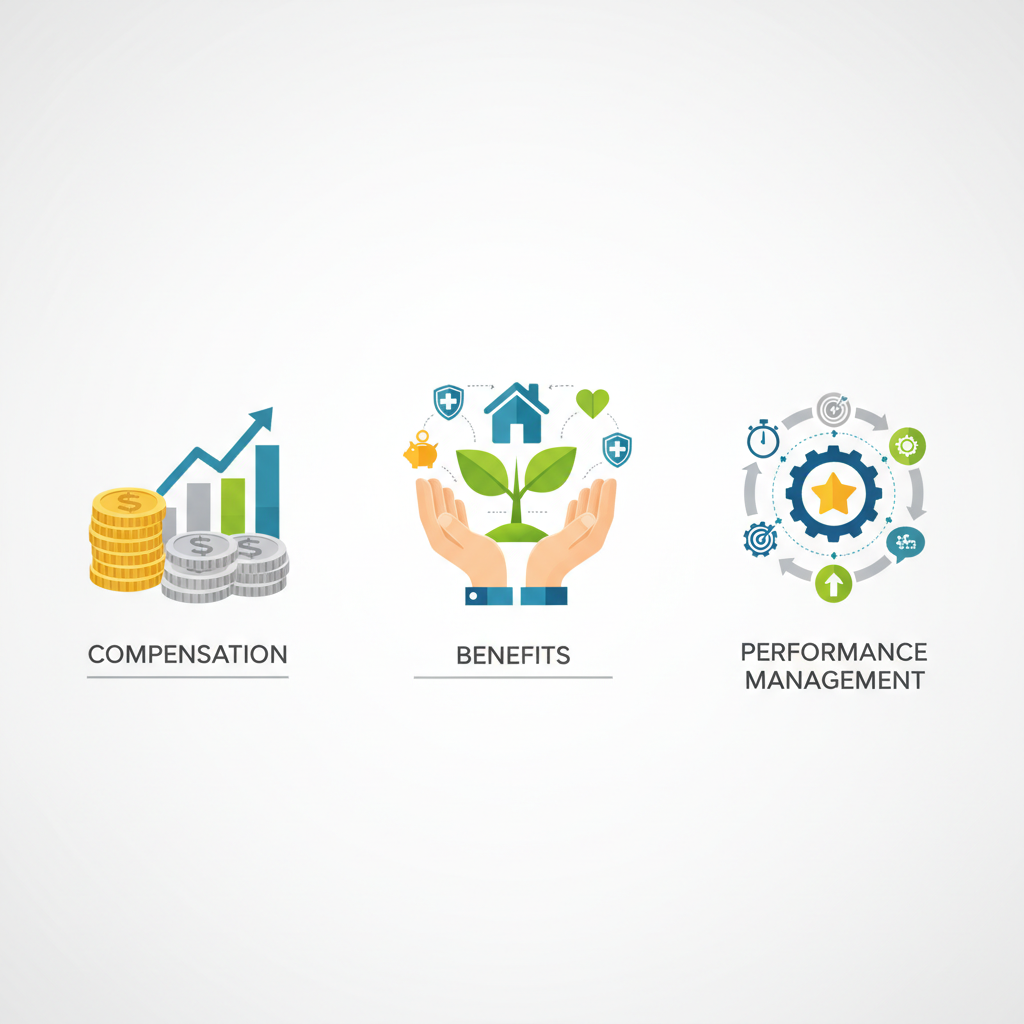
Compensation, Benefits, and Performance Management
In the dynamic landscape of Vietnam’s marketing agencies, the approach to remuneration, employee benefits, and performance evaluation systems serves as a critical differentiator between Small and Medium-sized Enterprises (SMEs) and larger corporate entities. These Differences between the SMEs’ HR Structure and the Corporates’ HR Structure in marketing agency in vietnam are not merely administrative nuances; they fundamentally reflect the financial capabilities, organizational philosophies, and strategic talent management priorities of each business model. Understanding these varying approaches is key to appreciating how each type of agency attracts, retains, and motivates its workforce.
1. Salary Structures and Bonus Schemes
The financial bedrock of any compensation strategy lies in its salary structures and bonus schemes. For SMEs in Vietnam’s marketing sector, these are typically more fluid and less formalized. Salary bands might be broader or non-existent, often determined through direct negotiation and reflecting individual experience rather than rigid organizational grades. Bonus schemes tend to be discretionary, closely tied to the agency’s overall project success, client satisfaction, or even the direct profitability of specific campaigns. Given their often-limited budgets, SMEs may prioritize competitive base salaries, with bonuses acting as periodic incentives rather than a fixed component of annual earnings. Some fast-growing SMEs might also leverage equity or profit-sharing for key senior roles, offering a stake in the company’s future as a powerful retention tool.
Conversely, corporate marketing agencies operate with highly structured and formalized compensation frameworks. These include clearly defined salary grades, bands, and compensation philosophies (e.g., aiming for market-leading or market-average pay). Performance-based bonuses are a cornerstone, meticulously linked to individual Key Performance Indicators (KPIs), team objectives, and overall company financial performance. Annual review cycles are standard for salary adjustments, and corporates often boast sophisticated incentive programs, including long-term incentives, sales commissions for business development roles, and generous referral bonuses. This systematic approach allows corporates to manage compensation at scale and maintain internal equity, while also using it as a strategic lever for attracting top talent in Vietnam’s competitive marketing industry.
2. Employee Benefits Packages (Healthcare, Perks, etc.)
Beyond direct remuneration, the breadth and depth of employee benefits packages significantly impact talent attraction and retention. SMEs generally adhere to statutory benefits mandated by Vietnamese labor law, such as social and health insurance. Due to cost constraints, non-statutory benefits are often limited but can be highly personalized or culture-driven. These might include flexible working hours, occasional team outings, free snacks, or ad-hoc professional development opportunities tailored to an individual’s specific career path. The focus for SMEs often shifts to fostering a strong, positive work environment and culture as a key ‘benefit’ that compensates for the lack of extensive formal perks.
Corporate marketing agencies, with their larger financial capacity, typically offer comprehensive benefits packages that extend far beyond legal requirements. This often includes private health insurance, dental coverage, life insurance, and robust wellness programs (e.g., gym memberships, subsidized meals). Professional development budgets are often substantial, covering external training, certifications, or even tuition reimbursement. Employee assistance programs (EAPs), structured leave policies (paternity, sabbatical), and sometimes even company car allowances for senior positions are common. These extensive offerings are a powerful tool for corporates to differentiate themselves in the talent market and enhance employee well-being and loyalty.
3. Performance Review Cycles and Metrics
The evaluation of employee performance is another area where SMEs and corporates diverge significantly. In SMEs, performance review cycles are often less formal, more frequent, and can be highly iterative. Feedback tends to be immediate and direct, occurring through continuous manager-employee interactions rather than rigid annual appraisals. Performance metrics might be less quantitative, focusing heavily on project completion, client satisfaction, adherence to cultural values, and overall contribution to the small team’s success. Growth opportunities are often organically tied to expanding roles within the agency as it scales.
Conversely, corporate marketing agencies rely on highly formalized annual or semi-annual performance review cycles. These systems utilize standardized KPIs and Objective Key Results (OKRs), often cascaded from broader organizational goals to individual employees. Sophisticated tools like 360-degree feedback systems, calibration sessions among managers, and clear promotion paths are common. Performance ratings are directly linked to salary increments, bonus eligibility, and structured talent development programs. While providing clear guidelines and objective measures, these formal processes can sometimes be perceived as bureaucratic. Nevertheless, they ensure consistency, fairness, and accountability across a large workforce, aligning individual performance with broader strategic objectives, an essential element for strategic compensation strategies.
In conclusion, the Differences between the SMEs’ HR Structure and the Corporates’ HR Structure in marketing agency in vietnam in compensation, benefits, and performance management highlight a fundamental divide. While SMEs excel in flexibility and personalized approaches, corporates leverage structured systems and comprehensive offerings. Both models possess distinct strengths and weaknesses, underscoring the importance of aligning HR strategies with business goals and financial capacity to effectively compete for and retain top talent in Vietnam’s dynamic marketing landscape.
HR Technology and Data Analytics Utilization
The landscape of human resources in Vietnamese marketing agencies is undergoing a significant transformation, driven by the rapid adoption of technology. From foundational HRIS (Human Resources Information Systems) to sophisticated data analytics, the utilization of HR technology varies dramatically between small and medium-sized enterprises (SMEs) and large corporates. Understanding these differences between the SMEs’ HR structure and the corporates’ HR structure in marketing agency in Vietnam is crucial for appreciating the strategic advantages and operational efficiencies each model pursues.
For SMEs, the journey into HR tech adoption Vietnam often begins with addressing immediate operational needs, focusing on cost-effective solutions. Corporate HR tech Vietnam, conversely, tends to involve comprehensive, integrated systems that support complex, multi-layered organizational structures. Both strive for HR digital transformation, but their paths and investments diverge considerably, impacting everything from talent acquisition to employee experience platforms.
1. Implementation of HRIS/HRM Systems
The foundational element of HR technology, HRIS/HRM systems, marks a clear distinction between SMEs and corporates in the Vietnamese marketing sector. For many SMEs, initial HRIS implementation challenges revolve around budget constraints and the perceived complexity of full-suite systems. They often begin with modular, cloud-based solutions focusing on core functions like payroll automation Vietnam, leave management, and basic employee data storage. These SME HR software marketing agency solutions prioritize ease of use and affordability, sometimes relying on hybrid approaches that still involve spreadsheets for certain functions. The goal is to streamline administrative tasks and ensure compliance without a hefty upfront investment.
In contrast, large corporate marketing agencies in Vietnam invest in comprehensive, integrated HRIS platforms from global vendors such as SAP, Oracle, or Workday. These systems are designed to manage a vast array of HR functions, including talent management, learning and development, performance management software, and global payroll. Corporate HR tech Vietnam emphasizes scalability, robust data security, and seamless integration with other enterprise resource planning (ERP) systems. The initial investment and ongoing maintenance are substantial, but they enable a holistic view of the workforce, supporting intricate organizational structures and complex reporting requirements. This level of integration is vital for managing diverse teams and ensuring consistent HR practices across multiple branches or regions.
2. Use of Recruitment Software and Tools
Recruitment is another area where technological leverage showcases significant disparities. SMEs in the marketing sector often employ a more hands-on approach, utilizing standard job boards, professional networking sites like LinkedIn, and direct social media outreach. While effective for smaller hiring volumes, dedicated applicant tracking systems (ATS) are often foregone due to cost or the perceived need. Their recruitment tech Vietnam agencies strategy typically focuses on quick, efficient candidate sourcing and a personalized screening process, often managed manually or with minimal software support. Talent acquisition software might be limited to free or low-cost versions integrated within broader HR platforms.
Corporate marketing agencies, on the other hand, leverage advanced recruitment software and tools to manage high-volume hiring and complex talent pipelines. Their talent acquisition software typically includes sophisticated ATS with features like AI-powered candidate sourcing, automated screening questions, interview scheduling, and robust candidate relationship management (CRM) capabilities. These systems help streamline the entire recruitment lifecycle, from initial outreach to onboarding, ensuring a consistent candidate experience and efficient processing of thousands of applications. This allows corporate marketing firms to not only fill roles faster but also to build talent pools for future needs, supporting their growth and strategic workforce planning objectives.
3. Data-Driven HR Decision Making
The ability to make data-driven HR decisions is perhaps the most significant differentiator in HR technology utilization. For many SMEs, HR data strategy Vietnam is often nascent, with data residing in disparate systems or spreadsheets. Analytics capabilities are typically limited to basic operational metrics, such as headcount, leave days, and simple turnover rates. Decisions might be more intuition-based due to the lack of integrated data and specialized HR analytics marketing firms expertise. While they understand the value, the investment in advanced analytics platforms and the human capital required to interpret complex data can be prohibitive.
Corporates, however, have deeply embedded HR analytics capabilities as a cornerstone of their HR digital transformation. They utilize advanced business intelligence (BI) tools and dedicated HR analytics platforms that integrate data from HRIS, recruitment software, performance management, and even employee engagement surveys. This allows them to conduct sophisticated analyses, such as predicting attrition risk, identifying high-potential employees, measuring the ROI of training programs, and optimizing workforce planning. Companies like SHRM highlight the increasing importance of these HR tech trends in shaping strategic human capital management. The insights derived from such robust HR data strategy Vietnam empower strategic decision-making, helping corporates optimize talent allocation, enhance employee experience, and achieve broader business objectives. The focus shifts from merely reporting on past events to leveraging predictive analytics for future workforce needs and competitive advantage.
Culture, Compliance, and Employee Relations
The operational framework of Human Resources (HR) within an organization is a cornerstone for shaping its workplace culture, ensuring adherence to labor laws, and effectively managing employee relations. This dynamic becomes particularly nuanced when examining the Differences between the SMEs’ HR Structure and the Corporates’ HR Structure in marketing agency in vietnam. In the vibrant and competitive landscape of Vietnamese marketing agencies, these structural variations significantly influence how companies foster their environment, navigate complex regulations, and resolve internal conflicts. Understanding these distinctions is crucial for both established corporations and agile small and medium-sized enterprises (SMEs) to thrive.

1. Workplace Culture and Values Promotion
The HR structure profoundly impacts how an agency’s unique culture is cultivated and its values are promoted. In SMEs HR, especially within Vietnamese marketing agencies, culture often emerges organically, heavily influenced by the founder’s vision and direct daily interactions. This can foster a close-knit, family-like atmosphere with high adaptability and a strong sense of collective ownership. However, the lack of a formalized HR department can pose challenges in consistently communicating and reinforcing core values as the company scales. Employee engagement initiatives might be less structured but more personal. Conversely, Corporates HR structures typically feature dedicated teams for HR policies development, internal communications, and talent management in Vietnam. These larger agencies have the resources to implement structured programs for values integration, professional development, and creating a robust workplace culture Vietnam through training and clear organizational guidelines. While potentially more bureaucratic, this structure ensures consistent messaging and a more equitable experience for a larger workforce, playing a vital role in shaping their distinct brand image and employer value proposition.
2. Labor Law Compliance and Policy Development
Adherence to Vietnamese labor laws is a critical area where the impact of HR structure is profoundly felt. For SMEs HR, the responsibility for labor law compliance Vietnam often falls on a single HR generalist or even the business owner, who may juggle multiple roles. This lean approach can lead to challenges in staying updated with the frequently evolving Vietnamese legal landscape, particularly concerning complex areas like social insurance contributions, employment contracts, working hours regulations, and severance pay. The risk of inadvertent non-compliance, leading to fines or legal disputes, is higher without specialized expertise. In contrast, Corporates HR in Vietnamese marketing agencies typically possess dedicated legal and HR teams. These teams specialize in HR policies development, conducting regular audits, and ensuring proactive regulatory adherence. They develop comprehensive internal policies that align with national regulations, mitigating risks and fostering a secure working environment. Understanding the nuances of the Vietnamese Labor Code is paramount, and resources such as guides from reputable firms provide valuable insights into Vietnam’s labor law, which is essential for effective HR structure and compliance.
3. Conflict Resolution and Grievance Procedures
The approach to conflict resolution practices and handling employee grievances varies significantly between the two HR structures. In SMEs HR, disputes are often resolved informally and directly, frequently involving the founder or immediate supervisor. While this can offer rapid resolution and maintain personal relationships, it may lack formal grievance procedures or an impartial third party, potentially leading to perceptions of unfairness or inconsistency. For Vietnamese marketing agencies with Corporates HR, formal and transparent employee relations strategies are standard. These typically include clear channels for reporting employee grievances, designated HR personnel for mediation, and established processes for investigating complaints. This structured approach ensures fairness, builds trust, and helps mitigate potential legal risks. Effective conflict management is crucial for maintaining a positive work environment and reducing employee turnover, particularly in a market where talent acquisition and retention are key competitive differentiators. The presence of a robust HR structure provides a necessary framework for maintaining harmonious employee relations, demonstrating the significant impact of organizational design on day-to-day workplace dynamics.
Partner with Shelby Global
You are looking for reliable HR Sevice Suppliers? Contact Shelby Global Now! To connect with verified talents and upgrade your orginization.
—————————————
References
– What Is Strategic HR? – SHRM: https://www.shrm.org/resourcesandtools/hr-topics/organizational-and-employee-development/pages/what-is-strategic-hr.aspx
– :
– Strategic Compensation: SHRM: https://www.shrm.org/resources-and-tools/hr-topics/compensation/compensation-strategy/
– HR Tech Trends to Watch – SHRM: https://www.shrm.org/resources-and-tools/hr-topics/technology/pages/hr-tech-trends-to-watch.aspx
– Vietnam’s labor law: https://www.dlapiper.com/en/vietnam/insights/publications/2023/02/labour-law-guide-vietnam