
Understanding the Unique HR Landscape for Travel SMEs in Vietnam
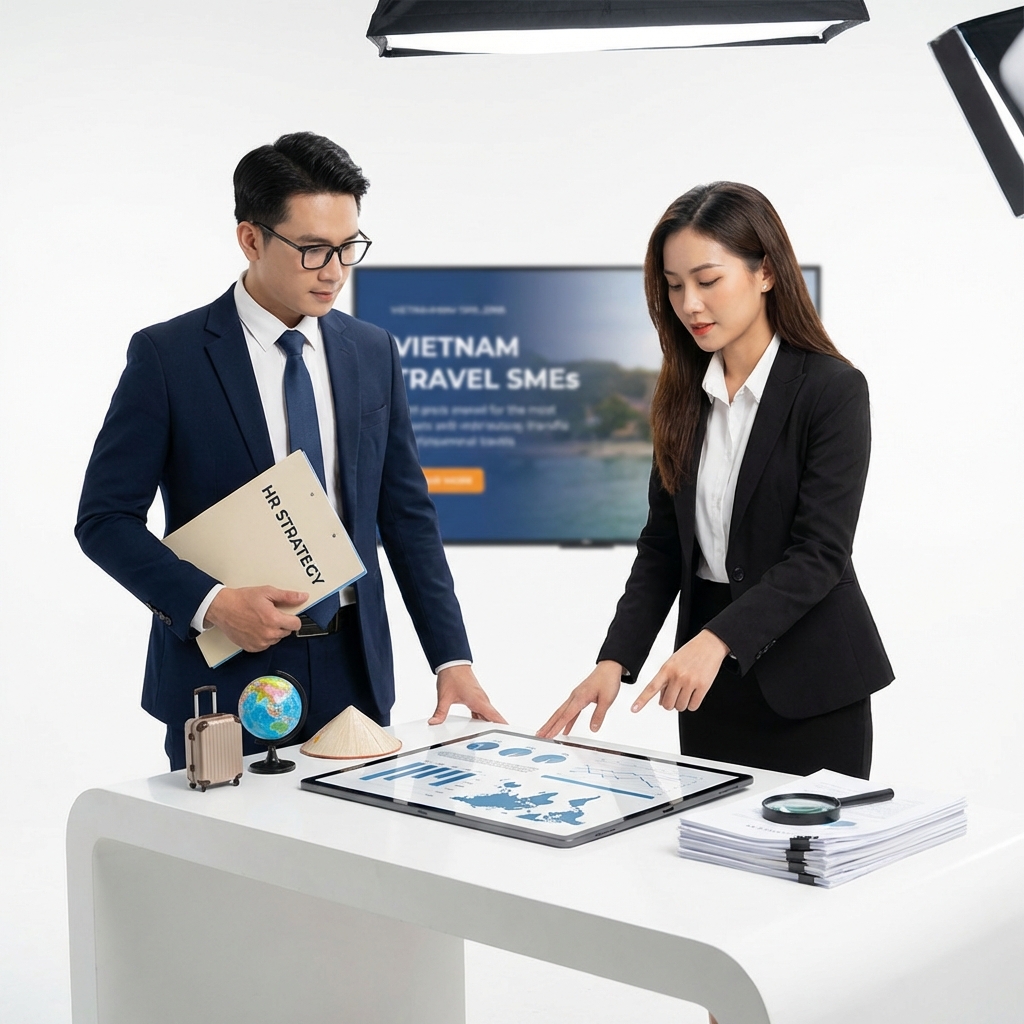
Vietnam’s travel industry is experiencing unprecedented growth, transforming the nation into a global tourism hotspot. This surge presents both immense opportunities and complex challenges, particularly for Small and Medium-sized Enterprises (SMEs) that form the backbone of this vibrant sector. For these nimble organizations, often led by a dynamic CEO, navigating the human resources (HR) landscape requires a unique approach. Unlike larger corporations with dedicated HR departments, travel SMEs in Vietnam must devise innovative HR structures for SMEs the CEO in Travels field in vietnam that align with their limited resources while capitalizing on the market’s potential. This section will delve into the specific HR challenges and opportunities that define this unique environment, highlighting the critical role of the CEO in shaping people strategies.
-
Market Dynamics & Growth in Vietnamese Tourism
The Vietnamese tourism sector has witnessed explosive growth, fueled by government initiatives, improved infrastructure, and a global appetite for its rich culture and stunning landscapes. This rapid expansion creates a high demand for skilled professionals across various roles, from tour guides and hospitality staff to digital marketing specialists and operations managers. While this provides a fertile ground for business expansion, it also intensifies competition for talent. Travel SMEs often find themselves vying with larger, more established companies for the same limited pool of qualified individuals. The challenge is not just in attracting talent, but also in retaining them amidst a dynamic job market where opportunities abound. Understanding these market dynamics is crucial for developing effective HR strategies that anticipate future needs, identify critical skill gaps, and foster a work environment attractive to top talent. SMEs must be agile, adapting their workforce planning to seasonal fluctuations and evolving tourist preferences, ensuring they have the right people with the right skills at the right time.
-
Challenges of SME Resource Scarcity
One of the most significant hurdles for travel SMEs in Vietnam is resource scarcity. Unlike their larger counterparts, these businesses typically operate with leaner budgets, limited personnel, and often, without a dedicated HR department. This means that HR functions, from recruitment and onboarding to training and performance management, are frequently managed by existing administrative staff or, more commonly, by the CEO themselves. This lack of specialized HR expertise can lead to inefficiencies, compliance issues, and a reactive rather than proactive approach to human capital development. Furthermore, limited budgets often restrict the ability of SMEs to offer competitive salaries, comprehensive benefits packages, or extensive training programs, making talent retention a perpetual battle. Overcoming these constraints requires creative solutions, such as leveraging technology for HR processes, focusing on non-monetary benefits, and building strong employer branding. The success of HR structures for SMEs in Vietnam’s travel sector hinges on making the most of what’s available.
-
Role of the CEO in Shaping HR Culture
In the context of a Vietnamese travel SME, the CEO’s influence on HR is paramount. Often, the CEO is not just the visionary leader but also the de facto head of HR, personally involved in hiring, team building, and conflict resolution. Their values, leadership style, and approach to employee well-being directly shape the company’s culture. In a resource-scarce environment, the CEO’s commitment to fostering a positive, engaging, and supportive workplace becomes a crucial differentiator in attracting and retaining talent. A CEO who prioritizes employee development, open communication, and recognizes individual contributions can cultivate a strong sense of loyalty and belonging, compensating for the limitations in monetary benefits. Moreover, the CEO’s understanding of effective HR structures for SMEs the CEO in Travels field in vietnam is vital for establishing foundational HR policies and practices, even if informally. Their vision for the company’s human capital strategy dictates how challenges are addressed and opportunities are seized, ultimately impacting the SME’s long-term success in Vietnam’s competitive travel market.
Foundational HR Structures for Early-Stage Travel SMEs
For early-stage Small and Medium-sized Enterprises (SMEs) in the vibrant Vietnamese travel sector, establishing robust HR structures from the outset is not merely a bureaucratic task but a strategic imperative. This section will guide CEOs and founders through the essential HR setups, focusing keenly on achieving compliance with local regulations and developing effective initial talent acquisition strategies. Understanding and implementing sound HR practices early ensures a stable operational foundation, mitigates legal risks, and positions your travel business for sustainable growth in a competitive market. A well-defined HR essential setup is critical for long-term success, especially for CEOs navigating the dynamic landscape of the Vietnamese tourism industry.
1. Navigating Vietnamese Labor Law Compliance
Operating a travel SME in Vietnam necessitates a thorough understanding of the country’s labor laws. Compliance isn’t optional; it’s fundamental to avoiding hefty fines, legal disputes, and reputational damage. Key areas for focus include employment contracts, social insurance contributions, working hours, and minimum wage requirements. Every employee, whether full-time or part-time, must have a clear employment contract drafted in Vietnamese, adhering to the templates and requirements stipulated by the Labor Code of Vietnam. Employers are obligated to register employees for compulsory social insurance, health insurance, and unemployment insurance, contributing a percentage of their salary as mandated by law. Furthermore, understanding regulations regarding overtime, annual leave, public holidays, and termination procedures is crucial for seamless operations and maintaining SME HR compliance in Vietnam.
Early consultation with local legal experts specializing in vietnam labor law can demystify complex regulations and ensure your HR practices are airtight. This proactive approach helps establish a transparent and fair working environment, crucial for attracting and retaining skilled local talent. Neglecting these foundational legal aspects can derail your business before it even takes off. For any CEO of a travel company, ensuring your HR structures for SMEs the CEO in Travels field in vietnam are compliant is the very first step.
2. Recruiting Local Talent: Strategies & Pitfalls
The success of any travel SME heavily relies on its people. Effective talent acquisition strategies are paramount, especially when recruiting local talent in Vietnam. Strategies should begin with clearly defined job descriptions that outline responsibilities, required skills, and cultural fit. Leverage popular local job portals (e.g., VietnamWorks, TopCV), social media platforms (LinkedIn, Facebook groups focused on hospitality/travel careers), and professional networks. Employee referrals can also be a goldmine for finding reliable candidates who already understand the local market and culture.
However, recruitment in Vietnam comes with its own set of pitfalls. One common challenge is unrealistic candidate expectations regarding salary or career progression. Another is the potential for cultural misunderstandings during interviews or in the workplace; sensitivity and cross-cultural training can mitigate this. Ensuring a positive candidate experience, from initial application to onboarding, is vital for building a strong employer brand. For comprehensive insights into optimizing your hiring processes and setting up efficient HR operations tailored for the travel industry in Vietnam, explore resources on HR structures for SMEs the CEO in Travels field in vietnam. This focus on ethical and strategic travel industry recruitment ensures you attract individuals passionate about travel and dedicated to your company’s vision.
3. Establishing Basic HR Policies & Procedures
Once you have your team, establishing clear HR policies and procedures is essential for operational efficiency, fairness, and employee morale. These policies act as a guiding framework, communicating expectations and protecting both the employer and employees. Key policies for early-stage travel SMEs should include: a Code of Conduct, outlining professional behavior and company values; Leave Policies (annual leave, sick leave, maternity/paternity leave) in line with Vietnamese law; Grievance Procedures for addressing workplace disputes; and Anti-Discrimination & Harassment Policies to foster an inclusive environment. Developing an employee handbook Vietnam version, tailored to your company’s specific operations and local legal requirements, is an excellent way to consolidate these rules and make them accessible to all staff.
These initial HR policies for startups might seem extensive, but they lay the groundwork for a professional and organized workplace. They reduce ambiguity, provide a structured approach to common HR scenarios, and support fair treatment across the board. By formalizing these processes early, CEOs can focus more on core business development, confident that their HR framework is stable and compliant, paving the way for scalable growth and ensuring smooth operations for their travel business.
Scaling HR Operations for Growing Travel SMEs
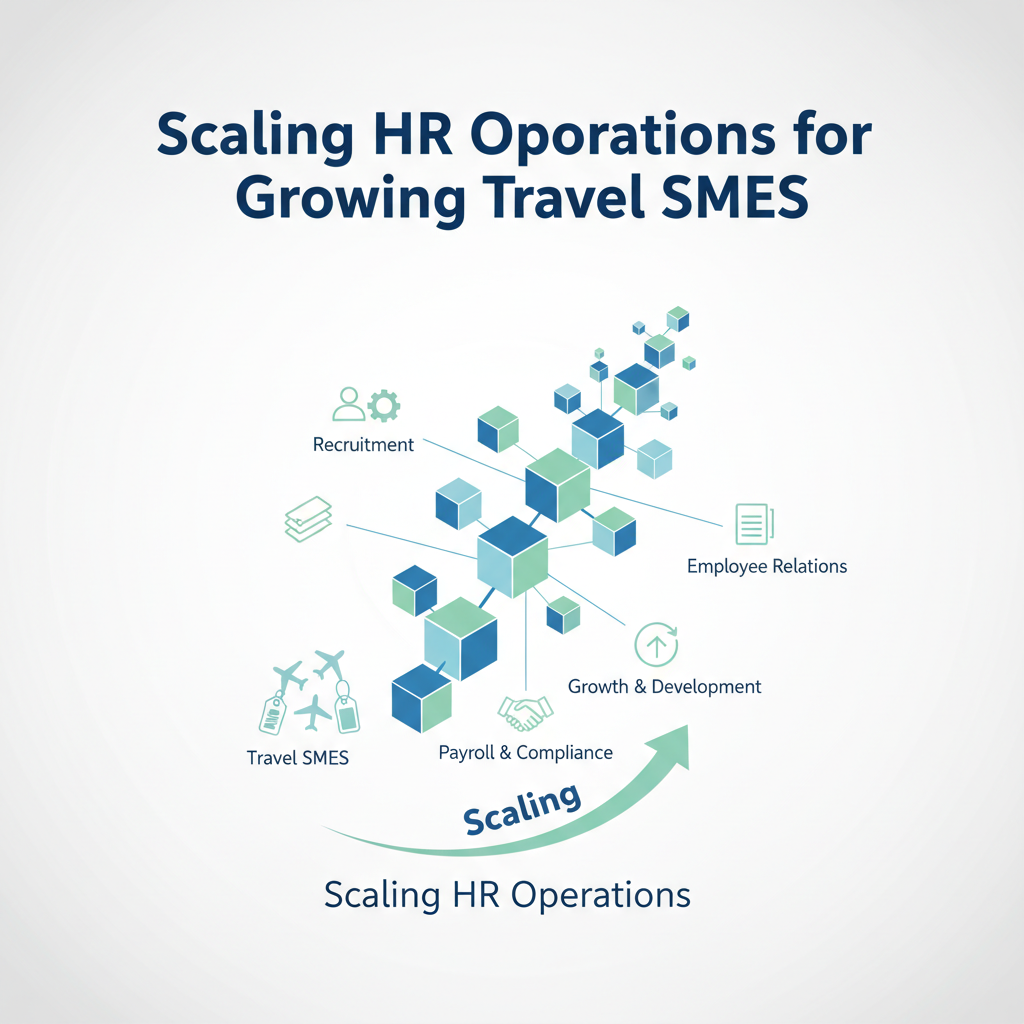
As travel Small and Medium-sized Enterprises (SMEs) in Vietnam experience growth, the foundational human resources (HR) practices that once sufficed often become inadequate. For the CEO in the travel field in Vietnam, evolving HR structures is not just about compliance; it’s about building a resilient, high-performing team capable of driving sustainable expansion. This section explores how to transition from rudimentary HR functions to more sophisticated systems for performance management, employee development, and talent retention, essential for any growing travel business.
1. Developing Effective Performance Management Systems
For travel SMEs in Vietnam, moving beyond annual reviews to a dynamic performance management system is crucial. This involves setting clear, measurable goals aligned with business objectives, providing regular feedback, and fostering a culture of continuous improvement. An effective system should clarify roles, responsibilities, and expected outcomes for front-line staff (tour guides, agents) as well as administrative and managerial roles. Implementing tools for regular check-ins, 360-degree feedback, and transparent performance metrics can significantly boost accountability and motivation. When evaluating HR structures for SMEs the CEO in Travels field in Vietnam, a robust performance management framework is a cornerstone for ensuring that individual efforts contribute directly to the company’s success, enhancing productivity and service quality in a competitive market.
2. Employee Training & Development in the Tourism Sector
The travel industry is dynamic, requiring constant adaptation to new trends, technologies, and customer expectations. Investing in employee training and development is paramount for Vietnamese travel SMEs. This includes not only technical skills (e.g., new booking systems, language proficiency for international clients, destination knowledge) but also soft skills like customer service excellence, problem-solving, and cross-cultural communication. Creating structured development pathways can significantly improve employee engagement and retention. For instance, offering certifications for tour guides, leadership training for team leaders, or workshops on sustainable tourism practices can empower staff and enhance service delivery. A well-designed training program is vital for nurturing talent and ensuring your team remains at the forefront of the tourism sector.
3. Implementing Competitive Compensation & Benefits Strategies
Attracting and retaining top talent in Vietnam’s growing travel sector demands more than just basic salaries. Travel SMEs need to craft competitive compensation and benefits strategies that align with market rates and employee expectations. This involves understanding local salary benchmarks, offering performance-based bonuses, and exploring non-monetary benefits. Beyond traditional health insurance and paid leave, consider unique perks relevant to the travel industry, such as discounted travel packages, professional development allowances, or flexible working arrangements where feasible. A comprehensive strategy should also factor in long-term incentives and recognition programs that celebrate achievements. Researching current market trends and benchmarking against competitors is essential. As HR becomes increasingly critical for small business growth, a well-thought-out compensation and benefits package serves as a powerful tool for talent acquisition and fostering loyalty, directly impacting the long-term success of travel SMEs in Vietnam.
Evolving HR operations from administrative tasks to strategic functions is a critical journey for growing travel SMEs. By focusing on sophisticated performance management, continuous training and development, and competitive compensation strategies, CEOs in Vietnam’s travel field can build a robust HR foundation. This not only supports current growth but also prepares the organization for future expansion, ensuring that human capital remains its strongest asset in a rapidly changing industry.
Leveraging Technology and Outsourcing in HR for Efficiency
For CEOs in Vietnam’s dynamic travel industry, particularly those leading Small and Medium-sized Enterprises (SMEs), optimizing resources is paramount. Managing human resources effectively without diverting focus from core business growth often presents a significant challenge. This section delves into how the adoption of digital HR tools and the strategic outsourcing of certain HR functions can revolutionize HR structures for SMEs the CEO in Travels field in Vietnam, enhancing efficiency, ensuring compliance, and ultimately bolstering profitability.
1. Integrating Digital HR Solutions (HRIS)
The digital transformation has reshaped every business function, and HR is no exception. Integrating a robust Human Resources Information System (HRIS) is a game-changer for Vietnamese travel SMEs aiming for efficiency and better talent management. An HRIS centralizes all HR data, from employee records and payroll information to performance reviews and training modules, into a single, accessible platform. For a busy travel CEO, this means a significant reduction in administrative burden, allowing the HR team – or even a dedicated administrator – to shift from transactional tasks to more strategic initiatives.
Key benefits of implementing an HRIS for travel businesses include:
- Streamlined Operations: Automates routine tasks such as leave requests, attendance tracking, and onboarding processes, freeing up valuable time.
- Enhanced Data Accuracy: Reduces manual errors associated with paper-based systems, ensuring compliance with local labor laws and accurate payroll processing.
- Improved Employee Experience: Provides employees with self-service portals to access their information, update details, and submit requests, fostering transparency and engagement.
- Better Reporting and Analytics: Offers real-time insights into workforce data, enabling more informed decision-making regarding staffing, training needs, and productivity.
- Scalability: An HRIS grows with the company, easily accommodating new hires and evolving HR needs without requiring a complete overhaul of systems.
By investing in a suitable HRIS, travel companies can significantly improve their operational HR efficiency, ensure regulatory compliance, and create a more agile and responsive HR department, a critical advantage in the competitive travel market.
2. Benefits of HR Outsourcing (Payroll, Recruitment Support)
While an HRIS addresses internal efficiencies, strategic HR outsourcing offers another layer of optimization, particularly for specialized or resource-intensive functions. For travel CEOs in Vietnam, outsourcing can be a lifeline, providing access to expert knowledge and cutting-edge practices without the overhead of maintaining an extensive in-house team. This approach is particularly effective for functions like payroll processing and recruitment support.
Payroll Outsourcing: Payroll is a complex, time-sensitive, and compliance-heavy function. Errors can lead to significant financial penalties and employee dissatisfaction. Outsourcing payroll to a specialized provider ensures accuracy, confidentiality, and strict adherence to Vietnamese labor laws and tax regulations. This frees up internal resources that would otherwise be bogged down with calculations, deductions, and reporting, allowing them to focus on core business activities like customer experience and tour development.
Recruitment Support: The travel industry often experiences seasonal peaks and troughs, leading to fluctuating staffing needs. Recruitment can be a time-consuming and expensive process, especially for specialized roles (e.g., multilingual tour guides, destination experts). Outsourcing recruitment support, whether for specific roles or for a full-cycle process, allows travel SMEs to leverage the expertise of external recruiters who have extensive networks and specialized tools. This can significantly reduce time-to-hire, improve candidate quality, and lower overall recruitment costs. According to SHRM, outsourcing can enhance an organization’s strategic focus by offloading administrative burdens, a benefit crucial for travel businesses navigating dynamic market conditions.
The broader benefits of HR outsourcing for travel SMEs include cost reduction, access to expert knowledge, improved compliance, and the ability to scale HR functions up or down as business demands fluctuate.
3. Data Analytics for Strategic HR Decision-Making
Beyond transactional efficiency, modern HR structures must empower strategic decision-making. This is where data analytics plays a transformative role. By leveraging the data collected through HRIS and other digital tools, travel CEOs can gain deep insights into their workforce, moving beyond intuition to make data-driven decisions that impact business outcomes.
For travel companies, HR data analytics can:
- Identify Retention Risks: Analyze turnover rates, reasons for departure, and employee feedback to predict potential attrition and implement targeted retention strategies for key talent like experienced tour operators or sales managers.
- Optimize Workforce Planning: Forecast staffing needs based on booking trends, seasonal demands, and projected growth, ensuring the right number of employees with the right skills are available when needed.
- Improve Recruitment Effectiveness: Evaluate which recruitment channels yield the best candidates, the cost-per-hire, and the success rate of new hires, refining future talent acquisition strategies.
- Enhance Performance Management: Correlate employee performance data with business metrics (e.g., customer satisfaction scores, sales targets) to identify top performers, pinpoint training gaps, and develop impactful incentive programs for travel agents and guides.
- Boost Employee Engagement: Analyze survey data, sentiment, and participation rates in HR programs to understand employee satisfaction and implement initiatives that foster a positive and productive work environment.
Embracing data analytics transforms HR from a purely administrative function into a strategic partner. It provides travel CEOs with the insights necessary to make informed decisions about their most valuable asset – their people – ensuring that HR initiatives directly support the company’s growth objectives and competitive edge in the Vietnamese travel market.
The CEO’s Strategic Role in HR and Future-Proofing for 2026
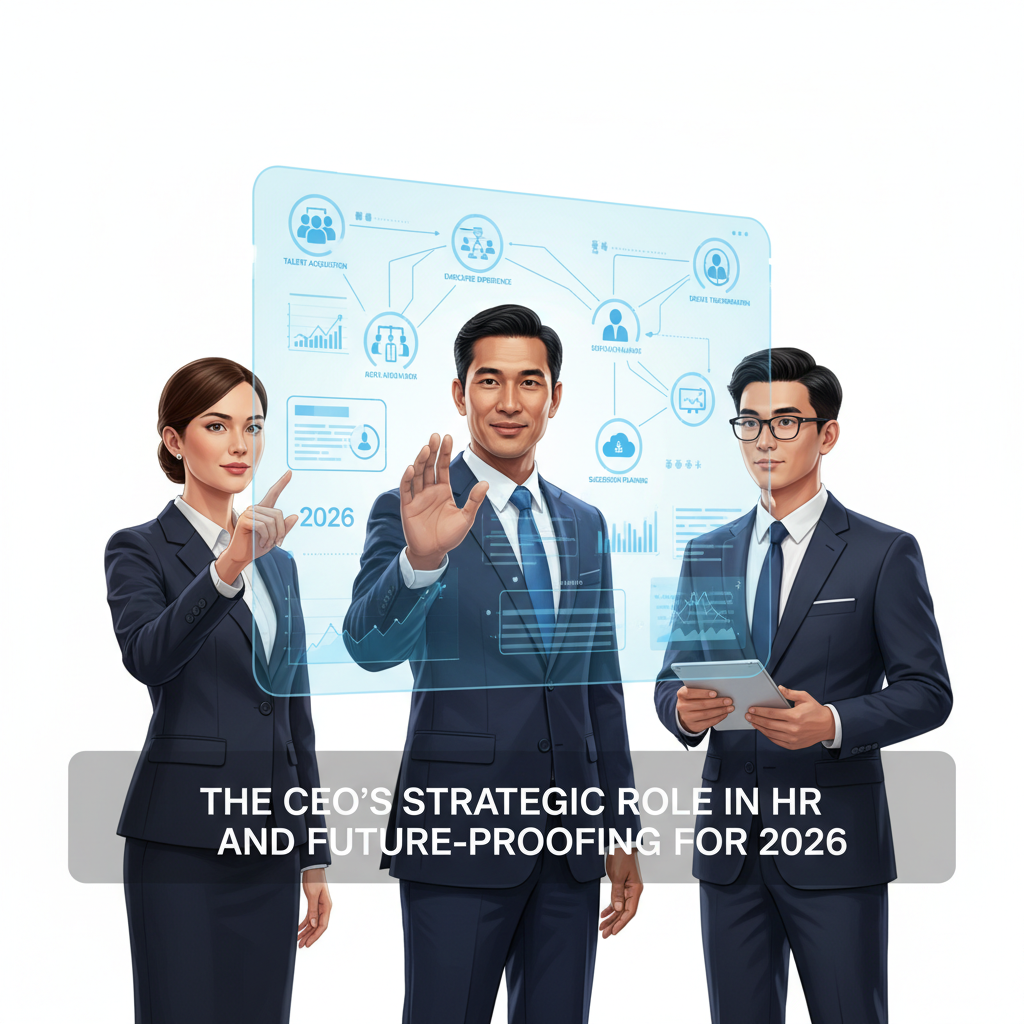
In the vibrant and rapidly evolving Vietnamese travel market, the CEO’s role transcends traditional business development and financial oversight. For any travel enterprise, particularly Small and Medium-sized Enterprises (SMEs), a CEO’s strategic involvement in Human Resources (HR) is not merely beneficial—it’s absolutely critical for future-proofing and sustained growth. As we approach 2026, the landscape demands proactive leadership in fostering a robust HR culture, ensuring the organization is agile, resilient, and prepared for both challenges and opportunities. This section highlights the indispensable link between effective HR structures for SMEs in the Vietnamese travel market and the CEO’s direct stewardship in developing them.
1. Building a Culture of Employee Engagement & Retention
For travel companies in Vietnam, where service quality and customer experience are paramount, engaged employees are the bedrock of success. The CEO plays a crucial role in cultivating a work environment that inspires loyalty, productivity, and innovation. Beyond competitive salaries, it’s about creating a culture where employees feel valued, heard, and see clear pathways for professional growth. CEOs must champion initiatives that foster employee engagement travel Vietnam, such as transparent communication channels, recognition programs, and opportunities for skill development tailored to the unique demands of the sector. High turnover rates can be detrimental, impacting service quality and brand reputation. Therefore, retention strategies, driven from the top, are essential. This includes investing in comprehensive training, offering attractive benefits that align with local expectations, and providing a supportive work-life balance. By actively participating in HR strategy and leadership, the CEO directly influences the company’s ability to attract and retain top talent management travel sector professionals, ensuring a stable and motivated workforce that can deliver exceptional experiences.
2. Succession Planning & Leadership Development
The dynamism of the Vietnamese travel market HR environment necessitates a robust plan for leadership continuity. CEOs must personally champion succession planning CEO role initiatives to identify and nurture future leaders within the organization. This isn’t just about filling senior vacancies; it’s about building a pipeline of skilled professionals ready to step up and drive the business forward. Effective leadership development travel industry programs, spearheaded by the CEO, should focus on equipping promising individuals with a blend of industry-specific knowledge, strategic thinking, and soft skills crucial for managing teams and adapting to change. This involves mentorship programs, cross-functional assignments, and executive coaching. By taking a hands-on approach, the CEO ensures that critical knowledge is transferred, institutional memory is preserved, and the company’s strategic vision is maintained across leadership transitions. This forward-looking approach safeguards the company’s operational stability and innovative capacity, making it resilient against unforeseen leadership changes and ensuring a smooth transition for sustained growth towards 2026.
3. Anticipating Future HR Trends in Vietnam’s Travel Industry
The global and local business environments are in constant flux, and the future HR trends Vietnam are no exception, especially within the travel sector. CEOs must possess a keen foresight to anticipate these shifts and strategically position their HR functions to adapt. This includes understanding the impact of digital transformation, AI, and automation on job roles and skill requirements. The CEO should drive the adoption of modern HR technology adoption Vietnam to streamline processes, enhance employee experience, and leverage data for informed decision-making. Furthermore, the evolving expectations of the workforce—especially younger generations—regarding flexibility, purpose-driven work, and continuous learning, demand a strategic response. CEOs need to engage with global insights, such as those highlighted in Deloitte’s Global Human Capital Trends, to benchmark and innovate. By actively monitoring these trends and translating them into actionable HR strategies, the CEO ensures the organization remains competitive, agile, and an attractive employer. This proactive stance on HR strategy is fundamental to navigating future challenges and harnessing opportunities in the rapidly changing Vietnamese travel landscape, securing long-term success well beyond 2026.
Partner with Shelby Global
You are looking for reliable HR Sevice Suppliers? Contact Shelby Global Now! To connect with verified talents and upgrade your orginization.
—————————————
References
– Vietnam’s Tourism Sector: Growth, Outlook, and Opportunities: https://www.vietnam-briefing.com/news/vietnams-tourism-sector-growth-outlook-and-opportunities.html
– Vietnam’s Labour Code 2019: Key Changes: https://vietnamlawmagazine.vn/vietnams-labour-code-2019-key-changes-3631.html
– Why HR Is Critical for Small Business Growth: https://www.shrm.org/resources-and-tools/hr-topics/small-business/why-hr-is-critical-for-small-business-growth
– SHRM – HR Outsourcing: https://www.shrm.org/topics-tools/hr-topics/outsourcing
– Deloitte’s Global Human Capital Trends: https://www2.deloitte.com/us/en/insights/topics/talent/global-human-capital-trends.html