
The Unique HR Landscape for Vietnamese Sales SMEs
Vietnam’s vibrant economy presents a dual landscape of immense opportunity and distinctive challenges, particularly for small to medium-sized enterprises (SMEs) operating in the sales sector. For these agile businesses, effective human resources (HR) management is not just a support function but a critical driver of growth and competitive advantage. Unlike larger corporations with established departments, sales SMEs often find their HR responsibilities falling directly under the purview of the CEO or a multi-hatted manager. This structure necessitates a deep understanding of unique local dynamics, from talent acquisition to legal compliance and cultural integration. Navigating this intricate terrain requires strategic foresight in developing robust HR structures for SMEs the CEO in sale field in vietnam, ensuring that the sales force is not only motivated but also operating within a supportive and compliant framework.
The journey to building a high-performing sales team in Vietnam involves tackling several specific HR dimensions:
1. Current state of HR talent acquisition in Vietnamese sales
Attracting and retaining top sales talent remains a perennial challenge for Vietnamese SMEs. The market is highly competitive, driven by a young, ambitious workforce and a proliferation of both local and international companies vying for skilled professionals. Sales roles often demand a unique blend of resilience, persuasion, and market knowledge, making the recruitment process complex. SMEs frequently struggle to compete with the compensation packages and career development opportunities offered by larger enterprises. This necessitates creative HR strategies, focusing on aspects like a compelling company culture, robust training programs, and clear performance-based incentives. Furthermore, the rapid digital transformation in Vietnam means that sales professionals with digital literacy and experience in e-commerce or online sales channels are particularly in demand, adding another layer of complexity to talent acquisition. Developing effective HR structures for SMEs the CEO in sale field in vietnam must therefore prioritize innovative recruitment tactics and continuous skill development to bridge these gaps and secure a competitive edge in a dynamic marketplace.
2. Regulatory compliance and local labor laws impacting HR
Operating within Vietnam’s legal framework is paramount for any business, and sales SMEs are no exception. Vietnamese labor laws are comprehensive and regularly updated, covering aspects from employment contracts, working hours, minimum wage, social insurance, and termination procedures. For SMEs, particularly those without dedicated HR departments, keeping abreast of these regulations can be a daunting task. Non-compliance can lead to significant penalties, legal disputes, and reputational damage, all of which can be particularly detrimental to smaller businesses. Employers must meticulously ensure that employment agreements are compliant, social insurance contributions are correctly calculated and paid, and employee grievances are handled according to legal stipulations. The challenge is compounded by the need to apply these laws consistently across a diverse sales team, which might include full-time employees, part-time staff, and commissioned agents. A robust understanding of these legalities is crucial for the CEO of a sales SME to mitigate risks and foster a fair and secure working environment.
3. Cultural nuances in motivating and managing sales teams
Beyond legal frameworks, cultural factors play a profound role in HR management within Vietnamese sales SMEs. The collectivist nature of Vietnamese society often translates into a strong emphasis on teamwork, hierarchy, and maintaining harmony. Motivation strategies that work in Western contexts, such as purely individualistic incentives, may need adaptation. While performance-based bonuses are appreciated, recognition that highlights group achievements, fosters a sense of belonging, and respects seniority can be equally, if not more, effective. Direct criticism, especially in public, can lead to loss of face and demotivation; therefore, feedback delivery requires sensitivity and tact. Building strong personal relationships (quan hệ) with team members can also be crucial for trust and loyalty. Furthermore, the role of the leader is often viewed with high respect, placing a significant responsibility on the CEO or sales manager to act as a mentor and guide. Understanding these cultural nuances is essential for crafting effective incentive programs, performance management systems, and overall team cohesion. It directly influences the effectiveness of HR structures for SMEs the CEO in sale field in vietnam, ensuring they resonate with the workforce and foster a productive, harmonious sales environment.
In conclusion, the HR landscape for Vietnamese sales SMEs is rich with both opportunities and complexities. From the fierce competition for talent to the intricacies of legal compliance and the subtle power of cultural dynamics, each aspect demands careful consideration. For the CEO leading a sales SME, establishing effective HR structures for SMEs the CEO in sale field in vietnam is not just about managing people; it’s about strategically empowering a sales force to thrive in a market that rewards adaptability, local insight, and a human-centric approach.
Essential HR Structures for Sales-Driven SMEs
For small and medium-sized enterprises (SMEs) with a strong sales focus, particularly those operating in dynamic markets like Vietnam, robust HR structures are not just administrative overhead but critical drivers of growth and competitive advantage. The CEO in the sales field in Vietnam understands that effective talent management directly correlates with sales performance. This section details various HR organizational models specifically tailored for sales-driven SMEs, emphasizing efficiency, strategic alignment, and sustainable growth, addressing the unique challenges and opportunities in an entrepreneurial environment.
1.
Centralized vs. Decentralized HR models for sales
The choice between centralized and decentralized HR models significantly impacts how sales teams receive support. A centralized HR structure typically involves a single HR department managing all functions from a central location. This model offers consistency in policies, processes, and compliance, which can be beneficial for maintaining a unified company culture and streamlining administrative tasks, especially for smaller SMEs where resources are limited. It often proves cost-effective due to economies of scale, preventing duplication of effort. However, for a rapidly evolving sales team, a centralized model can sometimes feel remote, leading to slower response times to specific sales-related HR needs, such as immediate recruitment for a new market segment or tailored performance management plans unique to sales quotas.
Conversely, a decentralized HR model places HR professionals directly within or closer to individual business units, such as the sales department. This proximity allows for a deeper understanding of the sales team’s specific challenges, culture, and objectives, enabling HR to provide more agile, customized, and proactive support. Benefits include faster problem resolution, improved employee engagement due to direct HR access, and HR strategies that are tightly integrated with sales goals. The downside can be a lack of consistency across the organization, potential duplication of efforts, and higher operational costs. For many sales-driven SMEs in Vietnam, a hybrid approach often strikes the right balance. This could involve a central HR function handling core administrative tasks (payroll, benefits, compliance) while dedicated HR support is embedded within the sales function to address their unique strategic and operational needs. For CEOs in the sales field in Vietnam looking to refine their HR operations, further insights into effective HR structures for sales-driven SMEs can provide a roadmap for optimizing HR for sales growth.
2.
Integrating HR Business Partners (HRBPs) in sales departments
The integration of Human Resources Business Partners (HRBPs) represents a strategic evolution in HR support for sales-driven organizations. An HRBP is not just an administrator; they are strategic partners who work closely with sales leadership to align HR initiatives with business objectives. In a sales department, an HRBP acts as a trusted advisor, understanding the intricacies of the sales cycle, market demands, and individual sales team dynamics. Their role extends beyond traditional HR functions to areas like talent acquisition tailored for sales roles, performance management designed around sales KPIs, succession planning for key sales leaders, and developing compensation structures that effectively incentivize high performance and retention.
By embedding an HRBP within the sales department, SMEs can significantly enhance their sales team’s effectiveness and overall organizational growth. The HRBP can proactively identify talent gaps, implement targeted training programs to boost sales skills, and mediate conflicts that might impact team cohesion and productivity. They contribute to creating a high-performance sales culture by facilitating effective communication, recognizing achievements, and addressing challenges specific to sales professionals. As the Society for Human Resource Management (SHRM) emphasizes, HRBPs are crucial for driving strategic HR partnership, ensuring HR practices directly contribute to business outcomes. This model is particularly potent for scaling sales organizations that require nuanced HR support to navigate rapid expansion, manage diverse sales teams, and foster employee engagement critical for maintaining a competitive edge in the Vietnamese market.
3.
Leveraging external HR consulting for specialized sales needs
While internal HR structures are essential, sales-driven SMEs often encounter specialized HR needs that may exceed the capacity or expertise of their in-house team. This is where leveraging external HR consulting becomes invaluable. External consultants bring specialized knowledge, fresh perspectives, and an objective viewpoint, which can be particularly beneficial for specific projects or periods of significant change, such as market entry, rapid scaling, or navigating complex labor laws in Vietnam. Examples of specialized sales needs that external consultants can address include designing innovative sales compensation and incentive plans, developing robust sales training programs, implementing performance management systems tailored for sales teams, conducting talent assessments for critical sales leadership roles, or ensuring compliance with local employment regulations.
The benefits of engaging external HR consulting services for sales-focused SMEs are manifold. It provides access to high-level expertise without the overhead cost of a full-time senior HR hire. Consultants can deliver best practices learned from diverse industries and markets, offering solutions that are both effective and efficient. They can also provide a neutral perspective during sensitive situations like restructuring sales teams or mediating high-stakes employee relations issues. For growth-oriented SMEs, particularly those seeking to optimize their HR strategy for talent acquisition and retention in a competitive sales environment, strategic use of external HR consulting can fill critical gaps, accelerate growth initiatives, and ensure that the HR function remains a powerful enabler of sales success without overburdening internal resources.
The CEO’s Pivotal Role in Shaping Sales HR Strategy
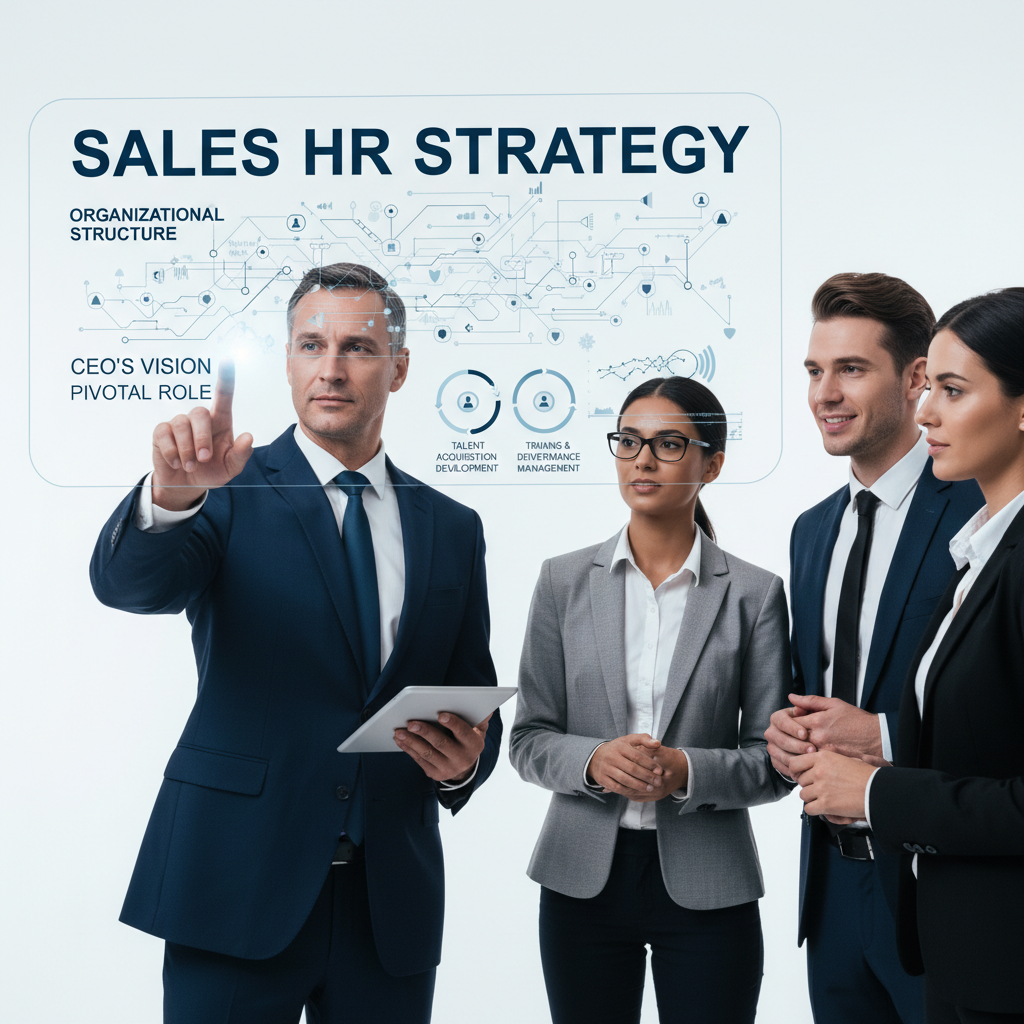
In the dynamic landscape of Vietnamese Small and Medium-sized Enterprises (SMEs), where agility and growth are paramount, the CEO’s vision guides every department. This holds especially true for Human Resources (HR) concerning sales. A CEO, particularly one with a robust sales background, possesses a unique vantage point to architect HR strategies that directly amplify sales performance and foster sustainable company growth. Their deep understanding of the sales cycle, customer acquisition, and team motivation allows for bespoke HR structures for SMEs the CEO in sale field in Vietnam tailored to meet ambitious revenue targets. By strategically influencing talent acquisition, development, compensation, and culture, the CEO transforms HR from a support function into a strategic growth engine. This synergy between a sales-savvy CEO and a responsive HR department is critical for building a high-performing sales force in Vietnam.
-
Aligning HR goals with sales objectives and targets
-
Fostering a performance-driven sales culture through HR policies
-
Leadership in talent development and retention for sales
The first crucial step for a CEO in shaping sales HR strategy is ensuring HR goals link inextricably to sales objectives and revenue targets. This goes beyond mere alignment; it’s fundamental integration. A sales-background CEO intuitively understands every HR initiative, from recruitment to performance management, must contribute to closing deals and expanding market share. For HR structures for SMEs the CEO in sale field in Vietnam, this translates into specific HR KPIs. For instance, if the sales objective is to increase market penetration by 15%, HR’s goal might become “recruit and onboard 5 specialized sales representatives within Q1,” or “develop a training program to upskill the existing sales team.” This strategic linkage ensures HR actively sources and develops revenue generators. Compensation and incentive plans, meticulously crafted by HR under CEO guidance, become powerful motivators, directly rewarding sales quota achievement and fostering accountability. Such clear alignment optimizes resource allocation, provides measurable outcomes for HR’s contribution to the bottom line, and elevates HR’s strategic value. This foresight ensures every HR dollar generates a tangible return in sales uplift. According to Gartner CSO Insights on Sales Alignment, companies with highly aligned sales and marketing achieve 19% faster revenue growth.
A CEO with a sales focus recognizes a winning sales culture is deliberately cultivated through well-designed HR policies. This involves creating an environment where high performance is recognized, rewarded, and expected. HR policies, guided by a sales-oriented CEO, are instrumental in shaping this culture. For SMEs in Vietnam, facing high competitive pressures, this means implementing robust performance review systems that are transparent, objective, and directly tied to sales metrics. Regular feedback, mentorship programs led by top sales performers, and clear career progression paths are all HR initiatives reinforcing continuous improvement and achievement. The CEO’s personal involvement in recognizing top performers and communicating expectations sends a powerful message, reinforcing sales success. Furthermore, HR plays a vital role in managing underperformance, providing coaching or, when necessary, making difficult decisions to maintain team productivity and morale. HR’s ability to establish clear guidelines for ethical sales practices, conflict resolution, and teamwork also contributes significantly to a healthy and sustainable sales environment. This approach fosters a highly motivated and accountable sales force, crucial for any HR structures for SMEs the CEO in sale field in Vietnam aiming for significant growth.
Talent is the lifeblood of any sales organization, and a CEO with a sales background understands that attracting, developing, and retaining top sales talent is paramount. This leadership ensures HR builds robust pipelines for sales professionals and implements effective retention strategies. In the context of HR structures for SMEs the CEO in sale field in Vietnam, this often means focusing on bespoke training programs that address local market nuances and specific product knowledge. The CEO can champion initiatives like sales academies, ongoing skill development workshops (e.g., negotiation, prospecting, CRM utilization), and leadership training for aspiring sales managers. Retention is equally critical. HR, guided by the CEO’s understanding of what motivates sales professionals, designs competitive compensation packages with attractive base salaries, performance-based bonuses, and non-monetary recognition. Creating a positive work environment, offering professional growth opportunities, and fostering a sense of belonging are also key HR functions in talent retention. The CEO’s commitment to investing in the professional growth of their sales team not only boosts morale but also reduces costly turnover. This proactive, top-driven talent management ensures the sales force remains equipped, engaged, and motivated to drive company success. For more insights on optimizing these processes, you can explore our resources on effective HR structures for SMEs the CEO in sale field in Vietnam.
In conclusion, the CEO’s role in shaping sales HR strategy is far from passive. For SMEs, especially in a vibrant market like Vietnam, a CEO with a sales pedigree is uniquely positioned to embed sales excellence into the very DNA of the HR function. By meticulously aligning HR goals with sales objectives, cultivating a high-performance culture through strategic policies, and leading the charge in talent development and retention, the CEO ensures that HR becomes an indispensable partner in driving revenue and achieving sustainable growth. This integrated approach not only empowers the sales team but also solidifies the company’s competitive edge in the market.
Implementing Effective HR Strategies for Sales Growth
For Small and Medium-sized Enterprises (SMEs) aiming for sustainable expansion, integrating human resources (HR) initiatives directly into sales strategies is not just beneficial—it’s imperative. This section provides actionable strategies for SMEs to implement HR initiatives that directly support and enhance their sales capabilities and outcomes.
In dynamic markets like Vietnam, where competition is fierce and opportunities abound, the strategic alignment of HR and sales functions can be the definitive differentiator. CEOs in the sales field must recognize that robust HR structures for SMEs the CEO in sale field in vietnam are not merely administrative but are pivotal growth engines. By focusing on people, companies can significantly boost their sales performance, drive market competitiveness, and achieve ambitious business growth strategies. Effective HR structures elevate sales talent acquisition, optimize sales team productivity, and foster a culture of high achievement.
1. Performance management and incentive structures for sales teams
Effective performance management is the backbone of a high-achieving sales force. For SMEs, this means establishing clear, measurable Sales Performance Metrics and Key Performance Indicators (KPIs) that extend beyond just revenue, including lead conversion rates, customer retention, average deal size, and CRM utilization. Regular, constructive feedback sessions are crucial, moving beyond annual reviews to continuous Sales Coaching. These sessions should focus on skill development, identifying areas for improvement, and celebrating successes.
Critically, incentive structures must be transparent, fair, and directly tied to both individual and team performance. Beyond base salaries, a well-designed compensation plan might include tiered commission structures, quarterly bonuses for hitting stretch targets, and accelerators for exceptional performance. Consider non-monetary recognition as well, such as public acknowledgment, professional development opportunities, or additional leave, to boost motivation techniques and employee retention. Such structures not only motivate but also provide a clear roadmap for what’s expected, driving consistent effort and focus towards the company’s strategic HR planning goals.
2. Training and development programs for sales skills and product knowledge
In a rapidly evolving market, continuous learning is non-negotiable for sales success. SMEs must invest in comprehensive training and development programs that address both core sales skills and in-depth product knowledge. Sales skill development should cover prospecting, effective negotiation, objection handling, closing techniques, and mastering customer relationship management (CRM) systems. These skills are fundamental to converting leads into loyal customers.
Equally vital is ensuring sales teams possess profound product knowledge. This goes beyond memorizing features; it’s about understanding the value proposition, competitive advantages, and how products solve customer problems. Training can take various forms: interactive workshops, e-learning modules, shadowing experienced reps, and regular updates on new product launches or market shifts. Investing in lead generation training and ongoing education ensures your team remains agile, competitive, and confident in representing your offerings, directly impacting sales outcomes and market competitiveness.
3. Recruitment and onboarding best practices for sales roles
The foundation of a strong sales team begins with effective sales talent acquisition. For SMEs, this means developing a robust hiring process that identifies candidates not just for their experience, but for their attitude, resilience, communication skills, and potential to integrate into the company culture. Utilize structured interviews, behavioral assessments, and even practical selling exercises to gauge potential. Focus on candidates who demonstrate a strong desire to learn and a natural inclination towards building relationships.
Once the right talent is identified, a structured onboarding process is paramount for achieving speed to productivity. This comprehensive onboarding process should include immediate immersion into product knowledge, hands-on CRM utilization training, shadowing top performers, and a clear introduction to company culture and sales processes. Assigning a mentor or buddy can significantly accelerate their integration and confidence. Effective onboarding reduces ramp-up time, boosts sales leadership potential from day one, and ensures new hires are quickly equipped to contribute to the company’s sales growth strategies.
Future-Proofing HR for Sales SMEs in Vietnam by 2026
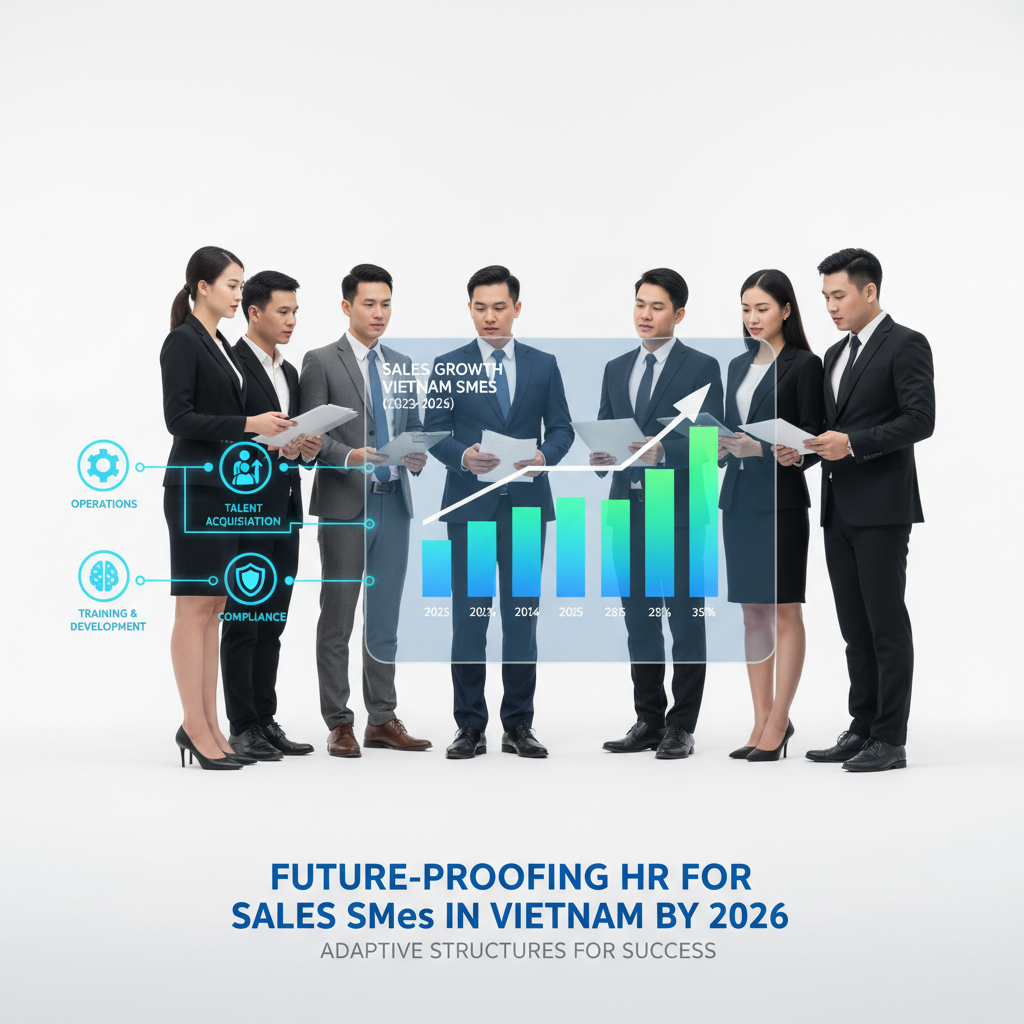
In the rapidly evolving economic landscape of Vietnam, small and medium-sized enterprises (SMEs) in the sales sector face unique challenges and opportunities. By 2026, the competitive pressures on these businesses, particularly from larger corporations and agile startups, will necessitate a radical transformation of their human resources (HR) functions. For a CEO in the sales field, understanding and proactively adapting their HR structures for SMEs the CEO in sale field in Vietnam is not merely an operational concern, but a strategic imperative for sustained growth and market leadership. This involves embracing emerging trends, leveraging technology, and fostering an agile environment that empowers sales teams to thrive.
The traditional HR model, often characterized by administrative tasks and reactive problem-solving, is insufficient for the dynamic demands of modern sales. Future-proofing HR means shifting towards a strategic partner role, deeply integrated with sales objectives and focused on talent acquisition, development, and retention. The goal is to build resilient, high-performing sales teams capable of navigating Vietnam’s diverse consumer base and technological shifts.
1. Embracing HR Technology and Automation for Sales Support
The digital revolution has profoundly reshaped every business function, and HR is no exception. For sales SMEs in Vietnam, adopting HR technology and automation is no longer a luxury but a necessity to streamline processes, enhance efficiency, and provide superior support to sales teams. This includes implementing robust Human Resources Information Systems (HRIS) that centralize employee data, automate payroll, and manage benefits. Beyond basic HR administration, specific technologies can significantly impact sales operations.
Consider Applicant Tracking Systems (ATS) for recruiting top sales talent quickly and efficiently, or e-learning platforms for continuous sales training and product knowledge updates. Integrating HR systems with Customer Relationship Management (CRM) tools can provide a holistic view of sales employee performance, linking HR metrics (like training completion or tenure) directly to sales outcomes. Automation of routine tasks, from onboarding new sales representatives to managing performance reviews, frees up HR personnel to focus on strategic initiatives like talent development and retention strategies. This technological leap allows sales leaders to have more agile teams, better equipped to meet challenging targets and adapt to market changes. According to a report by Deloitte on Human Capital Trends, organizations are increasingly leveraging technology to drive efficiency and enhance employee experience, a trend vital for competitive sales environments.
2. Adapting to Remote and Hybrid Sales Team Management
The global shift towards flexible work models has irrevocably impacted how sales teams operate, and Vietnam is no exception. By 2026, many sales SMEs will likely operate with remote or hybrid teams, necessitating significant adaptations in HR strategies. HR departments must develop comprehensive policies for remote work, covering everything from communication protocols and data security to equipment provision and performance monitoring. The challenge lies in maintaining team cohesion, fostering a strong company culture, and ensuring productivity without the traditional office environment.
For sales, this means equipping managers with the skills to lead remote teams effectively, including training in virtual communication, performance coaching, and fostering a sense of belonging among geographically dispersed staff. HR plays a crucial role in implementing collaboration tools, virtual meeting platforms, and digital performance management systems that track progress, provide feedback, and recognize achievements regardless of location. Furthermore, HR must address the unique well-being challenges associated with remote work, offering support and resources to prevent burnout and maintain mental health. Successful adaptation will ensure that sales teams remain engaged, motivated, and productive, regardless of where they are physically located, which is vital for reaching diverse customer segments across Vietnam’s provinces.
3. Data-Driven HR Analytics for Sales Performance Optimization
In an increasingly data-centric world, HR can no longer rely solely on intuition. By 2026, data-driven HR analytics will be indispensable for sales SMEs seeking to optimize their sales force performance in Vietnam. This involves collecting, analyzing, and interpreting HR data to gain actionable insights into various aspects of the sales team’s lifecycle.
Key metrics include sales employee turnover rates, training effectiveness ROI, recruitment source effectiveness, and the correlation between engagement scores and sales quotas achieved. By leveraging predictive analytics, HR can identify potential flight risks among high-performing sales reps, forecast future talent needs, and pinpoint areas where training interventions would yield the highest impact. For instance, analyzing performance data might reveal that sales professionals who undergo specific product knowledge training consistently outperform those who don’t, allowing HR to refine their development programs. This strategic use of data helps CEOs make informed decisions about compensation structures, incentive programs, and talent development pathways that directly contribute to enhanced sales productivity and profitability. The ability to measure the impact of HR initiatives on the bottom line will elevate HR to a truly strategic partner, helping sales SMEs stay ahead of their competition and secure a robust future in Vietnam’s competitive market.
Partner with Shelby Global
You are looking for reliable HR Sevice Suppliers? Contact Shelby Global Now! To connect with verified talents and upgrade your orginization.
—————————————
References
– Understanding Labor Law in Vietnam: https://www.vietnam-briefing.com/news/labor-law-vietnam.html/
– What Is an HR Business Partner?: https://www.shrm.org/resources-and-tools/hr-topics/strategic-hr/pages/what-is-an-hr-business-partner.aspx
– Gartner CSO Insights on Sales Alignment: https://www.gartner.com/en/sales/insights/sales-alignment
– The Definitive Guide to Sales Performance Management from Harvard Business Review: https://hbr.org/2012/07/the-definitive-guide-to-sales
– Deloitte on Human Capital Trends: https://www2.deloitte.com/us/en/insights/focus/human-capital-trends.html