
Understanding the Unique HR Landscape for SMEs in Vietnam’s Transportation Sector
Vietnam’s transportation sector is a critical engine of its rapidly growing economy, characterized by dynamic expansion and increasing complexity. Within this bustling environment, Small and Medium-sized Enterprises (SMEs) form the backbone, yet they face a distinct set of human resources (HR) challenges and opportunities. Unlike larger corporations with dedicated HR departments, SMEs often navigate their workforce management with limited resources, frequently relying on the CEO or a handful of administrative staff to oversee everything from recruitment to compliance. This unique landscape demands a deep understanding of local context, regulatory nuances, and the specific dynamics of the transportation industry itself.
For CEOs leading these vital transport SMEs, developing effective HR structures for SMEs the CEO in transportation field in vietnam is paramount for sustainable growth and competitiveness. It’s not merely about hiring and firing; it’s about strategic talent management, compliance, and fostering a productive work environment that can adapt to rapid market changes and increasing demands.

1. Current State of HR in Vietnamese Transport SMEs
In many Vietnamese transport SMEs, formal HR functions are often rudimentary or centralized directly under the CEO. This lean approach, while cost-effective in the short term, can lead to inefficiencies, inconsistent policies, and a reactive rather than proactive approach to talent management. Recruitment typically relies on word-of-mouth, local networks, or basic online job portals, often struggling with talent acquisition Vietnam transport for specialized roles like experienced drivers, logistics planners, or maintenance technicians. Training and development are frequently ad-hoc, focusing on immediate operational needs rather than long-term career progression or skill enhancement. Compensation and benefits, while adhering to minimum legal requirements, may lack competitive structuring, impacting employee retention transport sector Vietnam. The primary focus remains on day-to-day operations, with strategic HR initiatives taking a backseat, posing significant challenges for sustainable logistics workforce development Vietnam.
2. Key Regulatory & Cultural Considerations Impacting HR
Navigating the legal framework is a significant challenge for SMEs. Vietnamese labor law, while protective of employees, can be complex, especially concerning contracts, social insurance, working hours, and termination procedures. Ensuring full compliance with Vietnamese labor law SMEs requires careful attention, which smaller businesses, without dedicated legal or HR teams, often find daunting. Non-compliance can lead to substantial fines and reputational damage. Culturally, the workplace often reflects strong familial ties and a high regard for hierarchy and loyalty. Many SMEs are family-owned, and this dynamic can influence hiring practices, promotion paths, and conflict resolution. Understanding and respecting these cultural nuances is crucial for effective talent management Vietnam transport. Employee expectations often blend traditional values with a growing desire for professional development and fair treatment, pushing SMEs to balance cultural norms with modern HR practices.
3. Impact of Industry Growth on Talent Demand & Supply
The rapid expansion of Vietnam’s logistics and transportation industry, fueled by e-commerce, foreign investment, and infrastructure development, has created an unprecedented demand for skilled labor. This surge has intensified competition for talent, with larger domestic and international players often offering more attractive compensation packages and career prospects, making employee retention transport sector Vietnam a critical concern for SMEs. The supply side, however, struggles to keep pace. Vocational training institutions may not adequately equip graduates with the practical skills needed by the industry, leading to a gap between available talent and employer requirements. This scarcity impacts everything from driver quality to the proficiency of logistics managers. For SMEs, this means a constant battle to attract, develop, and retain competent staff, necessitating more innovative approaches to training, benefits, and workplace culture to ensure they can compete effectively for the talent essential to their operations.
In conclusion, while the vibrant growth of Vietnam’s transportation sector presents immense opportunities for SMEs, the successful navigation of its unique HR landscape requires strategic foresight. CEOs must increasingly shift towards professionalized HR structures, embracing modern talent management practices, diligently adhering to regulatory frameworks, and proactively addressing the widening talent gap. By doing so, they can transform HR from a mere administrative function into a strategic asset, ensuring resilience and prosperity in this dynamic industry.
Core HR Structure Models for Transportation SMEs
For a CEO leading a transportation SME in Vietnam, selecting the right HR structure is pivotal for sustainable growth and operational efficiency. The chosen HR structures for SMEs the CEO in transportation field in vietnam can profoundly impact talent management, compliance, and employee morale. This section outlines practical HR structure models, from basic to integrated, designed to offer cost-effectiveness and scalability for your evolving business.
1. Lean HR: Founder-Led & Outsourced Functions
At the initial stages of a transportation SME, a “Lean HR” model is common. The founder or CEO directly manages most HR functions, supported by targeted outsourcing for specialized or administrative tasks. This approach minimizes internal overhead, proving highly cost-effective for HR outsourcing in its early phases.
Common outsourced functions include payroll, basic legal compliance, and initial candidate screening. This allows the CEO to concentrate on core operations, fleet management, and client relationships, critical in Vietnam’s competitive transportation market. Benefits include reduced fixed costs, flexibility, and access to external expertise without a full-time hire. This model suits startups or companies with fewer than 20 employees, where HR demands are low-volume.
However, Lean HR presents challenges. The founder can become overwhelmed as the company grows, risking burnout and oversight in areas like employee development or performance. Inconsistent policy application and lack of dedicated employee relations support can harm culture and retention. Moreover, navigating Vietnamese labor law without internal expertise poses compliance risks. While initially cost-efficient, this model requires vigilant CEO oversight and clear communication with outsourced providers.
2. Developing an Internal HR Generalist Role for Growth
As a transportation SME expands, typically reaching 20-50 employees, an internal HR generalist role becomes a strategic imperative. This dedicated professional serves as the central point for all HR matters, bringing consistency and attention to employee needs and company policies. An internal HR generalist Vietnam manages recruitment, onboarding, benefits administration, daily employee relations, compliance with local labor laws, and basic training.
This dedicated role fosters a stronger company culture, provides immediate employee support, and formalizes HR processes, crucial for scalable growth in transportation. An in-house expert ensures HR strategies align with specific company objectives and values, offering a personalized and proactive approach to human capital management.
While a significant step, this model entails higher fixed costs. The CEO should recognize that a generalist, while versatile, may not have deep specialization in all HR domains like complex compensation or advanced organizational development. Yet, for a growing SME, the benefits of a dedicated, internal advocate for employees and owner of HR processes often outweigh these limitations, establishing a solid foundation for future expansion.
3. Hybrid Models: Balancing In-house with Specialized Support
For transportation SMEs experiencing rapid growth or facing complex HR challenges, a hybrid HR model offers a sophisticated and highly scalable solution. This approach combines an internal HR team (evolving from a generalist to a small department) with strategic, specialized external support, ensuring comprehensive scalable HR solutions for SMEs.
In a hybrid model, the internal HR team focuses on core activities like employee engagement, cultural initiatives, talent management, and daily operational HR. External partners are engaged for functions requiring deep expertise or infrequent need, such as executive recruitment, complex legal compliance audits, advanced training, HR technology implementation, or strategic compensation consulting. This model is particularly beneficial for logistics companies with diverse workforce requirements and intricate supply chain operations.
The main advantage is comprehensive HR coverage without the prohibitive cost of a large, fully specialized internal department. It ensures the company benefits from tailored internal support, understanding its unique culture, while accessing best-in-class expertise for critical strategic functions. CEOs considering this model should prioritize strong vendor management and clear communication between internal HR and external providers for seamless integration. This balanced approach supports continued growth, enhances compliance, and builds a robust, resilient workforce.
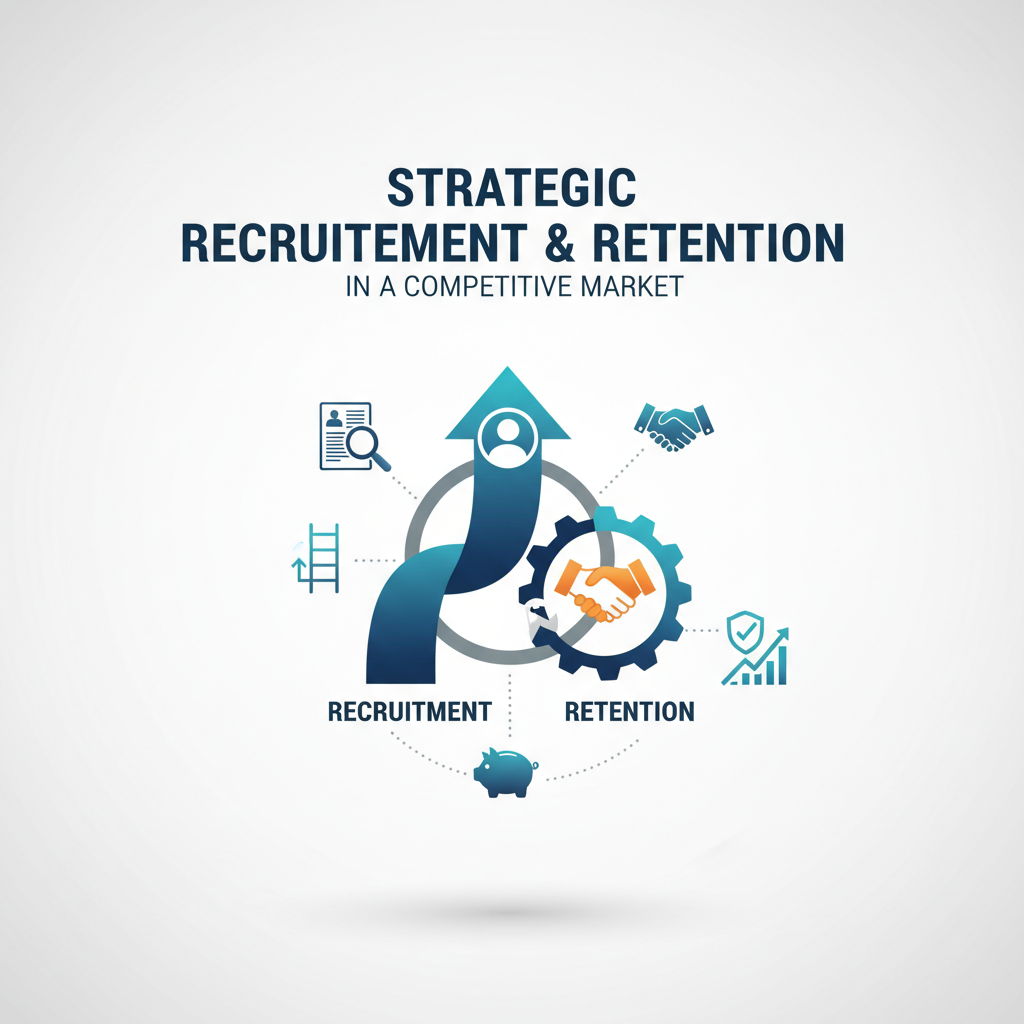
Strategic Recruitment & Retention in a Competitive Market
The Vietnamese transportation sector, a vital artery of the nation’s economic growth, is currently navigating a highly competitive talent landscape. Companies, particularly HR structures for SMEs the CEO in transportation field in Vietnam, face significant challenges in attracting, hiring, and crucially, retaining skilled talent. A persistent issue, especially for logistics and freight companies, is the acute driver shortage. This not only impacts operational efficiency but also stifles expansion and profitability. In a market where demand for transportation services often outstrips the supply of qualified personnel, a proactive and strategic approach to human resources is not merely an advantage – it’s a necessity for survival and growth. Effective strategies must address the entire talent lifecycle, from initial attraction to long-term engagement, ensuring a stable and skilled workforce that can adapt to the dynamic demands of the industry.
1. Targeted Recruitment Channels & Employer Branding
To overcome talent scarcity, particularly the critical driver shortage, Vietnamese transportation SMEs must move beyond traditional recruitment methods. Implementing robust HR structures for SMEs the CEO in transportation field in Vietnam involves identifying and utilizing targeted channels that reach the right candidates. This includes partnering with vocational training schools and driving academies to tap into emerging talent pools directly. Digital platforms, professional networking sites, and even local community forums can be highly effective in reaching both experienced drivers and aspiring logistics professionals. Moreover, a strong employer brand is paramount. Companies need to actively showcase themselves as desirable places to work, highlighting aspects such as safety records, modern fleet maintenance, ethical treatment of employees, and a supportive work environment. Testimonials from current drivers and staff, coupled with transparent communication about company values and mission, can significantly enhance an employer’s appeal. For transportation SMEs, differentiating themselves through a compelling employer value proposition that speaks to stability, respect, and growth opportunities is crucial for attracting top talent in a competitive market.
2. Competitive Compensation & Benefits Benchmarking
In a tight labor market, particularly for skilled drivers, offering competitive compensation and benefits is non-negotiable. HR structures for SMEs the CEO in transportation field in Vietnam must incorporate rigorous benchmarking to ensure their salary packages are not just competitive, but attractive within the sector. This involves regular analysis of industry compensation benchmarks, taking into account regional differences, type of cargo, and specific skill sets. Beyond base salaries, a comprehensive benefits package plays a pivotal role in talent acquisition and retention. This can include performance-based bonuses, health insurance for employees and their families, provident funds, and allowances for meals, accommodation, and travel, especially for long-haul drivers. Addressing the unique welfare needs of transportation professionals, such as accident insurance, regular health check-ups, and even access to mental health support, can significantly enhance job satisfaction and loyalty. By offering a holistic and attractive remuneration package, SMEs can better compete against larger players and reduce staff turnover, ensuring a stable and motivated workforce. For insights into the latest market trends, consulting authoritative sources like PwC Vietnam’s salary surveys can provide valuable data for informed decision-making.
3. Talent Development & Career Pathing for Drivers and Staff
Investing in the professional growth of employees is a powerful retention strategy, especially for HR structures for SMEs the CEO in transportation field in Vietnam in the transportation sector. Many drivers, for example, aspire to more than just driving; they seek opportunities for advancement and skill enhancement. Companies should establish clear career paths for both drivers and support staff. For drivers, this could involve training in specialized vehicle operation, hazardous materials handling, defensive driving techniques, or even opportunities to transition into supervisory roles, fleet management, or logistics coordination. For administrative and operational staff, continuous professional development through workshops, certifications, and leadership training can open doors to higher-level management positions. Mentorship programs, where experienced employees guide newer ones, can also foster a strong sense of community and commitment. By demonstrating a commitment to their employees’ long-term development, SMEs not only enhance skill levels and operational efficiency but also build loyalty and reduce the likelihood of high-performing individuals seeking opportunities elsewhere. This forward-looking approach to talent development ensures a resilient and adaptable workforce capable of meeting future industry demands.
Leveraging Technology for Efficient HR Operations
Discusses the adoption of HR technology (HR Tech) solutions to streamline HR processes, improve data management, and enhance employee experience for SMEs.
For a CEO leading an SME in Vietnam’s dynamic transportation sector, optimizing human resources is paramount for sustainable growth. In an increasingly competitive landscape, traditional HR methods often fall short, leading to inefficiencies, compliance risks, and a suboptimal employee experience. This is where HR structures for SMEs the CEO in transportation field in vietnam must evolve, embracing HR technology (HR Tech) solutions. These tools are no longer luxuries but necessities, driving significant improvements in how HR functions, from recruitment to payroll, and fostering a more engaged workforce. The HR digital transformation Vietnam is accelerating, making integrated SME HR solutions transportation a strategic imperative for operational excellence and talent retention.
1. Basic HRIS for Record Keeping & Payroll Management
At the core of efficient HR operations lies a robust Human Resources Information System (HRIS). For transportation SMEs, managing a diverse workforce—from drivers and mechanics to logistics coordinators—requires meticulous record-keeping. A basic HRIS centralizes all employee data, including personal details, contracts, attendance, leave requests, and performance records, eliminating disparate spreadsheets and reducing administrative burden. Crucially, it revolutionizes payroll automation Vietnam, ensuring accurate and timely compensation, which is vital for employee satisfaction and compliance with Vietnamese labor laws. An effective HRIS system not only minimizes errors associated with manual processing but also provides real-time access to critical data, empowering HR managers and CEOs with insights into workforce trends and costs. This foundational HR tech investment ensures data integrity, streamlines routine tasks, and frees up valuable HR time to focus on strategic initiatives rather than transactional duties, laying the groundwork for further digital transformation.
2. Applicant Tracking Systems (ATS) for Streamlined Hiring
The transportation industry often faces unique recruitment challenges, including high turnover rates and the need for specialized skills. An Applicant Tracking System (ATS) significantly streamlines the hiring process, making it more efficient and effective. An ATS automates job posting across multiple platforms, screens resumes based on predefined criteria, and manages candidate communications, dramatically reducing the time-to-hire. For a CEO in transportation, this means quicker access to qualified drivers, logistics experts, and technical staff, minimizing operational disruptions caused by staffing shortages. Beyond efficiency, an ATS enhances the candidate experience by providing timely updates and a professional application process, which is crucial for attracting top talent in a competitive market. Furthermore, it helps ensure fairness and compliance in hiring practices, an essential aspect of modern HR governance. Adopting an ATS is a pivotal step in developing sophisticated HR structures for SMEs the CEO in transportation field in vietnam, directly impacting the quality and speed of talent acquisition.
3. Performance Management & Learning Platforms for Upskilling
Beyond hiring, retaining and developing talent is critical for any SME, particularly in a service-oriented sector like transportation. Integrated performance management and learning platforms are powerful tools for fostering continuous improvement and addressing the skills gap. These platforms enable transparent goal setting, regular feedback cycles, and performance reviews, ensuring employees understand their contributions and areas for development. For example, a driver’s performance can be tracked against safety metrics or delivery efficiency. Coupled with learning management systems (LMS), these platforms facilitate easy access to training modules—from defensive driving courses to new logistics software proficiency—ensuring the workforce remains skilled and compliant. Investing in such employee experience HR tech solutions boosts morale, reduces turnover, and cultivates a culture of continuous learning. According to Forbes, HR technology is crucial for small businesses, not just for efficiency, but for creating a competitive advantage through a skilled and motivated workforce. By offering opportunities for professional growth, transportation SMEs can enhance employee loyalty and productivity, directly contributing to long-term business success and cementing robust SME HR solutions transportation strategies.
Embracing HR technology offers a clear pathway for SMEs in Vietnam’s transportation sector to achieve operational efficiency, mitigate risks, and build a high-performing workforce. From basic HRIS for meticulous record-keeping and payroll automation Vietnam to advanced ATS for strategic hiring and performance/learning platforms for sustained growth, these tools are indispensable. For a CEO looking to future-proof their operations, investing in comprehensive HR tech is not just about streamlining processes; it’s about empowering employees and driving sustainable competitive advantage in a fast-evolving market, ultimately optimizing the entire HR structures for SMEs the CEO in transportation field in vietnam.
The CEO’s Role in Shaping HR Success by 2026
In the dynamic landscape of modern business, particularly for HR structures for SMEs the CEO in transportation field in Vietnam, the role of the Chief Executive Officer extends far beyond financial oversight and market strategy. By 2026, the CEO’s active and informed engagement in human resources will be unequivocally critical in defining a company’s competitive edge and long-term viability. This isn’t merely about delegating HR tasks but about the CEO serving as the chief architect of an organization’s people strategy. From establishing overarching HR priorities to cultivating a thriving company culture and spearheading innovative HR strategies, the CEO’s direct involvement ensures that human capital development is intrinsically linked to core business objectives. For Vietnamese transportation SMEs, visionary leadership from the CEO in HR matters is imperative for sustainable growth and operational excellence. They must champion a strategic approach to talent management in logistics, understanding that their people are the true engine of progress.
1. Setting HR Vision and Strategic Alignment with Business Goals
The journey to HR success by 2026 begins with the CEO articulating a clear HR vision that is meticulously aligned with the enterprise’s broader strategic goals. For a CEO in the Vietnamese transportation sector, this means understanding that HR is not merely an administrative function but a strategic partner in achieving operational efficiency, market expansion, and profitability. The CEO must personally champion the integration of HR initiatives into the overall business strategy, ensuring that workforce planning, recruitment, and training programs directly support the company’s growth trajectory and adaptability. This top-down commitment translates into developing robust HR structures for SMEs the CEO in transportation field in Vietnam that are agile and forward-thinking. It involves defining what kind of workforce the company needs in five years, what skills will be paramount, and how HR will proactively build that capacity. Without the CEO’s explicit leadership in setting this strategic direction, HR efforts risk becoming fragmented and reactive, failing to deliver maximum impact. They must ensure that the HR framework actively supports the unique challenges and opportunities within the local transportation sector. For more insights on how strategic HR structures can transform business outcomes, explore essential resources on HR structures for SMEs the CEO in transportation field in vietnam.
2. Building a Culture of Employee Engagement & Development
Perhaps one of the most profound impacts a CEO can have on HR success is in cultivating a robust culture of employee engagement and continuous development. A thriving workplace culture, championed directly by the CEO, acts as a powerful magnet for top talent and a formidable barrier against attrition, particularly in a competitive industry like transportation in Vietnam. The CEO’s values, communication style, and observable actions set the tone for the entire organization. When the CEO visibly prioritizes employee well-being, invests in learning and development programs, and fosters an environment of psychological safety and open communication, it resonates deeply throughout the workforce. This commitment translates into effective workforce development for SMEs, ensuring employees feel valued, heard, and empowered to contribute their best. Furthermore, the CEO plays a pivotal role in driving initiatives around employee retention in transportation Vietnam. By actively promoting leadership development, career pathing, and succession planning, they demonstrate a long-term investment in their people. This proactive approach to talent nurturing not only enhances individual performance but also builds a resilient, agile organization capable of navigating future challenges. A CEO who champions engagement and development inspires loyalty and makes the company an employer of choice.
3. Measuring HR Effectiveness and Demonstrating ROI
In an era demanding accountability, the CEO’s insistence on measuring HR effectiveness and demonstrating a tangible return on investment (ROI) is paramount. By 2026, HR must move beyond anecdotal evidence to present data-driven insights that justify its strategic value. A visionary CEO understands that human capital investments, much like financial or technological ones, must yield measurable results. They will challenge HR leaders to define key performance indicators (KPIs) related to talent acquisition cost, employee turnover rates, training effectiveness, productivity gains, and employee satisfaction scores. This focus on analytics provides invaluable insights into the efficacy of HR structures for SMEs the CEO in transportation field in Vietnam, allowing for continuous improvement and strategic adjustments. The CEO’s leadership in this area transforms HR from a cost center into a clear value driver. They demand transparency and data literacy from their HR teams, ensuring that strategic decisions regarding strategic HR leadership are based on robust metrics rather than intuition alone. For comprehensive insights into how CEO engagement is crucial for elevating HR success, you can refer to resources like the Society for Human Resource Management (SHRM) article on CEO Engagement Is Critical to HR Success. By linking HR outcomes directly to business profitability and operational efficiency, the CEO solidifies HR’s position as an indispensable strategic partner by 2026 and beyond.
Partner with Shelby Global
You are looking for reliable HR Sevice Suppliers? Contact Shelby Global Now! To connect with verified talents and upgrade your orginization.
—————————————
References
– World Bank: Vietnam Overview: https://www.worldbank.org/en/country/vietnam/overview
– HR Outsourcing: What to Consider: https://www.shrm.org/resources-and-tools/hr-topics/outsourcing-hr-functions
– PwC Vietnam’s salary surveys: https://www.pwc.com/vn/en/services/people-organisation/vietnam-salary-survey.html
– HR technology is crucial for small businesses: https://www.forbes.com/sites/forbeshumanresourcescouncil/2023/10/26/why-hr-technology-is-crucial-for-small-businesses-in-2023/?sh=2171804f58c7
– CEO Engagement Is Critical to HR Success: https://www.shrm.org/resources-and-tools/hr-topics/employee-relations/pages/ceo-engagement-critical-hr-success.aspx