
The Evolving Landscape of HR & Finance Integration in Vietnam
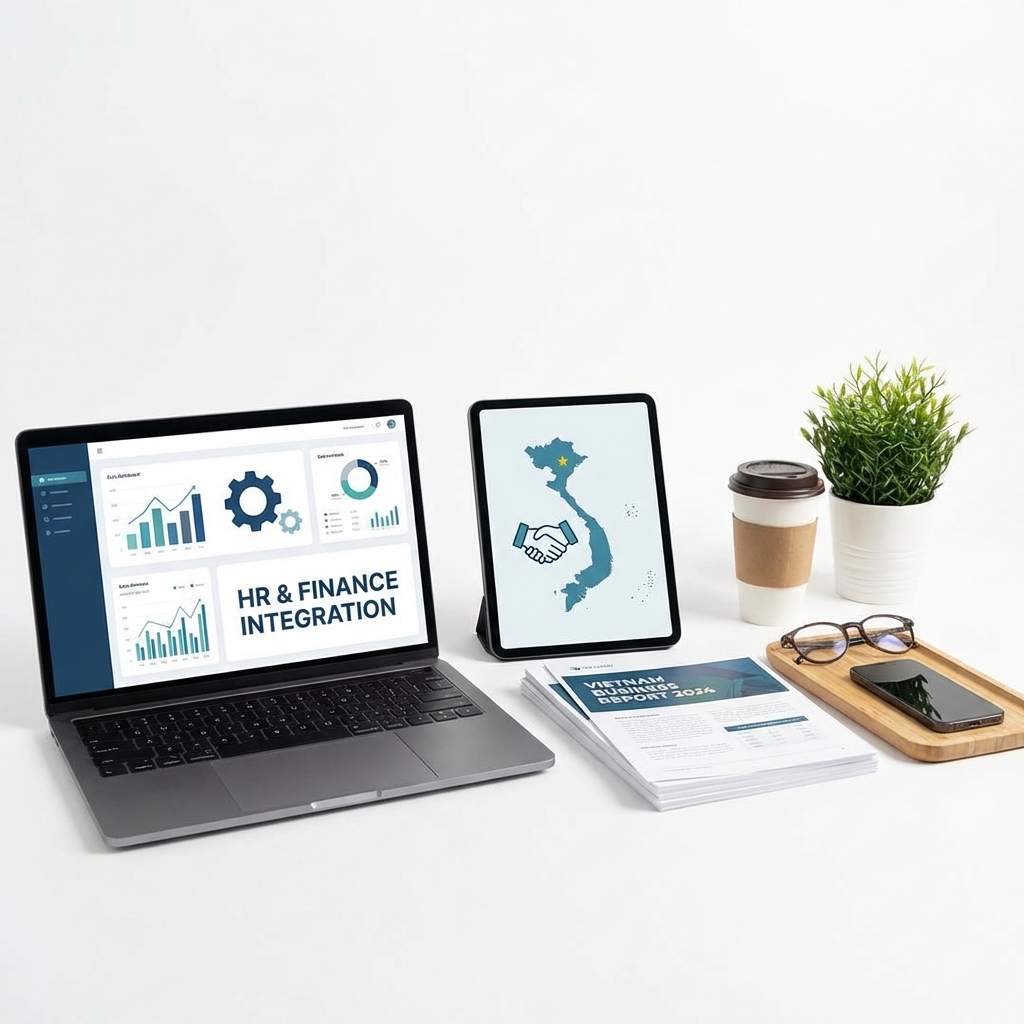
The dynamic economic environment in Vietnam, characterized by rapid growth and increasing global integration, fundamentally reshapes how businesses operate. Historically, Human Resources (HR) and Finance departments often functioned in separate silos, each with distinct mandates and operational processes. However, the contemporary business landscape demands a more cohesive and synergistic approach. Companies in Vietnam are increasingly recognizing the strategic imperative of converging HR and finance functions to enhance efficiency, accuracy, and overall strategic decision-making. This growing convergence necessitates the adoption of specialized HR tools – applications for finance field in Vietnam that can seamlessly bridge the gap between these critical departments, transforming traditional workflows into integrated, data-driven processes.
-
Challenges in Traditional HR-Finance Workflows
Traditional HR and finance workflows in Vietnam often suffer from inherent inefficiencies stemming from disparate systems, manual data entry, and a lack of real-time information sharing. When these functions operate independently, it leads to several challenges. Redundant data entry across multiple platforms not only consumes valuable time but also increases the risk of errors and inconsistencies, impacting payroll accuracy, budget forecasts, and compliance. For instance, reconciling HR-managed attendance records with finance-processed payroll can be a time-consuming and error-prone exercise. Furthermore, the absence of a unified data source makes it difficult for management to gain a holistic view of workforce costs or the financial implications of talent strategies. This fragmented approach hinders agile decision-making and limits businesses’ ability to adapt quickly to market changes or regulatory shifts, a particularly crucial factor in Vietnam’s fast-paced economy.
-
Drivers for Digital Transformation in Vietnamese Finance Sector
The drive for digital transformation is rapidly accelerating across all sectors in Vietnam, with the finance industry at the forefront. Several key factors are propelling this shift. Firstly, increasing competition pushes Vietnamese enterprises to optimize operational costs and improve efficiency. Digital solutions offer a clear path by automating routine tasks and reducing manual errors. Secondly, evolving regulatory landscapes necessitate robust and transparent systems to ensure compliance. Thirdly, the rising expectations of a digitally native workforce demand modern, user-friendly platforms for managing HR and financial tasks. Finally, the availability of advanced technologies like cloud computing, AI, and big data analytics provides unprecedented opportunities for deeper insights. According to a leading financial publication, digital transformation is becoming a strategic imperative for financial institutions in Vietnam, driving innovation and efficiency across the board. This impetus extends directly to the integration of HR and finance, as organizations seek to leverage technology for comprehensive enterprise resource planning.
-
Benefits of Integrated HR and Finance Systems
The adoption of integrated HR and finance systems offers a multitude of benefits for Vietnamese businesses. The most immediate advantage is enhanced operational efficiency. By eliminating data silos and automating inter-departmental workflows, businesses can significantly reduce manual processing times for tasks such as payroll and expense approvals. This translates into substantial cost savings and allows professionals to focus on more strategic activities. Secondly, data accuracy and integrity are vastly improved. A single source of truth for all employee and financial data minimizes discrepancies, ensuring that financial reports, payroll calculations, and compliance filings are consistently accurate. Thirdly, integrated systems provide superior insights and analytics. Decision-makers gain access to real-time, consolidated data on workforce costs, departmental budgets, and overall financial performance. This comprehensive view empowers more informed strategic planning. For companies seeking to navigate this complex landscape and find the best HR tools applications for the finance field in Vietnam, the move towards integrated solutions is not just an upgrade but a strategic imperative that fosters agility, transparency, and sustainable growth.
The journey towards fully integrated HR and finance functions in Vietnam is a testament to the country’s progressive business environment. As organizations strive for greater efficiency, accuracy, and strategic foresight, the demand for specialized HR tools – applications for finance field in Vietnam will only intensify. Embracing these advanced solutions is crucial for any business aiming to thrive in the competitive Vietnamese market, transforming challenges into opportunities for growth and innovation.
Essential HR Tools for Financial Planning & Workforce Management
This section will deep dive into specific HR tools that are crucial for financial planning, budgeting, and optimizing workforce costs within finance departments, particularly highlighting their application in Vietnam.
In Vietnam’s dynamic economy, finance departments must optimize costs, ensure compliance, and strategically manage human capital. The right HR tools are indispensable assets directly impacting financial health and operational efficiency. For finance professionals, leveraging these HR tools – applications for finance field in Vietnam is paramount for accurate budgeting, cost control, and informed decision-making. These platforms bridge HR and financial objectives, providing transparent data and actionable insights to drive value.
-
Payroll & Compensation Management Systems (e.g., local compliance)
Modern payroll and compensation management systems are the bedrock of financial integrity. For finance departments in Vietnam, these systems are critical for more than just salary disbursement; they are essential for budgeting, forecasting labor costs, and ensuring strict adherence to complex local compliance regulations. Vietnamese labor law, with its specific provisions for social insurance, health insurance, unemployment insurance, personal income tax (PIT), and various allowances, demands a robust system capable of automatic calculation and deduction. Errors can lead to significant financial penalties, audit risks, and employee dissatisfaction, directly impacting a company’s financial standing.
These HR tools facilitate precise tracking of all compensation elements, from base salaries to overtime and benefits. They provide real-time data on total labor expenses, enabling finance teams to develop accurate budgets and forecasts. Sophisticated systems offer reporting capabilities that break down costs by department or project, allowing granular analysis of workforce expenditure. This detail is invaluable for identifying cost optimization areas and strategic planning. Choosing a system with strong Vietnamese regulatory adaptability is crucial for mitigating compliance risks and ensuring smooth financial operations. A recent global report by PwC on HR Technology Trends highlights the increasing importance of localized compliance features in global payroll systems, a trend particularly relevant for dynamic markets like Vietnam.
-
Performance Management & Talent Acquisition Platforms
HR tools focusing on performance management and talent acquisition offer significant financial advantages by influencing productivity, employee retention, and long-term labor costs. Effective performance management systems, particularly relevant for finance professionals in Vietnam, align individual goals with organizational objectives. By setting clear KPIs and providing regular feedback, these systems foster high performance, improving efficiency and output. For finance departments, this translates into more efficient operations, reduced errors, and better resource utilization, positively impacting the bottom line. These systems also help identify high-performers for strategic roles and those needing development, optimizing return on human capital investment.
Similarly, advanced talent acquisition platforms are vital for cost control. The cost of a bad hire is substantial. By streamlining recruitment—from applicant tracking to background checks—these platforms reduce time-to-hire and improve new recruit quality. For finance roles, where precision and expertise are paramount, finding the right talent quickly and efficiently minimizes operational disruptions. Furthermore, building a robust talent pipeline reduces reliance on expensive external agencies. Utilizing a comprehensive set of HR tools – applications for finance field in Vietnam ensures finance departments attract and nurture top talent for sustained financial performance. Learn more about optimizing HR processes for financial gains at Shelby Global.
-
Time & Attendance Tracking for Cost Control
Accurate time and attendance tracking is a fundamental HR tool for cost control and financial transparency. For finance departments, this is a critical component of labor cost management, not merely an HR administrative task. In Vietnam, where overtime regulations and hourly wages are significant, precise recording of working hours is essential to prevent costly discrepancies and ensure fair compensation. Manual timekeeping methods are prone to errors and inefficiencies, leading to overpayments and inflated labor costs.
Automated time and attendance systems offer real-time data on employee presence, breaks, and overtime. This data is invaluable for finance teams to accurately calculate payroll, allocate costs to specific projects or departments, and analyze workforce utilization. By identifying patterns of absenteeism or excessive overtime, finance leaders can collaborate with HR to implement strategies for better workforce scheduling and productivity improvements. Moreover, these systems ensure compliance with labor laws, mitigating legal and financial risks. The granular insights provided empower finance departments to make data-driven decisions regarding staffing levels, shift planning, and overall labor budget allocation, driving significant efficiencies and optimal resource deployment within the finance function and across the organization.
Leveraging Analytics & AI in HR Tools for Financial Insight
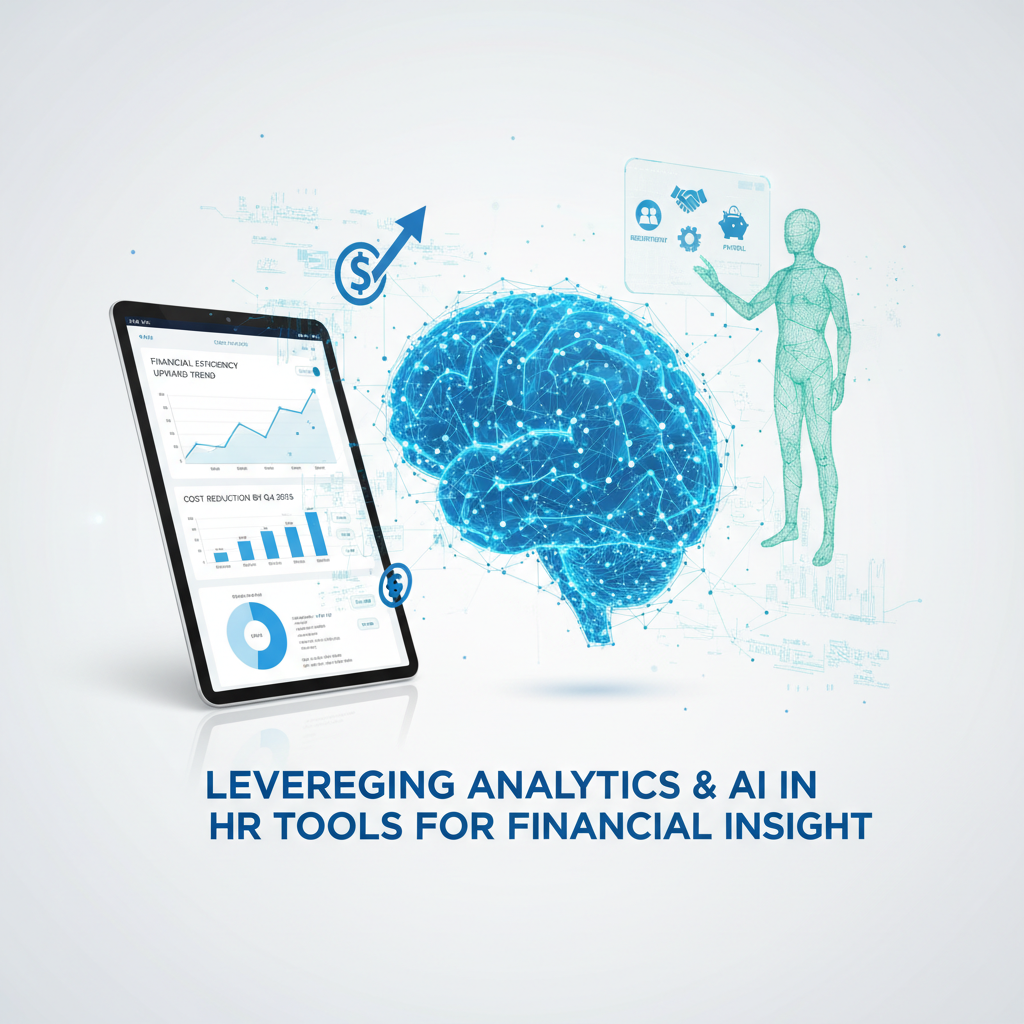
In today’s dynamic business landscape, particularly within Vietnam’s rapidly evolving market, the traditional divide between HR and finance is dissolving. Modern HR tools, powered by advanced analytics and artificial intelligence (AI), are no longer just for managing people; they are becoming indispensable applications for finance leaders. These sophisticated platforms offer profound financial insights, enabling data-driven decisions that directly impact the bottom line. By translating complex HR data into actionable financial metrics, finance departments can achieve greater accuracy in forecasting, more strategic resource allocation, and ultimately, enhanced profitability across Vietnamese enterprises.
1. Predictive Workforce Cost Analysis
One of the most immediate and impactful benefits of integrating analytics into HR tools for finance leaders in Vietnam is the ability to conduct predictive workforce cost analysis. These tools leverage historical data on salaries, benefits, recruitment expenses, training costs, and even potential severance packages to project future workforce expenditures with remarkable accuracy. Instead of relying on static budgets, finance teams can anticipate upcoming costs related to hiring new talent, planned promotions, or potential redundancies, allowing for proactive financial planning. For instance, understanding the cyclical nature of staffing needs in specific industries prevalent in Vietnam, such as manufacturing or tourism, enables finance leaders to model various scenarios. This predictive capability is crucial for managing cash flow, optimizing budget allocations, and ensuring financial stability. It empowers finance departments to move beyond reactive cost management to strategic financial foresight, making informed decisions about investment in human capital. According to SHRM, strategic workforce planning, facilitated by advanced analytics, is essential for aligning an organization’s human capital with its business objectives and financial health.
2. HR Analytics for Budget Forecasting
Beyond direct workforce costs, HR analytics significantly enhances overall budget forecasting. Modern HR platforms collect and analyze vast amounts of data on employee turnover rates, absenteeism, productivity levels, and even the efficacy of training programs. These metrics, often overlooked in traditional financial planning, have substantial financial implications. High turnover, for example, incurs significant recruitment and training costs, while high absenteeism impacts productivity and project timelines. By integrating these HR-derived insights, finance leaders can develop more realistic and robust budget forecasts. For a company operating in Vietnam, where labor market dynamics can shift quickly, understanding potential shifts in workforce stability through HR analytics allows for more agile financial adjustments. This granular insight helps in identifying areas of potential financial drain and opportunities for cost savings, such as investing in retention strategies for critical roles or improving wellness programs to reduce absenteeism. The synergy between HR data and financial forecasting creates a comprehensive financial model that accounts for the human element, ensuring greater accuracy and resilience in budgetary planning.
3. AI-powered Talent Retention & Its Financial Impact
The financial impact of talent retention, amplified by AI-powered HR tools, cannot be overstated. Employee turnover is a substantial hidden cost for businesses, encompassing recruitment fees, onboarding expenses, lost productivity during the transition period, and the potential loss of institutional knowledge. AI algorithms embedded in HR platforms can analyze various data points – performance reviews, engagement surveys, compensation data, and even communication patterns – to identify employees at risk of leaving. This proactive identification allows HR and finance teams to intervene with targeted retention strategies, such as personalized development plans, compensation adjustments, or improved work-life balance initiatives. The financial benefits are clear: reducing turnover directly saves significant recruitment and training costs. For a company in Vietnam, retaining skilled local talent, especially in competitive sectors like technology or manufacturing, can mean the difference between market leadership and falling behind. By minimizing attrition, AI-powered HR tools contribute directly to sustained productivity, reduced operational expenditure, and a stronger, more stable workforce, ultimately boosting the company’s financial performance and competitive edge.
In conclusion, the integration of analytics and AI into HR tools transforms them into powerful financial instruments. For finance leaders in Vietnam, these applications provide unparalleled insights into workforce costs, refine budget forecasting, and significantly mitigate the financial risks associated with talent turnover. Embracing these advanced HR technologies is not just an operational upgrade; it’s a strategic imperative for achieving greater financial agility, stability, and growth in the modern economy.
Key Considerations for Implementing HR Tools in Vietnamese Finance Firms
The digital transformation sweeping across industries globally has profoundly impacted the human resources landscape, and Vietnam’s dynamic finance sector is no exception. As financial institutions in Vietnam increasingly recognize the strategic value of human capital, the adoption of advanced HR tools – applications for finance field in Vietnam is becoming a priority. These technologies promise enhanced efficiency, data-driven decision-making, and improved employee experiences. However, the path to successful implementation is fraught with unique challenges, ranging from navigating complex local regulations to ensuring robust data security and seamless integration with legacy systems. This section delves into these critical considerations, offering practical insights for finance firms looking to leverage HR technology effectively.
-
Understanding Local Labor Laws & Regulations
One of the foremost hurdles for finance companies adopting new HR tools in Vietnam is ensuring absolute compliance with the nation’s intricate labor laws and regulations. Vietnamese labor law is comprehensive, covering aspects from labor contracts, working hours, and social insurance contributions to personal income tax (PIT) calculations and termination procedures. Any HR software must be meticulously configured to reflect these specific legal requirements.
For instance, calculating statutory benefits, overtime pay, and severance packages accurately requires deep integration with Vietnamese legal frameworks. Furthermore, HR tools need to support the documentation and reporting mandates of authorities like the Ministry of Labor, Invalids and Social Affairs (MOLISA) and the General Department of Taxation. Failure to comply can lead to significant penalties, reputational damage, and labor disputes. Therefore, when selecting HR tools, finance firms must prioritize solutions that offer robust localization features or engage with vendors who possess extensive experience in the Vietnamese market. It’s not merely about automating processes but about automating them correctly, in line with every nuance of local legislation.
-
Data Security and Privacy Concerns (e.g., GDPR, local equivalents)
In the financial sector, where trust and integrity are paramount, data security and privacy are non-negotiable. The implementation of HR tools – applications for finance field in Vietnam necessitates handling highly sensitive employee data, including personal identification, financial information, health records, and performance metrics. Globally, regulations like GDPR have set a high bar for data protection, and Vietnam is rapidly catching up with its own stringent frameworks. Vietnam’s Decree 13 on Personal Data Protection (Decree 13/2023/ND-CP), effective from July 1, 2023, is a significant step, imposing strict requirements on the collection, processing, storage, and transfer of personal data.
Finance firms must ensure that their chosen HR tools offer enterprise-grade security features, including data encryption, access controls, audit trails, and regular security audits. Data residency requirements, disaster recovery protocols, and vendor compliance with international security standards (e.g., ISO 27001) are also critical. Beyond technical safeguards, establishing clear internal policies and providing regular employee training on data handling best practices is essential to mitigate risks. A data breach in a finance firm not only carries severe legal penalties under Decree 13 but can also shatter client and employee confidence, leading to irreversible damage to the institution’s reputation and financial stability.
-
Integration with Existing ERP and Financial Systems
Modern finance firms operate with complex ecosystems of technology solutions, including Enterprise Resource Planning (ERP) systems, core banking platforms, and various financial management tools. The seamless integration of new HR tools – applications for finance field in Vietnam with these existing systems is vital for achieving operational synergy and unlocking the full potential of digital transformation. Without proper integration, HR data – such as payroll information, employee expenses, and resource allocation – may remain siloed, leading to manual data entry, inconsistencies, errors, and significant inefficiencies.
Challenges often arise from legacy systems that may lack modern APIs or robust integration capabilities. Finance companies need to conduct thorough assessments of their existing IT infrastructure and choose HR tools that offer flexible integration options, whether through direct API connections, middleware solutions, or custom development. The goal is to establish a unified data flow that supports automated payroll processing, accurate budgeting, seamless financial reporting, and comprehensive workforce analytics. A well-integrated HR system can provide a holistic view of human capital costs and productivity, directly impacting financial performance and strategic planning. Exploring comprehensive solutions like those found by searching for HR tools – applications for finance field in vietnam can help identify platforms designed for such complex integrations.
Future Trends: What’s Next for HR Tools in Vietnam’s Finance Sector 2026?
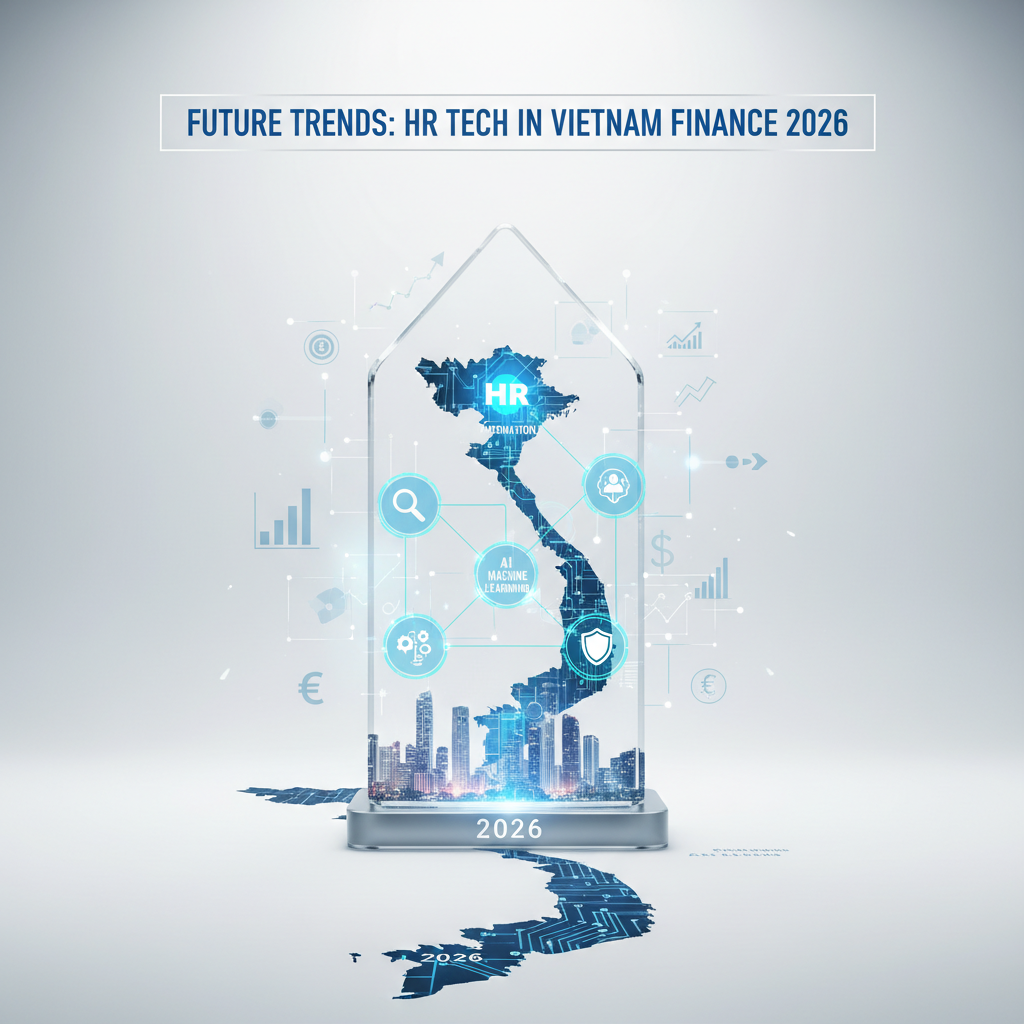
The Vietnamese finance sector, a rapidly evolving landscape, is poised for significant transformation driven by technological advancements. As companies within this crucial industry strive for agility, efficiency, and superior talent management, the evolution of HR tools becomes paramount. By 2026, we anticipate a paradigm shift in how human resources are managed, with sophisticated, integrated, and data-driven solutions becoming standard. This concluding section explores the emerging trends and innovations in HR tools that are set to redefine the operational fabric of finance institutions across Vietnam, focusing on how these HR tools – applications for finance field in vietnam will adapt to meet future demands. The overarching goal is to foster a more resilient, engaged, and productive workforce ready to navigate the complexities of a digital-first economy.
1. Rise of Cloud-Based & Mobile HR Solutions
The shift from on-premise to cloud-based HR systems is accelerating globally, and Vietnam’s finance sector is no exception. By 2026, cloud-based HR platforms will be indispensable, offering enhanced scalability, security, and accessibility. Financial institutions require systems that can quickly adapt to regulatory changes and market fluctuations, and cloud solutions provide this agility without the heavy upfront infrastructure investment. These platforms facilitate real-time data analytics, empowering HR teams to make informed decisions on talent acquisition, performance management, and workforce planning. Furthermore, the proliferation of mobile technology means that mobile HR applications will become a cornerstone. Employees, particularly in the fast-paced finance environment, will expect to access their HR services – from leave requests and payroll information to training modules and performance reviews – directly from their smartphones or tablets. This mobile-first approach not only improves employee experience but also boosts productivity and engagement, enabling secure and convenient access to essential HR functionalities anytime, anywhere. This digital leap is crucial for staying competitive and attracting tech-savvy talent in a dynamic market.
2. Hyper-Personalization in Employee Experience Platforms
The “one-size-fits-all” approach to employee experience is rapidly becoming obsolete. By 2026, HR tools in Vietnam’s finance sector will champion hyper-personalization, leveraging artificial intelligence (AI) and machine learning (ML) to tailor experiences for individual employees. These sophisticated platforms will analyze vast amounts of data – from career aspirations and learning preferences to performance metrics and communication styles – to offer highly customized development paths, benefits packages, and wellness programs. Imagine an HR platform that recommends specific training modules based on an employee’s career goals and identified skill gaps, or a benefits portal that suggests financial wellness programs tailored to an individual’s life stage. This level of personalization extends beyond professional development, encompassing aspects like personalized onboarding journeys, recognition programs, and even mental health support, creating a deeply engaging and supportive work environment. This emphasis on individual employee needs fosters a stronger sense of belonging and loyalty, crucial for retaining top talent in the demanding finance industry. Research from organizations like Deloitte consistently highlights the growing importance of a personalized employee experience for business success and talent retention, underscoring this trend’s global relevance.
3. Blockchain & Cybersecurity for HR Data Integrity
In an industry as sensitive as finance, data security and integrity are non-negotiable. As HR tools become more interconnected and data-rich, the threat of cyberattacks intensifies. By 2026, blockchain technology is expected to play a transformative role in enhancing the security and transparency of HR data. Blockchain’s decentralized and immutable ledger system can secure sensitive employee information, from personal details and employment contracts to payroll records and performance histories. This technology offers an unparalleled level of data integrity, making it incredibly difficult for unauthorized parties to alter or compromise records, thereby minimizing fraud and enhancing auditability. Beyond blockchain, robust cybersecurity measures will be embedded deeper into HR tech stacks. This includes advanced encryption, multi-factor authentication, AI-driven threat detection, and continuous monitoring, all designed to protect against sophisticated cyber threats. For the Vietnamese finance sector, safeguarding sensitive employee and organizational data is not just a compliance requirement but a cornerstone of trust and operational resilience. Adopting these advanced security protocols will be critical for maintaining stakeholder confidence and ensuring the ethical handling of personal data.
Partner with Shelby Global
You are looking for reliable HR Sevice Suppliers? Contact Shelby Global Now! To connect with verified talents and upgrade your orginization.
—————————————
References
– Digital transformation imperative for Vietnamese financial institutions – VnExpress International: https://www.vnexpress.net/digital-transformation-imperative-for-vietnamese-financial-institutions-4286789.html
– PwC Global HR Technology Trends Report: https://www.pwc.com/gx/en/services/hr-management/hr-technology-trends-report.html
– How Do I Begin Strategic Workforce Planning?: https://www.shrm.org/resources-and-tools/tools-and-samples/hr-qa/how-do-i-begin-strategic-workforce-planning
– Vietnam’s Decree 13 on Personal Data Protection: https://www.pwc.com/vn/en/services/tax/vietnam-tax-news-and-updates/vietnam-personal-data-protection.html
– Research from organizations like Deloitte: https://www2.deloitte.com/us/en/insights/topics/talent/global-human-capital-trends/2023/human-experience.html