
The Unique HR Challenges of FMCG in Singapore
Singapore’s Fast-Moving Consumer Goods (FMCG) sector is a vibrant, highly competitive landscape driven by discerning consumers and rapid market shifts. While offering immense growth opportunities, this dynamic environment presents a unique set of human resources challenges that companies must adeptly navigate to sustain their competitive edge. From attracting top talent in a tight labor market to managing complex operational demands and adhering to stringent regulatory frameworks, HR departments in Singaporean FMCG firms face significant hurdles. Addressing these effectively often requires a strategic deployment of robust HR tools – applications for FMCG companies in singapore, designed to streamline processes, enhance employee experience, and ensure compliance.
1. High Turnover & Talent Acquisition in Fast-Paced Environments
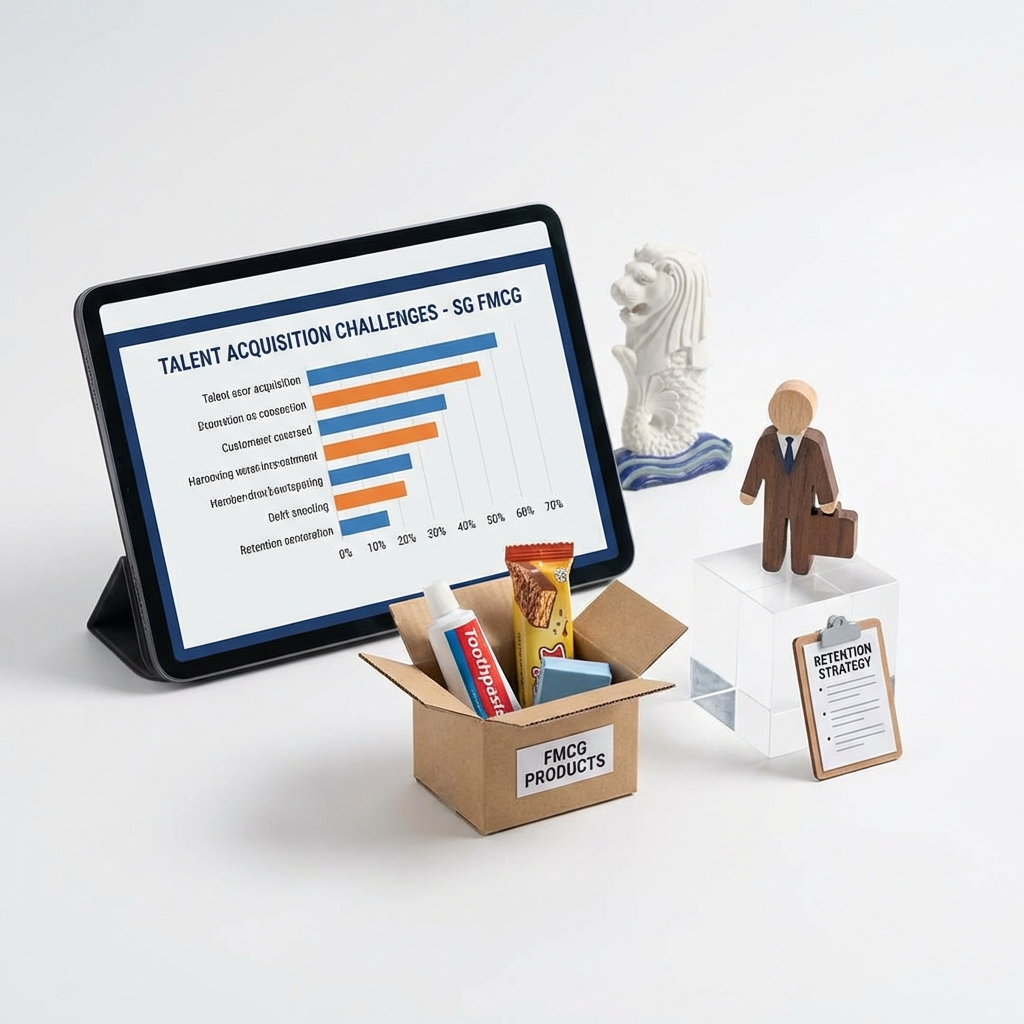
The FMCG industry is characterized by its demanding pace, high sales targets, and constant innovation cycles, leading to an inherently stressful work environment. This can contribute to higher employee turnover rates compared to other sectors. Employees, particularly in sales, marketing, and supply chain roles, are often poached by competitors or leave seeking better work-life balance or career progression. For HR, the challenge lies not only in acquiring talent but in retaining it. Singapore’s competitive talent pool means that companies must differentiate themselves through attractive compensation packages, comprehensive benefits, and clear career development paths. Moreover, the younger generation entering the workforce often prioritizes purpose-driven work and flexible arrangements, compelling FMCG companies to adapt their employer branding and engagement strategies to meet these evolving expectations.
2. Seasonal Demand & Workforce Scheduling Complexities
FMCG companies in Singapore frequently experience significant fluctuations in demand, driven by cultural festivals, public holidays, and promotional periods. Major events like Chinese New Year, Hari Raya, Deepavali, and Christmas can lead to spikes in production, logistics, and retail staffing needs. Conversely, off-peak seasons might require a reduction in workforce hours or reallocation of resources. This seasonality creates immense complexity for HR teams in managing workforce scheduling, temporary staffing, and optimizing labor costs. Ensuring adequate staffing levels without overspending, managing overtime, and complying with local working hour regulations becomes a delicate balancing act. Companies need flexible staffing models, efficient rostering systems, and dynamic talent pools to quickly scale up or down, all while maintaining operational efficiency and employee satisfaction.
3. Navigating Singapore’s Labor Laws & Compliance
Singapore boasts a well-defined and rigorously enforced labor law framework, overseen by the Ministry of Manpower (MOM). For FMCG companies with diverse workforces, including foreign workers, part-timers, and shift workers, navigating these regulations is a critical HR function. Key areas of compliance include the Employment Act, which sets out basic terms and conditions of employment, and various regulations pertaining to fair employment practices, foreign worker quotas, levies, and visa requirements. Furthermore, specific guidelines on workplace safety and health, non-discrimination, and provident fund contributions (CPF) must be meticulously adhered to. Any misstep can result in severe penalties, reputational damage, and operational disruptions. HR departments are responsible for staying updated on legislative changes, implementing compliant policies, and ensuring all employees and managers are aware of their rights and obligations.
In conclusion, the HR landscape for FMCG companies in Singapore is multifaceted and challenging. Successfully overcoming high turnover, managing seasonal workforce demands, and ensuring stringent compliance requires more than just traditional HR practices. It necessitates leveraging advanced HR tools – applications for FMCG companies in singapore, such as HRIS (Human Resources Information Systems), workforce management software, and analytics platforms, to gain insights, automate processes, and strategically support business objectives in this highly competitive market.
Core HR Tool Categories for FMCG Success
In the fast-paced, highly competitive world of Fast-Moving Consumer Goods (FMCG), effective human resource management is not just an administrative function; it’s a strategic imperative. From managing diverse workforces across production, logistics, sales, and marketing to navigating rapid market shifts and talent acquisition challenges, FMCG companies require robust and integrated HR tools. These applications are vital for optimizing operations, enhancing employee experience, and ensuring compliance, particularly for HR tools – applications for FMCG companies in Singapore where talent retention and operational efficiency are key. Here, we categorize the essential types of HR software that address the specific needs of FMCG companies, from hiring to development, enabling sustainable growth and success.
-
Applicant Tracking Systems (ATS) & Onboarding Platforms
FMCG companies often face high-volume recruitment needs, whether for seasonal peaks, new product launches, or expanding sales teams. Applicant Tracking Systems (ATS) are indispensable, streamlining the entire hiring process from job posting to candidate screening and interview scheduling. An effective ATS helps manage a large pool of applicants efficiently, ensuring that top talent for roles – from production line operators to marketing specialists – is identified quickly. Paired with robust onboarding platforms, these tools ensure a smooth transition for new hires. For FMCG organizations in Singapore, where a diverse talent pool is crucial, these systems automate paperwork, facilitate training assignments, and integrate new employees into the company culture faster, reducing time-to-productivity and enhancing the overall new hire experience.
-
Workforce Management (WFM) & Time & Attendance Systems
Managing a workforce with varying shifts, part-time employees, and flexible schedules – common in manufacturing, retail, and logistics arms of FMCG – presents significant complexity. Workforce Management (WFM) systems, combined with Time & Attendance tracking, provide critical functionalities. These tools automate scheduling, track employee hours accurately, manage overtime, and ensure compliance with labor laws and regulations. For FMCG companies, this means optimized staffing levels to meet production demands, reduced labor costs due to efficient scheduling, and precise payroll processing, directly impacting operational profitability and ensuring fair treatment of employees.
-
Performance Management & Learning & Development (L&D) Tools
In an industry characterized by constant innovation and aggressive market competition, continuous performance improvement and upskilling are non-negotiable. Modern performance management systems move beyond annual reviews, offering continuous feedback loops, goal setting aligned with business objectives, and 360-degree assessments. Integrated Learning & Development (L&D) platforms provide tailored training modules, e-learning courses, and skill development programs relevant to sales techniques, product knowledge, or operational efficiency. These HR tools – applications for FMCG companies in Singapore empower employees to grow, foster a culture of learning, and ensure the workforce possesses the necessary skills to drive product innovation and market penetration.
-
Compensation & Benefits Management Systems
Attracting and retaining top talent in the FMCG sector requires a competitive and equitable compensation and benefits strategy. Dedicated compensation and benefits management systems help HR teams design, administer, and manage complex pay structures, performance-based incentives for sales teams, and a variety of employee benefits programs. These systems ensure transparency, accuracy, and compliance with local regulations. By automating these critical functions, FMCG companies can offer attractive packages, reduce administrative burden, and ensure that their reward strategies effectively motivate and retain their valuable workforce.
-
HR Analytics & Reporting Tools
Data-driven decision-making is paramount for FMCG success. HR analytics and reporting tools provide invaluable insights into workforce trends, talent gaps, attrition rates, recruitment effectiveness, and the ROI of HR initiatives. These platforms consolidate data from various HR systems, offering dashboards and customizable reports that empower HR leaders to make strategic choices. For FMCG companies in Singapore, leveraging these insights can lead to more targeted talent acquisition strategies, improved employee retention programs, and optimized workforce planning, directly contributing to business agility and competitive advantage.
-
Employee Engagement & Experience Platforms
A highly engaged workforce is often a more productive and loyal one. Employee engagement and experience platforms provide tools for gathering feedback (e.g., pulse surveys), facilitating internal communications, recognizing employee achievements, and fostering a positive company culture. These platforms are crucial for FMCG companies with geographically dispersed teams, ensuring all employees, whether in the factory or in the field, feel connected and valued. By actively monitoring and improving employee experience, these tools help reduce turnover and boost overall productivity.
-
Compliance & Risk Management Software
Operating in the FMCG sector involves navigating a complex web of labor laws, health and safety regulations, and data privacy mandates. Compliance and risk management software helps companies stay abreast of these evolving requirements. These tools assist in policy dissemination, tracking employee certifications, managing incident reports, and ensuring adherence to legal frameworks, particularly crucial in a well-regulated market like Singapore. By mitigating compliance risks, FMCG companies can avoid costly penalties, protect their brand reputation, and ensure a safe and ethical working environment.
-
Succession Planning & Talent Mobility Tools
To sustain long-term growth and adapt to leadership changes, FMCG companies need robust succession planning and talent mobility strategies. Specialized HR tools in this category help identify high-potential employees, assess leadership capabilities, create development plans for future roles, and facilitate internal transfers or promotions. These platforms ensure that critical positions are always filled by qualified candidates, foster internal career growth, and build a resilient talent pipeline that can quickly respond to market demands and organizational restructuring. According to Deloitte’s insights on human capital trends in consumer business, developing adaptable talent is a key differentiator in today’s dynamic market.
Driving Operational Efficiency with Integrated HR Solutions
In the fast-paced, competitive landscape of Singapore’s FMCG sector, operational efficiency isn’t just a goal—it’s a necessity. Companies are constantly seeking ways to optimize processes, reduce costs, and enhance productivity to maintain their edge. This is where comprehensive HR tools – applications for FMCG companies in Singapore become indispensable. Integrated HR platforms are revolutionizing how human resources functions operate, transforming them from mere administrative departments into strategic drivers of business success. By centralizing data, automating routine tasks, and providing actionable insights, these solutions significantly streamline operations, alleviate administrative burdens, and ensure seamless integration across various HR functions.
The modern FMCG environment demands agility and precision in managing its workforce, from recruitment to retirement. Manual, siloed HR processes are prone to errors, time-consuming, and hinder the ability to make data-driven decisions. A robust HR platform consolidates critical functions such as payroll processing, talent acquisition, performance management, and compliance management into a single, cohesive system. This integration not only reduces the potential for duplicate data entry and inconsistencies but also frees up HR professionals to focus on strategic initiatives like workforce planning and employee development rather than transactional tasks. For FMCG companies operating in Singapore, adapting to these advanced HR tools is crucial for fostering a productive and engaged workforce.

1. Automating Payroll & Benefits Administration
One of the most immediate and significant impacts of integrated HR solutions is the automation of payroll and benefits administration. Manual payroll calculation is notoriously complex, susceptible to errors, and labor-intensive, particularly with varying shift patterns, overtime rules, and diverse benefits packages common in FMCG operations. Automated systems simplify these complexities, ensuring accurate and timely salary disbursements while adhering to Singapore’s stringent labor laws and tax regulations. This includes the automatic calculation of CPF contributions, income tax, and other statutory deductions, significantly reducing compliance risks. Beyond payroll, these platforms streamline benefits enrollment and management, allowing employees to select and manage their benefits online, reducing paperwork, and improving transparency. The efficiency gained in payroll processing and benefits management translates directly into cost savings and increased employee satisfaction.
2. Streamlining Employee Self-Service (ESS) Portals
Employee Self-Service (ESS) portals are a cornerstone of modern HR platforms, empowering employees and drastically reducing the administrative load on HR departments. With ESS, employees can access and update their personal information, view payslips, apply for leave, submit expense claims, and access company policies at their convenience, from anywhere. This not only enhances employee experience and satisfaction but also fosters a sense of ownership and accountability. For FMCG companies with a geographically dispersed workforce or those operating 24/7, ESS portals are invaluable, providing immediate access to critical information without needing to contact HR directly. This streamlining of routine inquiries allows HR teams to dedicate more time to strategic tasks such as enhancing employee engagement programs and fostering a positive workplace culture. The reduction in repetitive administrative tasks significantly boosts overall operational efficiency.
3. Data Analytics for Strategic HR Decision-Making
Perhaps the most transformative aspect of integrated HR solutions is their capability to collect, analyze, and present HR data in meaningful ways. These platforms act as central repositories for all employee-related information, from hiring data and performance reviews to time and attendance records. Leveraging advanced HR analytics, organizations can gain deep insights into their workforce dynamics. For instance, companies can identify trends in employee turnover, assess the effectiveness of talent acquisition strategies, measure the impact of training programs, and optimize workforce planning based on predictive models. This data-driven approach moves HR beyond reactive problem-solving to proactive strategic decision-making. Insights derived from these analytics can inform crucial business decisions, such as identifying skill gaps, optimizing staffing levels across different retail outlets or production lines, and improving performance management frameworks. By transforming raw data into actionable intelligence, HR becomes a vital strategic partner, contributing directly to the bottom line and ensuring the FMCG company in Singapore remains competitive and adaptable to market changes.
Enhancing Employee Experience & Retention in FMCG
The Fast-Moving Consumer Goods (FMCG) sector in Singapore, characterized by its fast pace and high demands, poses unique HR challenges. Attracting and retaining top talent is paramount for sustained success. In this competitive landscape, advanced HR tools – applications for FMCG companies in Singapore are a strategic imperative. These digital HR solutions transform the employee journey, fostering deeper engagement and improving retention by addressing pain points. Leveraging comprehensive workforce management systems and sophisticated HR analytics for FMCG, companies can proactively identify trends and optimize processes.
From administrative streamlining to career growth empowerment, the right HR technology stack provides the infrastructure for a truly positive employee experience. HR tools – applications for FMCG companies in Singapore facilitate efficient onboarding and robust talent retention strategies. They enable organizations to embrace a data-driven approach to human capital management, crucial for FMCG companies to stay agile and attractive.
1. Personalized Training & Career Development Pathways
In the dynamic FMCG industry, continuous learning and skill development are vital. Modern HR tools – applications for FMCG companies in Singapore offer sophisticated learning and development (L&D) solutions beyond generic training. These platforms provide personalized pathways tailored to an employee’s role, aspirations, and performance gaps. Utilizing AI, these digital HR solutions Singapore recommend relevant courses, certifications, and mentorship, ensuring employees feel invested and supported.
This personalized approach significantly boosts employee engagement. When employees see clear career progression and are provided with tools, their commitment strengthens. Such L&D solutions are critical talent retention strategies, as lack of growth is a primary reason for seeking new employment. Integrating these platforms with performance management software allows for continuous feedback and real-time skill gap analysis, making development efforts more targeted.
2. Feedback Mechanisms & Employee Engagement Surveys
Understanding employee sentiment is foundational to a thriving workplace. Traditional annual surveys often fail to capture daily experience nuances. Advanced HR tools – applications for FMCG companies in Singapore provide robust feedback mechanisms and employee engagement platforms for continuous, real-time insights. These include pulse surveys, anonymous channels, and sentiment analysis tools, helping HR managers quickly identify concerns and measure impact.
By offering employees a voice and demonstrating that their input is valued, FMCG companies foster transparency and trust. This proactive approach is instrumental in addressing issues before they escalate, improving management and enhancing employee well-being programs. Timely insights from these digital HR solutions empower leaders to make informed decisions impacting job satisfaction and reducing turnover. According to Forbes, a positive employee experience is critical for retention and productivity, underscoring the importance of acting on employee feedback.
3. Recognition & Rewards Programs Management
Motivating and retaining employees in the demanding FMCG sector requires more than just competitive compensation; it demands a culture of appreciation. HR tools – applications for FMCG companies in Singapore dedicated to recognition and rewards programs management provide a streamlined, transparent, and equitable way to acknowledge contributions. These platforms allow for peer-to-peer recognition, automated milestone celebrations, and performance-based incentives.
Such digital HR solutions make the reward process efficient and ensure recognition is timely, meaningful, and visible. This fosters a positive work environment where hard work is celebrated, boosting morale and impacting talent retention strategies. When employees feel appreciated, especially in high-pressure FMCG roles, their loyalty and commitment increase. Integrated with performance management software, these tools link recognition directly to KPIs, strengthening the employee experience and reducing attrition rates. Effective workforce management systems often include robust recognition modules as comprehensive employee engagement platforms.
Future-Proofing FMCG HR with Emerging Technologies
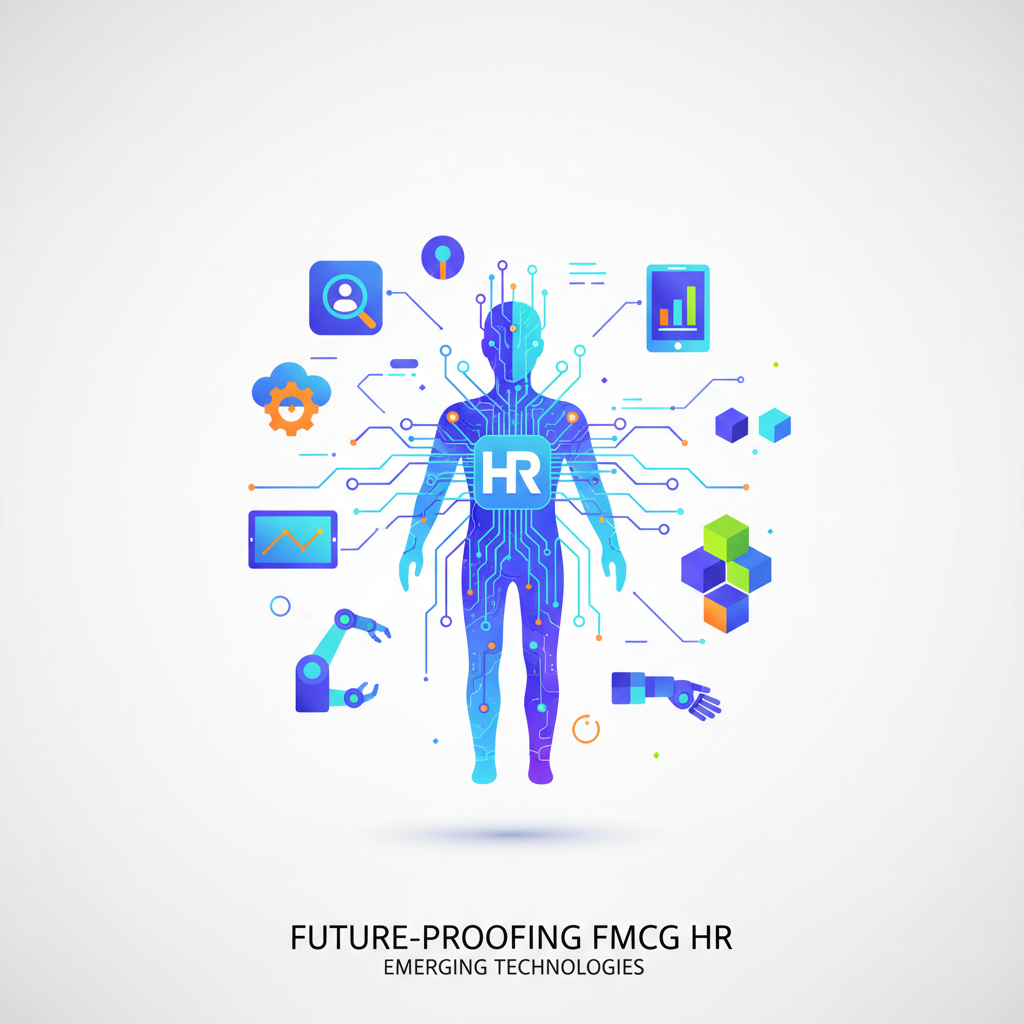
Singapore’s Fast-Moving Consumer Goods (FMCG) sector is a dynamic arena, constantly evolving to meet consumer demands and market shifts. For HR departments within these companies, staying ahead means not just adapting to change, but actively leveraging cutting-edge technologies to drive efficiency, attract top talent, and foster a future-ready workforce. The digital transformation wave continues to reshape traditional HR functions, offering unparalleled opportunities to optimize processes, enhance employee experience, and gain a competitive edge. From intelligent automation to secure data management, the next generation of HR tools – applications for FMCG companies in Singapore are set to revolutionize how talent is managed and nurtured.
-
AI & Machine Learning in Recruitment & Predictive Analytics
Artificial Intelligence (AI) and Machine Learning (ML) are rapidly transitioning from buzzwords to indispensable assets in HR, particularly within the demanding FMCG landscape. For recruitment, AI-powered platforms can automate initial resume screening, identify ideal candidates based on vast datasets, and even conduct preliminary interviews through chatbots, significantly reducing time-to-hire. This allows HR professionals in Singapore’s FMCG sector to focus on strategic decision-making and candidate engagement rather than administrative tasks. Beyond recruitment, predictive analytics, driven by ML algorithms, offers profound insights into workforce trends. By analyzing historical data on employee performance, turnover rates, and skill development, FMCG companies can forecast future talent needs, identify potential flight risks, and proactively address skill gaps. For instance, predicting which employees might leave based on engagement levels or workload allows HR to intervene with targeted retention strategies. This proactive approach ensures a stable and skilled workforce, critical for an industry that relies on continuous operation and innovation. The integration of these advanced HR tools transforms talent acquisition and management into a data-driven, strategic function.
-
Mobile HR Apps for On-the-Go Workforce Management
The nature of FMCG operations often involves a diverse workforce, including sales teams on the field, production staff on the factory floor, and retail promoters in various outlets. Traditional desktop-based HR systems can be clunky and inaccessible for such an on-the-go workforce. This is where mobile HR applications become a game-changer. These intuitive apps empower employees to manage a wide range of HR tasks directly from their smartphones or tablets. Features like clocking in and out, submitting leave requests, accessing payroll information, completing mandatory training modules, and even providing real-time feedback become instantly available. For managers, mobile apps offer capabilities to approve requests, track team performance, and communicate urgent updates seamlessly. In a fast-paced environment like FMCG, instant access to information and streamlined administrative processes directly translates into increased efficiency, higher employee satisfaction, and improved operational agility across Singapore. Implementing such HR tools – applications for FMCG companies in Singapore ensures that HR services are always within reach, fostering a more connected and productive workforce.
-
Blockchain for Secure HR Data Management & Credentials
As HR departments increasingly rely on digital data, the imperative for robust security and verifiable information grows. Blockchain technology, renowned for its immutable and decentralized ledger system, presents a powerful solution for secure HR data management. In the FMCG sector, where large volumes of sensitive employee data, from personal details to performance reviews and contracts, are handled, blockchain can offer unparalleled data integrity. Each transaction or data entry is encrypted and linked to the previous one, making it nearly impossible to tamper with. This enhanced security is vital for compliance with data protection regulations and building trust. Furthermore, blockchain can revolutionize credential verification. Imagine a system where employee certifications, educational qualifications, and professional licenses are recorded on a blockchain. This eliminates the need for manual verification, reduces the risk of fraudulent credentials, and significantly speeds up background checks for new hires. For global or regional FMCG players in Singapore, blockchain can also streamline cross-border HR processes, securely managing international employee transfers, payroll, and benefits with transparency and efficiency. Adopting blockchain signifies a leap towards truly secure, transparent, and auditable HR operations.
The future of HR in Singapore’s FMCG sector is inextricably linked with technological advancement. Embracing AI, mobile HR apps, and blockchain isn’t merely about adopting new HR tools – applications for FMCG companies in Singapore; it’s about fundamentally rethinking HR strategies to create more agile, efficient, and employee-centric environments. By strategically integrating these emerging technologies, FMCG companies can not only future-proof their HR functions but also empower their workforce, attract top talent, and maintain a competitive edge in a rapidly evolving market.
Partner with Shelby Global
You are looking for reliable HR Sevice Suppliers? Contact Shelby Global Now! To connect with verified talents and upgrade your orginization.
—————————————
References
– :
– :
– How to Maximize the ROI of HR Technology: https://www.shrm.org/resourcesandtools/hr-topics/technology/pages/how-to-maximize-the-roi-of-hr-technology.aspx
– Forbes: Why Employee Experience Is The Future Of Work: https://www.forbes.com/sites/forbescoachescouncil/2021/04/13/why-employee-experience-is-the-future-of-work/?sh=293a1c6a2e4b
– Future of Jobs Report 2023: What it means for the labour market, future of work, skills and tech | World Economic Forum: https://www.weforum.org/agenda/2023/05/future-of-jobs-report-2023-labour-market-future-of-work-skills-tech/