
The Unique HR Landscape for FMCG in Vietnam
Vietnam’s fast-moving consumer goods (FMCG) sector is a vibrant and rapidly expanding market, characterized by a young, increasingly affluent population and a growing appetite for diverse products. This dynamism, while offering immense opportunities for businesses, simultaneously presents a complex and unique set of human resource challenges. For FMCG companies operating here, navigating the intricate web of talent acquisition, workforce management, and cultural adaptation is paramount. Without robust and tailored solutions, maintaining a competitive edge and fostering sustainable growth becomes an uphill battle. This challenging environment underscores the critical necessity of advanced HR tools – applications for FMCG companies in Vietnam, designed to streamline operations and empower strategic HR initiatives.

1. High volume recruitment and talent retention strategies
The highly competitive nature of Vietnam’s FMCG market means a constant demand for skilled professionals across sales, marketing, supply chain, and production roles. Companies face the monumental task of recruiting high volumes of candidates rapidly and efficiently, often needing to fill hundreds or even thousands of positions annually, especially for front-line sales and distribution teams. This requires streamlined applicant tracking systems, effective screening processes, and a strong employer brand to attract the best talent in a crowded market. However, recruitment is only half the battle. Talent retention is an equally pressing concern. The robust economic growth and the proliferation of both local and international businesses create numerous career opportunities, leading to high employee turnover if not managed effectively. FMCG firms must invest in competitive compensation packages, comprehensive training and development programs, and clear career progression paths to keep their most valuable employees engaged and loyal. HR tools are indispensable here, aiding in automating recruitment workflows, managing candidate databases, and tracking employee performance and engagement metrics to inform retention strategies.
2. Managing a large, geographically dispersed workforce efficiently
A hallmark of FMCG operations in Vietnam is their extensive reach. To serve a population of nearly 100 million people, companies maintain vast distribution networks, often employing large teams of field sales representatives, merchandisers, and factory workers spread across major cities, provincial towns, and even rural areas. This geographical dispersion introduces significant management complexities. Effective communication across diverse locations, ensuring consistent training delivery, monitoring performance in remote settings, and standardizing operational procedures become monumental tasks. Payroll management for a varied workforce with different contract types and regional benefits further complicates matters. Modern HR tools – applications for FMCG companies in Vietnam offer centralized platforms to manage employee data, facilitate seamless internal communication, deploy e-learning modules, and track key performance indicators (KPIs) regardless of location. This integration is crucial for maintaining operational efficiency and ensuring all employees feel connected and supported.
3. Adapting to local labor laws and cultural nuances in HR
Operating in Vietnam requires a deep understanding and strict adherence to local labor laws, which are comprehensive and frequently updated. These regulations cover everything from employment contracts, working hours, holidays, and social insurance contributions to dispute resolution and trade union rights. Non-compliance can lead to significant penalties, reputational damage, and operational disruptions. Beyond legal frameworks, cultural nuances play a pivotal role in shaping HR practices. Vietnamese workplace culture often emphasizes hierarchy, respect for elders, and a strong sense of community and loyalty. HR strategies must be sensitive to these aspects, particularly in areas like performance feedback, team building, and conflict resolution. What works in one cultural context may not translate effectively. Therefore, HR professionals must be adept at designing policies and programs that are legally sound and culturally appropriate. Specialized HR platforms can assist with compliance management by automating updates on regulatory changes and providing localized templates and guidelines. Furthermore, they can help in gathering employee feedback and conducting surveys that are tailored to the local context, providing valuable insights for culturally sensitive HR interventions. For companies looking to navigate the complexities of the Vietnamese labor market, a thorough understanding of these dynamics is essential for successful talent management and sustained growth.
Essential HR Tool Categories for FMCG Success
The fast-paced and highly competitive landscape of the Fast-Moving Consumer Goods (FMCG) sector in Vietnam demands agility and efficiency in every aspect of business, including human resources. From managing diverse workforces across various territories to ensuring seamless production, HR plays a pivotal role. Optimizing these complex operations necessitates specialized HR tools – applications for FMCG companies in Vietnam. These technological solutions streamline processes, enhance employee experience, and provide critical data for strategic decision-making, transforming HR into a strategic business partner. Let’s dive into the core types of HR applications indispensable for optimizing operations, from hiring to retiring, within Vietnamese FMCG businesses.
1. Integrated HR Information Systems (HRIS) for centralized data
At the heart of modern HR operations lies the Integrated HR Information System (HRIS). For FMCG companies, an HRIS consolidates all employee-related information into a single, accessible platform. Managing thousands of employees with unique contracts, performance reviews, training records, and personal details, across numerous factories, distribution centers, and sales teams, becomes an administrative nightmare without a robust HRIS. In the Vietnamese FMCG context, an HRIS centralizes employee master data, manages organizational structures, tracks compensation and benefits, and ensures compliance with local labor laws and regulations.
Key benefits for FMCG include improved data accuracy, reduced manual workload, and enhanced reporting. HRIS enables quick access to crucial metrics like headcount and turnover rates, empowering HR and leadership to make informed decisions regarding workforce planning, talent development, and succession planning. For instance, an HRIS can quickly generate reports on sales regions with high attrition, allowing targeted interventions. By automating routine administrative tasks, HR professionals can shift their focus from transactional activities to strategic initiatives that directly impact business growth and employee engagement in the demanding FMCG environment.
2. Applicant Tracking Systems (ATS) and onboarding solutions
Recruitment in FMCG is often a high-volume, continuous process, constantly seeking sales representatives, merchandisers, production workers, and marketing professionals. Manually sifting through hundreds or thousands of applications is time-consuming, inefficient, and risks overlooking top talent. This is where Applicant Tracking Systems (ATS) become indispensable HR tools – applications for FMCG companies in Vietnam. An ATS automates and streamlines the entire recruitment lifecycle, from job posting and resume screening to candidate communication and interview scheduling. It helps recruiters efficiently manage large pipelines, identify best matches, and expedite the hiring process, crucial in a competitive talent market.
Once hired, the onboarding process is equally critical, especially in an industry known for potentially high turnover. Effective onboarding solutions, integrated with or complementing an ATS, ensure a smooth transition for new hires. These solutions automate paperwork, provide access to company policies and training materials, and integrate new employees into the company culture from day one. For a Vietnamese FMCG company, a structured onboarding program facilitated by technology can significantly reduce the time for new employees to become productive, enhance retention rates, and build a strong sense of belonging, contributing to a stable workforce. According to recent Deloitte Global Human Capital Trends reports, leveraging technology to enhance the employee experience, starting with onboarding, is paramount for attracting and retaining talent.
3. Payroll, time management, and leave management solutions
Managing payroll in the FMCG sector is inherently complex due to varying compensation structures, including base salaries, sales commissions, production bonuses, and shift differentials. Coupled with intricate Vietnamese labor laws concerning overtime, social insurance, and personal income tax, accuracy and compliance are paramount. Dedicated payroll solutions automate calculations, ensure timely and accurate payments, and generate statutory reports, significantly reducing errors and penalties. These systems integrate seamlessly with financial platforms, providing a transparent and auditable trail.
Complementing payroll, time management, and leave management solutions are crucial for operational efficiency and compliance. For FMCG companies with extensive factory operations, retail presence, and field sales teams, tracking employee attendance, shifts, and breaks is a massive undertaking. Time management systems automate time capture (e.g., via biometric scanners or mobile check-ins), calculate working hours, and enforce company policies, ensuring fair compensation and compliance with working hour limits. Similarly, leave management solutions simplify the process of requesting, approving, and tracking various types of leave. These HR tools – applications for FMCG companies in Vietnam provide employees with self-service options, reducing administrative burden on HR and managers, while ensuring workforce availability is up-to-date. Together, these solutions guarantee operational continuity, minimize disputes, and free up valuable HR resources for strategic initiatives.
Driving Efficiency and Growth with HR Tools
In the dynamic and highly competitive Fast-Moving Consumer Goods (FMCG) sector in Vietnam, operational efficiency and sustainable growth are paramount. Companies grapple with unique challenges, including large, often dispersed workforces, rapid market changes, and the constant need to optimize supply chains and sales operations. In this demanding environment, the strategic implementation of HR tools – applications for FMCG companies in Vietnam emerges not just as a support function but as a critical driver for business success. By leveraging advanced HR technology, FMCG businesses can significantly enhance operational efficiency, reduce costs associated with manual processes, and ultimately foster an environment conducive to sustained growth and innovation.
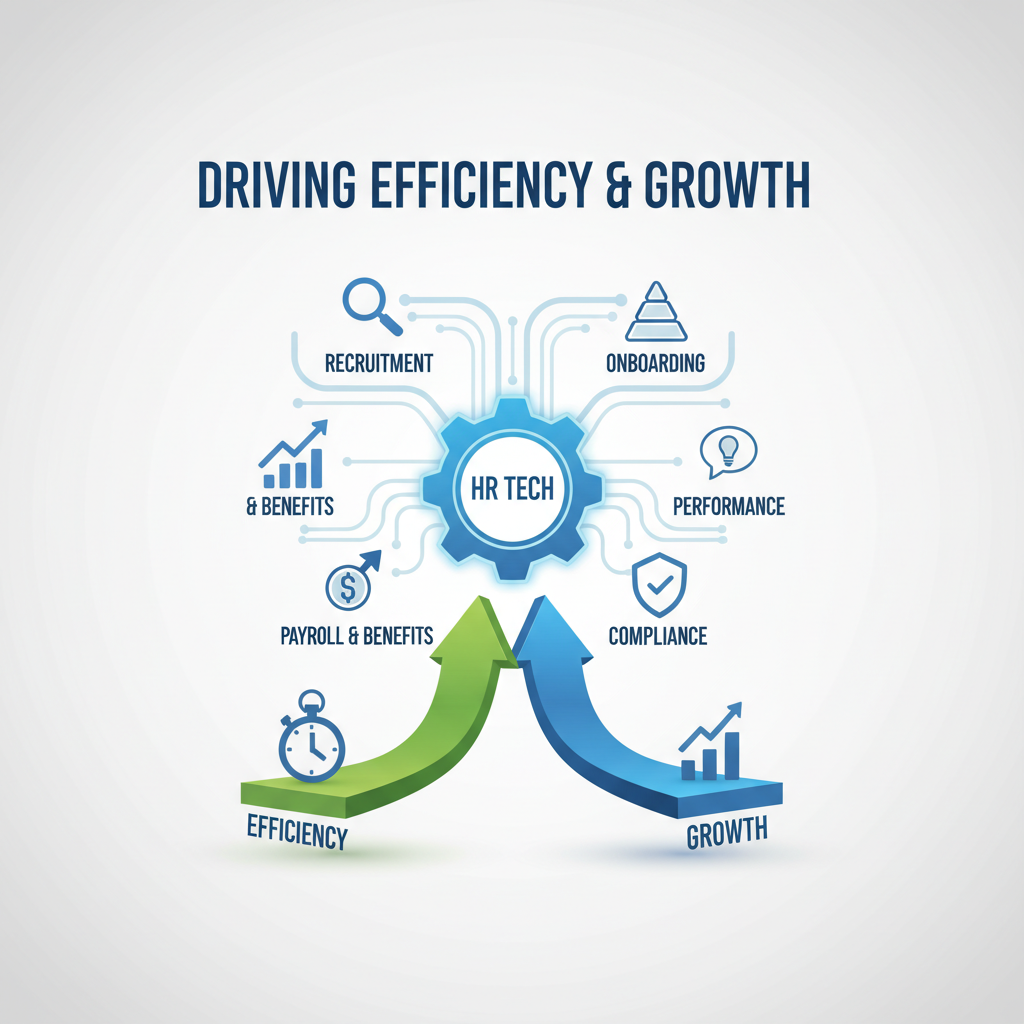
From automating routine administrative tasks to providing deep insights into workforce performance and fostering a culture of engagement, modern HR tools offer a comprehensive suite of solutions tailored to the complexities of the FMCG landscape. Understanding how these applications integrate into daily operations and strategic planning is key to unlocking their full potential and ensuring a competitive edge in Vietnam’s vibrant market.
1. Streamlining administrative tasks and HR workflows
One of the immediate and most tangible benefits of deploying advanced HR tools in FMCG companies is the dramatic streamlining of administrative tasks and HR workflows. Traditional HR functions, often bogged down by manual data entry, paper-based processes, and repetitive tasks, consume valuable time and resources. For FMCG firms in Vietnam, which typically manage a large volume of employees across various roles – from factory workers and logistics personnel to sales teams and marketing professionals – automating these processes is transformative.
Modern HR platforms, including Human Resources Information Systems (HRIS) and Human Capital Management (HCM) suites, centralize employee data, automate payroll processing, manage leave requests, track attendance, and simplify benefits administration. This automation reduces human error, ensures compliance with labor laws, and frees up HR professionals from transactional duties. Instead, HR teams can dedicate their expertise to strategic initiatives such like talent development, succession planning, and organizational design. The result is a more agile and responsive HR department that directly contributes to the operational efficiency of the entire FMCG enterprise.
2. Enhancing data-driven decision making and analytics
In an increasingly data-centric business world, the ability to derive actionable insights from workforce data is a significant competitive advantage. HR tools – applications for FMCG companies in Vietnam are specifically designed to collect, analyze, and present HR-related data in meaningful ways, empowering leaders to make informed, data-driven decisions. These tools can track key metrics such as employee turnover rates, recruitment costs, performance trends, and training effectiveness.
For FMCG companies, understanding these metrics can be crucial. For instance, analyzing sales team performance data can help identify top performers and areas needing additional training, while insights into employee churn can inform retention strategies. Advanced HR analytics capabilities can even predict future workforce needs, allowing companies to proactively address talent gaps and optimize their hiring processes. As highlighted by SHRM, data-driven recruiting and analytics are essential for making strategic talent decisions, providing a clear pathway to optimizing human capital and ensuring the right talent is in the right place at the right time. This strategic foresight is invaluable for FMCG companies operating in fast-paced markets like Vietnam, where talent acquisition and retention directly impact market share and innovation.
3. Improving employee engagement, performance, and experience
Beyond administrative efficiencies and data insights, modern HR tools play a pivotal role in fostering a positive employee experience, boosting engagement, and driving performance across the organization. For FMCG companies, where employee motivation and productivity directly correlate with sales targets and customer satisfaction, investing in tools that support their workforce is critical. These applications encompass a range of functionalities, including performance management systems, learning and development platforms, communication tools, and employee self-service portals.
Performance management tools facilitate continuous feedback, goal setting, and performance reviews, ensuring employees understand their contributions and pathways for growth. Learning Management Systems (LMS) provide accessible training and development opportunities, essential for upskilling sales teams on new product launches or improving operational efficiency in manufacturing. Employee self-service portals empower staff to manage their personal information, access pay slips, and request leave independently, enhancing autonomy and reducing administrative burden on HR. By prioritizing the employee experience, these tools contribute to higher job satisfaction, reduced attrition rates, and ultimately, a more productive and engaged workforce. Leveraging these comprehensive HR tools – applications for FMCG companies in Vietnam allows businesses to build a resilient and high-performing team capable of navigating the market’s demands and securing long-term success.
Selecting the Right HR Tools for Your Vietnamese FMCG
In the dynamic and competitive landscape of Vietnam’s Fast-Moving Consumer Goods (FMCG) sector, operational efficiency and strategic talent management are paramount. As companies strive to optimize their workforce and comply with evolving regulations, the selection of appropriate HR tools – applications for FMCG companies in Vietnam becomes a critical strategic decision. A comprehensive HR software solution can streamline processes from recruitment and payroll to performance management and training, empowering FMCG businesses to attract, retain, and develop their most valuable asset: their people. This guide outlines the essential considerations and evaluation criteria for Vietnamese FMCG companies embarking on this crucial journey, ensuring they choose a system that not only meets current needs but also supports future growth.
1. Scalability, Integration Capabilities, and Future-Proofing
The FMCG sector is characterized by rapid shifts in consumer demand, market expansion, and a frequently evolving workforce. Therefore, the HR tools chosen must possess robust scalability to accommodate fluctuating employee numbers, new business units, and geographical expansion without compromising performance. A system that can effortlessly grow from hundreds to thousands of employees is indispensable for an ambitious Vietnamese FMCG enterprise. Equally vital are strong integration capabilities. Modern HR systems rarely operate in a vacuum; they must seamlessly connect with existing enterprise resource planning (ERP) systems, financial software, payroll modules, and other business-critical applications. This interoperability prevents data silos, reduces manual data entry, minimizes errors, and provides a unified view of organizational data, fostering greater efficiency and informed decision-making across departments.
Furthermore, future-proofing your HR investment is key. Opt for cloud-based solutions that offer regular updates, leverage artificial intelligence (AI) and machine learning (ML) for predictive analytics (e.g., predicting employee turnover or optimizing recruitment), and support mobile access. Such forward-thinking platforms ensure that your HR operations remain agile and competitive, ready to adapt to emerging technological trends and workforce demands in Vietnam’s fast-paced market.
2. Compliance with Vietnamese Regulations and Security Standards
Operating in Vietnam necessitates a deep understanding and strict adherence to local labor laws, social insurance regulations, personal income tax (PIT) policies, and data protection mandates. Choosing HR tools that are explicitly designed and continuously updated to comply with these Vietnamese regulations is non-negotiable. This includes accurate calculations for social insurance, health insurance, unemployment insurance contributions, and PIT deductions, as well as adherence to local leave policies and working hour stipulations. A failure to comply can lead to significant legal penalties, fines, and reputational damage.
Beyond regulatory compliance, robust security standards are paramount, especially concerning employee personal data. With the implementation of regulations like Decree No. 13/2023/ND-CP on personal data protection, safeguarding sensitive information is more critical than ever. The selected HR software must offer advanced security features, including data encryption, access controls, regular security audits, and ideally, data residency options within Vietnam to meet local data governance requirements. Always inquire about a vendor’s data backup and disaster recovery protocols to ensure business continuity and data integrity.
3. Vendor Support, Localization Features, and Cost-Effectiveness
The journey of implementing and utilizing new HR software is continuous, making reliable vendor support indispensable. For Vietnamese FMCG companies, this means seeking vendors who offer robust local support, preferably with a presence in Vietnam, providing assistance in the local language and understanding the nuances of the market. Prompt technical support, comprehensive training programs for HR teams and employees, and accessible documentation are crucial for smooth adoption and ongoing efficiency. Evaluate the vendor’s track record, customer reviews, and their commitment to long-term partnerships.
Localization features extend beyond language. An ideal HR system for Vietnam should support Vietnamese currency formats, local reporting standards (e.g., specific formats for government submissions), and cultural considerations in features like performance reviews or employee recognition. A truly localized solution enhances user experience and reduces the burden on HR staff. Finally, cost-effectiveness must be assessed beyond the initial price tag. Consider the total cost of ownership (TCO), which includes implementation fees, subscription costs, training, maintenance, and potential customization expenses. A solution that offers a strong return on investment (ROI) through improved efficiency, reduced errors, and enhanced talent management will prove more valuable in the long run, positioning your HR operations as a strategic asset rather than a cost center for your Vietnamese FMCG business.
Future Trends and Implementation Strategies for HR Tech
The fast-paced consumer goods (FMCG) sector in Vietnam is at the cusp of a significant transformation, driven by advancements in Human Resources (HR) technology. As companies strive for agility, efficiency, and competitive advantage, the adoption of sophisticated HR tools – applications for FMCG companies in Vietnam is no longer a luxury but a strategic imperative. Future-proofing HR operations involves embracing emerging trends like Artificial Intelligence (AI) and automation, alongside implementing robust strategies for successful integration and maximizing return on investment.

1. Leveraging AI and automation in recruitment and operations
AI and automation are revolutionizing HR across all functions, offering unprecedented opportunities for FMCG companies in Vietnam. In recruitment, AI-powered tools can streamline candidate sourcing, screen resumes more efficiently, and even conduct initial interviews using chatbots, significantly reducing time-to-hire and bias. For instance, AI can analyze a candidate’s language patterns and responses to predict job fit, enhancing the quality of hires. Automation extends to administrative tasks such as payroll processing, benefits administration, and compliance management, freeing up HR professionals to focus on strategic initiatives like talent development and employee engagement.
Beyond recruitment, AI can play a pivotal role in performance management by providing data-driven insights into employee productivity and development needs. Predictive analytics can identify flight risks, allowing companies to intervene proactively and improve retention. In operations, automated workflows for onboarding, offboarding, and leave requests can drastically improve efficiency and employee experience. The integration of AI in learning and development can personalize training paths, recommending courses and resources based on individual performance gaps and career aspirations. Gartner highlights the strategic importance of AI in HR, predicting its widespread adoption in areas like personalized employee experiences and skill development platforms.
2. Change management and user adoption best practices
Implementing new HR technology, especially advanced HR tools – applications for FMCG companies in Vietnam, requires a meticulous approach to change management. Resistance to new systems is common, and successful adoption hinges on careful planning and execution. Key best practices include:
- Strong Leadership Buy-in: Secure executive sponsorship to champion the initiative, demonstrating the company’s commitment to the new technology.
- Clear Communication Strategy: Articulate the ‘why’ behind the change. Explain how the new tools will benefit employees, enhance their work, and contribute to the company’s success. Transparency is crucial.
- Comprehensive Training Programs: Provide adequate and accessible training for all users. This should include hands-on sessions, user manuals, and ongoing support. Consider a phased rollout to allow users to adapt gradually.
- Pilot Programs: Introduce the new system to a small group of early adopters first. Their feedback can help refine the implementation process and identify potential issues before a company-wide rollout.
- User-Centric Design: Whenever possible, involve end-users in the selection and customization process to ensure the tools meet their needs and are intuitive to use.
- Feedback Mechanisms: Establish channels for continuous feedback and be prepared to make adjustments. Celebrate small wins and acknowledge progress to maintain momentum and morale.
3. Measuring Return on Investment (ROI) of HR tool investments
Justifying the investment in new HR technology requires a clear understanding of its ROI. FMCG companies in Vietnam must establish measurable metrics before, during, and after implementation to assess the true impact of their HR tools – applications for FMCG companies in Vietnam. Key performance indicators (KPIs) to consider include:
- Efficiency Gains: Track reductions in time spent on administrative tasks (e.g., payroll processing time, time-to-hire, time spent on performance reviews).
- Cost Savings: Quantify savings from reduced recruitment agency fees, lower error rates in payroll, decreased training costs through e-learning platforms, or reduced employee turnover.
- Employee Experience & Engagement: Measure improvements in employee satisfaction scores, retention rates, and engagement levels. Reduced absenteeism can also be a key indicator.
- Talent Quality: Assess the quality of hires, performance scores of new employees, and internal promotion rates.
- Compliance & Risk Mitigation: Evaluate the impact on reducing compliance risks and ensuring adherence to labor laws.
- Data-Driven Decision Making: Measure the ability of HR to provide actionable insights to business leaders, improving strategic workforce planning.
By meticulously tracking these metrics, FMCG companies can demonstrate the tangible value of HR tech investments, ensuring they are not just expenses but strategic assets driving business growth and sustainability in a competitive market.
Partner with Shelby Global
You are looking for reliable HR Sevice Suppliers? Contact Shelby Global Now! To connect with verified talents and upgrade your orginization.
—————————————
References
– Vietnamese labor market: https://www.ilo.org/hanoi/areas/labour-market-information/lang–en/index.htm
– Deloitte Global Human Capital Trends Report: https://www2.deloitte.com/us/en/insights/topics/talent/global-human-capital-trends.html
– SHRM, data-driven recruiting and analytics: https://www.shrm.org/topics-tools/hr-topics/talent-acquisition/data-driven-recruiting-analytics
– PwC Vietnam: Decree No. 13/2023/ND-CP on personal data protection: https://www.pwc.com/vn/en/services/tax/vietnam-tax-news/2023/decree-no-13-2023-nd-cp-on-personal-data-protection.html
– Gartner: Top 5 HR Trends for 2024: https://www.gartner.com/smarterwithgartner/the-top-5-hr-trends-for-2024