Understanding Unique HR Challenges in Vietnam’s F&B Sector
Vietnam’s Food & Beverage (F&B) sector is a dynamic and rapidly expanding industry, fueled by a growing middle class, increasing tourism, and a vibrant culinary scene. However, beneath this exciting facade lies a complex landscape of human resource challenges that can significantly impact the operational efficiency and profitability of F&B businesses. From bustling street food stalls to high-end restaurants and international hotel chains, each sub-sector grapples with unique HR hurdles. Addressing these effectively is crucial for sustained success and requires a strategic approach, often leveraging advanced HR tools – applications for Food & Beverage field in vietnam tailored to the local context. Understanding these specific obstacles sets the stage for identifying appropriate HR tool solutions.
1. High Staff Turnover and Retention Issues in Hospitality
One of the most pressing HR challenges in Vietnam’s F&B and hospitality sector is the alarmingly high rate of staff turnover. This phenomenon stems from several factors, including the demanding nature of the work, often involving long and irregular hours, relatively low entry-level wages, and a perception among some young professionals that F&B roles offer limited career progression compared to other industries. Employees, particularly those in entry-level positions like waiters, cooks, and baristas, frequently move between establishments in search of marginally better pay, more convenient locations, or improved working conditions. For businesses, high turnover translates into significant costs associated with recruitment, onboarding, and training new staff, not to mention the detrimental impact on service quality, team morale, and customer experience. Retaining talent requires more than just competitive salaries; it demands robust engagement strategies, clear career development paths, and positive workplace culture, areas where specialized HR tools can provide invaluable support by tracking employee satisfaction and performance.
2. Skill Gaps and Training Needs for Local F&B Workforce
While Vietnam boasts a large and eager workforce, there’s often a significant skill gap between the available talent and the specific requirements of a modern, competitive F&B environment. This is particularly true for roles demanding international standards of service, culinary expertise, and managerial acumen. Common areas of deficiency include advanced culinary techniques, precise customer service etiquette, English language proficiency (crucial in tourist-heavy areas), and understanding of international hygiene and food safety protocols. Furthermore, leadership and management skills for supervisory roles are often underdeveloped, hindering effective team management and operational efficiency. Continuous training and development programs are essential to bridge these gaps. Investing in structured vocational training, on-the-job coaching, and specialized workshops can elevate the overall competency of the workforce. However, designing, delivering, and tracking the effectiveness of such programs efficiently often necessitates dedicated HR applications that can manage training modules, certifications, and employee skill matrices.
3. Navigating Vietnamese Labor Laws and Compliance Regulations
Operating an F&B business in Vietnam means meticulously adhering to a complex and evolving framework of labor laws and compliance regulations. For foreign investors and even local entrepreneurs, understanding and implementing these laws can be a formidable task. Areas of particular concern include employment contracts (temporary vs. indefinite), working hours and overtime pay, social insurance contributions, mandatory health insurance, union representation, and termination procedures. Violations, whether intentional or accidental, can lead to substantial fines, legal disputes, and reputational damage. The nuances of Vietnamese labor law require careful attention, especially regarding foreign employee regulations, minimum wage adjustments, and specific industry-related safety standards. Businesses must stay updated with legislative changes and ensure their HR practices are fully compliant. Leveraging HR software solutions that automate compliance checks, maintain accurate employee records, and generate compliant contracts can significantly mitigate legal risks and ensure smooth operations within the Vietnamese legal landscape. For a comprehensive overview, resources like Vietnam’s Labor Law: A Comprehensive Guide are indispensable for businesses navigating this intricate legal environment.
Effectively addressing these challenges requires more than just traditional HR approaches. It necessitates a proactive and tech-driven strategy, employing modern HR tools designed to streamline processes, enhance employee engagement, facilitate training, and ensure regulatory compliance. The next section will delve into specific HR tools and applications that can serve as pivotal solutions for F&B businesses in Vietnam.
Essential HR Tools for Recruitment & Onboarding Efficiency
The dynamic and fast-paced nature of the Food & Beverage (F&B) industry in Vietnam demands equally agile and efficient HR processes. From high employee turnover rates to the constant need for skilled customer-facing staff and back-of-house culinary talent, F&B businesses face unique recruitment and onboarding challenges. Leveraging the right HR tools – applications for the Food & Beverage field in Vietnam – is no longer a luxury but a necessity for attracting, hiring, and seamlessly integrating new employees. These technology solutions not only streamline operations but also significantly enhance the candidate and new hire experience, crucial for talent retention in a competitive market.
1. Applicant Tracking Systems (ATS) Tailored for F&B Roles
Applicant Tracking Systems (ATS) have become indispensable for modern recruitment, and their value is amplified within the F&B sector. For restaurants, cafes, and hospitality groups in Vietnam, an ATS simplifies the often-overwhelming influx of applications for various roles, from part-time servers and baristas to experienced chefs and restaurant managers. A tailored ATS allows F&B businesses to:
- Centralize Applications: Gather all candidate information from multiple sources (job boards, career pages, referrals) into a single, organized database.
- Streamline Screening: Utilize customizable filters and keywords to quickly identify candidates with relevant experience, skills, and availability (e.g., specific cuisine expertise, shift flexibility).
- Enhance Communication: Automate personalized responses, interview invitations, and follow-ups, ensuring candidates feel valued and informed throughout the process, which is vital for maintaining a positive employer brand.
- Facilitate Collaboration: Enable hiring managers and HR teams to easily review profiles, leave feedback, and schedule interviews, significantly reducing time-to-hire.
Platforms offering mobile-friendly application processes are particularly beneficial, catering to a workforce that often applies on-the-go. Integrating with local job portals and social media platforms popular in Vietnam further extends reach, helping F&B establishments efficiently find the right talent faster. To explore more about specific HR tools – applications for Food & Beverage field in Vietnam, visit our resources.
2. Digital Onboarding Platforms for Seamless Staff Integration
Once hired, the journey to becoming a productive team member begins with effective onboarding. In the F&B industry, where new hires often need to hit the ground running, digital onboarding platforms are transformative. They replace cumbersome paperwork and redundant orientation sessions with an efficient, engaging, and compliant digital experience. Key benefits for F&B businesses include:
- Automated Paperwork: Digitize and automate the completion of employment contracts, tax forms, payroll setup, and company policy acknowledgments. This saves significant administrative time and reduces errors, ensuring compliance with Vietnamese labor laws.
- Consistent Information Delivery: Provide new hires with access to essential information like company culture guides, organizational charts, training materials (e.g., menu knowledge, service standards, hygiene protocols), and key contact details before their first day.
- Improved Engagement: Create a welcoming experience with personalized messages, virtual tours, and introductions to team members, fostering a sense of belonging from day one. This proactive engagement is crucial for reducing early attrition in a sector known for high turnover.
- Faster Time-to-Productivity: By completing administrative tasks and initial training digitally, new staff can focus on hands-on learning and contributing to the team much faster, directly impacting service quality and operational efficiency.
These platforms ensure that new F&B employees are well-prepared and understand their roles and the company’s expectations from day one, leading to higher job satisfaction and longer tenure.
3. Automated Background Checks and Verification Services
Trust and reliability are paramount in the F&B industry, especially for roles that involve direct customer interaction, handling cash, or accessing sensitive areas. Traditional manual background checks can be time-consuming, inconsistent, and challenging to conduct effectively in a rapid hiring environment like F&B in Vietnam. Automated background check and verification services offer a robust solution:
- Speed and Efficiency: Conduct quick and thorough checks on potential employees, including criminal records, employment history, and educational qualifications, often within a matter of days rather than weeks. This accelerates the hiring process without compromising diligence.
- Enhanced Compliance: Ensure all checks adhere to local privacy regulations and labor laws in Vietnam, providing peace of mind and reducing legal risks for the business.
- Risk Mitigation: Help safeguard your business, customers, and existing staff by verifying candidates’ claims and identifying any red flags that could pose a threat to your establishment’s reputation or operational integrity.
- Reliable Verification: Beyond basic checks, these services can also verify professional licenses (e.g., for specialized chefs) or conduct reference checks, providing a more comprehensive view of a candidate’s suitability.
By integrating these services, F&B businesses can make informed hiring decisions more confidently and efficiently, enhancing recruitment efficiency and ensuring a trustworthy and professional workforce. Implementing effective HR tools for recruitment is a strategic investment that pays dividends in operational excellence and staff stability.
Streamlining Workforce Management & Operations with HR Tech
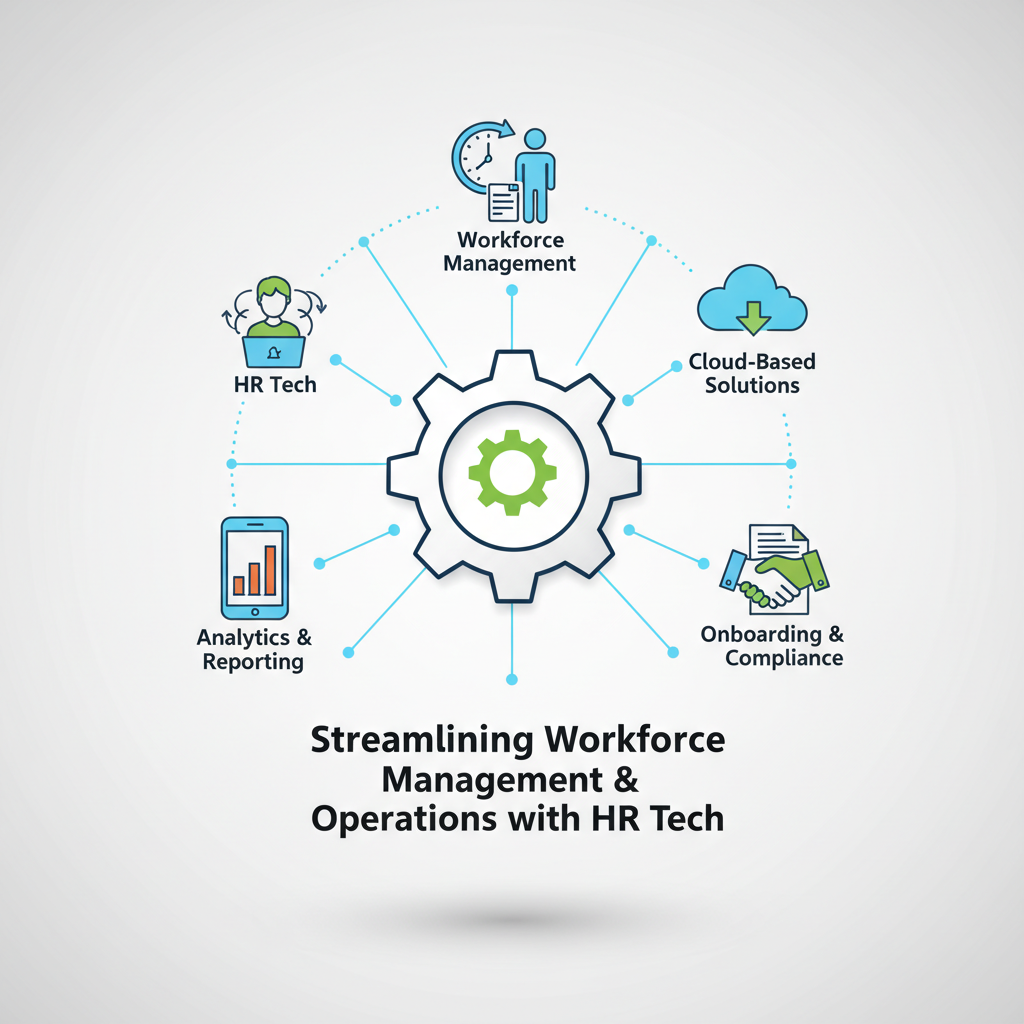
In Vietnam’s dynamic and competitive Food & Beverage (F&B) sector, efficient workforce management is not just an advantage—it’s a necessity. From bustling street food vendors to high-end dining establishments, managing diverse staff, unpredictable peak hours, and ensuring consistent service quality poses significant operational challenges. This is where modern HR tools – applications for Food & Beverage field in Vietnam come into play, offering sophisticated solutions to optimize daily operations, streamline scheduling, enhance time tracking, and elevate performance management for F&B staff.
Adopting specialized HR technology allows businesses to move beyond manual, time-consuming processes, embracing automation and data-driven insights. These innovations empower F&B businesses to not only reduce administrative burdens but also to foster a more productive, engaged, and compliant workforce. Let’s delve into the key HR tech solutions that are reshaping workforce management in the Vietnamese F&B landscape.
1. Employee Scheduling and Time & Attendance Software
For F&B establishments, effective scheduling is akin to a well-choreographed dance, crucial for smooth service delivery and optimal staffing levels. Employee scheduling software provides powerful capabilities to create optimized schedules that factor in employee availability, skill sets, labor costs, and predicted customer demand. This ensures that the right number of staff, with the appropriate skills, are always on hand, preventing both understaffing (leading to poor service) and overstaffing (leading to unnecessary labor costs).
Integrated time & attendance solutions further revolutionize this aspect by offering accurate, real-time tracking of employee hours. Utilizing features like biometric scanners, mobile clock-ins with geofencing, or digital kiosks, F&B businesses can precisely record start and end times, breaks, and overtime. This precision not only simplifies payroll processing but also ensures compliance with Vietnamese labor laws regarding working hours and rest periods. By eliminating manual timesheets, these HR tools – applications for Food & Beverage field in Vietnam minimize errors, reduce time theft, and provide transparent data for better operational planning. The ability to quickly adjust schedules based on real-time data, like unexpected surges in customer traffic or staff call-outs, allows F&B managers to maintain operational agility and service excellence.
2. Performance Management and Continuous Feedback Systems
In an industry known for high staff turnover, retaining talent and fostering professional growth are paramount. Performance management and continuous feedback systems offer structured frameworks to evaluate, develop, and motivate F&B staff. These systems move beyond traditional annual reviews, promoting ongoing conversations, goal setting, and real-time feedback that are essential for continuous improvement.
For F&B employees, regular feedback on service quality, upselling techniques, kitchen efficiency, and teamwork can significantly boost morale and competence. Managers can set clear, measurable goals for individuals and teams, tracking progress and providing constructive input through digital platforms. Furthermore, these systems often include peer feedback functionalities, encouraging a culture of shared responsibility and mutual support. By providing employees with clear development paths and recognition for their efforts, F&B businesses can enhance employee engagement, reduce turnover, and cultivate a highly skilled workforce, directly impacting customer satisfaction and business profitability. This proactive approach to talent development is crucial to reshape restaurant operations and secure a competitive edge.
3. Integrated Payroll & Benefits Administration Solutions
Managing payroll and benefits in Vietnam’s F&B sector can be complex, involving various allowances, deductions, and adherence to evolving labor regulations. Integrated payroll & benefits administration solutions simplify this intricate process by automating calculations, tax withholdings, and contributions to social insurance and health insurance schemes.
These comprehensive HR tools – applications for Food & Beverage field in Vietnam integrate seamlessly with time & attendance data, ensuring accurate and timely compensation for all employees. Beyond just salaries, they manage benefits administration, including leave entitlements, bonuses, and other perks specific to the F&B industry. The automation significantly reduces the risk of human error, ensuring compliance with local regulations and preventing costly penalties. For employees, timely and accurate paychecks contribute significantly to job satisfaction and trust in their employer. For businesses, the reduction in administrative overhead allows HR and management to focus on strategic initiatives rather than getting bogged down in repetitive, manual tasks. This holistic approach ensures financial accuracy, legal compliance, and a positive employee experience, all critical for a thriving F&B operation.
In conclusion, the strategic adoption of modern HR tech solutions is indispensable for F&B businesses in Vietnam aiming for operational excellence and sustainable growth. By streamlining core HR functions from scheduling and time tracking to performance management and payroll, these specialized HR tools empower F&B establishments to build a more efficient, engaged, and compliant workforce, ultimately delivering superior customer experiences and driving business success.
Enhancing Employee Engagement & Development in F&B
The vibrant F&B sector in Vietnam faces challenges like high staff turnover and the need for continuous skill development. To thrive, strategic HR initiatives powered by modern HR tools – applications for Food & Beverage field in vietnam are crucial. Investing in employee engagement and development significantly fosters a positive work environment, supports professional growth, and improves employee satisfaction and retention within Vietnamese F&B businesses.
Modern HR tools offer tailored solutions to manage F&B’s most valuable asset: its people. By streamlining processes, enhancing communication, and providing structured growth pathways, these applications empower employees, elevate service quality, and directly impact profitability. Let’s explore key HR tools proving indispensable in the Vietnamese F&B landscape.
1. Learning Management Systems (LMS) for Hospitality Training
Ongoing training is critical in F&B, covering everything from new menus to hygiene standards and customer service. Learning Management Systems (LMS) provide a centralized platform for delivering, tracking, and managing all training. For Vietnamese F&B businesses, an LMS can host modules for:
- Standard Operating Procedures (SOPs): Ensuring consistency across outlets.
- Menu Knowledge & Upselling: Empowering staff to confidently describe dishes and increase check sizes.
- Customer Service Excellence: Training tailored to Vietnamese hospitality expectations.
- Food Safety & Hygiene: Critical, easily updated, and trackable for compliance.
An LMS offers employees flexible learning via smartphones or tablets, ideal for shift workers. This commitment to professional development enhances capabilities, signals that growth is valued, and leads to higher job satisfaction and lower turnover. A well-implemented LMS fosters a culture of continuous improvement, vital for F&B success.
2. Employee Communication & Collaboration Platforms
Effective communication is the lifeblood of F&B; miscommunications lead to chaos and unhappy customers. Employee communication and collaboration platforms provide a structured way for teams to connect, share information, and coordinate tasks. For F&B teams in Vietnam, these platforms facilitate:
- Real-time Announcements: Quickly disseminate updates on daily specials, stock, or policy changes.
- Shift Management & Scheduling: Tools for publishing schedules, requesting swaps, and tracking attendance.
- Task Management: Assigning duties and tracking completion for various operational checks.
- Feedback Channels: Creating channels for employees to provide feedback or share ideas, fostering ownership.
By centralizing communication, these platforms minimize misunderstandings and ensure everyone is informed. This leads to improved operational efficiency, a more cohesive team, and better service delivery. Mobile-first tools are especially effective in Vietnam, given high mobile penetration, keeping staff connected.
3. Recognition and Rewards Programs to Boost Morale
Employee recognition is a powerful, yet often underutilized, tool for boosting morale and retention in the demanding F&B industry. Research consistently shows that employees who feel appreciated are more engaged and less likely to leave. HR tools for recognition and rewards programs allow F&B businesses to:
- Implement Peer-to-Peer Recognition: Empowering colleagues to acknowledge efforts, fostering a supportive culture.
- Automate Performance-Based Rewards: Systems to reward staff for targets like excellent reviews or high sales.
- Create Gamified Incentives: Friendly competitions with tangible rewards (e.g., gift vouchers, extra days off).
- Centralize Employee of the Month/Quarter Programs: Easily nominate, track, and celebrate top performers.
Structured recognition via dedicated HR tools integrates appreciation into company culture. This boosts individual morale, strengthens team cohesion, and combats high turnover. Tailoring rewards to cultural preferences and local values in Vietnam enhances impact.
In conclusion, deploying modern HR tools – applications for Food & Beverage field in vietnam is essential for sustainable growth. Leveraging Learning Management Systems, Communication & Collaboration Platforms, and Recognition & Rewards Programs creates an environment where employees feel valued, developed, and connected. This proactive approach to human capital management builds a resilient, skilled, and engaged team, driving long-term success in Vietnam’s competitive F&B market.
Future Trends & Selecting the Right HR Tools for 2026
Discuss emerging trends in HR technology for F&B and provide guidance on how businesses can choose the most suitable applications for their specific needs in Vietnam by 2026.
The Food & Beverage (F&B) sector in Vietnam is experiencing rapid growth, driven by evolving consumer demands and a competitive talent landscape. To stay ahead, businesses must embrace cutting-edge HR technology. By 2026, selecting and implementing advanced HR tools – applications for Food & Beverage field in Vietnam will be crucial for optimizing operations, enhancing employee experience, and ensuring sustainable growth. This section explores key trends shaping HR technology and offers practical advice for F&B businesses in Vietnam to make informed decisions.
1. Leveraging AI and Automation in F&B HR Processes
Artificial Intelligence (AI) and automation are no longer futuristic concepts but essential components of modern HR. For the F&B industry in Vietnam, AI-powered HR tools can revolutionize everything from recruitment to performance management. Imagine AI screening resumes for relevant hospitality skills, or chatbots providing instant answers to common employee queries about shifts, payroll, or company policies. Automation can streamline repetitive tasks such as onboarding paperwork, leave requests, and scheduling, freeing up HR professionals for strategic initiatives like talent development and employee engagement. Predictive analytics, another AI application, can help F&B businesses anticipate staffing needs, reduce turnover by identifying at-risk employees, and personalize training programs. Embracing these technologies is not just about efficiency; it’s about creating a more responsive, data-driven, and engaging workplace. For a deeper dive into how AI is transforming HR, an insightful report by Deloitte highlights the immense potential of AI in human resources, a trend rapidly gaining traction in Vietnam’s dynamic F&B sector.
2. Integrated HRIS Solutions for Holistic Management
The days of disparate HR systems are fading. By 2026, F&B businesses in Vietnam will increasingly demand integrated Human Resources Information Systems (HRIS) that offer a unified platform for all HR functions. These comprehensive HR tools – applications for Food & Beverage field in Vietnam combine payroll, time and attendance, benefits administration, performance management, and learning and development into a single, cohesive system. For F&B, this integration is particularly valuable, given the high volume of hourly workers, fluctuating schedules, and diverse skill sets. A truly integrated HRIS provides real-time insights into labor costs, employee productivity across multiple outlets, and compliance with Vietnamese labor laws. It eliminates manual data entry, reduces errors, and ensures data consistency. Such holistic management empowers F&B leaders with a 360-degree view of their workforce, enabling better decision-making and a more seamless employee experience. When evaluating HRIS solutions, F&B operators in Vietnam should prioritize vendors offering robust integration capabilities and a user-friendly interface tailored to their operational complexities.
3. Key Considerations for Implementation, Scalability, and ROI
Selecting the right HR tools for your F&B business in Vietnam involves more than just identifying trending technologies. A strategic approach is vital for successful implementation, long-term scalability, and demonstrating clear return on investment (ROI). Firstly, consider your specific needs: What are your current HR pain points? Prioritize solutions that directly address these challenges, whether it’s better payroll processing, improved staff scheduling, or enhanced talent retention. Secondly, evaluate the scalability of chosen HR tools. As your F&B business grows, can the system accommodate more employees, new locations, and evolving HR requirements without significant overhaul? Cloud-based solutions often offer superior scalability and flexibility. Thirdly, calculate potential ROI. This includes not just cost savings from automation, but also benefits like reduced employee turnover, improved productivity, better compliance, and a stronger employer brand. Conduct thorough vendor research, seek references from other F&B businesses, and ensure the vendor provides strong local support and training, crucial in the Vietnamese market. Pilot programs can offer invaluable insights before a full-scale rollout. Ultimately, the best HR tools – applications for Food & Beverage field in Vietnam will align with your strategic goals, offer seamless integration, and provide a clear pathway to measurable success.
The future of HR in Vietnam’s F&B sector is bright with innovation. By strategically adopting AI-powered automation, embracing integrated HRIS solutions, and meticulously considering implementation, scalability, and ROI, F&B businesses can transform their human resource management. This proactive approach will not only streamline operations and reduce costs but also cultivate a thriving workforce, positioning companies for competitive advantage and sustained success in the dynamic Vietnamese market by 2026.
Partner with Shelby Global
You are looking for reliable HR Sevice Suppliers? Contact Shelby Global Now! To connect with verified talents and upgrade your orginization.
—————————————
References
– :
– SHRM: The Case for HR Technology: https://www.shrm.org/resources-and-tools/hr-topics/technology/pages/the-case-for-hr-technology.aspx
– reshape restaurant operations: https://hospitalitytech.com/how-hr-tech-reshaping-restaurant-operations
– Gallup’s research on employee recognition: https://www.gallup.com/workplace/238072/why-recognition-mattes-beyond-money.aspx
– Deloitte highlights the immense potential of AI in human resources: https://www2.deloitte.com/us/en/pages/human-capital/articles/ai-in-hr.html