

Understanding the Unique HR Landscape for IT in Vietnam
Vietnam’s IT sector is experiencing a remarkable boom, transforming the nation into a prominent digital hub in Southeast Asia. This rapid expansion, fueled by significant foreign investment and government support, creates a dynamic yet complex environment for human resources. For companies operating within this vibrant ecosystem, generic HR practices simply won’t suffice. The unique blend of opportunities and challenges necessitates specialized HR tools – applications for IT field in vietnam to effectively manage talent, foster growth, and maintain competitive advantage. Understanding this distinct landscape is crucial for building a resilient and high-performing IT workforce.
-
Growth of Vietnam’s IT Sector & Talent Demand
The past decade has seen an exponential surge in Vietnam’s IT industry, driven by global digitalization and a strategic government focus on becoming a high-tech nation. This growth has attracted substantial investment and fostered a robust startup ecosystem, leading to an insatiable demand for skilled IT professionals across various domains. Vietnam’s young, tech-savvy workforce, coupled with competitive operational costs, makes it an attractive destination for IT outsourcing and product development. However, this intense growth means companies are in a fierce battle for IT talent acquisition. Effective strategies and robust workforce planning IT Vietnam are critical to meeting project demands and scaling operations successfully. The continuous expansion often sees demand outpacing the supply of highly specialized skills, placing immense pressure on HR departments to innovate their recruitment processes.
The World Bank highlights Vietnam’s significant progress in digital transformation, underpinning the IT sector’s expansion and accelerating the need for a skilled workforce. (World Bank: Vietnam Overview)
-
Specific Challenges in Tech HR (Retention, Skill Gaps)
Despite the vibrant talent pool, HR professionals in Vietnam’s IT sector face unique hurdles. Employee retention is a primary concern; high demand for skilled individuals often leads to job hopping as professionals seek better compensation and career advancement. Companies grapple with high turnover, impacting project continuity and team morale. Developing effective employee retention strategies is paramount to prevent the loss of valuable knowledge. Furthermore, a significant skill gap persists between academic output and rapidly evolving industry demands, particularly in emerging technologies. This necessitates robust skill development programs and continuous upskilling initiatives. Addressing these HR challenges IT sector requires comprehensive HR solutions that focus on growth, positive culture, and effective performance management software.
The competition for specialized roles makes tech recruitment Vietnam particularly challenging. HR departments must not only attract but also quickly onboard and integrate new hires. Utilizing advanced HR technology solutions is essential to streamline these processes. Effective compensation and benefits tech strategies are crucial for attracting and retaining top talent.
-
Impact of Remote Work and Globalization on HR Needs
The global shift towards remote work has profoundly reshaped HR practices in Vietnam’s IT sector. Many tech companies now operate with distributed teams, hiring talent nationally or globally. This introduces complexities in remote HR management, including maintaining cohesion, communication, productivity, and navigating time zones. Globalization also means Vietnamese IT professionals are increasingly sought after by international companies, intensifying talent competition but also opening avenues for global talent sourcing for local firms. HR departments must contend with international compliance, cross-cultural communication, and equitable treatment for all employees.
Robust HR technology solutions are now a necessity for managing dispersed workforces. Tools for HR analytics for tech provide crucial insights into workforce performance and retention, enabling data-driven decisions. Understanding local labor laws and ensuring compliance HR Vietnam is paramount, especially with mixed local and international teams. Investing in specialized HR tools – applications for IT field in vietnam that handle complex payroll, benefits, performance tracking, and communication for a globalized, remote-first workforce is essential for sustainable success.
In conclusion, the distinctive nature of Vietnam’s IT sector – characterized by explosive growth, intense talent competition, skill disparities, and the pervasive influence of remote work and globalization – underscores the critical need for advanced HR methodologies and supporting technologies. Generic HR approaches will inevitably fall short. By adopting specialized HR tools – applications for IT field in vietnam, companies can not only navigate this complex environment but also transform potential obstacles into strategic advantages, ensuring they attract, retain, and develop the talent essential for future success in this promising market.
Essential HR Tools for Recruitment & Onboarding in IT
Explore the critical HR applications that streamline talent acquisition and integrate new hires smoothly into fast-paced IT environments in Vietnam.
In Vietnam’s booming technology sector, the competition for skilled IT professionals is fierce. To attract, hire, and retain top talent, IT companies must leverage advanced HR tools – applications for IT field in Vietnam. These solutions are no longer just administrative aids; they are strategic assets that drive efficiency, enhance candidate experience, and ensure seamless integration of new team members. From initial outreach to a new hire’s first day, the right HR tools – applications for IT field in Vietnam are crucial for navigating the complexities of modern tech recruitment and onboarding, especially in a dynamic market like Vietnam. Embracing robust HR tech Vietnam enables companies to stay agile, reduce time-to-hire, and build a strong, productive workforce.
1. Applicant Tracking Systems (ATS) for Tech Talent
Applicant Tracking Systems (ATS) are the cornerstone of efficient IT recruitment software. For IT companies in Vietnam, an ATS is indispensable for managing the high volume of applications and complex hiring processes characteristic of the tech industry. These powerful talent acquisition tools automate various stages, from resume parsing and keyword screening to candidate communication and interview scheduling. An effective ATS helps HR teams quickly identify qualified candidates by filtering based on specific technical skills, programming languages, and project experiences relevant to IT roles. This not only saves valuable time but also ensures that no promising candidate is overlooked. Advanced applicant tracking systems Vietnam also offer customizable workflows, allowing companies to tailor their recruitment process to the unique demands of software development, cybersecurity, or data science roles, making them essential recruitment software for tech companies.
Furthermore, an ATS significantly enhances the candidate experience, which is vital for attracting top tech talent. By providing a streamlined application process and regular updates, an ATS keeps candidates engaged and informed. This is particularly important in a competitive market where candidates often apply to multiple companies simultaneously. Integrating an ATS with other HR tools – applications for IT field in Vietnam creates a centralized hub for all recruitment activities, making it easier to track progress, collaborate with hiring managers, and analyze recruitment metrics. Understanding the impact of such systems on overall HR efficiency is well-documented; for instance, industry reports highlight how digital transformation in HR, including ATS adoption, significantly boosts recruitment effectiveness. Leveraging these systems effectively is key to successful Vietnam tech hiring and building a strong pipeline of IT professionals.
2. Digital Onboarding Platforms & E-signatures
Once a candidate accepts an offer, the next critical phase is onboarding. Digital onboarding platforms are essential onboarding solutions IT for ensuring a smooth, paperless, and engaging welcome for new hires in fast-paced IT environments. These platforms automate the often cumbersome administrative tasks associated with joining a new company, from collecting personal information and tax documents to setting up payroll and benefits. Crucially, they integrate e-signature for HR capabilities, allowing new employees to legally sign all necessary documents remotely, securely, and efficiently. This eliminates the need for physical paperwork, a significant advantage for IT companies that often hire remote talent or need to expedite the process.
Beyond paperwork, digital onboarding platforms play a pivotal role in workforce integration Vietnam. They can host welcome videos, company policies, training modules, and introductions to key team members, all accessible from day one. This proactive approach helps new IT professionals quickly acclimate to the company culture, understand their roles, and get up to speed with relevant projects and tools. For HR tools – applications for IT field in Vietnam, these platforms also provide checklists and progress trackers for HR, ensuring all pre-boarding and onboarding tasks are completed promptly. The result is a more positive new hire experience, reduced time-to-productivity, and a higher retention rate, all crucial for maintaining a competitive edge in HR automation IT within Vietnam’s tech industry.
3. AI-powered Sourcing and Candidate Experience Tools
The frontier of HR tools – applications for IT field in Vietnam includes Artificial Intelligence (AI) to revolutionize both sourcing and the overall candidate experience. AI-powered sourcing tools can scour vast databases, social media, and professional networks to identify passive candidates who possess the exact technical skills and experience required for specialized IT roles. These AI recruiting tools go beyond keyword matching, using machine learning to understand nuances in profiles and predict candidate suitability, significantly broadening the talent pool for IT recruitment software. This is particularly valuable in Vietnam where specific tech skill sets can be in high demand and short supply.
Moreover, AI is transforming the candidate experience software. Chatbots, for instance, can provide instant answers to frequently asked questions about job descriptions, company culture, or application status, offering 24/7 support and improving response times. This personalized, immediate interaction leaves a positive impression and keeps candidates engaged throughout the hiring journey. AI also assists in resume screening, interview scheduling, and even predicting interview success, freeing up recruiters to focus on strategic tasks like building relationships and conducting in-depth assessments. By adopting these advanced digital HR platforms, IT companies in Vietnam can not only streamline their recruitment processes but also differentiate themselves as forward-thinking employers, attracting a higher caliber of tech talent and reinforcing their commitment to innovation in HR tech Vietnam.
Streamlining Core HR Operations: Payroll & Administration
In Vietnam’s rapidly evolving IT sector, efficient management of fundamental HR tasks is paramount. As IT firms scale, the complexities of payroll, benefits, and employee data management can quickly overwhelm manual processes. This section delves into essential HR tools – applications for IT field in vietnam designed to automate and simplify these critical functions, ensuring not only operational efficiency but also robust compliance with local regulations. By embracing these digital HR management software solutions, IT companies can free up valuable HR time, reduce errors, and enhance the overall employee experience, solidifying their foundation for sustained growth. From precise payroll software vietnam to comprehensive HR automation solutions, the right technology is key to navigating the unique HR landscape of the Vietnamese IT industry.
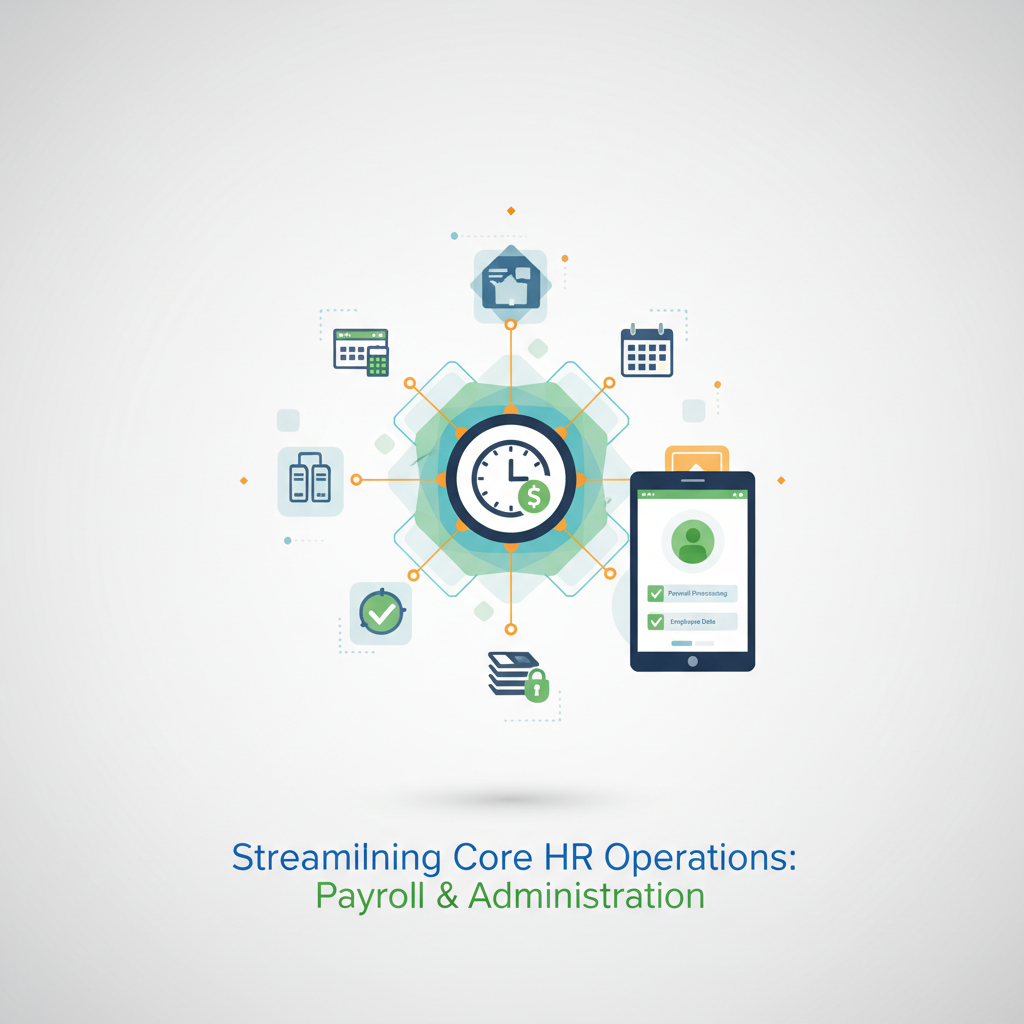
1. Integrated Payroll & Benefits Management Solutions
Modern IT firms in Vietnam require more than just basic payroll processing; they need integrated solutions that handle the entire compensation and benefits lifecycle. These advanced HR platforms IT automate calculations for salaries, bonuses, taxes, and mandatory social insurance contributions, significantly reducing the risk of human error inherent in manual systems. Key features often include automatic deduction management, customizable pay schedules, and seamless integration with accounting systems. Beyond just payroll, these solutions also streamline benefits administration vietnam, managing health insurance, social security, unemployment insurance, and other company-specific perks. They ensure that all benefits are accurately tracked, reported, and compliant with Vietnamese regulations. For IT companies, which often deal with diverse compensation structures including performance-based bonuses and project incentives, a robust system for payroll software vietnam is indispensable. It provides transparency for employees and peace of mind for HR, allowing them to focus on strategic initiatives rather than transactional tasks. The efficiency gained by these digital HR solutions directly impacts employee satisfaction and retention, crucial factors in the competitive IT talent market.
2. Employee Information Systems (EIS) & Self-Service Portals
At the heart of efficient HR operations lies a centralized and accessible employee information system. EIS systems vietnam serve as the single source of truth for all employee data, including personal details, employment history, performance reviews, training records, and contact information. These systems enhance employee data management by providing a structured framework for storing, updating, and retrieving critical HR information securely. A standout feature of modern EIS is the integration of self-service HR portals. These portals empower employees to view their payslips, update personal information, request leave, access company policies, and enroll in benefits programs independently. This not only significantly reduces the administrative burden on HR staff but also boosts employee engagement and satisfaction by giving them greater control and access to their own data. For the fast-paced IT environment, where remote work and flexible schedules are common, these portals are invaluable. They ensure data accuracy, provide instant access to vital information, and foster a culture of transparency and empowerment. Implementing effective HR technology vietnam through EIS and self-service solutions is a strategic move for any IT firm looking to optimize its HR functions and enhance the overall employee experience.
3. HR Compliance Software for Vietnamese Labor Laws
Navigating the intricacies of Vietnamese labor laws is a significant challenge for any business, especially for dynamic IT firms operating in a globalized context. Dedicated HR compliance software for Vietnamese labor laws is crucial for mitigating legal risks and ensuring adherence to local regulations. These tools are specifically designed to help HR departments stay abreast of the latest legal requirements concerning contracts, working hours, leave policies, social insurance contributions, and termination procedures. They offer features like automated alerts for regulatory changes, digital contract management, and tools to ensure fair and compliant HR practices. Ensuring compliance with Vietnamese labor laws not only protects the company from penalties but also builds trust with employees. For a deeper understanding of these regulations, refer to official sources like the Vietnamese Labor Code. The right compliance software acts as a proactive guardrail, enabling IT companies to manage their workforce confidently and ethically. Integrating these specialized HR tools – applications for IT field in vietnam with broader HR platforms creates a seamless system that not only automates tasks but also embeds compliance into every HR operation, from hiring to offboarding. This proactive approach to HR compliance vietnam is essential for sustainable growth and a reputable presence in the Vietnamese IT market.
Embracing sophisticated HR tools – applications for IT field in vietnam is no longer a luxury but a necessity for IT firms aiming for efficiency, compliance, and employee satisfaction. From robust payroll and benefits administration to empowering self-service portals and essential compliance software, these solutions are transforming how HR operates. Explore more advanced HR tools – applications for IT field in vietnam that can further optimize your HR strategies and drive your business forward.
Enhancing Employee Experience & Performance in Tech
Discover HR tools designed to boost employee engagement, foster professional development, and optimize performance within Vietnam’s competitive IT industry.
The rapid growth of Vietnam’s IT industry presents a unique set of opportunities and challenges for human resources departments. To attract, retain, and develop top tech talent, organizations must move beyond traditional HR practices and embrace innovative digital solutions. The right HR tools – applications for the IT field in Vietnam – are no longer a luxury but a strategic imperative. These advanced platforms empower HR professionals to streamline operations, gain actionable insights, and cultivate a thriving work environment where tech employees can excel. By leveraging these specialized digital HR solutions, companies can significantly enhance the employee experience, drive higher productivity, and maintain a competitive edge in a demanding market. From sophisticated performance management software Vietnam to dynamic skill development platforms tech, the landscape of HR technology offers tailored solutions for every aspect of the employee lifecycle.
1. Performance Management & Goal-Setting Platforms
In the fast-paced world of technology, traditional annual performance reviews are often insufficient. Modern HR tools for performance management emphasize continuous feedback, transparent goal-setting, and real-time progress tracking. Platforms designed for the IT sector in Vietnam offer features like goal setting software OKR (Objectives and Key Results), enabling teams to align individual contributions with overarching company objectives. These systems facilitate ongoing check-ins, peer feedback, and 360-degree reviews, providing a holistic view of an employee’s performance. By shifting towards continuous performance management, tech companies can identify skill gaps faster, provide timely coaching, and ensure that employees feel supported in their professional growth. Such tools also often include integrated HR analytics Vietnam capabilities, allowing HR and management to identify trends, pinpoint high performers, and address underperformance proactively. This data-driven approach is crucial for optimizing team efficiency and ensuring that every developer, QA engineer, or project manager is contributing effectively to project success. Effective performance management software Vietnam is critical for driving productivity and fostering a culture of accountability within IT teams.
2. Learning & Development (L&D) Systems for Skill Upgrading
The tech industry demands constant learning and adaptation. Keeping tech talent’s skills sharp and up-to-date is paramount for innovation and competitive advantage. Learning & Development (L&D) systems, often referred to as Learning Management Systems (LMS), are essential HR tools for this purpose. These platforms provide structured pathways for professional development programs, offering a vast array of courses, certifications, and resources tailored to specific tech roles. For companies operating in Vietnam’s IT landscape, an effective LMS can facilitate access to cutting-edge training in areas like AI, machine learning, cloud computing, cybersecurity, and new programming languages. Beyond formal courses, these systems often support informal learning through knowledge sharing, mentorship programs, and communities of practice. By investing in robust skill development platforms tech, companies empower their employees to take ownership of their learning journey, directly impacting project quality and innovation capacity. This commitment to continuous learning not only boosts individual capabilities but also serves as a strong retention tool, demonstrating to employees that their long-term career growth is valued. These systems also support workforce planning IT by identifying future skill needs and proactively training the existing team. This strategic approach to learning can significantly enhance overall employee experience, a crucial factor in attracting and retaining talent, as highlighted by various industry reports on the importance of enhancing employee experience.
3. Employee Engagement & Feedback Tools
Highly engaged employees are more productive, innovative, and loyal. In a competitive market like Vietnam’s IT sector, retaining top talent requires more than just attractive salaries; it demands a positive and inclusive work environment. Employee engagement software and feedback tools for IT teams are vital for gauging the pulse of the workforce and fostering a culture of open communication. These HR applications for the IT field in Vietnam allow companies to conduct anonymous surveys, pulse checks, and eNPS (Employee Net Promoter Score) measurements, providing invaluable insights into employee sentiment, job satisfaction, and areas for improvement. Features such as continuous feedback systems encourage regular, constructive dialogue between managers and team members, moving away from infrequent, formal reviews. Additionally, employee recognition platforms integrated within these systems can boost morale by allowing peers and managers to acknowledge outstanding contributions and celebrate successes. Such tools play a crucial role in building trust, addressing concerns promptly, and creating a sense of belonging. By actively listening to employees and responding to their feedback, tech companies can significantly reduce turnover, improve team cohesion, and cultivate a workplace where everyone feels heard and valued, ultimately enhancing the overall employee experience. To learn more about optimizing your team’s potential, explore comprehensive HR tools for your IT enterprise in Vietnam.
The Future of HR Tools for Vietnam’s IT Field: Trends & Predictions for 2026
The landscape of human resources in Vietnam’s burgeoning IT sector is undergoing a rapid transformation. As technology companies in the region continue to innovate and expand, the demand for sophisticated HR tools – applications for IT field in Vietnam is growing exponentially. By 2026, innovation and automation will not merely support HR strategies but will fundamentally reshape them, driving efficiency, enhancing employee experience, and providing crucial competitive advantages. This section delves into the emerging HR tech trends, offering predictions on how these advancements will redefine talent management, recruitment, and employee engagement within Vietnam’s dynamic IT industry.
1. HR Analytics & Data-Driven Decision Making
In the fiercely competitive IT talent market of Vietnam, gut feelings and traditional HR metrics are no longer sufficient. By 2026, HR analytics will transition from a niche capability to a cornerstone of strategic decision-making for IT companies. Advanced HR tools – applications for IT field in Vietnam will empower HR departments to harness vast amounts of data – from recruitment pipelines and performance reviews to employee sentiment and attrition rates. This data will be crucial for identifying talent gaps, predicting future workforce needs, and optimizing compensation and benefits structures to attract and retain top tech talent.
Predictive analytics, in particular, will become indispensable. Imagine an HR system that can forecast which employees are at risk of leaving, allowing for proactive interventions. Or one that identifies the most effective hiring channels for specific tech roles, reducing time-to-hire and cost-per-hire. The ability to translate raw data into actionable insights will enable IT companies to make more informed choices regarding talent development, succession planning, and overall organizational health. This shift towards a data-centric HR approach will not only improve operational efficiency but also provide a clearer understanding of employee needs and the factors contributing to their success and satisfaction.
2. Increased Adoption of HR Automation & AI
The next few years will see an accelerated integration of automation and Artificial Intelligence (AI) into virtually every facet of HR operations within Vietnam’s IT sector. Repetitive and administrative tasks, such as resume screening, onboarding paperwork, and payroll processing, will largely be handled by intelligent automation. This frees up HR professionals to focus on more strategic initiatives like culture building, talent development, and complex employee relations.
AI-powered chatbots, for instance, will become common first points of contact for employee queries, providing instant answers to FAQs about company policies, benefits, or leave requests, available 24/7. Beyond administrative tasks, AI will play a critical role in enhancing recruitment processes, utilizing machine learning algorithms to identify best-fit candidates based on skills, experience, and even cultural alignment. Furthermore, AI will assist in performance management by analyzing feedback, identifying skill gaps, and recommending personalized learning paths. This increased reliance on AI and automation in HR tools – applications for IT field in Vietnam promises not just efficiency gains but also a more consistent and unbiased HR service delivery. Deloitte’s Human Capital Trends consistently highlight automation and AI as pivotal drivers for the future of work, a trend Vietnam’s IT sector is poised to embrace fully.
3. Personalized Employee Journeys & Well-being Platforms
Recognizing that a one-size-fits-all approach no longer works, especially for the diverse and often demanding environment of IT professionals, 2026 will see a surge in HR tools dedicated to personalized employee experiences and comprehensive well-being. These platforms will move beyond traditional benefits packages to offer tailored professional development opportunities, flexible work arrangements, and mental health support services specifically designed for the tech workforce.
For Vietnam’s IT companies, this means investing in platforms that can dynamically adapt to individual employee needs and preferences. From customized learning management systems (LMS) that suggest relevant courses based on career aspirations and project requirements, to holistic well-being apps offering mindfulness exercises, ergonomic advice, and access to counseling, the focus will be on nurturing the individual. These advanced HR tools – applications for IT field in Vietnam will aim to create a supportive and engaging work environment that fosters long-term commitment and productivity, significantly reducing burnout in a high-pressure industry. Such personalized approaches will be key to attracting and retaining the best tech talent, ensuring they feel valued, supported, and empowered to thrive.
The future of HR in Vietnam’s IT field is undeniably digital and strategic. By 2026, the widespread adoption of sophisticated HR analytics, AI-powered automation, and personalized employee experience platforms will redefine how IT companies manage their most valuable asset: their people. Embracing these advanced HR tools – applications for IT field in Vietnam will not just be about staying competitive; it will be about cultivating a thriving, innovative, and resilient workforce ready to meet the demands of the global tech landscape.
Partner with Shelby Global
You are looking for reliable HR Sevice Suppliers? Contact Shelby Global Now! To connect with verified talents and upgrade your orginization.
—————————————
References
– World Bank: Vietnam Overview: https://www.worldbank.org/en/country/vietnam/overview
– :
– Vietnamese Labor Code: https://thuvienphapluat.vn/english/list/vietnamese-laws-english/720/labour.html
– the importance of enhancing employee experience: https://hbr.org/topic/employee-experience
– Deloitte’s Human Capital Trends: https://www2.deloitte.com/us/en/insights/focus/human-capital-trends.html