The Evolving Landscape of HR in Vietnamese Healthcare
The healthcare sector in Vietnam is undergoing rapid transformation, driven by increasing patient demand, evolving medical technologies, and a growing emphasis on service quality. Concurrently, the human resources (HR) function within Vietnamese hospitals and clinics faces a unique set of challenges and opportunities. Traditionally administrative, HR departments are now compelled to become strategic partners, navigating complex talent landscapes and embracing technological advancements to optimize workforce efficiency and employee well-being. This shift underscores the critical need for modern HR tools – applications for medicine field in vietnam, designed to support the sector’s specific requirements and accelerate its digital transformation journey.
1. Current HR challenges in Vietnamese hospitals
Vietnamese healthcare institutions grapple with several persistent HR challenges that impede their growth and service delivery. A significant hurdle is talent acquisition and retention. The demand for skilled medical professionals, from highly specialized surgeons to experienced nurses, often outstrips supply, leading to fierce competition among hospitals, especially in urban centers. This scarcity is compounded by factors such as compensation disparities, heavy workloads leading to burnout, and limited opportunities for continuous professional development. As a result, employee retention becomes a critical focus, requiring more than just competitive salaries but also robust career pathways and supportive work environments.
Beyond recruitment and retention, hospitals face difficulties in effective performance management, often relying on outdated, manual processes that lack transparency and objective metrics. This hinders fair evaluations, impacts motivation, and makes it challenging to identify and reward top performers. Furthermore, the administrative burden associated with managing large workforces, including payroll, benefits, and compliance, consumes significant HR time, diverting resources from strategic initiatives like workforce planning and cultural development. These healthcare specific HR challenges highlight an urgent need for streamlined, data-driven solutions.

2. Impact of digital transformation on medical HR
The imperative for digital transformation is no longer confined to clinical operations; it is fundamentally reshaping HR practices within Vietnamese healthcare. Embracing digital HR solutions offers a powerful antidote to many of the aforementioned challenges. For instance, sophisticated applicant tracking systems (ATS) can streamline the talent acquisition process, broadening reach and improving the candidate experience. Human Resources Information Systems (HRIS) integrate various HR functions, from employee data management to leave requests, significantly reducing administrative overhead and enhancing efficiency.
Furthermore, technology facilitates more robust performance management frameworks through automated goal tracking, regular feedback mechanisms, and analytics. E-learning platforms provide accessible and flexible training opportunities, crucial for the continuous upskilling required in the rapidly evolving medical field. Predictive HR analytics, powered by advanced software, enables hospitals to make data-driven decisions regarding staffing levels, identify potential retention risks, and optimize workforce planning. These advancements not only improve operational efficiency but also foster a more engaged and empowered workforce, crucial for delivering high-quality patient care. The adoption of specific HR tools – applications for medicine field in vietnam tailored for medical environments promises to unlock significant strategic value.
3. Navigating the regulatory landscape for HR in Vietnam’s healthcare
Operating within Vietnam’s medical sector also means adhering to a complex and dynamic regulatory framework that significantly impacts HR policies and practices. Healthcare providers must navigate specific labor laws, professional licensing requirements, and industry-specific regulations governing working hours, safety standards, and patient data privacy. For example, laws pertaining to medical practice licenses, continuous medical education requirements, and specialized employment contracts for doctors and nurses add layers of complexity not found in other sectors. Staying compliant while ensuring operational flexibility is a constant balancing act.
Modern digital HR solutions play a vital role in simplifying this regulatory compliance. Integrated systems can help HR departments track license renewals, manage mandatory training certifications, and maintain accurate records required for audits. Automated alerts and reporting features ensure that legal and industry-specific requirements, such as those stipulated in Vietnam’s comprehensive Labour Code, are met promptly and consistently. By leveraging technology, HR can mitigate compliance risks, avoid penalties, and ensure that healthcare institutions operate within legal boundaries, thereby protecting both the organization and its employees. This strategic approach to HR, powered by appropriate HR tools – applications for medicine field in vietnam, is essential for sustainable growth and stability in the demanding Vietnamese healthcare landscape.
Essential HR Tools for Recruitment & Onboarding Excellence
In Vietnam’s rapidly evolving healthcare landscape, attracting and retaining top medical talent is paramount. This section examines advanced HR tools – applications for medicine field in Vietnam and innovative strategies designed to attract, recruit, and seamlessly integrate highly skilled healthcare professionals into medical institutions across the nation. Leveraging the right technology is no longer a luxury but a necessity for achieving recruitment and onboarding excellence.
1.
Applicant Tracking Systems (ATS) for medical staff sourcing
For healthcare institutions in Vietnam, managing the high volume of applications for specialized medical roles can be a daunting task. Applicant Tracking Systems (ATS) are fundamental HR tools – applications for medicine field in Vietnam, offering a robust solution for streamlining the entire recruitment process. These systems automate everything from job posting distribution across various medical job boards and professional networks to resume screening, candidate communication, and interview scheduling.
Specifically tailored for the medicine field, advanced ATS platforms can be configured to filter candidates based on critical qualifications such as medical licenses, specialized certifications (e.g., internal medicine, surgery, pediatrics), years of experience in specific clinical settings, and even language proficiency for international roles. This ensures that HR teams can efficiently identify the most suitable candidates, significantly reducing time-to-hire and improving the quality of hires. Beyond basic tracking, modern ATS solutions often incorporate AI-driven matching capabilities, predictive analytics to identify potential flight risks, and compliance features, which are vital for adhering to Vietnamese labor laws and healthcare regulations. By centralizing candidate data and communications, an ATS enhances collaboration among hiring managers, departmental heads, and HR, making medical talent acquisition more strategic and less administrative.
2.
Digital onboarding platforms for new healthcare professionals
Once a top medical professional accepts an offer, the next critical step is ensuring a smooth and engaging transition into their new role. Digital onboarding platforms are indispensable HR tools – applications for medicine field in Vietnam for achieving this. Traditional paper-based onboarding processes are not only inefficient but can also create a less-than-ideal first impression for highly sought-after doctors, nurses, and allied health professionals.
These platforms digitize all necessary paperwork, including employment contracts, regulatory compliance documents, hospital policy acknowledgments, and benefits enrollment forms. New hires can complete these tasks remotely before their first day, allowing them to focus on departmental introductions and clinical training upon arrival. Beyond administrative tasks, digital onboarding solutions often integrate orientation modules, provide access to institutional resources (e.g., hospital directories, IT support, professional development portals), and facilitate introductions to mentors or team members. This proactive approach helps accelerate productivity, fosters a sense of belonging, and significantly improves retention rates among new healthcare professionals. For healthcare institutions in Vietnam, a well-implemented digital onboarding strategy translates into reduced administrative burden, enhanced compliance, and a more positive candidate experience, crucial for retaining competitive HR technology healthcare professionals.
3.
Talent acquisition strategies for specialized medical roles in Vietnam
Recruiting for specialized medical roles such as neurosurgeons, oncologists, or highly skilled research scientists in Vietnam presents unique challenges. Effective talent acquisition goes beyond simply posting job ads; it requires a multi-faceted approach leveraging advanced HR tools – applications for medicine field in Vietnam. Strategic sourcing involves actively scouting candidates through professional medical networks, university partnerships, national and international medical conferences, and leveraging social media platforms specifically tailored for healthcare professionals.
Key strategies include developing a strong employer brand that highlights the institution’s commitment to patient care, professional development, and technological innovation. Utilizing predictive analytics within HR software can help identify critical skill gaps and forecast future staffing needs, allowing healthcare providers to proactively build talent pipelines. Furthermore, engaging with medical schools and residency programs early on can cultivate relationships with emerging talent. For highly specialized roles, headhunting services or executive search firms with deep understanding of the Vietnamese medical market are often employed. Integrating sophisticated assessment tools to evaluate clinical competencies, soft skills, and cultural fit is also crucial. By combining targeted outreach, a compelling employer value proposition, and data-driven insights, healthcare organizations can successfully attract and secure the specialized medical talent essential for delivering high-quality patient care and advancing medical research in Vietnam. This comprehensive approach to HR tools – applications for medicine field in Vietnam ensures a robust pipeline for critical roles.
Optimizing Payroll & Benefits Management in Healthcare
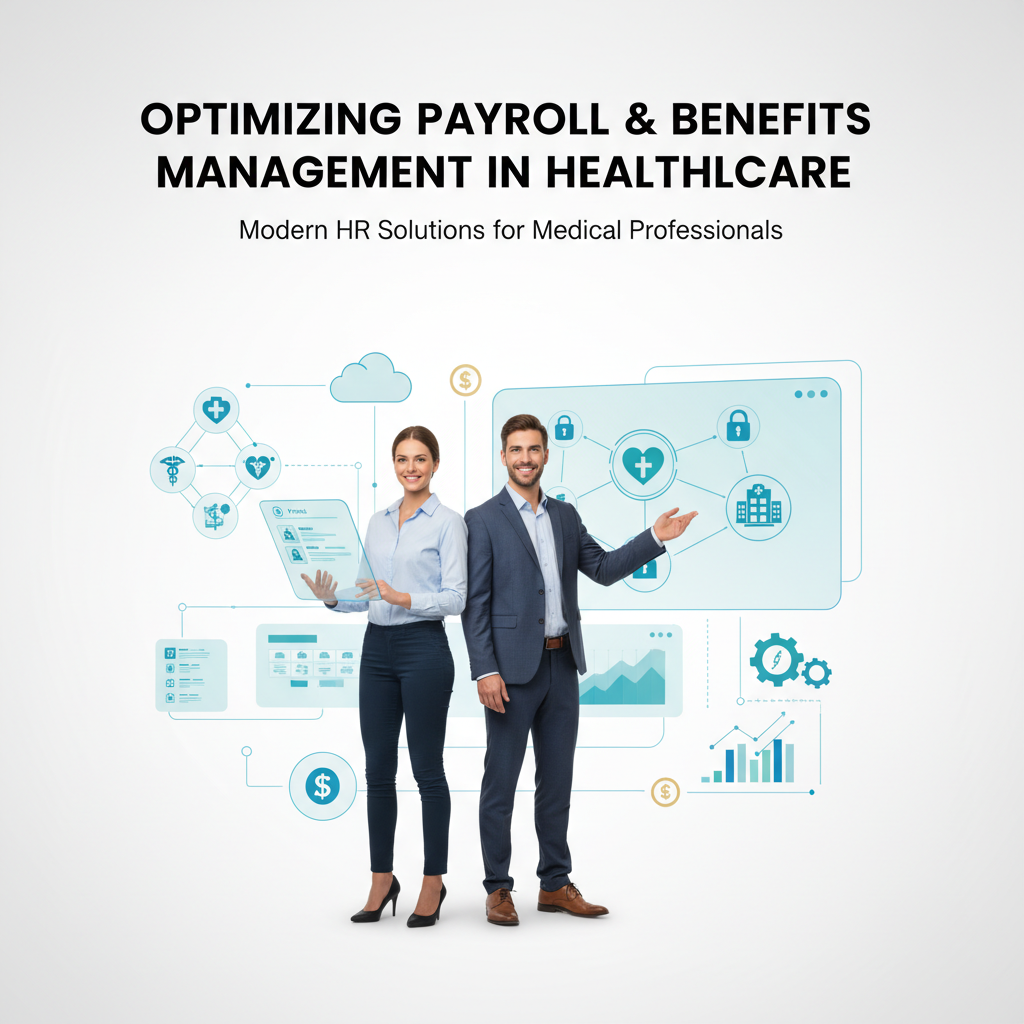
In Vietnam’s dynamic healthcare sector, managing payroll and benefits for medical personnel presents a unique set of challenges. From complex shift schedules and on-call remuneration to specialized benefits packages and stringent regulatory compliance, healthcare providers need robust solutions. Delving into sophisticated HR tools – applications for medicine field in Vietnam is no longer a luxury but a necessity to ensure accurate, compliant, and efficient management of compensation and benefits for the dedicated workforce.
The right HR tools – applications for medicine field in Vietnam empower healthcare organizations to streamline critical administrative tasks, reduce errors, and foster greater transparency. These advanced systems are designed to navigate the intricacies of local labor laws and industry-specific demands, ensuring that medical professionals receive their rightful entitlements promptly and correctly. Embracing cutting-edge HR technology is transforming the workplace, particularly in sectors like healthcare where precision and compliance are paramount. For optimal performance, healthcare institutions are increasingly turning to dedicated healthcare HR software.
1. Integrated payroll systems for healthcare providers
The bedrock of efficient HR management in healthcare is an integrated payroll system. For healthcare providers in Vietnam, such systems unify various data points – attendance, leave, performance bonuses, and deductions – into a single, cohesive platform. This integration is crucial for accurate payroll processing Vietnam, especially when dealing with the varied pay structures common in hospitals and clinics. These systems automate calculations, significantly reducing the manual effort and potential for human error inherent in traditional methods. They ensure adherence to Vietnamese labor laws regarding minimum wage, social insurance, health insurance, and unemployment insurance contributions, thereby bolstering compliance healthcare Vietnam. The ability to generate comprehensive reports quickly also provides invaluable insights for financial planning and auditing, ensuring that every aspect of medical personnel compensation is meticulously managed.
2. Employee self-service portals for benefits and payslips
Empowering medical personnel with self-service capabilities can dramatically enhance HR efficiency and employee satisfaction. Employee self-service (ESS) portals provide healthcare staff with direct access to their payslips, tax information, and benefits enrollment details from any device. This feature of employee self-service healthcare drastically reduces the administrative burden on HR departments, freeing them from routine queries. Staff can update personal information, apply for leave, or access company policies without needing HR intervention. For benefits administration healthcare, these portals simplify the enrollment process, allowing employees to review and select benefits options that best suit their needs, promoting transparency and engagement. This shift towards self-service not only boosts operational efficiency but also improves the overall employee experience, demonstrating a modern approach to HR management.
3. Customized benefits administration for medical professionals in Vietnam
Medical professionals in Vietnam often have unique needs that standard benefits packages might not fully address. An advanced HR system allows for customized benefits administration for medical professionals in Vietnam, tailoring packages to specific roles, experience levels, or even departments. This could include specialized medical malpractice insurance, professional development allowances for continuous learning, housing support, or enhanced health benefits that go beyond the mandatory requirements. Effectively managing these diverse benefits requires sophisticated HR technology medical sector that can configure and track various benefit schemes, ensuring fairness and compliance. Customization ensures that the compensation and benefits package remains competitive, attracting and retaining top talent in a demanding field. It’s a strategic investment in the well-being and professional growth of healthcare staff, reinforcing their value to the organization and the community they serve. By leveraging these HR tools – applications for medicine field in Vietnam, healthcare providers can cultivate a highly motivated and supported workforce.
Ultimately, the adoption of sophisticated HR tools – applications for medicine field in Vietnam for payroll and benefits management is a transformative step for healthcare institutions. These systems not only streamline administrative processes but also contribute to a more engaged and compliant workforce. By focusing on integrated systems, employee empowerment through self-service, and customized benefits, healthcare providers can optimize their HR operations, ensuring sustainable growth and superior patient care in Vietnam.
Enhancing Performance & Development in Medical Teams
Discover HR solutions focused on fostering continuous professional growth, effective performance management, and career development for healthcare staff. In Vietnam’s rapidly evolving healthcare landscape, the demand for highly skilled and adaptable medical professionals is paramount. Effective human resource management is no longer a peripheral concern but a strategic imperative. Implementing advanced HR tools – applications for medicine field in Vietnam is crucial for cultivating a high-performing workforce, ensuring quality patient care, and driving sustainable growth across hospitals and clinics. These solutions are designed to address the unique challenges of healthcare HR, from managing complex clinical competencies to fostering leadership within diverse medical teams. By embracing modern healthcare HR solutions Vietnam, institutions can significantly improve staff engagement, retention, and overall operational efficiency.
1. Performance appraisal software for clinical and administrative staff
Robust performance management is the bedrock of a thriving medical team. Modern performance appraisal software offers more than just annual reviews; it provides a continuous feedback loop essential for clinical performance improvement and administrative efficiency. For clinical staff—doctors, nurses, and allied health professionals—these systems can track specific patient outcomes, adherence to protocols, and professional competencies, ensuring that evaluations are data-driven and objective. Features often include 360-degree feedback, goal setting, and real-time feedback mechanisms, allowing for timely intervention and recognition. For administrative personnel, the software streamlines assessments of operational efficiency, patient flow management, and compliance with regulatory standards. By offering transparent metrics and clear development pathways, these HR tools – applications for medicine field in Vietnam empower individuals to take ownership of their professional growth. This systematic approach not only identifies areas for improvement but also highlights strengths, fostering a culture of accountability and excellence vital for medical staff development.
2. Learning Management Systems (LMS) for continuous medical education
The pace of medical innovation demands that healthcare professionals engage in lifelong learning. Learning Management Systems (LMS) are indispensable HR tools – applications for medicine field in Vietnam for facilitating continuous medical education (CME) and ongoing skill development. An LMS provides a centralized platform for delivering specialized training modules, managing certifications, and tracking professional development progress. From essential compliance training to advanced clinical procedures, an LMS ensures that all staff, regardless of their location within Vietnam, have access to up-to-date knowledge and skills. It supports various learning formats, including interactive e-learning courses, webinars, and access to a library of resources, making professional development flexible and accessible. For continuing medical education Vietnam, an LMS can automate reminders for expiring licenses and mandatory training, ensuring that the entire workforce remains compliant and highly competent. This focus on structured learning not only enhances individual capabilities but also contributes significantly to overall healthcare professional growth and organizational expertise. The importance of continuous medical education cannot be overstated in maintaining high standards of patient care and adapting to new medical challenges.
3. Career pathing and succession planning tools for hospitals
Retaining top talent and building future leadership are critical challenges for hospital talent management. Career pathing and succession planning tools provide strategic frameworks to address these needs. These sophisticated HR tools – applications for medicine field in Vietnam help medical institutions identify high-potential employees, map out clear career progression paths, and develop the next generation of leaders. By integrating performance data, skill assessments, and employee aspirations, these systems can guide individuals toward roles that align with their strengths and the hospital’s strategic objectives. This proactive approach to succession planning hospitals ensures a smooth transition in leadership roles and minimizes disruptions caused by staff turnover. It involves identifying critical roles, assessing potential successors, and implementing targeted development programs to prepare them for future responsibilities. For example, a promising nurse might be guided through a career path to become a ward manager, or a skilled physician could be groomed for a department head position. By investing in employees’ long-term career growth, hospitals can significantly boost morale, reduce turnover, and cultivate a stable, experienced workforce. This strategic foresight is vital for ensuring the continuity of quality care and the sustained success of healthcare organizations across Vietnam.
The strategic adoption of advanced HR tools – applications for medicine field in Vietnam is no longer a luxury but a necessity for healthcare institutions aiming for excellence. From precise performance appraisals and robust learning management systems to visionary career pathing and succession planning, these solutions empower organizations to foster continuous professional growth, optimize talent utilization, and build resilient medical teams. By embracing these integrated HR technologies, Vietnamese healthcare providers can ensure their staff are not only highly competent and engaged but also well-prepared to meet the evolving demands of modern medicine, ultimately enhancing patient outcomes and solidifying their position as leaders in regional healthcare.
Strategic HR Analytics & Compliance for Hospitals in Vietnam
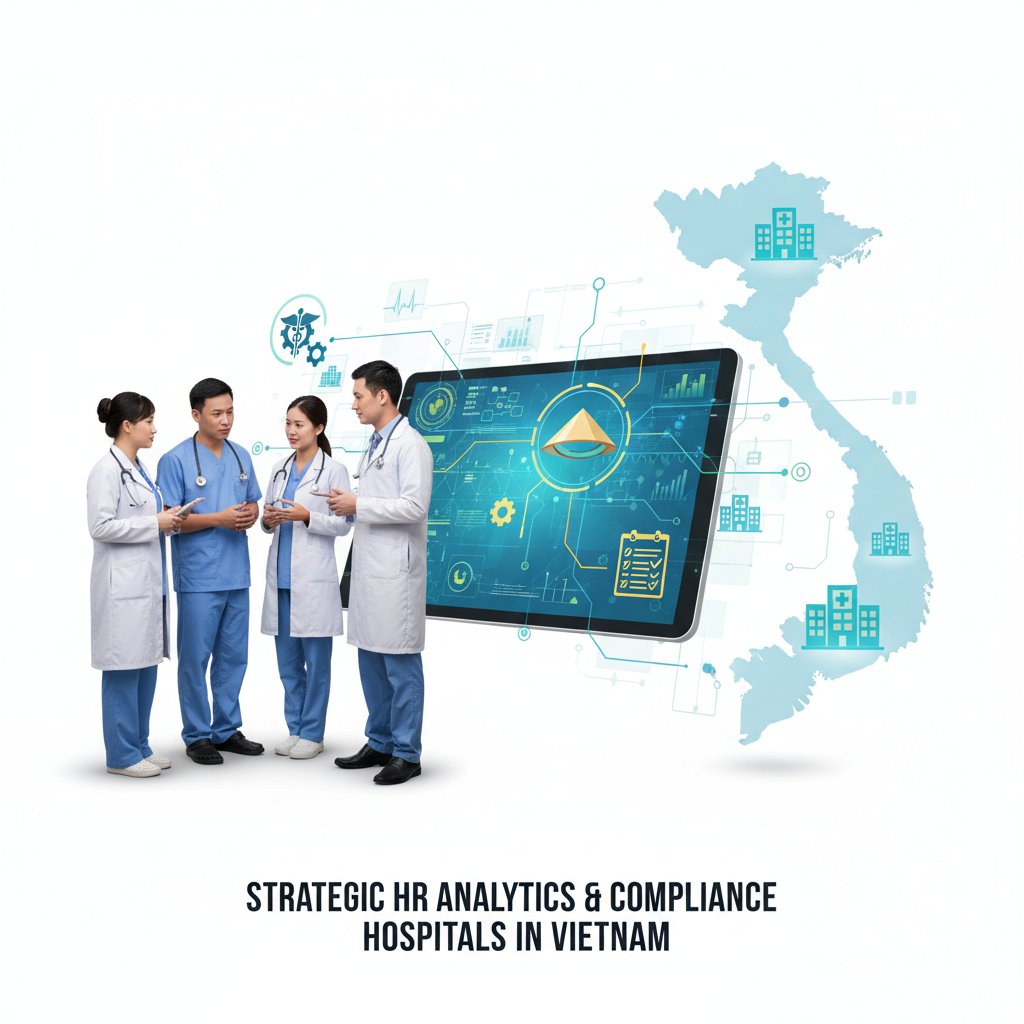
In the dynamic landscape of Vietnam’s healthcare sector, hospitals face the dual challenge of optimizing their human resources while rigorously adhering to complex labor laws and industry regulations. The solution lies in leveraging advanced HR tools – applications for medicine field in vietnam. These sophisticated systems transcend basic administrative functions, providing invaluable data insights for strategic decision-making and ensuring seamless adherence to legal and ethical standards within the Vietnamese medical field. By integrating these specialized tools, healthcare institutions can transform their HR departments from administrative centers into strategic partners, driving efficiency, improving talent management, and safeguarding institutional integrity.
1. HR Dashboards and Reporting for Healthcare Workforce Metrics
Effective management of a hospital’s human capital begins with clear, actionable data. Modern HR tools – applications for medicine field in vietnam offer comprehensive HR dashboards and reporting functionalities specifically tailored for healthcare workforce metrics. These tools provide real-time visibility into crucial aspects such as staffing levels, nurse-to-patient ratios, doctor availability, training completion rates, and employee turnover. Through powerful workforce analytics, hospital administrators can identify trends, forecast future staffing needs, and pinpoint areas for improvement in productivity and retention. This strategic planning capability allows for proactive adjustments to staffing models, ensuring optimal patient care delivery while managing operational costs. Furthermore, robust reporting helps in assessing the impact of recruitment strategies, compensation structures, and professional development programs, paving the way for data-driven decisions that enhance overall talent management and organizational performance within the competitive Vietnamese healthcare market.
2. Compliance Management Solutions for Labor Laws and Medical Ethics
Navigating the intricate web of Vietnamese labor laws and strict medical ethics is paramount for any hospital operating in the country. HR systems equipped with compliance management solutions are indispensable in this regard. These tools help automate the tracking of employee contracts, work permits, leave entitlements, and adherence to working hour regulations set forth by the Ministry of Labor, Invalids and Social Affairs (MOLISA). Beyond general labor compliance, specialized features address the unique requirements of the medical field, such as licensing, mandatory continuous professional development (CPD), and adherence to ethical guidelines for patient care and confidentiality. By maintaining digital records of certifications, disciplinary actions, and grievance procedures, hospitals can proactively mitigate legal risks and demonstrate unwavering commitment to both regulatory standards and profound medical ethics. This systematic approach ensures that the institution operates within legal boundaries, fosters a culture of accountability, and protects its reputation.
3. Data Security and Privacy Considerations in Medical HR Systems
The handling of sensitive employee and patient data within medical HR systems necessitates the highest standards of data security and privacy. Hospitals in Vietnam must prioritize robust security features to protect personal identifiable information (PII) and health records from unauthorized access, breaches, or misuse. Advanced HR data security protocols, including end-to-end encryption, multi-factor authentication, and granular access controls, are fundamental. These systems must be designed to comply with evolving data protection regulations, both domestic and international where applicable, ensuring stringent privacy regulations are met. Regular security audits, penetration testing, and employee training on data handling best practices are also crucial components. By investing in secure HR platforms, hospitals not only protect themselves from potential legal repercussions and reputational damage but also build trust with their employees and patients. Maintaining the integrity and confidentiality of this critical data is non-negotiable for sustainable operations and upholding public confidence in the Vietnamese medical sector.
Partner with Shelby Global
You are looking for reliable HR Sevice Suppliers? Contact Shelby Global Now! To connect with verified talents and upgrade your orginization.
—————————————
References
– Vietnam Labour Code 2019: Key Changes Effective 2021: https://www.tilleke.com/insights/vietnam-labour-code-2019-key-changes-effective-2021
– HR Technology Trends: https://www.shrm.org/resources-and-tools/hr-topics/technology/
– How HR Technology Is Transforming the Workplace – SHRM: https://www.shrm.org/resourcesandtools/hr-topics/technology/pages/how-hr-technology-is-transforming-the-workplace.aspx
– About CME | American Medical Association: https://www.ama-assn.org/education/cme/about-cme
– Vietnam’s Labor Law Updates: Key Changes: https://www.vietnam-briefing.com/news/vietnams-labor-law-updates-key-changes.html/