
Understanding the Unique HR Landscape in Vietnam’s Education Sector
Vietnam’s education sector is experiencing rapid growth, driven by a young population, increasing parental investment, and a government focus on human capital development. This vibrant environment presents both significant opportunities and distinct challenges for education companies, particularly when it comes to human resources. Navigating the nuances of the local labor market, cultural expectations, and a competitive talent pool requires more than just standard HR practices; it demands specialized HR tools – applications for education companies in vietnam that are tailored to this unique context. Without such targeted solutions, education providers risk compliance issues, talent shortages, and inefficiencies that can hinder their mission to deliver quality learning. The landscape necessitates a deep understanding of local dynamics to effectively manage, develop, and retain staff, from administrators to highly skilled educators, addressing key HR challenges in Vietnam education.

1. Navigating local labor laws and regulations
One of the foremost hurdles for any education company operating in Vietnam is understanding and complying with its intricate labor laws and regulations. The legal framework is dynamic and can be complex, covering aspects like employment contracts, working hours, social insurance, severance pay, and foreign worker permits. For instance, the regulations surrounding the employment of foreign teachers, including visa requirements and work permit processes, demand meticulous attention and constant updates. Missteps can lead to significant fines, legal disputes, and reputational damage. Effective HR tools – applications for education companies in vietnam must incorporate robust features for Vietnam labor law compliance, ensuring that all employment practices, from onboarding to offboarding, adhere strictly to national and local decrees. This includes automated tracking of contract expiry dates, social insurance contributions, and adherence to specific holiday and leave entitlements for the education sector HR. This level of precision is vital for minimizing risks and fostering a stable working environment.
2. Attracting and retaining qualified teaching talent
The demand for high-quality educators, both local and international, far outstrips supply in many areas of Vietnam’s education sector. This creates a highly competitive environment for teacher recruitment strategies. Education companies face the dual challenge of not only finding candidates with the right qualifications and experience but also retaining them against attractive offers from competitors. Factors such as competitive salaries, professional development opportunities, and a supportive work culture play crucial roles. However, managing the entire talent lifecycle – from initial sourcing and interviewing to performance evaluations and career progression – can be overwhelming without dedicated HR technology for schools. Specialized HR systems can streamline the application process, manage candidate databases, facilitate robust performance appraisal teachers systems, and track employee engagement, thereby enhancing talent management education sector. For local teachers, career progression paths and opportunities for staff development programs Vietnam are often key motivators. For international educators, seamless relocation support and clear contract terms are paramount. Investing in advanced education HR solutions that support these needs is critical for building and maintaining a strong workforce.
3. The impact of cultural nuances on HR practices
Vietnam’s rich cultural heritage profoundly influences workplace dynamics and HR practices. Understanding and respecting these cultural sensitivity in HR nuances is essential for effective talent management and fostering a harmonious work environment. Concepts like “face” (saving face), hierarchy, and collectivism heavily impact communication styles, feedback mechanisms, and decision-making processes. For example, direct criticism in a public forum might be seen as disrespectful and lead to demotivation, whereas constructive feedback delivered privately and respectfully is more effective. Similarly, building strong personal relationships (quan hệ) can be as important as professional qualifications in fostering loyalty and employee engagement education. HR professionals in Vietnam need to be adept at navigating these unspoken rules, tailoring their approaches to recruitment, conflict resolution, and rewards. HR tools – applications for education companies in vietnam can support this by providing platforms for transparent communication (while respecting cultural norms), tracking engagement through culturally appropriate surveys, and facilitating training on cross-cultural communication. Recognizing and integrating these cultural dimensions into every HR process is not just a matter of courtesy but a strategic imperative for long-term success and effective people management.
The unique tapestry of legal requirements, intense talent competition, and deep-seated cultural factors means that generic HR solutions often fall short. For education companies to thrive in Vietnam, they must embrace specialized HR tools – applications for education companies in vietnam that are designed to meet these specific demands. These advanced applications can automate compliance, optimize talent acquisition and retention efforts, and facilitate culturally intelligent HR practices, transforming potential obstacles into pathways for growth. By leveraging the right digital solutions, education providers can focus on their core mission: delivering exceptional educational experiences while ensuring their most valuable asset – their people – are effectively managed and supported. Find out more about how specialized HR tools can revolutionize your education company’s operations in Vietnam.
Essential HR Tools for Recruitment & Onboarding Excellence
In the dynamic and competitive education sector of Vietnam, attracting and retaining top talent, especially educators, is paramount. Modern HR tools – applications for education companies in Vietnam are no longer a luxury but a necessity, streamlining the entire process of finding, hiring, and seamlessly integrating new employees. These sophisticated systems are specifically tailored to address the unique challenges of the education industry, from managing diverse academic credentials to ensuring cultural fit within learning environments. By leveraging these advanced platforms, educational institutions can significantly enhance efficiency, improve candidate experience, and build a robust workforce ready to shape the future of learning.
The right HR technology empowers schools, universities, and training centers to move beyond traditional, time-consuming manual processes. From initial candidate outreach to the critical first few months of an employee’s tenure, integrated HR solutions provide comprehensive support. They minimize administrative burdens, reduce the risk of human error, and ensure compliance with local labor laws, all while fostering a positive employer brand. For education companies in Vietnam, this means a distinct competitive edge in the battle for skilled teachers, administrators, and support staff, ultimately leading to higher quality education delivery and improved student outcomes. Efficient talent acquisition and employee integration are critical for sustained growth and pedagogical excellence.
1. Applicant Tracking Systems (ATS) for Educator Recruitment
For education companies in Vietnam, an Applicant Tracking System (ATS) is a foundational recruitment software that revolutionizes teacher hiring. These systems automate and manage every stage of the recruitment process, from job posting to offer letter. An ATS allows educational institutions to publish vacancies across multiple job boards and social media platforms simultaneously, significantly increasing reach. It centralizes all applicant data, making it easier to track applications, communicate with candidates, and collaborate with hiring managers.
Crucially for the education sector, an ATS can be configured to filter applications based on specific academic qualifications, teaching certifications, years of experience, and even language proficiency, ensuring that only the most relevant candidates are presented. This capability is vital for sifting through large volumes of applications for roles like English teachers, subject matter experts, or academic coordinators. Beyond basic filtering, many ATS platforms offer advanced features such as AI-powered resume parsing, candidate scoring, and automated interview scheduling. This not only speeds up the recruitment cycle but also enhances the overall candidate experience, making the institution appear professional and organized. By streamlining candidate management, educational entities can focus more on qualitative assessments and cultural fit, ensuring they attract and secure the best educators available.
2. Digital Onboarding Platforms for New Hires
Once a candidate accepts an offer, the next critical step is effective onboarding. Digital onboarding platforms are essential HR management systems that transform the traditionally paperwork-heavy process into a seamless, engaging experience. For education companies, this is particularly important as new teachers and staff often need to familiarize themselves with unique institutional policies, curriculum frameworks, and classroom technologies.
These platforms allow new hires to complete all necessary paperwork digitally before their first day, including employment contracts, tax forms, and benefits enrollment. This reduces administrative burden on HR staff and allows new employees to hit the ground running. Beyond paperwork, digital onboarding tools can deliver crucial information through interactive modules, videos, and personalized learning paths. This includes institutional history, mission and values, departmental structures, and access to internal communication tools. For new educators, this might involve virtual tours of facilities, introductions to key colleagues, access to teaching resources, and information about professional development opportunities. A well-executed digital onboarding process significantly improves employee integration, boosts morale, and reduces early turnover, ensuring new hires feel supported and quickly become productive members of the team. It is a critical component of modern education technology in HR.
3. Background Checks and Credential Verification Tools
In the education industry, the safety and well-being of students are paramount. This makes thorough background checks and compliance verification indispensable. Specialized HR tools designed for this purpose integrate seamlessly into the recruitment workflow, ensuring that all new hires, especially those working directly with students, meet stringent safety and ethical standards. These tools automate the process of verifying academic degrees, professional licenses, teaching certifications, and previous employment references.
For education companies in Vietnam, these platforms are crucial for verifying both local and international qualifications, which can often be complex and time-consuming. They can conduct criminal record checks, verify identity, and even screen for global watch lists. By leveraging these robust verification tools, educational institutions can mitigate risks associated with hiring, ensure regulatory compliance, and protect their reputation. The ability to quickly and accurately verify credentials through an online application process instills confidence in parents and students alike, solidifying the institution’s commitment to providing a secure and high-quality learning environment. This ensures that every new educator or staff member is not only qualified but also trustworthy and aligns with the institution’s values. Efficient HR analytics can also track the efficiency and cost-effectiveness of these checks.
Optimizing Employee Engagement & Performance with HR Tech
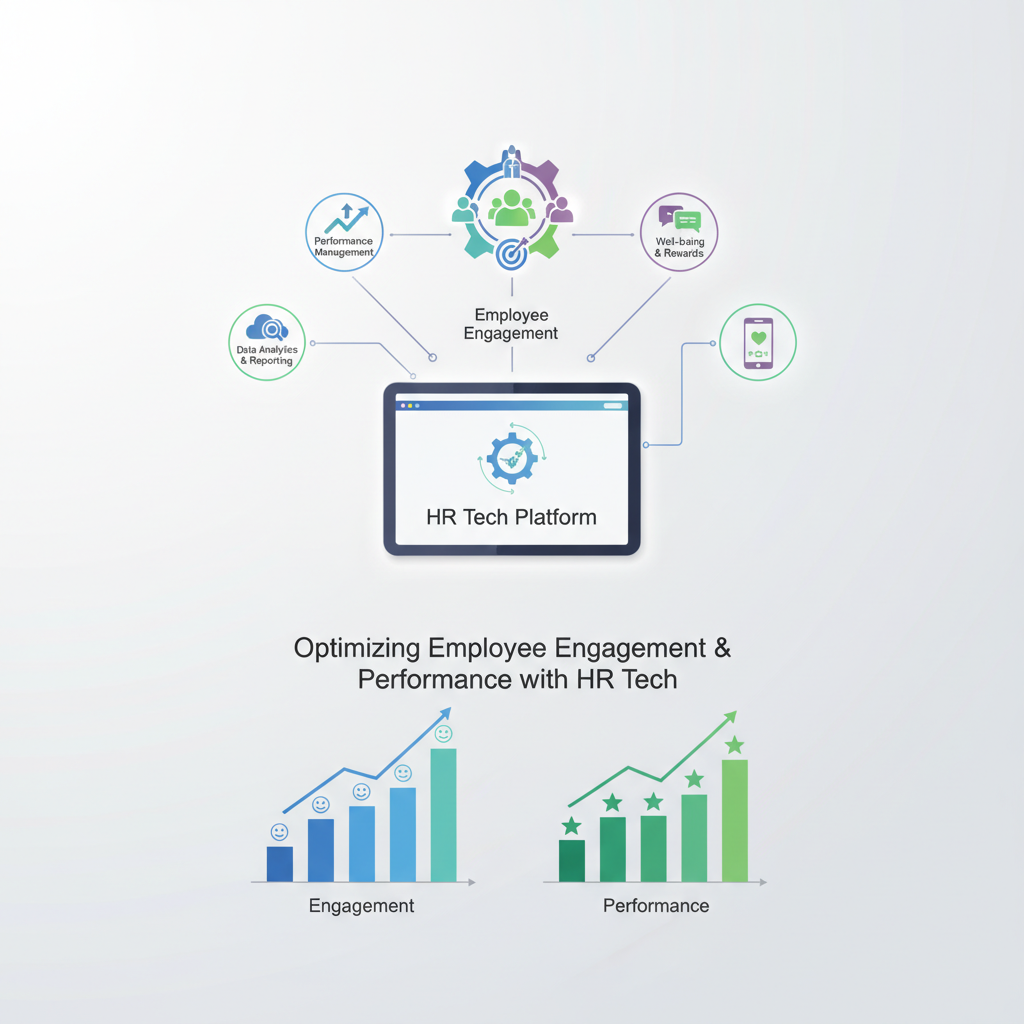
In the dynamic landscape of educational institutions in Vietnam, fostering a positive work environment, enhancing employee satisfaction, and accurately measuring and improving performance are paramount to success. Modern HR technology provides a powerful suite of HR tools – applications for education companies in Vietnam that are specifically designed to address these challenges. By embracing digital HR solutions, educational organizations can streamline operations, empower their staff, and cultivate a culture of continuous improvement and high achievement. These specialized tools not only boost efficiency but also play a critical role in talent management in education, ensuring that educators and administrative staff are engaged, well-supported, and consistently developing their skills.
1. Performance management software with goal-setting features
Effective performance management is the cornerstone of a high-performing educational institution. Performance management software, equipped with robust goal-setting features, empowers education companies in Vietnam to move beyond traditional, often subjective, annual reviews. These platforms allow for the creation of SMART (Specific, Measurable, Achievable, Relevant, Time-bound) goals, aligning individual staff objectives with broader institutional missions. For educators, this might involve goals related to student learning outcomes, curriculum development, or innovative teaching methodologies. For administrative staff, goals could focus on operational efficiency, student enrollment, or community engagement.
Key functionalities include continuous feedback loops, 360-degree evaluations, and progress tracking dashboards. Managers can provide timely coaching and recognition, fostering an environment where feedback is a tool for growth rather than criticism. This not only enhances employee engagement software benefits but also provides objective data for career development plans and fair compensation decisions. Implementing such a system helps to identify high-potential staff, address performance gaps proactively, and cultivate a culture of accountability and excellence, crucial for staff development platforms in the education sector. It ensures that every member of the workforce understands their contribution and sees a clear path for professional advancement within the institution, making them vital performance management systems.
2. Employee feedback and survey platforms
Understanding the pulse of your workforce is critical for maintaining high morale and reducing turnover. Employee feedback and survey platforms offer indispensable HR tools for education companies in Vietnam to gather honest, actionable insights from their staff. These platforms facilitate anonymous pulse surveys, comprehensive annual engagement surveys, and specific feedback requests, allowing institutions to gauge employee satisfaction, identify pain points, and understand overall sentiment. Questions can be tailored to address specific aspects of the work environment, such as workload, professional development opportunities, leadership effectiveness, and work-life balance.
By systematically collecting and analyzing this data, educational leaders can uncover underlying issues before they escalate, implement targeted interventions, and demonstrate to their staff that their voices are heard and valued. This proactive approach significantly boosts employee morale, fostering a more inclusive and supportive environment. Platforms often include features for trend analysis and benchmarking, providing valuable HR analytics education that helps institutions compare their employee engagement levels against industry standards. SHRM’s research consistently highlights the direct correlation between robust feedback mechanisms and higher employee engagement, leading to improved productivity and retention in various sectors, including education. These feedback tools for educators are essential for creating an adaptive and responsive workplace.
3. Learning & Development (L&D) systems for continuous upskilling
In the rapidly evolving world, continuous learning is not just a benefit but a necessity, especially for educators. Learning & Development (L&D) systems, often in the form of Learning Management Systems (LMS), are fundamental HR tools for education companies in Vietnam to ensure their staff remain at the forefront of their respective fields. These platforms provide centralized hubs for delivering, managing, and tracking all forms of professional development and training.
Educational institutions can host a wide array of courses, from new teaching methodologies and pedagogical approaches to digital literacy and leadership training. L&D systems enable personalized learning paths, allowing staff to access relevant content at their own pace and convenience. Features such as certification tracking, skill gap analysis, and progress reports ensure that staff development is measurable and aligned with individual and institutional needs. For instance, an LMS for schools Vietnam can deliver compliance training, host workshops on new educational technologies, or provide resources for advanced subject matter expertise.
Investing in digital HR solutions for academies that support continuous upskilling not only enhances the quality of education delivered but also significantly contributes to workforce retention strategies by demonstrating a commitment to employee growth. By providing accessible and relevant learning opportunities, these systems empower staff to expand their capabilities, stay motivated, and contribute more effectively to the institution’s success. This strategic application of technology strengthens the institution’s human capital and reinforces its competitive edge. Furthermore, to explore a broader range of specialized HR tools – applications for education companies in Vietnam that can further enhance operational efficiency and talent development, institutions should consider comprehensive solutions.
Streamlining Core HR Operations: Payroll, Benefits & Compliance
Core HR operations – payroll, benefits administration, and compliance – form the backbone of any successful organization. For education companies in Vietnam, where talent acquisition and retention are crucial, errors in these areas can lead to significant financial penalties, employee dissatisfaction, and reputational damage. Fortunately, modern HR tools – applications for education companies in vietnam are transforming these critical administrative functions, offering unprecedented levels of accuracy, efficiency, and legal adherence. By embracing digital HR transformation, educational institutions can streamline their workflows, mitigate risks, and free up HR personnel to focus on strategic initiatives rather than manual data entry. These advanced HR tools provide robust solutions for everything from processing monthly salaries to ensuring Vietnamese labor law compliance, becoming indispensable for modern HR departments.
-
Integrated payroll and benefits administration software
Managing payroll and employee benefits manually is a time-consuming and error-prone process, especially for education companies with diverse employee types (teachers, administrators, support staff) and varied compensation structures. Integrated payroll management software Vietnam offers a unified platform to automate these complex tasks. These sophisticated HR tools handle everything from salary calculations, tax deductions, social insurance contributions, and leave accruals to direct deposit processing. Beyond payroll, these systems also streamline benefits administration solutions, allowing HR teams to efficiently manage health insurance plans, retirement contributions, and other employee perks. For education companies, this means ensuring that all staff receive accurate and timely payments, fostering trust and motivation. Automation reduces the likelihood of human error, saving considerable time and preventing costly rework. Furthermore, such automated HR processes provide clear audit trails, simplifying financial reporting and ensuring transparency. The ability to customize benefit packages within the system also helps attract and retain top talent in a competitive market, a key advantage for educational institutions.
-
HR Information Systems (HRIS) for centralized data
At the heart of efficient HR operations lies a robust HR Information System (HRIS). This isn’t just a database; it’s a comprehensive integrated HR platform designed for employee data management. An HRIS centralizes all employee-related information – from personal details and employment history to performance reviews, training records, and compensation data. For education companies in Vietnam, an HRIS acts as the single source of truth, eliminating fragmented data spread across multiple spreadsheets and disparate systems. This centralization significantly enhances data accuracy and accessibility, empowering HR managers to make informed decisions quickly. Modern HRIS platforms often include self-service portals, allowing employees to update their personal information, view pay stubs, and access benefits details, reducing the administrative burden on HR staff. Beyond mere storage, an HRIS supports comprehensive reporting and analytics, offering insights into workforce demographics, turnover rates, and other critical HR metrics. This capability is vital for education sector HR tech, helping institutions understand their workforce better and plan for future growth and staffing needs. The seamless flow of data between different HR functions, from recruitment to offboarding, ensures consistency and efficiency.
-
Compliance tracking and reporting tools
Navigating the complex landscape of labor laws, tax regulations, and industry-specific mandates can be daunting, particularly for education companies operating in Vietnam. Errors in compliance can result in hefty fines, legal disputes, and damage to an institution’s reputation. This is where HR compliance software Vietnam becomes indispensable. These specialized HR tools are designed to help organizations adhere to a myriad of regulatory adherence tools, constantly tracking changes in legislation and ensuring that all HR practices align with the latest requirements. From managing employee contracts and work permits to ensuring adherence to local labor laws regarding working hours, holidays, and termination procedures, these systems provide critical support. They automate compliance checks, generate necessary reports for government agencies, and alert HR professionals to potential risks or upcoming deadlines. For instance, ensuring compliance with data privacy laws (if applicable) and specific Vietnamese labor codes is simplified. Understanding what HR compliance entails is paramount, and these tools provide the operational framework to achieve it. By embedding compliance directly into HR workflows, education companies can proactively manage legal risks, protect their brand, and maintain ethical operational standards. The peace of mind that comes with knowing your organization is legally sound allows leadership to focus on its primary mission: delivering quality education. Furthermore, leveraging advanced HR tools – applications for education companies in vietnam for compliance underscores a commitment to best practices and operational excellence, directly contributing to a stable and reputable working environment.
Future Trends & Strategic Adoption of HR Tools in Vietnam
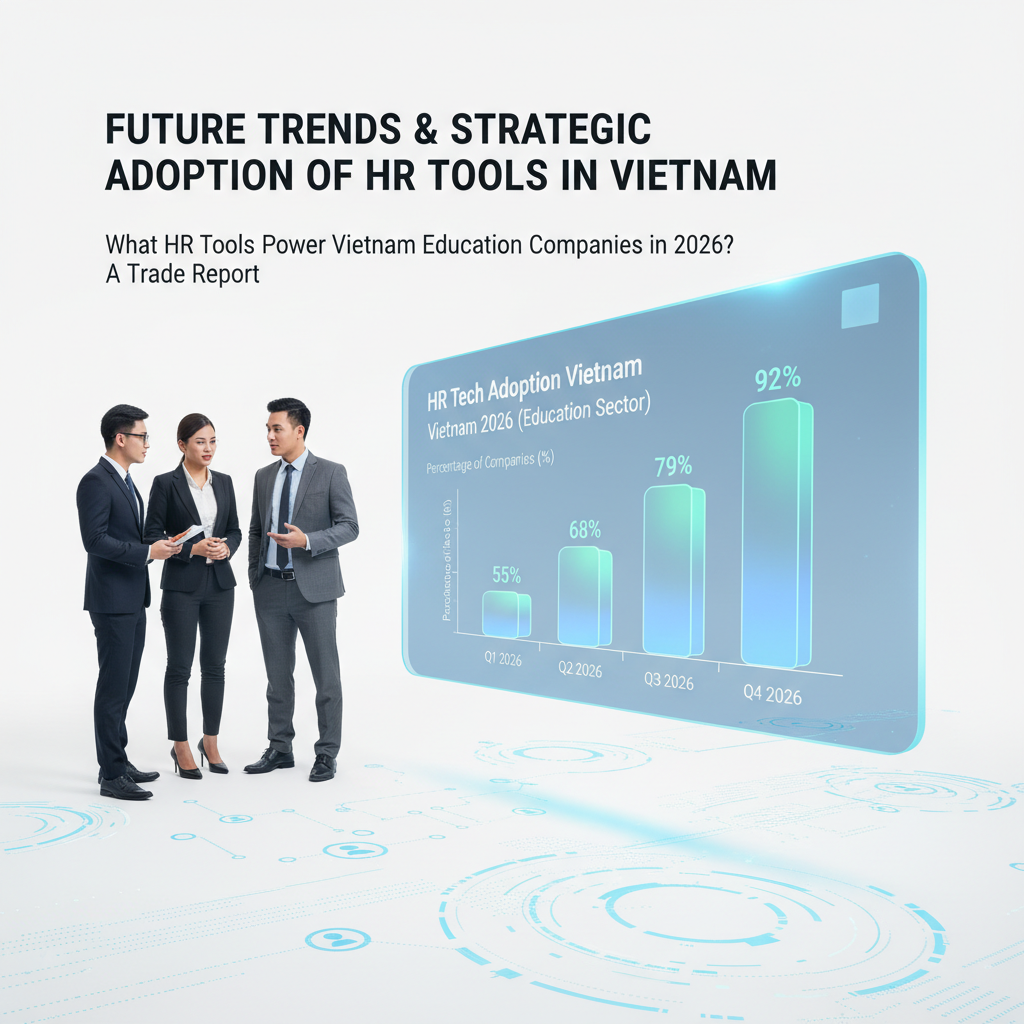
The landscape of Human Resources in Vietnam, particularly within the education sector, is undergoing a profound transformation driven by rapid technological advancements and evolving workforce expectations. Education companies in Vietnam, ranging from language centers to universities, are increasingly recognizing the imperative to move beyond traditional HR practices and embrace innovative HR tools – applications for education companies in vietnam. The next 10 years will see a significant shift towards more integrated, data-driven, and automated HR functions. Strategic adoption of these future-forward tools is not just about efficiency; it’s about fostering a competitive edge, enhancing employee experience, and ensuring long-term success in a dynamic market.
-
Leveraging HR analytics for data-driven decisions
In the past, HR decisions in education companies were often based on intuition or anecdotal evidence. However, the future demands a more scientific approach. HR analytics, powered by modern HR tools – applications for education companies in vietnam, allows organizations to collect, analyze, and interpret HR data to gain actionable insights. For Vietnamese education companies, this means analyzing teacher retention rates, student performance correlations with staff training, recruitment source effectiveness, and employee engagement metrics. By understanding patterns in turnover, identifying high-performing teams, and predicting future talent needs, companies can make informed decisions regarding talent acquisition, development programs, compensation strategies, and succession planning. For instance, analytics can reveal that a specific training module significantly improves teacher satisfaction and student outcomes, justifying further investment. This data-driven approach shifts HR from a reactive support function to a proactive strategic partner.
-
The rise of AI and automation in HR processes
Artificial Intelligence (AI) and automation are set to revolutionize HR processes, offering unprecedented levels of efficiency and accuracy. For education companies in Vietnam, AI can streamline various tasks, freeing up HR professionals to focus on more strategic initiatives. This includes AI-powered recruitment tools that can screen resumes, conduct initial candidate assessments via chatbots, and even analyze video interviews to identify suitable candidates for teaching or administrative roles. Automation can handle routine administrative tasks such as onboarding paperwork, payroll processing, leave requests, and benefits administration, significantly reducing manual errors and processing times. Furthermore, AI can personalize learning and development paths for employees, recommending relevant courses or certifications based on their performance, career goals, and the company’s needs. The strategic adoption of AI and automation enhances the candidate and employee experience, while boosting operational effectiveness. The Society for Human Resource Management (SHRM) highlights how AI is transforming various facets of HR, emphasizing its potential for predictive analytics and talent management.
-
Choosing the right HR tools: A strategic implementation guide
Selecting and implementing the right HR tools – applications for education companies in vietnam is a critical strategic decision that requires careful planning. Education companies must first conduct a thorough needs assessment, identifying specific pain points in their current HR operations, whether it’s high teacher turnover, inefficient recruitment, or a lack of performance visibility. Key considerations include scalability to accommodate future growth, integration capabilities with existing systems (e.g., learning management systems), user-friendliness for all employees, and robust data security features given the sensitive nature of HR information. It’s also vital to evaluate vendor reputation, support services, and compliance with Vietnamese labor laws. A phased implementation approach, starting with core modules and gradually expanding, can minimize disruption. Crucially, successful adoption hinges on effective change management, including clear communication to staff about the benefits of new tools and comprehensive training. Investing in the right HR tech stack positions education companies to attract and retain top talent, optimize operational efficiency, and ultimately, achieve sustained growth in Vietnam’s competitive educational landscape for the long term.
Partner with Shelby Global
You are looking for reliable HR Sevice Suppliers? Contact Shelby Global Now! To connect with verified talents and upgrade your orginization.
—————————————
References
– Vietnam Labor Laws: Social Insurance, Minimum Wages, and More: https://www.vietnam-briefing.com/news/vietnam-labor-laws-social-insurance-minimum-wages.html/
– :
– SHRM’s research on boosting employee engagement: https://www.shrm.org/resources-and-tools/hr-topics/employee-relations/pages/how-to-improve-employee-engagement.aspx
– :
– AI and the Future of HR at SHRM: https://www.shrm.org/topics-tools/news/artificial-intelligence