
Understanding the Landscape of HR Technology in Vietnam
Vietnam’s manufacturing sector stands at a pivotal juncture, grappling with rapid industrialization, a dynamic workforce, and increasing global integration. Within this evolving landscape, the role of HR technology is becoming undeniably critical. From attracting and retaining talent to ensuring compliance and optimizing operational efficiency, effective HR tools – applications for production field in vietnam are no longer a luxury but a strategic imperative. This section delves into the current state of HR tech adoption, the unique challenges faced by Vietnamese manufacturers, and the profound impact of local regulations on HR solutions, providing a comprehensive overview for businesses looking to optimize their human capital strategies.
1. Current HR software adoption rates in Vietnamese factories
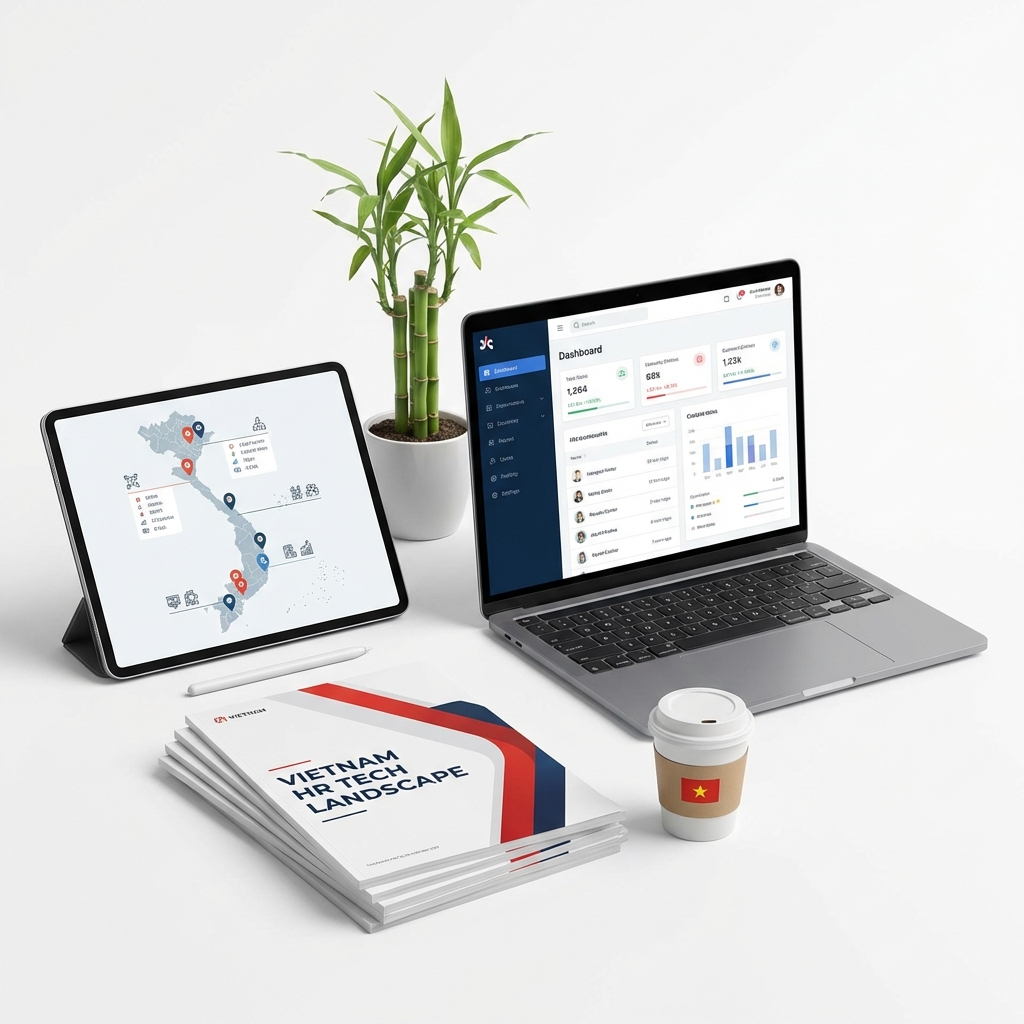
While global trends point towards sophisticated HR analytics and AI-driven solutions, Vietnam HR tech adoption within the manufacturing sector is still maturing. Many factories, particularly small and medium-sized enterprises (SMEs), continue to rely on manual processes or basic spreadsheet systems for core HR functions. However, there’s a discernible shift towards digitalization. Essential systems like payroll software Vietnam factories and fundamental time attendance systems Vietnam are seeing increased uptake, driven by the need to manage large workforces and improve accuracy. More advanced HRIS for production sites, covering aspects like employee records, benefits administration, and basic leave management, are gradually being implemented. Yet, comprehensive performance management in factories, sophisticated HR analytics for manufacturers, and robust employee training platforms Vietnam still represent significant growth areas. The initial focus remains on streamlining administrative tasks before moving towards more strategic HR automation Vietnam, highlighting a phased approach to digital HR transformation Vietnam.
2. Unique HR challenges for manufacturing in Vietnam
The manufacturing sector in Vietnam presents a distinct set of manufacturing HR challenges Vietnam. A large, often young, and mobile blue-collar workforce management demands tailored solutions. High employee turnover rates, especially in labor-intensive industries, necessitate effective recruitment strategies Vietnam manufacturing and robust retention programs, often bolstered by effective employee engagement tools Vietnam. Managing diverse shifts, overtime calculations, and ensuring workplace safety across multiple production lines are complex tasks that traditional HR methods struggle to handle efficiently. Furthermore, geographical distribution of factories, sometimes in remote areas, adds layers of complexity to workforce management solutions Vietnam. The need for continuous upskilling and reskilling to adapt to new technologies also places a significant burden on HR departments, making employee training platforms Vietnam crucial. These specific demands underscore the need for specialized localized HR solutions Vietnam that can address the intricacies of the Vietnamese manufacturing environment.
3. Impact of local labor laws and regulations on HR tools
Navigating Vietnam’s dynamic labor legal framework is a paramount concern for all HR operations, particularly in manufacturing. The country’s labor code, social insurance laws, and various decrees dictate everything from employment contracts and working hours to minimum wages and severance pay. Consequently, any HR software implemented in Vietnam must be meticulously compliant with these evolving regulations. Non-compliance can lead to significant penalties, reputational damage, and industrial disputes. Therefore, robust labor law compliance HR software is essential. These tools must accurately calculate social insurance contributions, personal income tax, and other mandatory benefits, while also adhering to specific requirements for record-keeping and reporting. For foreign investors, understanding and integrating these requirements into their HR systems is crucial for sustainable operations. For a deeper understanding of the regulatory environment, refer to insights on Vietnam’s labor law updates, which directly impact the functionality and necessity of compliant HR platforms. The emphasis on accurate data management and adherence to statutory obligations drives the demand for HR automation Vietnam solutions that can adapt to the country’s unique legal landscape.
In conclusion, the journey towards fully integrated and intelligent HR technology in Vietnam’s manufacturing sector is ongoing. While challenges remain, the increasing recognition of HR as a strategic partner and the availability of purpose-built HR tools – applications for production field in vietnam are paving the way for more efficient, compliant, and employee-centric operations.
Essential HR Tools for Workforce Management & Efficiency
In the dynamic landscape of Vietnam’s manufacturing sector, optimizing human resources is paramount for sustaining growth and competitiveness. Effective HR tools – applications for production field in Vietnam are no longer a luxury but a fundamental necessity for managing a bustling production workforce. These systems are designed to streamline operations, enhance operational efficiency, and ensure seamless daily activities across factory floors. From intricate payroll calculations to sophisticated attendance monitoring, integrating advanced HR technologies is key to fostering a productive and compliant work environment, directly impacting bottom-line results and overall factory productivity.
Implementing the right suite of HR applications empowers factory management to navigate the complexities of labor regulations, maintain accurate records, and empower employees. This focus on core HR functionalities is critical for companies aiming to not only meet but exceed production targets while upholding employee satisfaction and legal compliance. By leveraging these purpose-built tools, factories can transform traditional, manual HR processes into efficient, automated workflows, allowing HR departments to shift their focus from administrative tasks to strategic initiatives that drive business value.
1. Time and attendance tracking systems for factory floors
Accurate time and attendance tracking is the bedrock of efficient workforce management on any factory floor. For production facilities in Vietnam, a robust system is crucial for monitoring employee working hours, managing shifts, tracking overtime, and ensuring compliance with local labor laws. These advanced HR tools often incorporate biometric scanners (fingerprint, facial recognition), RFID cards, or secure pin entry, providing precise data that eliminates manual errors and potential time theft. This accuracy is vital for fair payroll processing and minimizing discrepancies.
Beyond simply recording clock-ins and outs, modern systems offer features like real-time attendance monitoring, automated shift scheduling, and integration with production planning software. This allows managers to quickly identify staffing gaps, optimize labor allocation, and respond dynamically to changes in production demands. For a production workforce, understanding actual work hours versus planned hours yields significant insights into operational efficiency and labor cost management. Furthermore, these systems simplify the process of calculating paid time off, sick leave, and holidays, ensuring benefits are administered consistently and accurately across the entire factory workforce.
2. Payroll and benefits administration software tailored for Vietnam
Navigating the intricacies of payroll and benefits administration in Vietnam requires specialized software that understands and incorporates the country’s unique regulatory framework. Vietnamese labor laws, social insurance contributions, health insurance, and personal income tax regulations are complex and subject to change. A dedicated payroll and benefits administration software solution ensures full compliance, mitigating the risk of penalties and legal disputes. These applications automate the calculation of salaries, bonuses, allowances, and mandatory deductions, providing transparency and accuracy for every production staff member.
Such comprehensive HR tools – applications for production field in Vietnam also manage the administration of various employee benefits, from health insurance enrollment to tracking company-specific benefits. They generate detailed payslips, facilitate direct bank deposits, and produce necessary reports for tax authorities and social insurance agencies. The ability to handle multi-currency transactions, common in foreign-invested factories, is another critical feature. By automating these processes, HR teams can significantly reduce administrative burden, prevent errors, and ensure employees receive correct remuneration and benefits on time, fostering trust and satisfaction among the workforce, essential for maintaining a stable and motivated production team.
3. Employee self-service (ESS) portals for production staff
Empowering production staff with direct access to their HR information through Employee Self-Service (ESS) portals is a transformative step towards enhancing efficiency and transparency. For a large production workforce, these portals dramatically reduce the administrative load on HR departments by allowing employees to manage common HR tasks independently. Staff can securely access and view their payslips, request leave, update personal contact information, check their remaining leave balances, and even access company policies or training materials at their convenience.
This increased autonomy not only frees up HR personnel to focus on more strategic initiatives but also significantly improves employee satisfaction and engagement. For factory workers who may not have regular computer access during working hours, mobile-friendly ESS portals provide flexibility, enabling them to handle HR-related matters from their smartphones outside of production time. ESS portals also serve as a crucial communication channel, allowing HR to disseminate important announcements, company news, or safety guidelines directly to the entire workforce. By providing clear and immediate access to information, ESS portals foster a culture of transparency and self-reliance, invaluable for maintaining smooth daily operations and a highly motivated production team within the competitive manufacturing environment of Vietnam.
Driving Talent Acquisition & Development in Production
Vietnam’s production sector is experiencing rapid growth and transformation, demanding a highly skilled and adaptable workforce for sustained success. To meet this need, companies are increasingly leveraging advanced HR tools – applications for production field in Vietnam – to optimize talent acquisition, seamless onboarding, and continuous development. These technological solutions are critical enablers, ensuring companies can attract the right people, retain them, and foster a culture of productivity and continuous learning.
1. Recruitment and applicant tracking systems (ATS) for manufacturing roles
In high-volume, specialized manufacturing environments, traditional recruitment can be overwhelming. Recruitment and Applicant Tracking Systems (ATS) provide an invaluable central hub for managing the entire hiring pipeline, from job posting to offer acceptance, especially for technical and blue-collar roles requiring specific skills or certifications. Key functionalities include automated job distribution to relevant boards, resume parsing to identify qualified candidates (e.g., CNC operator, quality control technician), and efficient communication via templated emails and SMS.
Modern ATS platforms offer robust screening, interview scheduling, and progress tracking, significantly reducing time-to-hire—a critical metric in fast-paced production. For manufacturing, an effective ATS also manages complexities like shift availability, geographic preferences, and mass hiring events, ensuring a consistent process and building a talent pool. Adopting such digital solutions is crucial for manufacturers addressing evolving work and skill demands. Understanding the future of manufacturing work underscores the imperative for streamlined, tech-driven talent acquisition.
2. Streamlined onboarding solutions for new factory employees
The initial weeks are crucial for new factory employees, where safety, compliance, and team integration are paramount. Streamlined onboarding solutions automate and personalize this process, transforming paperwork-heavy experiences into efficient and engaging ones. These platforms handle digital paperwork (contracts, tax forms), automate initial training schedules, safety briefings, and equipment orientation. By reducing administrative burdens, HR and line managers can focus more on human interaction and mentoring.
Effective onboarding provides new hires with immediate access to essential company policies, safety manuals, and procedures, often through mobile-friendly interfaces accessible even before their first day. This proactive approach reduces anxiety, accelerates productivity, and ensures compliance from day one. For large production facilities with frequent new hires, consistent and automated onboarding saves time and significantly improves new employee retention, a major challenge in sectors with high turnover potential. A well-designed onboarding program fosters a positive employee experience, contributing to a more engaged workforce.
3. Learning management systems (LMS) for skill enhancement and compliance training
As manufacturing processes integrate advanced technologies like IoT, AI, and automation, continuous skill enhancement is critical. Learning Management Systems (LMS) are pivotal HR tools – applications for production field in Vietnam – for delivering and managing structured training. These platforms deploy custom learning modules for specific roles, machinery, or compliance needs, from fundamental safety protocols to advanced training on new automated equipment.
An LMS facilitates personalized learning paths, allowing employees to progress at their own pace and focus on relevant career development. It offers robust tracking and reporting, enabling HR to monitor training completion, assess competency, and ensure adherence to mandatory compliance training (e.g., fire safety, hazardous material handling). With multi-language support for diverse workforces, an LMS helps Vietnamese production companies cultivate a highly skilled, adaptable workforce, mitigate operational risks, and foster continuous improvement, leading to higher quality outputs and sustained competitive advantage.
In conclusion, the strategic adoption of sophisticated HR tools across recruitment, onboarding, and learning management is a fundamental investment in the human capital driving Vietnam’s production sector. These applications are essential for building a resilient, skilled, and engaged workforce capable of meeting the demands of an ever-evolving industrial landscape.
Enhancing Employee Engagement & Performance Management
In Vietnam’s dynamic production sector, optimizing human resources is paramount for sustaining competitive advantage and driving growth. Modern HR tools – applications for production field in Vietnam are no longer just administrative aids; they are strategic assets designed to boost employee morale, streamline internal communication, and facilitate robust performance tracking and feedback. For factories and manufacturing plants, these digital solutions are transforming traditional HR practices into agile, data-driven systems that directly impact operational efficiency and workforce satisfaction.
The complexities of managing a large, often blue-collar workforce, coupled with the need for precise operational execution, demand sophisticated HR technology. From enhancing talent development to ensuring safety compliance, the right HR tech suite can address unique challenges faced by production environments, fostering a more engaged and productive workforce.
1. Performance management tools for blue-collar workers
Traditional performance reviews often fall short for blue-collar workers whose contributions are directly tied to tangible output and adherence to operational protocols. Specialized performance management tools are engineered to cater to these specific needs. These systems enable clear goal setting based on production quotas, quality metrics, and safety standards. Supervisors can conduct real-time performance tracking, logging achievements, identifying areas for skill development, and providing immediate, constructive feedback. Features like digital checklists for task completion, machine operation proficiency tracking, and incident reporting enhance accountability and provide a transparent record of individual and team contributions. By linking performance directly to recognition and career progression paths, these tools motivate employees, reduce absenteeism, and contribute significantly to overall labor productivity. They also help in identifying high-potential workers for upskilling and future leadership roles within the factory setting, supporting robust talent development initiatives, and facilitating effective skill mapping and training management.
2. Internal communication platforms for factory teams and management
Effective communication is the backbone of any successful production operation, especially across diverse factory teams and management layers. Disjointed communication can lead to errors, delays, and a breakdown in morale. Dedicated internal communication platforms bridge these gaps, offering centralized hubs for information dissemination. These platforms facilitate instant announcements for critical updates, safety alerts, shift changes, and company news, ensuring everyone is on the same page. Features such as secure messaging, group chats for specific production lines or departments, and digital bulletin boards replace outdated physical noticeboards and fragmented communication channels. By improving the flow of information, these platforms not only enhance operational efficiency but also foster a sense of community and transparency. They empower employees to voice concerns, share ideas, and feel more connected to the company’s mission, strengthening internal relations and bolstering a positive work culture within the production environment.
3. Employee feedback and engagement survey systems
Understanding the pulse of the workforce is critical for continuous improvement in employee engagement and retention strategies. Employee feedback and engagement survey systems provide structured channels for workers to voice their opinions, concerns, and suggestions, often anonymously. These systems can deploy various types of surveys, from quick pulse checks on specific initiatives to comprehensive annual engagement surveys covering aspects like job satisfaction, work-life balance, management effectiveness, and working conditions. The insights gathered from these surveys are invaluable for HR and management to identify pain points, address issues proactively, and implement targeted improvements. For instance, feedback highlighting concerns about workstation ergonomics or training needs can lead to immediate adjustments, demonstrating that employee input is valued. This commitment to listening and acting on feedback significantly boosts morale, creates a culture of continuous improvement, and ensures that the HR tools deployed are genuinely meeting the needs of the workforce. Leveraging these systems contributes to a more responsive and adaptive HR strategy, crucial for attracting and retaining skilled labor in the competitive Vietnamese market, enhancing overall workforce management and talent management efforts. According to recent insights on HR tech’s impact on employee experience, such tools are pivotal for creating a positive work environment.
In conclusion, the strategic adoption of sophisticated HR tools – applications for production field in Vietnam is not merely an upgrade; it’s a fundamental shift towards a more engaged, efficient, and future-ready workforce. By empowering blue-collar workers with clear performance objectives, streamlining communication across all levels, and actively soliciting and acting upon employee feedback, businesses in the Vietnamese production sector can cultivate a resilient and high-performing team, driving sustained success and innovation. These digital HR solutions are key enablers for operational excellence and long-term organizational health.
Future Trends & Strategic Adoption of HR Tools in Vietnam
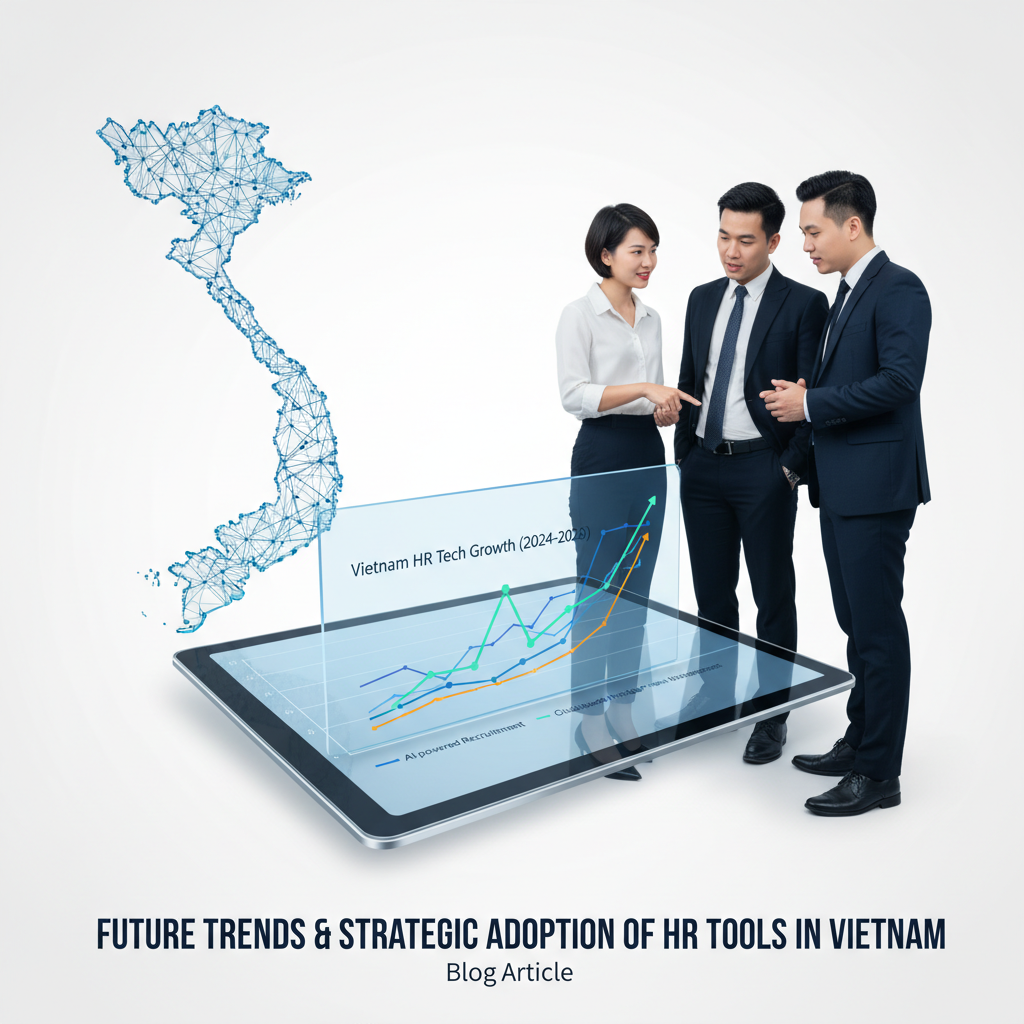
As Vietnam’s manufacturing sector continues its robust growth, driven by foreign investment and a dynamic workforce, the strategic adoption of advanced HR tools is no longer a luxury but a necessity. Production companies in Vietnam face unique challenges, from managing large, often dispersed workforces to ensuring high productivity and retaining skilled talent. The right HR technology can transform these challenges into opportunities, optimizing operations and fostering a more engaged, efficient workforce. This section looks ahead at emerging HR technology trends and provides strategic advice for Vietnamese production companies planning future HR tech investments and implementations, focusing on how these HR tools – applications for production field in Vietnam can drive significant value.
1. The role of AI and automation in HR for manufacturing
Artificial Intelligence (AI) and automation are set to revolutionize HR functions across all industries, and manufacturing in Vietnam is no exception. For production companies, AI-powered HR automation software can streamline repetitive tasks such as initial candidate screening for talent acquisition, onboarding processes, and even basic employee queries through chatbots. This frees up HR professionals to focus on more strategic initiatives like workforce planning, employee engagement, and developing robust training and development programs. AI can also enhance performance management systems by providing objective data points for evaluations, identifying high-potential employees, and predicting flight risks. The integration of AI in HRIS platforms allows for more intelligent management of employee data, from attendance tracking to skill gap analysis tools, ensuring that the right skills are available when and where they are needed on the production floor. This shift towards digital HR transformation is critical for maintaining competitiveness.
2. Leveraging data analytics and HR reporting for production insights
The true power of modern HR tools lies in their ability to generate actionable insights through data analytics platforms. For manufacturing operations, HR data is a goldmine. Comprehensive HR reporting can reveal patterns in employee turnover, identify the most effective recruitment software channels, and even correlate training outcomes with production efficiency. By analyzing metrics from payroll processing solutions, attendance, and performance management systems, companies can gain a deeper understanding of workforce productivity and identify areas for improvement. Advanced HR analytics platforms can help predict future staffing needs, optimize shift schedules through robust workforce management tools, and ensure compliance with labor laws, which is crucial for HR compliance software in Vietnam. Leveraging these insights empowers HR and production managers to make data-driven decisions that directly impact operational excellence and overall business performance. This strategic use of data also strengthens data security in HR, as robust platforms provide controlled access and audit trails.
3. Key considerations for selecting and implementing HR solutions in Vietnam
Implementing new HR solutions in Vietnam requires careful planning and a nuanced understanding of the local context. First, companies must assess their specific needs, whether it’s enhancing talent acquisition for skilled labor, optimizing payroll processing solutions, or improving employee engagement tools. Cloud-based HR solutions offer scalability and accessibility, which are particularly beneficial for multi-site production operations. Mobile HR applications are also gaining traction, providing employees with easy access to their payslips, leave requests, and company policies, thus boosting employee self-service and satisfaction.
When selecting HR tools, prioritize vendors that understand the intricacies of Vietnamese labor laws and cultural nuances. Seek solutions with strong local support and implementation expertise. Consider the integration capabilities with existing enterprise resource planning (ERP) systems to ensure seamless data flow. Furthermore, focus on user-friendliness; the best technology is only effective if employees and managers adopt it. Investing in comprehensive training and a clear communication strategy is paramount for successful implementation. Finally, continuous evaluation and adaptation are key. The HR tech landscape is constantly evolving, and regular reviews will ensure that your chosen HR technology investments continue to support your strategic objectives and workforce needs in the dynamic Vietnamese manufacturing environment. By strategically adopting and integrating these advanced HR tools, Vietnamese production companies can build a resilient, productive, and future-ready workforce.
Partner with Shelby Global
You are looking for reliable HR Sevice Suppliers? Contact Shelby Global Now! To connect with verified talents and upgrade your orginization.
—————————————
References
– Vietnam’s Labor Law Updates: What Foreign Investors Need to Know: https://www.vietnam-briefing.com/news/vietnams-labor-law-updates-what-foreign-investors-need-to-know.html/
– Time Tracking Rules and Best Practices – SHRM: https://www.shrm.org/topics-tools/tools-samples/hr-qa/time-tracking-rules-and-best-practices
– The Future of Manufacturing Work: https://www.mckinsey.com/capabilities/operations/our-insights/the-future-of-manufacturing-work
– The Impact of HR Tech on Employee Experience: https://hbr.org/2023/10/the-impact-of-hr-tech-on-employee-experience
– HR technology investments: https://www.shrm.org/resources-and-tools/hr-topics/technology