
Understanding the Unique HR Landscape in Vietnam’s Transportation
Vietnam’s transportation sector is in the midst of an unprecedented boom, fueled by robust economic growth, increasing trade, and significant infrastructure investments. This rapid expansion, while presenting immense opportunities, also creates a complex and dynamic HR landscape. For organizations operating within this vital industry, particularly those looking to leverage cutting-edge HR tools – applications for transportation field in vietnam, understanding these unique challenges and opportunities is paramount. This section delves into the specific factors shaping HR practices in Vietnam’s fast-paced transportation and logistics environment, setting the stage for strategic technology adoption.
1. Growth of Logistics & Transportation Sector
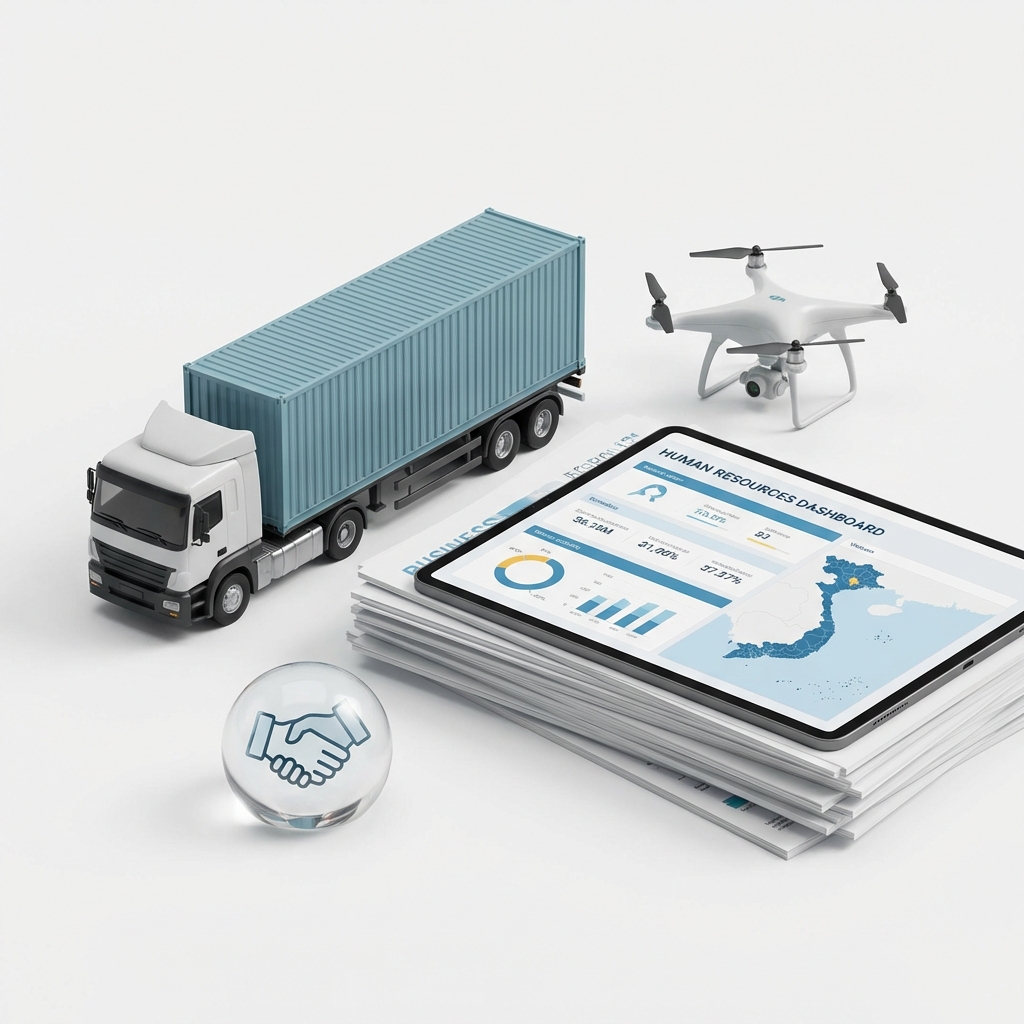
Vietnam’s strategic geographical location, coupled with its deepening integration into global supply chains, has propelled its logistics and transportation sector into a period of dramatic growth. The government’s ambitious infrastructure development plans, including new highways, deep-sea ports, and expanded airports, are continually enhancing connectivity and efficiency. Foreign direct investment (FDI) inflows, along with a burgeoning e-commerce market, further fuel demand for sophisticated logistics services. This growth is evidenced by numerous reports, highlighting Vietnam’s rising position in global logistics rankings. For instance, the sector has consistently outpaced the national GDP growth, reflecting its critical role in the country’s economic fabric. This rapid expansion creates a continuous need for skilled personnel across various roles, from truck drivers and warehouse operators to supply chain managers and logistics analysts. HR departments are under constant pressure to recruit, onboard, and develop talent at scale to keep pace with this trajectory, often requiring innovative strategies and advanced HR systems to manage the influx of new employees and their diverse needs.
2. Challenges: Workforce Shortages & Retention
Despite the vibrant growth, the Vietnamese transportation sector faces significant workforce challenges. One of the most pressing issues is a critical shortage of skilled labor across all levels. There is high demand for trained drivers with clean records, experienced mechanics, proficient warehouse staff, and adept logistics professionals. The rapid development often means that training institutions struggle to produce graduates with the practical skills required by the industry, leading to a gap between available talent and market needs. Furthermore, the competitive nature of the sector means that attracting and retaining top talent is a constant battle. Companies frequently face high turnover rates as employees seek better compensation, benefits, or working conditions. HR departments must develop robust retention strategies, including competitive remuneration packages, clear career development paths, and improved working environments. The implementation of effective HR tools – applications for transportation field in vietnam becomes crucial here, enabling efficient recruitment processes, performance management, training and development tracking, and robust employee engagement programs to mitigate these challenges and build a stable, skilled workforce.
3. Regulatory Environment & Labor Laws
Navigating Vietnam’s regulatory environment and intricate labor laws is another significant HR challenge for transportation companies. The legal framework is dynamic, with frequent updates and amendments concerning employment contracts, working hours, social insurance, health and safety standards, and dispute resolution. Compliance is not merely a legal obligation but also a critical factor in maintaining operational stability and reputation. For the transportation sector specifically, there are additional regulations pertaining to vehicle safety, driver licensing, cargo handling, and environmental standards that HR must be aware of and ensure adherence to. HR professionals are responsible for staying updated on these changes, ensuring all company policies and practices align with national legislation, and communicating these requirements effectively to employees. Non-compliance can lead to severe penalties, including fines, operational disruptions, and reputational damage. Therefore, robust HR information systems are invaluable for managing compliance, tracking employee records, ensuring proper documentation, and streamlining reporting procedures, thereby safeguarding the organization from potential legal pitfalls.
Essential HR Tools for Recruitment & Onboarding Efficiency
In the dynamic and often high-turnover environment of the transportation industry, particularly in a rapidly developing market like Vietnam, efficiency in human resources is not just an advantage—it’s a necessity. Attracting, hiring, and integrating new talent swiftly and effectively can significantly impact operational continuity and profitability. This makes the strategic deployment of modern HR tools – applications for transportation field in vietnam absolutely critical. These software solutions are designed to streamline the entire talent lifecycle, from initial outreach to full integration, ensuring that transportation companies in Vietnam can keep pace with demand and maintain a robust workforce. By leveraging specialized HR software Vietnam transport companies can overcome traditional recruitment bottlenecks and enhance employee retention. The right recruitment solutions logistics Vietnam requires goes beyond basic job boards; it demands integrated platforms that understand the nuances of the sector.
The challenges in the Vietnamese transportation sector are unique, encompassing everything from diverse licensing requirements for drivers to the urgent need for skilled mechanics and logistics coordinators. Manual processes for recruitment and onboarding can quickly become overwhelmed, leading to delays, increased costs, and a poor candidate experience. This is where dedicated talent acquisition tools Vietnam needs come into play, offering automated solutions that save time, reduce errors, and ensure compliance. Moreover, effective onboarding automation transportation industry specific platforms can significantly improve new hire engagement and productivity from day one, which is vital in an industry where every minute counts.
1. Applicant Tracking Systems (ATS) Specifics
Applicant Tracking Systems (ATS) are foundational HR tools for managing the volume and complexity of applications inherent in the transportation sector. For Vietnamese transportation companies, an ATS serves as a central hub for all recruitment activities. It allows HR teams to post job openings across various platforms simultaneously, collect and organize resumes, and filter candidates based on specific criteria such as driver’s license class, years of experience, or specific technical certifications required for mechanics. Beyond simple candidate management, an ATS tailored for HR software Vietnam transport can automate initial screening questions, schedule interviews, and manage communications, ensuring a consistent and professional candidate experience.
Crucially, an ATS helps ensure compliance with local labor laws and industry regulations by standardizing data collection and verification processes. For instance, it can track the expiry dates of driver licenses, manage background checks, and record safety training certifications, all essential for operational legality and safety in logistics. The ability to quickly identify and fast-track qualified candidates means less downtime for critical roles, directly impacting service delivery and profitability. Implementing robust recruitment solutions logistics Vietnam providers can rely on is no longer a luxury but a strategic imperative to maintain a competitive edge and secure top talent efficiently.
2. Automated Onboarding Platforms
Once a candidate is hired, the onboarding process begins, and this is another area where advanced HR tools prove invaluable. Automated onboarding platforms streamline the mountain of paperwork and administrative tasks associated with bringing new employees on board. For the transportation industry, this includes digital signing of employment contracts, tax forms, company policies, and safety manuals. These platforms ensure that all necessary documents are completed accurately and on time, reducing the burden on HR staff and allowing them to focus on more strategic initiatives.
Beyond paperwork, onboarding automation transportation industry platforms can facilitate the integration of new hires into the company culture. They can provide access to introductory training modules, company handbooks, and even virtual introductions to team members before their first day. This proactive approach significantly improves the new employee experience, leading to higher engagement and faster time-to-productivity. For roles like drivers or warehouse staff, having immediate access to essential operational guidelines and safety protocols through a user-friendly platform can be a game-changer, ensuring they are prepared and compliant from day one. This efficiency is paramount for retaining valuable personnel in a high-demand sector.
3. Skills Assessment & Training Integration
Recruiting top talent is only half the battle; ensuring they have the right skills and continue to develop them is equally vital. Integrated skills assessment and training platforms are potent HR tools that allow companies to objectively evaluate candidates’ capabilities and provide continuous professional development. For the transportation sector in Vietnam, this could involve pre-hire assessments for driving proficiency, mechanical aptitude, or knowledge of specific logistics software. This targeted evaluation helps in making more informed hiring decisions, reducing the risk of costly mis-hires.
Furthermore, these platforms integrate training modules directly into the employee lifecycle. This is particularly beneficial for mandatory safety training, compliance updates, or professional development programs for existing staff. For example, drivers can complete refresher courses on defensive driving techniques or new regulations for cargo handling, while dispatchers can update their skills on route optimization software. The ability to track training progress and certifications ensures that the workforce remains compliant and highly skilled. As the job market evolves, adopting skill-based hiring strategies is becoming increasingly critical, making integrated assessment and training tools indispensable. These talent acquisition tools Vietnam needs also empower employees to take ownership of their professional growth, fostering a culture of continuous learning essential for long-term success in the competitive transportation landscape.
The adoption of advanced HR tools is no longer optional for transportation companies operating in Vietnam. From optimizing the recruitment funnel with ATS to streamlining the integration of new hires via automated onboarding, and fostering continuous development through integrated skills assessment and training, these solutions provide a competitive edge. They not only enhance operational efficiency and reduce administrative burdens but also significantly improve the overall employee experience, leading to better retention rates and a more skilled, compliant, and engaged workforce crucial for sustained growth in the dynamic logistics and transportation sector.
Optimizing Workforce Management and Operations with HR Tech
In the dynamic and often demanding landscape of the transportation field in Vietnam, efficient workforce management is not just an advantage—it’s a necessity for operational smoothness and sustained productivity. Modern HR tools – applications for transportation field in Vietnam are revolutionizing how companies manage their most valuable asset: their people. These sophisticated platforms delve into various aspects of employee management, from real-time scheduling and performance monitoring to ensuring robust compliance with local labor laws. By leveraging advanced HR technology solutions, transportation and logistics businesses in Vietnam can overcome common challenges such as managing a dispersed workforce, optimizing routes, ensuring driver welfare, and maintaining high service standards. These applications are critical for enhancing efficiency, reducing administrative burdens, and fostering a more engaged and productive workforce, ultimately driving better business outcomes in a competitive market.

1. Time & Attendance Tracking Systems
For transportation companies with mobile workforces, traditional timekeeping methods are inefficient and prone to errors. Time & Attendance Tracking Systems offer a digital solution, providing accurate and real-time data on employee work hours, breaks, and overtime. These systems are particularly vital for managing drivers, dispatchers, and other operational staff whose work often extends beyond conventional office hours or locations. In Vietnam, where labor regulations regarding working hours and overtime are strict, these systems ensure compliance, minimize disputes, and streamline payroll processing. Features like GPS tracking can verify driver locations during shifts, enhancing accountability and safety. By automating attendance records, companies can reduce manual administrative tasks, improve data accuracy, and gain valuable insights into workforce utilization, directly impacting operational efficiency and reducing costs associated with human error or non-compliance. This is a foundational element of effective Vietnam logistics workforce management, ensuring every hour is accounted for correctly and fairly, and strengthening compliance in transportation HR operations.
2. Performance Management & Appraisal Tools
Effective performance management is crucial for cultivating a high-performing team within the transportation sector. Performance Management & Appraisal Tools allow businesses to set clear objectives, track individual and team performance against key performance indicators (KPIs), and provide constructive feedback. For drivers, KPIs might include on-time delivery rates, fuel efficiency, safety records, and adherence to routes. For logistics and administrative staff, performance can be measured by order fulfillment accuracy, dispatch efficiency, or customer satisfaction scores. These transportation HR technology platforms facilitate regular check-ins, automate appraisal cycles, and identify training and development needs, helping employees grow and contribute more effectively. By fostering a culture of continuous improvement and transparent feedback, companies can boost employee morale, reduce turnover, and significantly enhance overall operational performance. Investing in these tools ensures that talent is nurtured and aligned with the strategic goals of the organization, leading to more efficient and reliable services.
3. Payroll & Benefits Administration Software
Managing payroll and benefits for a diverse workforce, especially one operating across different shifts and locations, can be complex. Payroll & Benefits Administration Software simplifies this intricate process, ensuring accurate and timely compensation while adhering to all relevant Vietnamese labor laws and tax regulations. These systems automate salary calculations, tax deductions, social insurance contributions, and the distribution of various benefits, such as health insurance and retirement plans, which are crucial for employee retention in the competitive transportation industry. Beyond mere calculation, these tools offer comprehensive reporting capabilities, providing transparency for both employers and employees. They reduce the administrative burden on HR departments, minimize compliance risks, and ensure that employees receive their rightful earnings and benefits without delay. By integrating payroll with other HR functions, businesses achieve a holistic view of their workforce costs and commitments, making this a cornerstone of robust fleet personnel management software and overall financial stability.
In conclusion, the adoption of specialized HR tools – applications for transportation field in Vietnam is no longer a luxury but a strategic imperative for any company aiming for efficiency, growth, and sustained success. From precise time tracking and performance optimization to streamlined payroll and benefits, these solutions empower businesses to manage their workforce with unprecedented agility and accuracy. They not only ensure compliance with local regulations but also enhance employee engagement and productivity. By embracing these innovative HR technology solutions for transportation in Vietnam, organizations can navigate the complexities of modern logistics, attract and retain top talent, and build a resilient operational framework ready to meet future challenges. The strategic integration of HR tech positions companies at the forefront of the industry, driving both operational excellence and a positive employee experience.
Boosting Employee Engagement and Retention in a Demanding Field
The transportation sector in Vietnam, characterized by its dynamic nature and critical role in economic development, often presents unique challenges in employee management. From navigating complex logistics to maintaining stringent safety standards and adhering to tight schedules, the demands placed on the workforce are immense. This high-pressure environment can lead to increased stress, burnout, and ultimately, high turnover rates if not managed effectively. Addressing these issues is paramount not only for employee well-being but also for operational continuity and business profitability. This section explores how strategic integration of technology, specifically HR tools, can significantly improve employee satisfaction, streamline communication, enhance development opportunities, and directly impact retention rates, thereby reducing costly operational disruptions. By leveraging modern HR technology, companies can foster a more engaged, skilled, and loyal workforce, transforming challenges into opportunities for growth and stability.
1. Internal Communication Platforms
Effective communication is the lifeblood of any organization, but it becomes even more critical and challenging in the geographically dispersed and often mobile nature of the transportation industry. Traditional methods like notice boards or sporadic meetings fall short when drivers are on long hauls, warehouse staff work varying shifts, or logistics coordinators operate from different hubs. This fragmentation can lead to misunderstandings, delayed information dissemination, and a general feeling of disconnect among employees.
Modern internal communication platforms, ranging from secure mobile chat applications to dedicated enterprise social networks, offer a robust solution. These HR tools enable real-time updates on critical operational changes, safety protocols, route adjustments, and company news. For instance, a logistics company in Vietnam can use such a platform to instantly broadcast urgent weather warnings to its truck drivers or inform warehouse staff about an unexpected shipment. Beyond mere announcements, these platforms facilitate two-way communication, allowing employees to ask questions, share feedback, and connect with peers and management, fostering a stronger sense of community and belonging. This direct and immediate access to information and colleagues is crucial for preventing miscommunication, enhancing safety, and ensuring that every employee feels integrated into the company’s mission.
2. Learning & Development (L&D) Systems
The transportation field is in constant evolution, driven by technological advancements, stricter regulations, and changing customer expectations. This necessitates continuous learning and upskilling for the workforce, from new vehicle diagnostics for mechanics to international shipping compliance for logistics managers. Traditional classroom training can be inflexible and costly, especially when dealing with a workforce that operates on varying schedules and is often away from a central training location. This makes it difficult to provide consistent, timely, and accessible development opportunities.
Leveraging specialized Learning & Development (L&D) systems provides a powerful solution. These platforms, a key component of modern HR tools and logistics HR tech, offer flexible, on-demand training modules that employees can access anytime, anywhere, often directly from their mobile devices. Companies can deploy e-learning courses on topics like defensive driving techniques, hazmat regulations, customer service excellence, or proficiency in new route optimization software. Microlearning modules can break down complex topics into digestible, short lessons, making learning less intimidating and more effective for busy professionals. By investing in these systems, companies not only ensure compliance and enhance operational efficiency but also signal to employees that their growth and career progression are valued. This commitment to continuous professional development significantly boosts job satisfaction, reduces turnover by providing clear career pathways, and creates a more skilled and adaptable workforce, which is vital for the dynamic transportation landscape in Vietnam.
3. Feedback & Recognition Tools
Working in the transportation sector can be incredibly demanding, often involving long hours, tight deadlines, and high-stakes responsibilities. In such an environment, employees can easily feel overlooked or unappreciated, leading to decreased morale, disengagement, and a higher propensity to seek opportunities elsewhere. Without structured channels for feedback and recognition, management might remain unaware of employee concerns or fail to acknowledge exceptional performance, thereby missing critical opportunities to reinforce positive behaviors and address issues proactively.
Integrated feedback and recognition tools are essential HR tools that address these challenges head-on. These platforms enable continuous, real-time feedback through features like pulse surveys, 360-degree reviews, and anonymous suggestion boxes, allowing employees to voice concerns and contribute ideas. Crucially, they also facilitate timely and meaningful recognition. Managers can acknowledge outstanding performance – perhaps a driver consistently achieving top safety scores or a warehouse team exceeding efficiency targets – through digital badges, public shout-outs, or automated reward systems. Peer-to-peer recognition features also empower colleagues to appreciate each other’s efforts, fostering a supportive and positive work culture. According to SHRM, the cost of employee turnover can be significant, reinforcing the need for proactive retention strategies. By fostering a culture where contributions are seen and valued, and where employees feel heard, these tools not only boost individual morale and motivation but also cultivate a stronger sense of loyalty and commitment to the organization, directly impacting retention rates and overall operational stability. These employee engagement software solutions are invaluable for creating a thriving workplace in Vietnam’s competitive transportation industry.
Navigating HR Tech Challenges and Future Trends in Vietnam’s Transport Sector
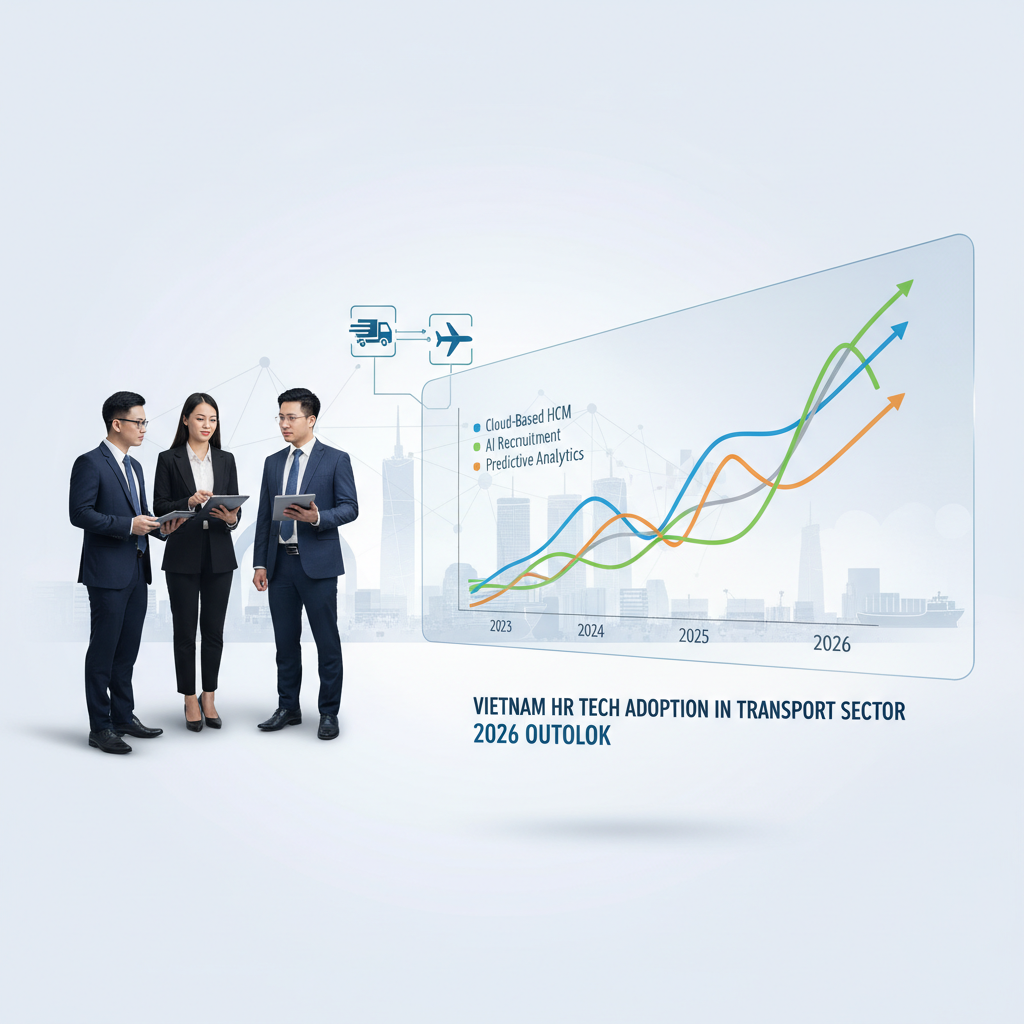
Vietnam’s transport sector, a dynamic and crucial artery of its booming economy, is undergoing rapid evolution. From logistics and freight to public transit and aviation, the demand for efficient and adaptable HR operations has never been higher. As companies increasingly turn to modern HR tools – applications for transportation field in vietnam, they encounter both significant opportunities and complex challenges. Implementing advanced HR technology, which includes robust workforce management solutions and sophisticated HR analytics for logistics, is not merely about adopting new software; it’s a journey of digital HR transformation that must address critical hurdles like data security and seamless integration while embracing future trends such as AI and machine learning to foster strong employee engagement platforms. This section will delve into these potential hurdles and look ahead at emerging trends, offering strategic considerations for the sector through 2026.
1. Data Security & Privacy Concerns
In an industry as vital as transportation, HR departments manage a vast repository of sensitive employee data—from personal identification and driving licenses to health records, performance metrics, and even biometric data for time tracking. The adoption of new HR tools introduces an inherent responsibility to safeguard this information against breaches and misuse. For Vietnamese transport companies, ensuring robust data security and privacy compliance is paramount. This challenge encompasses not only technical measures like encryption, multi-factor authentication, and secure cloud storage but also strict adherence to local regulations and international best practices (such as elements inspired by GDPR or similar frameworks). Companies must invest in comprehensive cybersecurity infrastructure, conduct regular audits, and provide continuous training for HR staff on data handling protocols. A single data breach can severely damage an organization’s reputation, incur hefty fines, and erode employee trust, making data security a foundational concern for any HR tech implementation.
2. Integration with Existing Systems
The transport sector often operates with a patchwork of legacy systems, ranging from antiquated payroll software and manual attendance tracking to specialized fleet management and operational logistics platforms. Introducing new HR technology, such as advanced workforce management solutions or employee engagement platforms, frequently encounters the formidable hurdle of integration. Seamless data flow between disparate systems is critical for realizing the full potential of HR tech. Without proper integration, HR data can remain siloed, leading to inefficiencies, data inconsistencies, and a fragmented employee experience. Companies must strategically plan for API (Application Programming Interface) capabilities, middleware solutions, and potential system overhauls. The goal is to create a unified ecosystem where HR data can inform and be informed by operational data, allowing for comprehensive HR analytics for logistics and better strategic decision-making. Overcoming this integration challenge requires thorough planning, strong vendor partnerships, and potentially a phased implementation approach.
3. AI & Machine Learning in HR Operations
Looking towards 2026, Artificial Intelligence (AI) and Machine Learning (ML) are set to revolutionize HR operations within Vietnam’s transport sector, propelling digital HR transformation to new heights. These technologies offer immense potential to streamline processes, enhance decision-making, and improve the overall employee experience. For instance, AI-powered recruitment tools can automate resume screening, identify suitable candidates for specific roles (e.g., drivers, mechanics), and predict retention risks based on historical data. ML algorithms can analyze performance data to identify training needs, optimize shift scheduling for drivers and ground staff, and even predict potential safety incidents by correlating operational data with HR metrics. Predictive analytics, driven by AI, can forecast workforce demands, helping companies proactively manage staffing levels during peak seasons or respond to sudden market shifts. AI can also power intelligent chatbots for answering common employee queries, freeing up HR staff for more strategic tasks, and personalize learning paths, thereby boosting employee engagement platforms. According to a report by Deloitte, AI is rapidly reshaping the future of work and HR, making it an indispensable component for forward-thinking organizations. Embracing AI and ML is not just about staying competitive; it’s about unlocking new efficiencies, fostering a data-driven culture, and building a more agile and resilient workforce in the complex landscape of the transport industry.
Partner with Shelby Global
You are looking for reliable HR Sevice Suppliers? Contact Shelby Global Now! To connect with verified talents and upgrade your orginization.
—————————————
References
– Vietnam’s Logistics Sector Sees Robust Growth: Future Outlook: https://www.vietnam-briefing.com/news/vietnams-logistics-sector-sees-robust-growth-future-outlook.html/
– SHRM: How to Implement Skill-Based Hiring: https://www.shrm.org/resources-and-tools/hr-topics/talent-acquisition/how-to-implement-skill-based-hiring
– Gartner HR Trends: https://www.gartner.com/en/human-resources/trends
– The Real Costs of Losing an Employee: https://www.shrm.org/resources-and-tools/hr-topics/talent-acquisition/pages/employee-retention-the-real-costs-of-losing-an-employee.aspx
– :