
Decoding Malaysia’s Logistics Landscape & Current Risks
Malaysia’s strategic geographical position at the heart of Southeast Asia, straddling the busy Straits of Malacca, inherently positions it as a critical player in regional and global supply chains. The nation’s logistics sector is not merely a support function but a pivotal economic pillar, contributing significantly to its GDP and facilitating international trade. As businesses navigate an increasingly complex global environment, understanding the nuances of Malaysia’s logistics landscape, its current strengths, and the the trend report of the risk of logistics field in malaysia becomes paramount. This section provides an overview of its strategic importance and identifies the fundamental risks currently present, setting the stage for future trends and mitigation strategies.

1. Malaysia’s Role as a Regional Logistics Hub
Malaysia’s ambition to solidify its status as a premier regional logistics hub is underpinned by robust infrastructure and strategic policy initiatives. Its extensive network of well-developed ports, including Port Klang and Tanjung Pelepas, serves as vital transhipment points, connecting East-West trade routes. Coupled with a growing number of international airports and an expanding highway network, the country offers multi-modal connectivity crucial for efficient cross-border logistics. Government initiatives, such as the National Logistics and Trade Facilitation Masterplan, aim to enhance infrastructure development, streamline trade facilitation processes, and foster a more competitive operating environment. This proactive approach ensures Malaysia plays a central role in strengthening regional connectivity and supply chain resilience, attracting foreign direct investment, and supporting a diverse manufacturing base. The strategic location also positions it favorably for e-commerce growth and last-mile delivery solutions within the ASEAN region, making it an attractive base for multinational corporations.
2. Overview of Traditional Logistics Challenges (e.g., efficiency, cost)
Despite its advancements, Malaysia’s logistics field continues to grapple with several traditional challenges that impact operational efficiency and cost management. Issues such as the lack of seamless integration across various transport modes, particularly for first and last-mile delivery, often lead to inefficiencies and increased transportation costs. Regulatory compliance, while improving, can still present bureaucratic hurdles, particularly for SMEs, affecting their ability to scale and compete. Furthermore, the industry faces a persistent talent gap and workforce development issues, with a shortage of skilled labor in areas like data analytics, automation, and cold chain management. While digitalization is recognized as a critical enabler, adoption rates, especially among smaller players, lag, hindering the overall progress towards a fully integrated and optimized logistics ecosystem. Addressing these long-standing issues is vital for Malaysia to maintain its competitive edge and elevate its logistics capabilities to global standards.
3. Economic Volatility and Its Impact on Supply Chain Stability
The global economic landscape has become increasingly volatile, posing significant risks to the stability of Malaysia’s supply chains. Economic headwinds, including persistent inflationary pressures, fluctuating commodity prices (especially fuel), and global recessionary fears, directly impact operational costs and consumer demand. Geopolitical risks, such as trade disputes and regional conflicts, can disrupt traditional shipping routes, leading to delays and higher freight rates. Currency fluctuations also play a critical role, affecting the cost of imported goods and raw materials, thus influencing manufacturing expenses and export competitiveness. This environment necessitates robust risk mitigation strategies and greater supply chain diversification among Malaysian businesses. Companies are increasingly exploring nearshoring and friend-shoring strategies to reduce reliance on single-source suppliers or specific regions. According to a World Bank report on supply chain resilience, building adaptable and agile supply chains is crucial for navigating such uncertainties. For Malaysia, these economic shifts underscore the urgency for continuous monitoring and adaptive planning within the logistics field to safeguard its role as a stable and reliable hub.
Emerging Threats: The Digital and Environmental Frontier
The global logistics field is currently navigating an intricate web of new and evolving risk factors, driven primarily by the relentless pace of technological advancements, the urgent demands of environmental sustainability, and the unpredictable shifts in global geopolitical paradigms. For businesses operating within Malaysia and beyond, understanding these emerging threats is paramount for maintaining supply chain resilience and ensuring operational continuity. This section delves into the critical challenges that define this new frontier, offering insights crucial for any comprehensive the trend report of the risk of logistics field in malaysia.
1. Cybersecurity Risks in Automated & Digitized Logistics
The rapid digital transformation sweeping across the logistics sector, particularly in Malaysia, introduces unprecedented cybersecurity vulnerabilities. As supply chains become increasingly automated, relying on IoT devices, AI in logistics for optimization, and interconnected digital platforms, the attack surface for cyber threats expands dramatically. Data breaches, ransomware attacks, and even sophisticated cyber warfare tactics can cripple operations, disrupt last-mile delivery, compromise sensitive information, and erode customer trust. The integration of autonomous vehicles and smart warehousing systems, while offering efficiency, also creates new entry points for malicious actors. Protecting against these threats requires robust network security, employee training, and advanced detection systems. Failure to invest in these areas not only risks financial losses but also jeopardizes the entire supply chain resilience, making a strong cybersecurity posture a non-negotiable component of modern logistics risk mitigation strategies. A recent report by the World Economic Forum highlights the escalating nature of cyber risks in global supply chains, urging proactive measures.
2. Impact of Climate Change and Green Logistics Pressures
Climate change poses a multifaceted threat to the logistics field, manifesting through both physical disruptions and increasing regulatory compliance pressures. Extreme weather events – from severe floods impacting road and port infrastructure in Malaysia to more frequent and intense storms disrupting shipping routes – lead to significant delays, damages, and increased operational costs. Concurrently, the global push towards green logistics and reduced carbon footprint is intensifying. Businesses face growing demands from consumers, investors, and governments to adopt sustainable practices, invest in green technology, and accurately report their environmental impact. This translates into pressures for cleaner fleets, optimized routes to reduce emissions, and environmentally friendly packaging. While embracing these changes can lead to long-term benefits, the transition itself requires substantial investment and strategic planning. Companies must balance the need for efficiency with their environmental responsibilities, navigating a complex landscape where ecological integrity increasingly dictates market viability and supply chain resilience.
3. Geopolitical Tensions and Trade Route Disruptions
The global geopolitical landscape is more volatile than ever, directly impacting international trade and logistics. Geopolitical instability, ranging from regional conflicts and trade wars to sanctions and political unrest, can lead to severe trade route disruptions. Chokepoints, such as major canals or straits, become vulnerable, causing port congestion and diverting shipping lanes, significantly increasing transit times and freight costs. The ongoing shifts in global power dynamics and the rise of protectionist policies further complicate international logistics, making long-term planning increasingly difficult. For Malaysia, a nation heavily reliant on international trade, these tensions can have profound effects on import and export operations, affecting everything from raw material availability to market access. Effective risk mitigation strategies in this environment demand diversified supply chains, contingency planning for alternative routes, and a keen understanding of international relations to pre-empt potential disruptions and safeguard economic stability. For a deeper dive into the specific challenges facing the region, including comprehensive insights into this evolving landscape, a detailed the trend report of the risk of logistics field in malaysia is indispensable for strategic decision-making.
Operational & Infrastructure Vulnerabilities in Focus
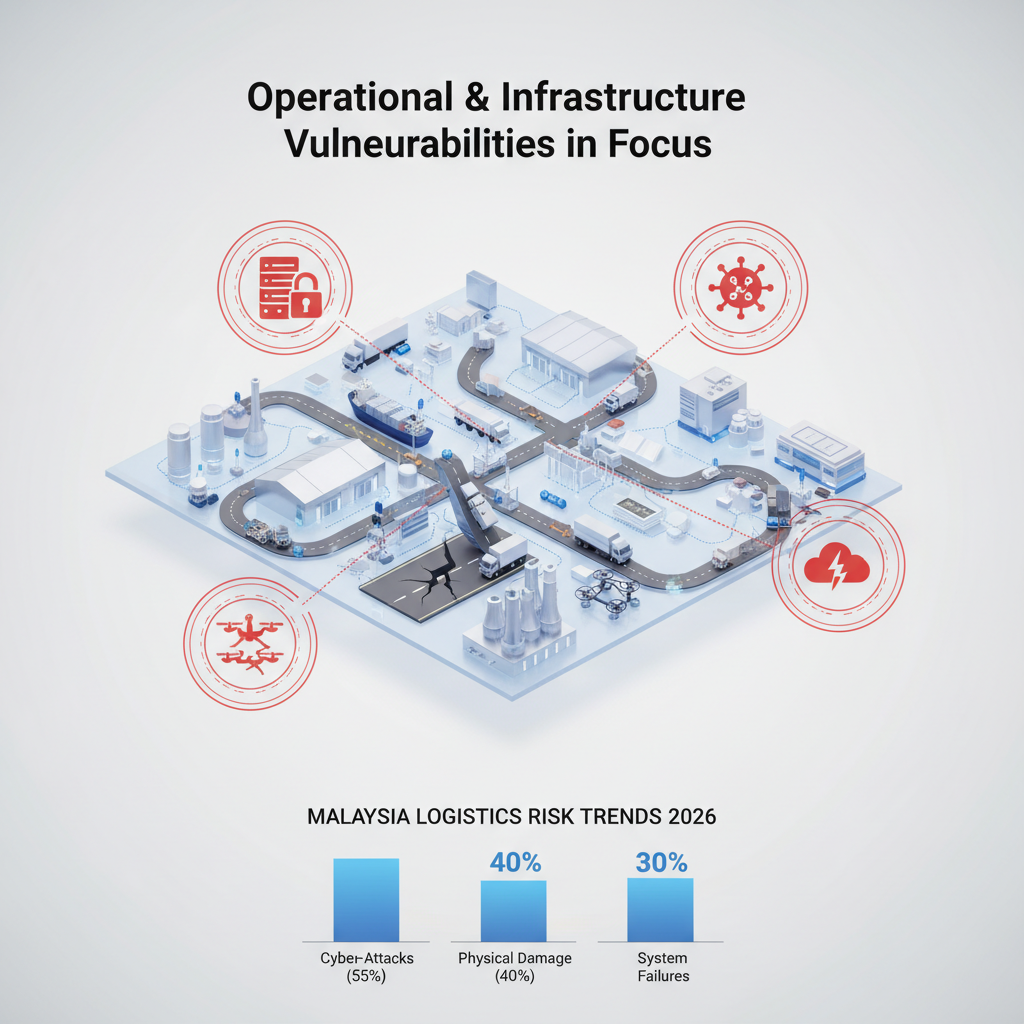
Malaysia’s strategic geographical location positions it as a vital hub in global supply chains, yet its logistics network grapples with significant operational and infrastructure vulnerabilities. A comprehensive trend report of the risk of logistics field in Malaysia reveals a complex interplay of physical, human, and regulatory challenges that demand urgent attention. Understanding these risks is crucial for stakeholders to enhance resilience and ensure the smooth flow of goods across the nation and beyond. This section delves into critical areas, from physical transit and storage issues to workforce dynamics and regulatory landscapes, providing a nuanced perspective on the challenges inherent in Malaysian logistics risks.
1. Infrastructure Deficiencies & Congestion Points
Despite ongoing development, Malaysia’s logistics infrastructure faces persistent challenges, contributing significantly to supply chain vulnerabilities Malaysia. Key areas of concern include inadequate road network reliability, which can lead to delays and increased operational costs, particularly for last-mile delivery challenges in rural areas. Port capacity constraints, especially at major entry points like Port Klang, frequently result in port congestion Malaysia, causing bottlenecks that ripple through the entire supply chain. While efforts are being made to upgrade facilities, the pace of infrastructure development often struggles to keep up with the exponential growth in trade volume, exacerbating issues like warehouse capacity constraints and hindering efficient multimodal transport integration. These infrastructure bottlenecks not only reduce efficiency but also directly impact the competitiveness of Malaysian businesses in the global market. Addressing these structural issues is paramount to strengthening the nation’s logistical backbone and mitigating systemic risks.
2. Workforce Shortages, Skill Gaps, and Labor Challenges
The Malaysian logistics sector is increasingly impacted by a growing logistics workforce shortages and a pronounced skilled labor gap logistics. This challenge manifests across various levels, from a scarcity of qualified truck drivers, leading to driver shortages Malaysia, to a lack of trained professionals in areas like warehouse management issues and supply chain analytics. The industry struggles to attract and retain talent, partly due to perceptions of low wages, demanding hours, and insufficient career development opportunities. The rapid pace of digitalisation logistics, while offering immense potential for efficiency gains, also necessitates new skill sets that are not yet widely available in the current workforce. Investing in comprehensive training programs, promoting automation, and improving working conditions are critical steps to address these human capital deficiencies. Without a robust and skilled workforce, the ability of Malaysian logistics to adapt to evolving demands and technological advancements, as highlighted in reports on Malaysia’s economic and logistics performance, will remain severely hampered, posing a significant risk to future growth.
3. Regulatory Compliance and Evolving Policy Changes
Navigating the complex landscape of regulatory compliance Malaysia presents another layer of operational vulnerability for logistics providers. Frequent adjustments to customs efficiency procedures, taxation policies, and environmental sustainability logistics standards require continuous adaptation and investment. Businesses must stay abreast of these evolving policy changes to avoid penalties, delays, and reputational damage. Furthermore, the varying interpretations and enforcement of regulations across different states or agencies can create inconsistencies, adding to the operational complexity and increasing risk exposure. Issues such as customs clearance issues and challenges related to obtaining specific permits can significantly slow down cargo movement and escalate costs. For a comprehensive trend report of the risk of logistics field in Malaysia, understanding and anticipating these regulatory shifts are crucial for developing proactive risk management strategies in logistics. Effective engagement between the industry and regulatory bodies is essential to foster a transparent, predictable, and supportive policy environment that facilitates rather than hinders logistical efficiency.
Building Resilience: Strategies for Risk Mitigation
Outlines proactive and reactive strategies that businesses can adopt to minimize exposure and enhance their resilience against identified risks.
In the dynamic global economy, the logistics sector faces an increasingly complex array of challenges, from geopolitical instability and natural disasters to technological disruptions and economic fluctuations. For businesses operating in Malaysia, understanding and mitigating these risks are paramount to ensuring operational continuity and competitive advantage. A comprehensive approach to the latest trend report of the risk of logistics field in Malaysia highlights the urgent need for robust risk mitigation to build enduring supply chain resilience. This section delves into proactive and reactive measures that Malaysian logistics companies can adopt to minimize exposure and enhance their capacity to withstand and recover from disruptions.
1. Diversifying Supply Chains and Sourcing Geographies
One foundational strategy for enhancing supply chain resilience is diversification. Over-reliance on a single supplier, manufacturing hub, or transportation route exposes businesses to significant vulnerabilities. The Malaysian logistics field, often intertwined with global trade, particularly benefits from expanding its network of suppliers and operational geographies. This involves identifying alternative suppliers in different regions, establishing multiple distribution channels, and exploring diverse transportation modes (sea, air, rail, road). For instance, rather than depending solely on a specific port or land bridge, businesses can develop contingency plans that leverage alternative entry points into Malaysia or neighboring countries.
Geographic diversification helps in mitigating risks associated with localized disruptions such as natural disasters, political instability, or pandemics. By spreading operations across various regions, companies can reduce the impact of an event in one area, ensuring that critical components or finished goods can still reach their destination. This strategy also fosters greater flexibility and agility, enabling logistics providers to adapt quickly to changing market conditions or unexpected events. Implementing multi-sourcing and regional warehousing strategies are crucial steps in building a more robust and responsive logistics risk management framework, ultimately safeguarding against concentrated points of failure.
2. Technology Adoption for Enhanced Risk Management (AI, IoT, Blockchain)
The digital transformation of the logistics sector offers powerful tools for proactive risk mitigation strategies. Emerging technologies like Artificial Intelligence (AI), the Internet of Things (IoT), and Blockchain are revolutionizing how risks are identified, monitored, and managed. AI-powered analytics process vast data to predict disruptions, optimize routing, and forecast demand fluctuations. This enables companies to anticipate challenges, allowing proactive adjustments in inventory, staffing, or transportation.
IoT devices, integrated into vehicles, containers, and warehouses, provide real-time visibility into the movement and condition of goods. Real-time tracking of shipments, temperature monitoring for sensitive cargo, and predictive maintenance for equipment are just a few applications that enhance operational control and reduce the likelihood of costly delays or damage. Furthermore, Blockchain technology offers unparalleled transparency and traceability throughout the supply chain. By creating an immutable, distributed ledger of transactions and events, Blockchain can verify the origin and authenticity of products, streamline customs procedures, and improve accountability among all stakeholders. These technologies are vital for Malaysian logistics firms looking to gain a competitive edge and build truly intelligent and resilient supply chains in an increasingly complex environment, aligning with global Malaysia logistics trends towards advanced digitalization.
3. Insurance, Contingency Planning, and Business Continuity Frameworks
While proactive measures reduce exposure, reactive strategies are essential for rapid recovery from unavoidable disruptions. A robust framework encompasses comprehensive insurance coverage, meticulous contingency planning, and well-defined business continuity protocols. Specialized logistics insurance, covering cargo damage, theft, political risks, and professional liability, provides a critical financial safety net. Businesses must regularly review policies to ensure adequate coverage aligns with evolving risk profiles, especially given the nuances highlighted in any robust trend report of the risk of logistics field in Malaysia.
Contingency planning involves identifying potential disruption scenarios—such as port closures, major road accidents, or cybersecurity breaches—and developing pre-defined alternative courses of action. This includes establishing backup suppliers, alternative routes, emergency communication protocols, and even redundant IT systems. Complementing this is the development of comprehensive business continuity (BCP) frameworks. A BCP outlines the critical functions of the business, the resources required to maintain them, and the steps to restore full operations after an incident. This includes training staff on emergency procedures, regularly testing recovery plans, and maintaining clear communication channels with customers and partners. By integrating these elements, Malaysian businesses can not only minimize financial losses but also maintain trust and reputation, demonstrating a strong commitment to supply chain stability and building global supply chain resilience.
Building resilience in the Malaysian logistics field is an ongoing journey that requires a multi-faceted approach. By strategically diversifying supply chains, embracing cutting-edge technologies, and implementing robust insurance and continuity plans, businesses can transform vulnerabilities into strengths. These strategies enable organizations to navigate the inherent uncertainties of the global supply chain, ensuring sustained growth and operational excellence in a dynamic and challenging environment.
The Future of Malaysian Logistics Risk: A 2026 Outlook
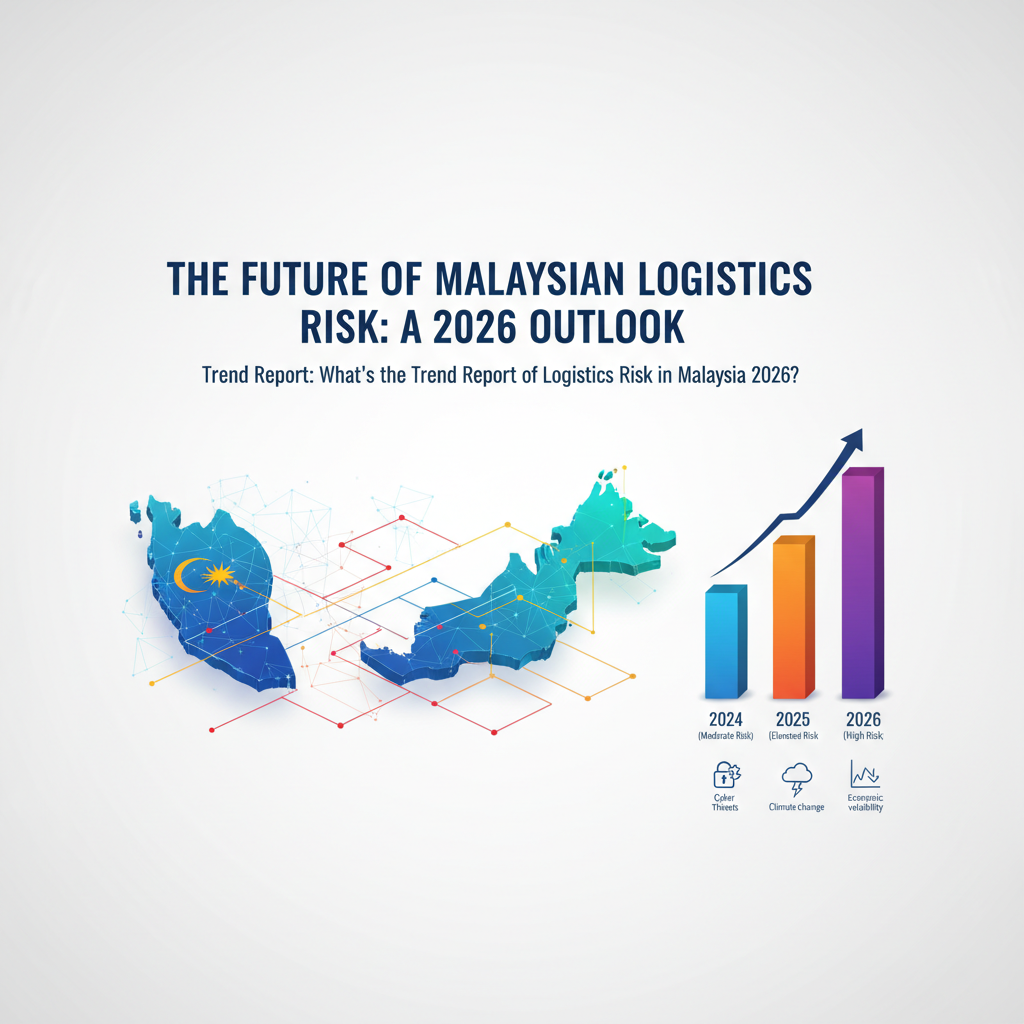
Malaysia’s logistics sector, a critical backbone of its vibrant trade economy, stands at a pivotal juncture. As we project its trajectory towards 2026, a comprehensive understanding of evolving logistics risks becomes paramount for long-term preparedness and sustainable growth. The confluence of global economic shifts, technological advancements, and persistent environmental challenges demands a proactive approach to risk management. This trend report of the risk of logistics field in Malaysia offers an essential outlook, guiding stakeholders in fortifying their operations against future disruptions and capitalizing on new opportunities in a rapidly transforming landscape.
1. Key Risk Trends to Monitor Post-2024
The period extending beyond 2024 will introduce a complex array of challenges for Malaysian logistics. Geopolitical instability, particularly within the South China Sea region and broader global trade dynamics, remains a significant concern. Supply chain disruptions stemming from international conflicts or protectionist policies could lead to increased lead times, higher costs, and uncertainty in sourcing and distribution. Climate change impacts are also intensifying; Malaysia faces heightened risks of extreme weather events such as floods and prolonged droughts, directly affecting port operations, road networks, and warehousing facilities. This necessitates robust infrastructure resilience and adaptive planning to mitigate physical damages and operational delays.
Furthermore, the accelerating pace of digital transformation, while offering immense opportunities, simultaneously amplifies cybersecurity threats. Sophisticated cyber-attacks targeting critical logistics infrastructure, data systems, and supply chain networks could cripple operations, leading to significant financial losses and reputational damage. Economic volatility, characterized by fluctuating energy prices, inflation, and shifting consumer demand, will continue to test the financial resilience of logistics providers. Finally, a persistent challenge will be labor shortages and skill gaps, particularly in areas requiring advanced digital competencies and specialized technical knowledge, hindering the adoption of new technologies and operational efficiency within the logistics field in Malaysia.
2. Investment Opportunities in Risk-Resilient Logistics Solutions
Addressing these emerging logistics risks effectively requires strategic investments in future-proof solutions. Automation and artificial intelligence (AI) present compelling opportunities to enhance efficiency and reduce human error across warehousing, last-mile delivery, and port operations. Investing in smart automation systems, AI-powered predictive analytics for demand forecasting, and optimized route planning can significantly improve operational resilience and reduce costs. Another critical area is sustainable logistics. Green transportation initiatives, such as electric vehicle fleets, optimizing cargo loads to reduce emissions, and adopting circular economy principles in packaging and waste management, not only address environmental concerns but also enhance corporate social responsibility and attract environmentally conscious clients. This is a key part of ensuring sustainable growth.
Diversification and regionalization of supply chains offer robust protection against geopolitical shocks and natural disasters. Malaysian companies should explore nearshoring strategies and multi-sourcing options to reduce over-reliance on single geographical regions or suppliers. Moreover, investing in advanced data analytics and blockchain technology can provide greater visibility and transparency across the entire supply chain, enabling real-time monitoring, rapid identification of bottlenecks, and enhanced traceability. Infrastructure upgrades, both digital and physical, including smart ports, resilient road networks, and secure cloud-based data platforms, are foundational investments to bolster the sector’s long-term capability and ensure a competitive position for Malaysian logistics.
3. Policy Recommendations for Government and Industry Stakeholders
To cultivate a truly resilient and competitive logistics sector by 2026 and beyond, collaborative efforts between government and industry stakeholders are indispensable. The Malaysian government should prioritize the development of clear, agile regulatory frameworks that support the adoption of emerging technologies like AI, automation, and blockchain, ensuring compliance while fostering innovation. Incentives for private sector investment in sustainable logistics infrastructure, cybersecurity measures, and advanced training programs for the workforce are crucial. Furthermore, enhancing cross-border and regional cooperation on trade facilitation and disaster response protocols will strengthen the overall supply chain resilience of Malaysia and its ASEAN neighbors.
Industry players, in turn, must embrace a culture of continuous risk assessment and adaptation. This includes actively participating in public-private partnerships to co-develop solutions, investing in employee upskilling and reskilling initiatives to meet future demands, and fostering greater data sharing and collaboration within the logistics ecosystem. Adopting international best practices for supply chain risk management and integrating environmental, social, and governance (ESG) principles into core business strategies will not only mitigate risks but also unlock new avenues for growth. By working in concert, government and industry can ensure that the trend report of the risk of logistics field in Malaysia evolves into a blueprint for a robust, sustainable, and future-ready logistics landscape.
Partner with Shelby Global
You are looking for reliable HR Sevice Suppliers? Contact Shelby Global Now! To connect with verified talents and upgrade your orginization.
—————————————
References
– :
– :
– Malaysia Economic Monitor (World Bank): https://www.worldbank.org/en/country/malaysia/overview
– building global supply chain resilience: https://www2.deloitte.com/us/en/pages/manufacturing/articles/supply-chain-resilience.html
– World Bank Overview: Malaysia: https://www.worldbank.org/en/country/malaysia/overview