Understanding Vietnam’s Logistics Landscape & Salary Benchmarks
Vietnam’s dynamic economic landscape has positioned it as a critical hub in the global supply chain, leading to a rapidly evolving logistics sector. This growth, fueled by increased foreign direct investment (FDI), a booming e-commerce market, and strategic trade agreements, presents both immense opportunities and complex challenges for businesses operating within the country. Understanding the intricacies of this market, particularly concerning compensation, is paramount for sustainable success. This section delves into the current state of Vietnam’s logistics market, exploring its key growth drivers, the hurdles it faces, and crucially, underscores the importance of a well-defined Salary Defining Strategy for all job titles in logistics field in vietnam. Accurate, market-specific salary benchmarks are not just a recruitment tool; they are foundational for informed decision-making, ensuring businesses attract and retain top talent while maintaining competitive operational costs.

-
Growth Trajectories and Key Industry Drivers
Vietnam’s logistics market is experiencing an unprecedented boom. The country’s strategic geographical location, coupled with its pro-business policies, has attracted significant manufacturing investments, transforming it into a major global production base. The signing of numerous Free Trade Agreements (FTAs) like the EVFTA, CPTPP, and RCEP has further integrated Vietnam into international trade networks, boosting import and export volumes. Domestically, the explosion of e-commerce, driven by a young, digitally-savvy population, has created immense demand for efficient last-mile delivery and warehousing solutions. Furthermore, substantial government investment in infrastructure—including deep-water ports, expressways, and modern airports—is continually enhancing connectivity and operational efficiency across the supply chain. This robust growth trajectory necessitates a highly skilled logistics workforce, from warehouse operators and customs specialists to supply chain managers and logistics strategists. As the sector matures, the demand for specialized roles and advanced capabilities continues to climb, highlighting the critical need for employers to have a clear salary defining strategy to secure the right talent. According to the World Bank, Vietnam continues to make strides in improving its business environment and logistics performance, underpinning this growth. (World Bank Overview: Vietnam’s Economic Development).
-
Regional Disparities in Logistics Demand & Pay Scales
While Vietnam’s logistics market thrives nationwide, significant regional disparities exist in both demand and compensation structures. Major economic powerhouses like Ho Chi Minh City and Hanoi, along with key industrial provinces such as Binh Duong and Dong Nai in the South, or Hai Phong and Bac Ninh in the North, serve as primary logistics hubs. These areas benefit from denser populations, more developed infrastructure, and a higher concentration of manufacturing and retail operations. Consequently, the demand for skilled logistics professionals in these regions is substantially higher, leading to more competitive salaries and benefits packages compared to less developed provinces. Companies seeking to establish a presence or expand their operations must account for these geographical variations. A well-calibrated salary defining strategy must factor in local cost of living, regional talent availability, and the specific demands of the local logistics ecosystem to ensure equitable and competitive compensation across different operational bases. Failing to acknowledge these nuances can lead to challenges in talent acquisition and retention in specific locales.
-
Utilizing Reliable Salary Survey Data for Vietnam Logistics
In such a dynamic and regionally diverse market, relying on anecdotal evidence or general regional benchmarks is insufficient for effective talent management. Businesses operating in Vietnam’s logistics sector, whether multinational corporations or local enterprises, require access to reliable, up-to-date salary survey data. Such data provides granular insights into compensation trends across various job functions—from entry-level positions like freight forwarder assistants to executive roles like supply chain directors—and helps calibrate pay scales against industry norms. This information is invaluable for:
* Attracting Top Talent: Offering competitive salaries ensures companies can secure highly qualified professionals amidst fierce competition.
* Retaining Key Employees: Regularly benchmarking salaries helps prevent attrition by ensuring employees feel valued and fairly compensated, a critical component of a robust salary defining strategy for all job titles in logistics field in vietnam.
* Strategic Budgeting: Accurate salary data allows for more precise workforce planning and budget allocation, optimizing operational costs.
* Informed Decision-Making: Employers can make data-driven decisions regarding promotions, new hires, and overall compensation policies.
Comprehensive salary surveys tailored specifically for the Vietnamese logistics market offer the insights needed to develop a robust and effective compensation framework, directly supporting your talent strategy and business objectives. For a detailed approach to establishing competitive compensation, explore our insights on developing a comprehensive salary defining strategy for all job titles in logistics field in vietnam.
Key Factors Influencing Logistics Salaries in Vietnam
Vietnam’s rapidly expanding economy and its strategic position in global supply chains have fueled a robust demand for skilled logistics professionals. As the sector matures, understanding the Salary Defining Strategy for all job titles in logistics field in vietnam becomes crucial for both employers seeking to attract top talent and individuals aiming to advance their careers. Various interwoven factors dictate the logistics compensation Vietnam, extending beyond basic supply and demand to encompass specific organizational attributes, role complexities, and individual proficiencies. Navigating this dynamic landscape requires a nuanced appreciation of the elements that shape earning potential across the country, from supply chain salaries HCMC to regional hubs.
1. Impact of Company Size and Type (Local vs. FDI)
The foundational determinant of logistics compensation Vietnam often begins with the nature of the employing organization. Companies engaged in Foreign Direct Investment (FDI), particularly large multinational corporations (MNCs), typically offer higher salaries and more comprehensive benefits packages compared to their local Vietnamese counterparts. This disparity stems from several factors: FDI firms often operate with global compensation benchmarks, possess greater financial resources, manage more complex international supply chains, and frequently require specialized skills aligned with global standards. Their operations often involve advanced technology and sophisticated management practices, justifying a premium for qualified personnel.
Conversely, local Vietnamese logistics companies, while increasingly competitive and innovative, generally adhere to different salary structures driven by domestic market conditions and cost of living. However, many prominent local players are now offering highly competitive freight forwarding pay rates and attractive packages to secure experienced professionals, especially those with international exposure. The type of logistics company also plays a significant role. Third-Party Logistics (3PL) providers, in-house logistics departments of manufacturing or retail firms, and dedicated freight forwarders each have distinct operational models and corresponding salary scales. Larger 3PLs managing extensive networks, for instance, might offer more competitive warehouse management wages and customs specialist salary roles due to the scale and critical nature of their services.
2. Role-Specific Responsibilities and Complexity
The specific responsibilities inherent to a logistics position are paramount in defining its salary. Roles that demand strategic thinking, complex problem-solving, and significant decision-making authority command substantially higher compensation. For instance, a logistics director Vietnam or a senior supply chain manager, responsible for overseeing entire supply chain operations, optimizing global routes, managing multi-million-dollar budgets, and leading large teams, will naturally earn a much higher salary than an entry-level logistics coordinator or a warehouse operator.
The complexity of tasks involved also plays a critical role. Positions requiring deep knowledge of international trade regulations, customs procedures, advanced inventory management systems, or multi-modal transportation planning are valued more highly. A customs clearance specialist, for example, whose expertise directly impacts the timely and compliant flow of goods, will see a premium for their specialized knowledge. Similarly, roles involving technology integration, data analytics for supply chain optimization, or risk management within the logistics framework are increasingly recognized and remunerated, reflecting the growing demand for these sophisticated skills. The level of impact a role has on a company’s profitability and operational efficiency is a direct indicator of its earning potential, making the Salary Defining Strategy for all job titles in logistics field in vietnam deeply tied to accountability and strategic contribution.
3. Education, Experience, and Specialized Certifications
An individual’s educational background, years of relevant experience, and possession of specialized certifications are critical determinants of logistics compensation Vietnam. A bachelor’s degree in Logistics, Supply Chain Management, Business Administration, or a related field is often a minimum requirement for professional roles, with master’s degrees or MBAs providing a significant advantage for leadership positions. Higher education demonstrates a foundational understanding of logistics principles, analytical capabilities, and strategic thinking, directly influencing supply chain salaries HCMC and other major logistics hubs.
Experience, however, is often the most significant differentiator. Junior roles benefit from 1-3 years of experience, while mid-level positions require 3-7 years, and senior leadership roles often demand 10+ years of proven track record. Each additional year of relevant experience, especially within complex or international logistics environments, translates into higher earning potential and access to more prestigious roles, including a logistics director Vietnam. Practical experience demonstrates not just theoretical knowledge but also problem-solving abilities, adaptability, and an understanding of real-world operational challenges.
Furthermore, professional development logistics through specialized certifications can significantly boost a candidate’s value. Certifications from reputable international bodies, such as APICS (now ASCM) for Certified Supply Chain Professional (CSCP) or Certified in Logistics, Transportation and Distribution (CLTD), or Lean Six Sigma certifications, signify a commitment to continuous learning and mastery of advanced methodologies. These credentials, which demonstrate expertise in specific areas and a global understanding of best practices, are highly sought after by FDI companies and can significantly enhance a professional’s Salary Defining Strategy for all job titles in logistics field in vietnam. According to insights from the Association for Supply Chain Management (ASCM), specialized skills are increasingly vital for navigating complex global supply chains, reinforcing the value of such qualifications.
Salary Strategies for Diverse Logistics Job Titles
Dive into specific strategies for defining competitive salaries for various roles within the logistics sector, from entry-level positions to senior management, considering their unique contributions and market value.
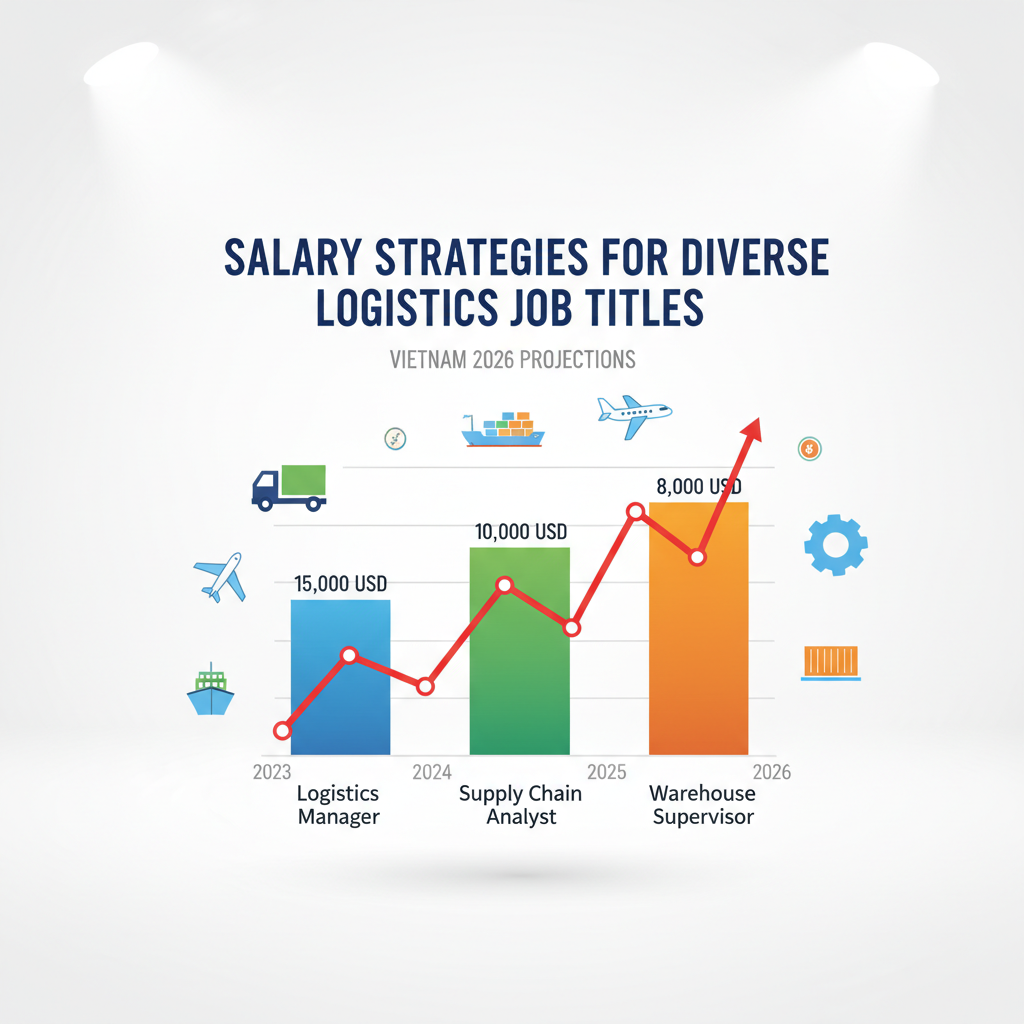
In the dynamic logistics sector of Vietnam, attracting and retaining top talent hinges on a meticulously crafted Salary Defining Strategy for all job titles in logistics field in Vietnam. As businesses navigate a competitive landscape, understanding the nuances of logistics compensation Vietnam across different career levels and specializations is paramount. This guide explores a comprehensive approach to establishing fair and appealing salary structures, ensuring your organization remains an employer of choice amidst the evolving Vietnam logistics job market.
1. Entry-Level to Mid-Career Logistics Professionals
For entry-level roles such as Logistics Coordinators, Warehouse Associates, or Junior Freight Forwarders, and mid-career positions like Logistics Supervisors or Inventory Managers, establishing competitive entry-level logistics pay scales is crucial. These foundational roles are the backbone of any logistics operation, handling daily tasks from order processing and inventory management to transportation scheduling. A robust Salary Defining Strategy for all job titles in logistics field in Vietnam for these positions should consider several factors:
- Market Benchmarking: Research average salaries for similar roles in Vietnam, utilizing industry surveys and local job boards to understand current supply chain salary benchmarks. Factors like location (e.g., Ho Chi Minh City vs. smaller provinces) and company size can significantly influence compensation.
- Skills & Qualifications: Differentiate pay based on relevant educational backgrounds (e.g., vocational training vs. university degrees in supply chain management), certifications (e.g., FIATA, APICS), and experience levels.
- Performance Incentives: Introduce performance-based bonuses for achieving specific operational targets, such as reduced shipping errors, improved inventory accuracy, or enhanced delivery times. This motivates employees and aligns their efforts with business goals, also contributing to career growth in the logistics industry wage trends.
- Growth Potential: Highlight clear career progression paths and associated salary increments. This provides entry-level professionals with a vision for their future within the company, making the overall compensation package more attractive beyond the initial salary.
2. Specialized Roles: Supply Chain Analysts & IT Logistics
The increasing complexity and digitalization of logistics demand highly specialized skills, particularly in areas like supply chain analytics and IT logistics. Roles such as Supply Chain Analysts, Data Scientists for Logistics, Logistics System Administrators, or E-commerce Logistics Specialists command higher specialized logistics roles compensation due to their unique expertise and direct impact on efficiency and innovation. When formulating a Salary Defining Strategy for all job titles in logistics field in Vietnam for these positions:
- Expertise Premium: Acknowledge the scarcity and value of these skills. Salaries for these roles should reflect the specialized knowledge in areas like predictive analytics, WMS/TMS implementation, data visualization, or cybersecurity within supply chain networks.
- Technology Proficiency: Pay a premium for experience with specific logistics technologies, software platforms, and data tools that drive operational excellence and strategic decision-making.
- Project Impact & ROI: Link compensation, particularly bonuses, to the successful implementation of projects that yield measurable returns on investment, such as cost reductions through optimized routes or increased forecast accuracy.
- Global Benchmarking: Given the global nature of technology and data skills, benchmark salaries against international standards for cutting-edge expertise, vital for attracting and retaining talent against global competition.
3. Senior Management and Executive Compensation Packages
For roles like Head of Logistics, Supply Chain Director, or Chief Operations Officer, the compensation structure shifts significantly. Senior logistics executive salaries and their overall packages are designed to attract visionary leaders capable of steering the organization through strategic challenges and opportunities. A comprehensive Salary Defining Strategy for all job titles in logistics field in Vietnam for this level must include:
- Base Salary: Competitive fixed pay that reflects extensive experience, leadership capabilities, and strategic impact. This should be at the upper echelon of logistics compensation Vietnam.
- Variable Pay & Incentives: A substantial portion of total compensation should be performance-linked. This includes annual bonuses tied to company-wide profitability, market share growth, operational efficiency improvements, and long-term incentive plans such as stock options or phantom stock. These incentives align executive interests directly with shareholder value.
- Benefits & Perks: Offer executive-level benefits such as comprehensive health insurance, executive car allowances, housing allowances, children’s education support, and generous retirement plans. These non-cash elements significantly enhance the overall value proposition.
- Long-Term Value Creation: Emphasize compensation components that reward sustained performance and contribution to the company’s long-term strategic goals. This ensures leaders are invested in future success, navigating the complex Vietnam logistics job market with a long-term vision. Understanding broader logistics industry wage trends informs future-proof compensation plans.
By adopting a multi-faceted and market-informed approach to salary defining strategy for all job titles in logistics field in Vietnam, companies can create a robust compensation framework that attracts, motivates, and retains the diverse talent essential for thriving in Vietnam’s competitive logistics landscape.
Crafting a Robust Salary Definition & Negotiation Strategy
The Vietnamese logistics market is rapidly expanding, fueled by strong economic growth, increased foreign investment, and burgeoning e-commerce. This dynamic environment places a premium on attracting, motivating, and retaining top talent across the entire supply chain. For both employers and job seekers, developing a clear and effective Salary Defining Strategy for all job titles in logistics field in vietnam is crucial. It’s not just about setting numbers, but understanding market value, internal equity, and performance incentives. This section offers practical steps and strategic approaches to effectively define, benchmark, and negotiate salaries, ensuring competitive advantage and mutual satisfaction. From entry-level coordinators to senior supply chain directors, understanding the nuances of logistics compensation Vietnam is paramount for sustainable success and robust logistics talent retention.
-
Internal Equity vs. External Competitiveness
Striking the right balance between internal equity and external competitiveness is fundamental to any sound salary strategy. Internal equity ensures fairness and transparency within an organization; employees with similar roles, experience, and performance should receive comparable compensation. This involves establishing clear job descriptions, robust grading systems, and salary bands that reflect the organizational structure and perceived value of each role. Neglecting internal equity can lead to demotivation, reduced productivity, and increased turnover, especially in critical areas like warehouse management salaries where consistent team morale is vital.
Conversely, external competitiveness dictates that an organization’s salaries must be attractive relative to the broader market to draw in and keep high-caliber professionals. This requires continuous monitoring of market compensation data Vietnam. Employers must regularly benchmark their pay scales against industry competitors, considering factors like geographic location, company size, and specific sector demands, such as those impacting Vietnam freight forwarding pay. Job seekers, on the other hand, should meticulously research industry benchmarks and specific company compensation ranges. Leveraging authoritative resources like the Robert Walters Vietnam Salary Survey can provide invaluable insights into prevailing rates and trends across various logistics roles. A balanced approach ensures employers attract the best talent while maintaining a fair and motivating work environment.
-
Performance-Based Pay and Incentive Structures
Beyond base salaries, integrating performance-based pay and incentive structures is a powerful tool for driving motivation, productivity, and aligning individual goals with organizational objectives within the Vietnamese logistics sector. For employers, designing effective Key Performance Indicators (KPIs) linked directly to compensation can significantly enhance business outcomes. These might include metrics related to on-time delivery rates, cost reduction in supply chain operations, inventory accuracy, or customer satisfaction. Such structures can range from individual bonuses and commissions to team-based incentives or profit-sharing schemes.
Implementing skills-based pay logistics models also rewards employees for acquiring and applying new competencies that add value to the organization, fostering continuous learning. For instance, a customs clearance specialist obtaining new certifications or a logistics planner mastering advanced route optimization software could see their compensation increase. For job seekers, understanding how potential employers structure their total supply chain salaries Vietnam – beyond just the base pay – is crucial. Enquiring about bonus potential, commission structures, and other incentives allows candidates to evaluate the full earning potential and how their performance can directly impact their financial reward. Transparent communication of these structures is key to ensuring employees understand how their efforts translate into tangible benefits.
-
Effective Salary Negotiation Tactics and Best Practices
Successful salary negotiation is an art, requiring preparation, clear communication, and a focus on mutual value. For job seekers, thorough research into typical Salary Defining Strategy for all job titles in logistics field in vietnam is paramount. Understand your worth, not just in terms of base salary, but also considering the total compensation package including benefits (health insurance, annual leave), professional development opportunities, and career progression. Articulate your value proposition clearly, highlighting specific achievements and skills that directly benefit the employer. Be prepared to justify your salary expectations with data and examples of your contributions. While assertive, maintain a professional and collaborative tone, aiming for a win-win outcome.
For employers, best practices include having well-defined salary bands and being transparent about what the company can offer. Be prepared to justify your offer based on internal equity, market data, and the candidate’s specific qualifications and experience. Understanding a candidate’s full expectations – including non-monetary benefits – can open avenues for negotiation beyond just the base salary. Flexibility in offering additional perks or a clear career development plan can often bridge minor salary gaps and enhance the overall offer’s attractiveness. For a deeper dive into developing a comprehensive salary defining strategy for various logistics roles, exploring expert resources can provide invaluable frameworks. Ultimately, both parties should aim for an agreement that feels fair, motivating, and sustainable, fostering a long-term, productive relationship in Vietnam’s competitive logistics landscape.
Future Trends & Sustaining Competitive Logistics Salaries by 2026
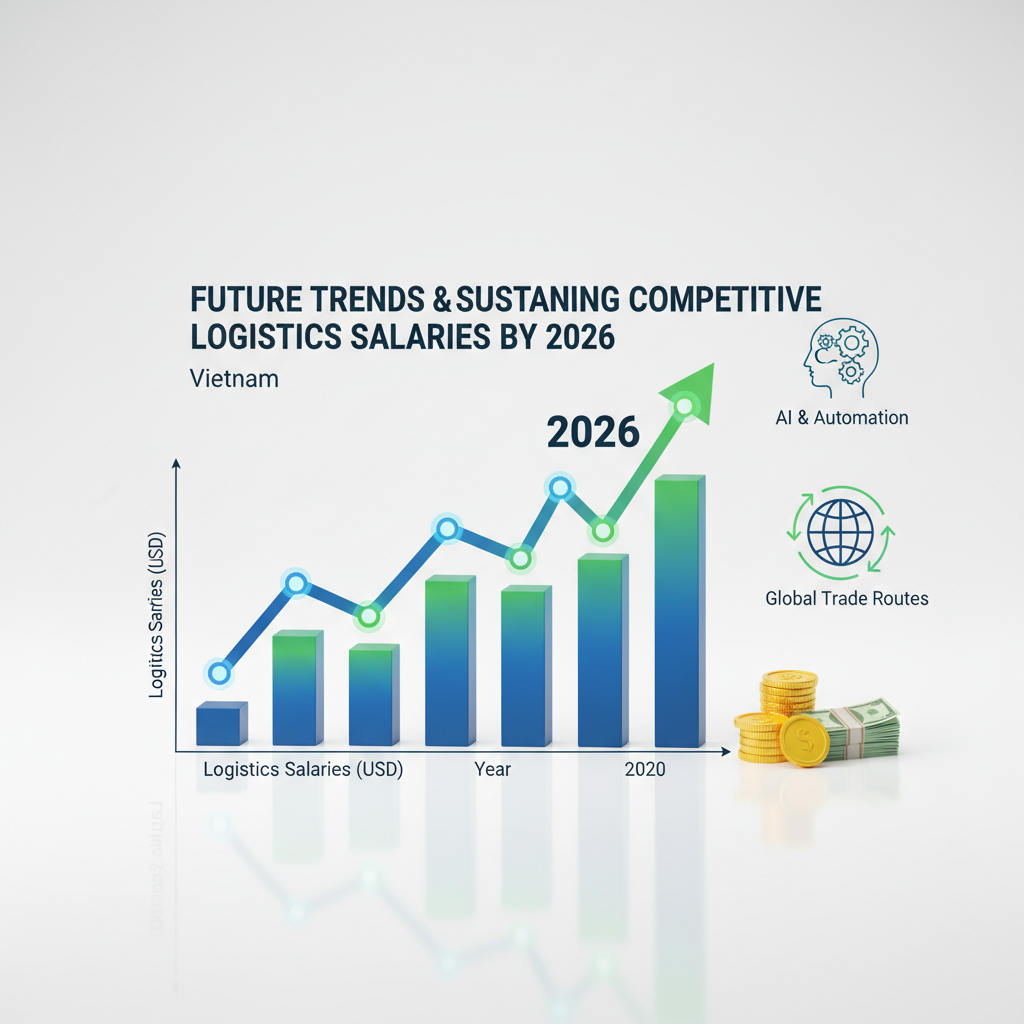
As Vietnam continues its rapid ascent as a global manufacturing and trade hub, its logistics sector faces unprecedented transformation. Looking ahead to 2026, the landscape of logistics salaries will be profoundly shaped by emerging technological advancements, evolving global trade dynamics, and a heightened focus on sustainability. To navigate these shifts successfully, Vietnamese logistics companies must adopt a proactive Salary Defining Strategy for all job titles in logistics field in vietnam that not only attracts but also retains top talent, ensuring long-term competitiveness and operational excellence.
This forward-looking approach is critical for sustaining competitive compensation packages that reflect changing skill demands and market realities. Understanding these future trends is paramount for businesses to strategize effectively, securing their human capital in an increasingly dynamic market.
1. Automation, AI, and Digital Transformation’s Impact on Roles
The relentless march of automation, artificial intelligence (AI), and digital transformation is set to redefine nearly every role within logistics. From automated warehouses and drone deliveries to AI-powered predictive analytics for supply chain optimization, technology will undoubtedly streamline operations and enhance efficiency. However, this also means a significant shift in the demand for specific skills. Manual and routine tasks will likely see a reduction in demand, while roles requiring expertise in data science, AI deployment, robotics management, cybersecurity, and complex system integration will surge.
This transformation implies a two-tiered impact on salaries. Roles requiring advanced technical skills and strategic oversight of digital systems will command premium salaries, reflecting the specialized knowledge and value they bring. Conversely, traditional roles will require significant upskilling and reskilling to remain relevant and maintain competitive compensation levels. Companies must invest heavily in training programs to transition their workforce, ensuring their Salary Defining Strategy for all job titles in logistics field in vietnam accounts for this evolving skill premium and the continuous need for workforce adaptation to new technologies.
2. Sustainability Initiatives and Green Logistics
Global and local pressures for greater environmental responsibility are rapidly making sustainability a core tenet of logistics operations. Green logistics, encompassing initiatives like carbon footprint reduction, optimized route planning for fuel efficiency, sustainable packaging, and the adoption of electric vehicle fleets, will become non-negotiable. This shift creates a new category of specialized roles and demands for existing positions.
Professionals with expertise in sustainable supply chain management, environmental compliance, carbon accounting, and renewable energy logistics will be highly sought after. Their unique skills in navigating complex regulations, implementing eco-friendly practices, and driving corporate social responsibility initiatives will be invaluable. As Vietnam commits to ambitious sustainability targets, the demand for these green logistics specialists will grow, leading to higher compensation for those who can drive environmentally conscious and economically viable supply chain solutions. Companies that integrate sustainability into their core values will find it easier to attract and retain talent in this critical area, reflecting this value in their compensation structures.
3. Talent Retention and Upskilling in a Dynamic Market
In a rapidly evolving and competitive market like Vietnam, talent retention poses a significant challenge. The dynamic shifts caused by technology and sustainability initiatives mean that the skills in demand today might be different tomorrow. Therefore, a robust Salary Defining Strategy for all job titles in logistics field in vietnam must extend beyond just attractive base pay to include comprehensive talent development and retention programs.
This involves continuous upskilling and reskilling initiatives that prepare the workforce for future roles and technologies. Offering clear career progression paths, opportunities for continuous learning, and fostering a culture of innovation are crucial. Furthermore, non-monetary benefits such as work-life balance, employee well-being programs, and a strong organizational culture that values individual contributions play a pivotal role in retaining top performers. Companies that proactively invest in their employees’ growth and well-being will not only secure their best talent but also build a more resilient and adaptable workforce capable of meeting the demands of the future logistics landscape. According to the World Economic Forum’s Future of Jobs Report 2023, analytical thinking and creative thinking are among the most important skills for workers in 2023, underscoring the need for continuous learning.
In conclusion, the future of logistics salaries in Vietnam towards 2026 will be characterized by a blend of technological disruption, environmental imperatives, and intense competition for skilled professionals. Businesses that strategically embrace automation, champion sustainability, and prioritize continuous talent development and retention will be best positioned to offer competitive and sustainable compensation packages, thereby securing their leadership in Vietnam’s burgeoning logistics sector.
Partner with Shelby Global
You are looking for reliable HR Sevice Suppliers? Contact Shelby Global Now! To connect with verified talents and upgrade your orginization.
—————————————
References
– World Bank Overview: Vietnam’s Economic Development: https://www.worldbank.org/en/country/vietnam/overview
– Why Supply Chain Certifications are Important: https://www.ascm.org/insights/articles/2023/11/07/why-supply-chain-certifications-are-important/
– Vietnam’s Economy Recovers Moderately in 2023 but Challenges Remain for 2024: https://www.worldbank.org/en/news/press-release/2023/12/12/vietnam-economy-recovers-moderately-in-2023-but-challenges-remain-for-2024
– Robert Walters Vietnam Salary Survey: https://www.robertwalters.com.vn/en/salary-survey.html
– Future of Jobs Report 2023: https://www.weforum.org/publications/future-of-jobs-report-2023/