
Overview of the Malaysian Education Job Market 2026
The Malaysian education sector is undergoing a significant transformation, driven by technological advancements, evolving student needs, and strategic government initiatives. As we approach 2026, understanding the dynamics of the education job market is crucial for both aspiring educators and established professionals. This overview sets the stage, providing context on the current state and future outlook of education employment in Malaysia, highlighting key trends and growth drivers that shape career opportunities and earning potentials. A detailed understanding, often encapsulated in a comprehensive salary range report of jobs in education companies in malaysia, is essential for navigating this evolving landscape. The market is increasingly characterized by a blend of traditional educational paradigms and innovative EdTech solutions, each offering distinct pathways and remuneration structures.

1. Key Growth Areas: EdTech vs. Traditional Institutions
The distinction between EdTech and traditional institutions has never been more pronounced in Malaysia. While conventional schools, colleges, and universities continue to form the backbone of the education system, the rise of educational technology platforms is reshaping the demand for skills and roles. EdTech companies are experiencing robust growth, fueled by increased internet penetration and a societal shift towards digital learning. This sector seeks professionals adept in instructional design, e-content creation, digital marketing, data analytics for learning outcomes, and platform management. Salaries in EdTech can be competitive, often reflecting specialized digital skills and project-based compensation models. In contrast, traditional institutions, while adopting technology, still primarily seek qualified teachers, lecturers, and academic administrators. Their growth areas are often tied to curriculum expansion, international collaborations, and specialized vocational training programs (TVET). The Department of Statistics Malaysia often provides insights into labor force trends, including the demand for various educational specializations, indicating a continuous need for skilled educators across both sectors. The convergence of these two areas suggests a future where hybrid roles, requiring both pedagogical expertise and digital literacy, will become increasingly common.
2. Impact of Government Policies on Education Salaries
Government policies play a pivotal role in shaping the education job market and, consequently, the salary structures within Malaysia. Initiatives such as the Malaysia Digital Economy Blueprint (MyDIGITAL) and ongoing efforts to improve the quality of education, including the implementation of the National Education Blueprint, directly influence funding allocations, curriculum development, and teacher training programs. For instance, policies promoting STEM education or Technical and Vocational Education and Training (TVET) can lead to increased demand and potentially higher salaries for educators in these specialized fields. Furthermore, government mandates regarding minimum wages for certain sectors or public sector salary revisions can indirectly affect remuneration in private educational institutions to remain competitive. Subsidies for early childhood education or incentives for educators in rural areas also create specific job opportunities and impact salary scales. Staying informed about these policy shifts is crucial for understanding potential career trajectories and the future salary range report of jobs in education companies in malaysia.
3. Anticipated Demand for Educators and Support Staff
The outlook for educators and support staff in Malaysia remains positive, albeit with evolving requirements. The demand for qualified teachers and lecturers is anticipated to remain steady, particularly in specialized subjects like Science, Technology, Engineering, and Mathematics (STEM), as well as in English language proficiency. There’s also a growing need for early childhood educators, driven by increasing parental awareness and government support for preschool education. Beyond classroom roles, the education sector will see a heightened demand for support staff with specialized skills. This includes academic counselors, career advisors, educational psychologists, and learning support specialists, especially for students with diverse learning needs. The expansion of private international schools and higher education institutions catering to both local and international students further fuels this demand. Moreover, the digital transformation necessitates a new breed of professionals within educational institutions, such as IT support specialists, instructional technologists, and online learning facilitators, whose roles are critical for blended learning environments. Comprehensive data, such as a salary range report of jobs in education companies in malaysia, can further detail these evolving demands.
The Malaysian education job market in 2026 is dynamic and full of opportunities for those equipped with the right skills and foresight. The interplay between traditional academic roles and the burgeoning EdTech sector, coupled with responsive government policies, creates a diverse landscape for employment. Professionals who embrace continuous learning, adapt to technological advancements, and specialize in high-demand areas will be well-positioned for success. Regular consultation of resources like a comprehensive salary range report of jobs in education companies in malaysia will be invaluable for understanding the current remuneration landscape and making informed career decisions in this evolving and vital sector. The future promises a vibrant educational ecosystem, requiring a dedicated and adaptable workforce.
Salary Benchmarks by Job Role in Education Companies
Understanding the compensation landscape is crucial for both job seekers and employers within Malaysia’s vibrant education sector. As the industry continues to evolve, encompassing traditional institutions, private academies, and rapidly expanding EdTech firms, the demand for a diverse range of skills is growing. This comprehensive salary range report of jobs in education companies in Malaysia aims to shed light on typical compensation expectations across various roles, helping professionals benchmark their value and enabling companies to formulate competitive remuneration strategies.
The education industry in Malaysia is dynamic, influenced by factors such as government policies, demand for specific skills (especially in STEM and digital literacy), economic conditions, and the increasing premium placed on quality education. Whether you’re an aspiring teacher, a seasoned administrator, or an EdTech innovator, knowing the general salary trajectory for your desired position is key to career planning and negotiation in the Malaysian education market.
1. Teaching & Academic Roles (e.g., Teachers, Lecturers, Tutors)
Teaching and academic positions form the bedrock of the education sector. Salaries for these roles in Malaysia are highly variable, influenced by factors such as the type of institution (public university, private college, international school, local private school, tuition centre), qualifications (Bachelor’s, Master’s, PhD), years of experience, and subject specialisation (e.g., highly sought-after STEM subjects often command higher pay). International schools typically offer the most competitive packages, often including benefits like housing allowances and flights, attracting expatriate teachers and highly qualified local talent. Entry-level teachers in local private schools or tuition centres might expect to start from RM 2,500 – RM 3,500 per month. With 3-5 years of experience, this could rise to RM 4,000 – RM 6,000. Senior teachers or heads of department in established institutions can earn upwards of RM 7,000 – RM 10,000+. For lecturers at universities, entry-level positions might start from RM 4,000 – RM 6,000, progressing to RM 8,000 – RM 15,000+ for associate professors or those with significant research output. For a broader perspective on remuneration, consult resources like the Hays Asia Salary Guide, which often includes insights into the education sector across the region.
2. Administrative & Support Roles (e.g., Admissions, HR, Marketing)
Beyond the classroom, a host of administrative and support functions are vital for the smooth operation of any education company. These roles include Admissions Officers, Marketing Executives, Human Resources Specialists, Student Affairs Coordinators, Finance Officers, and IT Support. Salaries here also vary based on the size and prestige of the institution, the scope of responsibility, and the individual’s experience. An entry-level Admissions or Marketing Executive might expect a starting salary of RM 2,200 – RM 3,000 per month. With 3-5 years of experience, mid-level roles such as HR Executive or Marketing Manager could command RM 4,000 – RM 7,000. Senior managerial positions, like Head of Admissions or HR Director in a large university group, can see salaries ranging from RM 8,000 to RM 15,000+, reflecting the strategic importance of these functions in student recruitment, talent management, and institutional branding. These roles are critical for maintaining operational excellence and strategic growth in the competitive Malaysian education landscape.
3. EdTech & Digital Learning Specialists (e.g., Content Creators, Platform Managers)
The burgeoning EdTech sector in Malaysia is creating exciting new job opportunities, particularly for those with a blend of educational understanding and digital expertise. Roles like Online Content Creators, Instructional Designers, Learning Platform Managers, E-learning Specialists, and Digital Marketing Strategists for educational products are increasingly in demand. Salaries for these specialists are often competitive, reflecting the niche skills and the growth potential of the digital learning market. Entry-level positions in EdTech, such as Junior Content Creator or E-learning Assistant, might start from RM 2,800 – RM 4,000. With specialised skills in areas like UX/UI for educational platforms, advanced instructional design, or expertise in specific Learning Management Systems (LMS), mid-career professionals can expect RM 5,000 – RM 8,000. Senior roles, such as Head of Digital Learning or EdTech Product Manager, particularly in well-funded startups or established institutions pivoting to digital, can reach RM 9,000 – RM 18,000+. The demand for innovative solutions and engaging digital learning experiences continues to drive compensation upwards for skilled professionals in this cutting-edge segment of the education industry in Malaysia.
In conclusion, the education sector in Malaysia offers a wide spectrum of career paths with varying compensation packages. While academic roles remain central, the growing administrative and EdTech segments are providing equally rewarding opportunities. Prospective employees and employers alike should leverage salary benchmarks to ensure fair compensation and foster a thriving educational ecosystem. For more in-depth data and current trends, consider consulting an updated salary range report of jobs in education companies in Malaysia from reputable sources.
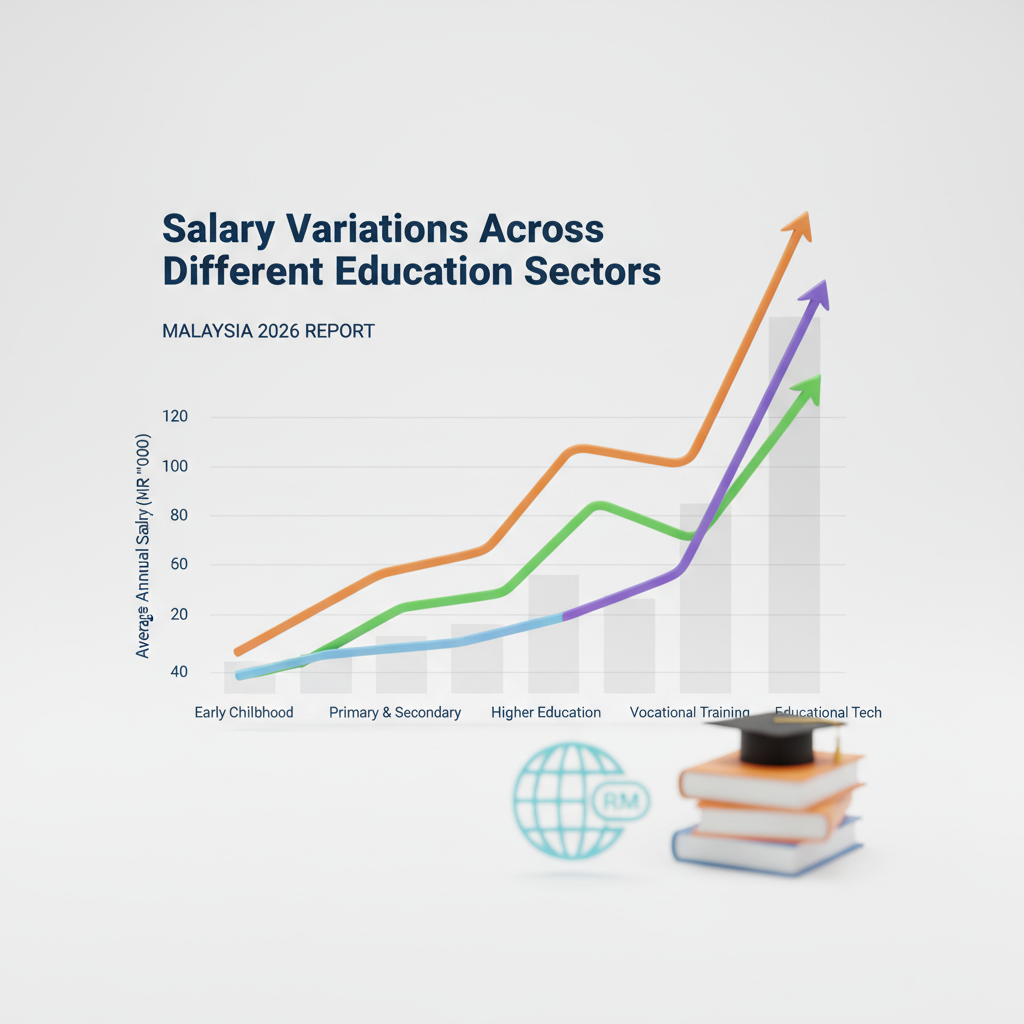
Salary Variations Across Different Education Sectors
Understanding the intricate landscape of compensation in Malaysia’s education sector is crucial for both educators and institutions. The country’s diverse educational ecosystem, encompassing everything from traditional public schools to cutting-edge EdTech startups, presents a wide spectrum of salary expectations and benefits. This section explores how salary expectations differ significantly between various types of education providers in Malaysia, shedding light on the factors that drive these discrepancies. For those seeking a detailed perspective on the financial aspects of an educational career, a comprehensive salary range report of jobs in education companies in Malaysia can offer invaluable insights, helping professionals navigate their career paths effectively and institutions attract top talent.
1. Private & International Schools vs. Public Institutions
The dichotomy between private/international schools and public institutions represents one of the most significant divides in educator salaries within Malaysia. Public school teachers, particularly those in government-funded primary and secondary schools, are typically compensated based on a standardized government pay scale, which includes fixed increments, allowances, and benefits. While stable and secure, these salaries may not always match the earning potential found in the private sector. The Ministry of Education (MOE) dictates these structures, offering a consistent, albeit sometimes lower, baseline.
Conversely, private and international schools often operate on a different remuneration model. These institutions, catering to a premium market, typically offer more competitive salary packages to attract highly qualified local and expatriate educators. Factors such as curriculum (e.g., IB, Cambridge, American), school reputation, student demographics, and the availability of specialized subjects significantly influence salary scales. Educators in private and international schools may also benefit from additional perks like housing allowances, professional development budgets, medical coverage, and performance-based bonuses, making the overall compensation package considerably more attractive. A recent analysis indicates that salaries in international schools can be substantially higher, often exceeding public sector wages by 30-70% or even more for experienced educators with specialized skills, as detailed in various Malaysian salary guides.
2. Higher Education (Universities, Colleges) Salary Trends
The higher education sector in Malaysia, encompassing public universities, private universities, and colleges, presents another unique set of salary dynamics. For academic staff in public universities, salaries are largely governed by civil service schemes, categorised by academic rank (e.g., Lecturer, Senior Lecturer, Associate Professor, Professor) and qualifications. While public university positions offer excellent job security, research grants, and opportunities for sabbatical leave, the base salaries for entry-level academics might be perceived as moderate compared to private institutions or industry roles.
Private universities and colleges, however, often have greater flexibility in their salary structures. To attract academics with industry experience, international qualifications, or strong research portfolios, these institutions tend to offer more competitive remuneration. Specialized fields like engineering, medicine, business, and IT generally command higher salaries due to market demand and the specific expertise required. Beyond base salaries, compensation in higher education frequently includes research grants, consultancy fees, publication bonuses, and administrative stipends, which can significantly augment an academic’s total income. The emphasis on research output and international collaboration also plays a pivotal role in career progression and salary increments within this sector, encouraging continuous professional development and knowledge contribution.
3. EdTech Startups vs. Established Education Companies
The burgeoning EdTech sector in Malaysia has introduced a dynamic new player to the education job market, offering a stark contrast to established education companies. Traditional, established education companies, such as large tuition centers, language schools, or textbook publishers, typically offer more conventional salary structures, often with clear progression paths and standard benefits. Salaries in these companies are generally stable, predictable, and aligned with market rates for specific roles (e.g., instructors, content developers, sales, marketing).
EdTech startups, on the other hand, often operate with different compensation philosophies. While base salaries might initially be comparable or even slightly lower than established companies, EdTech roles frequently include performance-based incentives, stock options, or equity stakes, especially for senior or pivotal positions. This compensation model aims to attract talent willing to take on higher risks for potentially higher rewards, aligning employee interests with the company’s growth trajectory. Roles within EdTech are diverse, ranging from online content creators and platform developers to digital marketing specialists and data analysts, each with varying salary scales influenced by technical skills, experience, and the startup’s funding stage. The rapid pace of innovation and the demand for specialized digital skills mean that certain EdTech roles can command premium salaries, particularly for individuals proficient in AI, machine learning, or advanced pedagogical technologies. However, job security can sometimes be less certain than in larger, more established educational entities, balancing potential for high reward with inherent startup volatility.
Factors Influencing Salary Ranges in Malaysian Education
Understanding the elements that shape earning potential is crucial for professionals in the Malaysian education sector. While public sector educators have standardized pay, professionals in private institutions, international schools, language centers, and EdTech companies experience a more dynamic salary range report of jobs in education companies in Malaysia. These disparities are influenced by individual qualifications and broader market demands, helping professionals understand their potential earnings and career trajectory.
1. Experience Level and Qualifications (Degrees, Certifications)
Experience level is a primary determinant of salary. Entry-level educators start at a foundational pay, which increases significantly with years of service and proven performance. Mid-career educators (5-10 years) command higher salaries due to their track record in classroom management and curriculum contribution. Senior educators, department heads, or administrators (10+ years) receive the highest remuneration, reflecting extensive expertise and leadership responsibilities.
Academic qualifications also play a pivotal role. A Bachelor’s degree is often the baseline, but Master’s or Doctorates typically lead to higher salary bands, especially in higher education or K-12 leadership. Professional certifications like TESOL, CELTA, IB accreditations, or leadership training substantially boost earning potential, signaling specialized skills and commitment. These credentials enhance an educator’s capabilities and market value, particularly in international schools seeking certified staff.
2. Geographical Location (Urban vs. Rural)
The geographical placement of an educational institution significantly impacts salary. Major urban centers like Kuala Lumpur, Penang, and Johor Bahru, with their concentration of international schools and higher cost of living, offer more competitive salaries. Demand for qualified educators is higher in these cities, driven by larger student populations. Institutions often provide attractive compensation, including housing allowances, to draw top talent.
Conversely, educational establishments in rural or semi-urban areas generally offer lower base salaries. While the cost of living is considerably lower, remuneration disparity can be significant. Professionals in less populated areas might find a trade-off between lower salary and reduced living costs, potentially resulting in comparable disposable income. General labour market statistics in Malaysia provide further context for these regional differences.
3. Specializations and Niche Skills (e.g., STEM, Bilingualism, Digital Pedagogy)
The evolving job market places a premium on educators with specialized knowledge. Teachers proficient in STEM subjects (Science, Technology, Engineering, Mathematics) are highly sought after across all education levels in Malaysia. The national emphasis on developing a knowledge-based economy drives high demand for skilled STEM educators, leading to higher salaries.
Bilingualism and multilingualism are highly valued assets. Proficiency in languages like English, Mandarin, or Bahasa Malaysia significantly enhances an educator’s marketability and salary. International schools often seek teachers fluent in English and other languages. Language centers offer competitive rates for certified bilingual instructors.
The rapid shift towards digital learning has elevated the importance of digital pedagogy and technology integration. Educators adept at utilizing EdTech, designing online courses, implementing blended learning, and developing engaging digital content are increasingly valued. Schools and education companies pay more for professionals who drive innovation in teaching, ensuring students gain 21st-century skills, including expertise in LMS and educational software.
Maximizing Your Earning Potential in Education in Malaysia
The Malaysian education sector is dynamic and diverse, offering numerous opportunities for dedicated professionals. However, navigating the landscape to secure a competitive salary requires strategic planning and continuous self-improvement. While passion for teaching is paramount, understanding how to enhance your market value can significantly impact your financial future. This section provides actionable advice for educators and professionals looking to command higher salaries in the Malaysian education sector, including career development strategies, by focusing on key drivers of increased income and leveraging insights from various industry benchmarks, including the critical need for a comprehensive salary range report of jobs in education companies in Malaysia to inform your decisions.

1. Strategies for Skill Development and Professional Certifications
In an evolving educational landscape, continuous learning is not just beneficial but essential for career progression and higher earning potential. Educators who proactively upgrade their skills and acquire relevant certifications are often better positioned for promotions and salary increments. Consider specializing in high-demand areas such as STEM education, special needs education, early childhood development, or digital literacy and educational technology. For instance, expertise in integrating AI tools for personalized learning or developing engaging online curricula is highly sought after.
Professional certifications from reputable bodies can significantly boost your credibility and demonstrate a commitment to excellence. These might include certifications in specific teaching methodologies (e.g., Montessori, Cambridge International), language proficiency certifications (e.g., TESOL, IELTS examiner), or leadership and management courses tailored for educational institutions. Pursuing a Master’s or PhD degree is another powerful way to distinguish yourself, opening doors to senior academic roles, research positions, and leadership roles within universities or international schools, which typically offer substantially higher remuneration. Staying abreast of the standards set by bodies like the Malaysian Qualifications Agency (MQA) for recognised professional development programs ensures your qualifications are well-regarded across the sector.
2. Negotiation Tips for Education Professionals
Many education professionals shy away from salary negotiations, but it’s a crucial skill that can directly impact your earning potential. Before entering any discussion, thorough preparation is key. Research the market value for your specific role, experience level, and location. This involves understanding the general pay scales in public versus private schools, international schools, and tertiary institutions. Leverage your experience, unique skills, and any specialized certifications you possess. For example, if you’ve led successful extracurricular programs, improved student performance metrics, or introduced innovative teaching methods, quantify these achievements and present them as clear value propositions.
When discussing salary, be confident and assertive, but also flexible. Have a clear desired salary range, but also be prepared to negotiate other benefits such as professional development allowances, health insurance, housing subsidies, or performance bonuses, which can significantly enhance your overall compensation package. Crucially, understanding the broader market is vital; consulting a comprehensive salary range report of jobs in education companies in Malaysia can provide invaluable data to support your negotiation strategy, offering insights into what peers with similar qualifications are earning across various institutions. Don’t be afraid to ask for what you’re worth, particularly if your qualifications and experience exceed the basic requirements for a position.
3. Future Outlook: Emerging Roles and High-Demand Areas
The education sector is constantly evolving, driven by technological advancements, global trends, and shifting societal needs. Identifying and preparing for emerging roles can give you a significant competitive edge and unlock higher earning potential. Areas like educational technology (EdTech) are booming, creating demand for instructional designers, e-learning specialists, and educational software developers. Digital literacy coaches and online course facilitators are also becoming indispensable, especially with the increased adoption of blended and remote learning models.
Furthermore, specialized fields within education are seeing increased investment and demand. This includes educational psychologists, career counselors, and professionals in corporate training and adult education, particularly in skills crucial for the future workforce (e.g., AI ethics, data analytics, sustainable development). International schools continue to offer competitive packages for experienced educators, especially those with international teaching credentials and diverse cultural competencies. By aligning your career development with these future trends and continually updating your skill set, you can position yourself at the forefront of the Malaysian education sector, ensuring not just job security but also a significantly enhanced earning trajectory. Keep an eye on the broader economic landscape and government initiatives that might create new funding or roles within the education sector.
Partner with Shelby Global
You are looking for reliable HR Sevice Suppliers? Contact Shelby Global Now! To connect with verified talents and upgrade your orginization.
—————————————
References
– Department of Statistics Malaysia – Labour Force Survey Reports: https://www.dosm.gov.my/v1/index.php?r=column/ctwoL&menu_id=enIyaU8gNXlFdTd2T2dJMmU5dXp5UT09
– Hays Asia Salary Guide: https://www.hays.com.my/salary-guide
– Malaysian Salary Guide by JobStreet: https://www.jobstreet.com.my/career-tools/salary-guide/
– Key Statistics of Labour Force, Malaysia – December 2023 (Department of Statistics Malaysia): https://www.dosm.gov.my/portal-main/release-content/key-statistics-of-labour-force-malaysia-december-2023
– Malaysian Qualifications Agency (MQA): https://www.mqa.gov.my/