
Navigating Malaysia’s Entertainment Landscape: An Introduction
Malaysia’s entertainment industry stands at a fascinating crossroads, a vibrant mosaic reflecting its rich cultural heritage, technological aspirations, and growing economic might. From animated content and a burgeoning music scene to a dynamic gaming sector and expanding live events, Malaysia offers a compelling narrative of growth and innovation within ASEAN. This sector, encompassing film, television, music, digital content creation, e-sports, live performances, and theme parks, is not merely a source of leisure but a significant economic contributor, fostering creativity, generating employment, and attracting foreign investment. However, like any rapidly evolving industry, it faces a unique and complex array of challenges. Understanding and anticipating these challenges is paramount for sustainable growth.
This introductory section sets the stage for a comprehensive analysis of the inherent risks facing this dynamic industry. It underscores the critical importance of a forward-looking perspective, particularly as we approach 2026, a period poised for significant shifts driven by technological advancements, evolving consumer behaviors, and an increasingly interconnected global landscape. The objective is to equip stakeholders – from investors to content creators – with insights necessary to navigate potential pitfalls and capitalize on emerging opportunities. This discourse lays the groundwork for the trend report of the risk of Entertainment field in malaysia, a vital tool for strategic foresight.
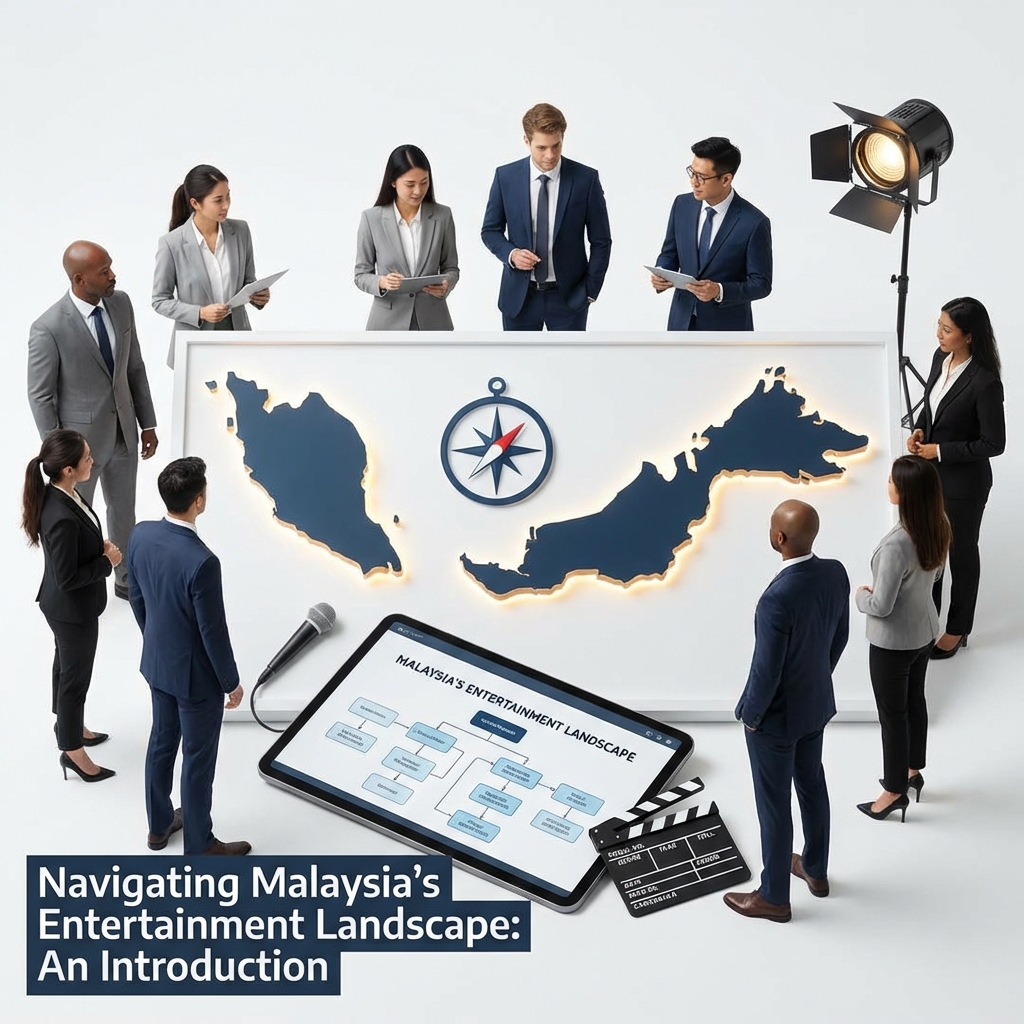
1. Defining Malaysia’s Dynamic Entertainment Field
Malaysia’s entertainment sector is characterized by remarkable diversity and growth potential. Fueled by a young, digitally-savvy population and robust internet penetration, the industry has witnessed a surge in digital content consumption. The film industry produces acclaimed local features and attracts international productions. The music scene thrives on a blend of traditional and contemporary genres. Gaming, particularly mobile gaming and e-sports, has exploded, positioning Malaysia as a regional hub for game development and competitive events. The country’s strong focus on digital transformation, championed by initiatives from bodies like the Malaysia Digital Economy Corporation (MDEC) which actively supports the digital creative content ecosystem (MDEC Digital Creative Content), has accelerated the growth of animation, visual effects, and interactive media. Live events are rebounding post-pandemic, reinforcing their social and economic role. This multifaceted landscape, influenced by cultural nuances and technological adoption, creates fertile ground for innovation but also introduces a complex web of vulnerabilities.
2. Why a Risk Trend Report for 2026 is Crucial
The year 2026 represents a critical juncture where several macro and micro trends are expected to converge, profoundly impacting the entertainment industry. The accelerating pace of technological innovation, particularly in AI for content creation, VR, and the Metaverse, presents both unprecedented opportunities and significant disruptive risks. While AI can streamline production, it also raises questions regarding intellectual property rights, job displacement, and authentic creativity. Geopolitical shifts, evolving regulatory frameworks around censorship and data privacy, and increased scrutiny over content influence consumer trust and operational viability. Furthermore, persistent challenges such as content piracy, talent retention, and the threat of economic downturns demand a proactive approach. A comprehensive the trend report of the risk of Entertainment field in malaysia for 2026, therefore, is not merely a reactive assessment but a strategic imperative. It provides foresight, enabling stakeholders to anticipate disruptions, develop robust mitigation strategies, and identify emerging growth areas, safeguarding investments and fostering a resilient ecosystem. To delve deeper into these crucial insights, refer to the trend report of the risk of Entertainment field in malaysia.
3. Overview of Report Methodology and Key Focus Areas
This report will adopt a rigorous, multi-faceted methodology for comprehensive analysis. Data collection will involve primary research (industry expert interviews, surveys) and secondary research (market intelligence reports, government publications), combined with quantitative data analysis. Our analytical framework will integrate qualitative insights with empirical data, utilizing tools such as PESTLE analysis and Porter’s Five Forces.
- Technological Disruption: Examining the impact of AI, VR/AR, blockchain, and new distribution platforms.
- Regulatory and Policy Changes: Analyzing shifts in intellectual property laws, censorship guidelines, and data protection regulations.
- Economic Volatility: Assessing the effects of inflation, consumer spending, and global economic slowdowns.
- Content Piracy and IP Infringement: Evaluating evolving methods of digital piracy and enforcement effectiveness.
- Talent Management and Retention: Addressing challenges in attracting and retaining creative and technical talent.
- Cybersecurity and Data Privacy: Investigating risks related to data breaches and platform vulnerabilities.
- Sociocultural Shifts: Understanding changing consumer preferences and ethical considerations.
By systematically addressing these critical areas, the report aims to provide a nuanced understanding of the evolving risk landscape, offering actionable recommendations for stakeholders to strengthen their resilience and drive future success within Malaysia’s vibrant entertainment sector.
The Malaysian entertainment sector, a vibrant tapestry of film, music, live events, and digital content, stands at a critical juncture. As it navigates rapid technological advancements and evolving global landscapes, understanding the primary trend report of the risk of Entertainment field in malaysia becomes paramount for sustainable growth. This section, focusing on Identifying Key Risk Trends Impacting Malaysian Entertainment by 2026, delves into the significant risk categories poised to impact the stability and expansion of the Malaysian entertainment industry by 2026, offering crucial insights for stakeholders.
1. Economic Volatility and Shifting Consumer Spending Patterns
The economic health of Malaysia directly influences the entertainment sector challenges Malaysia. Periods of economic volatility, marked by inflation and currency fluctuations, invariably lead to reduced consumer disposable income. This has a direct economic impact on Malaysian entertainment, as consumers re-prioritize essential spending over leisure activities. We anticipate a continued shift in consumer spending trends Malaysia, with a greater emphasis on value-for-money entertainment options. Traditional revenue streams, such as cinema ticket sales, physical music sales, and high-priced live event admissions, face significant pressure. Instead, there’s a growing preference for subscription-based digital platforms offering extensive libraries at competitive price points. This fundamental change necessitates innovative pricing strategies and diversified content offerings to attract and retain audiences, mitigating some of the Malaysian entertainment industry risks associated with economic downturns. Event organizers and content creators must adapt by exploring hybrid models, incorporating free or freemium digital components, and focusing on localized, cost-effective productions that resonate with the domestic market’s financial realities.
2. Regulatory Landscape Changes and Compliance Burdens
The regulatory environment presents another layer of complexity for the future of Malaysian entertainment. Changes in regulatory risks Malaysia entertainment can significantly affect content creation, distribution, and event management. Issues such as content censorship Malaysia, stringent licensing requirements for performances and broadcasts, and evolving intellectual property laws pose continuous challenges. The cost of compliance, including obtaining permits, adhering to content guidelines, and navigating legal frameworks, can be substantial, particularly for smaller production houses and independent artists. Furthermore, the enforcement of data protection regulations, such as the Personal Data Protection Act (PDPA), impacts how audience data is collected and utilized, requiring robust cybersecurity measures and transparent privacy policies. Any future amendments to intellectual property laws or the introduction of new taxes on digital services could further increase operational costs and stifle innovation within the sector. Proactive engagement with regulatory bodies and a clear understanding of legal obligations are essential for entertainment entities to minimize disruptions and foster a stable operating environment, safeguarding intellectual property Malaysia entertainment and consumer trust.
3. Digital Disruption, Piracy, and Cybersecurity Threats
The rapid pace of digital transformation, while opening new avenues for content delivery and audience engagement, also introduces critical digital threats Malaysian media. The proliferation of streaming platforms, social media, and user-generated content continues to disrupt traditional media consumption patterns, demanding constant adaptation from broadcasters and production companies. Alongside this, digital piracy Malaysia entertainment remains a pervasive and costly challenge. Illicit streaming sites, torrent downloads, and unauthorized distribution of copyrighted material lead to significant revenue losses for content creators, distributors, and artists. The Motion Picture Association (MPA) consistently highlights the global scale of this issue, underscoring its impact on investment in original content. Compounding these issues are sophisticated cybersecurity entertainment industry threats. Data breaches impacting customer information, ransomware attacks disrupting live event ticketing systems, or denial-of-service attacks targeting streaming services can severely damage reputations, erode consumer trust, and incur substantial financial losses. As the streaming market Malaysia risks grow with increasing digitalization, investing in advanced content protection technologies and robust cybersecurity frameworks is no longer optional but a critical imperative for all players in the Malaysian entertainment landscape.
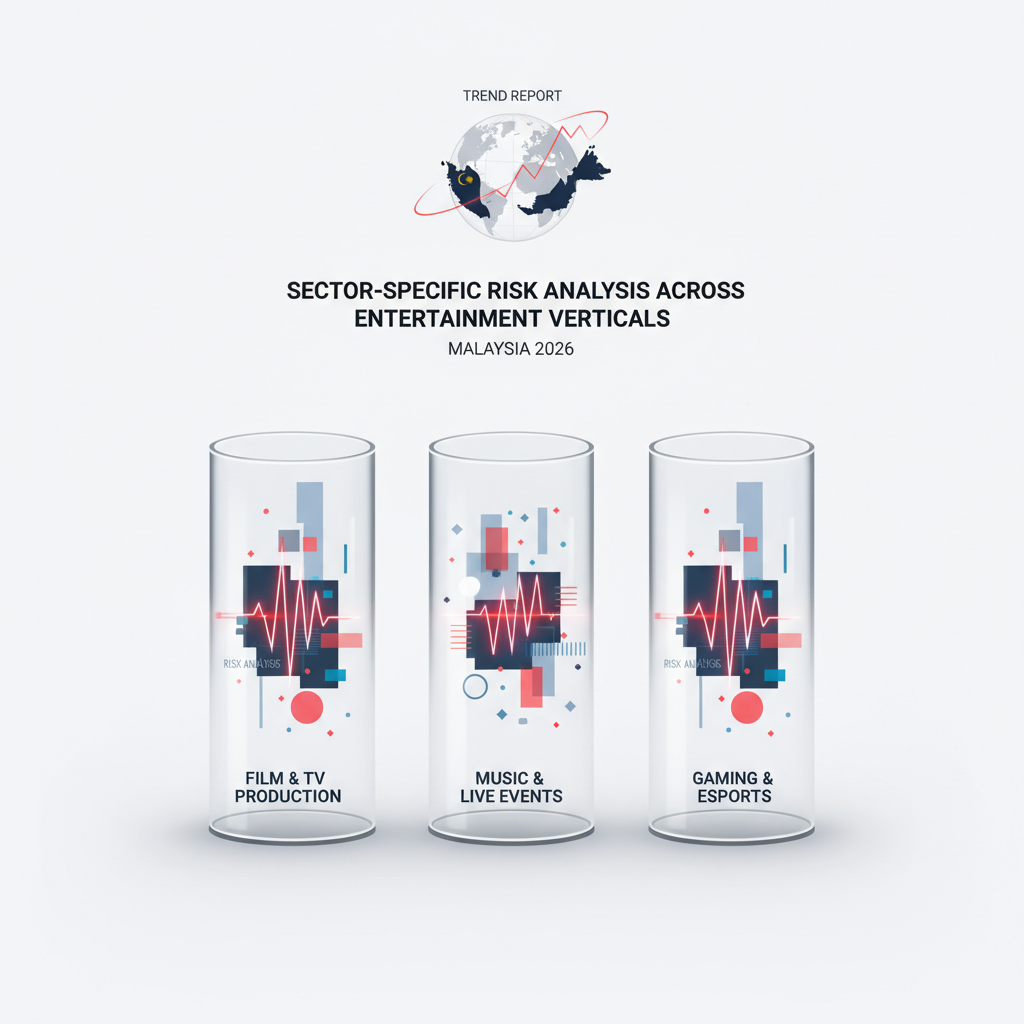
Sector-Specific Risk Analysis Across Entertainment Verticals
An in-depth look at how the identified risks manifest uniquely across various segments of Malaysia’s entertainment industry, highlighting distinct challenges for each. Navigating the vibrant yet volatile landscape of Malaysian entertainment requires a nuanced understanding of sector-specific vulnerabilities. This section delves into how the broader findings within the trend report of the risk of Entertainment field in malaysia translate into unique challenges for film, music, and live events, crucial for stakeholders seeking sustainable growth and resilience.
-
1. Film & TV Production: Funding, Distribution, and Censorship Risks
Malaysia’s film and television production sector faces a trinity of complex challenges that directly impact its creative output and commercial viability. Firstly, **funding** remains a persistent hurdle. While government bodies like FINAS (National Film Development Corporation Malaysia) offer grants and incentives, these are often insufficient to cover high production costs, especially for ambitious projects. Securing private investment is challenging due to the perceived high risk and long return on investment, making it difficult for independent filmmakers to compete. This scarcity often forces reliance on international co-production, which, while offering new markets, also introduces additional complexities.
Secondly, **distribution** poses significant barriers. The local market is relatively small, making it difficult to recoup investments solely from domestic screenings. Penetrating highly competitive international markets requires robust marketing and strong distribution networks, which Malaysian producers often lack. The rise of global streaming platforms offers new avenues but also intensifies competition, requiring high-quality content that can stand out globally. Local content often struggles to gain visibility against international blockbusters and series.
Lastly, **censorship risks** profoundly affect creative freedom and content marketability. The Film Censorship Board (LPF) and other regulatory bodies impose strict guidelines, influencing script development and thematic choices. This can lead to self-censorship, limiting the exploration of diverse or controversial topics, thereby potentially reducing the content’s appeal to broader or international audiences. Such restrictions can hinder the industry’s ability to tell compelling, universal stories that resonate beyond Malaysian borders, ultimately impacting the sector’s growth and artistic innovation. Addressing these film production risks in Malaysia requires a multi-faceted approach to foster a more vibrant and competitive industry.
-
2. Music Industry: Streaming Revenue, Live Performance, and IP Protection
The Malaysian music industry, while rich in talent and diversity, confronts distinct challenges in the digital age. The most pressing financial concern is **streaming revenue**. Despite widespread adoption of digital platforms, royalty payouts from global streaming services remain notoriously low, often providing insufficient income for artists and rights holders. This economic model makes it difficult for many musicians to sustain their careers, forcing them to seek alternative income streams, which might not be consistently available. The fragmented nature of the digital market further complicates effective content monetization.
The **live performance** segment, still recovering from the global pandemic, continues to face volatility. While concerts and events are gradually returning, audience attendance can be unpredictable, and high operational costs for venues and event organizers eat into potential profits. Regulatory hurdles, including obtaining numerous permits and adhering to evolving public safety guidelines, add layers of complexity and expense. This makes planning and executing live shows a high-risk venture, impacting artists’ ability to connect directly with their fan base and generate crucial income.
Finally, **intellectual property (IP) protection** remains a significant battleground. Rampant online piracy, encompassing illegal downloads and unauthorized streaming, continues to undermine artists’ and producers’ earning potential. Despite existing copyright laws, effective enforcement is challenging in the digital realm, allowing illicit distribution to flourish. The lack of awareness among consumers regarding IP rights, coupled with the ease of accessing pirated content, exacerbates the problem. Protecting musical works and artist rights is critical for fostering a fair and sustainable music ecosystem, and better enforcement mechanisms are needed to tackle music piracy in Malaysia.
-
3. Live Events & Venues: Public Health, Safety, and Operational Resilience
The live events and venues sector, encompassing everything from concerts and festivals to conferences and sporting events, is inherently vulnerable to external shocks, demanding robust risk management strategies. **Public health** concerns, intensified by recent global events, remain paramount. Organizers must continually navigate the need for stringent health protocols, including sanitation, crowd management, and emergency medical preparedness, to ensure attendee safety and confidence. The lingering threat of localized outbreaks or new health crises means that event cancellations or postponements remain a significant risk, leading to substantial financial losses and audience reluctance.
Beyond health, comprehensive **safety** protocols are non-negotiable. This includes meticulous crowd control, robust emergency preparedness plans (e.g., fire safety, evacuation procedures), and physical security measures against potential threats. Venue operators and event organizers bear immense responsibility for ensuring a safe environment for all participants. Adherence to local regulations, building codes, and international safety standards is crucial, but implementing these effectively requires constant vigilance and investment. A lapse in safety can have catastrophic consequences, both in terms of human life and reputational damage.
Lastly, **operational resilience** is critical for the survival of venues and event businesses. This sector is characterized by high fixed costs (venue rentals, equipment, staffing) and a strong reliance on ticket sales, making it particularly vulnerable to economic downturns, natural disasters, or unexpected policy changes. Developing robust contingency planning, including diversified revenue streams, flexible staffing models, and comprehensive insurance coverage, is essential. The ability to pivot quickly, manage unforeseen disruptions, and maintain financial stability amidst uncertainty defines the resilience of live events and venues in Malaysia. Addressing these operational risks is key to sustainable growth for the industry. The challenges faced by Malaysia’s creative industry are a recurring theme, as highlighted in reports such as this one discussing ongoing struggles and the need for continuous support and adaptation.
Mitigation Strategies and Emerging Opportunities for Resilience
The entertainment landscape in Malaysia, while vibrant, is continually reshaped by evolving consumer preferences, technological advancements, and unforeseen global disruptions. As highlighted in the trend report of the risk of Entertainment field in malaysia, understanding and addressing these inherent vulnerabilities is paramount. However, risks are not merely obstacles; they are catalysts for innovation, prompting stakeholders to adopt proactive measures and identify new avenues for growth and sustainability. This section delves into strategic mitigation approaches and emerging opportunities, fostering greater resilience within Malaysia’s dynamic entertainment market.
1. Diversification of Revenue Streams and Business Models
A primary strategy for mitigating financial risks in the entertainment sector involves moving away from singular revenue dependencies towards diversified business models. Traditionally reliant on ticket sales, advertising, or broadcast rights, the Malaysian entertainment industry must now explore a broader spectrum of income-generating activities. This includes expanding into digital content distribution through subscription-based streaming platforms, developing high-quality merchandise, and leveraging intellectual property (IP) for licensing opportunities across various media, from gaming to animation. The shift towards an experiential economy also presents significant opportunities, encouraging the creation of unique, immersive events that go beyond conventional performances, such as themed attractions, interactive exhibits, and cultural tourism packages. Furthermore, exploring hybrid models that combine live events with digital components (e.g., virtual concerts with exclusive digital meet-and-greets) can significantly broaden audience engagement and reach, thereby cushioning against the impact of physical attendance restrictions or market trends. Cultivating agility in business operations allows companies to pivot rapidly in response to shifting market demands, ensuring long-term sustainability and fostering robust economic resilience.
2. Leveraging Technology for Innovation and Risk Management
Technology stands as a formidable tool not only for enhancing entertainment experiences but also for robust risk management and strategic innovation. The adoption of advanced data analytics and artificial intelligence (AI) can provide invaluable insights into audience preferences, predict market trends, and identify potential risks before they escalate. This predictive analytics capability enables more informed decision-making regarding content creation, marketing strategies, and resource allocation. Blockchain technology, for instance, offers secure and transparent solutions for intellectual property rights management, preventing piracy and ensuring fair compensation for creators. It can also revolutionize ticketing systems, combating fraud and providing greater security for both event organizers and attendees. Virtual Reality (VR) and Augmented Reality (AR) technologies present immersive platforms for new forms of storytelling and interactive entertainment, expanding the creative possibilities and offering alternative revenue streams. However, with increased technological reliance comes the imperative of robust cybersecurity measures to protect sensitive data and digital assets from breaches. Investing in secure digital infrastructure is not just a defensive strategy but also a prerequisite for fostering trust and ensuring the continuity of online services. Embracing digital transformation wholeheartedly empowers the industry to navigate disruptions and unlock unprecedented growth opportunities aligned with the Malaysian Digital Economy Blueprint.
3. Policy Advocacy and Collaboration with Government Bodies
Effective risk mitigation and the realization of new opportunities often hinge on a supportive regulatory framework and policy environment. Industry stakeholders, through associations and direct engagement, must actively participate in policy advocacy, collaborating with government bodies to shape frameworks that foster growth, protect interests, and ensure a level playing field. Key areas for collaboration include strengthening intellectual property laws and enforcement to safeguard creative works against piracy, a persistent challenge in the digital age. Advocating for targeted funding, grants, and tax incentives can stimulate investment in content creation, technology adoption, and talent development within the entertainment sector. Furthermore, public-private partnerships with government agencies can facilitate infrastructure development, particularly in improving digital connectivity across Malaysia, which is crucial for expanding online content distribution and reach. Such collaborative efforts not only mitigate regulatory uncertainties but also create a conducive ecosystem where innovation flourishes, ensuring the long-term vitality and competitiveness of Malaysia’s entertainment industry. This strategic engagement ensures that the industry’s specific needs and challenges are addressed at the highest levels, paving the way for sustainable development and resilience against future disruptions.
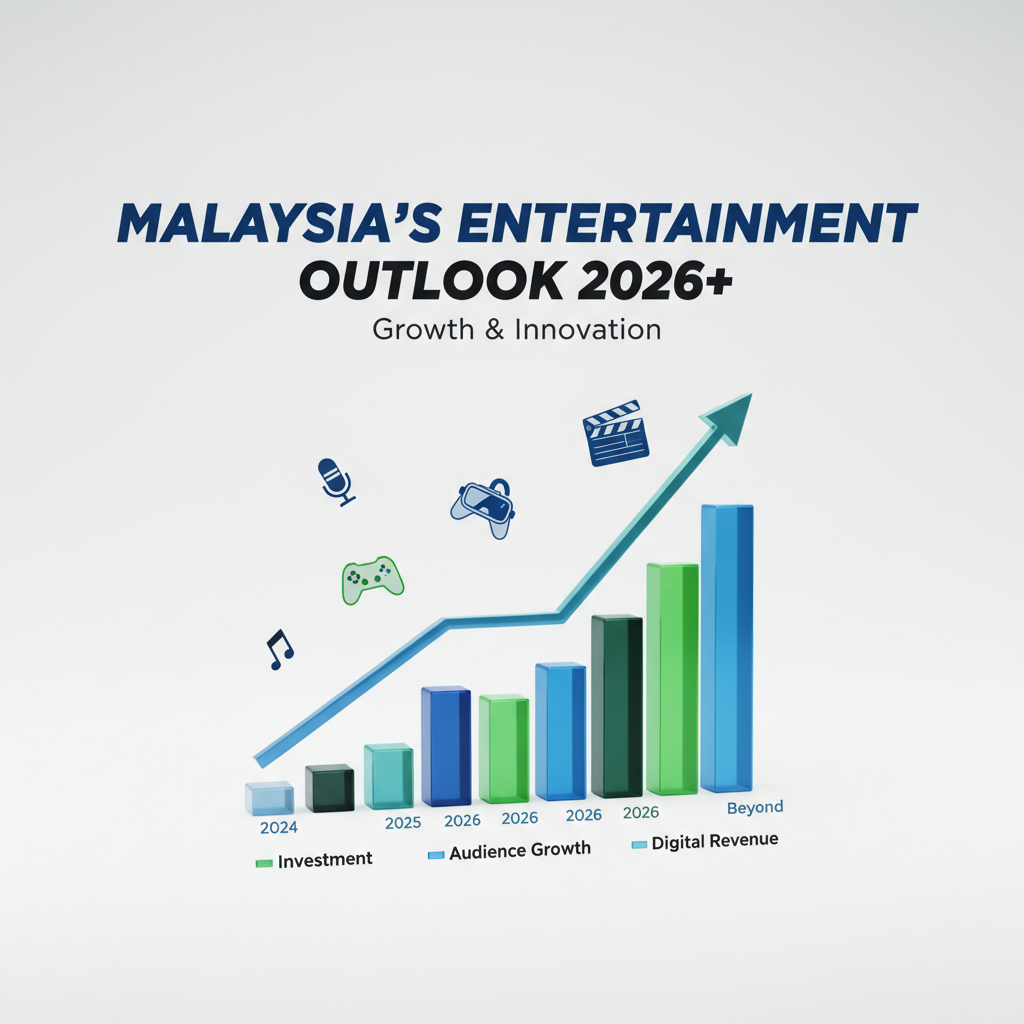
Conclusion: Outlook for Malaysia’s Entertainment Field in 2026 and Beyond
The preceding analysis, a comprehensive look into the risk trends impacting Malaysia’s vibrant entertainment field, has laid bare the challenges and opportunities that will define its trajectory towards 2026 and beyond. This conclusion synthesizes the critical insights, offers strategic recommendations for stakeholders, and paints a long-term vision for a resilient and globally competitive Malaysian entertainment industry. Understanding the trend report of the risk of Entertainment field in Malaysia is paramount for informed decision-making in a rapidly evolving landscape.
1. Summary of Critical Risk Insights for 2026
Our in-depth examination highlights several critical risk areas that the Malaysian entertainment sector must navigate. Digital piracy remains a persistent threat, undermining revenue streams for content creators and distributors across film, music, and digital publishing. Coupled with this is the escalating competition from global streaming giants, leading to content saturation and increasing acquisition costs for local platforms. Economic volatility, including fluctuating consumer spending power and investment uncertainties, poses significant challenges for funding new projects and infrastructure development. Furthermore, the rapid pace of technological disruption, from AI-generated content to metaverse experiences, presents both immense opportunities and the risk of obsolescence for those slow to adapt. A notable concern is also the potential for a talent drain, as skilled professionals seek opportunities in more established or lucrative markets, impacting local production quality and innovation. Regulatory frameworks, often struggling to keep pace with digital advancements and evolving business models, also introduce a layer of uncertainty. These interconnected risks demand a proactive and collaborative response from all industry players.
2. Recommendations for Industry Players and Policymakers
To mitigate identified risks and foster sustainable growth, a multi-pronged approach is essential. For industry players, diversification of content portfolios, with a stronger emphasis on unique Malaysian narratives and intellectual property development, is crucial to stand out in a crowded market. Investing in cutting-edge technologies, such as AI for production efficiencies and data analytics for audience insights, is no longer optional but a necessity. Companies should also prioritize talent development through training programs and partnerships with educational institutions, ensuring a steady supply of skilled professionals. Robust cybersecurity measures are imperative to protect digital assets and consumer data. Furthermore, exploring niche markets like esports and interactive entertainment can unlock new revenue streams and audience engagement.
Policymakers, on their part, must accelerate the modernization of regulatory frameworks to effectively combat piracy, protect intellectual property rights, and foster fair competition. Implementing targeted funding schemes and tax incentives can stimulate local content production and attract foreign investment. Establishing platforms for international collaborations will not only facilitate knowledge transfer but also help Malaysian content reach global audiences. Furthermore, investing in digital infrastructure and supporting initiatives that bridge the digital divide are foundational to the industry’s long-term success. Collaboration between the government, private sector, and academia is key to creating a supportive ecosystem.
3. Long-Term Vision for a Robust Malaysian Entertainment Industry
Looking beyond 2026, the long-term vision for Malaysia’s entertainment industry is one of dynamic growth, innovation, and global recognition. By strategically addressing the risks identified in this report, Malaysia can position itself as a regional hub for creative content and digital entertainment. This future sees a vibrant ecosystem where local productions achieve international acclaim, fueled by a deep talent pool and cutting-edge technology. The industry will be characterized by strong intellectual property protection, fostering a culture of creativity and innovation. Experiential entertainment, immersive technologies, and cultural tourism leveraging entertainment assets will become significant economic drivers. Malaysia’s unique cultural tapestry offers a rich source of inspiration, capable of producing globally resonant stories and experiences. The success of this vision hinges on sustained commitment to nurturing local talent, embracing technological advancements, and cultivating a policy environment that encourages both creativity and commerce. The creative economy is not just about entertainment; it’s a powerful engine for economic diversification and national branding.
In conclusion, while the path ahead presents its share of challenges, the Malaysian entertainment sector possesses the inherent creativity, youthful demographic, and strategic geographical advantage to overcome these hurdles. Through concerted effort, adaptive strategies, and a forward-thinking mindset, Malaysia is poised to not only navigate the risks but also to thrive, making significant contributions to the national economy and cementing its place on the global entertainment stage.
Partner with Shelby Global
You are looking for reliable HR Sevice Suppliers? Contact Shelby Global Now! To connect with verified talents and upgrade your orginization.
—————————————
References
– Malaysia Digital Economy Corporation (MDEC) Digital Creative Content Ecosystem: https://www.mdec.my/our-industry/digital-creative-content/
– Motion Picture Association (MPA): https://www.motionpictures.org/what-we-do/content-protection/
– Creative industry still facing struggles: https://www.thestar.com.my/business/business-news/2023/12/29/creative-industry-still-facing-struggles
– Malaysian Digital Economy Blueprint: https://www.mdec.my/malaysia-digital/malaysia-digital-economy-blueprint
– Creative Economy Outlook 2022 by UNCTAD: https://unctad.org/publication/creative-economy-outlook-2022-trends-and-data