The Evolving Landscape of Cyber Threats in Malaysia
Malaysia’s rapid digital transformation has undeniably fueled economic growth and innovation, yet it has concurrently expanded the attack surface for a myriad of cyber threats. As businesses and governmental agencies increasingly rely on digital infrastructure, understanding the trend report of the risk of IT field in Malaysia becomes paramount. The nation faces a sophisticated array of adversaries, from financially motivated cybercriminals to state-sponsored entities, all vying to exploit vulnerabilities within its critical digital ecosystem. This evolving landscape necessitates a proactive and adaptive cybersecurity posture, reflecting the dynamic nature of global cyber warfare localized to the Malaysian context.
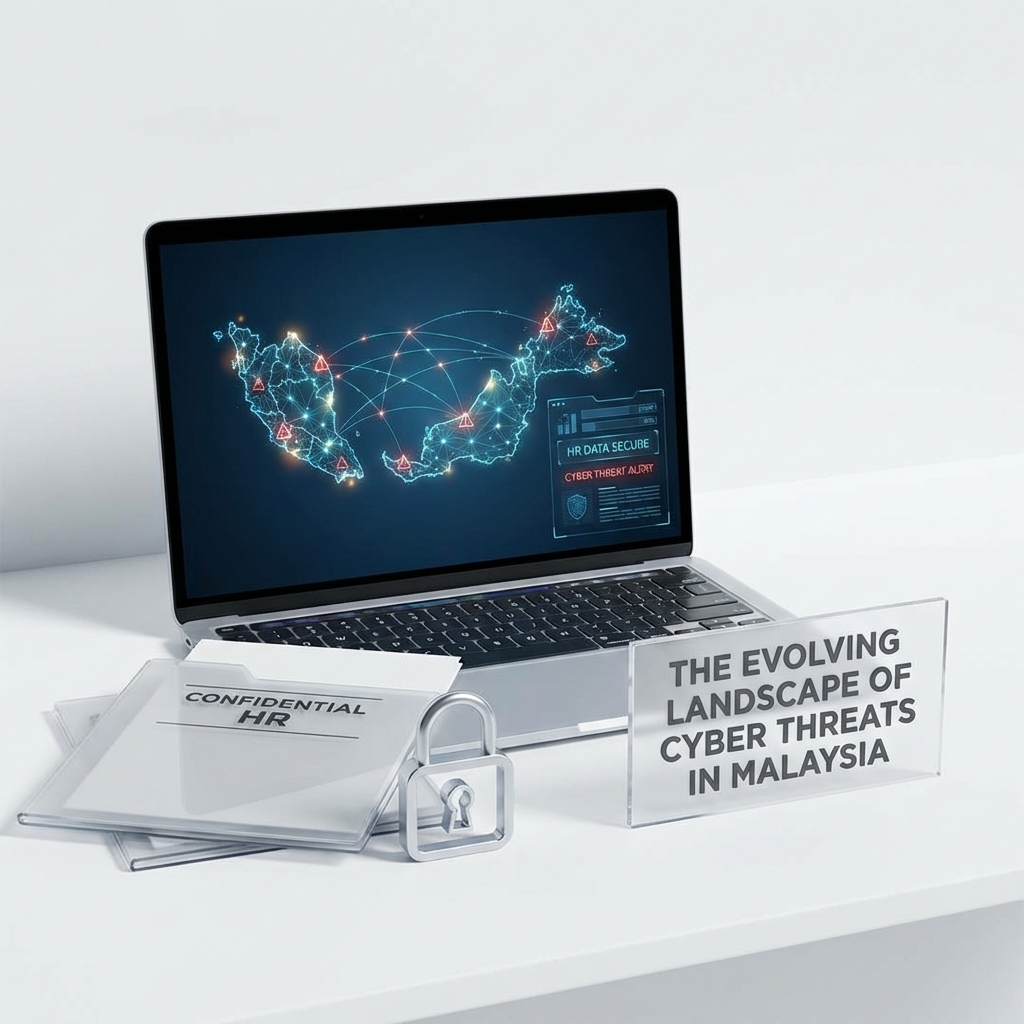
1. Ransomware & Malware Trends
Ransomware remains a dominant and highly disruptive threat in Malaysia. Its evolution from opportunistic attacks to more targeted, “big game hunting” operations has significantly escalated stakes for organizations. Attackers now often employ a double-extortion strategy: exfiltrating sensitive data before encryption and threatening its public release if the ransom is not paid. This places immense pressure on victims, particularly those in critical sectors like healthcare, finance, and manufacturing, where data integrity and availability are paramount.
The Malaysian IT sector has seen a surge in sophisticated malware, including infostealers, cryptominers, and wipers. These threats often leverage advanced evasion techniques, polymorphic capabilities, and fileless infection methods to bypass traditional security controls. Phishing emails and compromised software supply chains frequently serve as initial vectors, leading to widespread infections. The financial impact of these attacks extends beyond direct ransom payments, encompassing significant downtime, data recovery costs, reputational damage, and potential regulatory fines. Analyzing the trend report of the risk of IT field in Malaysia consistently highlights ransomware and sophisticated malware as top concerns, requiring robust endpoint protection, incident response plans, and regular data backups.
2. Phishing & Social Engineering
Despite decades of awareness campaigns, phishing and social engineering continue to be highly effective attack vectors against Malaysian organizations and individuals. Attackers constantly refine their tactics, crafting highly convincing email campaigns, smishing (SMS phishing), and vishing (voice phishing) attempts that mimic legitimate communications from banks, government agencies, or well-known companies. These attacks prey on human psychology, exploiting trust, urgency, and curiosity to trick victims into revealing credentials, clicking malicious links, or downloading infected attachments.
The rise of remote work and the increasing use of collaborative platforms have provided new avenues for social engineering. Spear-phishing campaigns, specifically tailored to individuals within an organization, have proven particularly successful in gaining initial access for more extensive breaches. Business Email Compromise (BEC) scams, where attackers impersonate executives or vendors to trick employees into making fraudulent payments, continue to cause substantial financial losses in Malaysia. An ongoing review of the trend report of the risk of IT field in Malaysia consistently highlights the critical need for continuous employee training, multi-factor authentication (MFA), and robust email security gateways to combat these pervasive human-centric threats. For a more detailed understanding of the trend report of the risk of IT field in Malaysia, further analysis is available.
3. APTs and State-Sponsored Attacks
Advanced Persistent Threats (APTs) represent the pinnacle of cyber sophistication, often backed by nation-states with extensive resources and strategic objectives. Malaysia, with its strategic geopolitical position, burgeoning economy, and critical infrastructure, is a significant target for such groups. These attacks are characterized by their stealth, long-term persistence, and specific targeting of high-value assets such as intellectual property, government secrets, defense capabilities, and critical national infrastructure (CNI).
APTs typically employ a multi-stage approach, involving meticulous reconnaissance, custom malware, zero-day exploits, and lateral movement within networks, often remaining undetected for extended periods. Their primary goal is not immediate financial gain but rather espionage, sabotage, or long-term strategic advantage. Detecting and mitigating APTs requires advanced threat intelligence, anomaly detection systems, and a mature security operations center (SOC). The continuous analysis of the trend report of the risk of IT field in Malaysia suggests an increasing focus on defending against these sophisticated and often politically motivated attacks, necessitating collaboration between government bodies, private sector entities, and international partners. Keeping abreast of the latest government cybersecurity advisories is crucial for all organizations.
The cyber threat landscape in Malaysia is undeniably complex and rapidly evolving. From the ubiquitous challenge of ransomware and pervasive social engineering tactics to the stealthy and destructive capabilities of APTs, organizations across the IT sector must adopt a holistic and adaptive cybersecurity strategy. This involves not only investing in cutting-edge technologies but also fostering a strong security culture, implementing robust incident response plans, and engaging in continuous threat intelligence sharing. Proactive monitoring, regular vulnerability assessments, and adherence to international best practices are no longer optional but essential safeguards to protect Malaysia’s digital future against an increasingly sophisticated array of cyber adversaries.
Data Privacy, Compliance, and Regulatory Challenges
In the rapidly evolving digital landscape, data privacy, compliance, and regulatory adherence have become paramount concerns for businesses operating in Malaysia. As highlighted in the trend report of the risk of IT field in malaysia, the stakes associated with managing sensitive information are continually rising, impacting everything from operational costs to brand reputation. Organizations must navigate a complex web of local and international data protection laws, understanding not only their obligations but also the significant risks and penalties tied to non-compliance. This section delves into the critical aspects of data privacy and compliance that define the current IT risk management landscape in Malaysia, exploring key regulatory frameworks and their implications for cybersecurity risks Malaysia.
1. PDPA Enforcement & Updates
Malaysia’s Personal Data Protection Act 2010 (PDPA) serves as the cornerstone of data protection Malaysia. The PDPA governs the processing of personal data in commercial transactions, stipulating strict requirements for data users regarding the collection, use, disclosure, and retention of personal data. Recent years have seen increased scrutiny and enforcement efforts by the Department of Personal Data Protection (JPDP), pushing companies to enhance their PDPA compliance frameworks. Businesses must stay abreast of any amendments or new guidelines issued, particularly concerning data governance Malaysia and cybersecurity risks Malaysia.
The scope of the PDPA is broad, covering sectors from finance and telecommunications to healthcare and education. Organizations are expected to implement robust measures for data protection, including obtaining explicit consent, providing clear privacy notices, and ensuring the security of personal data against loss, misuse, modification, unauthorized access, or disclosure. A lapse in these areas can lead to significant reputational damage and legal repercussions. Effective IT risk management Malaysia now inherently includes a strong focus on ensuring all data processing activities align with these privacy laws Malaysia. Furthermore, the rising adoption of digital transformation risks necessitates a proactive approach to compliance, embedding data protection by design into new systems and services. For ongoing developments and insights into PDPA enforcement and compliance, businesses can refer to authoritative legal resources and updates, ensuring their strategies are current and effective.
2. Global Data Privacy Standards (e.g., GDPR Relevance)
While the PDPA governs local data handling, Malaysian businesses, especially those operating internationally or serving global clientele, cannot ignore the far-reaching implications of global data privacy standards like the European Union’s General Data Protection Regulation (GDPR). The GDPR’s extraterritorial reach means that any Malaysian entity processing the personal data of EU citizens, regardless of where the processing takes place, must comply with its stringent requirements. This has a significant GDPR impact Malaysia, influencing cross-border data transfer protocols and necessitating a re-evaluation of data processing agreements and vendor management strategies.
The principles of accountability, transparency, and data minimization, central to GDPR, are increasingly becoming global benchmarks. Companies dealing with cloud security challenges, for instance, must ensure their cloud service providers meet these international standards to avoid regulatory compliance Malaysia pitfalls. Developing compliance frameworks Malaysia that are adaptable to both local PDPA requirements and international benchmarks like GDPR is crucial for businesses aiming for global competitiveness and mitigating global cybersecurity risks. This often involves adopting enhanced data governance Malaysia practices, conducting regular IT audit Malaysia, and meticulously managing third-party risk management to safeguard data integrity across various jurisdictions.
3. Data Breach Reporting & Penalties
The specter of data breaches remains one of the most pressing cybersecurity risks Malaysia, a key finding often highlighted in the trend report of the risk of IT field in malaysia. While the PDPA does not explicitly mandate data breach reporting in the same way GDPR does, best practices and evolving regulatory expectations strongly suggest immediate and transparent reporting. Companies are increasingly expected to have robust incident response planning in place, not only to contain breaches but also to inform affected individuals and relevant authorities in a timely manner, preventing severe data breach penalties Malaysia.
The financial and reputational costs associated with data breaches can be catastrophic. Beyond direct fines, which can be substantial under PDPA for non-compliance with its principles, businesses face significant indirect costs related to forensic investigations, customer notification, legal fees, and reputational damage that erodes trust. Emerging tech risks, including those related to AI privacy concerns Malaysia, further complicate the landscape, introducing new vulnerabilities that require sophisticated IT risk management Malaysia. Organizations must invest in advanced cybersecurity measures, regular vulnerability assessments, and comprehensive employee training to minimize the likelihood and impact of data breaches. Understanding the legal ramifications and the practical steps for incident response is no longer optional but a fundamental component of resilient business operations in Malaysia’s digital economy.
Infrastructure Vulnerabilities and Operational Risks
In the rapidly evolving digital landscape, organizations in Malaysia, much like their global counterparts, face a dynamic array of infrastructure vulnerabilities and operational risks. A comprehensive trend report of the risk of IT field in Malaysia reveals that these challenges are not merely technical glitches but fundamental threats that can impede business continuity, compromise data integrity, and erode customer trust. From the pervasive adoption of cloud technologies to the lingering presence of legacy systems and the insidious rise of supply chain attacks, understanding these critical areas is paramount for robust cybersecurity posture and resilience. This section delves into the intricate web of risks confronting critical IT infrastructure, highlighting the operational impact of potential outages and offering insights crucial for Malaysian businesses navigating these turbulent waters.
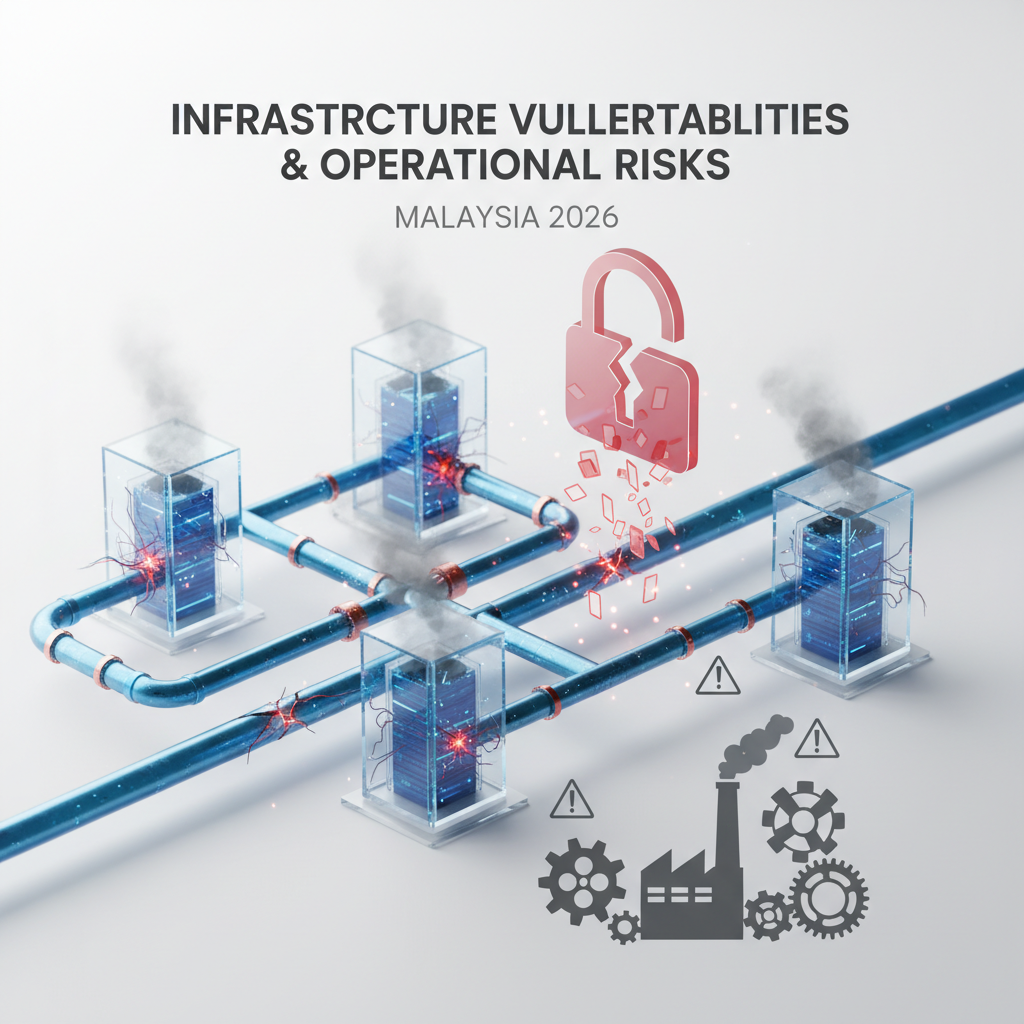
1. Cloud Security Concerns
The rapid migration to cloud platforms offers undeniable benefits in scalability and flexibility, yet it simultaneously introduces a new frontier of security challenges for Malaysian enterprises. While cloud providers implement robust security measures, the shared responsibility model often leaves organizations vulnerable due to misconfigurations, inadequate access controls, and a lack of visibility into their cloud environments. Data breaches, compliance issues, and identity and access management (IAM) failures are common pitfalls. As businesses in Malaysia continue to embrace cloud-native architectures, the need for stringent cloud security posture management (CSPM) and thorough understanding of vendor-specific security controls becomes imperative. The complexity of multi-cloud or hybrid cloud deployments further complicates the risk landscape, demanding advanced threat detection and response capabilities. Addressing these concerns is crucial for safeguarding sensitive data and maintaining operational integrity in an increasingly cloud-dependent ecosystem, as highlighted in numerous assessments within the trend report of the risk of IT field in Malaysia.
2. Legacy System Risks
While cloud adoption surges, many Malaysian organizations still grapple with the persistent burden of legacy IT systems. These older systems, often critical to core business operations, present significant security vulnerabilities due to outdated software, lack of vendor support, and incompatibility with modern security protocols. Patching becomes a nightmare, if not impossible, leaving gaping holes for cyber attackers to exploit. The operational costs of maintaining these systems are often high, diverting resources from innovation, and their eventual failure can lead to catastrophic outages and data loss. Furthermore, integrating legacy systems with newer technologies can create complex interfaces that are difficult to secure, forming weak points in an otherwise robust infrastructure. Migrating away from legacy infrastructure is a complex and costly endeavor, but the long-term risks associated with clinging to outdated technology far outweigh the challenges of modernization. For example, recent analyses consistently identify legacy systems as a primary contributor to operational downtime and data breaches globally, with reports from the European Union Agency for Cybersecurity (ENISA) often underscoring their severe impact on national critical infrastructure.
3. Supply Chain Attacks in IT
The interconnected nature of modern IT ecosystems means that an organization’s security is only as strong as its weakest link, often residing within its supply chain. Supply chain attacks, which exploit vulnerabilities in third-party software, hardware, or services, have emerged as a particularly insidious threat. Attackers compromise a trusted vendor, then leverage that access to infiltrate numerous downstream customers. The SolarWinds incident is a stark global reminder of how a single point of failure in the supply chain can lead to widespread organizational compromise. For businesses in Malaysia, managing third-party risk is becoming a top priority. This involves rigorous vendor assessment, secure procurement practices, and continuous monitoring of third-party security postures. The ability to identify, mitigate, and respond to these sophisticated attacks requires enhanced visibility across the entire digital supply chain, moving beyond traditional perimeter defenses to embrace a zero-trust architecture. Neglecting these upstream and downstream dependencies can expose businesses to significant operational disruptions and reputational damage, making them a critical focus for any trend report of the risk of IT field in Malaysia.
Navigating these infrastructure vulnerabilities and operational risks requires a proactive, multi-faceted approach. Malaysian organizations must prioritize robust cloud security governance, strategically plan for legacy system modernization, and implement comprehensive third-party risk management frameworks. By addressing these 18 critical areas with diligence and foresight, businesses can not only mitigate the risk of costly outages and breaches but also build a resilient and secure foundation for sustained growth in the digital age. Staying informed through resources like a detailed trend report of the risk of IT field in Malaysia is essential for adapting to the ever-evolving threat landscape.
Talent Shortage and Skill Gaps in Cybersecurity
Malaysia, like many nations undergoing rapid digital transformation, faces a critical and escalating challenge in its cybersecurity landscape: a severe talent shortage and pervasive skill gaps. This issue extends beyond mere inconvenience, posing significant implications for national security, economic stability, and the resilience of critical infrastructure. As cyber threats become more sophisticated and frequent, the demand for skilled IT security professionals far outstrips the available supply, leaving organizations vulnerable and struggling to keep pace.
1. Demand for Cybersecurity Experts
The Malaysian economy’s increasing reliance on digital technologies has fueled an unprecedented demand for cybersecurity expertise across all sectors. From financial services and e-commerce to manufacturing and government agencies, every entity engaged in digital operations requires robust protection against cyberattacks. However, the pipeline of qualified professionals—those with deep technical skills in areas such as ethical hacking, security architecture, incident analysis, and threat intelligence—simply isn’t sufficient. A recent global workforce study by (ISC)² highlighted a significant gap worldwide, with Malaysia no exception. Companies find it increasingly difficult to recruit and retain cybersecurity specialists, leading to understaffed security teams and increased workload. This high demand, intensified by the continuous evolution of threats like ransomware and advanced persistent threats (APTs), necessitates professionals adept at continuous learning and adaptation. This critical shortage impacts everything from proactive threat hunting to implementing zero-trust architectures and data privacy regulations.
2. Skill Development Initiatives
Recognizing this talent deficit, various stakeholders in Malaysia have initiated efforts to cultivate a stronger cybersecurity workforce. Government agencies, academic institutions, and industry players are collaborating on programs aimed at enhancing skill development. These initiatives include specialized university courses, vocational training, bootcamps, and professional certification pathways. CyberSecurity Malaysia, for instance, plays a pivotal role in promoting awareness and offering training to upskill existing IT professionals and attract new talent. Private sector companies also invest in in-house development to bridge immediate skill gaps. Partnerships between academia and industry are crucial for ensuring curricula remain relevant and aligned with industry needs, producing job-ready graduates. Encouraging STEM education early, promoting diversity, and providing clear career progression within cybersecurity are vital components. Despite these commendable efforts, greater investment and accelerated action are needed to rapidly expand the talent pool. The trend report of the risk of IT field in Malaysia often emphasizes the need for continuous skill upgrades to counter emerging threats, underscoring the urgency of these initiatives.
3. Impact on Incident Response Capabilities
The scarcity of skilled cybersecurity professionals directly and severely impairs Malaysia’s overall incident response capabilities. When a cyberattack occurs, a well-trained and adequately staffed incident response team is critical for rapid detection, containment, eradication, and recovery. A shortage of experts means slower response times, potentially leading to greater financial losses, longer operational disruptions, and more extensive data breaches. Organizations with insufficient security personnel may lack the capacity to conduct thorough forensic investigations, identify root causes, or implement effective remediation strategies. This creates a vicious cycle where successful attacks erode public trust and damage reputations, while the underlying talent gap remains unaddressed. Furthermore, the absence of robust incident response also affects an organization’s ability to maintain regulatory compliance, especially with stringent data protection laws. Effective incident response requires not just technical skills but also strong communication, coordination, and strategic planning, all compromised when teams are understaffed or lack diverse expertise. Enhancing national resilience against cyber threats fundamentally hinges on strengthening the human element—ensuring enough skilled individuals are ready to defend digital assets and respond effectively when security is compromised. The long-term implications for national digital transformation and economic growth are significant if this critical gap is not closed.
Strategic Mitigation and Future-Proofing IT Risk
Malaysian businesses operate in an increasingly interconnected and complex digital landscape, where the frequency and sophistication of cyber threats continue to escalate. Proactively managing and reducing IT risk exposure is no longer optional but a critical imperative for sustainable growth and operational resilience. This section provides actionable insights and recommendations for Malaysian businesses to safeguard their digital assets and future-proof their operations against evolving cyber challenges, drawing on insights often highlighted in a comprehensive the trend report of the risk of IT field in malaysia.
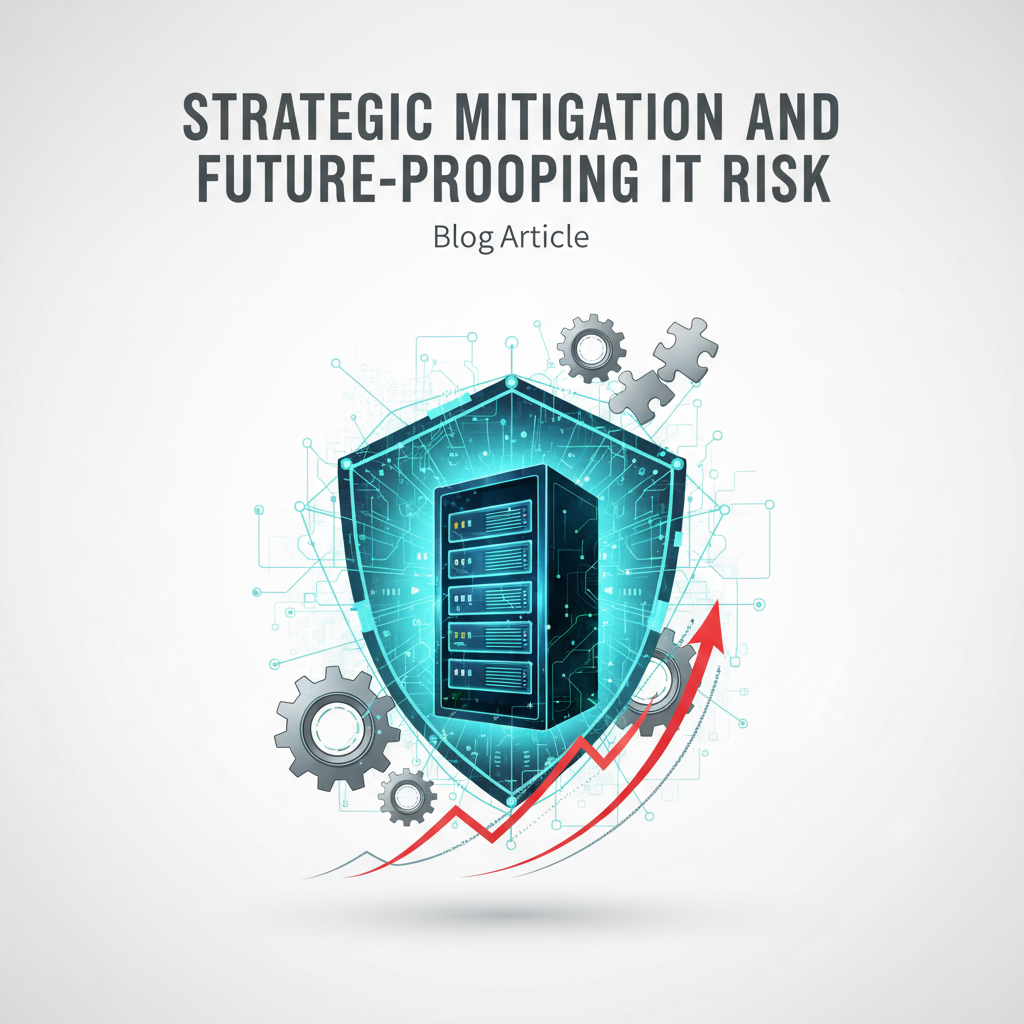
1. Investing in AI-Driven Security
The sheer volume and velocity of cyber threats today render traditional, signature-based security measures increasingly insufficient. Attackers leverage automation and AI, making it essential for defenders to do the same. Malaysian businesses must prioritize investments in AI-driven security solutions to stay ahead. Artificial intelligence and machine learning algorithms can analyze vast datasets in real-time, identify anomalous behaviors, detect sophisticated malware variants, and predict potential vulnerabilities with unprecedented accuracy. This shift from reactive to proactive defense significantly enhances threat detection capabilities, reduces false positives, and accelerates incident response.
For instance, AI can power advanced endpoint detection and response (EDR) systems, network traffic analysis (NTA), and security information and event management (SIEM) platforms, offering a holistic view of the threat landscape. These solutions can learn from past attacks, adapt to new threat vectors, and even automate remedial actions, thereby minimizing human error and overcoming the pervasive cybersecurity talent gap. Implementing AI in cybersecurity can transform a company’s defensive posture, providing continuous, intelligent protection against complex threats, including those targeting critical infrastructure and sensitive data, as further elaborated by resources like The role of AI and machine learning in cybersecurity.
2. Robust Incident Response Planning
While preventative measures are crucial, the reality is that no system is entirely impenetrable. A robust and well-tested incident response (IR) plan is therefore indispensable for any Malaysian business. This plan serves as a roadmap for rapidly detecting, containing, eradicating, and recovering from cyberattacks, minimizing downtime, data loss, and reputational damage. An effective IR plan goes beyond mere technical steps; it involves clear communication protocols, defined roles and responsibilities, legal considerations, and stakeholder notification strategies.
Key components include regular vulnerability assessments and penetration testing to identify weaknesses before attackers do. Furthermore, businesses should conduct frequent simulation exercises and tabletop drills to ensure that all team members are familiar with their roles and that the plan remains effective and adaptable. A post-incident analysis phase is equally vital for learning from breaches, refining security policies, and continuously improving the overall security posture. Without a well-rehearsed IR plan, even a minor security incident can spiral into a major crisis, underscoring its importance in navigating the unpredictable nature of cyber threats often highlighted in the current the trend report of the risk of IT field in malaysia.
3. Regulatory Compliance Roadmaps
The regulatory landscape for IT and data security in Malaysia is continually evolving, with strict requirements often enforced by bodies like the Personal Data Protection Department (JPDP) under the Personal Data Protection Act (PDPA) 2010, alongside sector-specific regulations. Non-compliance can lead to hefty fines, legal repercussions, and severe reputational damage. Malaysian businesses must develop and maintain clear regulatory compliance roadmaps to ensure adherence to all relevant laws and industry standards.
This roadmap should involve identifying all applicable regulations, conducting regular gap analyses to assess current compliance levels against requirements, and implementing necessary technical and organizational controls. Continuous monitoring and auditing are essential to maintain compliance, especially as regulations change and business operations evolve. Building a culture of compliance across the organization, from top management to entry-level employees, through regular training and awareness programs, is also critical. A proactive approach to compliance not only mitigates legal and financial risks but also builds trust with customers and partners, positioning the business as a responsible and secure entity in the digital economy. This becomes particularly relevant given the rapid changes and new directives that may arise from comprehensive analyses such as the trend report of the risk of IT field in malaysia.
Partner with Shelby Global
You are looking for reliable HR Sevice Suppliers? Contact Shelby Global Now! To connect with verified talents and upgrade your orginization.
—————————————
References
– latest government cybersecurity advisories: https://www.cybersecurity.my/en/
– Malaysia: PDPA enforcement and compliance developments: https://www.lexology.com/library/detail.aspx?g=76b0d912-32a7-4712-9856-bb984b553c7c
– European Union Agency for Cybersecurity (ENISA): https://www.enisa.europa.eu/publications/enisa-threat-landscape-2023
– global workforce study by (ISC)²: https://www.isc2.org/Research/Workforce-Study
– :