Overview of Malaysia’s Pharmaceutical & Medical Landscape
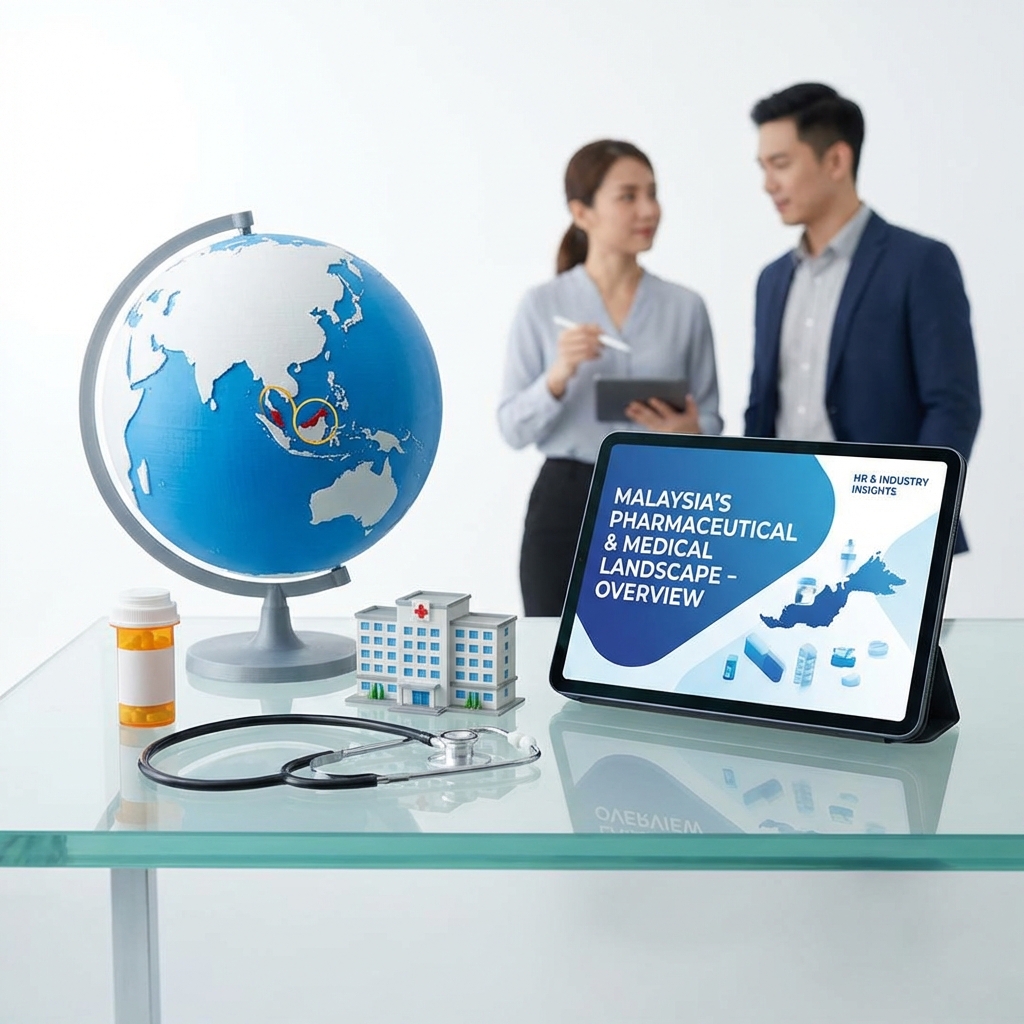
Malaysia’s pharmaceutical and medical landscape is a dynamic and evolving sector, positioned strategically in Southeast Asia with a growing population and increasing healthcare demands. This overview provides an introductory look into the current state and structure of the nation’s medicine field, setting a comprehensive context for any subsequent market demand analysis. The Malaysian government’s consistent commitment to enhancing public health, coupled with a burgeoning economy, has fostered an environment ripe for pharmaceutical sector growth and innovation. This promising outlook makes understanding the intricacies of this market crucial for stakeholders looking for a detailed market demand trend report of medicine field in malaysia.
1. Current Market Size and Key Players
The Malaysian pharmaceutical market has demonstrated robust growth over the past decade, driven by factors such as an aging population, rising prevalence of chronic diseases, and increased health awareness. While exact figures fluctuate, the market is estimated to be valued in the billions of USD, with consistent year-on-year expansion. This growth is predominantly fueled by a blend of branded innovator drugs and a rapidly expanding generics segment. Key players in this landscape include a mix of multinational corporations (MNCs) like Pfizer, GSK, AstraZeneca, and Sanofi, which dominate the branded and specialized drug sectors. Alongside them, a strong contingent of local manufacturers, such as Pharmaniaga Berhad, CCM Pharmaceuticals, and Apex Healthcare Berhad, plays a significant role, particularly in the production and distribution of generic medicines, over-the-counter (OTC) products, and traditional remedies. These local players are often supported by government initiatives aimed at fostering domestic pharmaceutical production capabilities. The competitive environment, characterized by both global giants and agile local enterprises, ensures a vibrant supply chain, catering to diverse healthcare needs across the nation. For a deeper dive into the specific dynamics and future projections, a comprehensive market demand trend report of medicine field in malaysia would elaborate on these competitive forces and their impact on market share.
2. Healthcare Infrastructure and Accessibility
Malaysia boasts a sophisticated, yet complex, dual healthcare system comprising both public and private sectors. The public healthcare system, largely funded by the government, provides highly subsidized services and is the primary provider for the majority of the population, especially in rural areas. It encompasses a wide network of hospitals, polyclinics, and rural clinics, ensuring a baseline of healthcare accessibility even in remote regions. However, challenges persist in terms of specialist availability and waiting times, particularly in urban public hospitals. Complementing this, the private healthcare sector offers a more diverse range of services, often with shorter waiting times and access to advanced technologies, albeit at a higher cost. This sector caters primarily to the middle and upper-income segments, as well as medical tourists.
The government continues to invest significantly in upgrading healthcare infrastructure, expanding existing facilities, and constructing new ones to cope with the increasing demand. Initiatives such as the national health insurance scheme (though not universal in the Western sense, various funds and subsidies exist) and telemedicine projects are further enhancing accessibility. The disparity in healthcare infrastructure Malaysia between urban and rural areas is gradually being addressed through targeted policy interventions, aiming to ensure more equitable pharmaceutical accessibility for all citizens, regardless of their geographical location or socioeconomic status.
3. Regulatory Environment and Policy Frameworks
The pharmaceutical and medical landscape in Malaysia operates under a robust and well-defined regulatory framework, primarily governed by the Ministry of Health (MOH) and its executive agency, the National Pharmaceutical Regulatory Agency (NPRA). The NPRA is responsible for ensuring the quality, efficacy, and safety of all pharmaceutical products, traditional medicines, health supplements, and cosmetics available in the market. This includes stringent processes for product registration, licensing of manufacturers, importers, and wholesalers, and post-market surveillance. All pharmaceutical products must undergo rigorous evaluation and obtain registration approval from the NPRA before they can be marketed in Malaysia.
Furthermore, the government actively shapes the market through various policy frameworks. These include initiatives to promote the local manufacturing of pharmaceuticals, encourage research and development (R&D), and control drug pricing to ensure affordability and accessibility. For instance, the implementation of Good Manufacturing Practice (GMP) standards is mandatory for all local manufacturers, aligning them with international benchmarks. The commitment to strong pharmaceutical regulations Malaysia not only protects consumers but also instills confidence among investors and international partners. These comprehensive healthcare policies Malaysia are instrumental in fostering a sustainable and ethical pharmaceutical industry, crucial for meeting the nation’s evolving healthcare needs and attracting foreign direct investment. For more specific details on regulatory updates, refer to the National Pharmaceutical Regulatory Agency (NPRA) website.
Key Drivers Shaping Medicine Demand in Malaysia
Exploration of the primary factors influencing and accelerating the demand for medical products and services across the nation.
Malaysia’s pharmaceutical and healthcare market is experiencing robust growth, propelled by a convergence of macroeconomic and societal factors. Understanding these primary influencers is crucial for stakeholders navigating the dynamic landscape of medicine demand in the country. This analysis delves into the critical elements fueling the increasing need for medical products and services, painting a comprehensive picture for a market demand trend report of medicine field in Malaysia.
1. Demographic Shifts: Aging Population and Chronic Diseases
Malaysia, like many developing nations, is undergoing a significant demographic transition. The nation’s population is rapidly aging, with a projected increase in individuals aged 60 and above. This demographic shift inevitably leads to a higher prevalence of age-related non-communicable diseases (NCDs) such as diabetes, hypertension, cardiovascular diseases, and various forms of cancer. The rising life expectancy, while a testament to improved healthcare, simultaneously places a greater burden on the healthcare system and drives the demand for long-term medication, specialized diagnostics, and chronic disease management solutions. For instance, the National Health and Morbidity Survey consistently highlights the increasing prevalence of NCDs. A growing number of Malaysians require daily medication, regular check-ups, and potentially advanced treatments, significantly accelerating the demand for pharmaceuticals, medical devices, and related healthcare services. This demographic reality forms the bedrock of sustained medicine demand, with the World Health Organization’s data on NCDs underscoring their global and regional impact.
2. Government Healthcare Spending and Initiatives
The Malaysian government plays a pivotal role in shaping healthcare access and demand. Through substantial annual budget allocations, the Ministry of Health (MOH) funds a comprehensive public healthcare system that is largely subsidized, making medical products and services accessible to a broad segment of the population. Initiatives like universal healthcare coverage, the expansion of public hospitals and clinics, and various health screening programs directly stimulate demand. Moreover, government-led public health campaigns targeting disease prevention, vaccination drives, and awareness for conditions like diabetes or dengue, indirectly boost demand for diagnostic tools, preventive medicines, and treatment protocols. Government procurement policies for essential medicines also ensure a consistent baseline demand for pharmaceutical products, establishing a stable foundation for the overall market. Ongoing investments in healthcare infrastructure and technology further enhance service delivery and consumption of medical goods, solidifying the market’s growth trajectory.
3. Economic Growth and Increased Health Awareness
Malaysia’s sustained economic growth over the past decades has led to an increase in per capita income and disposable household wealth. This economic prosperity empowers individuals to allocate a larger portion of their budget towards personal health and wellness. There’s a noticeable shift towards seeking higher quality healthcare services, including private hospitals, specialized clinics, and premium pharmaceutical products, even when subsidized public options are available. Parallel to economic upliftment, there’s a growing health consciousness among the Malaysian populace. Fueled by readily available information online, public health campaigns, and global trends, individuals are becoming more proactive about preventive care, early diagnosis, and lifestyle management. This heightened awareness translates into greater uptake of health supplements, preventive screenings, over-the-counter medications, and seeking professional medical advice earlier. The proliferation of digital health platforms and wellness apps further reinforces this trend, driving demand not just for curative medicines but also for preventative and diagnostic tools. This dynamic interplay between economic prosperity and heightened health literacy is a powerful accelerant for medicine demand in Malaysia, as highlighted in numerous analyses and reports. For those seeking deeper insights into these market dynamics, a detailed market demand trend report of medicine field in Malaysia can provide invaluable data and strategic direction.
The interplay of Malaysia’s evolving demographics, robust government support for healthcare, and a populace that is both wealthier and more health-conscious creates a powerful upward trajectory for medicine demand. These drivers collectively ensure a sustained and expanding market for medical products and services, making Malaysia a key focus for stakeholders in the healthcare sector.
Segment-Specific Demand Analysis (2023-2026)
A detailed breakdown of demand trends within specific categories of the medicine field, identifying high-growth areas.
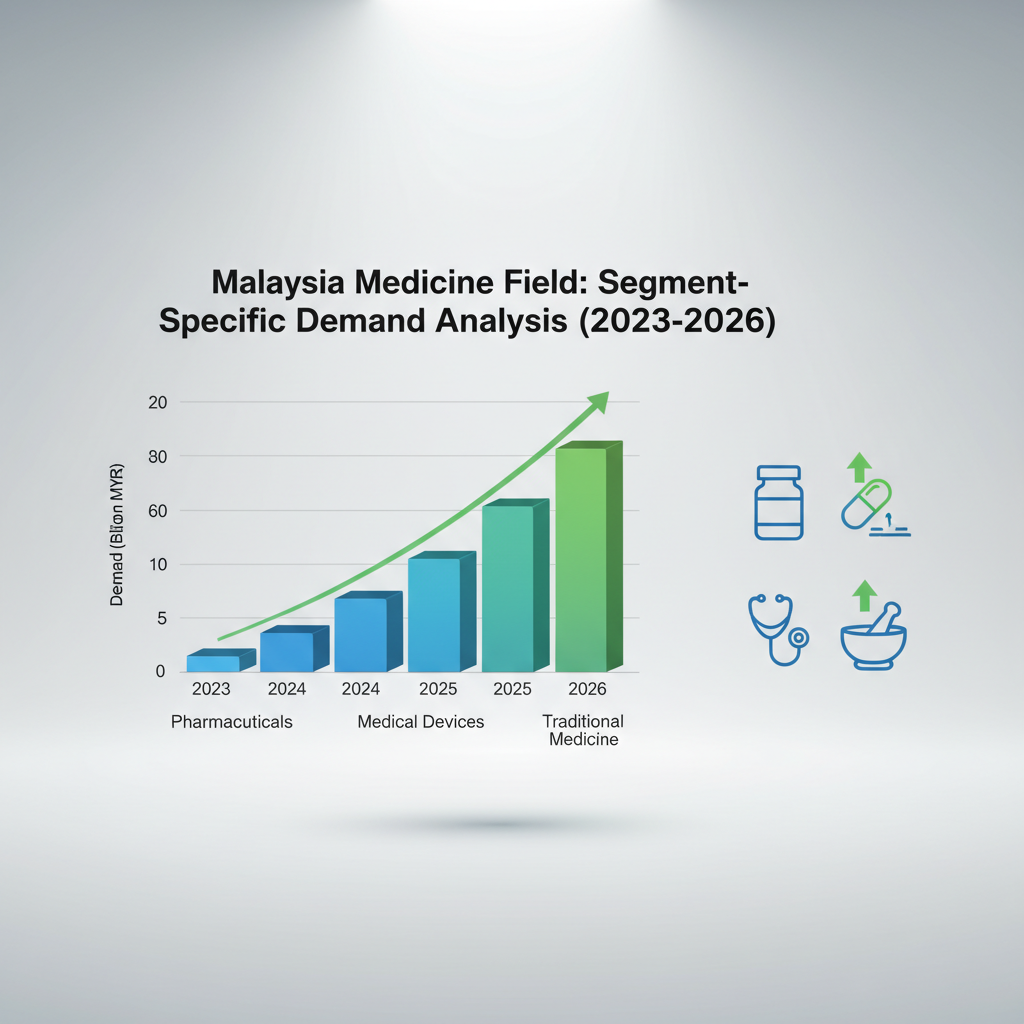
The Malaysian medicine field is undergoing significant transformation, driven by demographic shifts, technological advancements, and evolving consumer preferences. This market demand trend report of medicine field in Malaysia for 2023-2026 delves into key segments, offering insights into their growth trajectories and identifying lucrative opportunities for stakeholders. Understanding these segment-specific dynamics is crucial for businesses looking to capitalize on the burgeoning Malaysia healthcare market.
1. Pharmaceutical Drugs: Prescription vs. OTC Trends
The pharmaceutical sector remains a cornerstone of Malaysia’s medicine field, exhibiting robust growth across both prescription (Rx) and Over-The-Counter (OTC) drug categories. The demand for prescription drugs, particularly those addressing chronic diseases like diabetes, hypertension, and cardiovascular conditions, is steadily climbing. This surge is largely attributable to Malaysia’s aging population and increased prevalence of lifestyle-related ailments. Government initiatives aimed at improving healthcare access and coverage also play a pivotal role in driving prescription drug uptake. Specialized drugs for oncology and rare diseases are also seeing significant investment and demand.
Conversely, the OTC market is witnessing a parallel upward trend, fueled by growing health consciousness, convenience, and the increasing trend of self-medication for minor ailments. Consumers are becoming more proactive in managing their health, leading to higher demand for vitamins, supplements, pain relievers, cold and flu remedies, and dermatological products. Digital platforms and e-pharmacies are further boosting OTC sales by offering accessibility and competitive pricing. This dynamic interplay between the prescription and OTC segments underscores a diverse and resilient Malaysia pharmaceutical market, with companies needing tailored strategies to address distinct consumer needs and regulatory environments.
2. Medical Devices and Diagnostics Market Growth
The medical devices and diagnostics market in Malaysia is poised for substantial growth, driven by technological innovations, increasing healthcare expenditure, and a rising demand for advanced diagnostic and therapeutic solutions. From sophisticated imaging equipment (MRI, CT scanners) to surgical instruments, in-vitro diagnostics, and home healthcare devices, this segment is expanding rapidly. The push for early disease detection and personalized medicine is significantly boosting the diagnostics sub-segment, including point-of-care testing and molecular diagnostics.
Furthermore, the government’s emphasis on upgrading public healthcare infrastructure and promoting medical tourism is attracting investments in state-of-the-art medical technologies. Wearable health trackers and remote monitoring devices are also gaining traction, reflecting a shift towards preventive care and patient-centric healthcare models. The robust growth in this area signals significant opportunities for manufacturers, distributors, and service providers within the broader medical device trends Malaysia, contributing immensely to the overall medicine field in Malaysia.
3. Traditional & Complementary Medicine (TCM) Popularity
Traditional and Complementary Medicine (TCM), encompassing practices like traditional Malay medicine, Chinese medicine, and Ayurvedic treatments, continues to enjoy widespread popularity and growing acceptance within Malaysia. This segment’s growth is propelled by cultural heritage, a perceived efficacy for chronic conditions with fewer side effects, and a general consumer preference for natural remedies. Many Malaysians integrate TCM practices alongside conventional medicine, particularly for wellness, preventive care, and managing conditions such as joint pain, digestive issues, and stress.
The Malaysian government has recognized the importance of TCM, implementing regulations to ensure product safety and quality, thereby boosting consumer confidence. Herbal products, traditional remedies, acupuncture, and massage therapies are particularly in high demand. The increasing focus on holistic health and well-being further solidifies TCM’s position as a vital and expanding component of the medicine field in Malaysia, offering a unique blend of ancient wisdom and modern health needs that caters to a significant portion of the population. This sustained interest reflects a diverse healthcare landscape, where consumers seek varied solutions to maintain and improve their health.
In conclusion, the market demand trend report of medicine field in Malaysia for 2023-2026 reveals dynamic growth across pharmaceuticals, medical devices, and TCM. Stakeholders must closely monitor these segment-specific trends to identify and leverage high-growth opportunities in this evolving healthcare landscape.
Emerging Trends and Technological Innovations
Examining new and evolving trends, including digital health and biotech advancements, that are set to redefine the market demand trend report of medicine field in malaysia. This comprehensive analysis delves into the pivotal shifts shaping the future of medical care, pharmaceutical distribution, and local production capabilities within the Malaysian context, providing a forward-looking perspective on the opportunities and challenges ahead.
1. Rise of Digital Health, Telemedicine, and E-pharmacy
The Malaysian medicine field is undergoing a significant transformation driven by the rapid adoption of digital health technologies. Post-pandemic, the demand for convenient, accessible, and remote healthcare solutions has surged, propelling telemedicine and e-pharmacy into the mainstream. Telemedicine platforms now offer virtual consultations, reducing the burden on physical clinics and improving access to medical advice, especially for those in remote areas or with mobility constraints. This trend is not merely about convenience; it’s about enhancing patient engagement and optimizing healthcare delivery. E-pharmacy services complement this by enabling patients to receive prescribed medications directly at their doorstep, streamlining the entire patient journey from diagnosis to treatment. This integration of technology into healthcare services is fundamentally reshaping the patient experience and creating new business models within the pharmaceutical supply chain. The Southeast Asian digital health market, including Malaysia, is poised for exponential growth, reflecting a strong governmental push for digitalization and increasing consumer acceptance. As such, digital health Malaysia represents a crucial area for investment and innovation, promising more efficient and patient-centric medical services.
2. Personalized Medicine and Biotech Product Development
Personalized medicine, also known as precision medicine, is emerging as a powerful paradigm shift in the Malaysian healthcare landscape. This approach tailors medical treatment to the individual characteristics of each patient, considering their genetic makeup, lifestyle, and environmental factors. By moving beyond a ‘one-size-fits-all’ model, personalized medicine promises more effective therapies with fewer side effects, leading to better patient outcomes. The advancements in biotechnology, particularly in genomics, proteomics, and advanced diagnostics, are the primary drivers of this trend. Malaysia is increasingly investing in biotech product development, focusing on areas such as biologics, biosimilars, and cell and gene therapies. These innovative products offer new hope for treating complex diseases like cancer, rare genetic disorders, and autoimmune conditions. Research institutions and pharmaceutical companies in Malaysia are collaborating to build robust R&D capabilities, aiming to position the country as a hub for personalized medicine Malaysia. This not only attracts foreign investment but also fosters local talent, contributing to the nation’s scientific and economic growth. The regulatory framework is also evolving to accommodate these cutting-edge therapies, ensuring both safety and accessibility for the population.
3. Focus on Local Manufacturing and Supply Chain Resilience
The COVID-19 pandemic highlighted the critical importance of robust and resilient supply chains, especially for essential medicines and medical supplies. This experience has spurred a renewed focus in Malaysia on enhancing local manufacturing capabilities to reduce reliance on imported products and ensure national health security. The government is actively promoting initiatives to incentivize local pharmaceutical manufacturing Malaysia, encouraging domestic production of both generic and patented drugs, as well as medical devices. This drive towards self-sufficiency is not just about crisis preparedness; it also aims to boost the national economy, create jobs, and foster technological transfer. Investments in advanced manufacturing facilities, R&D for API (Active Pharmaceutical Ingredient) production, and stringent quality control measures are becoming paramount. Strengthening the pharmaceutical supply chain resilience involves diversifying sourcing strategies, building strategic stockpiles, and leveraging digital technologies for better inventory management and forecasting. Collaborative efforts between the government, local manufacturers, and international partners are crucial to achieving these goals, ensuring that Malaysia can consistently meet its population’s healthcare needs, even amidst global disruptions.
Challenges, Opportunities, and Future Outlook by 2026
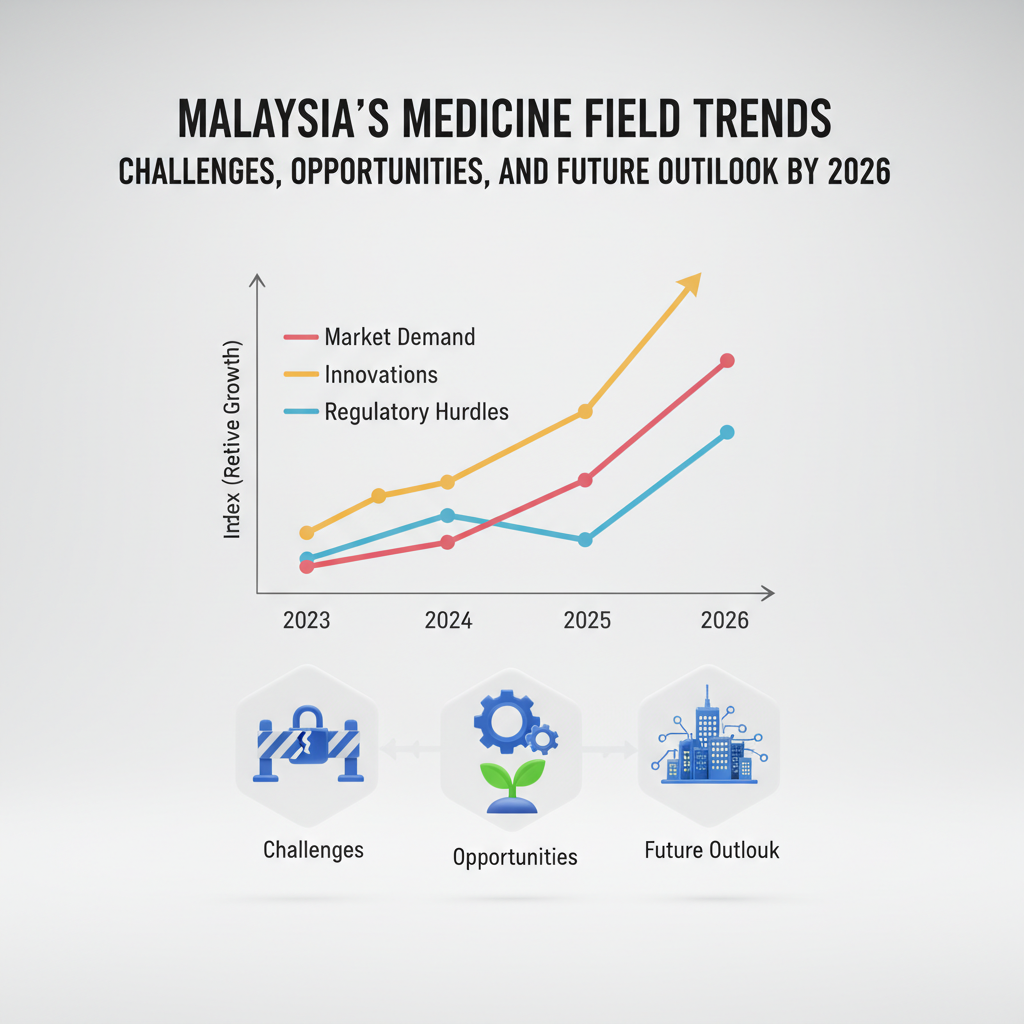
The Malaysian pharmaceutical landscape is characterized by dynamic shifts, presenting both formidable challenges and significant opportunities for stakeholders. As we look towards 2026, understanding these market dynamics is crucial for strategic planning. This section provides a forward-looking perspective, delving into obstacles, strategic avenues, and a comprehensive forecast for the market demand trend report of medicine field in malaysia. Analyzing core drivers and restraints will enable businesses to position themselves effectively within this evolving ecosystem, ensuring sustainable growth and contribution to national healthcare goals.
1. Navigating Regulatory Hurdles and Market Access
Market access in Malaysia’s medicine field is often punctuated by complex regulatory requirements. Companies, local or international, must adhere to guidelines set forth by the National Pharmaceutical Regulatory Agency (NPRA) for product registration, Good Manufacturing Practice (GMP) compliance, and post-market surveillance. For certain products, especially those for the Muslim-majority population, Halal certification adds another layer of complexity, demanding specific production and supply chain practices. Delays in regulatory approvals can significantly impact market entry timelines and revenue projections. Furthermore, public healthcare procurement processes, often driven by tenders and cost-effectiveness, require deep understanding of local bureaucracy and robust engagement strategies. Successful navigation necessitates proactive engagement with regulatory bodies, investment in local expertise, and clear understanding of evolving policies. For a detailed overview of the sector’s regulatory framework and investment opportunities, stakeholders can refer to official government resources like the Malaysian Investment Development Authority (MIDA) on Healthcare & Pharmaceuticals, which outlines incentives and guidelines for industry players.
2. Competitive Landscape and Pricing Pressures
Malaysia’s pharmaceutical market is increasingly competitive, marked by numerous multinational corporations, robust local manufacturers, and a growing influx of generic drug producers. This intense competition invariably leads to significant pricing pressures, especially for off-patent drugs. The government’s emphasis on reducing healthcare costs, coupled with its focus on promoting local generic production, further exacerbates this challenge. Public hospitals and clinics, being major purchasers, often prioritize cost-effective solutions, pushing down profit margins for manufacturers. Companies must therefore adopt innovative strategies to differentiate their products, whether through enhanced R&D for novel drug formulations, specialized therapeutic areas, or superior service delivery. The rising prevalence of chronic diseases, while driving demand, also intensifies the need for affordable, accessible medication, forcing companies to balance innovation with cost-efficiency. This competitive environment demands constant market vigilance and strategic adaptation.
3. Investment Opportunities and Strategic Partnerships
Despite challenges, the Malaysian medicine field presents compelling investment opportunities driven by a growing population, increasing health awareness, and government support for healthcare infrastructure. Key growth areas include biopharmaceuticals, vaccines, specialized treatments for non-communicable diseases (NCDs), and the burgeoning digital health sector (telemedicine, health tech solutions). Significant potential lies in localizing R&D and manufacturing capabilities, particularly for high-value-added products, aligning with national industrialization goals. Strategic partnerships between foreign investors and local companies can facilitate technology transfer, expand market reach, and navigate regulatory complexities more efficiently. Public-private partnerships (PPPs) are also gaining traction, particularly in medical research, drug development, and healthcare service delivery. The government offers various incentives, including tax breaks and grants, to encourage foreign direct investment (FDI) and local innovation in the pharmaceutical sector. This supportive ecosystem, combined with rising demand, positions Malaysia as an attractive hub for long-term pharmaceutical investments, reinforcing the positive outlook captured in any comprehensive market demand trend report of medicine field in malaysia.
In conclusion, the Malaysian pharmaceutical market by 2026 is poised for significant evolution. While navigating regulatory hurdles and intense competition will remain central challenges, strategic investments in innovation, digital transformation, and robust partnerships will unlock substantial opportunities. The strong underlying demand for healthcare services, coupled with a supportive government framework, paints a resilient picture for the sector. Companies capable of adapting to these dynamics will thrive, contributing to Malaysia’s healthcare advancement and securing a strong foothold in this vital market.
Partner with Shelby Global
You are looking for reliable HR Sevice Suppliers? Contact Shelby Global Now! To connect with verified talents and upgrade your orginization.
—————————————
References
– National Pharmaceutical Regulatory Agency (NPRA): https://www.npra.gov.my/
– Noncommunicable diseases (NCDs) Factsheet – WHO: https://www.who.int/news-room/fact-sheets/detail/noncommunicable-diseases-(ncds)
– ResearchAndMarkets.com: Malaysia Pharmaceutical Market – Growth, Trends, COVID-19 Impact, and Forecasts (2023-2028): https://www.researchandmarkets.com/report/malaysia-pharmaceutical-market
– Southeast Asian Digital Health Market Set for Exponential Growth with Investment and Innovation: https://www.frost.com/news/press-releases/southeast-asian-digital-health-market-set-for-exponential-growth-with-investment-and-innovation/
– Malaysian Investment Development Authority (MIDA) on Healthcare & Pharmaceuticals: https://www.mida.gov.my/sectors/healthcare-pharmaceuticals/