
Understanding the Malaysian Medical Job Landscape
The medical field in Malaysia is a vibrant and ever-evolving sector, crucial to the nation’s well-being and economic development. For aspiring doctors, seasoned specialists, and healthcare administrators alike, navigating this landscape requires more than just clinical expertise; it demands a clear understanding of career trajectories, opportunities, and, most critically, compensation expectations. In a rapidly developing nation like Malaysia, the dynamics of healthcare provision, coupled with ongoing economic shifts, directly influence earning potentials across various medical disciplines. Therefore, grasping the nuances of a salary range report of jobs in medicine field in malaysia is not merely a matter of curiosity but a foundational step for strategic career planning and professional growth in this highly competitive environment.

1. Overview of Malaysia’s Healthcare Sector (Public vs. Private)
Malaysia operates a distinctive dual-system healthcare model, providing both public and private medical services. The public healthcare sector, largely funded by the government and accessible to all citizens at highly subsidised rates, forms the backbone of the nation’s health infrastructure. It boasts a vast network of hospitals and clinics, particularly in rural areas, and is responsible for training the majority of the country’s medical professionals. While offering job security, comprehensive training opportunities, and a focus on public health, salary structures in the public sector are generally standardised and adhere to civil service schemes.
Conversely, the private healthcare sector caters to individuals seeking more personalised care, shorter waiting times, and access to a wider range of specialist services and advanced technologies, often at a premium. This sector is experiencing significant growth, fueled by medical tourism and an increasing affluent population. Professionals in private practice, particularly specialists with niche expertise, often command higher salaries and enjoy greater autonomy. However, it also entails higher operational costs and market competition. Understanding this bifurcation is essential when assessing a salary range report of jobs in medicine field in malaysia, as compensation can vary drastically between these two distinct environments. According to a World Bank report, Malaysia has made significant strides in health outcomes, indicating a robust, albeit complex, healthcare system that continually adapts to population needs and economic realities.
2. Why a Comprehensive Salary Report is Crucial for Professionals
In such a diverse and evolving medical landscape, a comprehensive salary range report of jobs in medicine field in malaysia becomes an indispensable tool for healthcare professionals. For fresh graduates, it provides realistic expectations, helping them to choose specialisations or career paths that align with both their passion and financial aspirations. For mid-career professionals, it offers benchmarks for negotiation, ensuring they are fairly compensated based on their experience, skills, and market value. It also aids in identifying lucrative specialisations or geographical regions within Malaysia that offer higher earning potentials.
Moreover, a detailed salary report helps professionals understand the financial implications of continuing education, sub-specialisation, or transitioning between the public and private sectors. Without such data, individuals might make career decisions based on incomplete or anecdotal information, potentially missing out on significant opportunities or underestimating their true market worth. This transparency not only empowers individual professionals but also contributes to a more equitable and efficient medical job market, fostering healthy competition and promoting career satisfaction across the nation. For an in-depth look at current market values, a detailed salary range report of jobs in medicine field in malaysia is a must-have resource.
3. Key Economic Factors Influencing Medical Compensation
Medical compensation in Malaysia is not immune to broader economic forces. Several key factors play a significant role in shaping the salary range report of jobs in medicine field in malaysia:
- Economic Growth and Healthcare Expenditure: A strong national economy generally leads to increased government and private spending on healthcare, translating into better funding for public facilities and higher demand for private services. Conversely, economic slowdowns can tighten budgets and dampen salary growth.
- Supply and Demand for Specialties: The balance between the number of available doctors in a specific specialty and the demand for their services heavily influences compensation. Specialties experiencing shortages, such as certain surgical fields or highly specialised areas like oncology and critical care, often command higher remuneration due to their scarcity. Conversely, an oversupply in general practitioners or specific fields can lead to more competitive (lower) salary offers.
- Government Policies and Regulations: Government policies on healthcare funding, doctor training quotas, public sector salary schemes, and private healthcare regulations directly impact the earnings potential of medical professionals. Subsidies, tax incentives, and even restrictions on private practice can all play a role.
- Cost of Living and Urbanisation: Salaries tend to be higher in major urban centres like Kuala Lumpur, Penang, and Johor Bahru, where the cost of living is significantly elevated. However, this also means that the purchasing power of those higher salaries might not be proportionally greater than in more rural areas. The distribution of healthcare facilities and patient populations also influences regional demand for medical professionals.
- Global Health Trends and Medical Tourism: Malaysia’s growing reputation as a medical tourism hub brings in foreign patients, increasing demand for high-quality private healthcare and, consequently, driving up compensation for certain specialists. Global health crises can also temporarily shift demand and priorities within the medical field.
Understanding these intertwined economic factors is vital for any medical professional seeking to optimise their career path and financial future in Malaysia. Staying abreast of these trends, alongside consulting a comprehensive salary report, will provide an unparalleled advantage in navigating the intricate world of medical employment.
Detailed Salary Ranges by Medical Profession & Specialization
Understanding the financial landscape of the medical field in Malaysia is pivotal for both aspiring and seasoned healthcare professionals. This comprehensive salary range report of jobs in medicine field in Malaysia offers a detailed breakdown of compensation across various medical roles, from entry-level positions to highly specialized areas. Our analysis considers factors influencing income such as experience, specialization, and sector (public, private, academic) to provide clear insights into medical field salaries in Malaysia.
1. General Practitioners (GPs) and Medical Officers: Entry to Mid-Career Earnings
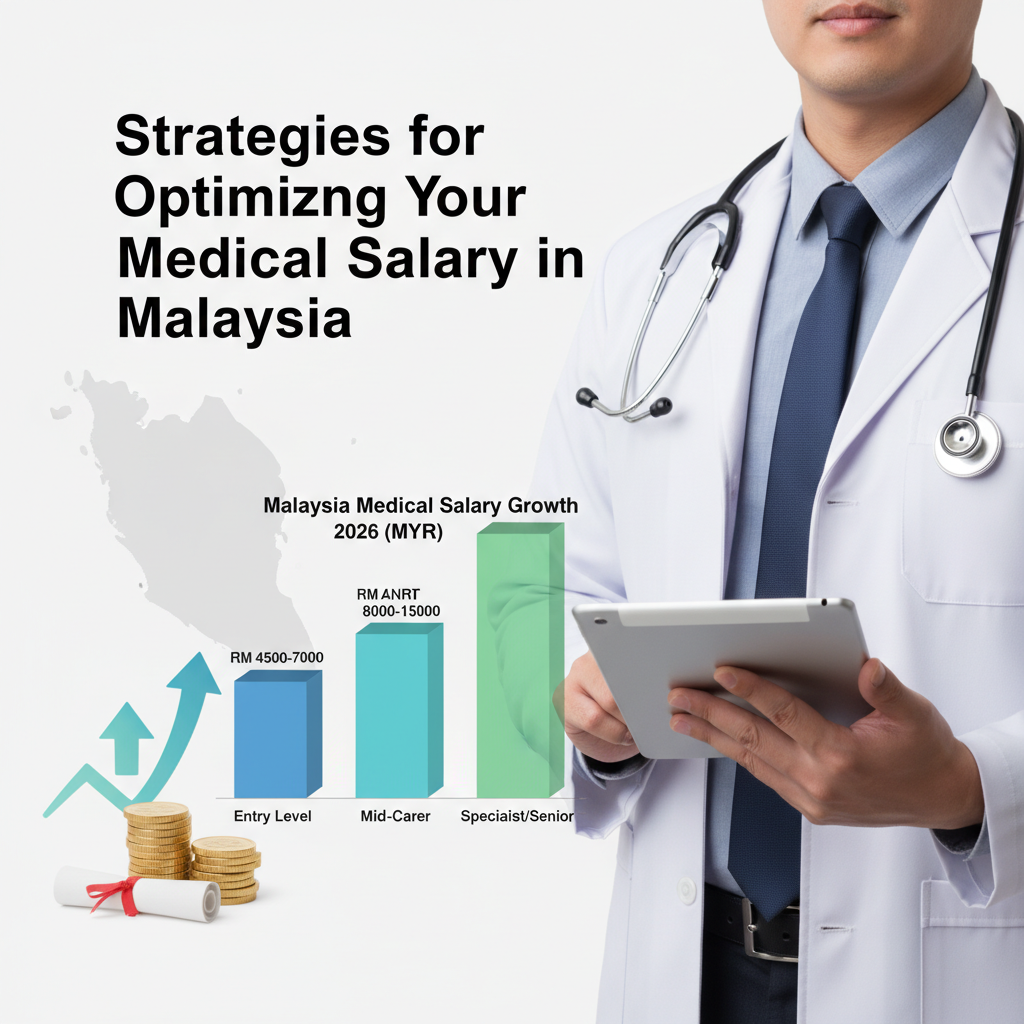
The initial phase for most doctors in Malaysia begins as a Medical Officer (MO) in the public health sector, following housemanship. A newly qualified MO typically earns a gross monthly income ranging from RM5,000 to RM7,000, inclusive of basic salary and various allowances (e.g., on-call, critical service). As MOs gain experience and progress, their gross monthly earnings can increase to RM7,000 to RM9,000 for those with 3-5 years of experience, especially if they assume greater responsibilities.
General Practitioners (GPs) in private practice exhibit a broader income spectrum. A GP operating their own clinic or working in an established private setting can expect net monthly earnings from RM8,000 to RM15,000, particularly in urban areas with high patient volumes. Highly experienced GPs with a robust patient base or niche services (e.g., aesthetic treatments) can significantly exceed RM20,000 per month. Income for private GPs is strongly influenced by clinic location, patient traffic, and business management acumen.
2. Specialist Doctors: Top-Earning Fields and Sub-Specialties
Specialist doctors represent the highest earning potential within the Malaysian medical profession. After completing postgraduate training and obtaining specialist registration, doctors in the public sector can expect gross monthly salaries ranging from RM9,000 to RM15,000, which increases with seniority. However, the private sector is where specialist doctor salaries truly peak, often being performance-based and influenced by referrals, surgical volume, and consultation fees.
Among the top-earning specializations are:
- Cardiologists & Cardiac Surgeons: Due to complex procedures and high demand, these specialists often earn RM40,000 to RM80,000+ monthly in private practice.
- Neurosurgeons & Neurologists: Dealing with intricate neural conditions, their monthly incomes frequently range from RM35,000 to RM70,000+.
- Anesthesiologists: Essential for surgeries, private practice anesthesiologists can earn RM30,000 to RM60,000+ per month, depending on case volume.
- Orthopedic Surgeons: With consistent demand for musculoskeletal care, earnings typically range from RM30,000 to RM60,000+.
- Radiologists & Oncologists: Critical for diagnosis and cancer treatment, private sector earnings are generally RM25,000 to RM50,000+.
- Dermatologists & Plastic Surgeons: High demand for aesthetic procedures ensures strong earnings, often from RM25,000 to RM50,000+, potentially higher for renowned practitioners.
Sub-specialization further enhances earning potential, reflecting a deeper level of expertise. For broader insights into specialist compensation trends, the JobStreet Salary Guide for Malaysia provides valuable market data.
3. Allied Health Professionals: Nurses, Pharmacists, and Therapists Compensation
Allied health professionals are integral to healthcare delivery, with salaries varying based on qualifications, experience, and sector.
- Nurses: A staff nurse in a government hospital typically earns a gross monthly income of RM2,500 to RM4,000. With experience and specialization (e.g., critical care), salaries can rise to RM4,000 to RM7,000+. Private hospital nurses generally start higher, from RM2,500 to RM3,500, potentially reaching RM5,000 to RM8,000+ for experienced and specialized roles.
- Pharmacists: Entry-level pharmacists in the public sector can expect RM4,000 to RM5,500 gross monthly. In the private sector, experienced pharmacists earn RM5,000 to RM9,000, with senior roles in pharmacy management or pharmaceutical companies commanding RM10,000 to RM15,000+.
- Physiotherapists and Occupational Therapists: These professionals typically start with RM2,500 to RM3,500. With 3-5 years of experience, earnings can rise to RM4,000 to RM6,000, while senior therapists or private practice owners can earn RM7,000 to RM12,000+ monthly.
- Medical Laboratory Technologists (MLTs): Starting salaries for MLTs are generally between RM2,000 and RM3,000, with experienced or specialized MLTs earning RM3,500 to RM6,000+.
This salary range report of jobs in medicine field in Malaysia highlights a dynamic market for allied health professionals, where continuous professional development and specialization are key to maximizing earning potential and career progression.
Factors Influencing Medical Salaries Across Malaysia
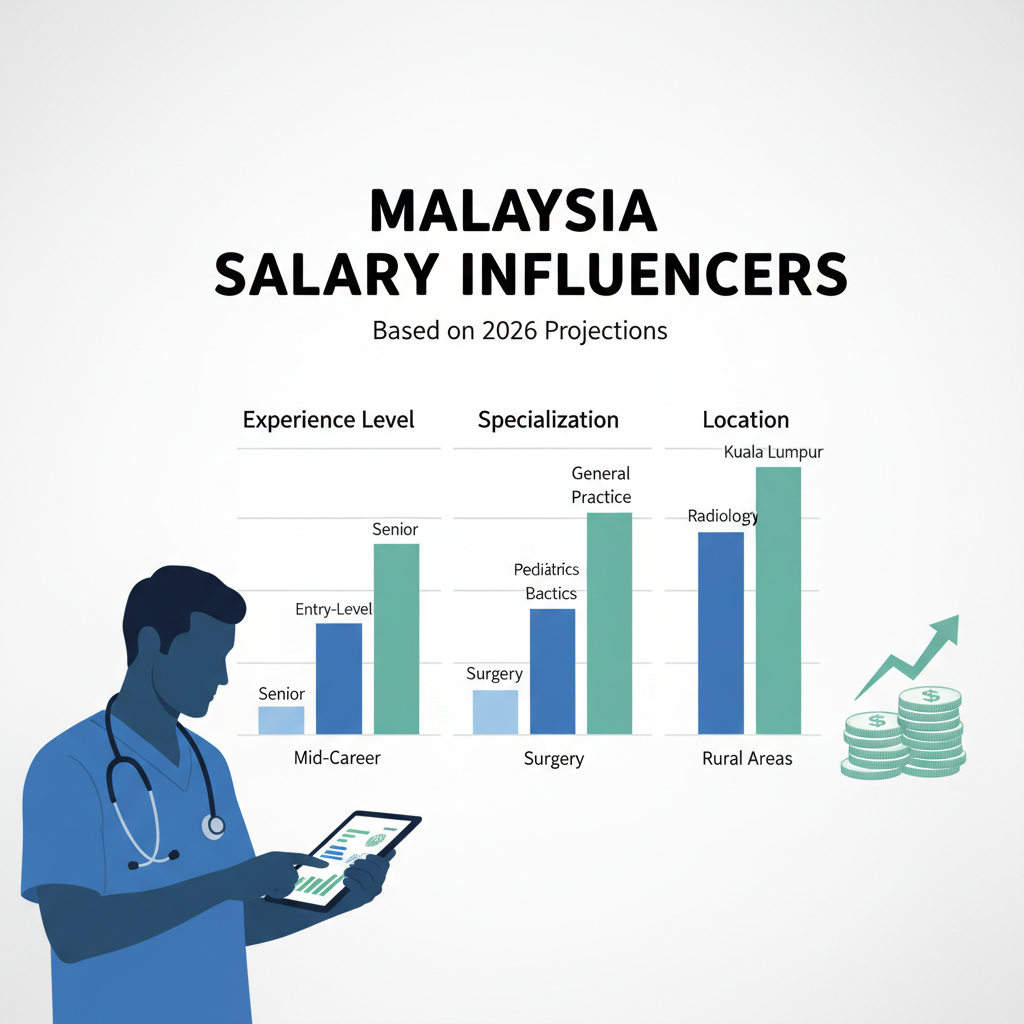
The medical field in Malaysia, part of a dynamic and evolving Malaysian healthcare system, presents a diverse landscape when it comes to compensation. Understanding the factors that dictate a medical professional’s earnings is crucial for both aspiring doctors and those already navigating their careers. Salaries in this vital sector are not static; they are dynamically shaped by a confluence of variables, including professional experience, the specific healthcare sector one operates in, and even geographical location. This exploration delves into these critical elements, providing a clearer picture of what influences the salary range report of jobs in medicine field in malaysia.
1. Impact of Experience, Seniority, and Qualifications
One of the most significant determinants of medical salaries in Malaysia is the level of experience, coupled with seniority and specialized qualifications. A doctor’s career typically begins with a foundational period as a house officer (HO), where earnings are entry-level but consistent with government scales. As one progresses to a medical officer (MO), and subsequently to specialist and consultant roles, the salary trajectory sees substantial increases. Each phase reflects greater responsibility, expertise, and a broader scope of practice.
Beyond years of service, the acquisition of postgraduate qualifications plays a pivotal role. Doctors who pursue master’s degrees, fellowships, or become board-certified specialists in fields like cardiology, oncology, or neurosurgery command significantly higher salaries. Sub-specializations further enhance earning potential, reflecting the scarcity of highly refined skills. For instance, a general practitioner’s salary, while respectable, will differ considerably from that of a highly specialized surgeon or an experienced consultant physician. Continuous professional development and the pursuit of higher academic or clinical qualifications are direct pathways to elevated compensation, making a robust career progression often beneficial for understanding industry benchmarks.
2. Salary Discrepancies: Public vs. Private Healthcare Sector
The choice between serving in the public or private healthcare sector is perhaps the most impactful decision affecting a Malaysian doctor’s earning potential. The public sector, comprising government hospitals and clinics, offers greater job security, structured career progression, and comprehensive benefits, including pensions and allowances. Salaries here are standardized according to civil service scales, which, while stable, can be lower than those in the private sector, especially at consultant levels. The public system also provides invaluable exposure to a wide range of cases and often serves as a crucial training ground for specialists.
Conversely, the private healthcare sector — encompassing private hospitals, clinics, and specialist centres — typically offers higher remuneration. Private practitioners often earn through a combination of fixed salaries, consultation fees, procedure fees, and performance-based incentives. Specialists and consultants with established reputations can command substantial incomes due to higher patient volumes, elective procedures, and greater autonomy in setting their fees. However, this comes with greater financial risk, the need for business acumen, and often longer working hours without the same level of benefits or job security as the public sector. Many doctors, after gaining experience and specialization in the public system, transition to the private sector to capitalize on higher earning potential, creating a dynamic flow of talent between the two.
3. Geographical Differences: Urban vs. Rural Medical Opportunities
Geographical location within Malaysia also significantly influences medical salaries and career opportunities. Major urban centres like Kuala Lumpur, Penang, and Johor Bahru, being economic hubs, host a higher concentration of both public and private medical facilities. This often translates to more specialist positions, a higher patient load, and consequently, greater earning potential, particularly in the private sector. The competitive landscape in these areas might push salaries upwards, but it’s also offset by a higher cost of living.
In contrast, rural and underserved areas, while perhaps offering a different lifestyle and community focus, generally present lower salary scales, especially in the private sector where patient volume might be lower. However, the government often implements incentives to attract doctors to these regions, such as rural allowances, housing subsidies, and faster career progression pathways for those willing to serve. These incentives aim to address the disparity in healthcare access and ensure equitable distribution of medical professionals across the nation. For a doctor considering career options, evaluating the trade-offs between higher urban salaries and the quality-of-life benefits, or incentivized earnings in rural settings, is a crucial part of strategic career planning.
Future Outlook: Salary Growth and Career Progression in Medicine (2026)
The landscape of medicine in Malaysia is undergoing rapid transformation, driven by evolving healthcare demands, technological advancements, and a growing emphasis on specialized care. For medical professionals, understanding the projected salary trends and career progression pathways is crucial for strategic career planning. This section provides insights into projected salary trends, career advancement opportunities, and the impact of emerging technologies on future earnings in Malaysia’s medical sector, offering a foresight into what 2026 and beyond holds for the dedicated medical workforce.
1. Projected Salary Growth and Market Demands for Medical Roles
Malaysia’s healthcare sector is experiencing sustained growth, spurred by an aging population, increasing health awareness, and the rising prevalence of chronic diseases. This robust demand directly influences salary trajectories for medical professionals. While entry-level positions, particularly for house officers and medical officers in the public sector, have a structured pay scale, significant salary growth is typically observed as doctors gain experience and pursue specialization. The median income for general practitioners and specialists has shown a steady upward trend, especially within the private healthcare sector where market forces often dictate higher remuneration packages.
Key areas projected to see substantial demand and corresponding salary increases include:
- Specialized Fields: Geriatrics, palliative care, mental health, infectious diseases, and sub-specialties within internal medicine and surgery are in high demand, reflecting shifting demographic and disease patterns.
- Rural Healthcare: Government initiatives to bolster healthcare access in underserved rural areas often come with incentives, potentially leading to faster career progression and additional allowances.
- Public-Private Partnership: A blend of public and private sector experience can offer a more versatile career path, often leading to better earning potential in the long run.
To gain a more granular understanding of specific earnings, medical professionals are encouraged to consult a comprehensive salary range report of jobs in medicine field in Malaysia, which provides detailed insights tailored to various roles and experience levels across the nation.
2. Benefits of Continuing Professional Development and Specialization
In a rapidly evolving medical world, continuous learning and specialization are not just advantageous but essential for career progression and maximizing earning potential. Continuing Professional Development (CPD) programs ensure that medical practitioners remain updated with the latest medical advancements, research, and best practices. These programs, mandated by bodies like the Malaysian Medical Council (MMC), are fundamental for license renewal and demonstrate a commitment to excellence.
Specialization, however, is the most direct pathway to significant salary enhancement. Doctors who pursue postgraduate qualifications in high-demand fields can command significantly higher salaries. For instance, a consultant surgeon or an interventional cardiologist will invariably earn substantially more than a general medical officer. The investment in time and resources for specialization often yields considerable returns in terms of both financial compensation and professional prestige. Furthermore, specializations in emerging fields like medical genetics, sports medicine, or AI in healthcare are poised for robust growth.
The Malaysian Medical Association (MMA) and other professional bodies actively promote CPD and specialization, recognizing their critical role in elevating healthcare standards and professional remuneration. Exploring official Ministry of Health Malaysia (MOH) guidelines on medical career pathways can provide invaluable information on structured specialization programs and their associated benefits.
3. The Role of Digital Health and Telemedicine on Earning Potential
The advent of digital health technologies and telemedicine platforms is profoundly reshaping healthcare delivery in Malaysia and, consequently, the earning potential of medical professionals. Telemedicine, particularly accelerated by recent global health events, has transitioned from a niche service to a mainstream component of healthcare. Doctors proficient in utilizing these platforms can expand their patient reach beyond geographical limitations, offer more flexible consulting hours, and potentially diversify their income streams through online consultations, remote monitoring, and digital health coaching.
Furthermore, artificial intelligence (AI), big data analytics, and machine learning are increasingly integrated into diagnostics, treatment planning, and administrative tasks. Medical professionals who adapt to these technologies—learning to interpret AI-powered diagnostic tools, utilizing electronic health records (EHRs) efficiently, or even developing digital health solutions—will find themselves highly sought after. This technological literacy will not only enhance their efficiency and effectiveness but also open doors to new roles in health informatics, medical technology consultation, and even entrepreneurship within the digital health space.
Embracing digital transformation is no longer optional; it is a vital strategy for career resilience and growth. Medical practitioners who proactively integrate digital health tools into their practice and engage with telemedicine platforms are better positioned to command competitive salaries and secure advanced roles in the evolving Malaysian healthcare ecosystem.
Strategies for Optimizing Your Medical Salary in Malaysia
In the dynamic landscape of Malaysia’s healthcare sector, medical professionals are increasingly seeking ways to not only excel in their noble calling but also to optimize their earning potential. Understanding the intricacies of salary negotiation, market benchmarks, and the true value of one’s skills can significantly impact career progression and financial stability. This section offers practical advice and actionable tips for medical professionals looking to negotiate their compensation and maximize their earning potential in Malaysia.
Maximizing your medical salary in Malaysia requires a strategic approach, blending rigorous self-assessment with astute market intelligence. It’s not just about asking for more; it’s about demonstrating your worth, understanding the industry’s valuation of your contributions, and leveraging opportunities for growth. By systematically addressing key areas, you can significantly enhance your financial trajectory within the Malaysian medical field.
1. Researching Market Benchmarks and Industry Standards
The first and arguably most crucial step in optimizing your medical salary is to arm yourself with comprehensive data. Knowing the market benchmarks and industry standards for your specific medical specialty, experience level, and geographical location in Malaysia is paramount. Without this knowledge, you are negotiating in the dark. Start by exploring various resources that provide a salary range report of jobs in medicine field in malaysia. Reputable recruitment agencies, professional medical associations like the Malaysian Medical Association (MMA), and even government health publications can offer valuable insights into prevailing remuneration packages.
Look for data that breaks down salaries by public vs. private sector, general practitioner vs. specialist, and even sub-specialties. Consider factors like on-call duties, emergency room shifts, and leadership responsibilities, as these often come with additional remuneration. Engaging with peers and mentors can also provide anecdotal yet valuable information. Understanding these benchmarks allows you to set realistic yet ambitious salary expectations and provides a strong foundation for your negotiation strategy. If you know that similar roles in your region are commanding a certain range, you can confidently anchor your request within or above that range, backed by data.
2. Highlighting Value: Skills, Experience, and Unique Contributions
Once you understand the market, the next step is to clearly articulate your unique value proposition. Employers are not just paying for a degree; they are investing in your skills, experience, and potential contributions. Document your achievements, specializations, and any unique skills that set you apart. Have you implemented a new clinical protocol that improved patient outcomes? Have you led a team or trained junior doctors? Do you possess advanced certifications, language proficiencies relevant to Malaysia’s diverse patient population, or expertise in emerging medical technologies?
Quantify your impact wherever possible. For instance, if you reduced wait times or improved patient satisfaction scores, include these metrics. For specialists, highlight specific procedures you are proficient in and the volume of cases you handle. Your professional portfolio should be a compelling testament to your capabilities. During negotiations, present these achievements confidently, explaining how your specific attributes translate into tangible benefits for the employer, whether it’s improved patient care, operational efficiency, or enhanced reputation. Consulting a comprehensive Malaysian Medical Association Salary Survey Report could further inform how certain skills and experiences are valued in the market, helping you tailor your pitch effectively.
3. Understanding and Negotiating Benefits, Allowances, and Bonuses
A competitive compensation package extends beyond the basic salary. Many medical professionals overlook the significant value embedded in benefits, allowances, and bonuses. In Malaysia, these can include housing allowances, transport allowances, medical and dental coverage (for yourself and family), professional development funds (for conferences, courses, and certifications), malpractice insurance, retirement plans (EPF contributions beyond the statutory minimum), and performance-based bonuses.
Before accepting an offer, thoroughly review the entire compensation package. Inquire about the specifics of each benefit: what is covered, what are the limits, and what is the monetary equivalent? Sometimes, an employer might have less flexibility on the base salary but more room to maneuver on allowances or professional development funds. For example, negotiating for an increased annual allocation for Continuous Professional Development (CPD) could save you significant out-of-pocket expenses while enhancing your career prospects. Performance bonuses, when structured transparently, can also provide a substantial boost to your annual earnings. Don’t hesitate to negotiate these components, as they collectively contribute significantly to your overall financial well-being and career growth in the Malaysian medical field.
Partner with Shelby Global
You are looking for reliable HR Sevice Suppliers? Contact Shelby Global Now! To connect with verified talents and upgrade your orginization.
—————————————
References
– Malaysia: Health Financing, Outcomes and Service Delivery – World Bank: https://www.worldbank.org/en/country/malaysia/publication/malaysia-health-financing-outcomes-and-service-delivery
– Malaysia Salary Guide: https://www.jobstreet.com.my/career-tools/salary-guide
– Ministry of Health Malaysia Official Website – Overview: https://www.moh.gov.my/index.php/pages/view/5
– Ministry of Health Malaysia (MOH) guidelines on medical career pathways: https://www.moh.gov.my/index.php/pages/view/287
– Malaysian Medical Association Salary Survey Report: https://www.malaysianmedicalassociation.org.my/salary-survey-report-2023