Introduction to Malaysia’s Production Field Risk Landscape
Malaysia, a vibrant economic hub in Southeast Asia, relies heavily on its diverse production sectors, from advanced manufacturing and high-tech industries to robust energy production and agricultural output. The inherent complexity and interconnectedness of these “production fields” mean they are constantly exposed to a multifaceted array of risks. Understanding, assessing, and mitigating these risks is not merely a best practice; it is a critical imperative for ensuring sustained economic growth, attracting foreign investment, and maintaining national stability. This section provides an overview of the current state and immense significance of robust risk assessment in Malaysia’s dynamic production sectors, setting a crucial stage for the upcoming the trend report of the risk of production field in malaysia.
It highlights the nation’s proactive stance in identifying potential vulnerabilities and capitalizing on opportunities arising from a well-managed risk environment, thereby fostering greater supply chain resilience and enhancing overall operational efficiency across industries.
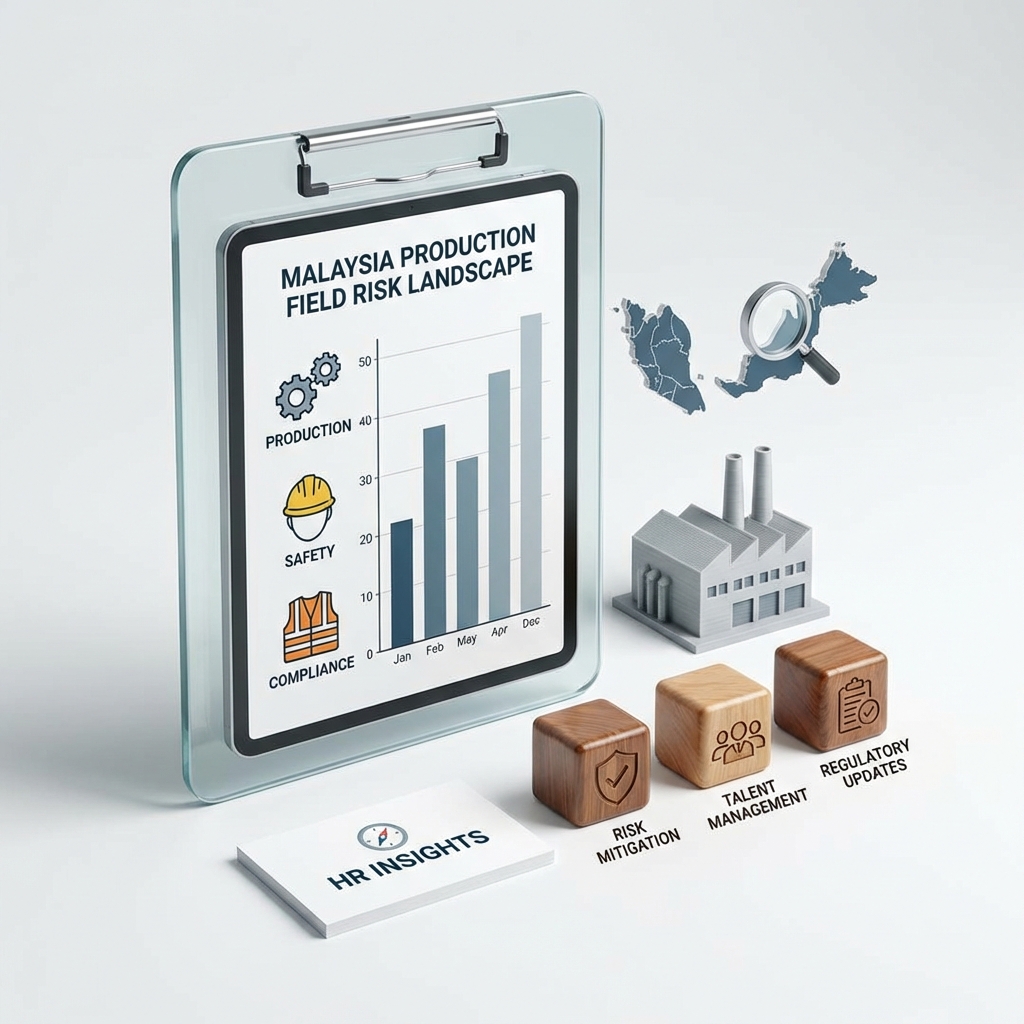
1. Defining ‘Production Field’ in the Malaysian Context
In Malaysia, the term ‘production field’ extends beyond the conventional notion of oil and gas exploration and extraction. It encompasses the entirety of the nation’s productive capacity across primary, secondary, and tertiary sectors. This includes the sophisticated manufacturing sector, which produces everything from semiconductors to automotive components; the burgeoning energy sector, inclusive of conventional oil and gas, as well as rapidly expanding renewable energy sources like solar and hydro; and the vital agricultural sector, covering palm oil, rubber, and various food crops. Furthermore, it incorporates elements of logistics, construction, and even digital services that directly contribute to the creation and delivery of goods and services. Each of these sub-sectors presents unique risk profiles, influenced by global market fluctuations, technological disruption, domestic policies, and environmental factors. A comprehensive risk assessment in this context demands a holistic view that acknowledges the interdependencies and cascading effects across these diverse productive landscapes.
2. Why Risk Reporting is Crucial for Stakeholders
Transparent and accurate risk reporting serves as the bedrock for informed decision-making for a wide array of stakeholders, from domestic and international investors to government bodies, company boards, and employees. For investors, a clear understanding of the risk landscape directly impacts the investment climate and capital allocation decisions, ensuring confidence in Malaysia’s long-term economic prospects. Government agencies leverage these reports to formulate effective policies, refine regulatory compliance frameworks, and implement strategic interventions that bolster national economic resilience. For businesses, robust risk reporting is fundamental to developing effective mitigation strategies, enhancing corporate governance, and ensuring business continuity. Moreover, it plays a pivotal role in addressing contemporary concerns such as sustainability challenges and the environmental impact of industrial activities, compelling companies to adopt more responsible practices. Ultimately, comprehensive reporting contributes significantly to the nation’s overall economic outlook, painting a realistic picture of challenges and opportunities, and fostering collective action towards sustainable development. According to the World Bank Group, effective risk management frameworks are crucial for emerging economies to navigate global volatilities and sustain growth trajectories, underscoring the universal importance of such practices.
3. Scope and Methodology of the 2026 Trend Report
The upcoming the trend report of the risk of production field in malaysia for 2026 is designed to provide a forward-looking analysis of critical risks and emerging opportunities. Its scope will be extensive, covering a horizon of five years and delving into sector-specific vulnerabilities alongside overarching macro-economic and geopolitical factors. The methodology employs a multi-pronged approach, combining quantitative data analysis of historical incidents and economic indicators with qualitative insights derived from expert interviews, industry surveys, and scenario planning workshops. Key areas of focus will include the escalating digital transformation risks, particularly concerning cybersecurity and data integrity; potential shifts in geopolitical stability impacting trade routes and supply chains; evolving labor market dynamics and talent shortages; and the persistent threat of environmental impact from climate change and natural disasters. The report will also offer actionable recommendations for enhancing forecasting production risks capabilities and promoting greater stakeholder engagement across public and private sectors. For more insights into how comprehensive risk assessments can drive strategic decisions, you can explore further resources on the trend report of the risk of production field in malaysia. The objective is to equip businesses, policymakers, and investors with the intelligence needed to proactively navigate Malaysia’s evolving production risk landscape, fostering resilience and sustainable growth in the years to come.
Key Risk Trends Emerging in Malaysia (2023-2026)
Malaysia’s dynamic economic landscape, with its robust manufacturing, agriculture, and services sectors, faces a confluence of evolving challenges. Understanding the trend report of the risk of production field in Malaysia is crucial for businesses and policymakers. This section delves into primary risk trends identified across various production fields in Malaysia for 2023-2026, categorizing them for clarity and future impact. From global geopolitical shifts to localized environmental hazards, these trends underscore the need for resilient strategies to safeguard supply chains, ensure sustainable growth, and maintain competitive advantage. The insights herein provide a comprehensive overview, equipping stakeholders to navigate the intricate web of challenges impacting Malaysian production fields.
1.
Geopolitical and Regulatory Risks
The global geopolitical landscape significantly influences Malaysia’s production sectors. Heightened tensions, particularly between major economic powers, translate into supply chain disruptions, impacting raw materials, components, and finished goods. Businesses contend with potential trade wars, tariffs, and non-tariff barriers, escalating operational costs and reducing market access. Malaysia’s strategic position in Southeast Asia means regional stability and evolving maritime disputes (e.g., South China Sea) remain critical for logistics and investment confidence. These forces directly affect foreign direct investment (FDI) inflows, as investors seek stable environments. Domestically, the regulatory environment is also a source of risk. Frequent changes in labor laws, environmental regulations, and industry-specific policies create compliance burdens and impact operational expenses. Businesses must proactively monitor and adapt to new governance frameworks, ensuring adherence to stringent sustainability standards and fair labor practices. Emphasis on local content requirements and industrial policies also presents complexities for international players. Navigating these intricate geopolitical currents and evolving regulatory landscapes demands robust risk assessment and agile strategic planning to mitigate adverse impacts.
2.
Economic Volatility and Market Demand Shifts
Malaysia’s production fields are not immune to global economic volatility. Inflationary pressures, driven by rising energy costs and supply bottlenecks, erode purchasing power and increase production input costs. Central bank interest rate hikes elevate borrowing costs, potentially stifling expansion and technology investment. Currency fluctuations, influenced by global economic performance, also pose significant risks, impacting import costs, export competitiveness, and international transaction profitability. The global economic slowdown further translates into fluctuating market demand, particularly from key export markets. Changes in consumer behavior, driven by economic uncertainties, necessitate greater agility from Malaysian manufacturers. Sectors heavily reliant on discretionary spending or specific commodity prices are particularly vulnerable. Downturns in global electronics or shifts in palm oil demand directly impact key Malaysian industries. A recent World Bank overview highlights the importance of structural reforms to enhance resilience against external shocks. Understanding these shifts, developing flexible production models, diversifying markets, and investing in market intelligence are paramount for mitigating risks from economic instability and unpredictable demand patterns.
3.
Environmental and Climate-Related Hazards
The escalating impacts of climate change pose an increasingly severe threat to Malaysia’s production fields. The country is particularly susceptible to extreme weather events: intense rainfall leading to devastating floods, prolonged dry spells causing droughts, and heatwaves. These events disrupt agricultural output, damage vital infrastructure, and halt manufacturing operations. Flooding, for example, has historically caused significant production losses and supply chain disruptions. Beyond immediate physical damage, climate change introduces longer-term risks such as resource scarcity. Water stress, exacerbated by changing weather patterns and increasing industrial demand, can impact water-intensive industries. Sustainable energy sourcing becomes critical as Malaysia balances growth with environmental responsibility. The increasing global focus on Environmental, Social, and Governance (ESG) criteria also translates into heightened scrutiny and regulatory pressures. Companies are expected to demonstrate robust environmental management, reduce carbon footprints, and adopt sustainable practices to meet investor expectations and market access requirements. Failure to adapt can lead to reputational damage, financial penalties, and loss of competitive edge. Proactive investment in climate-resilient infrastructure, sustainable resource management, and adherence to evolving ESG standards are essential for the long-term viability and growth of Malaysia’s production sectors.
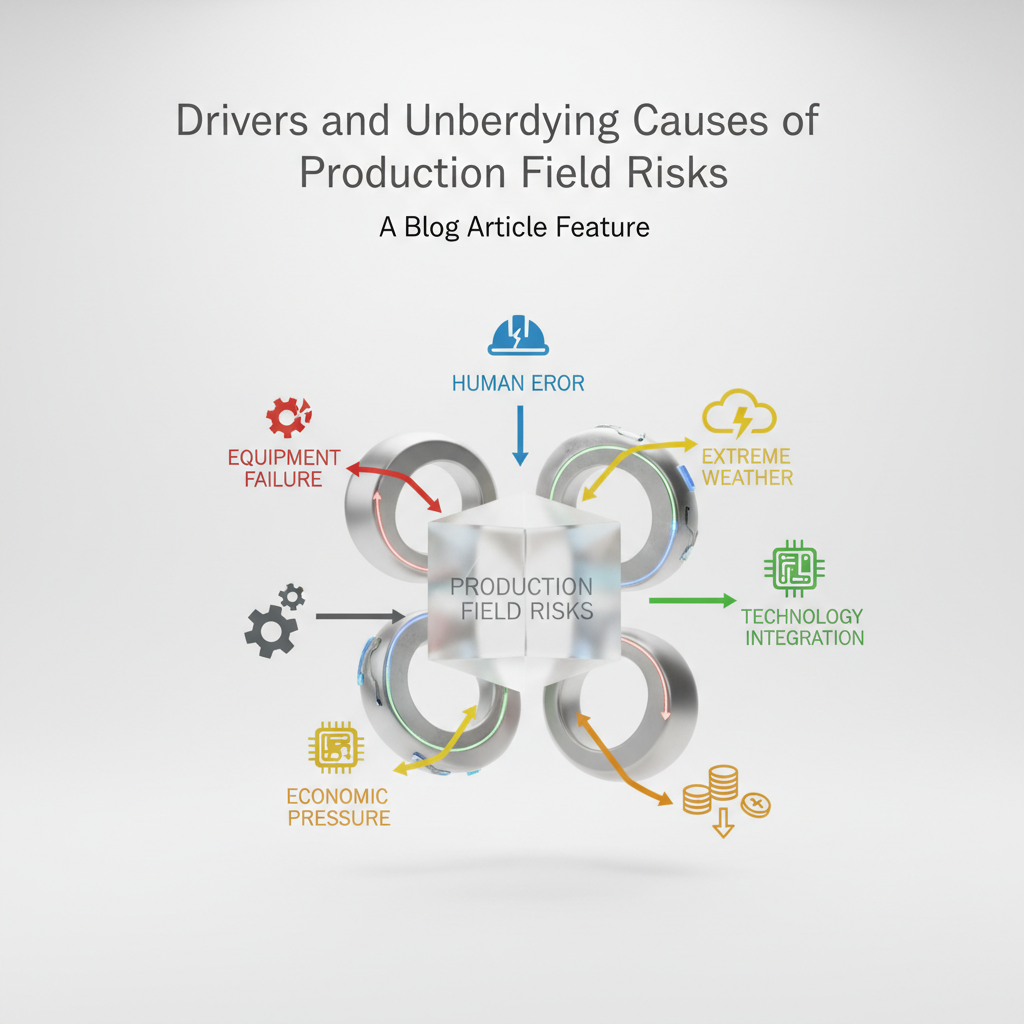
Drivers and Underlying Causes of Production Field Risks
The intricate web of factors contributing to production field risks in Malaysia is multifaceted, encompassing both internal operational vulnerabilities and external macroeconomic and environmental pressures. A comprehensive understanding of these underlying causes is crucial for developing robust mitigation strategies and ensuring the long-term sustainability and profitability of Malaysia’s vital production sectors, particularly as highlighted in the trend report of the risk of production field in Malaysia. Navigating these complexities requires proactive management, strategic investment, and a keen awareness of trends affecting industrial landscapes across the nation.
1. Global Supply Chain Vulnerabilities
One of the most significant drivers of production field risks in Malaysia stems from global supply chain vulnerabilities. The modern industrial ecosystem, especially in sectors like oil and gas and manufacturing, is heavily reliant on international networks for equipment, specialized components, raw materials, and skilled labor. Disruptions—from geopolitical conflicts, pandemics, natural disasters, or trade disputes—can reverberate, leading to severe operational delays and cost escalations. For Malaysian production fields, this translates into challenges such as delayed delivery of critical spare parts, extended lead times for new equipment, and difficulties in accessing specialized technical expertise. A recent *trend report of the risk of production field in Malaysia* underscored how these external shocks can halt maintenance schedules, delay new projects, and impact production targets, ultimately compromising overall field efficiency and profitability. Inability to quickly source essential items increases downtime, equipment failure likelihood, and elevates operational risks considerably.
2. Aging Infrastructure and Maintenance Deficits
Malaysia’s long history in various production sectors means that a significant portion of its operational infrastructure is aging. Pipelines, offshore platforms, processing plants, and heavy machinery, some dating back decades, are increasingly susceptible to wear and tear, corrosion, and material fatigue. This aging infrastructure inherently carries higher risks of mechanical failures, leakages, and environmental incidents. Compounding this is the challenge of maintenance deficits. Underinvestment in routine inspection, preventative maintenance, and timely upgrades can accelerate degradation, leading to unforeseen breakdowns and costly emergency repairs. The escalating frequency of such incidents not only disrupts production but also poses significant safety hazards. Addressing these issues requires substantial capital expenditure for modernization and robust maintenance programs. According to the International Energy Agency’s Southeast Asia Energy Outlook 2022, infrastructure resilience is a critical factor for sustained production across the region. Failing to address these structural weaknesses contributes directly to heightened operational risks, impacting both output volumes and the sector’s long-term viability, a concern frequently highlighted in *the trend report of the risk of production field in Malaysia*.
3. Rapid Industrialization and Resource Depletion
Malaysia’s impressive trajectory of rapid industrialization, while a cornerstone of its economic growth, simultaneously presents a complex set of risks for its production fields, particularly concerning resource depletion and increased environmental scrutiny. The accelerated pace of development has placed immense pressure on natural resources, driving the need for more intensive extraction and processing. This often pushes operations into more challenging or environmentally sensitive areas, increasing the technical complexity and inherent risks associated with exploration and production. Furthermore, rapid industrialization leads to increased consumption of water, land, and raw materials, impacting ecological balance. The growing global and domestic emphasis on environmental sustainability and stricter regulatory frameworks also means that production fields face enhanced scrutiny regarding their environmental footprint. Non-compliance can result in hefty fines, operational shutdowns, and severe reputational damage. This dynamic interplay between economic growth and responsible resource management creates a delicate balance. Failure to adapt to evolving environmental and social governance (ESG) expectations adds another layer of risk to production field operations, making sustainable practices not just an ethical choice but a critical component of risk mitigation strategies, as increasingly emphasized within discussions surrounding the trend report of the risk of production field in Malaysia. These pressures collectively elevate operational and compliance risks, demanding innovative solutions.
Potential Impact on Malaysia’s Production Sector
This section analyzes the multifaceted consequences of identified risks on various aspects of Malaysia’s production field, from economic stability to operational continuity and sustainability. Understanding these impacts is crucial for stakeholders to formulate robust mitigation strategies and ensure the resilience of the nation’s industrial backbone.
1. Economic Downturn and Investment Hesitation
The cumulative effect of risks within Malaysia’s production sector significantly threatens the nation’s economic stability. A slowdown in key manufacturing and commodity-based industries, as highlighted in the trend report of the risk of production field in malaysia, directly translates to reduced GDP growth, job losses, and diminished export revenues. Persistent challenges such as commodity price volatility, particularly in sectors like palm oil and petroleum, can severely impact profitability and national income. Furthermore, escalating energy costs and pervasive inflationary pressures erode consumer purchasing power and increase operational overheads for businesses, stifling economic expansion.
Such an environment inevitably leads to investment hesitation. Both domestic and foreign direct investment (FDI) become more cautious when faced with an uncertain outlook. Perceived risks like geopolitical instability, frequent regulatory changes, and the potential for trade policy changes can deter new capital inflows. Investors seek predictability and robust returns, and a production sector grappling with a confluence of challenges presents a less attractive proposition. This hesitation can stall industrial upgrading, limit access to advanced technologies, and ultimately impede Malaysia’s long-term economic diversification goals.
2. Operational Disruptions and Production Losses
Operational continuity is paramount for the production sector, and a range of identified risks pose significant threats to its smooth functioning. Supply chain disruptions, whether stemming from global events or local logistical challenges, can halt production lines, lead to inventory shortages, and delay delivery schedules, resulting in substantial production losses. These disruptions are often exacerbated by underlying issues such as infrastructure inadequacy, particularly concerning transportation networks and utility reliability.
The critical challenge of labor shortages and a significant skilled talent gap continues to plague various industries, affecting productivity and the ability to adopt advanced manufacturing processes. Moreover, the increasing reliance on digital technologies introduces new vulnerabilities, with cybersecurity threats posing a constant risk to industrial control systems and proprietary data. The impact of climate change, manifesting in more frequent severe weather events, can physically damage production facilities and disrupt agricultural outputs, affecting raw material scarcity. Addressing these operational hurdles requires significant investment in resilience, digital transformation, and workforce development to maintain Malaysia’s economic performance and competitive edge.
3. Reputational Damage and Investor Confidence
Beyond immediate financial and operational impacts, the aggregation of production risks can inflict severe reputational damage on Malaysia as a manufacturing and production hub. A perception of instability or unreliability can erode investor confidence, making it harder to attract new businesses and retain existing ones. Negative publicity arising from production failures, poor environmental compliance records, or ethical lapses can tarnish the national brand and deter international partnerships.
Furthermore, concerns about a lack of proactive measures in addressing critical issues like technological obsolescence, insufficient responses to market demand shifts, and inadequate progress in sustainable manufacturing practices can project an image of an outdated or unresponsive industrial landscape. In an increasingly interconnected global economy, where corporate social responsibility and environmental, social, and governance (ESG) factors heavily influence investment decisions, a robust and sustainable production sector is essential. Failure to effectively manage these risks can lead to a decline in Malaysia’s standing in global value chains, limiting opportunities for growth and innovation, including crucial digital transformation risks which need careful navigation. Maintaining transparency, demonstrating resilience, and committing to sustainable practices are vital to safeguarding Malaysia’s reputation and fostering long-term investor trust.
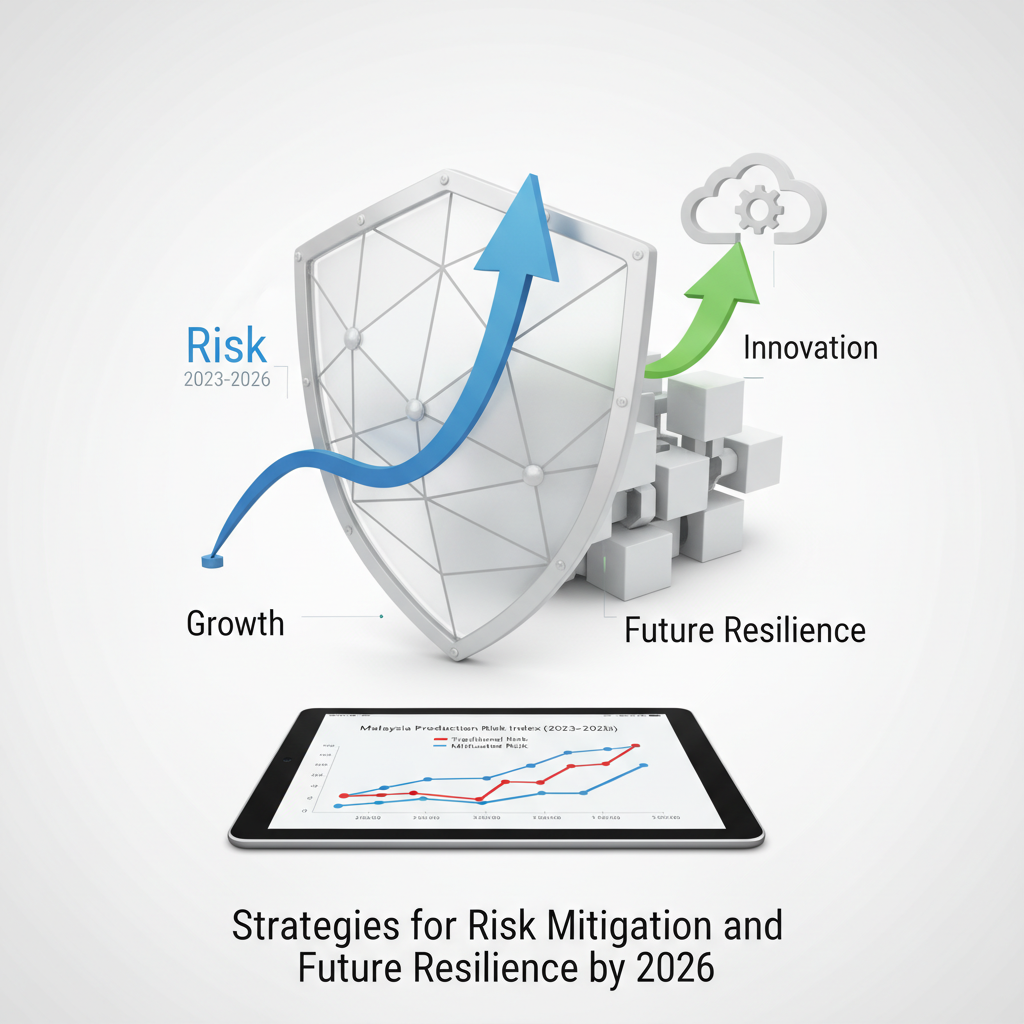
Strategies for Risk Mitigation and Future Resilience by 2026
As Malaysia’s production field navigates an increasingly complex landscape marked by economic shifts, technological advancements, and evolving regulatory environments, proactive risk mitigation is paramount. This section offers actionable recommendations and strategic approaches for stakeholders to address and mitigate identified risks, fostering a more resilient production field by 2026. Building on the insights gleaned from previous analyses, stakeholders must adopt a forward-looking posture, integrating resilience into the core of their operational strategies to safeguard investments, ensure business continuity, and maintain competitive advantage in the global market. A comprehensive understanding of the trend report of the risk of production field in Malaysia is the first step towards formulating effective preventative measures and response plans.
1. Developing Robust Risk Management Systems
The foundation of future resilience lies in establishing and continuously refining robust risk management systems. This involves moving beyond reactive measures to implement proactive frameworks that integrate risk identification, assessment, monitoring, and mitigation across all operational facets. Organizations within Malaysia’s production field should adopt enterprise-wide risk management (ERM) approaches, enabling a holistic view of potential threats, from supply chain disruptions and cybersecurity vulnerabilities to market volatility and geopolitical instability. Key steps include developing clear risk registers, assigning ownership for specific risks, and defining measurable key risk indicators (KRIs) that provide early warnings. Regular risk audits, scenario planning, and stress testing capabilities are essential to ensure these systems remain agile and effective against unforeseen challenges. Furthermore, leveraging data analytics to identify emerging risk patterns and predict potential failures can significantly enhance decision-making. Continuous improvement, based on insights from both internal incidents and global best practices, is crucial for keeping these systems relevant and potent against the dynamic nature of threats.
2. Investing in Advanced Technology and Automation
Technological advancement and automation are not merely tools for efficiency but critical enablers for risk mitigation and enhanced resilience in the production field. Strategic investments in technologies such as Artificial Intelligence (AI), Internet of Things (IoT), predictive analytics, and robotics can transform risk management capabilities. For instance, IoT sensors can provide real-time data on equipment performance, environmental conditions, and structural integrity, allowing for proactive maintenance and preventing costly downtime or safety incidents. AI-driven analytics can process vast amounts of operational data to identify anomalies, predict equipment failures, and optimize production flows, significantly reducing operational risks. Automation, from automated guided vehicles (AGVs) to robotic process automation (RPA), can minimize human exposure to hazardous environments and reduce the likelihood of human error, thereby enhancing safety protocols. Predictive maintenance, powered by machine learning, ensures that potential issues are addressed before they escalate, improving asset longevity and operational stability. Embracing these innovations is vital for companies aiming to stay competitive and secure against a myriad of operational challenges by 2026. This forward-looking investment strategy is vital for mitigating risks effectively, drawing valuable lessons from a comprehensive PwC Global Risk Survey which consistently highlights technology as a key component of modern risk resilience.
3. Enhancing Workforce Training and Safety Protocols
Human capital remains the most valuable asset in any production field, and its preparedness is central to resilience. Enhancing workforce training and rigorously adhering to safety protocols are non-negotiable strategies for mitigating operational and safety risks. Comprehensive training programs should not only cover technical skills but also focus on risk awareness, emergency response procedures, and the promotion of a proactive safety culture. Regular drills and simulations are crucial for ensuring that employees can react effectively and cohesively during crises, minimizing potential harm and operational disruption. Beyond initial training, continuous professional development and cross-training initiatives can build a more versatile and adaptable workforce capable of responding to diverse challenges. Implementing stringent safety protocols, coupled with regular audits and compliance checks, ensures that workplaces meet or exceed national and international safety standards. Fostering an environment where employees feel empowered to report hazards and contribute to safety improvements is also critical. A well-trained, safety-conscious workforce is inherently more resilient, capable of identifying and addressing risks before they escalate, thereby significantly contributing to the overall stability and long-term success of the production field in Malaysia by 2026. This focus on human factors is particularly critical as organizations look to mitigate the potential for accidents and ensure robust operational continuity in the face of evolving industry demands.
Partner with Shelby Global
You are looking for reliable HR Sevice Suppliers? Contact Shelby Global Now! To connect with verified talents and upgrade your orginization.
—————————————
References
– World Bank Group: Risk Management for Development: https://www.worldbank.org/en/about/risk-management
– World Bank Malaysia Overview: https://www.worldbank.org/en/country/malaysia/overview
– International Energy Agency’s Southeast Asia Energy Outlook 2022: https://www.iea.org/reports/southeast-asia-energy-outlook-2022
– World Bank Malaysia Economic Monitor: https://www.worldbank.org/en/country/malaysia/publication/malaysia-economic-monitor
– PwC Global Risk Survey: https://www.pwc.com/gx/en/issues/risk/global-risk-survey.html