
Overview of Vietnam’s Tourism Landscape & Growth Drivers
Set the stage by providing context on Vietnam’s current tourism status and the key factors fueling its expansion and recovery post-pandemic.

1. Post-pandemic recovery and current tourism statistics
Vietnam’s tourism sector has demonstrated remarkable resilience and an impressive recovery trajectory following the global disruption caused by the COVID-19 pandemic. After a challenging period, the country has successfully reopened its borders and implemented strategic initiatives to welcome back international visitors, while simultaneously fostering a robust domestic travel market. The resurgence of tourism is a testament to Vietnam’s enduring appeal and effective recovery strategies.
Current statistics paint a promising picture. In 2023, Vietnam recorded a significant surge in international arrivals, far exceeding initial targets. For instance, the Vietnam National Authority of Tourism (VNAT) reported 12.6 million international visitors in 2023, surpassing the target of 8 million. This represents a 3.4-fold increase compared to 2022 and nearly 70% of pre-pandemic levels. Domestic tourism has also played a crucial role in the sector’s recovery, with millions of local travelers exploring the country’s diverse regions, sustaining businesses, and stimulating local economies. This robust rebound underscores the strong market demand trend report of Travels field in vietnam indicating a preference for accessible and culturally rich destinations. The recovery is not merely about numbers; it reflects renewed confidence in Vietnam as a safe, vibrant, and welcoming destination, steadily solidifying its position on the global tourism map. The impressive growth trajectory positions Vietnam as one of Southeast Asia’s fastest-recovering tourism markets, setting the stage for continued expansion in the coming years.
2. Government policies, infrastructure development, and promotion efforts
The remarkable growth in Vietnam’s tourism landscape is not solely organic; it is significantly propelled by proactive governmental strategies and substantial investments in infrastructure. The Vietnamese government has consistently demonstrated its commitment to developing tourism as a key economic pillar. This commitment is evident in a series of favorable policies designed to streamline travel and attract a broader range of visitors. Recent visa policy reforms, including expanded visa-free entry for citizens of various countries and extended e-visa validity, have drastically improved accessibility, making Vietnam a more appealing choice for international travelers.
Beyond policy, infrastructure development plays a pivotal role. Major investments in expanding and modernizing international airports (such as Noi Bai, Tan Son Nhat, and Da Nang), improving road networks, and developing high-speed rail links are enhancing connectivity and reducing travel times between key tourist destinations. The construction of new hotels, resorts, and integrated entertainment complexes, often through public-private partnerships, further enriches the accommodation options and overall tourist experience.
Moreover, the government, in collaboration with the private sector, has intensified its global and domestic tourism promotion efforts. Campaigns like “Vietnam – Timeless Charm” and specific initiatives targeting niche markets are effectively showcasing the country’s diverse offerings, from pristine beaches to majestic mountains and bustling cities. These concerted efforts are not just about attracting tourists but also about shaping a positive international perception of Vietnam. Understanding the impact of these strategies is crucial for any market demand trend report of Travels field in vietnam, as government backing directly influences the sector’s trajectory and consumer confidence. These strategic moves underline a long-term vision for sustainable tourism development, ensuring that Vietnam remains competitive and attractive on the global stage.
3. Geopolitical stability, cultural appeal, and natural beauty as attractors
Beyond policy and infrastructure, Vietnam possesses inherent qualities that serve as powerful magnets for tourists: its geopolitical stability, rich cultural heritage, and breathtaking natural beauty. In an increasingly complex global environment, Vietnam stands out as a safe and stable destination, a factor highly valued by travelers seeking peace of mind. This consistent stability fosters an environment where tourism can thrive without undue external disruptions.
Culturally, Vietnam offers an immersive experience. Its long and storied history is reflected in ancient temples, imperial citadels, and vibrant traditional festivals. From the bustling street life of Hanoi and Ho Chi Minh City to the serene lantern-lit streets of Hoi An, visitors can delve into a unique blend of traditions and modernity. The country’s culinary scene, globally recognized for its freshness and flavors, is another significant draw, offering gastronomic adventures that range from pho to banh mi and beyond. This profound cultural depth provides endless opportunities for exploration and engagement, aligning perfectly with the evolving market demand trend report of Travels field in vietnam which increasingly emphasizes authentic and experiential travel.
Furthermore, Vietnam’s natural landscape is extraordinarily diverse and captivating. It boasts a stunning coastline with world-renowned beaches like My Khe and Phu Quoc, the dramatic karst landscapes of Ha Long Bay (a UNESCO World Heritage site), the terraced rice fields of Sapa, and the lush Mekong Delta. These varied environments cater to a wide array of interests, from adventure tourism and ecotourism to relaxation and scenic exploration. The combination of pristine nature and accessible attractions ensures a broad appeal, catering to different segments of the travel market. These intrinsic attractors, coupled with the ongoing strategic developments, firmly position Vietnam as a premier global tourist destination, promising continued growth and innovation in its travel sector.
Key Market Demand Trends in Vietnam Travel (2024-2026)
Dive into the specific evolving demands and preferences shaping the Vietnam travel market, incorporating current Vietnam travel trends 2024.
Vietnam’s travel landscape is in a constant state of evolution, driven by a confluence of global shifts and unique domestic characteristics. As we move into 2024 and look towards 2026, understanding the core market demand trend report of Travels field in Vietnam is crucial for stakeholders aiming to capture the imagination and wallets of modern travelers. The post-pandemic era has not merely brought a resurgence in travel but a significant recalibration of traveler priorities, pushing sustainability, authenticity, and flexibility to the forefront. This deep dive explores the pivotal trends that will define Vietnam’s tourism sector in the coming years.
1. Rise of Sustainable, Eco-Tourism, and Responsible Travel Demand
The global consciousness around climate change and social responsibility has profoundly impacted travel choices, making sustainable, eco-tourism, and responsible travel increasingly sought after in Vietnam. Travelers are no longer content with merely visiting; they seek to engage with destinations in a way that minimizes negative impact and contributes positively to local communities and environments. This shift is particularly evident in Vietnam, where pristine natural landscapes, from the Mekong Delta to the northern mountainous regions, offer immense potential for eco-conscious tourism.
There’s a growing demand for accommodation providers and tour operators who actively implement green practices, such as reducing plastic waste, conserving water, using local and organic produce, and supporting fair wages for employees. Community-based tourism initiatives, which allow visitors to experience local life while directly contributing to the economic well-being of residents, are gaining traction. This trend is not just about environmental protection but also about cultural preservation, as travelers prioritize experiences that respect local traditions and heritage. This evolution is vital for Vietnam’s long-term tourism resilience, as highlighted by various reports, including insights into Vietnam’s burgeoning travel sector’s economic impact.
2. Increased Interest in Experiential, Authentic, and Local Cultural Immersion
Beyond traditional sightseeing, the modern traveler craves deeper, more meaningful connections with their chosen destinations. Vietnam, with its rich history, vibrant culture, and diverse culinary traditions, is perfectly positioned to cater to this increased interest in experiential, authentic, and local cultural immersion. Tourists are actively seeking opportunities to participate rather than just observe – from hands-on cooking classes in Hoi An, learning the secrets of Vietnamese cuisine, to engaging in traditional craft workshops in Hanoi’s Old Quarter.
Homestays in ethnic minority villages, offering an intimate glimpse into daily life, are becoming preferred alternatives to conventional hotels. Exploring bustling local markets, sipping traditional Vietnamese coffee at roadside stalls, or even participating in local festivals provides an authentic insight that guidebooks often miss. This trend signifies a move away from mass tourism experiences towards personalized journeys that offer genuine interaction with local people, their stories, and their way of life, fostering a greater understanding and appreciation for Vietnam’s unique identity.
3. Growth of Digital Nomad Trend Vietnam and Remote Work Tourism
The seismic shift towards remote work, accelerated by recent global events, has fueled the rise of the digital nomad trend Vietnam and remote work tourism. Vietnam has emerged as a top destination for individuals seeking to combine work with travel, offering an attractive blend of affordability, robust internet infrastructure, and an inspiring cultural backdrop. Cities like Ho Chi Minh City, Da Nang, and Hanoi are becoming hubs for digital nomads, equipped with co-working spaces, vibrant expat communities, and a low cost of living compared to many Western countries.
This demographic isn’t just seeking a temporary vacation; they’re looking for a ‘workation’ environment that supports productivity while offering rich cultural experiences during their downtime. The demand extends beyond mere accommodation to services that facilitate long-term stays, such as reliable internet, accessible health services, and community events. This trend presents significant opportunities for various sectors, from specialized co-living spaces to unique local tours designed for flexible schedules, further diversifying the market demand trend report of Travels field in Vietnam.
In conclusion, the Vietnam travel market is dynamic and responsive, moving towards more conscious, immersive, and flexible forms of tourism. For businesses and policymakers, aligning strategies with these evolving demands—focusing on sustainability, authentic experiences, and accommodating the new wave of remote workers—will be paramount to unlocking the full potential of Vietnam’s tourism industry in the years to come.
Segment-Specific Demand Analysis: Inbound, Domestic & Niche Markets
Vietnam’s tourism sector is dynamic, exhibiting distinct demand patterns across various traveler segments. A comprehensive market demand trend report of Travels field in vietnam necessitates a granular analysis of these segments, understanding their unique drivers, challenges, and future trajectories. This exploration covers international visitors (inbound tourism), local tourists (domestic travel), and burgeoning niche markets, providing a holistic view of the evolving landscape.
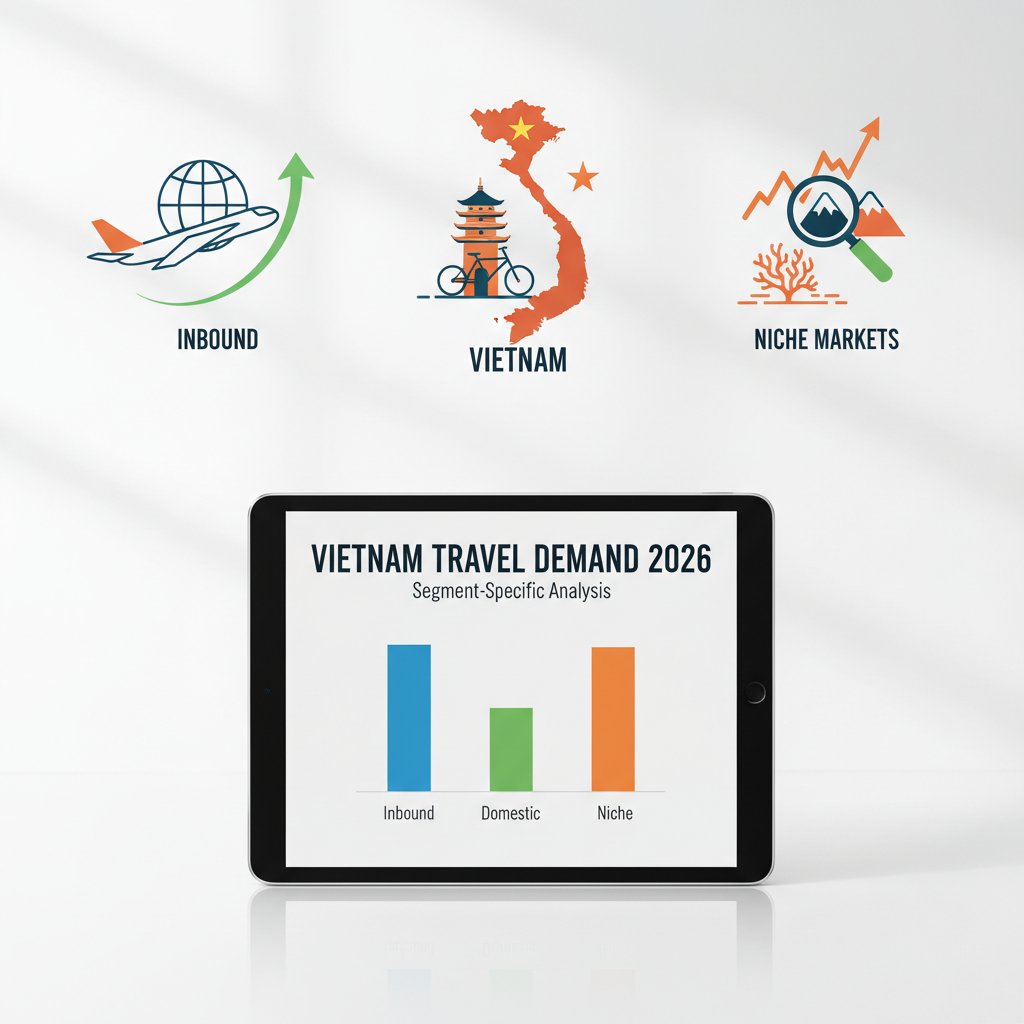
1. Forecast for inbound tourism and key international source markets
The resurgence of Vietnam’s inbound tourism is a critical indicator of the sector’s recovery and growth potential. Following the global pandemic, Vietnam has demonstrated remarkable resilience, attracting a growing number of international visitors. The inbound tourism Vietnam forecast for the coming years remains optimistic, driven by strategic policy support, enhanced connectivity, and effective promotional campaigns. Key international source markets continue to be pivotal. East Asian countries, particularly South Korea, China, and Japan, traditionally represent a significant share of arrivals. South Korea, in particular, has consistently shown strong demand for Vietnamese destinations, drawn by cultural similarities, diverse landscapes, and value-for-money experiences. The reopening of the Chinese market is a game-changer, poised to dramatically boost visitor numbers, though recovery may be gradual and influenced by external factors.
Beyond Asia, markets like the United States, Australia, and European nations are also growing in importance. These long-haul travelers often seek longer stays and higher-value experiences, contributing significantly to tourism revenue. The demand from these markets is often influenced by factors such as flight accessibility, visa policies, and destination marketing efforts highlighting Vietnam’s unique cultural heritage, natural beauty, and adventure tourism options. The diversification of source markets is a strategic imperative to build a more resilient and sustainable inbound tourism sector.
2. Trends in domestic travel market Vietnam and regional exploration
While international tourism garners significant attention, the domestic travel market Vietnam has been the bedrock of the industry’s recovery and continues to show robust growth. Vietnamese travelers, increasingly affluent and with a growing desire for leisure and exploration, are driving demand for local destinations. This segment demonstrates several key trends: a preference for short getaways, weekend trips, and family-oriented holidays. Coastal cities like Da Nang, Nha Trang, and Phu Quoc remain perennial favorites, offering beaches and resort amenities. However, there’s a growing inclination towards exploring lesser-known regions and experiencing local culture, cuisine, and nature-based activities.
Regional exploration is gaining traction, with travelers venturing into the mountainous northern provinces, the Central Highlands, and the Mekong Delta. This shift is fueled by improved infrastructure, the rise of boutique accommodations, and an increasing appreciation for authentic local experiences. Digital platforms play a crucial role in shaping domestic travel trends, influencing destination choices, and facilitating bookings. Promotions and discounts by local airlines, hotels, and tour operators also significantly stimulate demand within this segment, making travel more accessible and appealing to a broader demographic. To delve deeper into the evolving travel landscape, consider this comprehensive market demand trend report of Travels field in vietnam.
3. Luxury travel Vietnam growth and wellness tourism expansion
Emerging as significant growth areas are luxury travel Vietnam and wellness tourism. The demand for upscale experiences is escalating among both international and domestic travelers seeking exclusivity, personalized services, and premium amenities. This includes high-end resorts, private tours, bespoke itineraries, and gourmet dining experiences. Destinations like Hoi An, Phu Quoc, and Sa Pa are developing world-class luxury offerings, attracting discerning travelers willing to pay a premium for exceptional quality and unique experiences. The growth in this segment reflects Vietnam’s increasing appeal as a sophisticated and diverse destination.
Parallel to this, wellness tourism expansion is gaining considerable momentum. With a global shift towards health and well-being, travelers are increasingly seeking experiences that promote physical, mental, and spiritual rejuvenation. Vietnam, with its rich natural landscapes—from serene beaches to tranquil mountains—and traditional healing practices, is ideally positioned to capitalize on this trend. Resorts offering yoga retreats, spa treatments, meditation sessions, detox programs, and healthy culinary experiences are proliferating. Destinations like Da Lat, Hue, and specific coastal areas are becoming hubs for wellness-focused travel. This sector not only attracts high-spending tourists but also encourages sustainable and responsible tourism practices. According to insights from the tourism industry in Vietnam, the sector is set for continued expansion, underscoring the potential of these niche markets to contribute substantially to the nation’s economic growth and diversify its tourism product portfolio.
Technological Impact and Digital Transformation in Vietnam’s Travel Sector
Vietnam’s travel sector is undergoing a profound digital transformation, fundamentally reshaping how travelers plan, book, and experience their journeys. Driven by a tech-savvy population and increasing internet penetration, technology has become an indispensable force, dictating consumer expectations and redefining service delivery across the industry. This shift is not merely about adopting new tools; it’s about a complete paradigm change, demanding agility and innovation from businesses aiming to capture a share of this dynamic market. Understanding these intricate developments is crucial, as highlighted in any comprehensive market demand trend report of Travels field in vietnam. The widespread adoption of smartphones, along with enhanced digital infrastructure, has empowered travelers with unprecedented access to information and booking options, making online booking and seamless travel experiences the new benchmark.
1. Role of social media, online reviews, and travel influencers
Social media platforms have evolved beyond mere communication channels to become pivotal tools in travel decision-making. Vietnamese travelers, like their global counterparts, heavily rely on platforms such as Facebook, Instagram, and TikTok for inspiration, destination discovery, and peer recommendations. The authenticity of online reviews and user-generated content plays a significant role, often outweighing traditional marketing efforts. Businesses are increasingly leveraging these platforms for destination marketing and direct engagement. Moreover, travel influencers have emerged as powerful voices, shaping perceptions and driving booking decisions through aspirational content and honest endorsements. Their ability to connect with niche audiences and build trust makes them invaluable assets for promoting specific destinations or services, directly impacting the market demand for various travel offerings.
2. Adoption of AI, personalization, and big data in travel services
The integration of advanced technologies like artificial intelligence (AI), machine learning, and big data analytics is revolutionizing the personalization of travel experiences. AI-powered chatbots provide instant customer support, answer queries, and facilitate bookings, enhancing efficiency and service delivery. Predictive analytics, driven by big data, allows travel providers to anticipate traveler needs, offer tailored recommendations, and implement dynamic pricing strategies. This level of personalization extends to every touchpoint, from customized itineraries and targeted promotions to in-destination recommendations. By analyzing vast datasets on traveler behavior, preferences, and demographics, companies can create hyper-relevant offerings, significantly improving customer satisfaction and loyalty. For a deeper dive into how AI is shaping global travel, consider exploring reports like the Global Artificial Intelligence in Travel Market statistics, which underscore the transformative potential of this technology across the sector.
3. Mobile-first strategies and the dominance of online travel agencies (OTAs)
The ubiquity of smartphones has made a mobile-first approach indispensable for travel businesses in Vietnam. Travelers increasingly research, book, and manage their trips entirely on their mobile devices, demanding intuitive apps and responsive websites. This trend has fueled the rapid growth and dominance of online travel agencies (OTAs), both international giants like Booking.com and Agoda, and strong local players. OTAs offer unparalleled convenience, a vast array of choices, competitive pricing, and often provide integrated services from flights and accommodation to local tours and transfers. Their powerful platforms and aggressive marketing have made them the preferred gateway for millions of travelers. To compete effectively, hotels and other service providers must not only maintain a robust online presence but also consider strategic partnerships with these OTAs while simultaneously developing their own engaging mobile platforms to offer unique value and capture direct bookings. The relentless pursuit of seamless booking and instant gratification continues to drive innovation in this mobile-centric landscape.
In conclusion, the digital transformation sweeping through Vietnam’s travel sector is a multifaceted phenomenon. From the pervasive influence of social media and influencers to the sophisticated applications of AI and big data, and the undeniable shift towards mobile-first strategies championed by OTAs, technology is continuously redefining the industry. Travel businesses that embrace these changes, prioritize digital innovation, and focus on delivering personalized, convenient, and engaging travel experiences are best positioned to thrive in this exciting and competitive market.
Future Outlook & Strategic Opportunities for Stakeholders
Vietnam’s tourism sector stands at a pivotal juncture, poised for remarkable growth yet simultaneously facing critical challenges that demand strategic foresight. As the global travel landscape continues to evolve, a forward-looking perspective is essential for stakeholders to identify lucrative Vietnam tourism investment opportunities and navigate potential obstacles. Understanding the shifting dynamics, as highlighted in any comprehensive market demand trend report of Travels field in Vietnam, is paramount for sustainable success and competitive advantage in this vibrant destination.

1. Investment areas in sustainable tourism infrastructure and services
The global traveler is increasingly conscious of environmental and social impacts, driving an undeniable shift towards sustainable tourism. This trend presents significant investment areas for infrastructure and services in Vietnam. Opportunities abound in developing eco-friendly resorts, particularly in less-explored natural reserves and coastal areas, where minimalist design and renewable energy integration can create unique, low-impact experiences. Investments in green transportation, such as electric vehicles for tours or carbon-neutral boat operations in popular bay areas, will also resonate with eco-conscious tourists. Furthermore, supporting local communities through community-based tourism initiatives, where visitors directly contribute to local economies and experience authentic cultural immersion, offers both social returns and unique selling propositions. Developing robust waste management and recycling systems for popular destinations, and integrating smart, energy-efficient technologies into existing hospitality infrastructure, are crucial for long-term sustainability and appealing to this growing market segment. Stakeholders focusing on these areas will not only contribute to Vietnam’s environmental preservation but also build resilient, attractive businesses for the future.
2. Developing unique tourism products to meet evolving demands
Modern travelers seek more than just sightseeing; they crave authentic, personalized, and experiential journeys. This evolving demand opens doors for developing innovative tourism products. Niche markets like wellness tourism (yoga retreats, spa resorts with traditional healing), adventure tourism (trekking in northern mountains, diving in pristine marine parks), and cultural immersion (culinary tours, traditional craft workshops, historical site explorations) are experiencing significant growth. There’s also a burgeoning market for MICE (Meetings, Incentives, Conferences, and Exhibitions) tourism, requiring world-class convention centers and integrated luxury accommodations. The digital nomad phenomenon further presents opportunities for co-working spaces integrated with leisure facilities, attracting a new demographic seeking extended stays. Leveraging technology, such as virtual reality tours for pre-trip experiences or AI-powered personalized itinerary builders, can enhance these unique offerings. By diversifying product portfolios beyond conventional beach and city breaks, and focusing on high-value, authentic experiences, investors can tap into higher-spending segments and solidify Vietnam’s reputation as a diverse and dynamic travel destination.
3. Addressing challenges: over-tourism, environmental concerns, and talent gaps
While growth is desirable, it brings challenges that must be proactively addressed to ensure the long-term viability of Vietnam’s tourism sector. Over-tourism in popular hotspots like Ha Long Bay or Hoi An can degrade visitor experience and strain local resources. Strategic destination management, encouraging visitors to explore lesser-known regions, and developing robust infrastructure in new areas are vital to mitigate this. Environmental concerns, ranging from plastic pollution in marine environments to habitat destruction from unregulated development, require stringent enforcement of environmental regulations, investment in eco-friendly practices, and promotion of responsible tourism certifications. Global bodies like the UNWTO’s work on sustainable development provides valuable frameworks for addressing these issues. Furthermore, a significant talent gap exists, particularly in skilled hospitality staff, multilingual guides, and digital marketing experts capable of reaching international audiences. Investing in vocational training programs, fostering local talent development, and offering competitive remuneration packages are crucial for building a professional and service-oriented workforce. By transforming these challenges into opportunities for innovation, responsible investment, and community engagement, Vietnam can ensure its tourism sector remains vibrant, sustainable, and globally competitive.
In conclusion, Vietnam’s future in the travel industry is exceptionally promising, contingent on strategic, responsible, and forward-thinking investments. Stakeholders who embrace sustainable practices, innovate unique experiences, and proactively address emerging challenges will be best positioned to capitalize on the country’s immense tourism potential and contribute to its enduring success on the global stage.
Partner with Shelby Global
You are looking for reliable HR Sevice Suppliers? Contact Shelby Global Now! To connect with verified talents and upgrade your orginization.
—————————————
References
– Việt Nam welcomes 12.6 million int’l arrivals in 2023, exceeding target: https://vietnamnews.vn/economy/1655099/viet-nam-welcomes-12-6-million-intl-arrivals-in-2023-exceeding-target.html
– Vietnam Travel & Tourism Economic Impact Report by WTTC: https://wttc.org/research/economic-impact/countries/vietnam/
– :
– Global Artificial Intelligence in Travel Market: https://www.statista.com/statistics/1231872/artificial-intelligence-travel-market-value-worldwide/
– UNWTO’s work on sustainable development: https://www.unwto.org/sustainable-development