
Understanding the Current FMCG Salary Landscape in Vietnam
Vietnam’s Fast-Moving Consumer Goods (FMCG) sector is a vibrant and intensely competitive arena, driven by a burgeoning middle class, rapid urbanization, and increasing consumer sophistication. For CEOs leading FMCG companies in Vietnam, navigating the intricacies of talent acquisition and retention is paramount, and at the heart of this challenge lies compensation. Understanding the current salary landscape is not just about paying employees; it’s about strategic investment, maintaining market competitiveness, and fostering a motivated workforce. This section delves into the specific market context, identifying current compensation trends and the multifaceted challenges within Vietnam’s dynamic FMCG sector, laying the groundwork for effective salary budget optimizing manners for the CEO of FMCG companies in Vietnam.
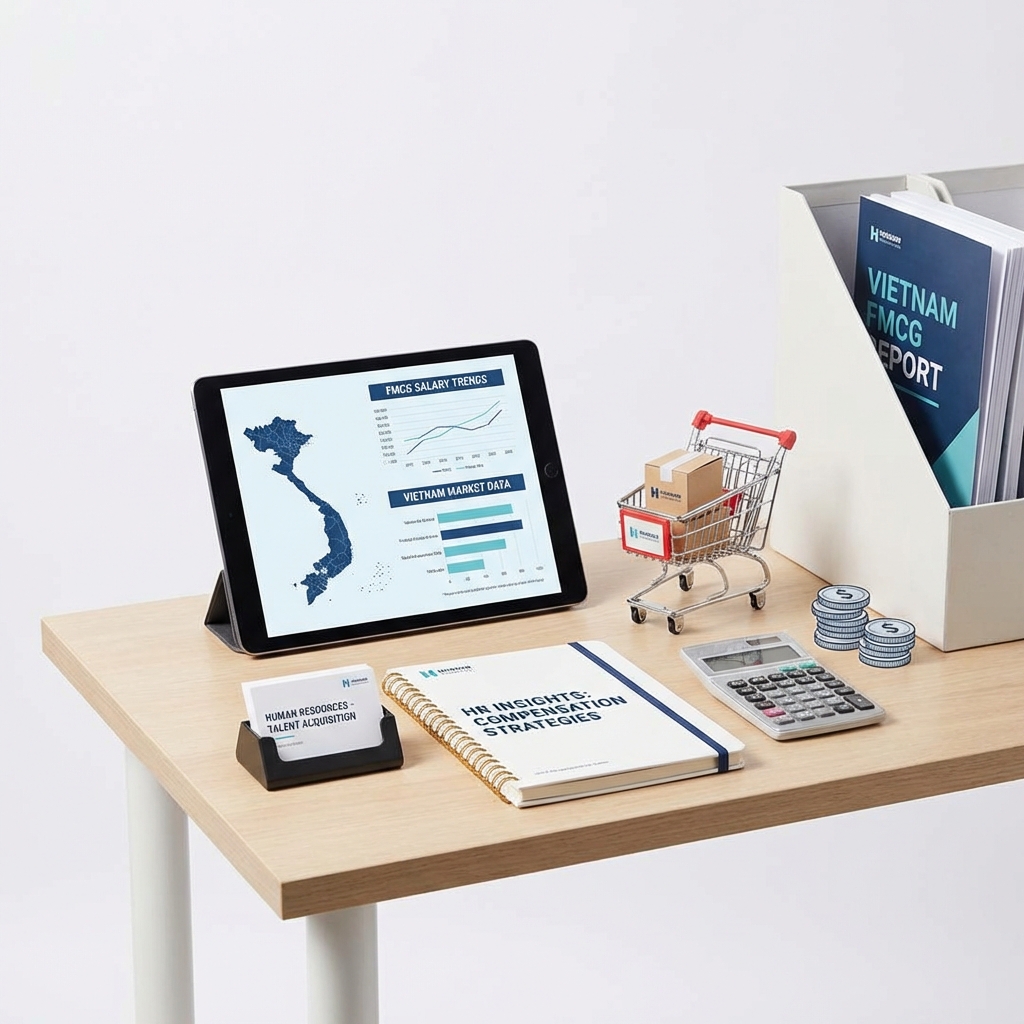
1. Benchmarking Vietnamese FMCG Compensation Trends
The Vietnamese FMCG market is characterized by fierce competition for skilled professionals, particularly in key functions such as sales, marketing, supply chain, and research & development. Multinational corporations (MNCs) and large domestic players often set the benchmark, offering competitive packages that smaller and medium-sized enterprises (SMEs) struggle to match. Compensation trends reveal a consistent upward trajectory, driven by a growing demand for experienced talent and the increasing cost of living, especially in major economic hubs like Ho Chi Minh City and Hanoi. Beyond base salaries, there’s a growing emphasis on a holistic total rewards approach, encompassing performance-based bonuses, comprehensive health and wellness benefits, and robust career development opportunities. According to recent analyses, the average income levels across the country continue to rise, putting pressure on companies to review their compensation structures regularly. FMCG companies must conduct thorough market benchmarking studies to ensure their compensation packages remain attractive enough to acquire top talent and retain high performers. This involves analyzing industry-specific salary data, understanding regional pay differentials, and forecasting future salary expectations based on economic indicators and talent mobility trends.
2. Analyzing Internal Salary Structures and Discrepancies
While external competitiveness is crucial, internal equity is equally vital for employee morale and productivity. Many FMCG companies in Vietnam grapple with internal salary discrepancies that can arise from historical pay practices, rapid growth, or inconsistent compensation policies. These discrepancies can manifest as significant pay gaps between departments, different experience levels for similar roles, or even perceived unfairness based on gender or tenure. Such imbalances can lead to decreased job satisfaction, higher turnover rates, and a detrimental impact on team cohesion and overall organizational culture. Effective internal salary analysis involves a rigorous job grading system, clear salary bands, and transparent performance management processes. CEOs must champion initiatives that promote pay equity, ensuring that compensation is aligned with an employee’s role, responsibilities, skills, and performance, rather than historical accident or negotiation prowess. Addressing these internal issues proactively is a critical component of sustainable talent management and directly influences the long-term effectiveness of any strategic approach to salary budget optimizing manners for the CEO of FMCG companies in Vietnam, ensuring that every dollar spent on compensation yields maximum return in terms of employee engagement and loyalty.
3. Impact of Inflation and Economic Shifts on Wage Demands
Vietnam’s dynamic economic environment, characterized by periods of robust growth but also vulnerability to global economic shifts, significantly impacts wage demands in the FMCG sector. Rising inflation, particularly in essential goods and housing, directly translates into increased cost of living for employees. This economic reality fuels expectations for higher annual salary increments, compelling companies to continuously re-evaluate their compensation strategies. Global supply chain disruptions, energy price fluctuations, and interest rate changes can also indirectly affect the profitability of FMCG companies, creating a delicate balancing act between maintaining healthy margins and meeting employee wage expectations. Furthermore, government policies, such as adjustments to the minimum wage, have a ripple effect across the entire salary spectrum, often pushing up compensation for entry-level and mid-level positions. CEOs must adopt agile and forward-looking compensation strategies that account for these macroeconomic pressures. This includes building contingency into salary budgets, exploring non-monetary benefits that add real value to employees’ lives, and communicating transparently about economic challenges and the company’s approach to fair compensation. Ignoring these external economic forces can lead to rapid talent drain and a diminished competitive edge in the market.
In conclusion, navigating Vietnam’s FMCG salary landscape requires a multi-faceted approach. CEOs must be adept at external benchmarking, committed to internal equity, and responsive to macroeconomic forces. By proactively addressing these compensation challenges, FMCG companies can build resilient workforces and secure their growth trajectory in this vibrant market.
Strategic Workforce Planning for Cost Efficiency
In the dynamic and highly competitive FMCG landscape of Vietnam, CEOs are continuously seeking innovative approaches to maintain profitability and market share. Strategic workforce planning emerges as a critical discipline, focusing on proactive analysis and optimization of headcounts, roles, and the overall workforce composition. This forward-thinking strategy aims to achieve significant budget savings without compromising productivity, providing effective salary budget optimizing manners for the CEO of FMCG companies in Vietnam. By aligning human capital strategies with business objectives, companies can enhance operational efficiency, foster agility, and build a resilient workforce capable of navigating market fluctuations.
1. Right-sizing Teams and Role Rationalization Strategies
One of the foundational elements of cost-efficient workforce management is workforce optimization through right-sizing teams. This involves a meticulous, data-driven analysis to identify areas of redundancy, skill gaps, or underutilized resources within the organization. For FMCG companies, where operational efficiency directly impacts the bottom line, understanding the optimal number of employees needed for specific functions—from production lines to sales and distribution—is paramount. Advanced analytics can help pinpoint bottlenecks or excess capacity, guiding informed decisions on headcount management.
Complementing right-sizing is role rationalization. This strategy focuses on reviewing and redefining job roles to eliminate overlapping responsibilities, consolidate functions, and streamline workflows. For instance, merging two partially utilized roles into one comprehensive position can significantly reduce personnel costs while potentially enhancing individual accountability and productivity. By redefining job descriptions and ensuring each role contributes maximally to strategic goals, FMCG companies can avoid unnecessary expenditure on redundant positions, directly impacting salary budget optimizing manners and redirecting resources to high-value areas. This systematic approach ensures that every role is essential and every team member contributes effectively, driving cost savings without sacrificing output quality.
2. Leveraging Freelancers and Contractual Staff
The evolving nature of work and the rise of the gig economy present a powerful opportunity for FMCG companies to achieve greater cost efficiency and operational flexibility. By strategically leveraging a contingent workforce, comprising freelancers and contractual staff, businesses can access specialized skills on demand without the long-term commitments and overheads associated with full-time employment. This approach is particularly beneficial for project-based initiatives, seasonal demand spikes, or niche expertise that may not be required year-round.
For FMCG companies in Vietnam, this can translate into significant recruitment cost savings and reduced expenditure on benefits, training, and office infrastructure. For example, during peak sales seasons or for specific marketing campaigns, bringing in contractual sales representatives or digital marketing specialists can ensure targets are met without inflating the permanent payroll. According to a report by Deloitte, the rise of the extended workforce allows companies to scale up or down quickly, enhancing agility and cost control. [^1] This flexibility not only optimizes labor costs but also allows organizations to experiment with new ideas and technologies more readily, fostering innovation without substantial fixed cost increases. Integrating a blended workforce strategy is a modern and effective manner for optimizing labor expenditure.
3. Succession Planning to Reduce Recruitment and Turnover Costs
While often seen as a strategy for leadership continuity, robust succession planning is also a potent tool for reducing significant recruitment and turnover costs. For the CEO of FMCG companies in Vietnam looking for salary budget optimizing manners for the CEO of FMCG companies in Vietnam, building a strong internal talent pipeline is invaluable. High employee turnover, especially in critical roles, incurs substantial direct and indirect costs, including recruitment fees, onboarding expenses, lost productivity during vacancies, and the potential impact on team morale and customer relationships.
Effective succession planning identifies high-potential employees and invests in their development, preparing them for future leadership or specialist roles. This proactive approach ensures that when key positions become vacant, there are qualified internal candidates ready to step in, drastically reducing the need for costly external searches. Furthermore, a clear path for advancement enhances talent retention, as employees are more likely to stay with an organization that invests in their career growth. By minimizing the reliance on external hiring for senior and critical positions, companies can achieve substantial recruitment cost savings and maintain operational continuity, contributing directly to a healthier salary budget and a more stable, engaged workforce.
Strategic workforce planning, encompassing right-sizing, flexible staffing, and robust succession planning, offers a holistic framework for FMCG companies in Vietnam to achieve sustainable cost efficiency. These proactive strategies empower CEOs to optimize their human capital investments, ensuring that every dollar spent on salaries and benefits yields maximum value, ultimately driving competitive advantage and long-term success. For more insights into enhancing financial prudence in your organization, consider exploring resources on salary budget optimizing manners for the CEO of FMCG companies in vietnam.
[^1]: Deloitte’s “The Extended Workforce: Reimagining the Employee Experience”
Implementing Performance-Based Compensation Models
Discusses linking pay to productivity, business outcomes, and individual performance, ensuring that salary expenses directly contribute to company growth and profitability.
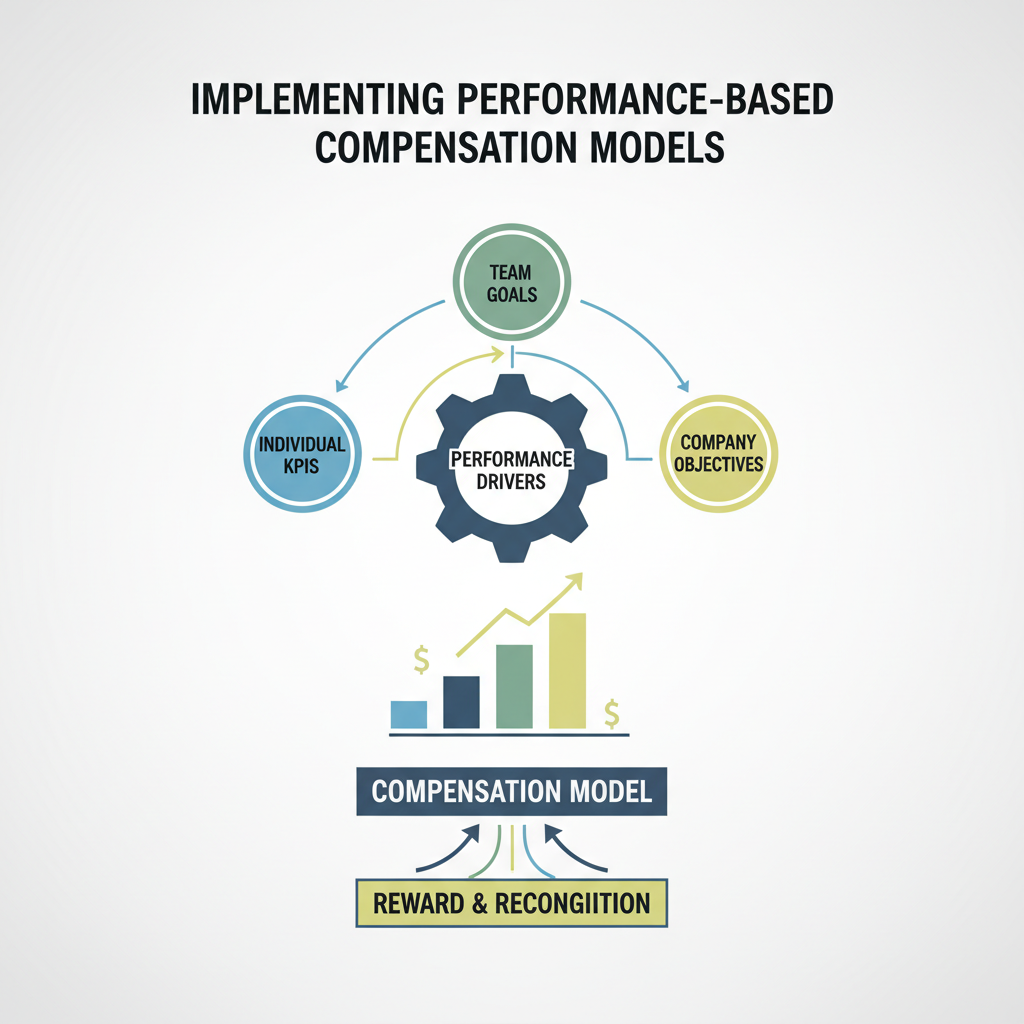
For FMCG companies in Vietnam, optimizing salary budget optimizing manners for the CEO of FMCG companies in vietnam is paramount for sustainable growth and market leadership. In a highly competitive landscape, every Dong spent on compensation must yield a tangible return. Performance-based compensation models offer a strategic pathway to achieve this, transforming salary expenses from mere operational costs into direct investments in company growth and profitability. By meticulously aligning remuneration with individual productivity, team achievements, and overarching business outcomes, CEOs can foster a culture of accountability and high performance.
1. Designing Effective KPI-Driven Bonus Structures
The foundation of any successful performance-based model lies in robust, transparent, and actionable Key Performance Indicator (KPI)-driven bonus structures. For an FMCG CEO in Vietnam, this means moving beyond generic metrics to establish KPIs that are directly correlated with sales volume, market share growth, new product introductions, supply chain efficiency, and customer satisfaction. Bonuses should not be a ‘given’ but a reward for exceeding clearly defined objectives. For instance, sales teams might have bonuses tied to achieving specific regional sales targets or product category growth, while marketing teams could be incentivized by brand awareness metrics or successful campaign ROI. Operations staff might see bonuses linked to production output, waste reduction, or on-time delivery rates. The key is to ensure that these KPIs are measurable, relevant, achievable, and time-bound, providing clear targets that motivate employees to push for better results. Regular reviews and adjustments of these KPIs are crucial to ensure they remain aligned with evolving business strategies and market dynamics, contributing significantly to salary budget optimizing manners.
2. Optimizing Variable Pay vs. Fixed Salary Ratios
Finding the optimal balance between fixed salary and variable pay components is a critical strategic decision for FMCG companies aiming for efficiency and motivation. This ratio will naturally vary across different roles and departments. For instance, roles with a direct impact on revenue, such as sales and business development, typically benefit from a higher variable pay component, incentivizing aggressive market penetration and higher sales volumes. In contrast, roles in support functions like HR or finance might have a lower variable component, reflecting their more stable, foundational contributions. The ideal ratio encourages high performance without creating undue financial risk for employees or the company. A well-structured variable pay system can significantly enhance employee engagement and productivity. It’s about designing a compensation framework that attracts top talent while maintaining cost-effectiveness. Regular analysis of industry benchmarks and internal performance data can help fine-tune these ratios, ensuring they remain competitive and effective in the Vietnamese market. This strategic approach is vital for sustainable salary budget optimization, allowing companies to invest confidently in their workforce.
3. Sales Incentives and Distributor Compensation Optimization
In the FMCG sector, the success of sales teams and the efficiency of distributor networks are paramount. Therefore, optimizing sales incentives and distributor compensation models is a cornerstone of effective salary budget management. For sales personnel, incentives should be multi-tiered, rewarding not just sales volume but also market share gains, new account acquisitions, and successful product launches. Consider offering progressive commission rates, performance-based bonuses for exceeding quarterly targets, or even long-term incentives for sustained high performance. For distributors, the compensation structure needs to encourage loyalty, efficient inventory management, and aggressive market penetration. This could involve volume-based rebates, performance incentives for achieving specific distribution reach targets, or bonuses for launching new products successfully. Transparency and fairness in these compensation models are crucial to build trust and long-term partnerships. Regularly evaluating the effectiveness of these incentives against actual sales performance and market growth allows for continuous refinement, ensuring that every Dong spent on sales and distribution compensation yields maximum returns. This proactive approach ensures that the salary budget optimizing manners for the CEO of FMCG companies in vietnam are consistently aligned with aggressive market growth objectives.
Non-Monetary Benefits and Enhancing Employee Value
In the dynamic and highly competitive landscape of the Fast-Moving Consumer Goods (FMCG) sector in Vietnam, attracting, motivating, and retaining top talent presents a significant challenge. While competitive salaries are crucial, they are not the sole determinant of employee satisfaction or loyalty. For a CEO of an FMCG company in Vietnam, understanding and implementing salary budget optimizing manners for the CEO of FMCG companies in Vietnam extends beyond direct compensation. This section explores alternative yet highly effective strategies to build a compelling employee value proposition, fostering an environment where employees feel valued, grow professionally, and are intrinsically motivated, thereby reducing reliance on ever-increasing base salaries.
The goal is to cultivate a workplace that not only meets financial needs but also addresses professional aspirations and personal well-being, proving to be a sustainable approach to talent retention and overall organizational success.
1. Enhancing Workplace Culture and Employee Engagement
A vibrant, supportive workplace culture is a powerful non-monetary draw for any professional. For FMCG companies, where fast-paced environments can lead to high stress, a positive culture can significantly boost morale, productivity, and ultimately, reduce turnover. Initiatives aimed at strengthening employee engagement go far beyond superficial perks; they create a sense of belonging and purpose. This includes fostering transparent communication channels where employees feel heard and their contributions are recognized. Implementing structured recognition programs – whether through peer awards, public acknowledgment, or performance bonuses tied to team success rather than individual targets – can be incredibly motivating. Regular team-building activities, mentorship programs, and fostering an inclusive environment where diverse perspectives are valued contribute to a cohesive and high-performing team. When employees are engaged, they are more productive, innovative, and less likely to seek opportunities elsewhere, directly translating into salary budget optimizing manners for the CEO of FMCG companies in Vietnam by minimizing recruitment and training costs. A strong culture also makes the company an attractive employer, drawing in quality candidates naturally. As highlighted by the Harvard Business Review, true employee engagement is a critical driver of business performance, impacting everything from customer satisfaction to profitability.
2. Professional Development and Upskilling Programs
Investing in employees’ growth is a mutually beneficial strategy that significantly enhances an organization’s employee value proposition. Offering robust professional development and upskilling programs demonstrates a commitment to an employee’s long-term career trajectory within the company. For FMCG, this could involve sponsoring certifications in supply chain management, digital marketing, data analytics, or leadership training tailored to fast-moving environments. Providing opportunities for cross-functional training, job rotations, or mentorship from senior leaders allows employees to broaden their skill sets and gain valuable experience without needing to seek external opportunities. The perception that an organization invests in its people’s future is a strong motivator, encouraging loyalty and higher performance. These initiatives not only equip the workforce with necessary skills for evolving market demands but also empower employees to take on greater responsibilities, thus fostering internal promotion and reducing the need for costly external hires. This forward-thinking approach to talent management is a cornerstone of salary budget optimizing manners for the CEO of FMCG companies in Vietnam, building a resilient and adaptable workforce capable of navigating industry shifts effectively.
3. Flexible Work Arrangements and Wellness Initiatives
The modern workforce, particularly in competitive markets like Vietnam, increasingly values work-life balance and flexibility. Offering flexible work arrangements such as hybrid models, compressed workweeks, or even occasional remote work options, where practical for FMCG operations, can be a powerful differentiator. These arrangements acknowledge employees’ personal responsibilities and preferences, fostering trust and autonomy. Beyond flexibility, comprehensive wellness initiatives play a vital role in employee well-being and productivity. This could include access to mental health support services, physical fitness programs (e.g., subsidized gym memberships, in-house yoga), stress management workshops, or even healthy food options in the workplace. Companies can also promote financial wellness through workshops on budgeting and savings. By prioritizing employee well-being, FMCG companies can significantly reduce burnout, absenteeism, and presenteeism. A workforce that feels supported in both their professional and personal lives is more likely to be engaged, loyal, and productive. Such initiatives enhance the overall employee experience, making the company a more attractive place to work without directly increasing base salaries, thus contributing significantly to effective salary budget optimizing manners for the CEO of FMCG companies in Vietnam and strengthening the company’s long-term competitive edge in talent acquisition and retention.
Leveraging HR Technology and Analytics for Budget Control
In Vietnam’s competitive FMCG sector, effective budget management, particularly concerning human capital, is crucial for sustained profitability. For CEOs, controlling labor costs is a significant challenge. Modern HR technology and advanced data analytics offer powerful solutions, providing critical insights, streamlining HR processes, and automating tasks to identify and realize significant cost savings. By embracing these innovations, FMCG companies can transform HR into a strategic partner, contributing directly to financial health and competitive advantage. This approach is fundamental for implementing effective salary budget optimizing manners for the CEO of FMCG companies in vietnam, ensuring optimal return on human capital investment.

-
HRIS Implementation for Data-Driven Decisions
A robust Human Resources Information System (HRIS) is the cornerstone for modern HR operations, centralizing all employee data from hire to exit. For FMCG companies, an HRIS is a foundational tool for data-driven decisions that directly impact budget control. By consolidating information like compensation, benefits, attendance, and performance, an HRIS eliminates data silos, providing a single source of truth. This dramatically improves reporting, allowing HR leaders and CEOs to quickly generate comprehensive reports on workforce demographics, compensation structures, and turnover rates. These insights are crucial for identifying areas of potential workforce cost reduction, such as high overtime expenses or inefficient staffing levels. An HRIS also automates compliance checks, ensuring adherence to Vietnamese labor laws and mitigating risks of costly penalties. With accurate and accessible data, strategic HR planning becomes more precise, enabling better resource allocation and fostering significant talent management efficiency. This systematic approach empowers CEOs to make informed decisions that directly optimize the salary budget, moving towards proactive financial stewardship.
-
Predictive Analytics for Workforce Cost Forecasting
Beyond historical reporting, predictive analytics offers FMCG companies an unprecedented ability to forecast future workforce costs. Leveraging historical data from the HRIS, combined with external market trends and business forecasts, predictive models anticipate future staffing needs, turnover rates, and compensation adjustments. For a CEO focused on budget control, this means projecting the impact of various scenarios, like market expansion or new product launches, on the HR budget. For instance, predictive analytics can identify departments at high risk of attrition, enabling HR to implement targeted retention strategies before costly turnover occurs. It can also forecast the financial implications of planned salary increases, bonuses, and benefits changes, enabling proactive budget adjustments. This capability is vital for strategic workforce planning, ensuring the right talent at the right time without overspending. Insights from such analytics contribute to significant operational cost savings by optimizing talent alignment and reducing employee turnover, as highlighted by industry reports. This proactive stance on understanding future expenses is a cornerstone of effective HR data insights, empowering CEOs to manage their salary budget more effectively.
-
Automating Payroll and Benefits Administration for Efficiency
The administrative burden of payroll and benefits management can be a significant drain on HR resources and a source of costly errors. Automating these processes through specialized HR technology offers immediate and tangible benefits for budget control. Automated payroll systems calculate salaries, deductions, taxes, and social insurance contributions with precision, significantly reducing human error and the risk of overpayments or compliance issues. For FMCG companies with large workforces, this reduction in manual effort translates directly into substantial operational cost savings, freeing HR staff for strategic initiatives. Similarly, automating benefits administration streamlines enrollment, changes, and compliance, ensuring efficient and transparent management. Self-service portals further empower employees, reducing HR’s administrative workload. Eliminating manual data entry and reconciliation not only saves time but also minimizes penalties associated with non-compliance with Vietnamese labor and tax regulations, ensuring robust compliance management. This focus on efficiency and accuracy is a direct pathway to optimizing the salary budget optimizing manners for the CEO of FMCG companies in vietnam, contributing to overall financial stability and allowing resources to be redirected towards growth. Effective automation also enhances employee retention strategies by ensuring timely and accurate compensation, crucial for workforce morale.
By strategically implementing HR technology and leveraging analytics, FMCG CEOs in Vietnam gain unparalleled visibility into human capital investments. From precise data management via HRIS to forward-looking predictive models and efficient automation, these tools empower leaders to not only control costs but also to make smarter, more strategic decisions about their most valuable asset – their people. This integrated approach optimizes every aspect of the salary budget, contributing directly to the company’s financial success and competitive edge in the dynamic Vietnamese market.
Partner with Shelby Global
You are looking for reliable HR Sevice Suppliers? Contact Shelby Global Now! To connect with verified talents and upgrade your orginization.
—————————————
References
– Vietnam’s Average Monthly Income in Q3 2023 Reached US$301: GSO: https://www.vietnam-briefing.com/news/vietnams-average-monthly-income-in-q3-2023-reached-us301-gso.html
– Deloitte’s The Extended Workforce: Reimagining the Employee Experience: https://www2.deloitte.com/us/en/pages/human-capital/articles/extended-workforce.html
– The Fable of the Fixed Bonus: https://hbr.org/2012/04/the-fable-of-the-fixed-bonus
– Employee Engagement Is More Than Just a Feeling: https://hbr.org/2013/06/employee-engagement-is-more-than-just-a-feeling
– Accenture Human Potential Reimagined: https://www.accenture.com/us-en/insights/consulting/human-potential-reimagined