
Understanding the Malaysian Tech Talent Landscape & Salary Trends
The Malaysian tech sector is a vibrant and growing ecosystem, but for Small and Medium-sized Enterprises (SMEs) within this field, navigating the talent landscape and structuring competitive compensation packages presents unique challenges. This section will delve into current salary benchmarks, assess the availability of skilled talent, and highlight the specific hurdles tech SMEs face when developing Optimized Salary Budget Structures for SMEs in technology field in malaysia. Understanding these dynamics is crucial for attracting and retaining top tech talent in a highly competitive market.

1. Current market salary benchmarks for key tech roles
Malaysia’s tech industry exhibits diverse salary ranges influenced by experience, specialized skills, company size, and location. For Malaysian tech salaries, entry-level software developers typically command between RM3,000 to RM5,000 monthly, while mid-level developers with 3-5 years of experience can expect RM5,000 to RM9,000. Senior roles, especially in highly sought-after domains like cloud architecture, AI/ML engineering, or cybersecurity, can easily exceed RM10,000 to RM15,000, with lead positions going even higher. Data scientists and analytics specialists are also in high demand, with salaries mirroring those of software engineers, often with a premium for advanced statistical or machine learning expertise. UI/UX designers, crucial for user-centric product development, typically fall into similar brackets, with specialists in user research or interaction design commanding higher wages. For a comprehensive overview of general salary trends across various industries in Malaysia, including tech, consult the authoritative JobStreet by SEEK Malaysia Salary Guide 2024. These benchmarks provide a vital starting point for SME tech compensation Malaysia, helping smaller companies understand the competitive landscape they operate within.
2. Assessing local talent pool availability and skill gaps
While Malaysia boasts a growing pool of tech talent Malaysia graduating from local universities and vocational programs, the quality and alignment of skills with industry demands remain a significant challenge. There is a general abundance of fresh graduates in conventional programming roles, but a noticeable scarcity in advanced and niche areas. Critical Malaysian tech skill gaps persist in emerging technologies such as Artificial Intelligence, Machine Learning, advanced cybersecurity, blockchain development, cloud-native architecture (AWS, Azure, GCP), and specialized data science roles like MLOps engineers. For tech SMEs, this translates into difficulties in finding ready-to-hire professionals with the specific expertise needed to drive innovation and growth. Many SMEs find themselves competing with larger corporations for limited experienced professionals, leading to increased hiring costs and longer recruitment cycles. This situation often necessitates either investing heavily in upskilling existing staff or strategically sourcing talent from abroad, adding layers of complexity to tech hiring challenges Malaysia and overall compensation strategies.
3. Impact of regional competition on tech wages
The Malaysian tech salary landscape is significantly influenced by regional competition, particularly from tech hubs like Singapore, Australia, and even increasingly, Indonesia and Vietnam. Singapore, with its robust economy and higher cost of living, frequently offers substantially higher wages, leading to a ‘brain drain’ effect where skilled Malaysian tech professionals are lured away by more lucrative opportunities abroad. This phenomenon creates upward pressure on regional tech salary competition within Malaysia. Malaysian SMEs must contend with the reality that their compensation packages are not just measured against local competitors but also against regional benchmarks. This often means that to retain top talent or attract highly experienced individuals, SMEs might need to offer salaries at the higher end of local scales, potentially straining their budget. Furthermore, the rise of remote work has intensified this competition, as Malaysian professionals can now work for foreign companies from home, earning international wages while living in Malaysia. This dynamic forces Optimized Salary Budget Structures for SMEs in technology field in malaysia to be more creative, offering non-monetary benefits, strong company culture, and unique growth opportunities to complement competitive base salaries.
Core Components of an Optimized Salary Budget Structure
Delve into the essential elements that form a robust and competitive salary structure, ensuring fairness and attractiveness for tech talent.
For SMEs in the rapidly evolving technology sector in Malaysia, developing an Optimized Salary Budget Structures for SMEs in technology field in malaysia is not just about allocating funds; it’s a strategic imperative. A well-designed structure ensures not only cost-efficiency but also fosters employee satisfaction, drives productivity, and significantly aids in talent attraction and retention. This section will explore the fundamental components that underpin such a structure, crucial for navigating the competitive landscape of Malaysia tech compensation.
-
Base salary determination and pay grading systems
The foundation of any Optimized Salary Budget Structures for SMEs in technology field in malaysia lies in its base salary determination and meticulously crafted pay grading systems. For tech SMEs in Malaysia, establishing a transparent and equitable system is paramount to attract and retain skilled professionals. This involves a comprehensive job analysis, evaluating roles based on responsibilities, required skills, experience, and market value. Benchmarking against industry standards, particularly within Malaysia tech compensation, is critical. Companies should look at what competitors are offering for similar roles, both locally and regionally, to ensure their base salaries are competitive, not just within the SME salary frameworks but also against larger corporations.
A well-defined pay grading system categorizes jobs into distinct levels, each with a specific salary range. These ranges typically have a minimum, midpoint, and maximum, allowing for progression within a role while maintaining internal equity. Implementing clear criteria for movement within these grades – based on performance, skill acquisition, or increased responsibility – helps foster a sense of fairness and career progression. This systematic approach contributes significantly to fair pay practices Malaysia, minimizing bias and ensuring that compensation aligns with contributions. Furthermore, it provides a clear roadmap for employees, motivating them to develop their skills and grow within the company, which is a key element of effective employee retention strategies tech. Without a robust base salary and grading system, even the most attractive variable pay schemes may fall flat.
-
Integrating variable pay: bonuses, commissions, and incentives
Beyond the fixed base salary, integrating variable pay components is essential for creating an Optimized Salary Budget Structures for SMEs in technology field in malaysia that truly motivates and rewards performance. Variable pay, encompassing bonuses, commissions, and other incentives, directly links employee compensation to individual, team, or company performance. For tech SMEs, this can be a powerful tool for driving specific outcomes and fostering a high-performance culture. Performance-based bonuses, for instance, can be tied to achieving project milestones, meeting sales targets, or delivering exceptional quality in product development. This directly aligns employee efforts with business objectives, enhancing overall productivity and profitability.
Designing effective variable pay schemes requires clear metrics and transparency. Employees must understand how their actions contribute to their potential earnings. For sales roles, commissions based on revenue generated are standard. For developers, project completion bonuses or incentives for innovative solutions can be highly effective. Equity or stock options, while often complex for SMEs, can also serve as powerful long-term incentives, particularly for key talent in startups, aligning their success with the company’s growth. The strategic use of performance-based pay tech SMEs not only rewards top performers but also incentivizes average performers to strive for excellence, contributing to stronger employee retention strategies tech by making high earners feel truly valued. It’s crucial that these variable components are regularly reviewed and adjusted to remain competitive and relevant to market conditions and company goals.
-
Leveraging non-monetary benefits and employee perks
An Optimized Salary Budget Structures for SMEs in technology field in malaysia is incomplete without considering the significant role of non-monetary benefits and employee perks. While competitive salaries are vital, a holistic compensation package extends beyond direct financial remuneration. For tech talent in Malaysia, factors such as work-life balance, professional development, and a positive work environment often hold significant weight. Offering flexible working arrangements, remote work options, or generous leave policies can be highly attractive, especially in a sector known for demanding schedules.
Investing in employee growth through training programs, certifications, and opportunities to attend industry conferences not only enhances skill sets but also demonstrates a company’s commitment to its employees’ long-term careers. Health and wellness programs, mental health support, and even simple perks like subsidized meals, gym memberships, or comfortable office spaces contribute significantly to job satisfaction and overall well-being. These non-monetary benefits tech startups Malaysia often have a lower direct cost compared to salary increments but yield substantial returns in terms of employee morale, loyalty, and reduced turnover. As highlighted by Willis Towers Watson’s research on total rewards strategies, a comprehensive total rewards approach, blending monetary and non-monetary elements, is crucial for securing top talent. By strategically combining competitive base salaries, performance-linked variable pay, and appealing non-monetary benefits, tech SMEs in Malaysia can construct a truly attractive and sustainable compensation framework that positions them as employers of choice. This integrated approach is fundamental to long-term success and effective employee retention strategies tech.
Strategic Approaches to Budget Allocation and Cost Control
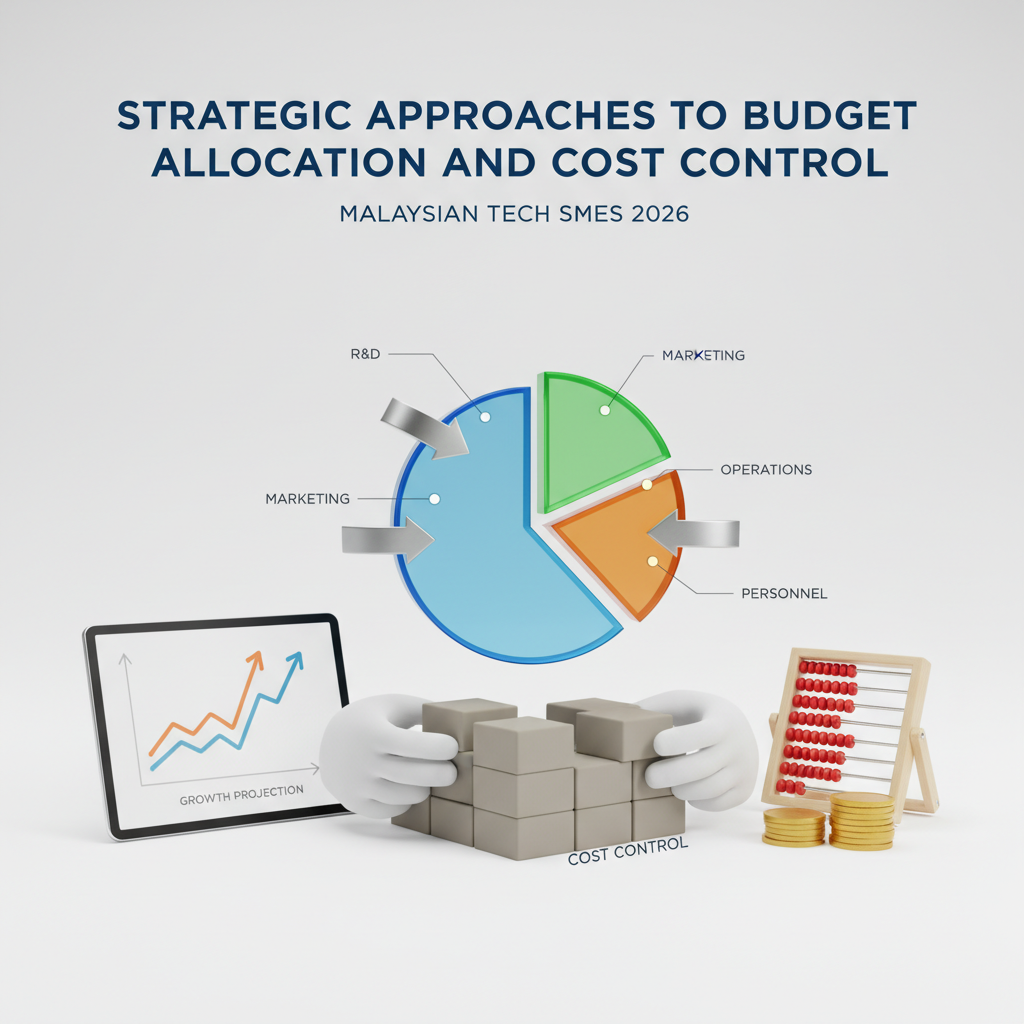
For Small and Medium-sized Enterprises (SMEs) in Malaysia’s vibrant technology sector, effective budget allocation and stringent cost control are not merely financial exercises—they are strategic imperatives for survival and growth. Navigating the competitive landscape requires an astute balance: attracting and retaining top-tier talent demands competitive compensation, yet operational efficiency dictates managing salary expenditure without compromising the quality of the workforce. This section outlines key strategies for achieving Optimized Salary Budget Structures for SMEs in technology field in malaysia, ensuring financial sustainability while fostering a robust talent pipeline.
1. Forecasting salary costs and future growth projections
Accurate forecasting is the bedrock of any sound financial strategy. For Malaysian tech SMEs, this involves a multi-faceted approach to anticipate salary costs and align them with future growth projections. Companies must analyse market trends, inflation rates, and the evolving demand for specific tech skills. Understanding salary benchmarks in cities like Kuala Lumpur, Penang, and Johor Bahru is crucial. This proactive approach allows SMEs to predict potential increases in compensation expectations, especially for highly sought-after roles in AI, cybersecurity, and data science. Integrating HR planning with overall business strategy helps in developing robust Tech SME compensation strategies Malaysia that account for planned expansions, new project requirements, and anticipated headcount growth. By employing data analytics and scenario planning, businesses can model different growth trajectories and their corresponding salary impacts, ensuring that the budget remains agile and responsive to both internal ambitions and external market dynamics. This foresight helps avoid reactive budget adjustments and provides a clear roadmap for sustainable talent investment.
2. Utilizing technology for efficient payroll management
The administrative burden of payroll management can be substantial for growing tech SMEs, diverting valuable resources from core business activities. Embracing Human Resources (HR) technology is a game-changer for enhancing efficiency and accuracy. Modern payroll software automates salary calculations, tax deductions, EPF, SOCSO, and other statutory contributions, significantly reducing human error and ensuring compliance with Malaysian labour laws. Beyond basic payroll, integrated HR platforms can streamline leave management, attendance tracking, and performance management, providing a holistic view of employee costs and productivity. These HR tech solutions for SMEs Malaysia not only save time and operational costs but also provide valuable data insights into salary expenditures per department, project, or skill set. This data is indispensable for making informed decisions about budget allocation and identifying areas for cost optimisation without compromising employee welfare. Investing in robust systems is a key component of effective Payroll management best practices Malaysia tech, leading to greater transparency and improved employee satisfaction.
3. Balancing competitive compensation with operational costs
One of the most significant challenges for SMEs is the delicate act of balancing competitive compensation packages necessary to attract and retain top tech talent with the need to control operational costs for long-term Financial sustainability tech SMEs Malaysia. Offering highly competitive salaries in a market with high demand can strain budgets, while underpaying risks losing valuable employees to larger corporations or international firms. The key lies in strategic compensation design. This involves implementing performance-based incentives, bonus structures tied to company success, and non-monetary benefits that enhance the employee value proposition. These can include flexible work arrangements, professional development opportunities, health and wellness programs, and a vibrant company culture. Regularly conducting competitive salary benchmarking Malaysia tech helps ensure that salary ranges are fair and aligned with industry standards, preventing both overspending and underpaying. Furthermore, exploring Cost-effective talent acquisition tech Malaysia strategies, such as leveraging internal referrals, optimizing recruitment channels, and focusing on skills-based hiring, can reduce recruitment costs. By adopting a holistic approach that considers both direct and indirect compensation, SMEs can create attractive packages that secure high-calibre talent without jeopardizing their financial health.
Implementing Performance-Based Compensation & Retention Strategies
In Malaysia’s dynamic technology landscape, Small and Medium-sized Enterprises (SMEs) face the critical challenge of attracting and retaining top tech talent while adhering to an optimized salary budget structures for SMEs in technology field in malaysia. The traditional fixed-salary model often falls short in incentivizing peak performance and cultivating loyalty among a workforce driven by innovation. This section explores strategic approaches that link compensation directly to performance, foster deep employee engagement, and build robust retention mechanisms essential for sustainable growth. Our focus is on creating competitive SME compensation strategies, informed by competitive salary benchmarking Malaysia, that extend beyond mere paychecks, establishing a vibrant culture where talent thrives, and the organization excels. Effective tech talent retention Malaysia is not solely about matching market rates; it’s about crafting a holistic value proposition.
1. Designing effective incentive programs tied to KPIs
The bedrock of a performance-driven culture is a transparent and fair incentive program directly linked to Key Performance Indicators (KPIs). For tech SMEs, this means moving beyond generic metrics to craft specific, measurable, achievable, relevant, and time-bound (SMART) KPIs that align with both individual roles and broader company objectives. For instance, a software developer’s KPIs might relate to code quality, project completion speed, or successful feature deployments. A cybersecurity analyst’s KPIs could involve threat detection rates or incident response times.
Implementing KPI-based incentives tech demands careful planning. First, clearly define success for each role and its contribution to company goals. Second, establish a clear framework for consistent performance measurement and evaluation. Regular performance reviews, perhaps quarterly or bi-annually, are crucial for feedback and target adjustments. Third, structure incentives to be meaningful and motivating. This could include individual bonuses for exceeding personal KPIs, team-based incentives for collaborative project success, or profit-sharing schemes. A tiered bonus system, where exceptional performance unlocks a higher bonus percentage, can be highly effective. According to the Society for Human Resource Management (SHRM), successful performance-based pay systems are transparent, clearly communicated, and perceived as fair by employees, directly contributing to higher motivation and productivity. Such programs not only boost individual output but also foster a sense of ownership and accountability, vital for an agile tech team.
2. Integrating career progression and professional development
Beyond immediate financial rewards, tech professionals highly value growth opportunities. A compelling career path and robust employee development programs are paramount for long-term tech talent retention Malaysia. SMEs must actively invest in their employees’ professional journey, demonstrating a commitment to their future. This involves creating clear career progression frameworks, outlining potential upward or lateral moves within the organization. For a developer, this could mean progressing from junior to senior developer, then to team lead or architect, with clear criteria for each step.
Professional development encompasses continuous learning. Providing access to industry certifications, specialized training courses (e.g., cloud computing, AI/ML workshops), online learning platforms, or mentorship opportunities with senior leaders are invaluable. Budgeting for these initiatives should be viewed as an investment. Sponsoring an employee to attend a relevant industry conference or a specialized coding bootcamp not only enhances their skills but also signals that the company values their expertise and is invested in their growth. This commitment ensures employees stay current with rapid technological advancements, keeping the SME’s workforce competitive and innovative. It cultivates a learning culture, making employees feel valued and providing them with the tools they need to succeed and advance.
3. Employee engagement strategies beyond monetary compensation
While competitive salaries and performance incentives are crucial, a truly optimized salary budget structures for SMEs in technology field in malaysia acknowledges that money isn’t the sole motivator. Non-monetary tech benefits and a strong company culture play an equally vital role in fostering engagement and loyalty. These strategies focus on creating an environment where employees feel valued, heard, and supported.
Key engagement drivers include work-life balance initiatives, such as flexible working hours, remote work options (where feasible), or generous leave policies. Hybrid work models, for instance, can significantly enhance job satisfaction and reduce burnout in the demanding tech sector. Recognition programs, whether formal awards or informal shout-outs, profoundly impact morale. Celebrating milestones, project successes, and individual contributions creates a positive and appreciative atmosphere. Furthermore, fostering an inclusive and collaborative work environment where employees feel safe to voice ideas and contribute to decision-making processes is paramount. Regular pulse surveys, open-door policies, and employee-led initiatives provide valuable insights. Investing in robust communication channels and team-building activities also strengthens camaraderie and a sense of belonging. Ultimately, these holistic engagement strategies contribute significantly to a healthier workplace and higher retention rates, making the overall compensation package more attractive and sustainable for the SME. For more insights on building comprehensive compensation and retention plans for tech SMEs, exploring resources on optimized salary budget structures for SMEs in technology field in malaysia can provide further guidance.
Future-Proofing Your Salary Structures for 2026 and Beyond
In the dynamic landscape of Malaysia’s technology sector, Small and Medium-sized Enterprises (SMEs) face a pivotal challenge: how to design salary structures that remain competitive, compliant, and sustainable in the years leading up to 2026 and beyond. The rapid evolution of technology, shifting economic climates, and a competitive talent market demand a proactive approach to compensation. Businesses that fail to adapt risk not only losing top talent but also hindering their long-term growth and innovation. This section explores strategies for developing optimized salary budget structures for SMEs in the technology field in Malaysia, ensuring they are robust enough to navigate future uncertainties and attract the best professionals in a competitive market for tech talent retention Malaysia.

1. Anticipating Future Salary Inflation and Emerging Tech Trends
To truly future-proof salary structures, SMEs must become adept at forecasting and responding to macroeconomic shifts and technological advancements. Malaysian salary benchmarking is no longer just about current market rates; it involves predicting future trends in inflation and the demand for specialized skills. Global economic fluctuations, regional policies, and the cost of living in Malaysia directly impact salary expectations. Furthermore, the relentless pace of technological innovation—from AI and machine learning to cybersecurity and cloud computing—creates new high-value roles and skill sets that command premium salaries. Businesses need to identify these emerging tech trends early on and understand their implications for compensation. This proactive anticipation allows SMEs to allocate budget strategically, ensuring they can offer competitive compensation Malaysia tech professionals expect, rather than reacting to talent shortages and escalating pay demands. Integrating predictive analytics and continuous market research into HR planning is crucial to stay ahead in this race for talent.
2. Developing Flexibility and Adaptability in Compensation Models
The traditional fixed salary model is increasingly insufficient for the modern tech workforce. Future-proofing requires moving towards agile pay structures Malaysia. This means developing compensation models that are flexible enough to respond rapidly to changing market conditions, individual performance, and evolving business needs. Variable pay components, such as performance-based bonuses, stock options, and project-based incentives, can motivate employees and align their efforts with company goals. Skills-based pay, where compensation is tied to an employee’s proficiency in critical and in-demand technologies, offers another layer of flexibility and encourages continuous learning and development. A holistic total rewards approach, encompassing not just salary but also benefits, professional development opportunities, and work-life balance initiatives, becomes paramount. Implementing HR tech solutions Malaysia can facilitate the management and customization of these complex compensation schemes, providing transparency and efficiency. Such adaptability not only aids in talent acquisition but also fosters tech talent retention Malaysia by offering dynamic compensation packages that evolve with an employee’s career and market value.
3. Ensuring Compliance with Malaysian Labor Laws and Regulations
While innovation and competitiveness are key, adherence to the legal framework is non-negotiable. For SMEs in Malaysia, understanding and complying with local labor laws and regulations is fundamental to establishing ethical and sustainable salary structures. This includes, but is not limited to, the Employment Act 1955, minimum wage orders, statutory contributions like the Employees Provident Fund (EPF), Social Security Organization (SOCSO), and the Employment Insurance System (EIS). The regulatory landscape is subject to change, as evidenced by recent amendments and updates to the Employment Act, which impact working hours, maternity leave, and flexible working arrangements. Non-compliance can lead to hefty fines, legal disputes, and significant reputational damage, undermining all efforts to build a strong employer brand. Regularly reviewing compensation practices against the latest legal requirements is essential. Engaging with legal experts or leveraging reliable HR advisory services can help SMEs navigate the complexities of Malaysian labor laws and regulations, ensuring that salary structures are not only competitive but also fully compliant. This ensures a stable and secure foundation for the future of work Malaysia salaries.
In conclusion, building optimized salary budget structures for SMEs in the technology field in Malaysia for 2026 and beyond demands a multifaceted approach. It necessitates foresight to anticipate future trends and inflation, agility to implement flexible compensation models, and diligence to ensure strict compliance with legal requirements. By embracing these strategies, Malaysian tech SMEs can create a resilient compensation framework that attracts, retains, and motivates the best talent, positioning themselves for sustainable growth and innovation in an ever-evolving market.
Partner with Shelby Global
You are looking for reliable HR Sevice Suppliers? Contact Shelby Global Now! To connect with verified talents and upgrade your orginization.
—————————————
References
– JobStreet by SEEK Malaysia Salary Guide 2024: https://www.jobstreet.com.my/career-resources/malaysia-salary-guide
– The Power of Total Rewards in Attracting and Retaining Talent | WTW: https://www.wtwco.com/en-US/Insights/2021/04/the-power-of-total-rewards-in-attracting-and-retaining-talent
– competitive salary benchmarking Malaysia tech: https://hr.asia/news/salary-and-compensation-trends-in-malaysia-2023-2024/
– Performance-Based Pay and Incentives Toolkit: https://www.shrm.org/resources-and-tools/tools-and-samples/toolkits/performance-based-pay
– Malaysian labor laws and regulations: https://www.mohr.gov.my/en/perundangan/undang-undang-pekerjaan/