
Understanding the Landscape: Malaysian Finance SMEs & Compensation Challenges
Explores the unique challenges finance SMEs in Malaysia face regarding compensation, market trends, and talent competition, crucial for effective SME compensation Malaysia strategies. Small and Medium-sized Enterprises (SMEs) within Malaysia’s dynamic financial sector are the backbone of the economy, yet they grapple with a unique set of hurdles when it comes to attracting, retaining, and compensating talent. Unlike their larger counterparts, finance SMEs often operate with more constrained resources, making the development of Optimized Salary Budget Structures for SMEs in finance field in malaysia not just advantageous, but critical for their long-term sustainability and growth. The complexity of the Malaysian financial market, coupled with evolving employee expectations and intense competition for skilled professionals, necessitates a strategic and nuanced approach to remuneration.

1. Current Financial Sector Salary Trends in Malaysia
The Malaysian financial sector is characterized by continuous evolution, driven by digital transformation and a shifting regulatory environment. Understanding current financial sector salary trends in Malaysia is the first step for SMEs to craft competitive remuneration packages. While larger banks and multinational corporations can offer premium salaries and extensive benefits, finance SMEs must be agile in their compensation benchmarking. Recent trends indicate a premium for specialized skills in areas like fintech, data analytics, cybersecurity, risk management, and ESG (Environmental, Social, and Governance) finance. Employees with these in-demand competencies command higher salaries, putting pressure on SME budget structures. Furthermore, the overall cost of living, particularly in urban centers like Kuala Lumpur, continues to influence salary expectations, leading to a constant need for SMEs to review and adjust their compensation frameworks to remain attractive. Striking a balance between competitive remuneration and budgetary constraints is a delicate act, requiring innovative approaches beyond just base pay.
2. Impact of Economic Factors on SME Compensation
Malaysian finance SMEs operate within an economy influenced by global and domestic economic factors. Inflation, interest rate fluctuations, and overall economic growth directly impact an SME’s capacity to offer competitive salaries and benefits. During periods of economic volatility, salary budget structures come under immense pressure, forcing SMEs to re-evaluate their compensation strategies. High inflation, for instance, erodes purchasing power, prompting employees to seek higher wages, while a slowdown in economic growth might limit an SME’s revenue, restricting salary increments. SMEs must also contend with the varying minimum wage policies and labor laws, ensuring compliance while striving for equitable and performance-based pay. Adapting compensation plans to reflect economic realities, without compromising on talent attraction and retention, is a significant challenge. This often involves exploring flexible benefits packages, non-monetary incentives, and robust employee engagement programs as integral components of the total reward strategy, optimizing the overall salary budget structures for finance SMEs in Malaysia.
3. Demographic Shifts and Talent Acquisition Finance Malaysia
Demographic shifts, particularly the rise of Gen Z and millennials in the workforce, are profoundly reshaping talent acquisition finance Malaysia. These generations often prioritize work-life balance, career development opportunities, and a sense of purpose beyond just high salaries. While monetary compensation remains crucial, finance SMEs must understand that a holistic value proposition is key to attracting and retaining top talent. The competition for skilled professionals is fierce, not only from larger financial institutions but also from other fast-growing industries. SMEs must articulate a clear employee value proposition that highlights their unique culture, opportunities for rapid growth, direct impact, and flexible working arrangements. Addressing skill gaps through training and development programs can also be a powerful non-monetary benefit. By understanding these demographic nuances and crafting tailored strategies for talent acquisition and retention, finance SMEs can better compete for the expertise needed to drive their growth, ensuring their optimized salary budget structures are aligned with broader talent management goals in the dynamic Malaysian financial landscape.
Foundations of an Optimized Salary Budget Structure
For small and medium-sized enterprises (SMEs) in Malaysia’s dynamic finance sector, developing an optimized salary budget structure is not merely an HR task; it’s a strategic imperative. A robust and fair SME salary management Malaysia framework is essential for attracting top talent, ensuring employee satisfaction, and maintaining financial stability. This section delves into the core components and strategic considerations for building such a budget, emphasizing HR compliance Malaysia and competitive structures tailored for the unique landscape of SMEs in the finance field in Malaysia.
1. Setting Clear Compensation Philosophy & Objectives
The bedrock of any effective salary budget is a clearly defined compensation philosophy. This philosophy articulates your organisation’s values and principles regarding how employees are paid. For small businesses budgeting, it should align directly with broader business objectives, such as fostering a performance-driven culture, ensuring fair compensation practices, or positioning the company as an employer of choice. Setting clear objectives, for instance, might involve deciding to pay at, above, or below market rates, or prioritizing employee retention strategies over aggressive talent acquisition. Considerations include the company’s financial health, industry standards, and the desired employee experience. A well-articulated philosophy guides all compensation planning decisions, ensuring transparency, equity, and a strategic approach to managing one of the largest operational costs – payroll. It also lays the groundwork for developing a sustainable salary structure design that supports long-term growth and employee motivation.
2. Salary Benchmarking Malaysia Finance & Market Data Analysis
To establish a truly competitive salary strategy, SMEs in the finance field in Malaysia must engage in thorough salary benchmarking. This involves systematically comparing your compensation levels and benefits against those offered by competitors and similar businesses in the finance sector pay scales. Utilizing reliable market salary data Malaysia is crucial. Sources can include industry-specific salary surveys, HR consultancy reports, and even publicly available data for roles common within the Malaysian finance industry. By analyzing this data, businesses can identify where their current pay structures stand in relation to the market, helping to prevent both overpaying and underpaying. Underpaying can lead to high employee turnover and difficulty in talent attraction Malaysia, while overpaying can strain the budget unnecessarily. This analysis informs adjustments to base salaries, bonuses, and other benefits, ensuring your salary structure design remains attractive and fair. Staying updated with market trends is vital for making informed cost-effective compensation decisions and maintaining your competitive edge. For comprehensive insights into regulatory aspects impacting salary, a reliable Malaysia HR compliance guide can be an invaluable resource.
3. Regulatory Compliance Malaysia Finance HR: EPF, SOCSO, EIS
Navigating the complex landscape of Malaysian labor laws and statutory contributions is non-negotiable for any business, especially for SMEs in the finance field in Malaysia. Strict adherence to HR compliance Malaysia regulations is vital to avoid penalties and foster employee trust. The three primary statutory contributions employers must manage are the Employees Provident Fund (EPF), the Social Security Organization (SOCSO), and the Employment Insurance System (EIS). EPF contributions are a mandatory retirement savings scheme, requiring both employer and employee contributions based on the employee’s monthly wages. SOCSO regulations mandate contributions for employment injury and invalidity schemes, providing social security protection for employees. The EIS benefits, often linked with SOCSO, offer financial assistance to retrenched workers and support their re-employment efforts. Accurate and timely submission of these contributions is paramount for legal compliance and demonstrates an employer’s commitment to employee welfare. Beyond these, businesses must also adhere to minimum wage laws and other employment standards. Proactive management of these obligations ensures a compliant and ethical payroll system, contributing significantly to a sustainable and Optimized Salary Budget Structures for SMEs in finance field in malaysia. It’s a critical aspect of responsible SME salary management Malaysia and prevents unforeseen financial liabilities.
By diligently addressing these foundational elements, SMEs in the finance field in Malaysia can construct a salary budget that is not only compliant and competitive but also strategically aligned with their long-term growth and talent retention goals, transforming compensation from a cost center into a powerful investment in human capital.
Crafting Cost-Effective & Performance-Driven Compensation Models
For Small and Medium-sized Enterprises (SMEs) in Malaysia’s competitive finance sector, developing salary structures that are both financially sustainable and effective in motivating top talent is a critical balancing act. The goal is to establish Optimized Salary Budget Structures for SMEs in finance field in Malaysia that not only attract and retain skilled professionals but also align with the company’s lean operational needs and long-term growth objectives. This involves a strategic approach to compensation, moving beyond mere fixed salaries to embrace models that reward contribution, enhance productivity, and ensure cost-effectiveness, thereby fostering a high-performance culture.
Achieving this balance requires careful consideration of market dynamics, employee expectations, and the specific financial capabilities of SMEs. Key strategies include leveraging various compensation components, benchmarking against industry standards, and ensuring transparency in pay structures. By focusing on these elements, SMEs can build robust compensation frameworks that drive performance without overburdening their budgets.

1. Implementing Performance-Based Pay SMEs
Performance-based pay is a cornerstone of effective compensation strategies for SMEs looking to maximize output from their finance teams. Rather than relying solely on fixed salaries, this model links a portion of an employee’s compensation directly to their individual or team performance, contributing significantly to Optimized Salary Budget Structures for SMEs in finance field in Malaysia. For Malaysian finance SMEs, this means designing clear, measurable metrics tied to specific roles, such as sales targets for relationship managers, client retention rates for advisors, or successful project completions for analysts. KPIs (Key Performance Indicators) should be transparent, achievable, and directly reflect the company’s strategic goals, promoting productivity bonuses SMEs and incentive plans for finance SMEs.
The benefits extend beyond mere cost control; it cultivates a meritocratic environment, boosts employee engagement, and encourages continuous improvement. Successful implementation requires robust performance management systems, regular feedback, and fair evaluation processes. This approach is particularly beneficial for lean compensation models as it ensures that salary expenditures are directly tied to value creation, improving overall financial sector compensation Malaysia efficiency and supporting employee retention strategies finance Malaysia by rewarding top talent.
2. Exploring Variable Pay & Incentive Programs SMEs Malaysia
Beyond basic performance-based pay, SMEs in Malaysia’s finance sector can significantly enhance their compensation packages through diverse variable pay schemes Malaysia and incentive programs. These can include annual bonuses, sales commissions, profit-sharing schemes, or even project-based incentives, forming crucial elements of Optimized Salary Budget Structures for SMEs in finance field in Malaysia. Variable pay offers flexibility, allowing companies to adjust compensation costs based on financial performance while still motivating employees. For instance, profit-sharing can align employee interests directly with the company’s overall success, fostering a sense of ownership and collective responsibility.
Designing effective budget-friendly compensation Malaysia programs requires understanding the specific motivations of finance professionals in Malaysia and benchmarking against Malaysian salary trends for finance professionals. Non-monetary incentives, such as professional development opportunities, flexible working arrangements, or recognition programs, also play a vital role in a comprehensive compensation strategy. These can be particularly effective for non-monetary benefits SMEs finance, attracting and retaining talent without solely relying on higher base salaries. The key is to create a mix of incentives that caters to different employee needs and reinforces desired behaviours, supporting sustainable SME payroll strategies.
3. Cost-Effective Salary Models for Lean Operations
For SMEs operating with lean structures, adopting truly cost-effective salary models for lean operations is paramount to ensure sustainability and competitiveness in the Malaysian finance market. This involves strategic thinking about every component of the compensation package to build sustainable salary structures. One effective method is salary banding, where jobs with similar responsibilities and required skill sets are grouped into specific pay ranges. This simplifies administration, ensures internal equity, and provides clear career progression paths, facilitating salary benchmarking Malaysia finance.
Another approach is to focus on total rewards, which encompasses not just salary but also benefits, professional development, and work-life balance initiatives. By offering a compelling total rewards package, SMEs can attract talent even if their base salaries are not at the top of the market. Furthermore, exploring innovative benefits, such as health and wellness programs or employee assistance programs, can be more cost-effective than simply increasing base salaries while providing significant value to employees. Leveraging market data to ensure market competitive salaries Malaysia for critical roles, while being strategic about less critical ones, allows for judicious allocation of the optimized salary budget structures for SMEs in finance field in Malaysia. Embracing HR best practices Malaysia finance in compensation design is key to maximizing return on investment in human capital.
Beyond Base Salary: Enhancing Employee Value & Retention
In Malaysia’s highly competitive finance sector, Small and Medium-sized Enterprises (SMEs) face unique challenges in attracting and retaining top talent. While competitive salaries are fundamental, a truly effective strategy extends far beyond monetary compensation. This section delves into non-monetary benefits and holistic strategies essential for improving employee satisfaction and fostering long-term retention, providing a crucial edge for SMEs aiming for sustainable growth. Understanding and implementing these strategies is key to creating Optimized Salary Budget Structures for SMEs in finance field in malaysia that maximize value beyond just the paycheck.
1. Employee Retention Strategies Finance Malaysia (Non-Cash Perks)
For SMEs in the financial industry, innovative employee retention strategies finance Malaysia often pivot on robust non-cash perks finance SMEs. These benefits demonstrate a genuine investment in an employee’s overall well-being and contribute significantly to job satisfaction. Offering flexible work finance industry Malaysia arrangements, such as remote work options or adaptable schedules, can drastically improve work-life balance finance Malaysia, a highly valued aspect for modern professionals. Beyond flexibility, robust health and wellness programs, including subsidized gym memberships, mental health support, or even healthy snack provisions, show a commitment to employee health. Implementing strong employee recognition finance Malaysia programs, where achievements are celebrated publicly and meaningfully, can boost morale and foster a positive, appreciative culture. Other valuable non-monetary benefits might include opportunities for volunteering, social events, or even subsidized transportation or housing assistance in expensive urban centers. These seemingly small gestures can collectively build strong loyalty and reduce turnover, especially when research highlights the importance of non-monetary benefits in overall employee engagement.
2. Investing in Training, Development & Career Progression
A significant driver for talent in the finance sector is the opportunity for continuous learning and career advancement. SMEs must actively invest in finance career development Malaysia to keep their teams engaged and skilled. This involves offering comprehensive SME employee training finance programs, ranging from technical skill-building workshops to soft skills enhancement. Actively supporting employees in upskilling finance professionals Malaysia through certifications relevant to emerging financial technologies or regulatory changes is paramount. Establishing effective mentorship programs finance SMEs can provide invaluable guidance, allowing experienced professionals to nurture junior talent and foster a culture of shared knowledge. Furthermore, clearly defined pathways for career progression finance industry demonstrate a future within the company, motivating employees to stay and grow. Sponsoring higher education, professional certifications (like CFA or CFP), or providing access to industry conferences are powerful tools for professional development finance Malaysia, ensuring that your team remains at the forefront of the industry while feeling valued and invested in.
3. Workforce Planning Finance and Succession Planning Finance SMEs
Proactive talent management is critical for the long-term stability and success of financial SMEs. Workforce planning finance involves strategically anticipating future talent needs, identifying skill gaps, and building a pipeline of qualified individuals. This forward-thinking approach ensures that the organization is prepared for evolving market demands and technological shifts. Integral to this is robust succession planning finance sector, where key roles and leadership positions are identified, and potential successors are groomed from within. This not only mitigates risks associated with departures but also offers clear advancement opportunities, enhancing employee motivation and retention. Developing an internal talent pipeline finance involves identifying high-potential employees, providing them with targeted development opportunities, and exposing them to diverse responsibilities. Effective future skill needs finance SMEs assessments guide these efforts, ensuring that training and development align with strategic objectives. Moreover, strategic talent management finance Malaysia practices, including regular performance reviews and career discussions, help employees visualize their future within the company and contribute to a resilient, high-performing team ready for the challenges of the competitive finance sector Malaysia.
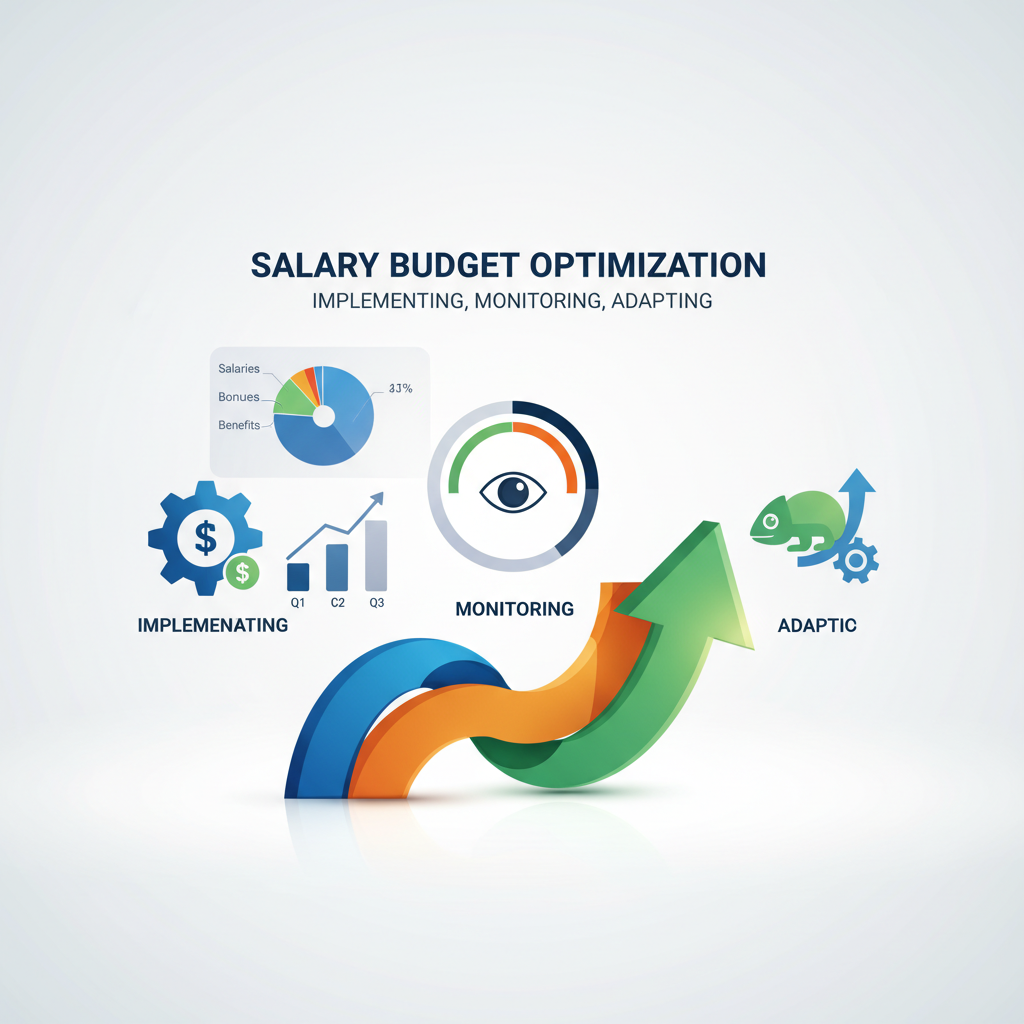
Implementing, Monitoring, and Adapting Your Salary Budget
For Small and Medium-sized Enterprises (SMEs) in the finance sector in Malaysia, an effective salary budget is not a static document but a dynamic framework. Implementing, monitoring, and adapting your salary budget are crucial steps to ensure it remains aligned with business objectives, market realities, and employee expectations. This section provides practical guidance on putting your budget into action, tracking its effectiveness, and making necessary adjustments, all while adhering to HR payroll best practices Malaysia. The ultimate goal is to achieve Optimized Salary Budget Structures for SMEs in finance field in malaysia, driving both financial health and employee satisfaction.
1. Digital Tools for Payroll Management & Budget Tracking
The digital era offers powerful solutions for streamlining payroll and budget management, especially vital for SMEs balancing growth with limited resources. Implementing robust digital tools can significantly enhance accuracy, efficiency, and compliance. Modern HR and payroll software can automate salary calculations, tax deductions, EPF, SOCSO, and EIS contributions, reducing manual errors and saving valuable time. Key features to look for include integration with accounting systems, real-time reporting capabilities, and secure data storage. These tools provide instant insights into spending patterns, allowing finance managers to track actual versus budgeted expenditures with precision. By leveraging technology, SMEs can ensure that their salary budget is not only implemented smoothly but also continuously monitored for deviations, facilitating prompt corrective actions. This digital transformation is a cornerstone of effective financial planning and operational excellence in Malaysia’s competitive financial landscape.
2. HR Payroll Best Practices Malaysia for Transparency
Transparency in salary budgeting and compensation practices is a cornerstone of building trust and fostering a positive work environment. For SMEs in the finance sector, clear communication regarding compensation structures, performance appraisal linkages, and benefits packages can significantly boost employee morale and retention. Adhering to HR payroll best practices Malaysia involves more than just legal compliance; it includes cultivating an open dialogue about how salaries are determined, career progression paths, and the rationale behind wage adjustments. This helps to demystify the compensation process, ensuring fair wage practices and preventing misunderstandings. Companies should clearly document their salary scales, promotion criteria, and performance metrics. Regularly communicating these policies ensures that employees understand their value and opportunities within the organization, leading to greater engagement and productivity. Furthermore, staying informed about the latest Malaysian labor laws and employment regulations is crucial for maintaining compliance and ethical standards in all payroll activities.
3. Regular Review and Adaptation of Budget Structures for Fair Wage Practices
An optimized salary budget is never static; it requires regular review and adaptation to remain relevant and effective. Market dynamics, inflation rates, industry benchmarks, and company performance all necessitate periodic adjustments. For SMEs, particularly in the fast-evolving finance field, conducting annual or bi-annual reviews of salary structures is critical to ensure competitive compensation and fair wage practices. This process involves analyzing salary data, assessing employee performance, considering cost-of-living increases, and evaluating the impact of economic shifts. Adaptability also means being prepared to adjust the budget in response to unforeseen circumstances, such as rapid growth, economic downturns, or changes in regulatory requirements. Integrating performance-based incentives and career development programs into the budget structure can also motivate employees and align their goals with the company’s success. By proactively reviewing and adapting their salary budget structures, Malaysian SMEs can maintain their competitiveness, attract top talent, and foster a motivated and stable workforce, all while ensuring long-term financial sustainability and adherence to HR payroll best practices Malaysia.
Partner with Shelby Global
You are looking for reliable HR Sevice Suppliers? Contact Shelby Global Now! To connect with verified talents and upgrade your orginization.
—————————————
References
– current financial sector salary trends in Malaysia: https://www.bnm.gov.my/documents/20124/963973/AR2022_EN_FullReport.pdf
– Malaysia HR & Payroll Compliance Guide: https://boardroomlimited.com/my/insights/hr-payroll-malaysia-compliance-guide/
– Malaysian salary trends for finance professionals: https://www.robertwalters.com.my/salary-survey.html
– SHRM Employee Retention: Tips and Strategies: https://www.shrm.org/resources-and-tools/pages/employee-retention-tips.aspx
– :