Understanding the Landscape: Challenges & Opportunities for FMCG SMEs in Singapore
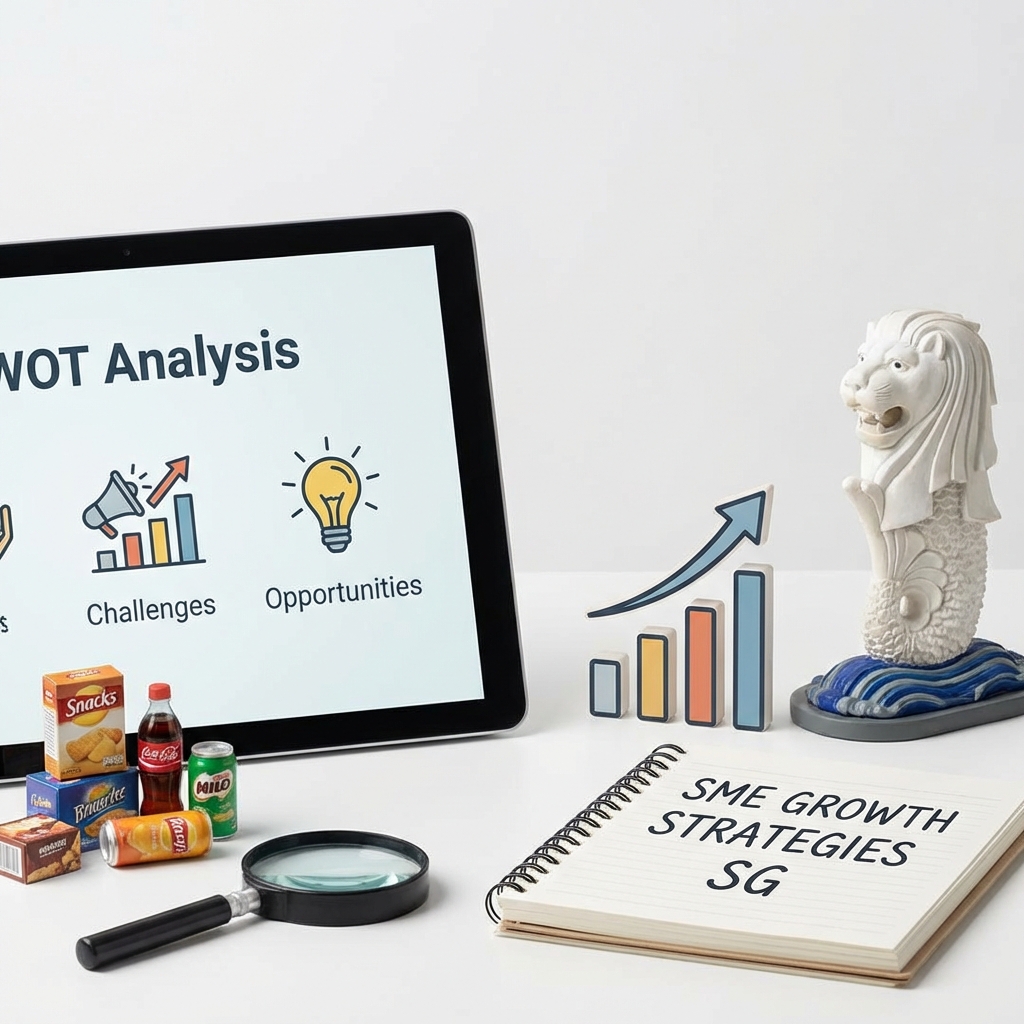
Singapore’s fast-paced Fast-Moving Consumer Goods (FMCG) sector presents a unique paradox for Small and Medium-sized Enterprises (SMEs). While agility and niche focus offer significant growth potential, these businesses grapple with distinct compensation challenges that can impact their ability to thrive. Navigating a highly competitive market for talent while adhering to strict budget constraints requires sophisticated strategies. This section delves into the intricate environment faced by FMCG SMEs in Singapore, highlighting both the hurdles and the avenues for achieving Optimized Salary Budget Structures for SMEs in FMCG companies in singapore.
1. Singapore’s FMCG Market Dynamics and Talent Pool
Singapore’s FMCG market is characterized by intense competition, driven by both established multinational corporations (MNCs) and a growing number of innovative local players. This dynamic environment fuels a continuous demand for skilled talent across various functions, from sales and marketing to supply chain management and increasingly, digital transformation specialists. However, the island nation’s relatively small population means a limited local talent pool. This often necessitates companies to look overseas, contributing to higher recruitment costs and complex visa processes. For FMCG SMEs, attracting and retaining this in-demand talent becomes a critical concern. Effective talent acquisition strategies for SMEs must extend beyond base salary, focusing on career development, company culture, and opportunities for impact. While large corporations can leverage their brand recognition and extensive resources, SMEs must craft compelling employer value propositions to secure the right individuals who possess the necessary expertise and adaptability to thrive in a lean environment, ensuring competitive compensation in FMCG Singapore remains achievable within their means.
2. SME Budget Constraints vs. Large Corporate Compensation
Perhaps the most salient challenge for FMCG SMEs is the stark contrast between their available salary budgets and those of larger competitors. Multinational corporations and established local conglomerates often boast significantly deeper pockets, allowing them to offer premium salary packages, extensive benefits, and structured career advancement paths. This disparity makes it incredibly difficult for SMEs to compete head-on for top-tier talent, leading to potential difficulties in recruitment and higher employee turnover if compensation packages are perceived as inadequate. To overcome this, SMEs need sophisticated SME compensation strategies. This involves a strategic shift from merely matching salaries to crafting holistic compensation and benefits frameworks. Emphasizing non-monetary benefits for employees, such as flexible work arrangements, professional development opportunities, a strong sense of purpose, and a vibrant company culture, can be powerful differentiators. Additionally, exploring performance-based incentives or even equity options for key leadership roles, where appropriate, can significantly bolster talent retention for SMEs without breaking the bank. The goal is to maximize the value perceived by employees, even when direct salary comparisons fall short.
3. Impact of Rising Living Costs and Inflation on Salaries
Singapore consistently ranks among the most expensive cities in the world, a factor that profoundly impacts salary expectations and compensation planning. The escalating cost of living, from housing and transportation to daily necessities, places constant upward pressure on salaries. This challenge is further exacerbated by global and local inflationary trends. When inflation erodes the purchasing power of an employee’s salary, there’s an immediate demand for wage adjustments. For FMCG SMEs, absorbing these increased costs while maintaining profitability is a delicate balancing act. Unlike larger entities that might have greater economies of scale or diverse revenue streams, SMEs often operate on tighter margins, making significant across-the-board salary increments a considerable financial strain. Understanding the inflation impact on salaries Singapore is crucial for sustainable growth. Companies must engage in careful salary benchmarking for SMEs to ensure their offers remain competitive relative to market rates and the cost of living, even if they cannot match MNCs. Implementing structured cost of living adjustments for employees, perhaps through non-base pay components or performance bonuses, can help mitigate the impact without overcommitting fixed costs. Strategic compensation planning is therefore not just about attracting talent, but also about ensuring the long-term financial viability of the business in a high-cost environment.
Core Components of an Optimized Salary Budget Structure
In the dynamic and competitive landscape of Singapore’s Fast-Moving Consumer Goods (FMCG) sector, Small and Medium-sized Enterprises (SMEs) face the dual challenge of managing costs while attracting and retaining top talent. An Optimized Salary Budget Structure for SMEs in FMCG companies in Singapore is not just about allocating funds; it’s a strategic framework designed to ensure fair compensation, motivate performance, and foster long-term employee loyalty. This section delves into the essential elements that form a robust and fair salary budget, focusing on creating a compelling value proposition within budgetary limits.
1. Base Salary Benchmarking and Competitive Analysis
The foundation of any effective salary budget is a comprehensive understanding of market rates. For FMCG SMEs in Singapore, this means engaging in thorough base salary benchmarking and competitive analysis. This process involves comparing current salary levels with industry standards for similar roles, particularly within the FMCG sector and the broader Singaporean market. Tools like industry salary surveys, job board data, and insights from professional associations are invaluable. The goal is not just to match the market but to strategically position salaries to attract high-calibre individuals while maintaining fiscal prudence. By ensuring competitive base salaries, companies lay the groundwork for strong talent acquisition budget Singapore and enhance FMCG talent retention Singapore. This strategic approach to SME compensation strategies also helps in establishing fair pay practices FMCG, preventing high turnover due to salary dissatisfaction and ensuring that your organization remains an attractive employer.
2. Variable Pay: Bonuses, Incentives, and Commissions
Beyond the fixed base salary, variable pay components play a crucial role in motivating performance and aligning individual efforts with organizational objectives. For FMCG companies, where sales targets and product launches are critical, performance-based pay FMCG schemes are particularly effective. This can include individual performance bonuses, team-based incentives for achieving project milestones, or sales commissions. The key is to design variable pay structures that are transparent, measurable, and directly linked to business outcomes. Clear metrics and regular feedback ensure that employees understand how their contributions impact their earnings, fostering a culture of accountability and high achievement. Implementing robust variable pay mechanisms reinforces fair pay practices FMCG by directly rewarding contribution and productivity, thereby strengthening overall SME compensation strategies and making your organization more appealing for prospective talent.
3. Benefits and Perks: Beyond the Paycheck (e.g., Health, Wellness, Development)
In today’s competitive talent market, an attractive total rewards package SMEs extends significantly beyond monetary compensation. Employee benefits Singapore, such as comprehensive health insurance, wellness programs, and flexible work arrangements, are powerful tools for attracting and retaining talent. Furthermore, investing in professional development, training programs, and career advancement opportunities demonstrates a commitment to employee growth, which is highly valued. These non-monetary benefits contribute significantly to job satisfaction, employee loyalty, and overall well-being. By clearly communicating the full scope of these offerings, including aspects of salary transparency Singapore where appropriate regarding overall compensation structures, SMEs can showcase a compelling value proposition. Emphasizing a holistic fair and progressive employment practices approach, these benefits are critical for FMCG talent retention Singapore, ensuring employees feel valued and supported, thereby bolstering the company’s ability to compete for the best professionals.
Strategic Budget Allocation and Cost-Efficiency Measures
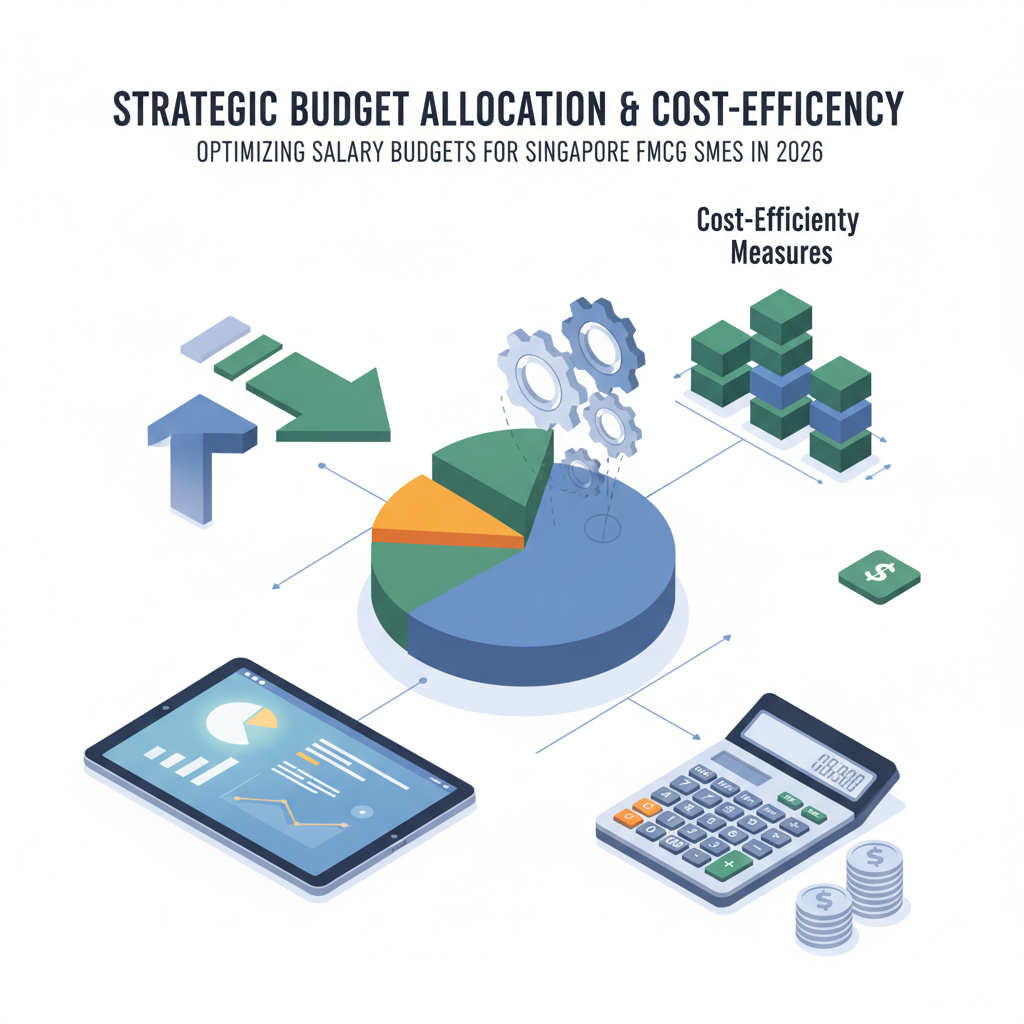
For Small and Medium-sized Enterprises (SMEs) within Singapore’s competitive Fast-Moving Consumer Goods (FMCG) sector, achieving optimized salary budget structures is paramount. Navigating the delicate balance between attracting and retaining top talent and maintaining robust financial health requires a strategic approach to compensation. This section delves into practical, actionable methods for allocating salary funds effectively, identifying crucial areas for cost optimization without compromising the quality of your workforce or dampening employee morale, which are critical for sustainable growth in the dynamic Singaporean market.
1. Zero-Based Budgeting for Compensation Planning
Zero-Based Budgeting (ZBB) offers a powerful framework for developing truly optimized salary budget structures for SMEs in FMCG companies in Singapore. Unlike traditional incremental budgeting, ZBB requires every compensation expenditure to be justified from scratch each budget cycle. This rigorous approach forces HR and finance teams to critically evaluate every role’s necessity, assess market rates for specific positions in Singapore, and justify proposed salary adjustments based on tangible performance metrics and strategic value. Implementing ZBB can reveal opportunities for reallocating funds to high-impact roles, introducing performance-based incentives, or optimizing variable pay components, ensuring every dollar spent directly contributes to business objectives and talent retention within the competitive Singaporean FMCG landscape. It encourages a lean, efficient mindset, driving significant cost-efficiency through optimal resource deployment.
2. Leveraging Technology for Payroll and HR Management
Digital transformation offers immense potential for SMEs to streamline HR and payroll operations, leading to significant cost savings and improved efficiency. Investing in robust Human Resources Information Systems (HRIS) or integrated payroll software automates administrative tasks like salary processing, leave, and benefits administration. For FMCG companies in Singapore, this reduces manual data entry, minimizes errors, and ensures compliance with local labor laws, freeing up HR personnel for strategic initiatives like talent development and employee engagement. Cloud-based solutions offer scalability and affordability, ideal for SMEs. By accurately tracking hours, managing deductions, and ensuring timely payouts, technology boosts transparency and employee trust. Furthermore, advanced analytics within these systems provide valuable insights into compensation trends, helping SMEs benchmark against industry standards and create truly optimized salary budget structures that are competitive yet cost-effective. This technological embrace is a cornerstone of modern cost-efficiency measures.
3. Negotiating Benefits Packages and Vendor Partnerships
Beyond base salaries, the total compensation package significantly impacts employee attraction and retention. Strategic negotiation of benefits and vendor partnerships offers prime cost optimization for SMEs in Singapore’s FMCG sector. Instead of a one-size-fits-all plan, consider flexible benefits allowing employees to choose what’s most valuable, potentially reducing expenditure on unused perks. When engaging with insurance providers, training vendors, or other HR service providers, SMEs should actively seek competitive bids and leverage their collective employee numbers to negotiate better rates. Exploring local government schemes and subsidies for training or employee wellness programs in Singapore can also significantly reduce costs while enhancing employee value. For example, partnering with local gyms or wellness centers for corporate rates provides significant perks affordably. Regularly reviewing existing vendor contracts is essential for securing the best value. This proactive approach to benefits optimization and vendor management directly contributes to more optimized salary budget structures, enabling attractive compensation without overstretching financial resources—crucial for talent retention in Singapore. MOM Singapore’s insights on labor force trends underscore the importance of balancing employee welfare with business sustainability, highlighting that effective human capital management, including strategic benefits planning, is vital for productivity and competitiveness.
Implementing these strategic measures — from the disciplined scrutiny of Zero-Based Budgeting to the transformative power of technology and astute vendor negotiations — can significantly enhance the cost-efficiency of compensation plans for SMEs in the FMCG sector in Singapore. The goal is not merely to cut costs but to cultivate optimized salary budget structures that are agile, competitive, and sustainable, ensuring talent quality and employee morale remain high while driving the business forward in a dynamic economic environment. By adopting these strategies, SMEs can strategically allocate their most significant operational expense – salaries – to achieve both financial prudence and a motivated, high-performing workforce.
Linking Performance, Retention, and Salary: A Holistic Approach
Description: Focuses on how performance management, employee retention strategies, and salary structures can be integrated to create a motivated and high-performing workforce.
In today’s dynamic business landscape, particularly for Small and Medium-sized Enterprises (SMEs) within Singapore’s competitive Fast-Moving Consumer Goods (FMCG) sector, attracting and retaining top talent is paramount. While salary is often perceived as the primary driver, a truly effective workforce strategy demands a holistic approach that seamlessly integrates performance management, robust retention strategies, and smart salary structures. This integrated method goes beyond mere compensation; it builds a culture where employees feel valued, challenged, and committed to the company’s success. By adopting optimized salary budget structures for SMEs in FMCG companies in Singapore, businesses can ensure that every dollar spent on talent contributes directly to productivity and long-term stability. This section explores how these three pillars can be synergized to foster a highly motivated and high-performing team.
Main Keyword: Optimized Salary Budget Structures for SMEs in FMCG companies in singapore
Sub Keywords: FMCG salary strategies Singapore, SME compensation models, Employee retention FMCG Singapore, Performance management SMEs, Career growth FMCG, Training ROI Singapore, Fair pay practices SMEs, Budgeting for talent Singapore
1. Performance-Based Pay Models and Key Performance Indicators (KPIs)
The foundation of an effective salary structure in the FMCG sector, especially for SMEs, lies in linking compensation directly to measurable performance. Traditional fixed salaries often fail to motivate employees to exceed expectations. Instead, implementing performance-based pay models, guided by clear Key Performance Indicators (KPIs), ensures that higher rewards are tied to superior results. For FMCG SMEs in Singapore, relevant KPIs might include sales volume targets, market share growth, new product launch success rates, supply chain efficiency improvements, or customer satisfaction scores. Transparently defining these KPIs helps employees understand exactly what is expected of them and how their individual contributions impact the company’s bottom line. This clarity not only drives performance but also fosters a sense of fairness and accountability, leading to a more engaged and results-oriented workforce. When employees see a direct correlation between their hard work, achieving targets, and their remuneration, their motivation to perform at their best significantly increases, thereby justifying the investment in their salary.
2. Non-Monetary Retention Strategies for SMEs
While salary is a crucial component, it’s not the only factor influencing employee retention, particularly for SMEs that might have budget limitations compared to larger corporations. Non-monetary incentives play an equally vital role in building loyalty and reducing turnover within the competitive FMCG landscape. Strategies such as fostering a positive work-life balance through flexible working arrangements, offering meaningful recognition for achievements, promoting a supportive and inclusive company culture, and providing autonomy in roles can be incredibly powerful. A positive work environment, where employees feel valued, heard, and respected, often outweighs marginal salary differences. For SMEs in Singapore’s FMCG sector, these strategies are critical for retaining employees who might otherwise be tempted by slightly higher offers from competitors. Investing in employee well-being and creating a strong sense of community significantly contributes to job satisfaction, making employees more likely to stay long-term. According to critical talent management insights, non-financial factors are increasingly important in retaining top talent.
3. Career Development and Training as a Compensation Component
Viewing career development and continuous training not just as an expense but as a strategic component of an employee’s total compensation package is a game-changer for FMCG SMEs. In a rapidly evolving market, upskilling and reskilling are essential. Providing opportunities for professional growth—whether through workshops on digital marketing, advanced sales techniques, supply chain optimization, or leadership development programs—demonstrates a company’s commitment to its employees’ long-term success. This investment enhances an employee’s market value, increases their loyalty, and improves their performance, effectively functioning as a deferred compensation benefit. Employees are more likely to commit to an organization that invests in their future, seeing it as a tangible benefit that contributes to their personal and professional growth. For SMEs budgeting for talent in Singapore, strategically allocating funds for training can be more impactful for retention and performance than simply increasing base salaries, creating a virtuous cycle where skilled employees drive better business outcomes and feel more invested in their employer.
By integrating performance-based pay with strategic non-monetary incentives and robust career development opportunities, FMCG SMEs in Singapore can create a highly motivated, high-performing, and loyal workforce. This holistic approach optimizes salary budget structures, ensuring that every investment in human capital yields maximum returns in productivity, retention, and sustained business growth.
Navigating Regulatory Compliance and Future Trends in Salary Management
In Singapore’s dynamic economic landscape, particularly for Small and Medium-sized Enterprises (SMEs) within the fast-moving consumer goods (FMCG) sector, effective salary management extends far beyond simply paying employees. It requires a deep understanding of the legal framework, a keen eye on future market shifts, and a strategic approach to compensation. This section delves into the intricate web of regulatory compliance, prepares SMEs for evolving salary expectations, and explores innovative compensation strategies to ensure sustained competitiveness and talent retention.

-
Singapore Employment Laws and Fair Wage Practices
Operating an FMCG SME in Singapore necessitates strict adherence to the nation’s robust employment laws. The cornerstone is the Employment Act, which sets minimum standards for employment terms, including contracts, working hours, leave entitlements, and, critically, wage payment. SMEs must ensure timely and accurate payment of salaries, overtime, and annual wage supplements (AWS). Beyond the basic provisions, specific regulations like the Central Provident Fund (CPF) contributions for Singaporean citizens and Permanent Residents, as well as foreign worker levies, significantly impact the overall salary budget.
A key focus for fair wage practices in Singapore is the Progressive Wage Model (PWM). While initially applicable to specific sectors like cleaning, security, and landscape, its expansion signals a broader governmental push towards uplifting wages for lower-wage workers across various industries. FMCG SMEs should proactively assess their workforce against PWM guidelines, even if not directly mandated, to align with national fair wage objectives and ensure equitable compensation. Non-compliance can lead to hefty penalties and reputational damage, making proactive understanding and implementation paramount for sustainable business operations.
-
Anticipating Future Salary Benchmarks and Inflation
The economic environment in Singapore is consistently influenced by global factors, leading to fluctuating salary benchmarks and inflationary pressures. For FMCG SMEs, understanding these trends is crucial for maintaining competitive compensation packages and attracting top talent. Factors such as the rising cost of living, global supply chain disruptions impacting production costs, and a tight labor market contribute to upward pressure on salary expectations. Regular market benchmarking, using data from industry reports and professional surveys, becomes indispensable to ensure your compensation offerings remain attractive and realistic.
Inflation, a persistent concern, directly erodes purchasing power and necessitates periodic salary adjustments to maintain employee satisfaction and motivation. SMEs should integrate inflation forecasts into their annual budgeting cycles, allocating resources for potential salary increments. Beyond base pay, a holistic view of total rewards, including performance bonuses and non-monetary benefits, can help mitigate the direct impact of inflation on fixed salary costs. Developing optimized salary budget structures for SMEs in FMCG companies in Singapore allows for agility in responding to economic shifts while ensuring fiscal prudence. This strategic approach enables businesses to manage costs effectively while still rewarding employees fairly.
-
The Role of Remote Work and Flexible Benefits in Compensation
The post-pandemic era has irrevocably reshaped traditional work models, with remote and hybrid work arrangements becoming increasingly common. For FMCG SMEs, embracing flexibility can be a powerful differentiator in the talent market, especially when competing with larger corporations on base salary alone. Compensation strategies must now consider the value placed on work-life balance and autonomy. Offering remote or hybrid work options can reduce operational costs for the company while enhancing employee satisfaction and potentially expanding the talent pool beyond geographical constraints.
Furthermore, the demand for flexible benefits has surged. Employees increasingly value personalized benefits packages that cater to their diverse needs, ranging from comprehensive health and wellness programs to professional development opportunities, enhanced leave policies, or even stipends for home office setups. Shifting from a one-size-fits-all approach to a flexible benefits model allows SMEs to allocate compensation budgets more effectively, offering benefits that genuinely resonate with employees. This strategic pivot not only boosts morale and loyalty but also positions the SME as a forward-thinking employer, vital for attracting and retaining skilled professionals in a competitive FMCG landscape.
Partner with Shelby Global
You are looking for reliable HR Sevice Suppliers? Contact Shelby Global Now! To connect with verified talents and upgrade your orginization.
—————————————
References
– Consumer Price Index (CPI) – Singapore Department of Statistics: https://www.singstat.gov.sg/find-data/search-by-theme/economy/prices-and-price-indices/consumer-price-index-cpi
– Fair and Progressive Employment Practices: https://www.mom.gov.sg/employment-practices/fair-and-progressive-employment-practices
– MOM Singapore’s insights on labor force trends: https://www.mom.gov.sg/newsroom/press-releases/2023/1218-singapore-labour-force-2023
– Deloitte Global Human Capital Trends: https://www2.deloitte.com/sg/en/pages/human-capital/solutions/global-human-capital-trends.html
– Employment Act: https://www.mom.gov.sg/employment-practices/employment-act