
Understanding the Current F&B Labor Landscape in Vietnam
Vietnam’s food and beverage (F&B) sector has experienced remarkable growth over the past decade, driven by a burgeoning middle class, increasing tourism, and a vibrant street food culture. However, beneath this dynamic surface lies a complex labor landscape, particularly challenging for Small and Medium-sized Enterprises (SMEs). Navigating this environment requires more than just operational efficiency; it demands a nuanced understanding of workforce dynamics and strategic compensation planning. Developing Optimized Salary Budget Structures for SMEs in Food & Beverage field in vietnam is paramount for sustainable success, addressing critical F&B workforce challenges Vietnam while fostering a productive and motivated team. SMEs in this sector grapple with unique pressures, from evolving wage trends to intense competition for skilled talent, making effective human resource management F&B SMEs a non-negotiable aspect of their business strategy.

-
Current Wage Trends and Benchmarks in Vietnam’s F&B Sector
The F&B sector in Vietnam is characterized by diverse wage expectations, influenced heavily by location, type of establishment, and required skill sets. Major metropolitan areas like Ho Chi Minh City and Hanoi command higher salaries compared to secondary cities or rural regions, reflecting a higher cost of living and stronger competition among employers. Recent labor market trends Vietnam F&B indicate a gradual increase in average wages, propelled by inflation and government adjustments to minimum wage levels. For SMEs, benchmarking these figures is crucial to remain competitive. Understanding the prevalent SME compensation strategies Vietnam involves analyzing not just base salaries but also benefits, performance incentives, and opportunities for career progression. Without a clear picture of these benchmarks, F&B SMEs risk offering uncompetitive packages, leading to difficulties in employee attraction and higher employee turnover F&B Vietnam. Companies must actively monitor wage inflation Vietnam hospitality to ensure their salary budgets remain relevant and attractive to potential hires.
-
Impact of Economic Factors on SME Labor Costs
Vietnam’s robust economic growth, while creating opportunities, also brings challenges for F&B SMEs, particularly regarding operational costs F&B Vietnam. Inflation, for instance, directly impacts the cost of living, pushing employees to seek higher wages to maintain their purchasing power. This, in turn, increases labor costs for businesses. Government policies, such as social insurance contributions and evolving labor laws, also add to the financial burden on employers. The global economic landscape further exacerbates these pressures; for example, recent global headwinds, as highlighted by the World Bank’s report on Vietnam’s economic recovery, can indirectly affect consumer spending and, consequently, F&B revenues, making it harder for SMEs to absorb rising labor expenses. Crafting sustainable salary models F&B Vietnam means factoring in these macroeconomic variables, developing flexible budget structures that can adapt to economic shifts while ensuring fair compensation for staff.
-
Challenges in Employee Attraction and Retention for F&B SMEs
One of the most pressing issues for F&B SMEs in Vietnam is the struggle to attract and retain qualified staff. The sector faces a persistent skill gap F&B Vietnam, especially for specialized roles like experienced chefs, baristas, or restaurant managers. Larger, international F&B chains often offer more attractive compensation packages, better benefits, and clearer career paths, making it difficult for SMEs to compete. High staff retention F&B Vietnam is further complicated by the transient nature of some F&B roles and a younger workforce seeking rapid career advancement or new experiences. Beyond competitive salaries, SMEs must cultivate a positive workplace culture, provide continuous training and development opportunities, and offer non-monetary incentives to improve employee loyalty. Addressing the challenges in employee attraction and retention for F&B SMEs requires a holistic approach that goes beyond just monetary rewards, focusing on creating an environment where employees feel valued, can grow, and see a future within the company. This strategic approach to human capital is key to mitigating the pervasive issue of employee turnover F&B Vietnam.
In conclusion, the F&B labor landscape in Vietnam presents a dynamic mix of opportunities and significant challenges for SMEs. From understanding current wage trends and navigating economic pressures to effectively attracting and retaining talent amidst a competitive market, these businesses must adopt proactive and intelligent approaches to their workforce and compensation strategies. By doing so, they can build resilient teams, ensure operational stability, and drive long-term success in Vietnam’s vibrant F&B sector.
Key Principles for Optimized Salary Budget Structures
Building effective and sustainable salary structures is a critical challenge for small to medium-sized enterprises (SMEs) in Vietnam’s vibrant Food & Beverage (F&B) sector. Navigating the competitive labor market, managing operational costs, and fostering employee loyalty requires a strategic approach. This section dives into the core methodologies and philosophies behind creating Optimized Salary Budget Structures for SMEs in Food & Beverage field in vietnam, ensuring financial viability while motivating staff to deliver exceptional service and culinary experiences. By adhering to these key principles, F&B businesses can establish a resilient compensation framework that supports growth, enhances employee satisfaction, and ultimately drives long-term success.
1. Fairness, Transparency, and Equity in Compensation Design
The foundation of any successful salary budget structure lies in its commitment to fairness, transparency, and equity. For SMEs in the F&B sector, particularly in Vietnam, this means establishing clear compensation guidelines that are perceived as just by all employees. Fair pay F&B Vietnam is not merely about meeting minimum wage requirements; it’s about ensuring that remuneration reflects an individual’s role, responsibilities, skills, and contribution, relative to both internal peers and external market rates. Transparency, while sometimes challenging for smaller businesses, involves openly communicating how salaries are determined, what factors influence pay increases, and the criteria for bonuses. This clarity builds trust and reduces speculation, crucial for maintaining a positive work environment. Equity ensures that employees performing similar roles with comparable experience receive similar compensation, regardless of gender, background, or other non-performance related factors. Adopting these HR best practices F&B principles is vital for employee retention F&B Vietnam, fostering a sense of value and belonging, and mitigating potential disputes. A well-designed compensation strategy F&B Vietnam prioritizes these values, leading to a more engaged and stable workforce.
2. Aligning Salary with Business Goals and Financial Health
An effective salary budget is not just an expense; it’s an investment that must directly support the overarching business goals and maintain the financial health of the F&B enterprise. This principle requires a deep understanding of the company’s financial capabilities, projected revenues, and the competitive landscape of Vietnam F&B labor costs. Businesses must meticulously plan their budgeting for salaries small restaurants, ensuring that payroll expenditures are sustainable and do not jeopardize profitability or growth initiatives. This involves conducting regular market analyses to benchmark salaries against competitors and industry standards, preventing both overspending and underpaying. Underpaying can lead to high turnover, while overpaying can strain resources. Implementing cost-effective payroll solutions involves not only careful salary setting but also efficient payroll processing and benefit management. The goal is to create sustainable salary models that allow the business to attract and retain talent without compromising its financial stability. By strategically aligning compensation with operational efficiency and revenue targets, F&B SMEs can ensure their salary structure is a tool for achieving strategic objectives, not a financial burden.
3. The Role of Performance-Based Pay and Incentives
Beyond base salaries, integrating performance-based pay and incentive programs F&B can significantly boost productivity, motivation, and overall business performance. In the dynamic F&B environment, where service quality and speed are paramount, rewarding employees for achieving specific, measurable goals can directly impact customer satisfaction and revenue. Performance management F&B SMEs should establish clear metrics, such as sales targets for servers, customer feedback scores for front-of-house staff, or waste reduction targets for kitchen teams. These metrics should be transparent, achievable, and directly linked to the company’s financial success. Incentives can range from individual bonuses and team commissions to non-monetary recognition programs. Such schemes not only encourage employees to go the extra mile but also reinforce a culture of accountability and excellence. When implemented correctly, performance-based compensation helps optimize salary budget structures by ensuring that a portion of the compensation is directly tied to value creation, making it a more efficient use of resources. This approach allows F&B businesses to cultivate a high-performing team that is invested in the company’s success, directly contributing to an Optimized Salary Budget Structures for SMEs in Food & Beverage field in vietnam.
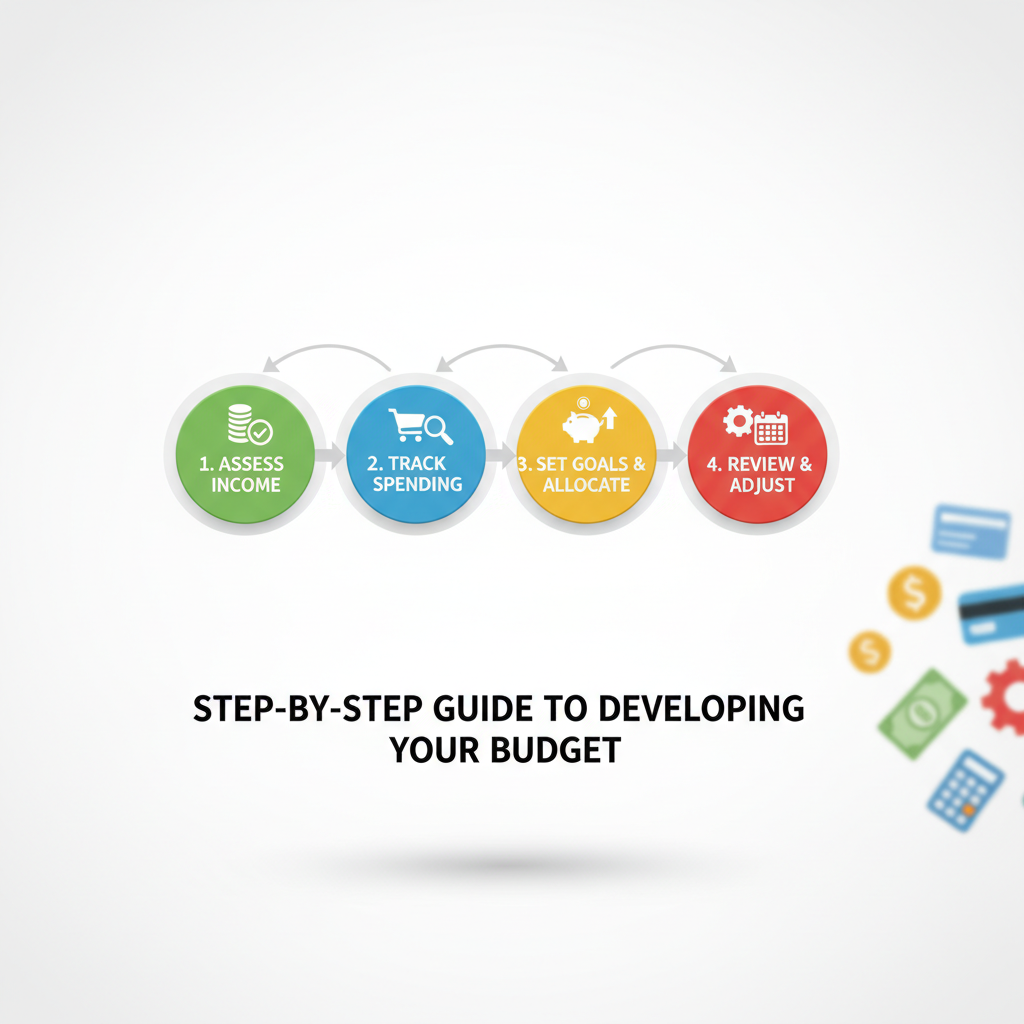
Step-by-Step Guide to Developing Your Budget
A practical guide outlining the process of planning, allocating, and implementing a salary budget tailored for F&B SMEs, emphasizing strategic considerations.
In the vibrant, competitive landscape of Vietnam’s Food & Beverage (F&B) sector, small and medium-sized enterprises (SMEs) face unique challenges in managing operational costs while attracting and retaining top talent. An Optimized Salary Budget Structures for SMEs in Food & Beverage field in vietnam is not just about cost control; it’s a strategic tool for enhancing productivity, ensuring staff retention strategies F&B, and ultimately, driving profitability. This step-by-step guide walks F&B SME owners through the essential phases of developing a robust and flexible salary budget, considering the specific dynamics of the Vietnamese market.
1. Conducting a Compensation Audit and Market Analysis
The foundation of any effective salary budget lies in understanding your current compensation landscape and how it stacks up against the market. Begin with a comprehensive compensation audit Vietnam, reviewing all existing salaries, wages, benefits, and incentives for your F&B staff. Categorize employees by role and analyze pay rates, identifying inconsistencies or disparities. Simultaneously, conduct a thorough market analysis F&B Vietnam to benchmark compensation against competitors and industry standards. Research typical F&B salary benchmarks for similar roles in your area, using industry reports, recruitment data, and networking. Pay close attention to local minimum wage, cost of living, and demand for specific skills (e.g., specialty chefs). Understanding these external factors is paramount for designing competitive packages that attract talent and support staff retention strategies F&B without overspending. This audit identifies misalignments, setting the stage for strategic adjustments.
2. Allocating Funds: Fixed vs. Variable Pay Components
With market benchmarks in hand, strategically allocate funds across different pay components. An optimized salary budget balances fixed pay components with variable pay incentives F&B. Fixed pay (base salaries/hourly wages) must be competitive to attract talent, especially for core F&B roles. Variable pay includes performance-based bonuses, commissions, and incentives tied to individual or team performance, sales, or customer satisfaction. This component is crucial for fostering a high-performance culture and flexible labor cost control F&B Vietnam. Incentives for front-of-house staff (e.g., upselling) and kitchen staff (e.g., waste reduction) can drive significant savings. Carefully consider the fixed vs. variable proportion for each role; a higher variable component suits roles with direct sales impact. This strategic allocation links compensation directly to business performance, managing overall labor costs and contributing to efficient salary budget structures for SMEs in the Vietnamese F&B sector.
3. Forecasting Labor Costs and Budget Adjustments
Developing a budget is an ongoing process. Effective salary budget forecasting is essential for F&B SME financial health, predicting future labor costs based on historical data, projected sales, seasonal fluctuations, and staffing changes. Peak seasons demand more staff, off-peak less. Factor in potential wage compliance Vietnam changes (e.g., minimum wage increases) and staff turnover costs. Utilize historical sales data, customer patterns, and economic indicators for robust forecasts. Account for indirect labor costs like social and health insurance. Crucially, your budget needs budget flexibility F&B; the industry is dynamic. Establish a monthly or quarterly review cycle to assess actual vs. budgeted labor costs and be prepared for swift budget adjustments based on performance and market conditions. This proactive approach ensures your salary budget remains relevant, sustainable, and supports F&B SME objectives, maintaining competitive compensation and efficient labor cost control F&B Vietnam. For insights into wage trends, consult authoritative sources such as the International Labour Organization’s reports on wage trends in Vietnam.
By meticulously following these steps, F&B SMEs in Vietnam can move beyond mere expense tracking to strategic financial planning. An optimized salary budget acts as a cornerstone for operational efficiency, talent acquisition, and long-term success in a highly competitive market, fostering a stable and motivated workforce while safeguarding your bottom line.
Navigating Legal Compliance and Employee Benefits
Operating a Small and Medium-sized Enterprise (SME) in Vietnam’s dynamic Food & Beverage (F&B) sector presents unique opportunities and challenges. A cornerstone of sustainable growth and talent retention lies in mastering your approach to legal compliance and employee benefits. Beyond merely adhering to regulations, an intelligently structured compensation package, which includes both mandatory and voluntary benefits, can significantly impact employee satisfaction, reduce turnover, and ultimately contribute to an Optimized Salary Budget Structures for SMEs in Food & Beverage field in Vietnam. Understanding the nuances of Vietnamese labor law and strategically implementing benefits is not just about avoiding penalties; it’s about building a robust and attractive employer brand.
1. Vietnamese Labor Law Requirements for Wages and Benefits
Vietnamese labor law is comprehensive and strictly enforced, particularly for employers. For F&B SMEs, understanding and meticulously complying with these regulations is non-negotiable. Key requirements revolve around minimum wage, which is typically set regionally and updated periodically. Employers must ensure that the base salaries of their F&B staff meet or exceed these thresholds. Beyond direct wages, a significant component of compliance involves mandatory social welfare contributions. These include Social Insurance, Health Insurance, and Unemployment Insurance, which both employers and employees contribute to. These contributions fund essential social safety nets, providing employees with benefits related to sickness, maternity, work accidents, occupational diseases, retirement, and unemployment. Additionally, certain enterprises may be required to contribute to Trade Union Funds. Adhering to the stipulated working hours, overtime regulations, public holidays, annual leave entitlements, and severance pay provisions as outlined in the Labor Code 2019 is also critical. Neglecting any of these can lead to substantial fines, legal disputes, and reputational damage, making diligent compliance a priority for any F&B business aiming for long-term success in Vietnam.
2. Mandatory vs. Voluntary Employee Benefits for F&B Staff
While mandatory benefits form the legal bedrock of any compensation package, strategic F&B SMEs in Vietnam can gain a significant competitive edge by offering an array of voluntary benefits. These non-salary perks are instrumental in attracting top talent, improving employee morale, and reducing staff turnover—a common challenge in the F&B industry. Beyond the legally required social security contributions, consider benefits such as meal allowances or on-site meals, which are highly valued by F&B staff often working long shifts. Transportation allowances or company shuttle services can also be a significant draw, especially in urban areas. Performance-based bonuses, tips sharing policies, and sales incentives directly motivate staff and reward hard work. Investing in training and professional development, such as culinary courses, customer service workshops, or hygiene certifications, not only upskills your team but also demonstrates a commitment to their career growth. Health check-ups, accident insurance, or even gym memberships can contribute to employee well-being. Flexible working hours, where feasible, and generous staff discounts are also highly appreciated. By thoughtfully curating a mix of mandatory and voluntary benefits, F&B businesses can craft an appealing package that goes beyond basic wages, fostering loyalty and creating an Optimized Salary Budget Structures for SMEs in Food & Beverage field in Vietnam that is both competitive and cost-effective.
3. Ensuring Tax Compliance and Payroll Accuracy
Accurate payroll processing and rigorous tax compliance are foundational to an F&B SME’s financial health and legal standing in Vietnam. Errors in calculating wages, overtime, allowances, and mandatory contributions can lead to significant financial penalties from tax authorities and labor departments, not to mention eroding employee trust. Personal Income Tax (PIT) for employees must be correctly calculated and withheld, taking into account various deductions and tax brackets. This requires a thorough understanding of Vietnam’s progressive tax system and its regular updates. Employers are also responsible for filing monthly or quarterly tax declarations and annual finalization statements. Furthermore, contributions to social insurance, health insurance, and unemployment insurance must be precisely calculated based on the employee’s salary and remitted on time to the relevant government bodies. Maintaining meticulous records of employee attendance, working hours, leave, and all compensation components is essential for audits and dispute resolution. Many F&B SMEs find it beneficial to utilize specialized payroll software or outsource their payroll and tax compliance functions to professional accounting or HR firms. This not only minimizes the risk of non-compliance but also frees up valuable internal resources to focus on core business operations, contributing to an efficient and compliant HR framework and ultimately supporting Optimized Salary Budget Structures for SMEs in Food & Beverage field in Vietnam.
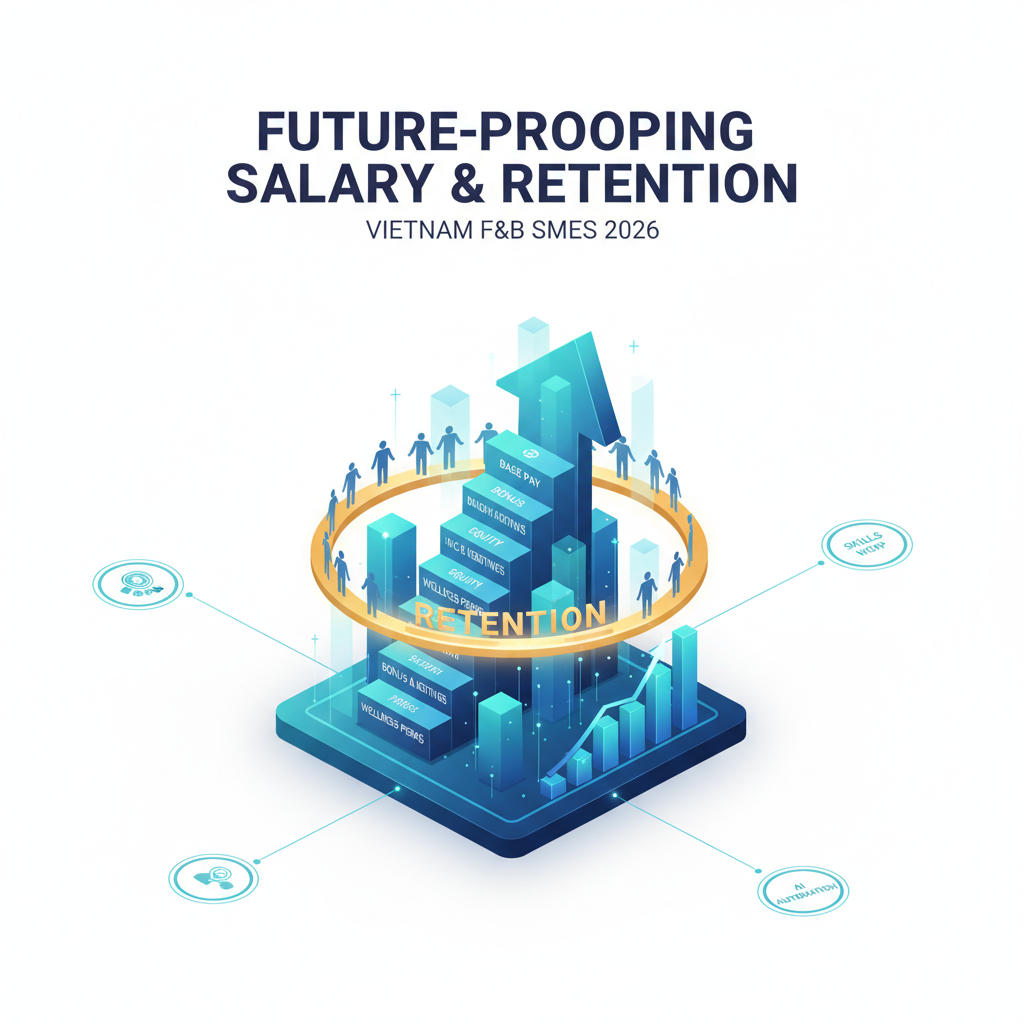
Future-Proofing Your Salary Structure and Retention
In the dynamic landscape of Vietnam’s Food & Beverage sector, Small and Medium-sized Enterprises (SMEs) face a unique challenge: how to maintain a competitive edge through their human capital. Achieving Optimized Salary Budget Structures for SMEs in Food & Beverage field in vietnam is not a one-time task but a continuous strategic imperative. This involves more than just offering attractive salaries; it demands foresight in market adaptation, a commitment to employee engagement, and proactive strategies for talent retention. By focusing on long-term optimization, F&B SMEs can ensure their compensation models are not only fair and competitive today but also resilient against future economic shifts and evolving employee expectations. This section explores crucial strategies to future-proof your compensation framework, fostering a high-performing workforce and ensuring sustained success.
1. Implementing Regular Compensation Reviews and Adjustments
The F&B market in Vietnam is characterized by rapid changes in labor costs and competitor offerings. Therefore, implementing a robust schedule for regular compensation reviews is paramount. SMEs should conduct annual or bi-annual market benchmarking exercises to ensure their salaries remain competitive compensation. This involves analyzing industry trends, salary data for similar roles in the region, and the total rewards packages offered by direct competitors. Adjustments should consider inflation rates, cost of living changes, and employee performance, moving beyond just base salary to include performance-based pay, bonuses, and benefits. Such proactive adjustments prevent salary compression, maintain internal equity, and signal to employees that their value is recognized, significantly contributing to talent retention. Neglecting these reviews can lead to dissatisfaction, high turnover, and ultimately, a detrimental impact on productivity and service quality. Strategic compensation benchmarks are vital for maintaining an attractive and fair pay scale.
2. Developing Career Paths and Training Programs
Beyond monetary compensation, opportunities for growth and development are powerful drivers of employee engagement and loyalty. SMEs in the F&B sector should invest in developing clear career paths for their staff, from entry-level positions to management roles. This involves identifying key skill sets required for advancement and establishing comprehensive training programs. These programs can range from in-house workshops on culinary techniques, customer service excellence, and hygiene standards to external courses on leadership development and digital literacy. Providing avenues for skill development and professional progression not only enhances an employee’s capabilities but also demonstrates a company’s commitment to their long-term success. This fosters a sense of purpose and belonging, reducing turnover and creating a stable, skilled workforce. A well-structured training initiative is a key component of a robust talent retention strategy, ensuring employees see a future within the company and contributing to a positive work culture.
3. Leveraging Technology for Payroll Management and HR Analytics
In the modern era, technology is an indispensable tool for optimizing HR functions. For SMEs aiming for Optimized Salary Budget Structures for SMEs in Food & Beverage field in vietnam, leveraging HR software and payroll management systems can streamline operations and provide critical insights. These systems automate complex payroll calculations, ensure regulatory compliance with Vietnamese labor laws, and minimize human error, thereby improving payroll efficiency. More importantly, advanced HR analytics capabilities allow businesses to track key metrics such as turnover rates, recruitment costs, compensation effectiveness, and employee performance. By analyzing this data, F&B SMEs can identify trends, forecast future staffing needs, and make data-driven decisions regarding salary adjustments, bonus structures, and overall workforce planning. This proactive approach to HR management, supported by technology, ensures that investment in human capital is strategic and yields maximum returns, ultimately strengthening market adaptation and overall business resilience. Understanding global compensation trends can further inform these technology-driven insights, allowing for more informed decisions. For more detailed insights into effective compensation strategies, organizations can refer to authoritative sources such as the Society for Human Resource Management (SHRM), which offers extensive resources on HR best practices and compensation benchmarks.
By integrating these long-term strategies, F&B SMEs in Vietnam can build a robust, flexible, and attractive compensation and retention framework. This commitment to continuous improvement in salary structure, employee development, and technological adoption will not only attract top talent but also ensure their enduring loyalty and productivity, securing a prosperous future for the business.
Partner with Shelby Global
You are looking for reliable HR Sevice Suppliers? Contact Shelby Global Now! To connect with verified talents and upgrade your orginization.
—————————————
References
– Vietnam’s Economy Continues to Recover, But Global Headwinds Persist: https://www.worldbank.org/en/news/press-release/2023/12/12/viet-nam-s-economy-continues-to-recover-but-global-headwinds-persist
– The Case for Pay Transparency – Harvard Business Review: https://hbr.org/2016/04/the-case-for-pay-transparency
– International Labour Organization’s reports on wage trends in Vietnam: https://www.ilo.org/hanoi/information-resources/publications/WCMS_872714/lang–en/index.htm
– Vietnam’s New Labor Code: A Glimpse: https://vietnamlawmagazine.vn/vietnams-new-labor-code-a-glimpse-4751.html
– Society for Human Resource Management (SHRM): https://www.shrm.org/resources–and–tools/pages/default.aspx